IN
IN₹
Description
Premium non-woven geotextile fabric represents a sophisticated engineering solution designed for demanding construction and environmental applications. Manufactured through advanced mechanical and thermal bonding processes, these synthetic fabrics feature randomly oriented fibers that create a strong, durable, and highly permeable material structure. This unique construction delivers exceptional filtration, separation, and reinforcement properties that have become indispensable for modern infrastructure development. The fabric's superior tensile strength and puncture resistance ensure reliable performance under substantial stress, while consistent manufacturing processes guarantee uniform quality across all production batches.

Multiple industries rely on these geotextile fabrics for critical applications that require soil stabilization and water management solutions. Civil engineering projects utilize them extensively in road construction, railway embankments, and foundation support s...
Premium non-woven geotextile fabric represents a sophisticated engineering solution designed for demanding construction and environmental applications. Manufactured through advanced mechanical and thermal bonding processes, these synthetic fabrics feature randomly oriented fibers that create a strong, durable, and highly permeable material structure. This unique construction delivers exceptional filtration, separation, and reinforcement properties that have become indispensable for modern infrastructure development. The fabric's superior tensile strength and puncture resistance ensure reliable performance under substantial stress, while consistent manufacturing processes guarantee uniform quality across all production batches.

Multiple industries rely on these geotextile fabrics for critical applications that require soil stabilization and water management solutions. Civil engineering projects utilize them extensively in road construction, railway embankments, and foundation support systems where soil separation and reinforcement are essential. Environmental protection applications include landfill lining systems, erosion control on slopes and waterways, and comprehensive water management infrastructure. The agricultural sector employs these fabrics for improved drainage and soil conservation, while construction projects benefit from their use in retaining wall construction and foundation stabilization. The material's versatility extends to mining operations, transportation networks, and landscape architecture, demonstrating broad utility across both public infrastructure and private development projects.

The significant business value of these geotextile fabrics stems from their ability to reduce overall project costs while enhancing long-term performance and durability. By effectively preventing soil mixing and facilitating proper drainage, these materials substantially minimize maintenance requirements and extend the operational life of infrastructure investments. Their proven reliability is backed by rigorous testing protocols and compliance with international quality standards, ensuring consistent performance across diverse applications. The material's inherent durability translates to fewer replacements and lower long-term ownership costs, while its predictable performance reduces project risks. These combined factors deliver exceptional return on investment for businesses involved in construction, environmental management, and infrastructure development.

Key Features:
- Advanced mechanical and thermal bonding of synthetic fibers
- High permeability rating for efficient water drainage
- Superior tensile strength and puncture resistance
- Consistent weight and thickness specifications
- UV resistance and chemical stability for durability

Benefits:
- Extends infrastructure lifespan through proper soil separation
- Reduces maintenance costs with effective drainage capabilities
- Minimizes project risks with reliable, tested performance
- Provides consistent quality across all production batches
- Delivers long-term value through durable construction
Specifications
| Additional Information | |
|---|---|
| Country of Origin | 106 |
Application
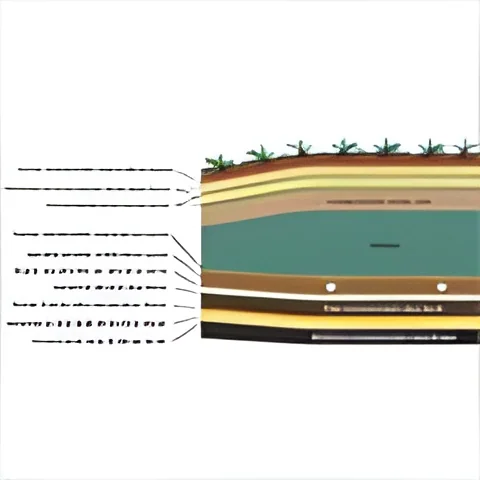
Non-woven geotextile fabrics serve critical functions in civil engineering by providing soil separation, filtration, and reinforcement capabilities. Their permeable structure enables efficient water flow while preventing soil particle migration, making them essential for road construction, landfill operations, and comprehensive drainage systems. These engineered fabrics withstand substantial loads and challenging environmental conditions to ensure long-term project integrity with minimal maintenance requirements.
These versatile geotextiles find extensive use in environmental protection applications including slope stabilization and riverbank erosion control. They function as protective layers in landscaping projects, agricultural drainage systems, and coastal engineering initiatives. The material's adaptability extends to transportation infrastructure development where stability and durability are paramount for railway embankments, airport runways, and other critical infrastructure projects requiring reliable performance.
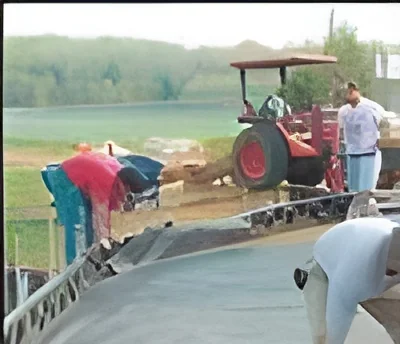
- Road and highway construction for sub-base stabilization and separation layers
- Landfill liners and protective caps for waste containment systems
- Slope reinforcement and embankment protection against soil erosion
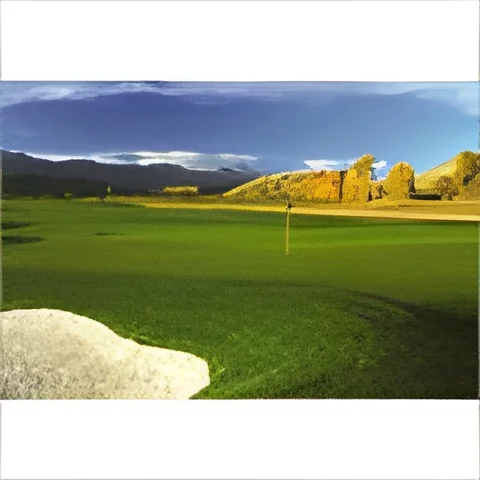
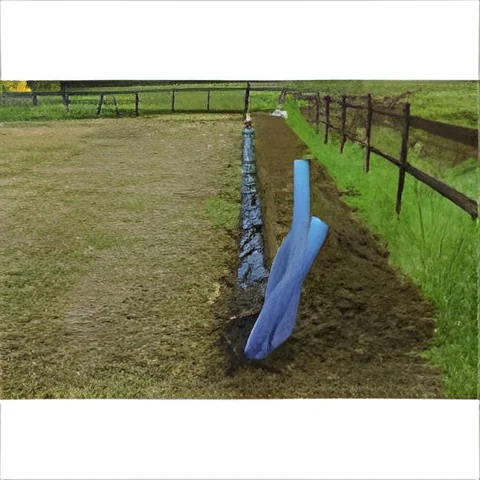
- Drainage systems implementation in sports fields and agricultural lands
- Coastal protection and riverbank stabilization against water erosion
Trade Details
| Available Stock | In Stock |
| Sample Availability | No |
Payment Terms
| Payment Terms |
|
Company Profile
Jeevan Products, Maharashtra
 Maharashtra, India
Maharashtra, IndiaConstruction•Manufacturer•Distributor / Wholesaler•Importer / Exporter
Factory Details
Factory SizeBelow 1000 sqm
Annual Production Capacity0
Premium Non Woven Geotextile Fabric For Soil Stabilization And Drainage
Premium non-woven geotextile fabric for soil stabilization and drainage applications. High-strength permeable synthetic material provides reliable erosion control and separation for construction and environmental projects.
Min. Order Quantity: 1 unit
Shipping
Shipping fee and delivery date to be negotiated. Contact supplier now for more details.
Jeevan Products
 Maharashtra, India
Maharashtra, IndiaConstructionManufacturer