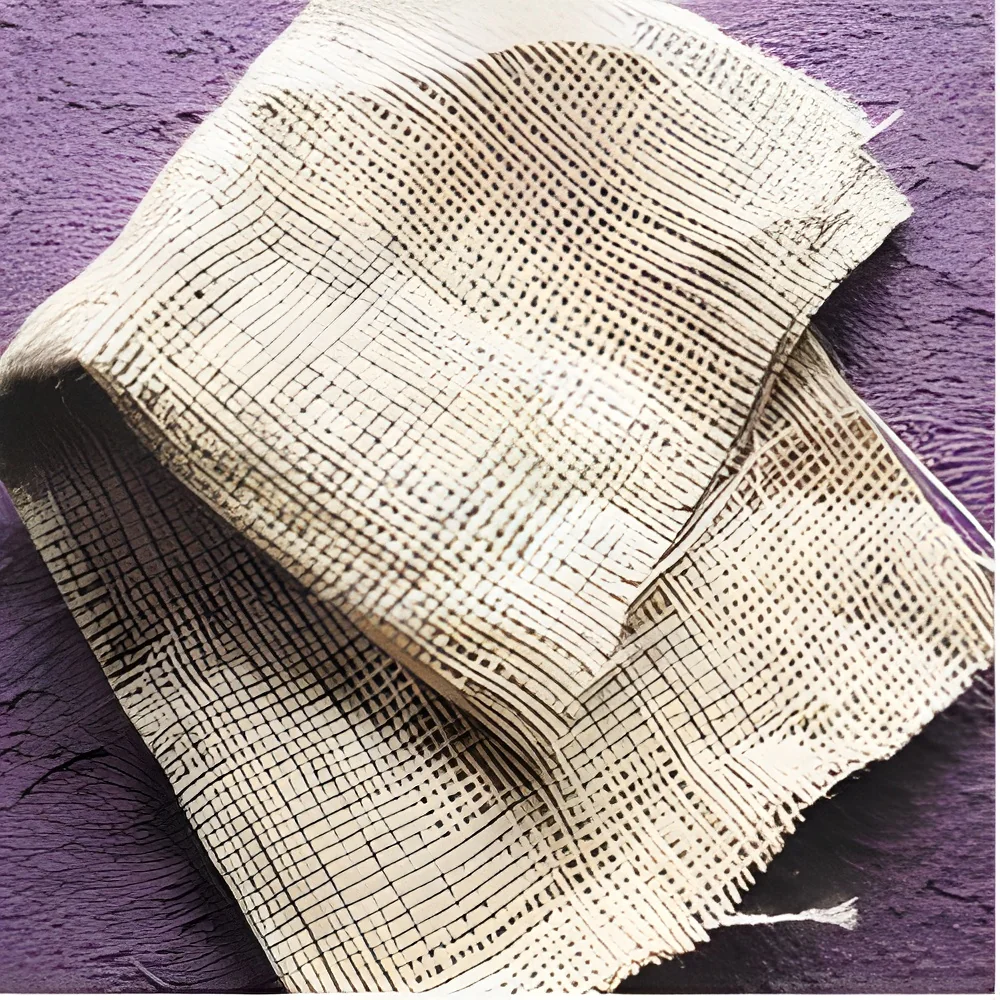
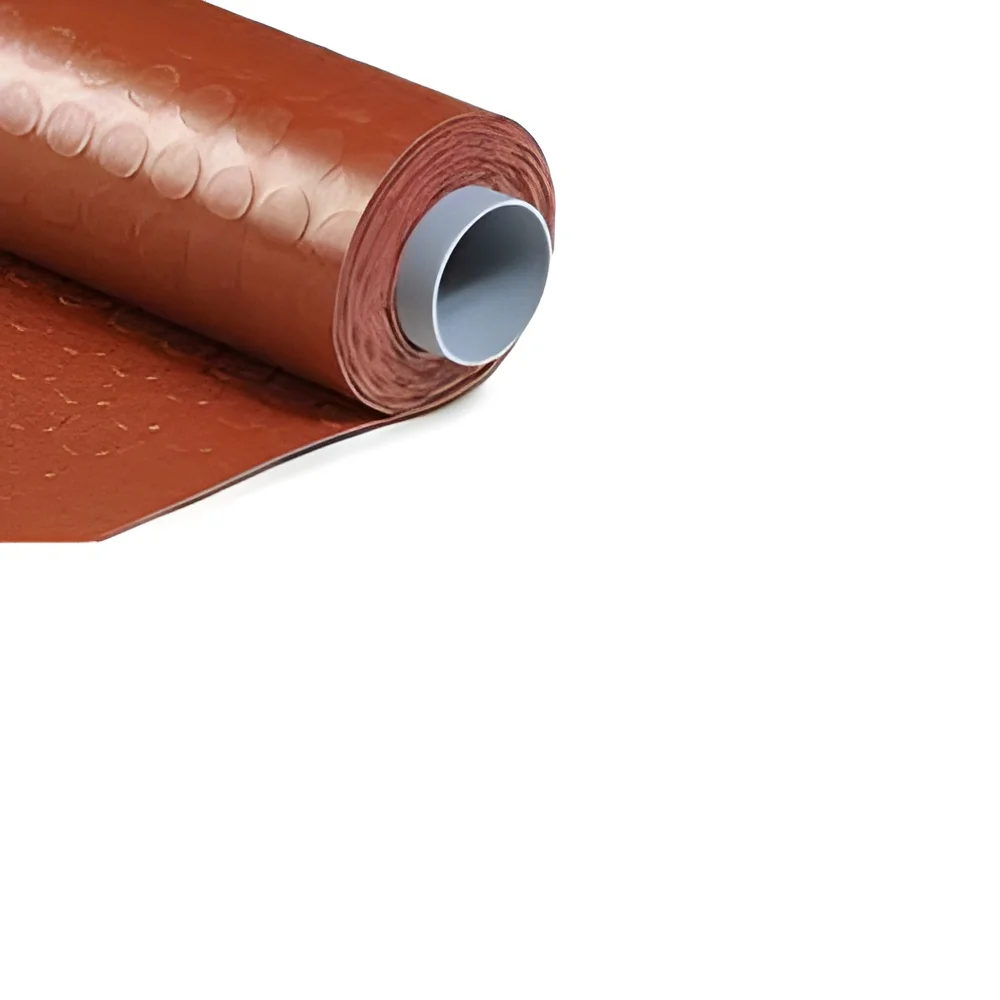
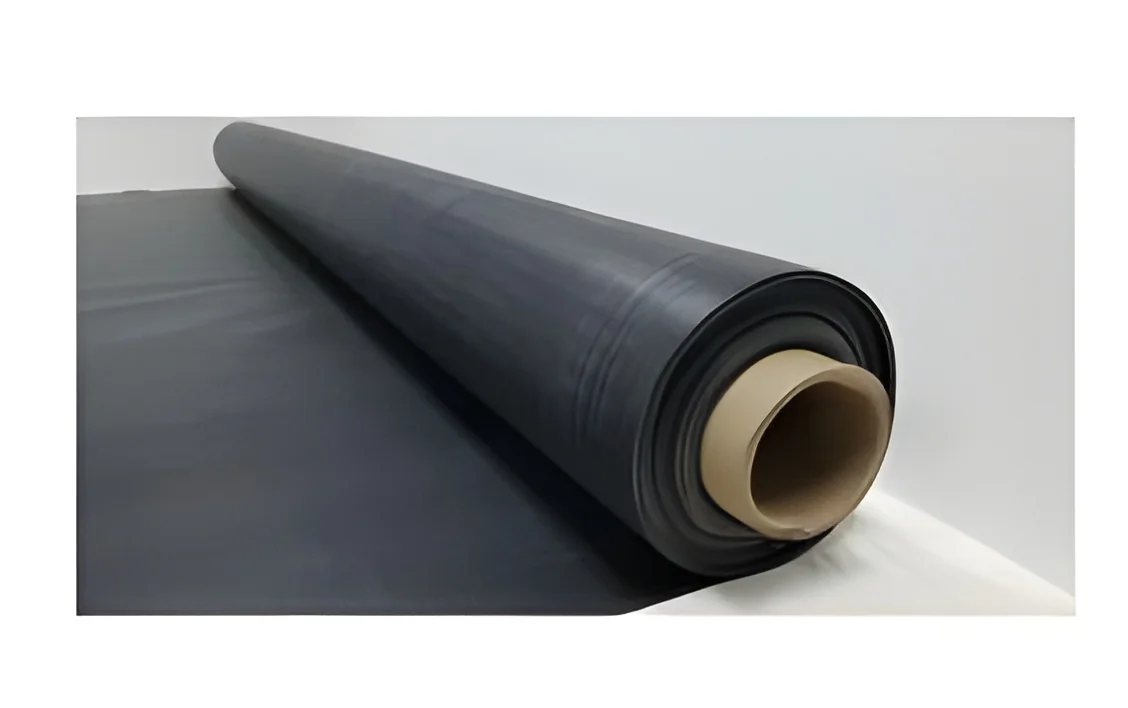
What are Waterproof Membranes?
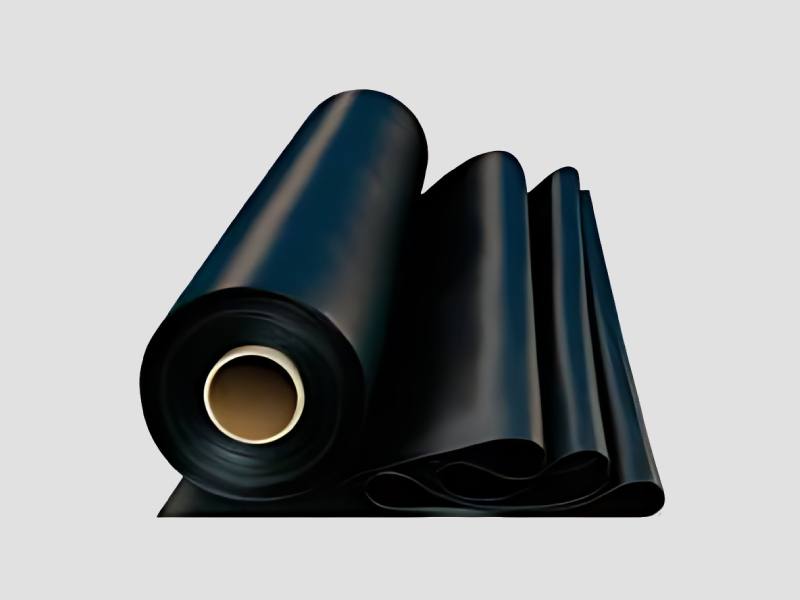
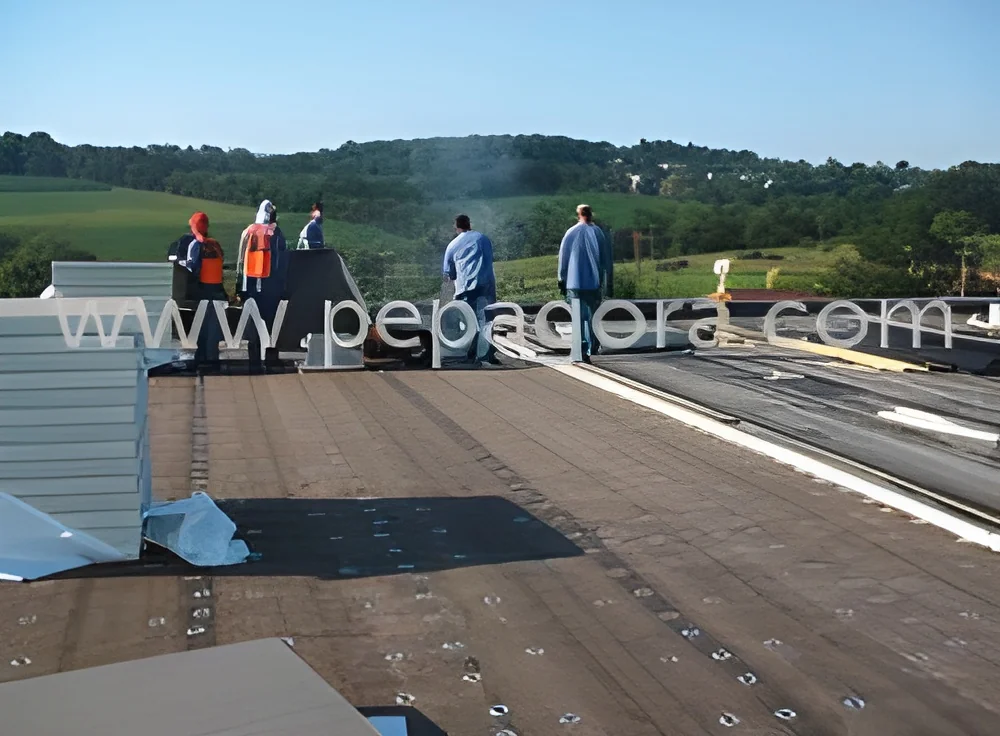
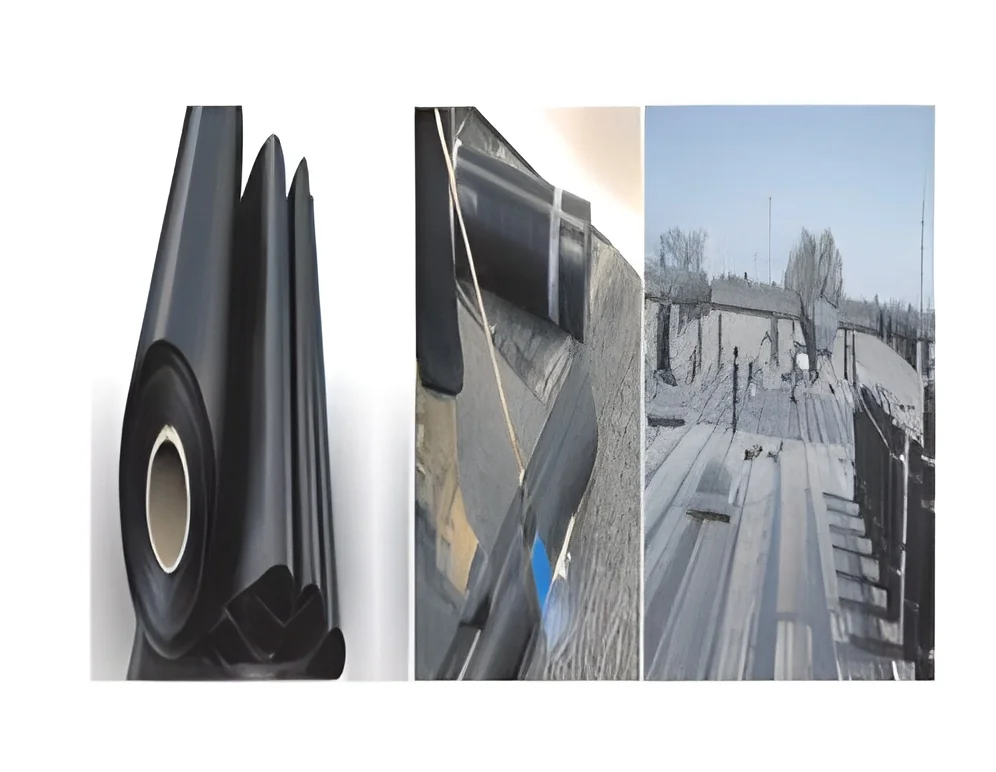
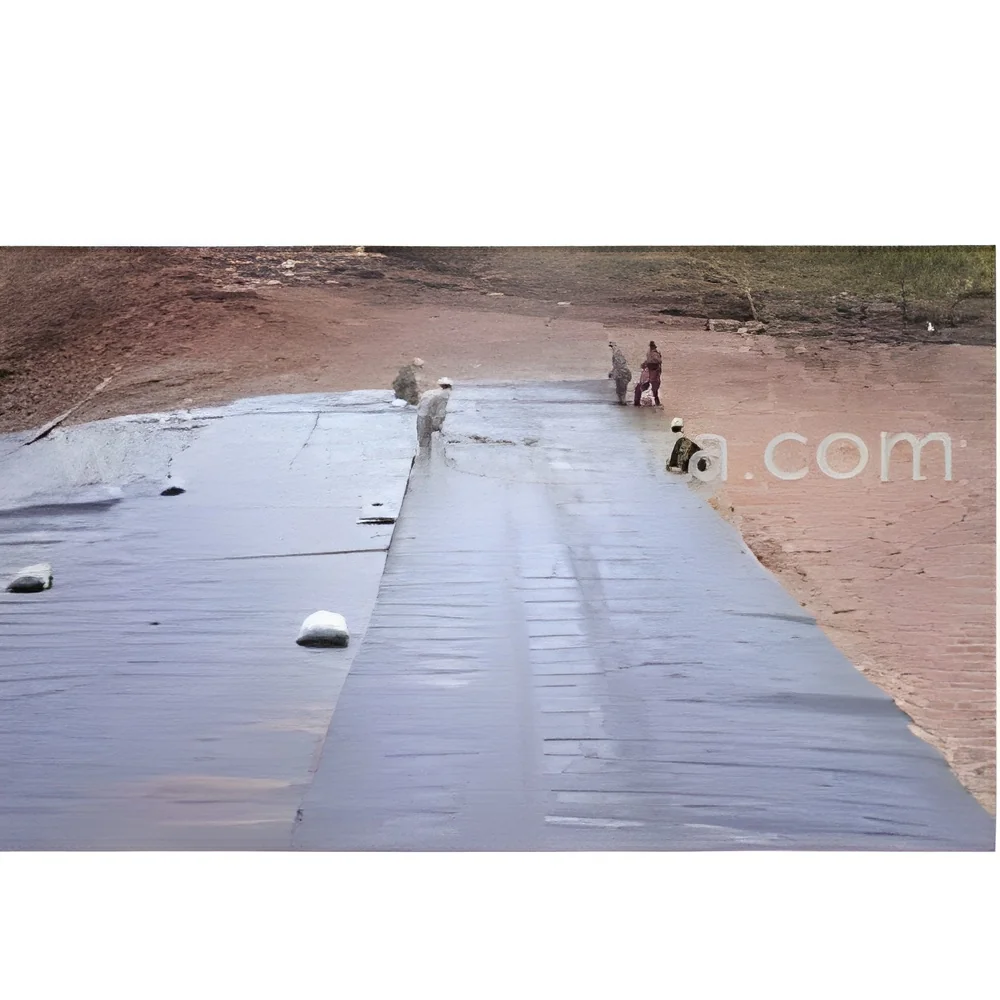
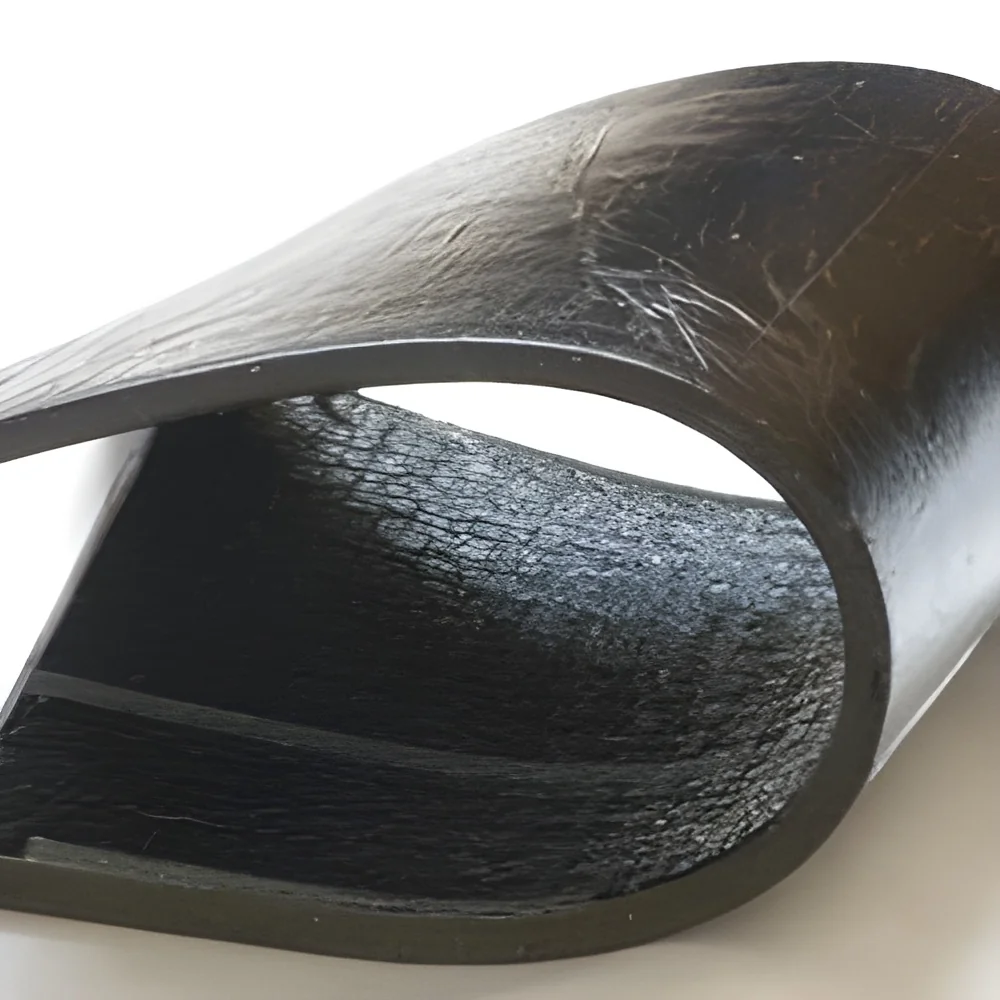
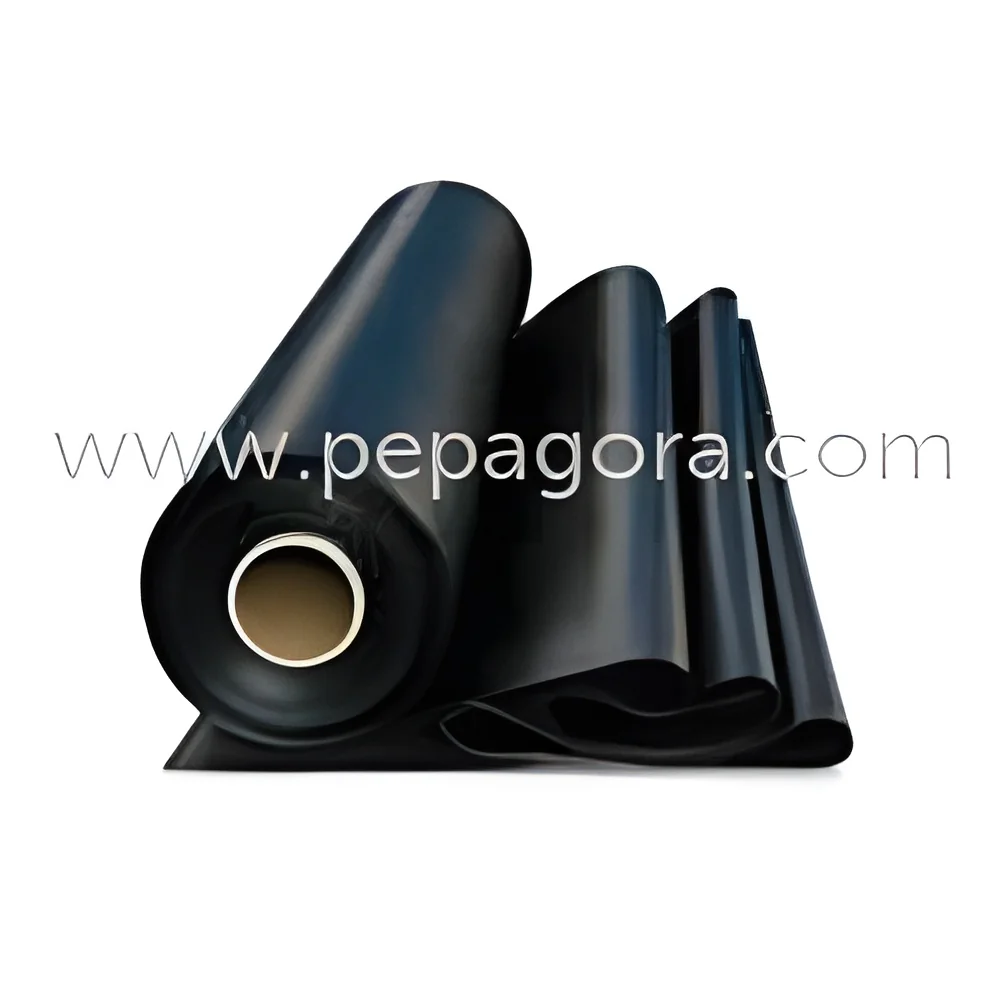
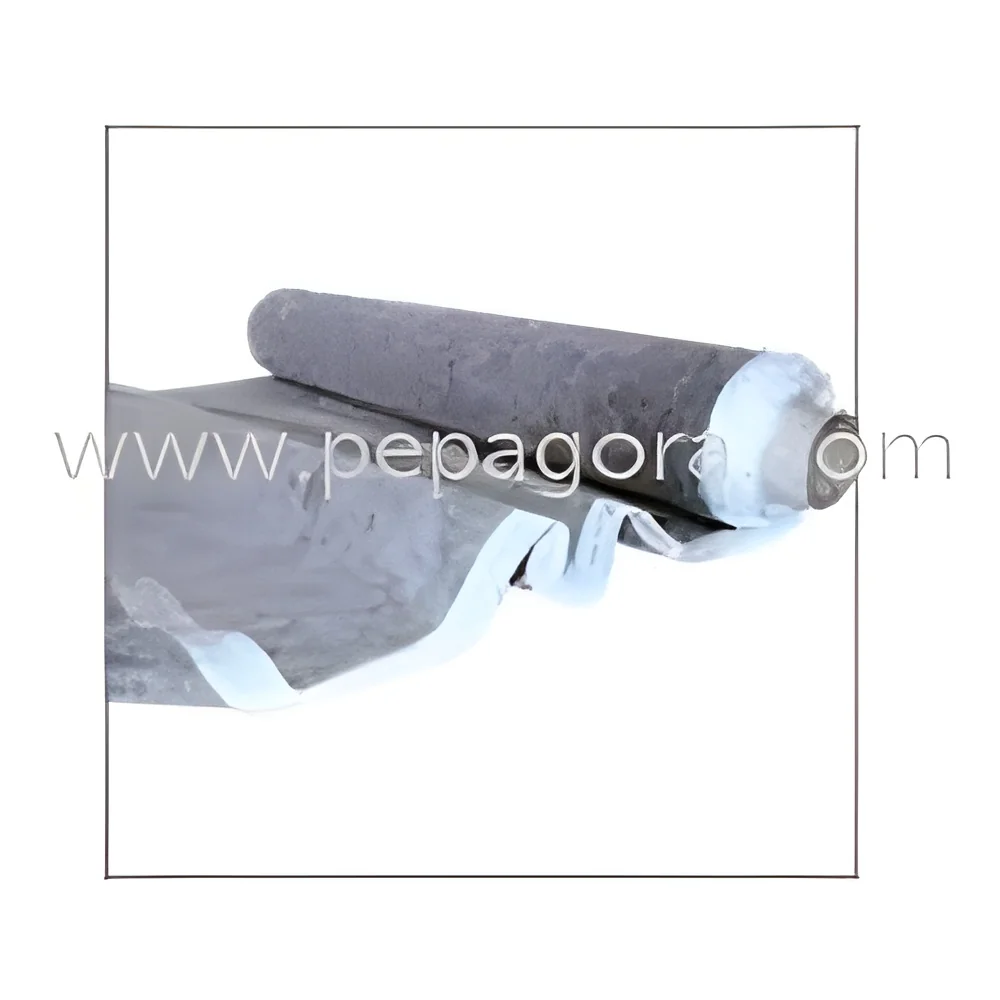
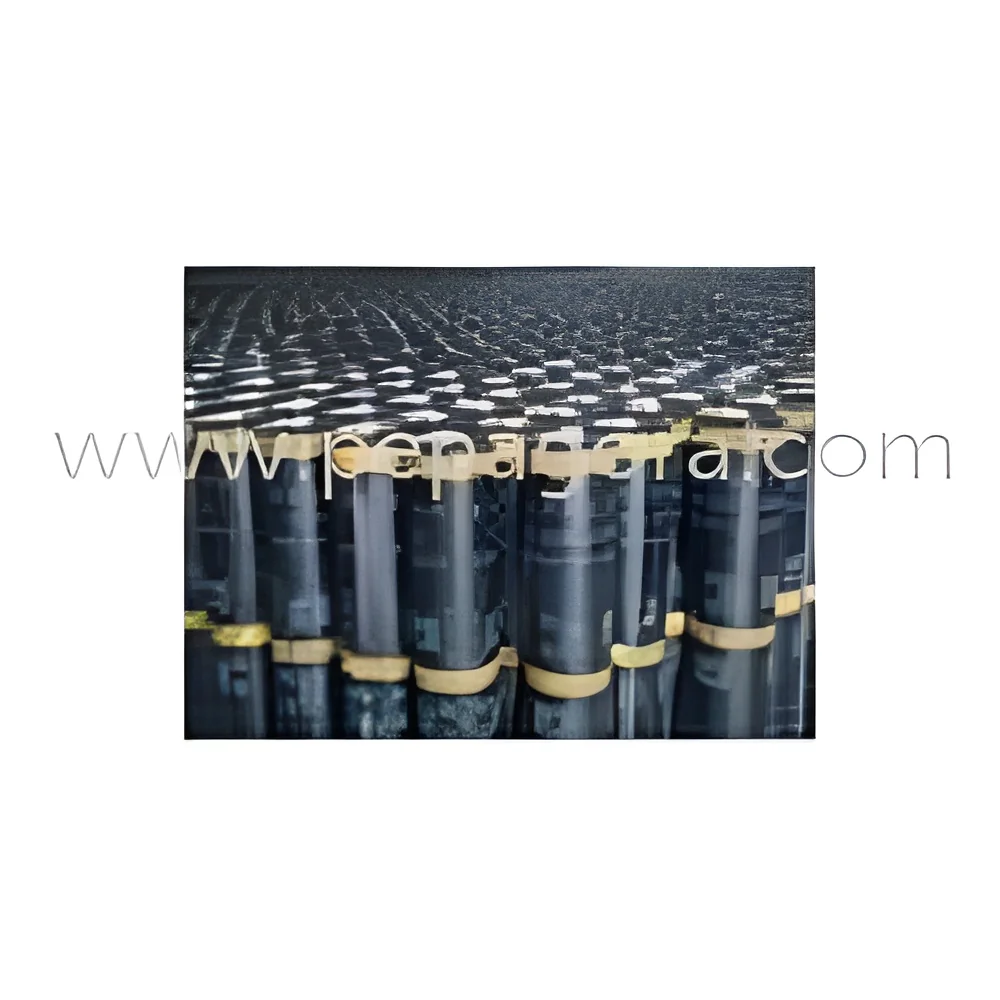
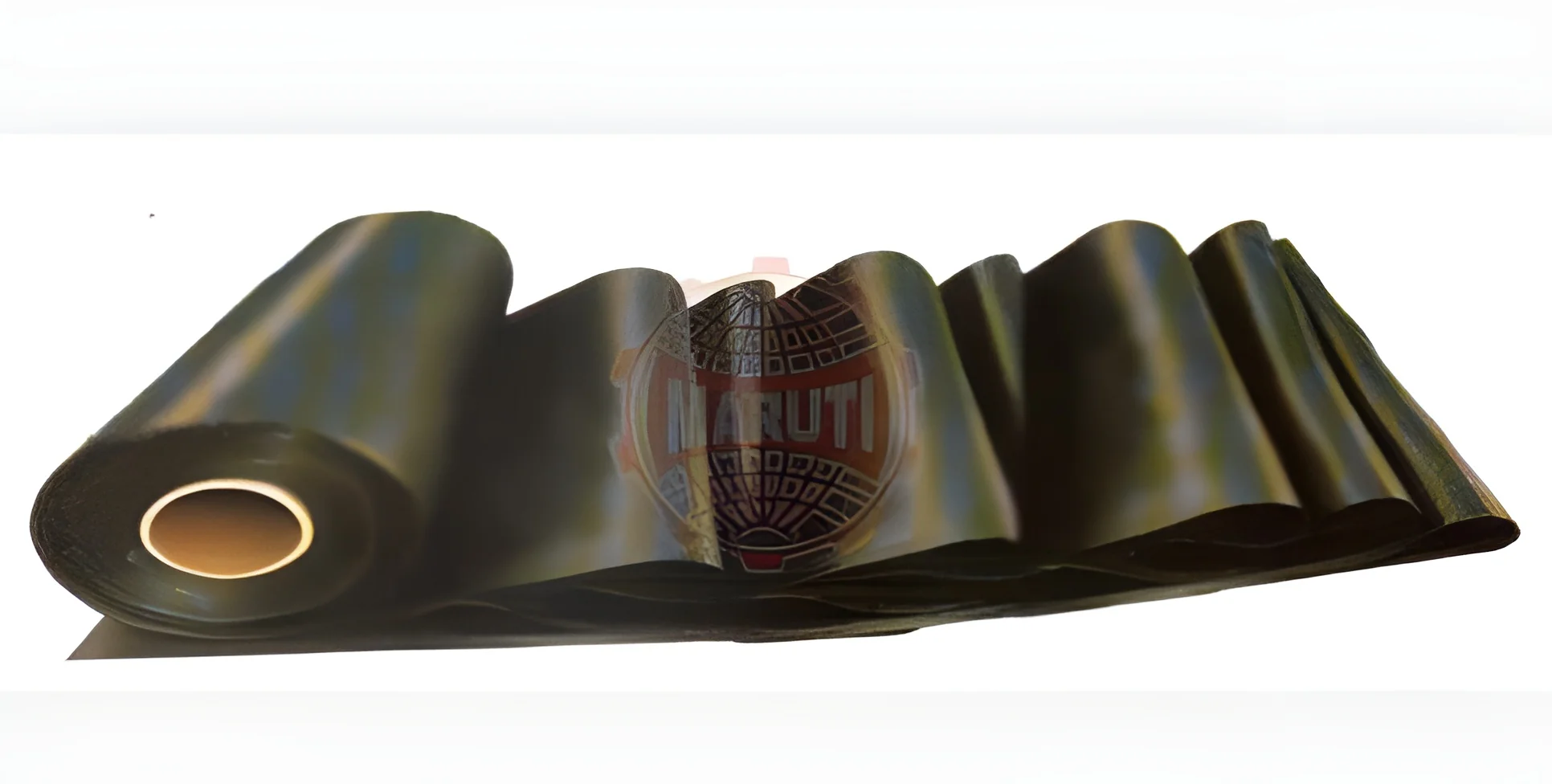
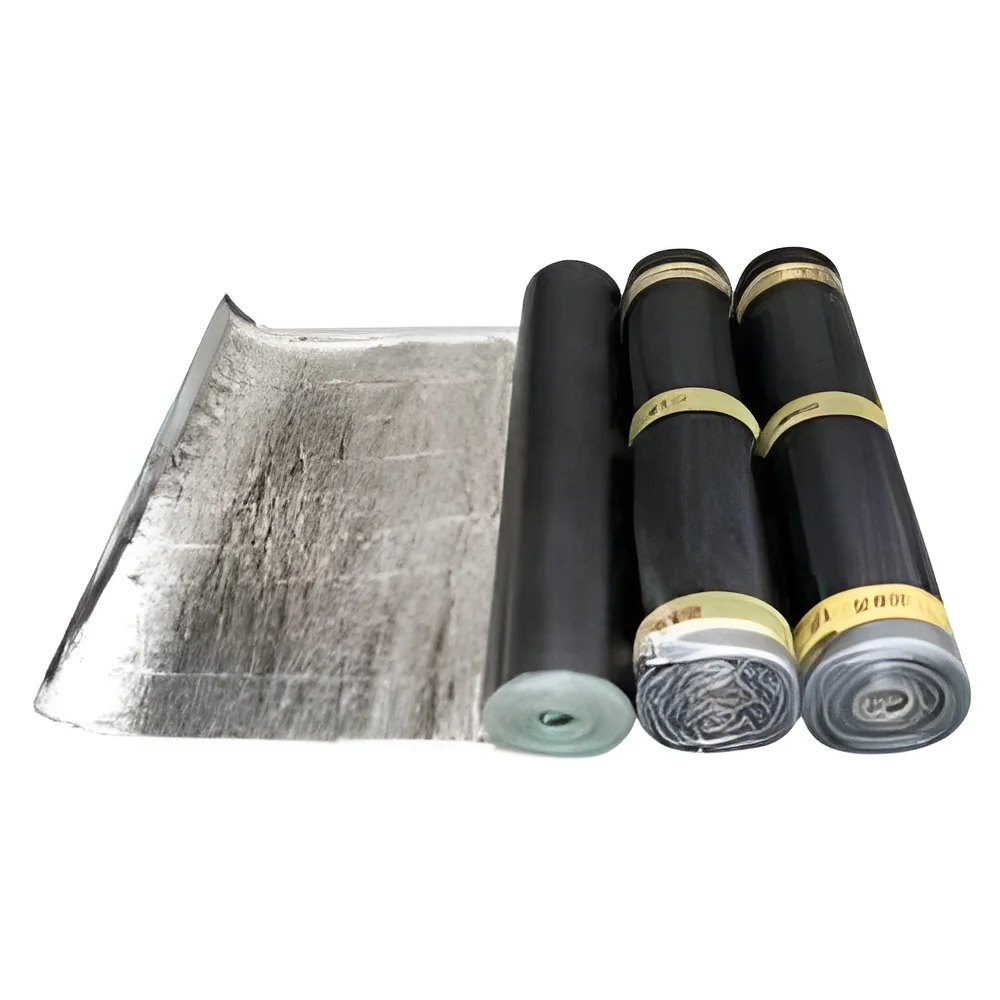
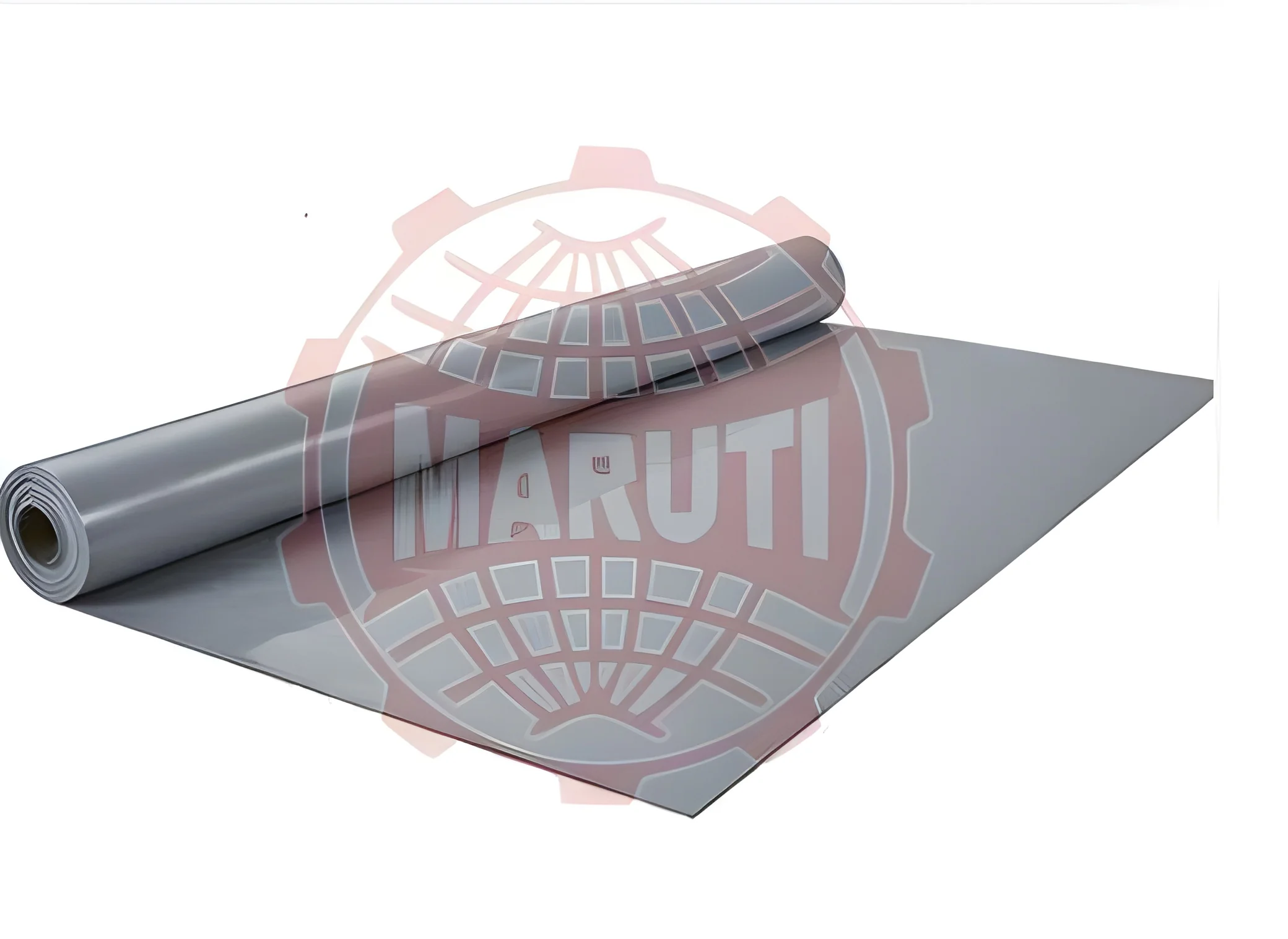
Waterproof membranes are essential materials designed to prevent the passage of water through various structures. These membranes can be made from a variety of materials, including synthetic polymers, bituminous substances, and other composites. They create a barrier that protects buildings, roofs, and foundations from water infiltration, which can lead to structural damage, mold growth, and other related issues.
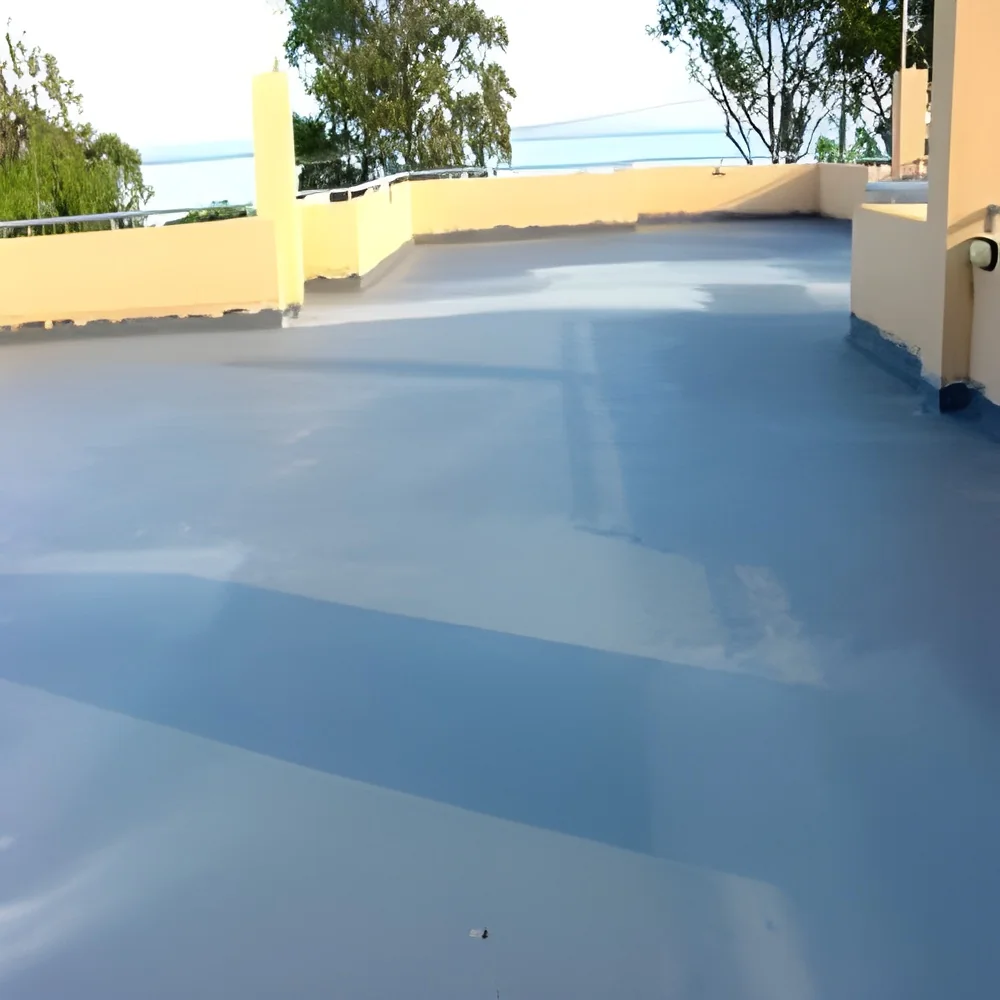
The primary uses of waterproof membranes span across multiple business applications, including construction, civil engineering, and landscaping. They are commonly employed in roofing systems, below-grade foundations, and areas exposed to high moisture levels, such as bathrooms and kitchens. As industries continue to prioritize sustainability and resilience against climate change, the demand for effective waterproofing solutions has become increasingly relevant in the market.
With a growing emphasis on durability and longevity in construction materials, waterproof membranes play a crucial role in enhancing the lifespan of structures. The market for these products is expanding due to the rising awareness of water management and the importance of safeguarding investments against water-related damages.
Key Features and Specifications
Waterproof membranes come with a variety of features and specifications that cater to diverse needs. Understanding these specifications is crucial for making informed purchasing decisions.
Key specifications include:
1. Material Composition
- Waterproof membranes are made from either synthetic materials, such as PVC and TPO, or bitumen-based substances.
- The choice of material affects durability, flexibility, and installation methods.
2. Thickness
- Membrane thickness can vary, typically ranging from 1.5 mm to 3 mm, depending on application requirements.
- Thicker membranes often provide better resistance to punctures and tears.
3. Application Temperature
- Many membranes are designed to be applied within a specific temperature range to ensure adhesion and performance.
- Typical application temperatures may vary from 5°C to 40°C.
4. UV Resistance
- UV-resistant membranes can withstand sun exposure without degrading, making them suitable for outdoor applications.
- This feature is particularly important for roofing systems.
5. Water Vapor Permeability
- The permeability of membranes affects moisture control; some membranes allow vapor to escape while blocking liquid water.
- The permeability rating is a critical factor for below-grade applications.
6. Installation Method
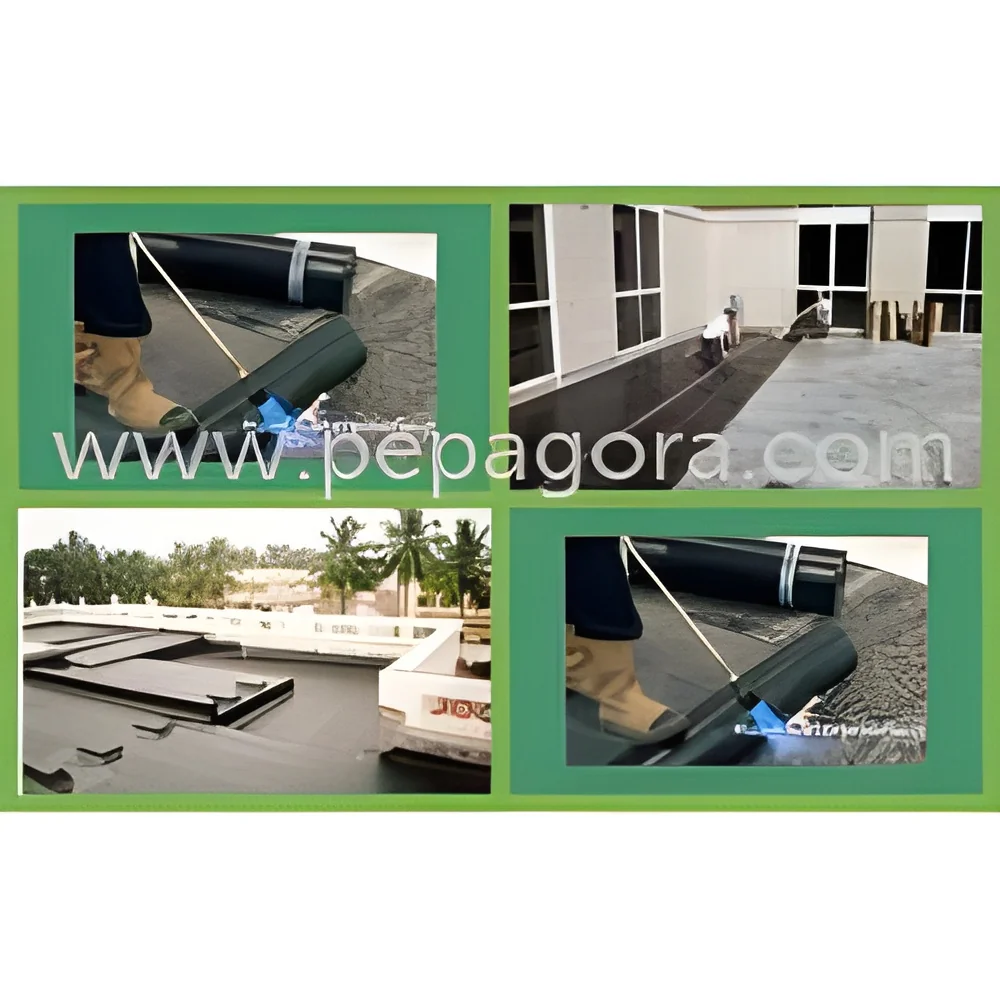
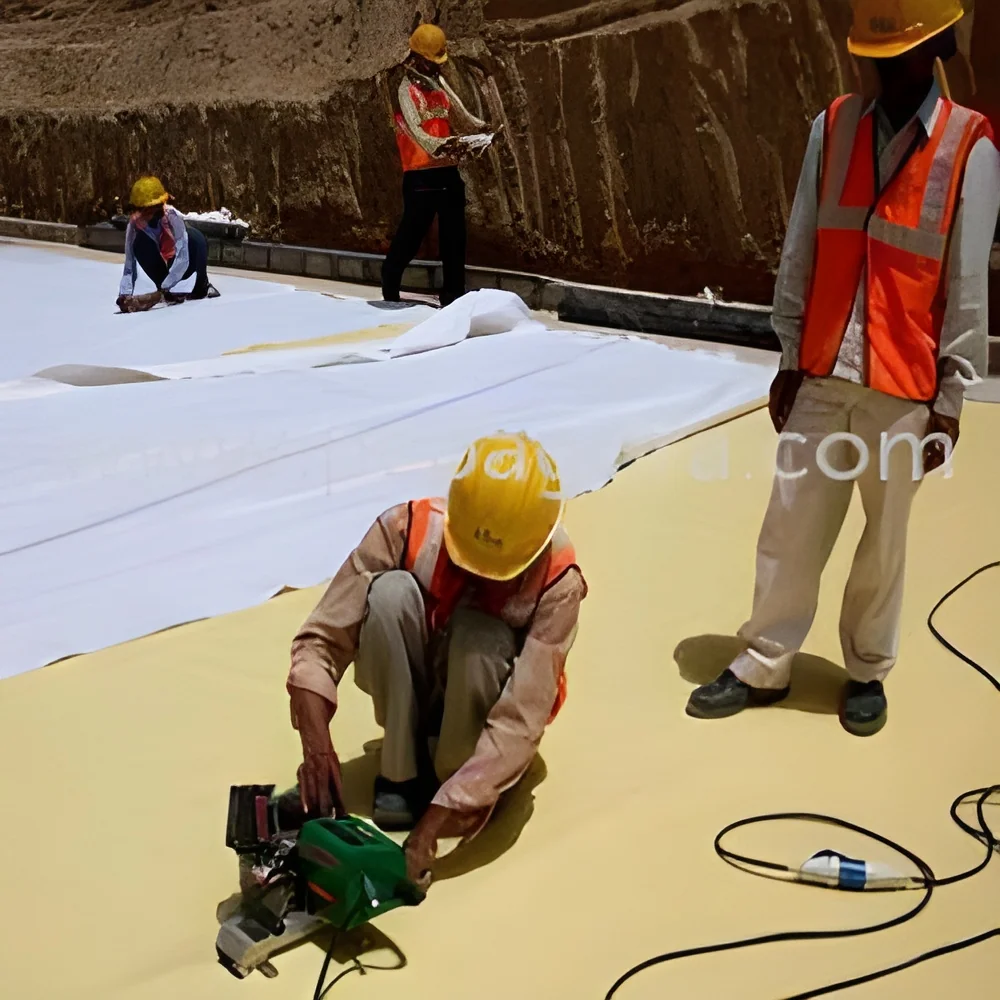
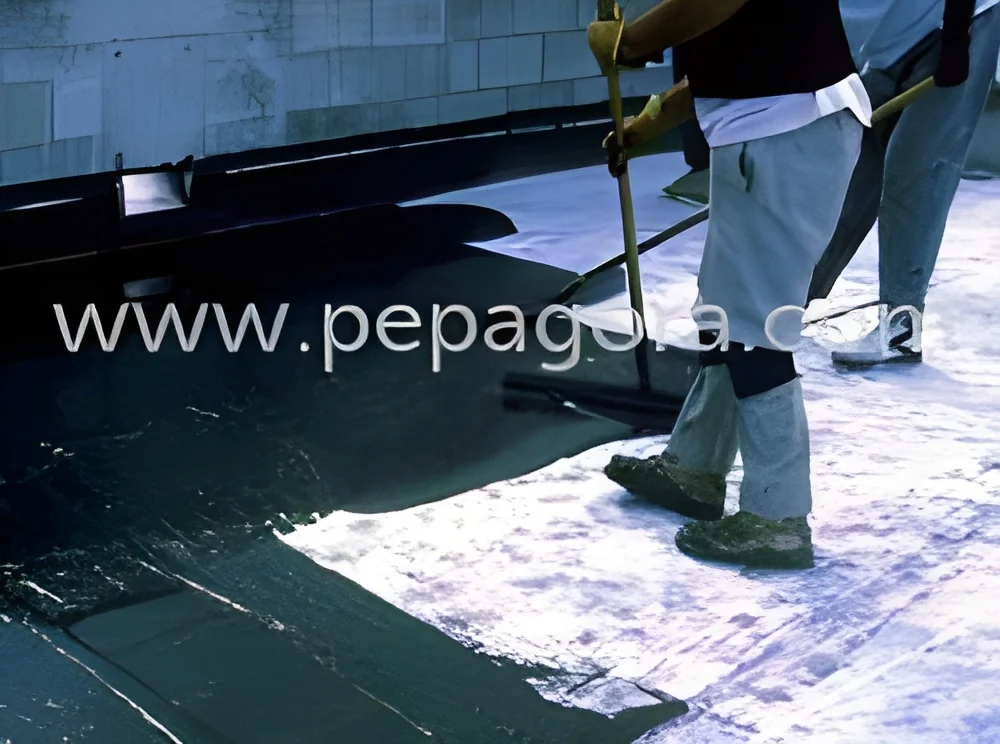
- Membranes can be installed using various methods, such as self-adhesive, torch-on, or mechanically fastened.
- The installation method impacts labor costs and project timelines.
7. Warranty Period
- Most manufacturers offer warranties ranging from 10 to 30 years, depending on the membrane type and application.
- A longer warranty often indicates higher quality and durability.
8. Certifications
- Many waterproof membranes are certified for performance and safety, such as CE certification.
- Certification assures buyers of compliance with industry standards.
In summary, understanding the key features and specifications of waterproof membranes is vital for selecting the right product for specific applications. Buyers should evaluate each specification against their project requirements to ensure optimal performance.
Common Applications and Use Cases
Waterproof membranes are versatile and find applications across various industries.
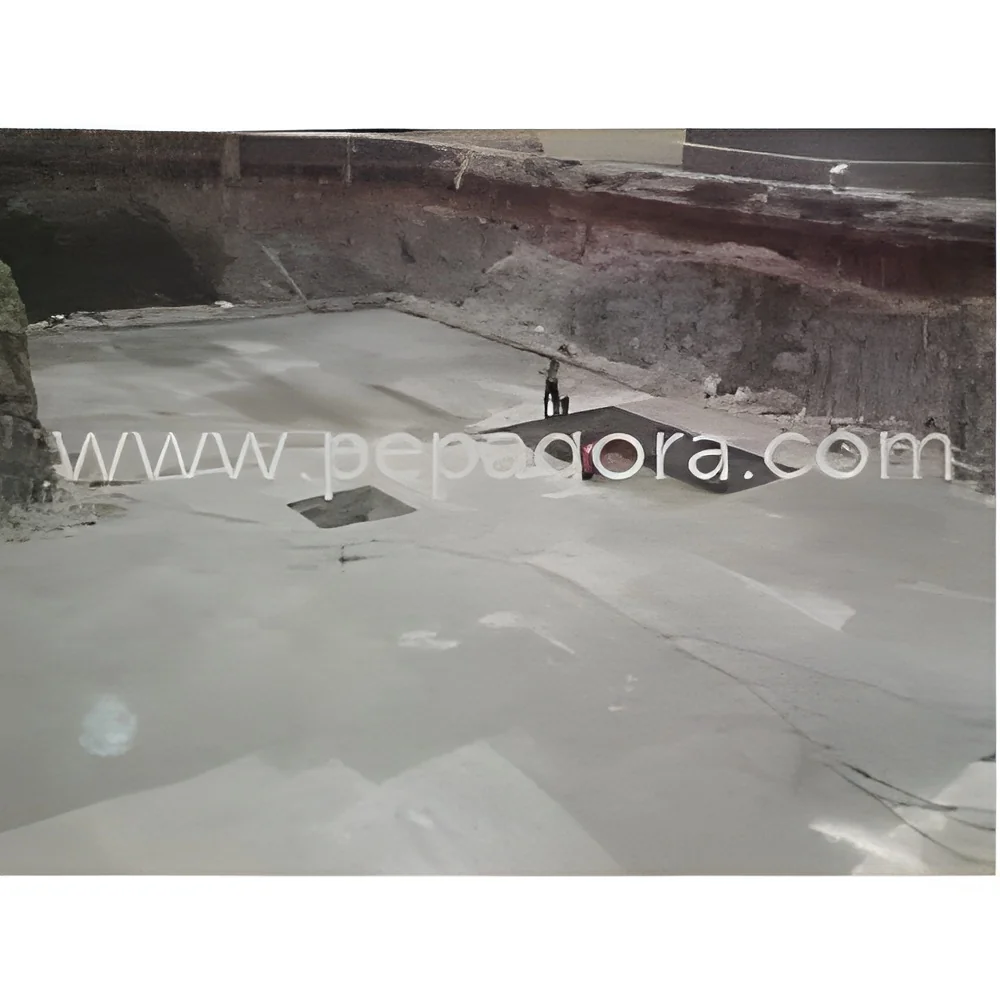
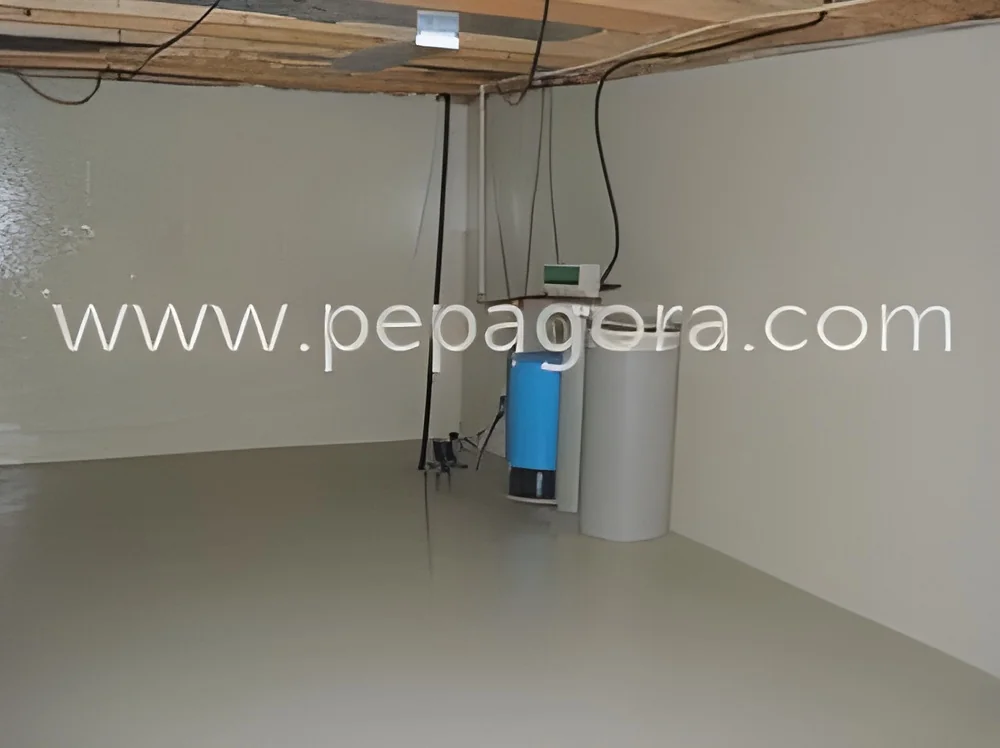
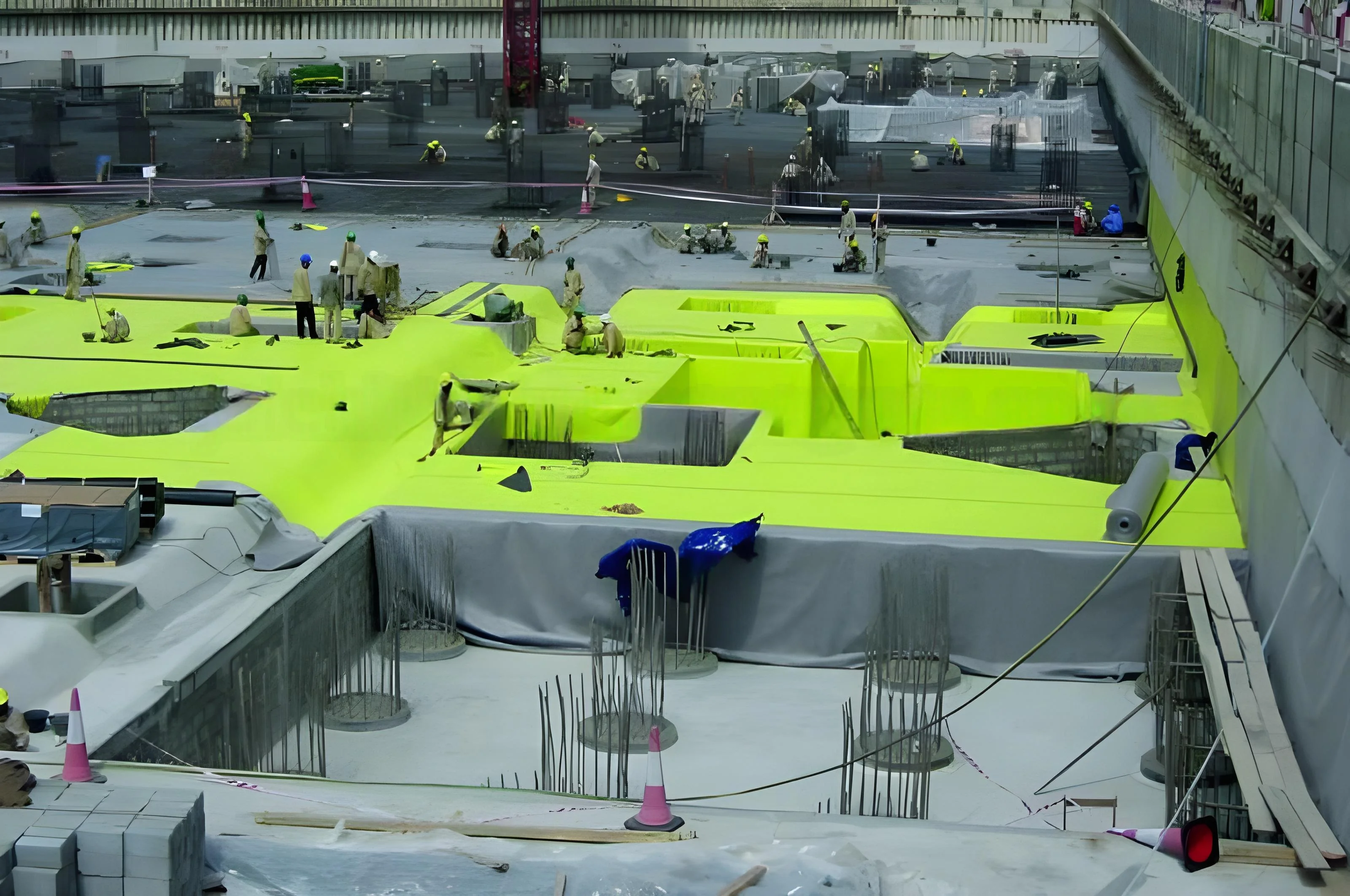
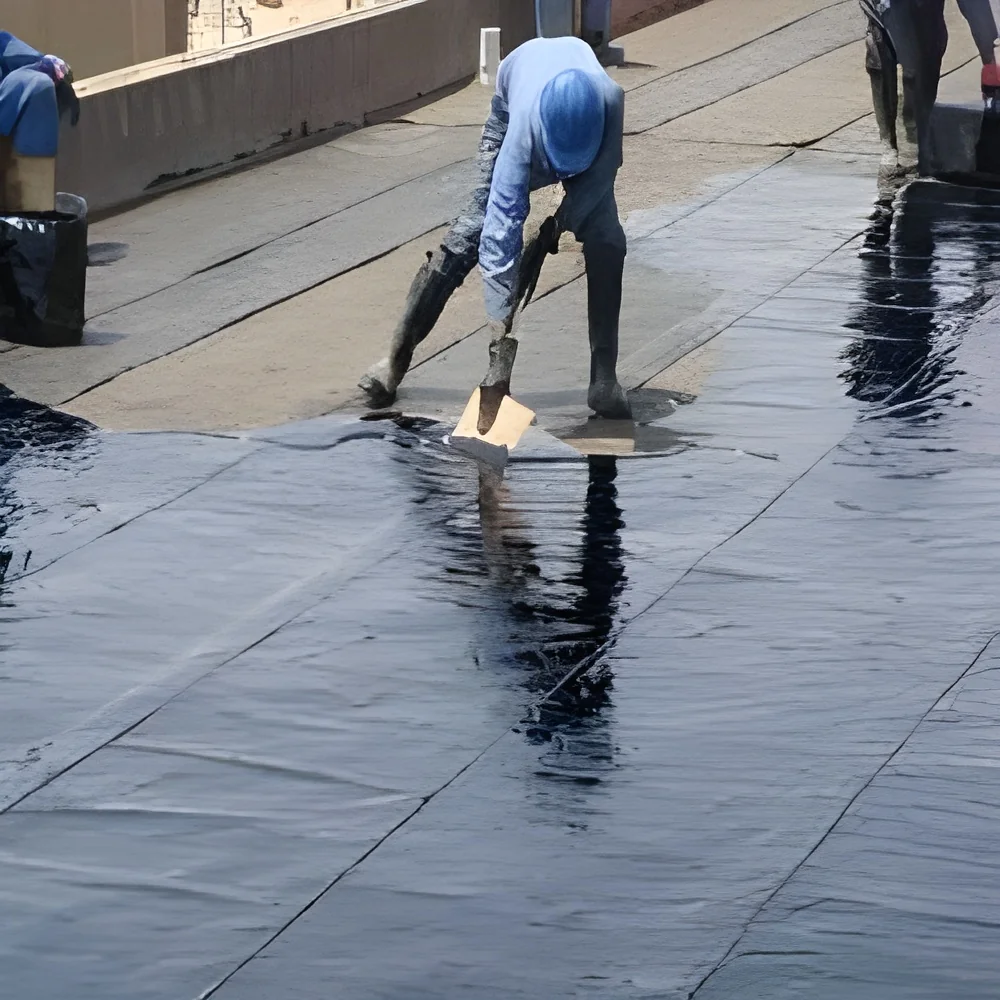
1. Construction: In commercial and residential buildings, waterproof membranes are used in roofs, basements, and foundations to prevent water ingress and protect structural integrity.
2. Infrastructure: Roads and bridges utilize waterproof membranes to safeguard against water-related damage, ensuring long-term durability and reducing maintenance costs.
3. Landscaping: In garden and landscape projects, these membranes help manage water flow, preventing soil erosion and promoting healthy plant growth.
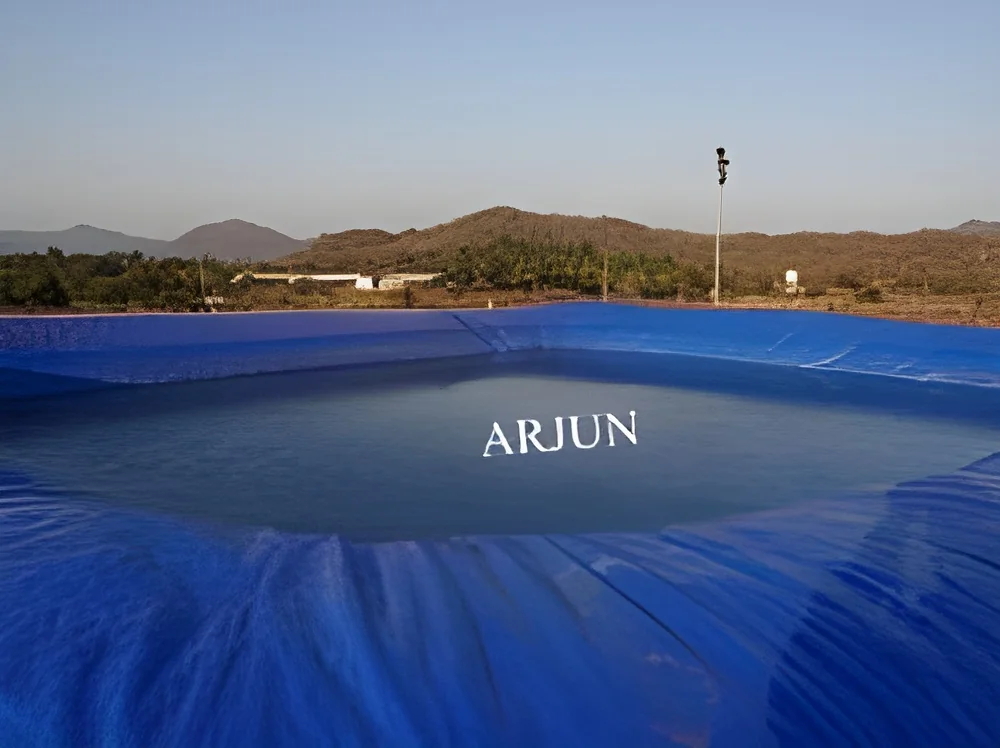
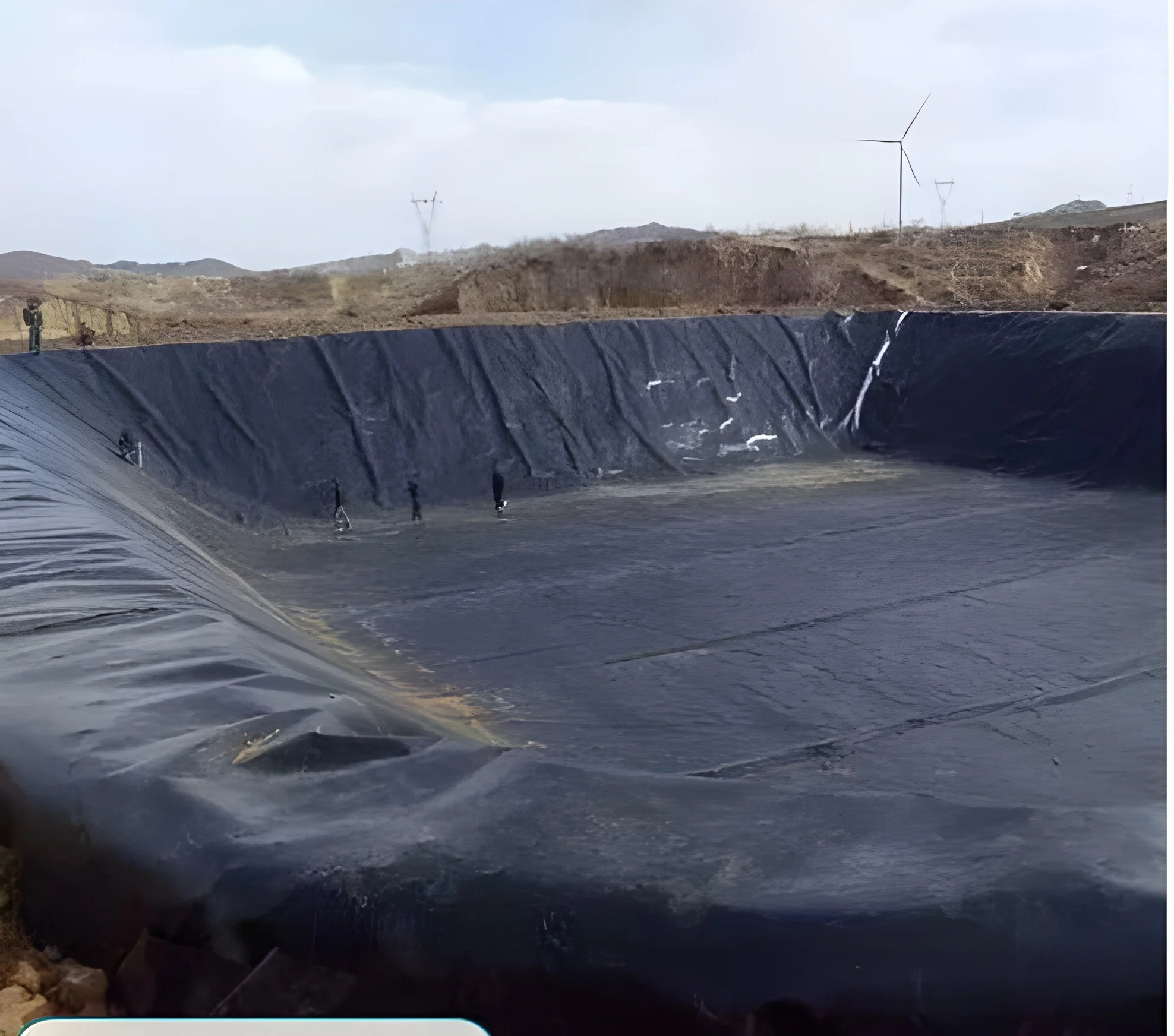
4. Agriculture: Waterproof membranes are employed in agricultural applications, such as pond liners and irrigation systems, to control water levels and minimize evaporation.
5. Marine: Boats and marine structures use waterproof membranes to protect against harsh weather conditions and water exposure, enhancing longevity.
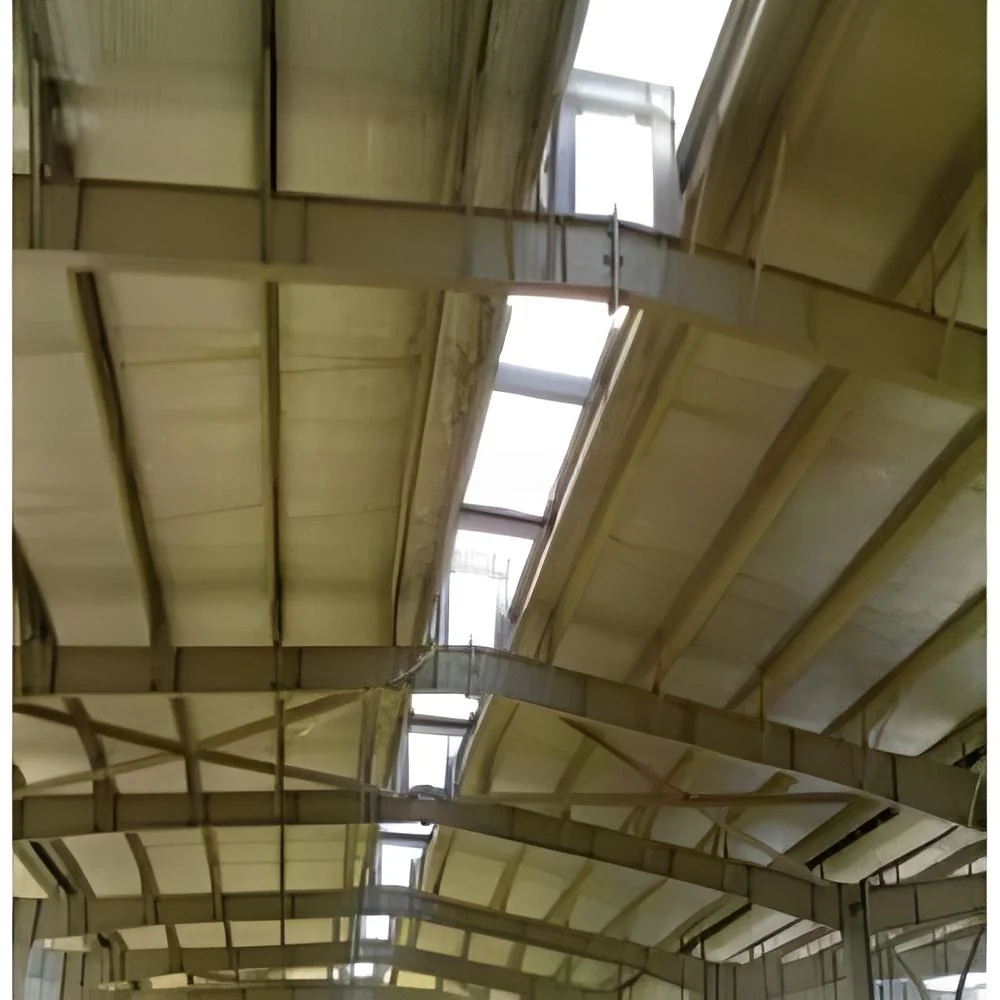
6. Industrial: Factories and warehouses implement waterproofing solutions to protect equipment and materials stored in areas with high humidity or exposure to water.
7. Recreational: Waterproof membranes are used in swimming pools and water parks to contain water and prevent leakage, ensuring safety and efficiency.
Product Variants and Subcategories
Waterproof membranes come in various forms, catering to different requirements and applications.
EPDM Membranes
EPDM, or ethylene propylene diene monomer, is a synthetic rubber membrane known for its flexibility and durability. It is widely used in roofing applications due to its excellent resistance to UV rays and extreme weather conditions.
TPO Membranes
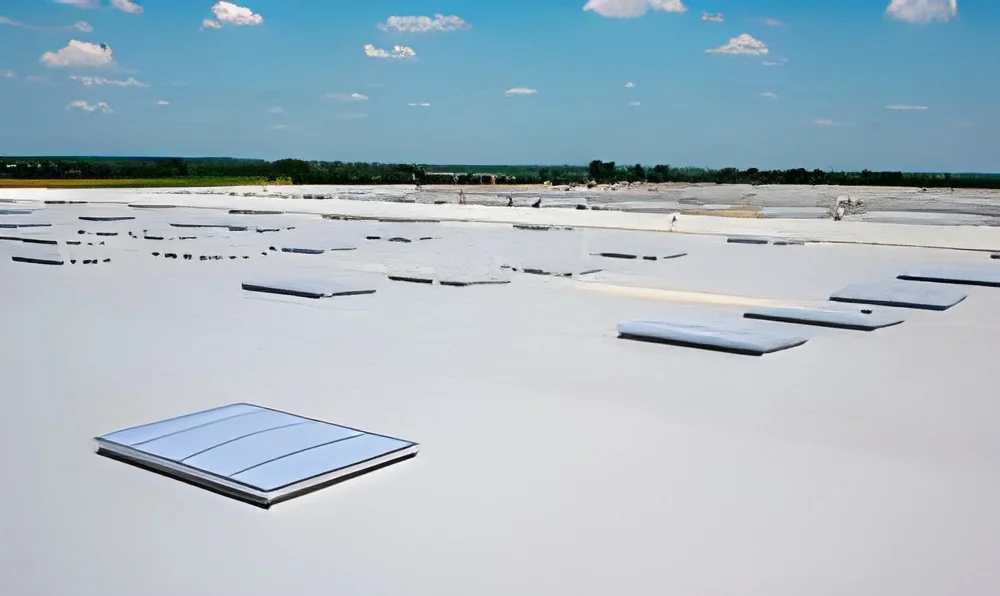
Thermoplastic polyolefin (TPO) membranes are energy-efficient options that reflect sunlight, helping to reduce cooling costs. They are often used in commercial roofing systems for their ease of installation and long-lasting performance.
PVC Membranes
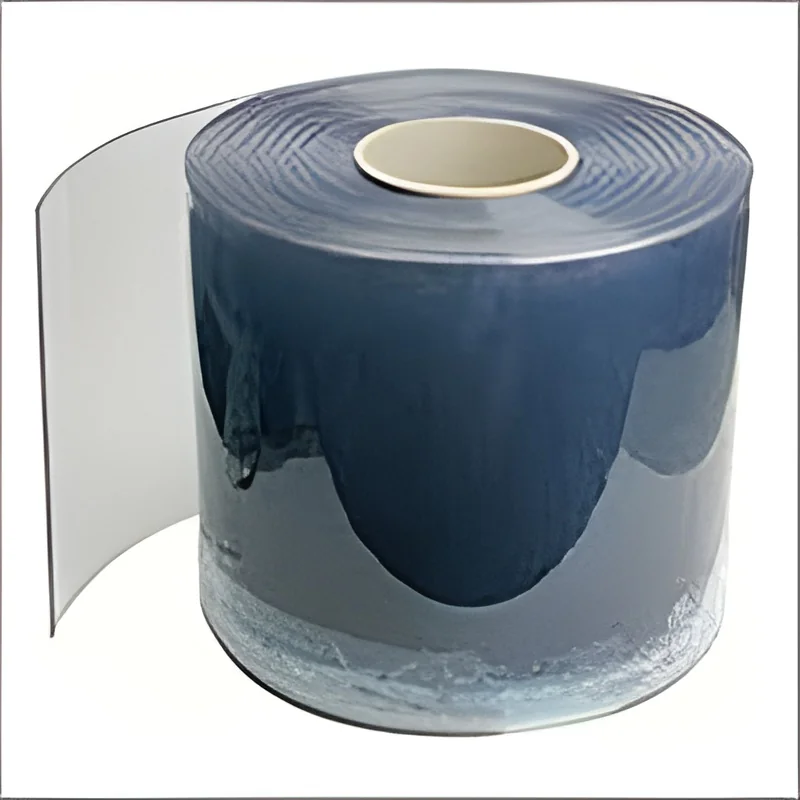
Polyvinyl chloride (PVC) membranes offer excellent waterproofing capabilities and are commonly used in both roofing and below-grade applications. They are known for their chemical resistance and durability in harsh environments.
Self-Adhesive Membranes
These membranes feature a peel-and-stick application process, making them ideal for quick installations. They are often used in residential projects, especially in areas prone to moisture exposure.
Benefits and Advantages
Waterproof membranes offer numerous benefits that make them essential for various applications.
1. Enhanced Protection: Waterproof membranes provide a reliable barrier against water infiltration, protecting structures from damage and decay.
2. Durability: High-quality membranes are designed to withstand extreme weather conditions, ensuring long-lasting performance.
3. Cost-Effectiveness: Investing in waterproof membranes can reduce maintenance and repair costs over time by preventing water-related issues.
4. Versatility: These membranes can be used in multiple applications, ranging from roofing to landscaping, making them a flexible choice for various industries.
5. Energy Efficiency: Some waterproof membranes reflect sunlight, contributing to energy savings by reducing cooling costs in buildings.
6. Easy Installation: Many waterproof membranes are straightforward to install, allowing for quicker project completion and reduced labor costs.
Buying Guide for B2B Buyers
When sourcing waterproof membranes, it is essential to consider several factors to ensure the right choice for your projects.
1. Quality Assessment: Evaluate the quality of the membranes based on material composition, thickness, and manufacturer reputation. High-quality membranes typically come with longer warranties and better performance.
2. Supplier Verification: Vet suppliers by checking their certifications, customer reviews, and industry experience. A reliable supplier should have a proven track record of delivering quality products.
3. Pricing and MOQ: Understand the pricing structure and minimum order quantities (MOQ) offered by suppliers. This helps in budgeting and planning for large-scale projects.
4. Delivery and Lead Times: Inquire about delivery schedules and lead times to ensure that you receive the membranes in a timely manner. This is crucial for project planning and execution.
5. Compliance Requirements: Ensure that the membranes meet relevant industry standards and certifications. Compliance with regulations is essential for safety and performance.
Compliance and Certifications
Waterproof membranes must adhere to various quality standards and certifications to ensure their effectiveness and safety. Key industry standards include ISO 9001, which focuses on quality management systems, and CE marking, which indicates compliance with European safety and performance requirements.
Additionally, membranes may be subject to safety and testing requirements that assess their performance under different conditions. Compliance with these standards provides assurance to buyers regarding the reliability and durability of the products.
Regional compliance considerations are also important, as regulations may vary by location. It is essential for manufacturers and suppliers to be aware of local requirements to ensure that their products are compliant in different markets.
Why Source Waterproof Membranes from Pepagora?
Pepagora offers a trusted platform for sourcing waterproof membranes, ensuring that buyers have access to quality products and reliable suppliers. One of the key advantages of using Pepagora is its verified supplier network, which connects buyers with reputable manufacturers and distributors.
The streamlined RFQ process simplifies the quotation system, allowing buyers to receive competitive pricing quickly and efficiently. This saves time and effort in sourcing the right products for specific needs.
Trade assurance and support provided by Pepagora further enhance buyer protection. With dedicated customer service, buyers can address any concerns or questions throughout the procurement process.
Pepagora's regional coverage extends across India, the Gulf Cooperation Council (GCC) countries, and Southeast Asia, making it an ideal platform for businesses looking to source waterproof membranes in these markets. This broad geographic reach ensures that buyers can find suitable solutions no matter where they are located, enhancing project success.

 IN
IN