IN
IN₹
Apparel & Fashion
Loading subcategories...
View More
Description
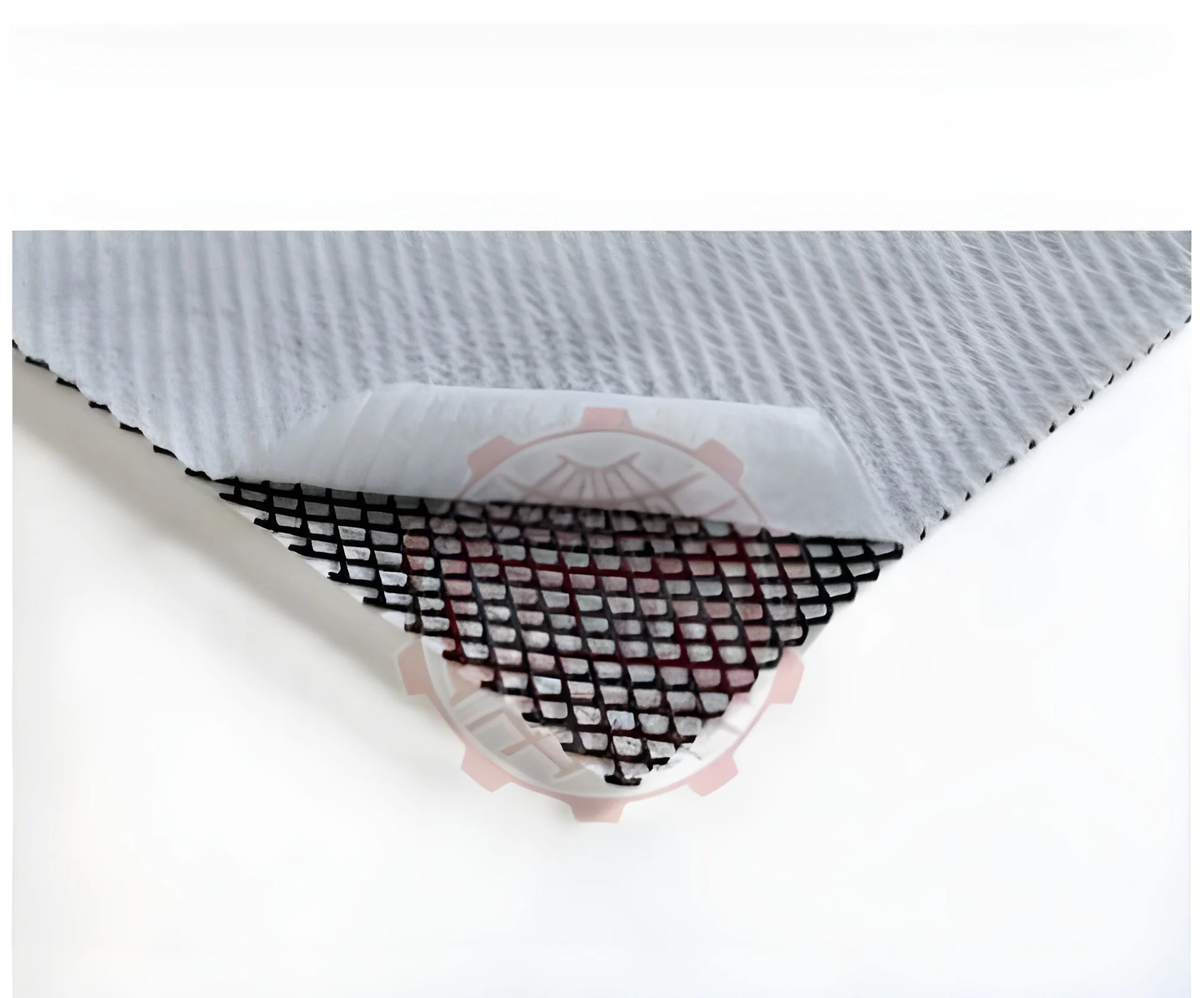
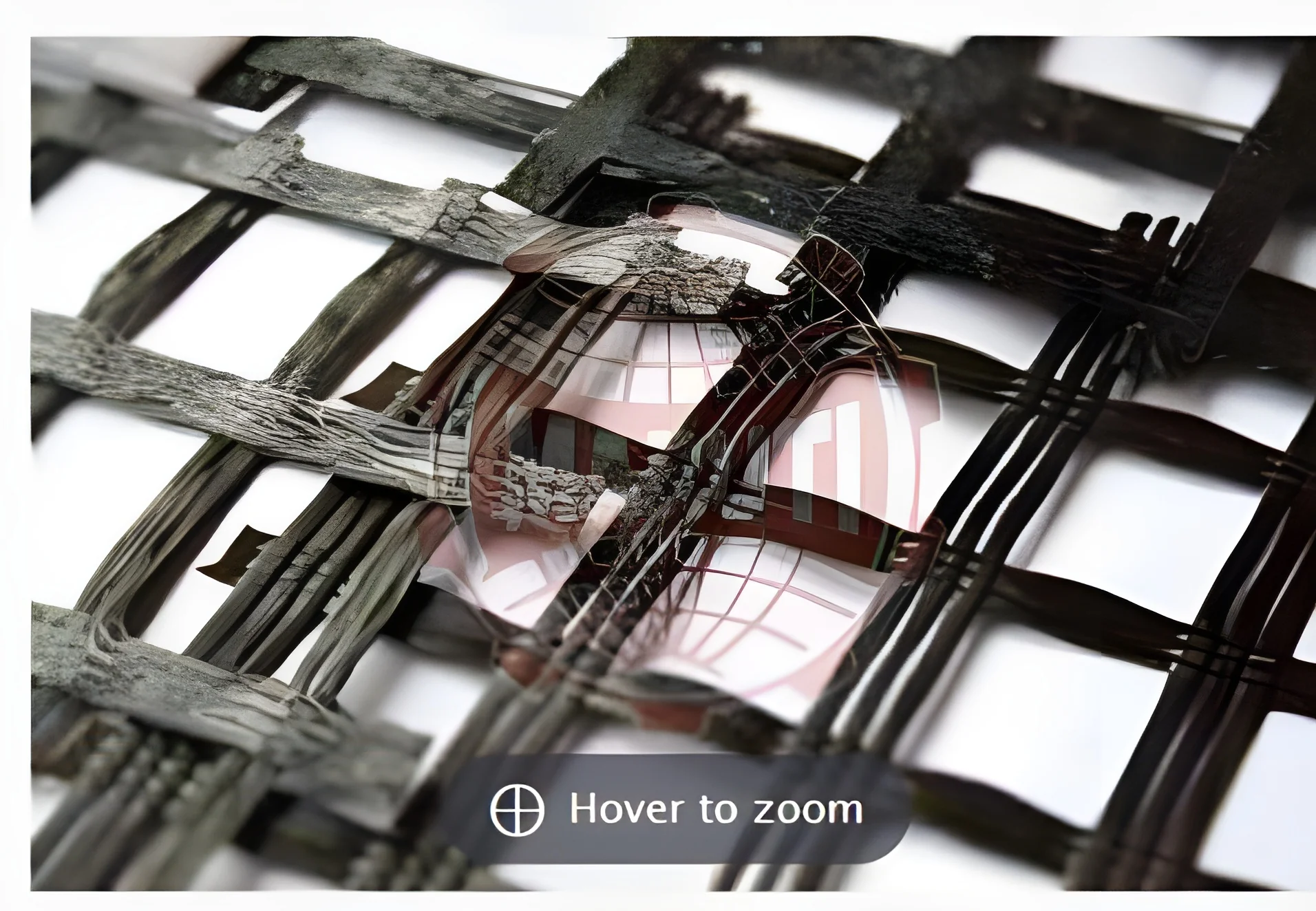
Non woven geotextile fabric represents a critical advancement in geosynthetic materials, engineered through the mechanical or thermal bonding of polypropylene fibers into a durable, permeable textile. This manufacturing process creates a robust material that maintains structural integrity while allowing free water passage, effectively separating soil layers and preventing particle migration. The fabric's random fiber orientation ensures consistent performance across all directions, providing reliable filtration and drainage capabilities in diverse environmental conditions. Its synthetic composition offers inherent resistance to biological degradation and most chemicals, ensuring long-term functionality without compromising performance. Industry usage spans civil engineering, construction, and environmental sectors where soil stabilization and water management are paramount. In transportation infrastructure, it reinforces road bases and prevents aggregate contamination. Environmental en...
Non woven geotextile fabric represents a critical advancement in geosynthetic materials, engineered through the mechanical or thermal bonding of polypropylene fibers into a durable, permeable textile. This manufacturing process creates a robust material that maintains structural integrity while allowing free water passage, effectively separating soil layers and preventing particle migration. The fabric's random fiber orientation ensures consistent performance across all directions, providing reliable filtration and drainage capabilities in diverse environmental conditions. Its synthetic composition offers inherent resistance to biological degradation and most chemicals, ensuring long-term functionality without compromising performance. Industry usage spans civil engineering, construction, and environmental sectors where soil stabilization and water management are paramount. In transportation infrastructure, it reinforces road bases and prevents aggregate contamination. Environmental engineers deploy it in landfill liners and erosion control systems, while agricultural and landscaping professionals utilize it for drainage improvement and soil separation. The construction industry relies on its separation capabilities in retaining walls and foundation projects, where maintaining distinct soil layers is crucial for structural integrity and longevity. Business value and reliability stem from the fabric's proven performance in extending infrastructure lifespan while reducing maintenance costs. Its lightweight nature simplifies installation, cutting labor expenses and project timelines. The material's customization options allow businesses to source precisely engineered solutions for specific project requirements, ensuring optimal performance and cost efficiency. Manufacturers' quality assurance processes guarantee consistent material properties, providing peace of mind for engineers and project managers responsible for long-term project success and safety compliance.

Key Features:
- Thermally bonded polypropylene fibers for consistent durability
- Permeable structure allowing efficient water flow while retaining soil particles
- UV resistant formulation for extended outdoor performance
- Customizable weight and thickness options for project-specific requirements
- Excellent puncture and tear resistance for demanding applications

Benefits:
- Extends infrastructure lifespan by preventing soil erosion and aggregate contamination
- Reduces long-term maintenance costs through reliable performance
- Easy installation saves time and labor expenses across projects
- Environmentally sustainable solution compared to traditional methods
- Versatile applications across construction, landscaping, and civil engineering
Specifications
| Additional Information | |
|---|---|
| Country of Origin | India |
| Customisable | No |
Application
Non woven geotextile fabric serves as an essential component in civil engineering and environmental protection projects. Its permeable structure allows for efficient water management while preventing soil migration, making it ideal for both temporary and permanent installations across multiple industries. The material's versatility extends from basic landscaping to complex infrastructure projects, providing reliable performance in challenging conditions while maintaining cost-effectiveness throughout its service life. Const
ruction professionals value its consistent quality and adaptability to various project requirements and environmental conditions. Real-world applications: - Road and highway construction for base stabilization and subsurface drainage systems - Slope and embankment protection to control soil erosion from water runoff - Retaining wall systems as drainage layers behind wall structures - Landfill operations as protective separation layers in lining systems - Railway construction for track bed stabilization and improved drainage
Real-world applications:
- Road and highway construction for base stabilization and subsurface drainage systems
- Slope and embankment protection to control soil erosion from water runoff
- Retaining wall systems as drainage layers behind wall structures
- Landfill operations as protective separation layers in lining systems
- Railway construction for track bed stabilization and improved drainage
Trade Details
| Available Stock | In Stock |
| Sample Availability | No |
Payment Terms
| Payment Terms |
|
Company Profile

Maruti Techno Rubber Pvt. Ltd., Uttar Pradesh
 Uttar Pradesh, India
Uttar Pradesh, IndiaConstruction•Manufacturer•Distributor / Wholesaler•Retailer
Factory Details
Factory SizeBelow 1000 sqm
Non Woven Geotextile Fabric For Filtration Drainage Soil Separation
Premium non woven geotextile fabric provides superior filtration, drainage, and soil separation for construction and landscaping projects. This durable synthetic material prevents soil erosion while enhancing ground stability and infrastructure longevity.
Min. Order Quantity: 1
Shipping
Shipping fee and delivery date to be negotiated. Contact supplier now for more details.
Maruti Techno Rubber Pvt. Ltd.
 Uttar Pradesh, India
Uttar Pradesh, IndiaConstructionManufacturer