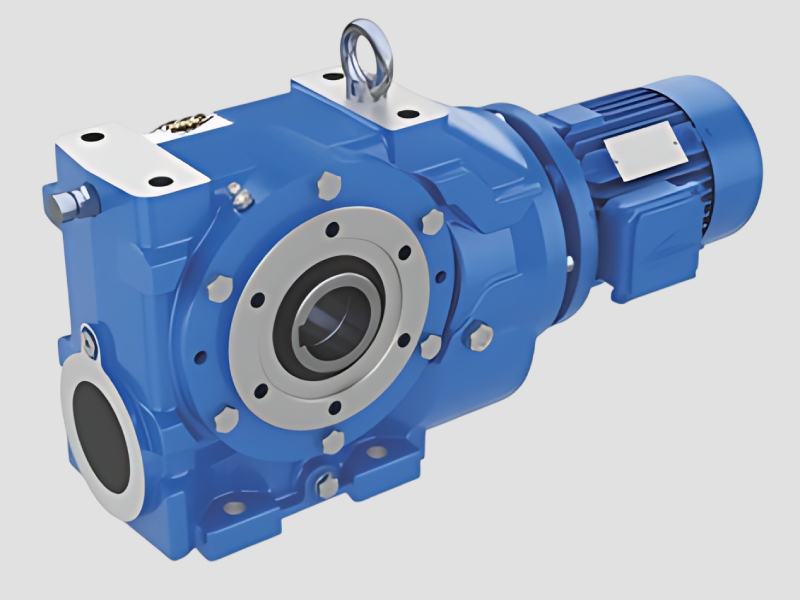
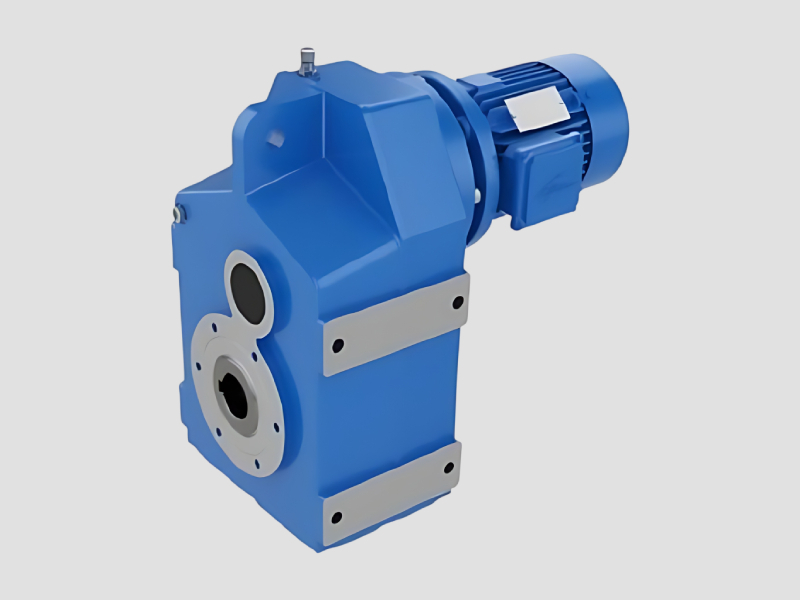
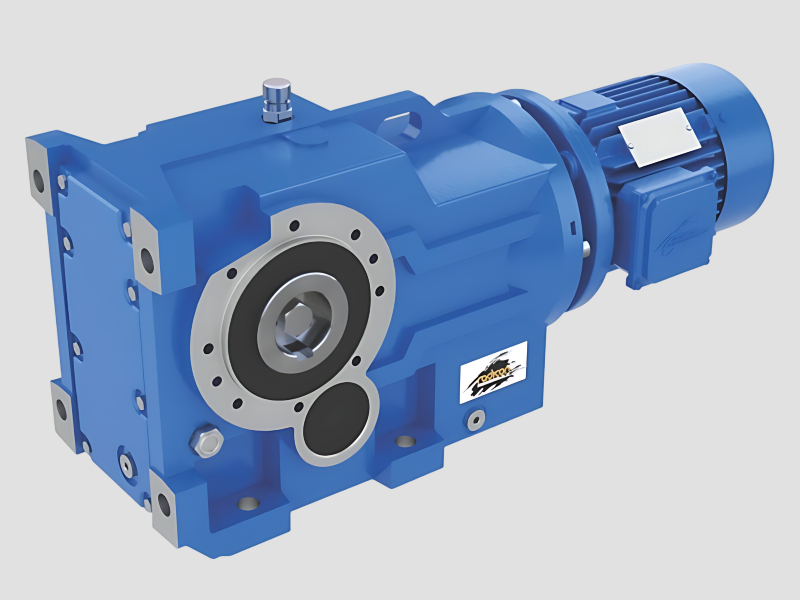
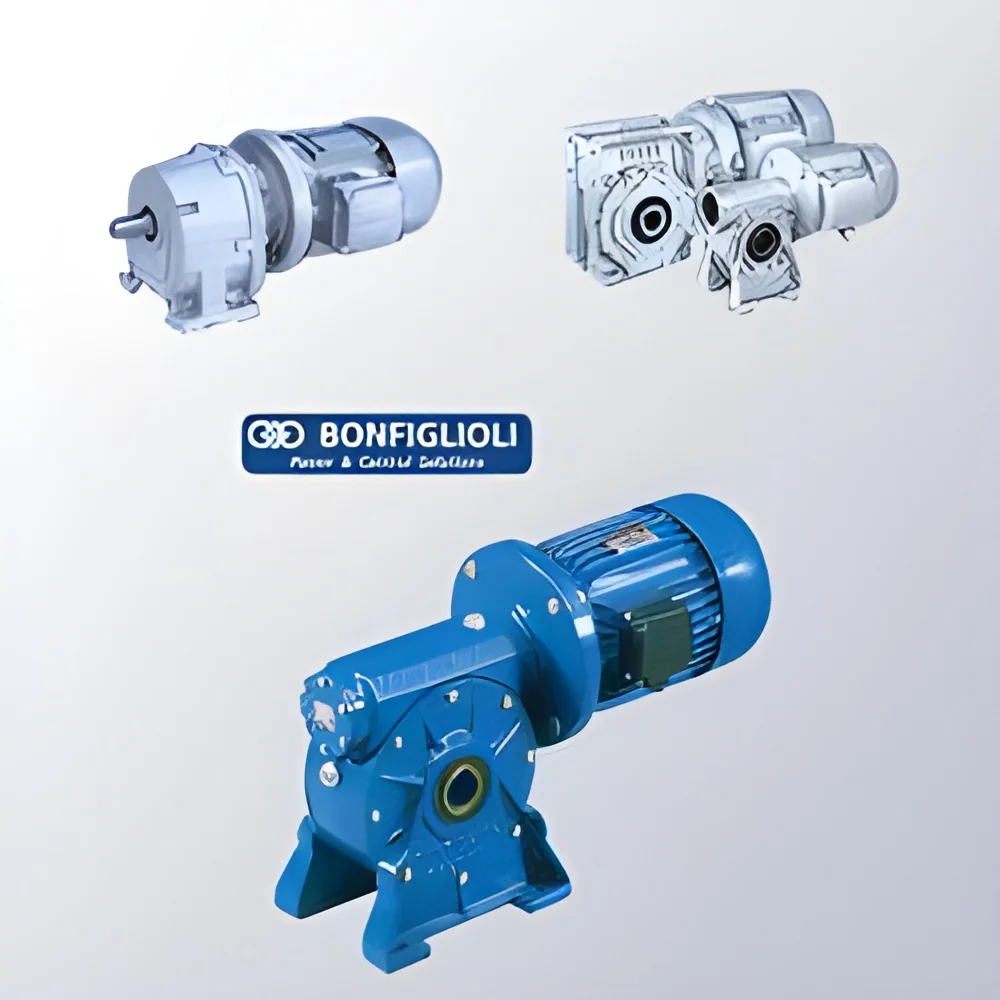
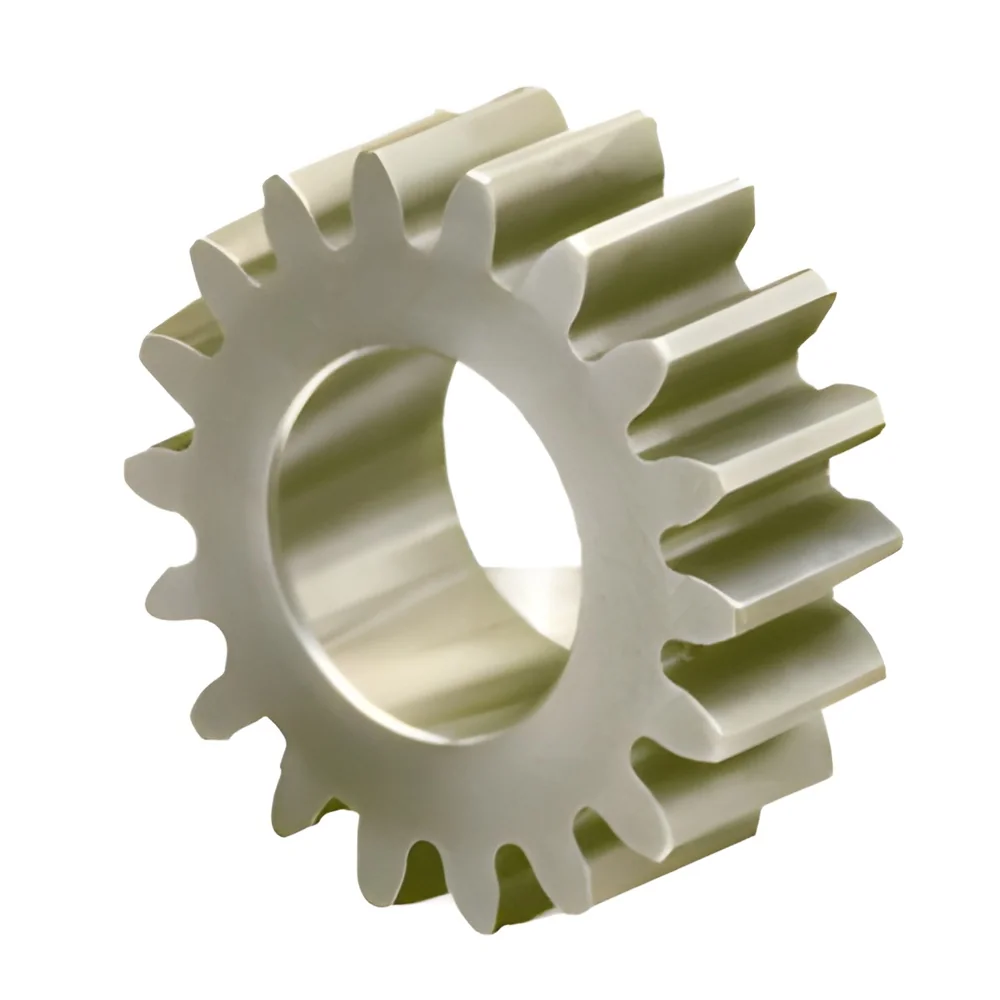
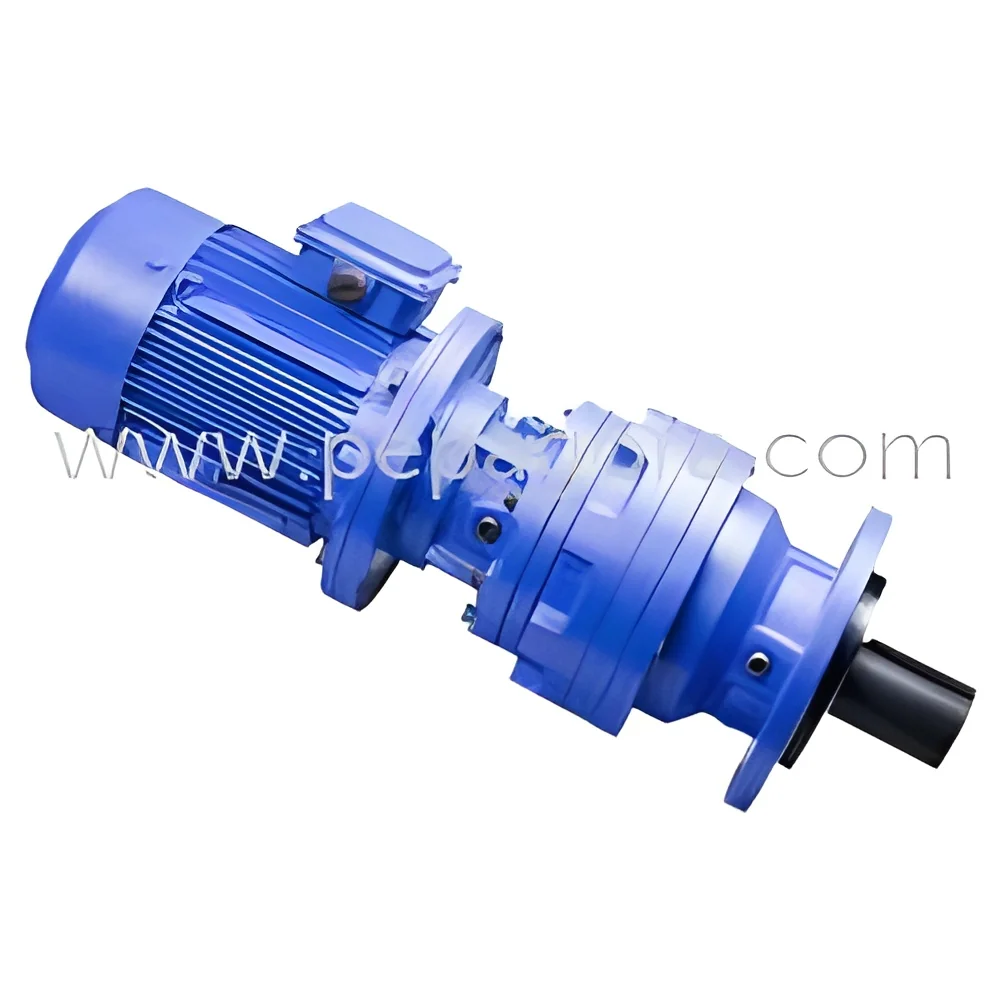
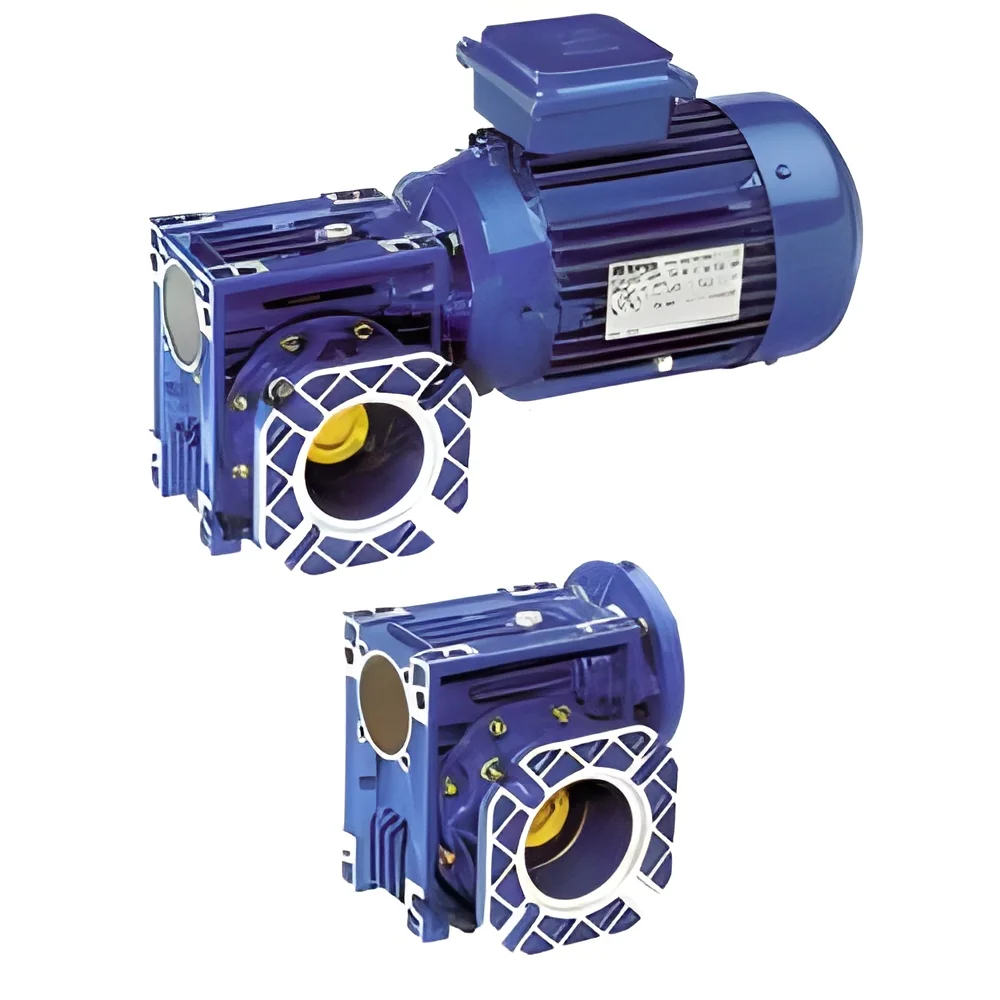
What are Geared Motors?
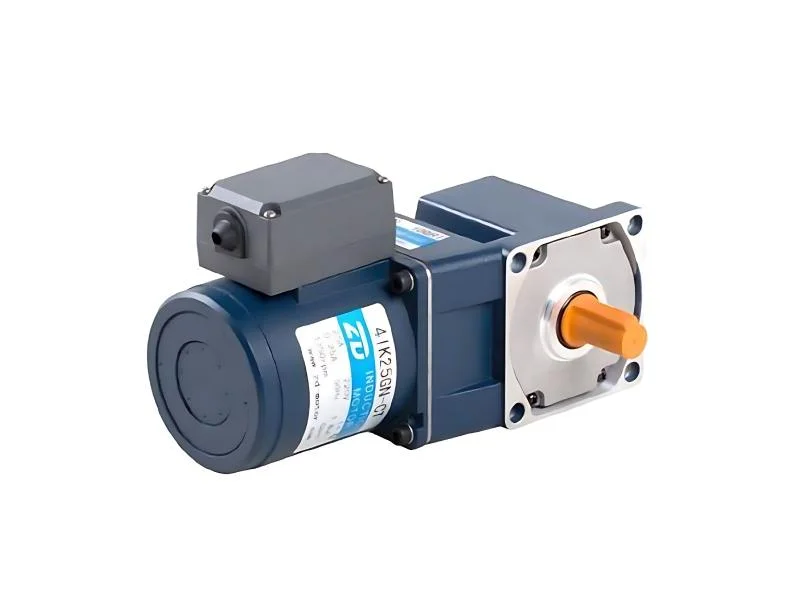
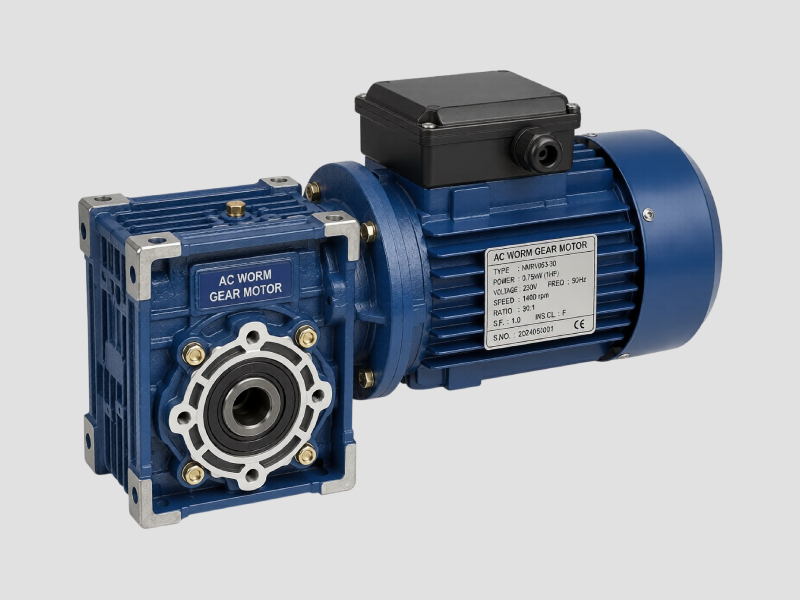
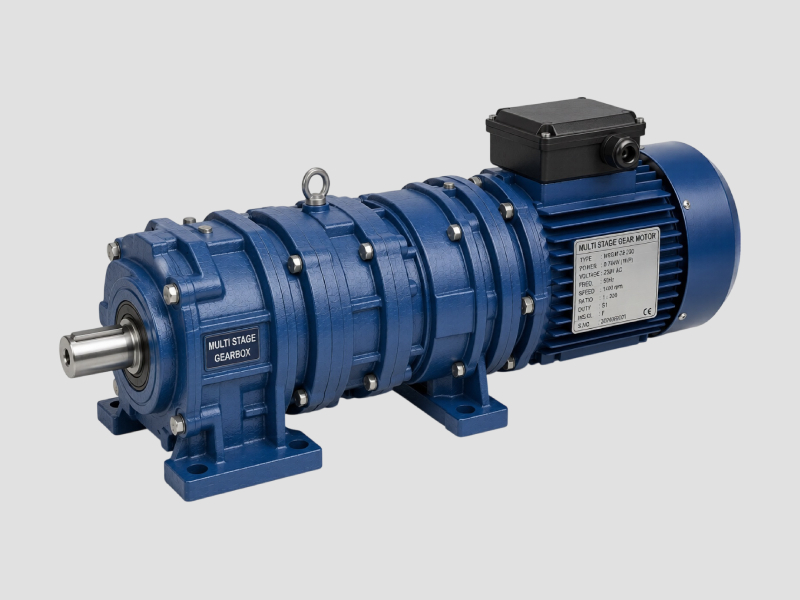
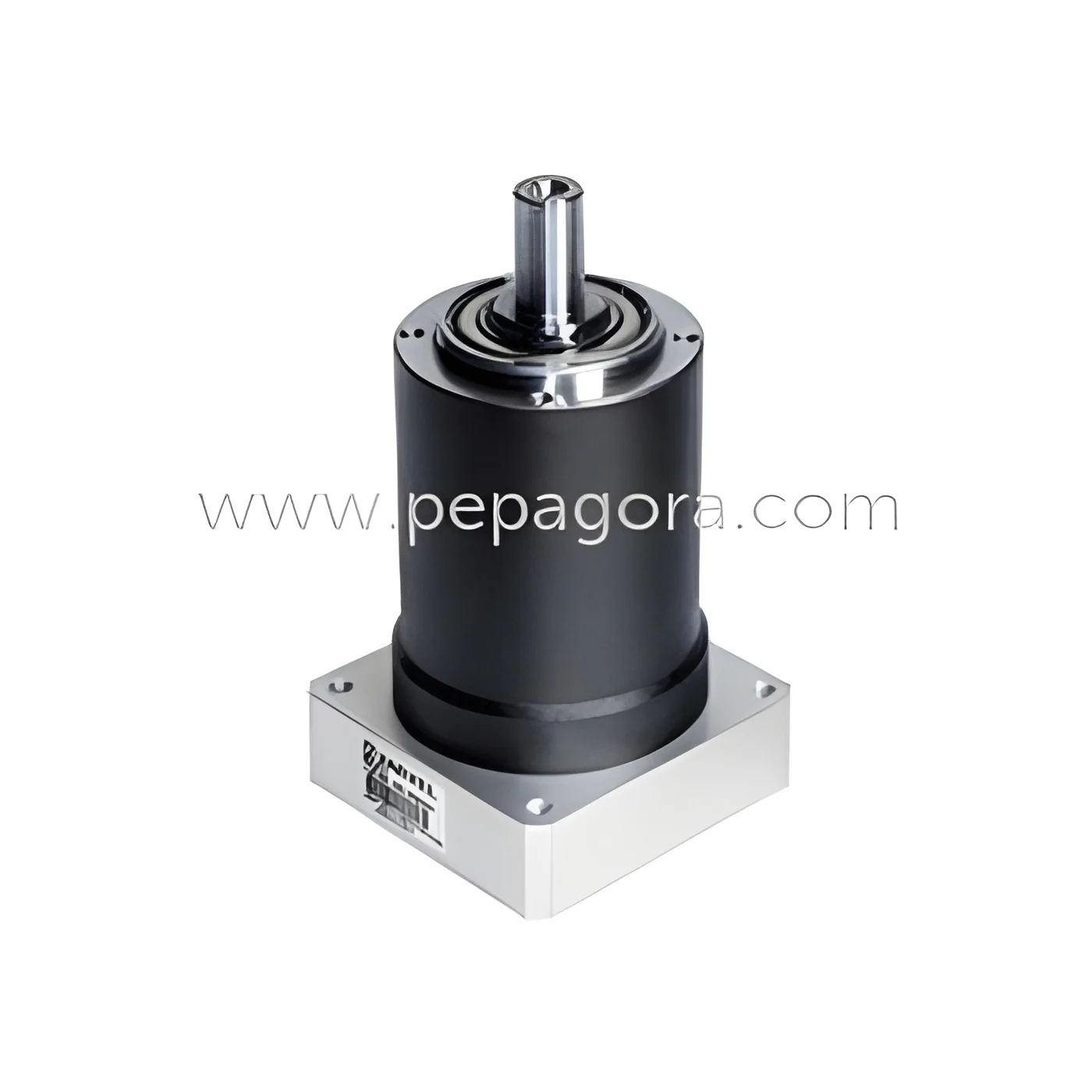
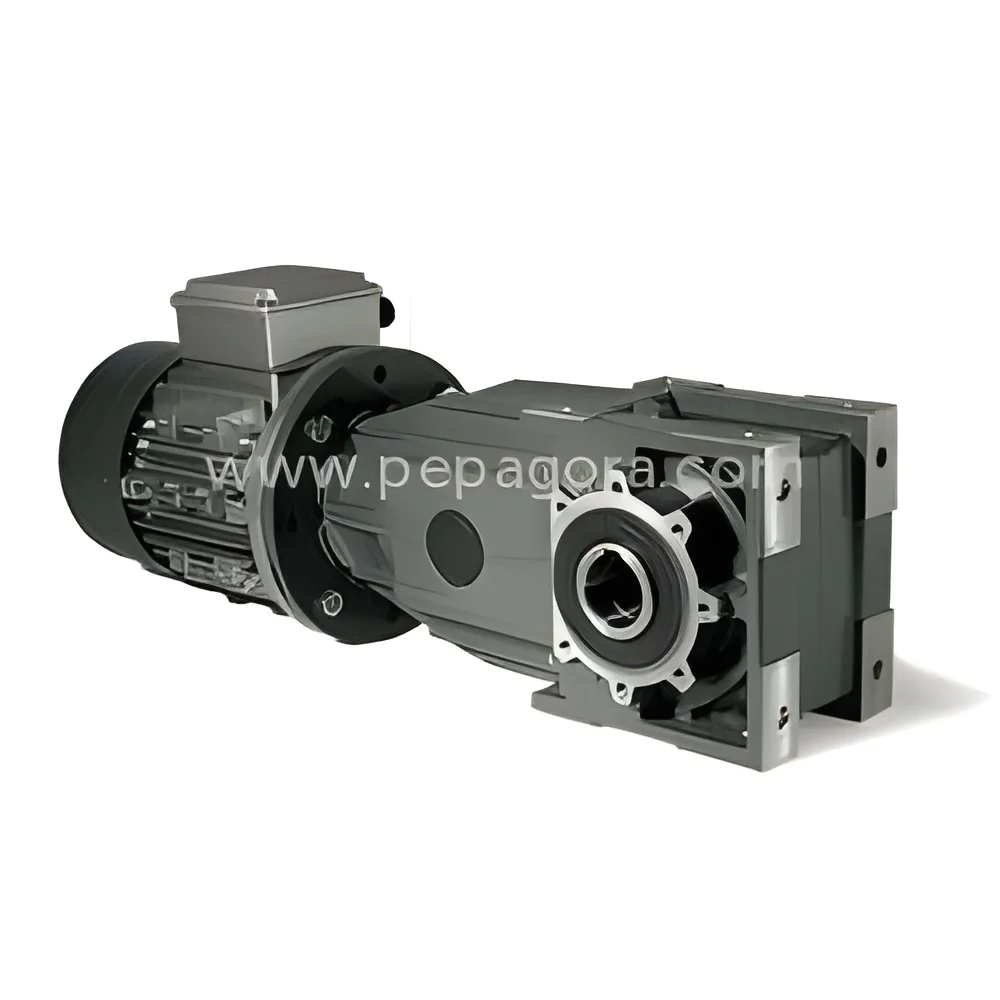
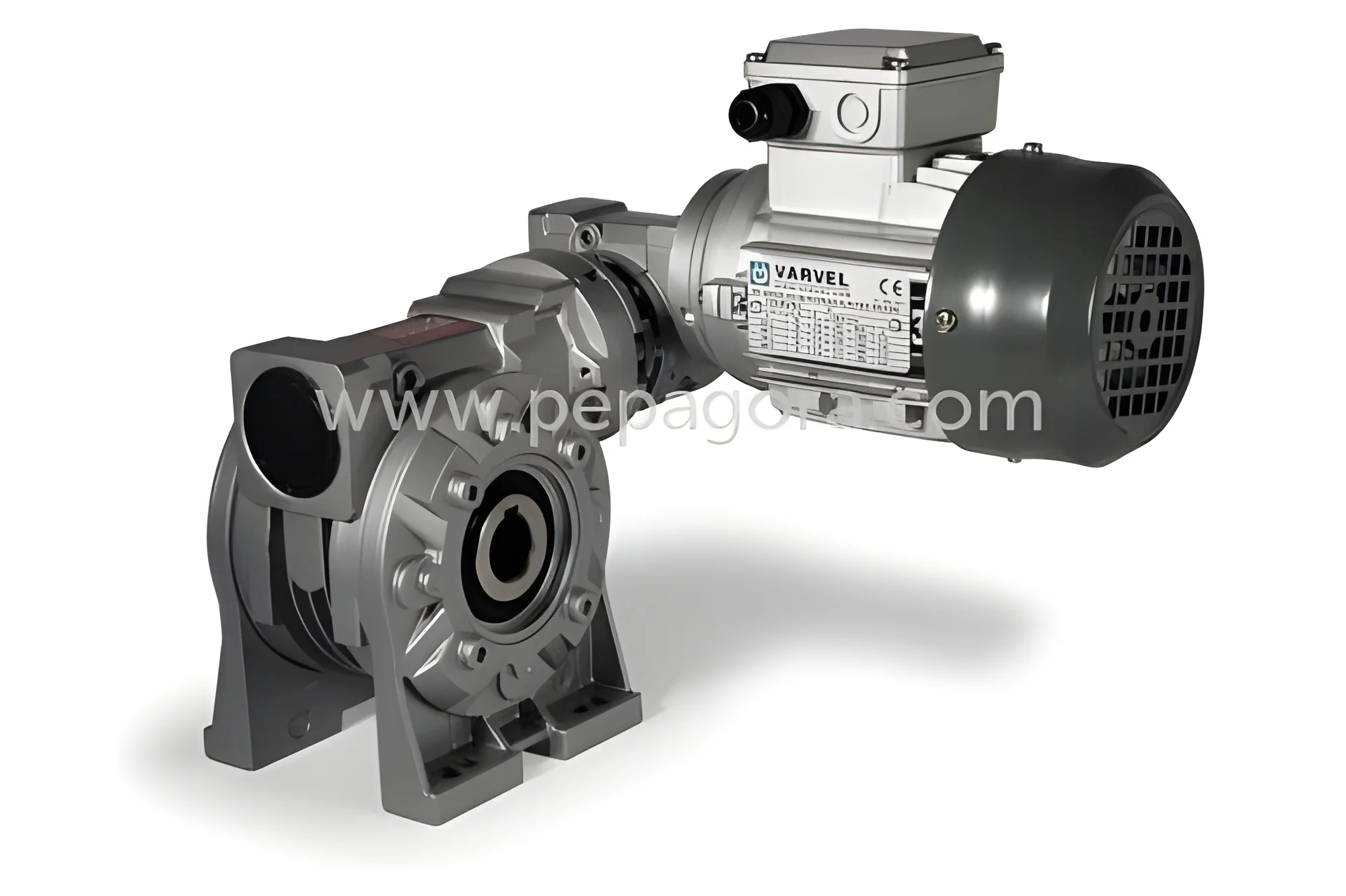
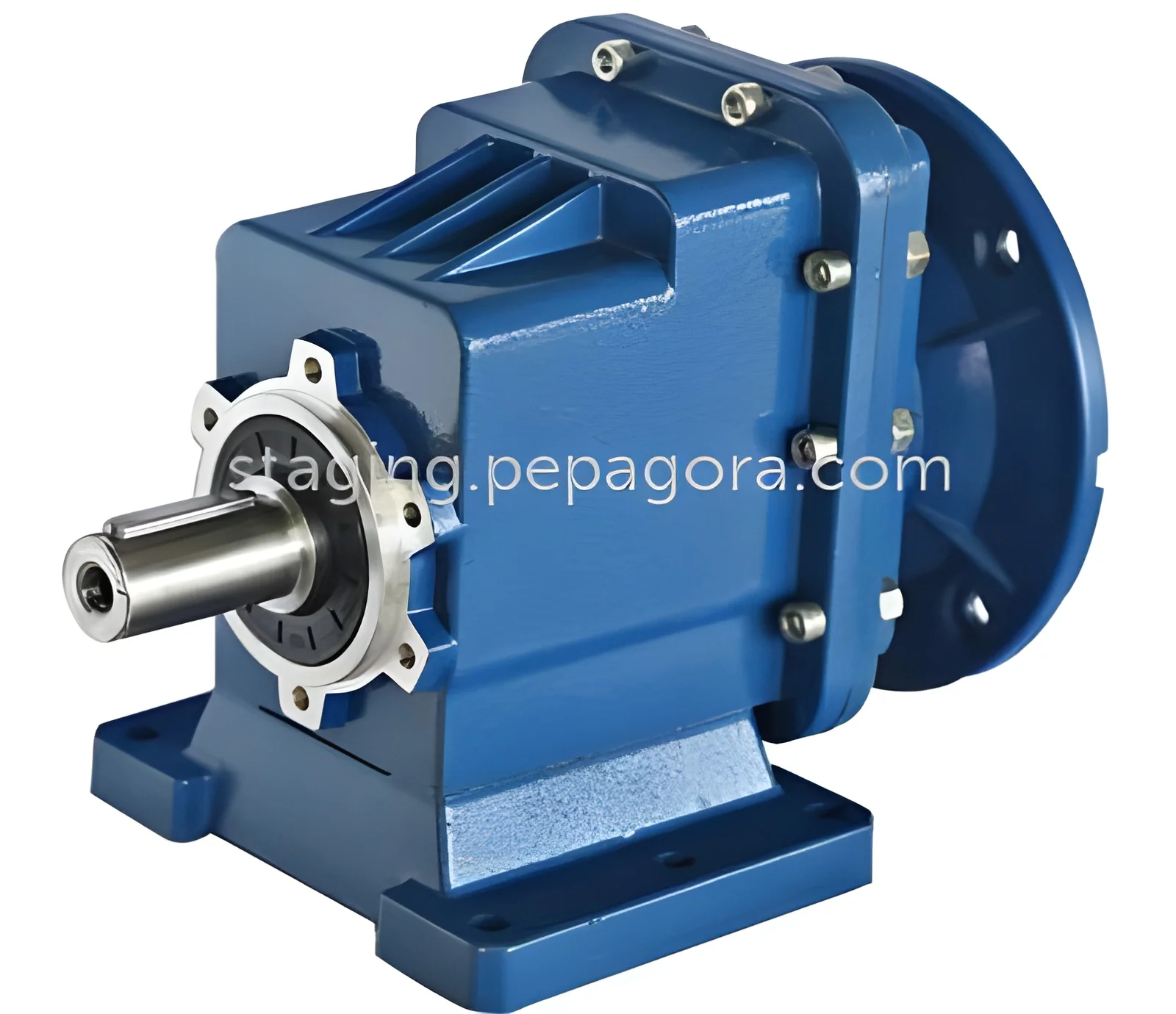
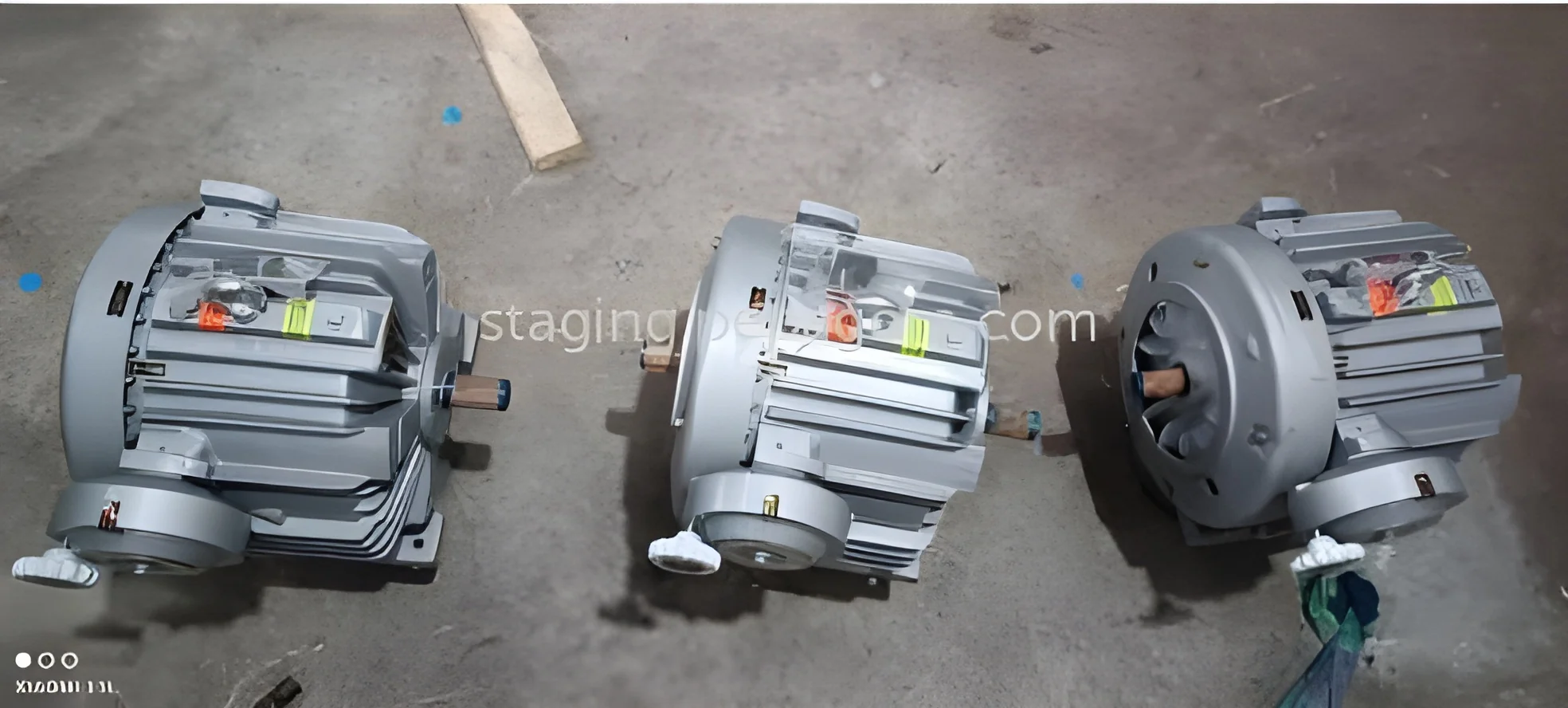
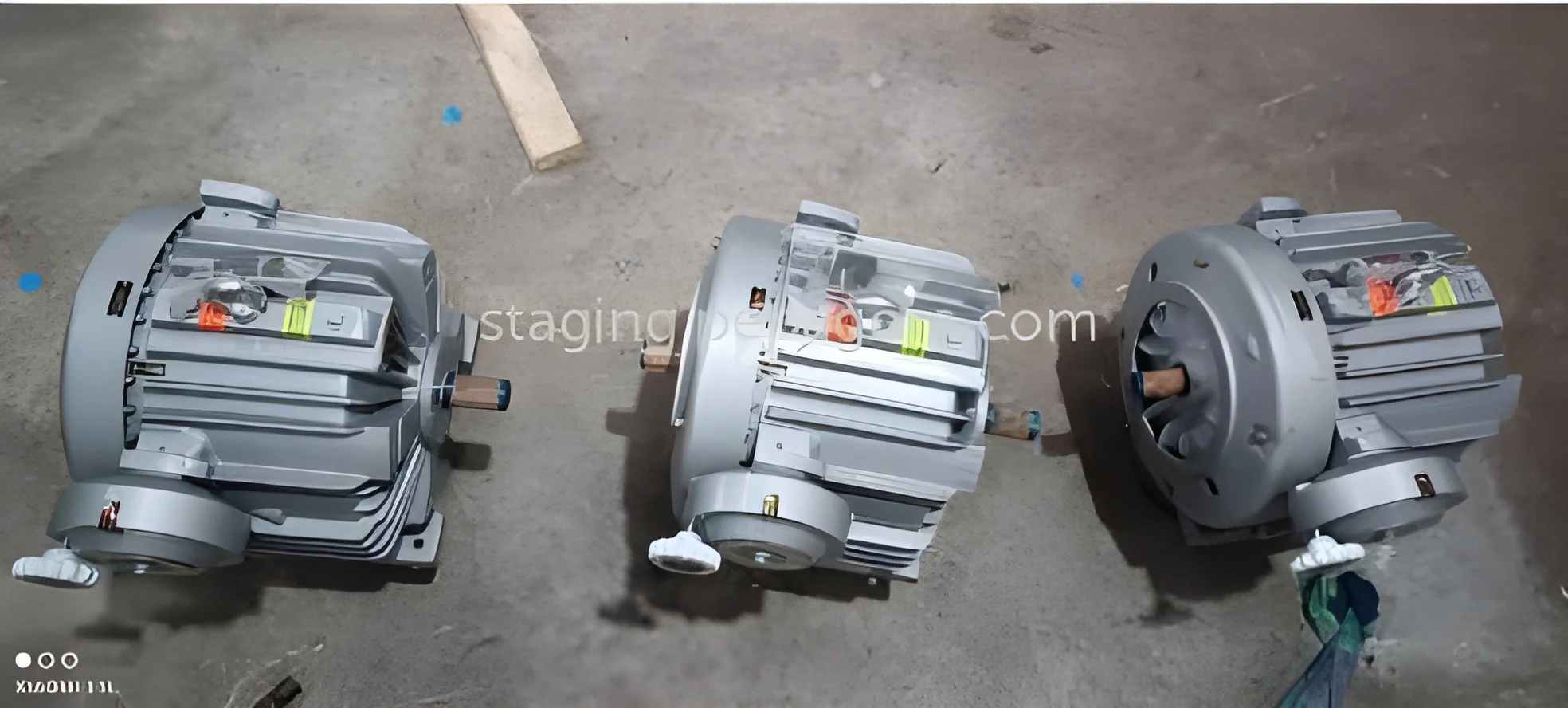
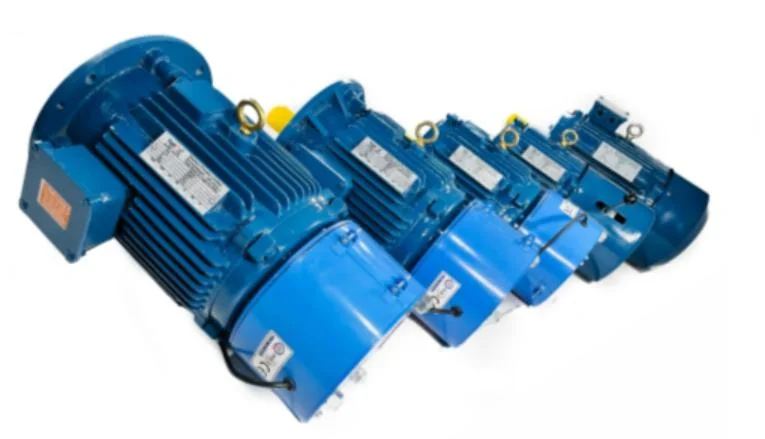
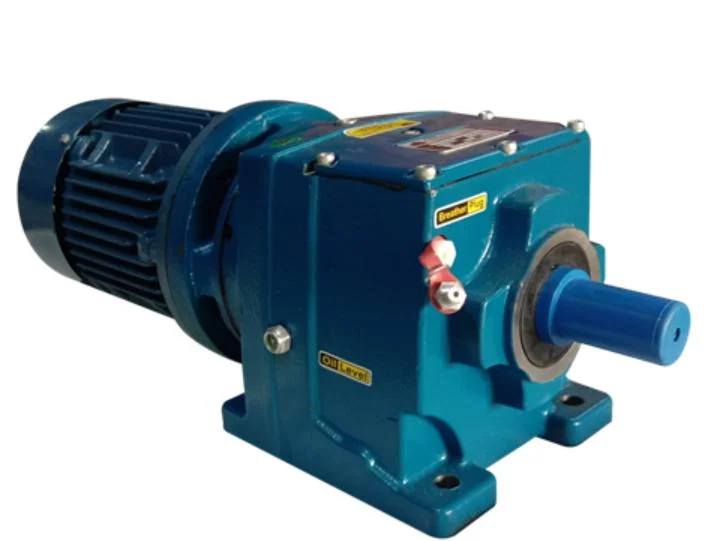
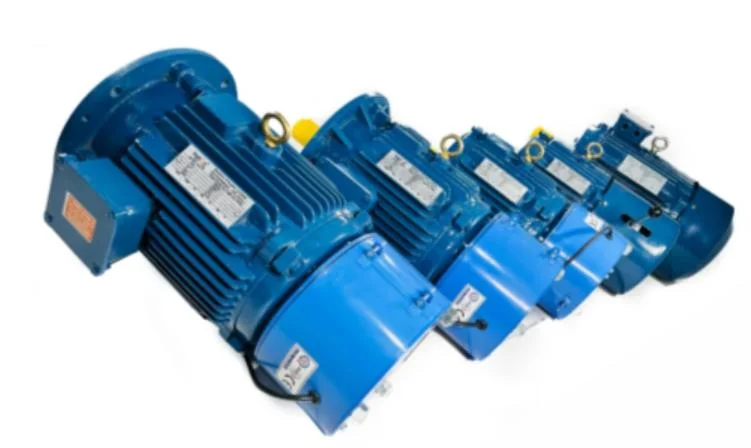
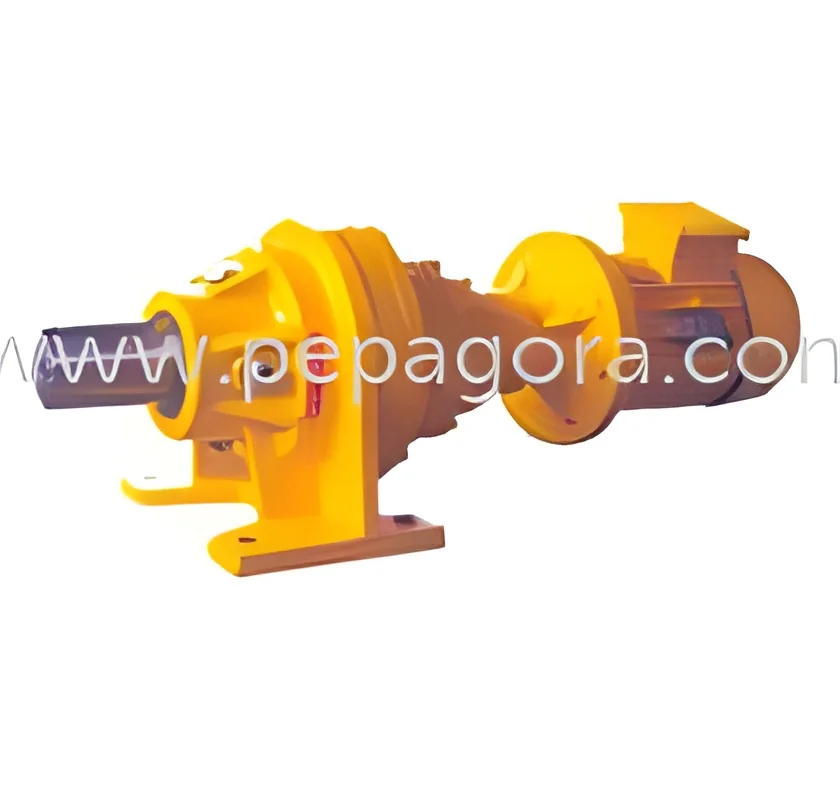
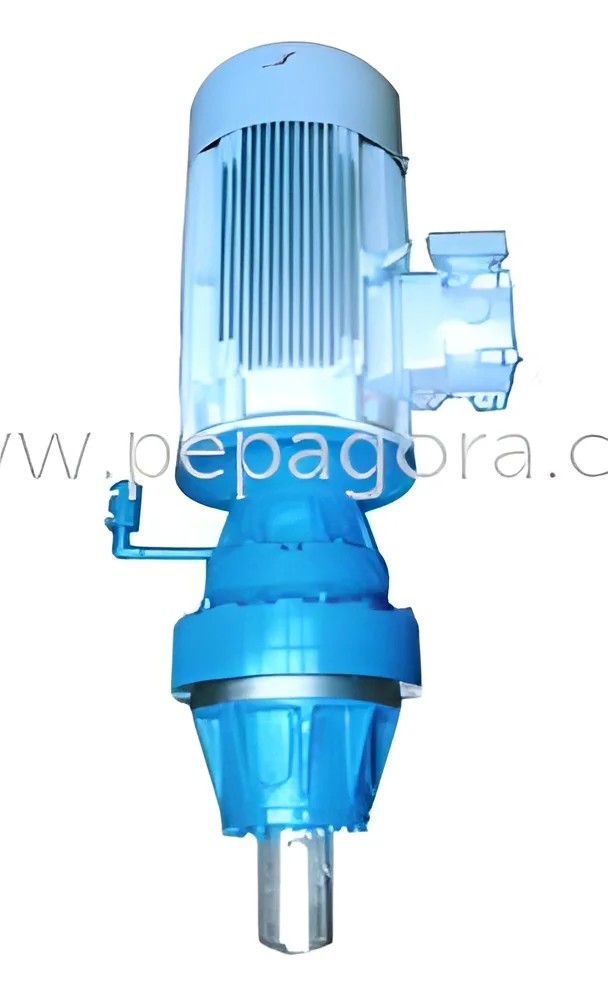
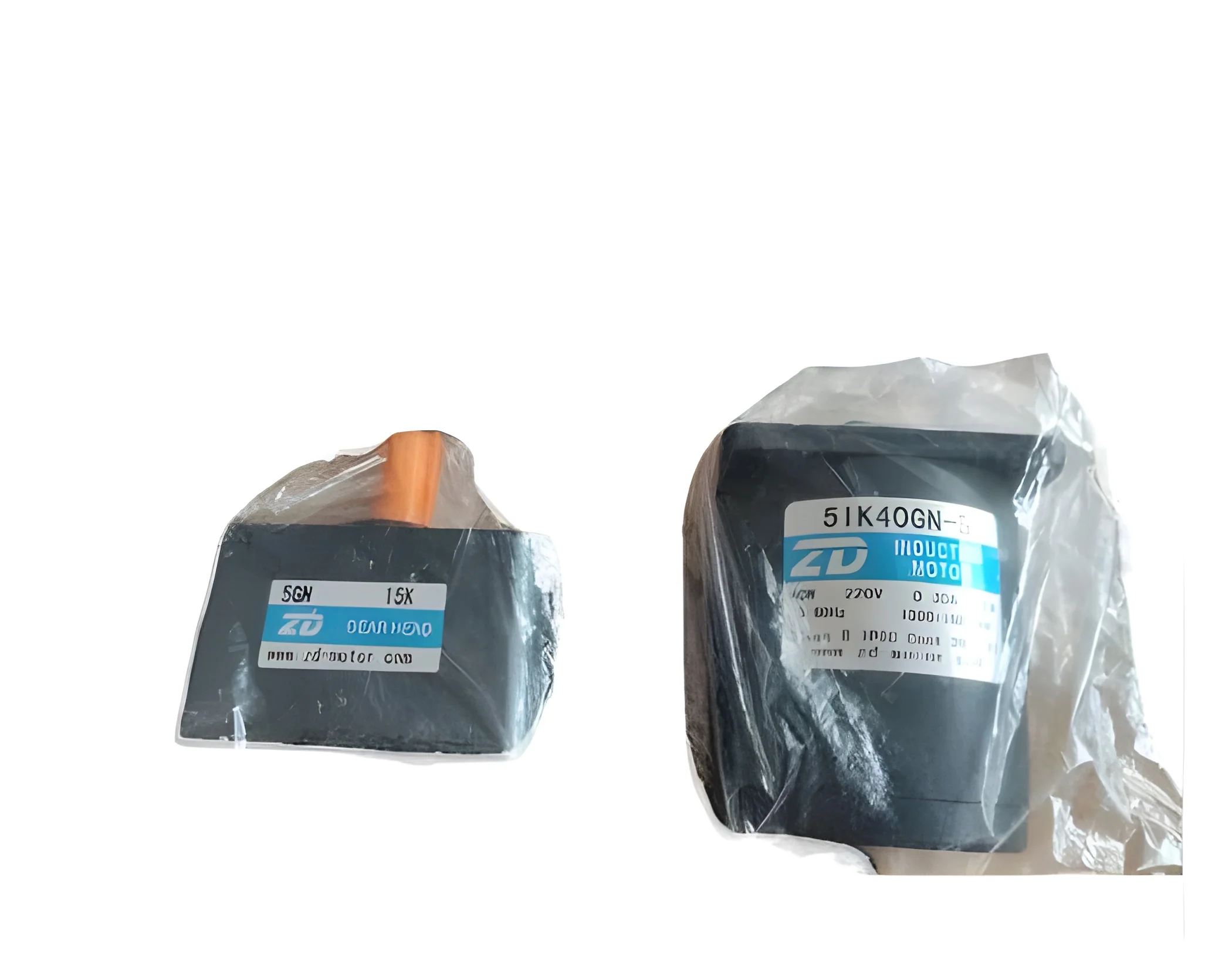
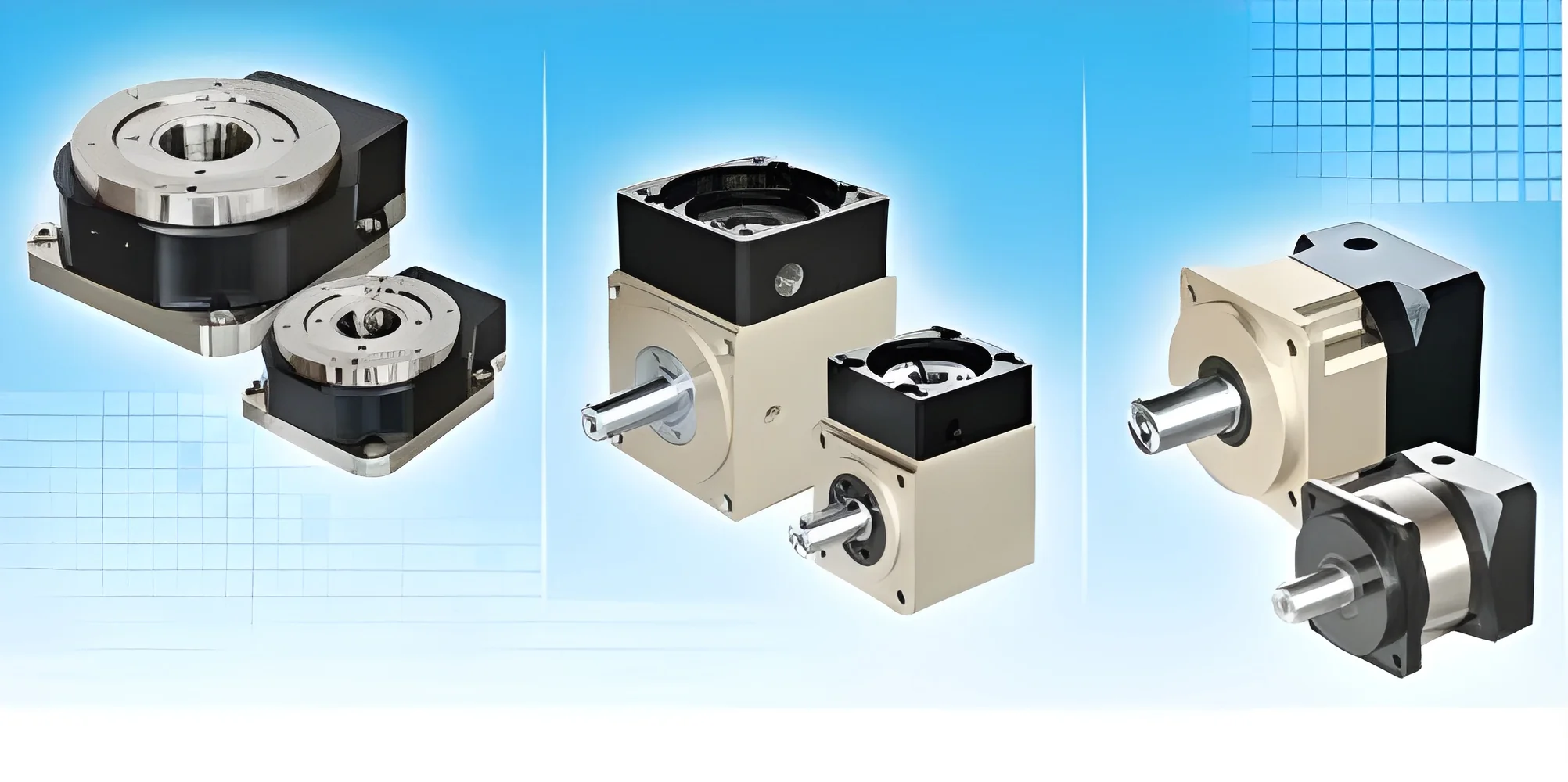
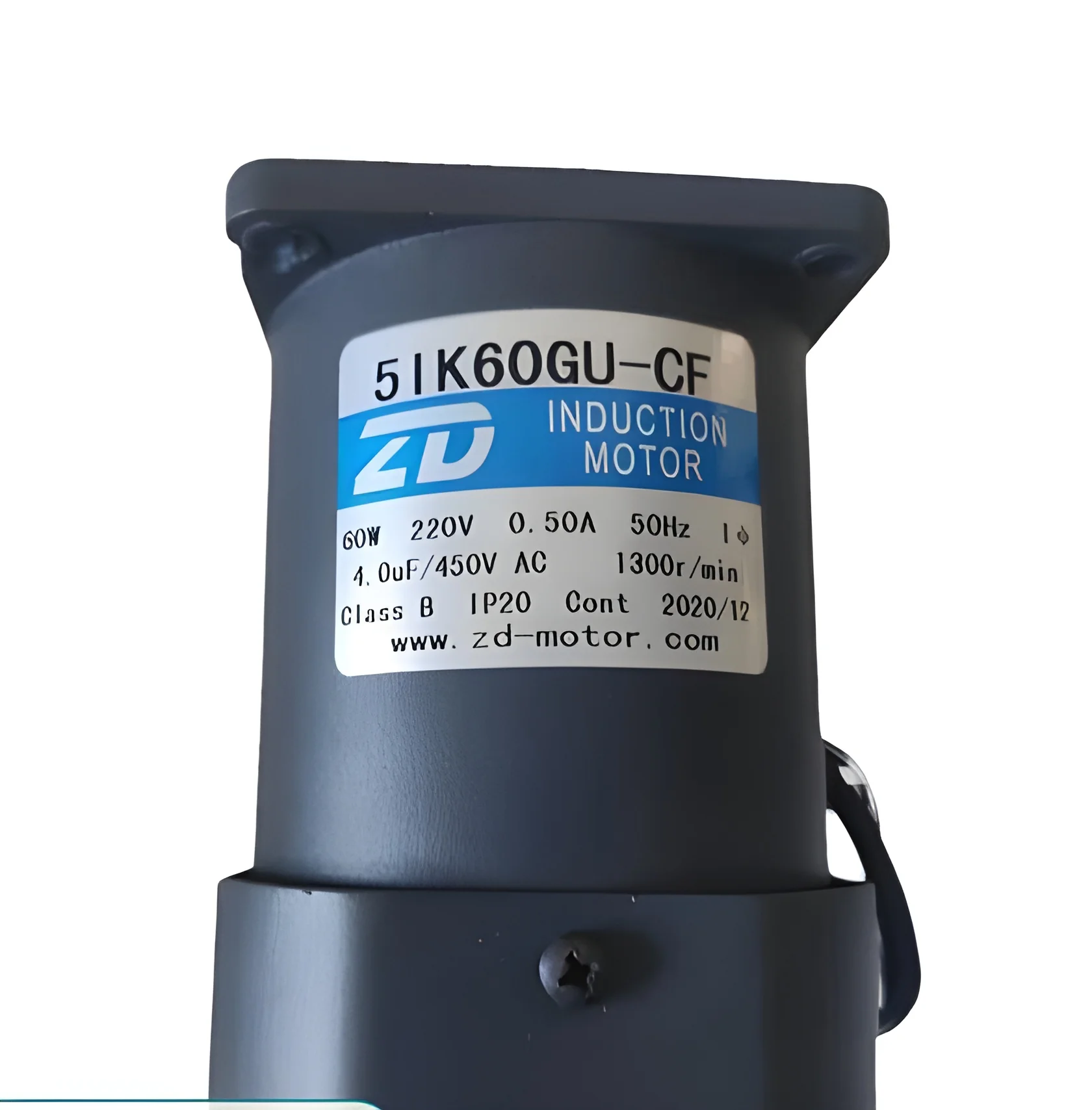
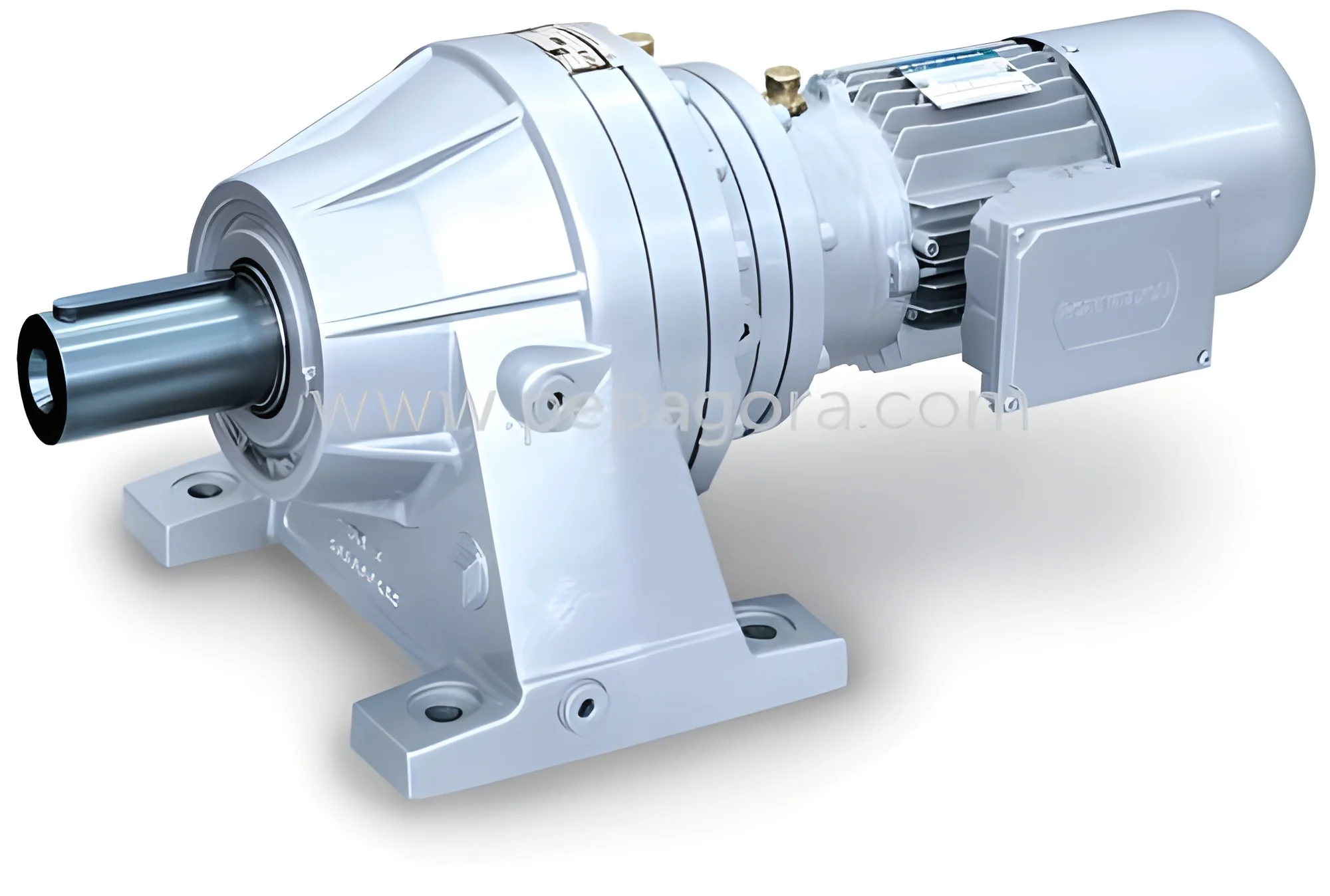
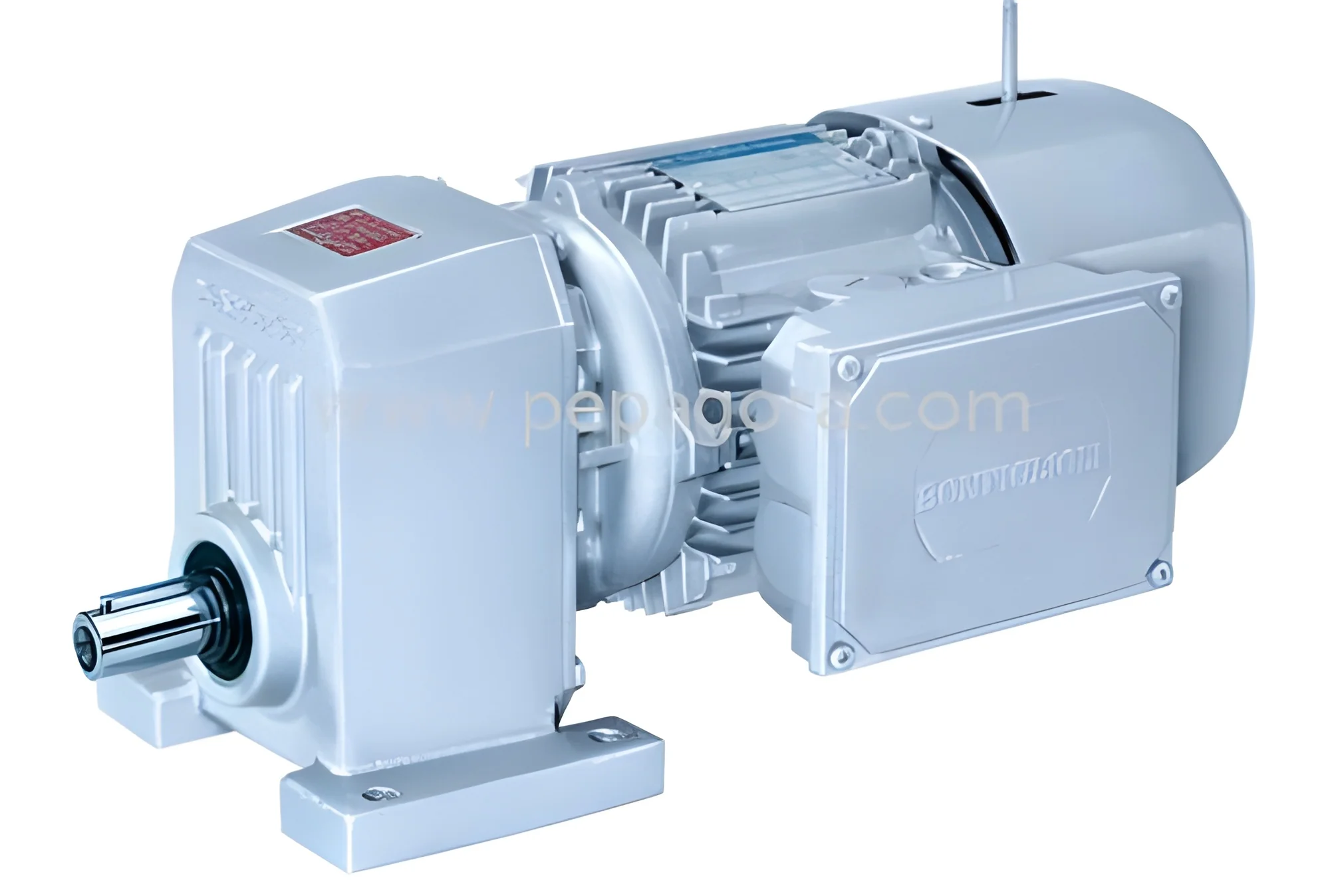
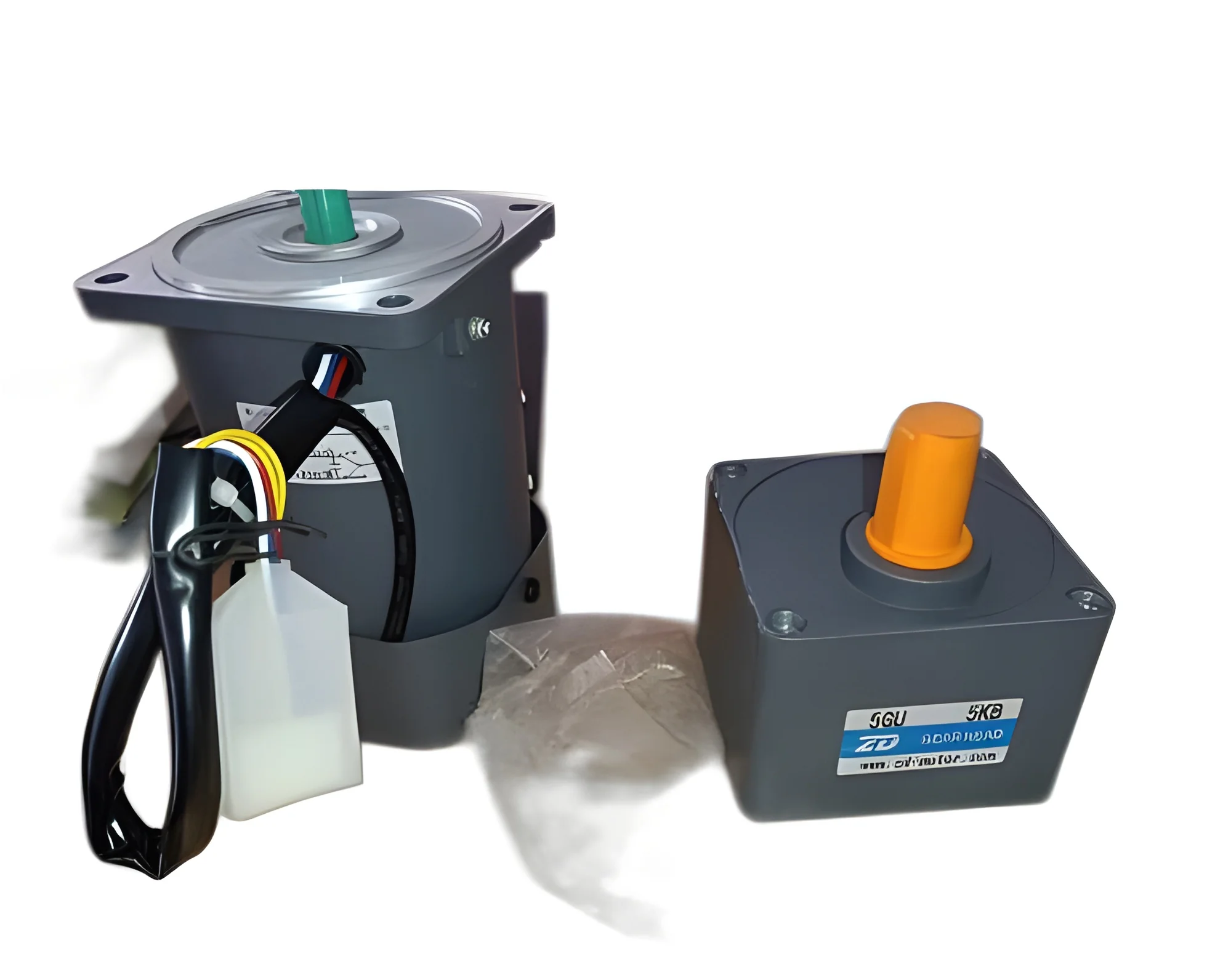
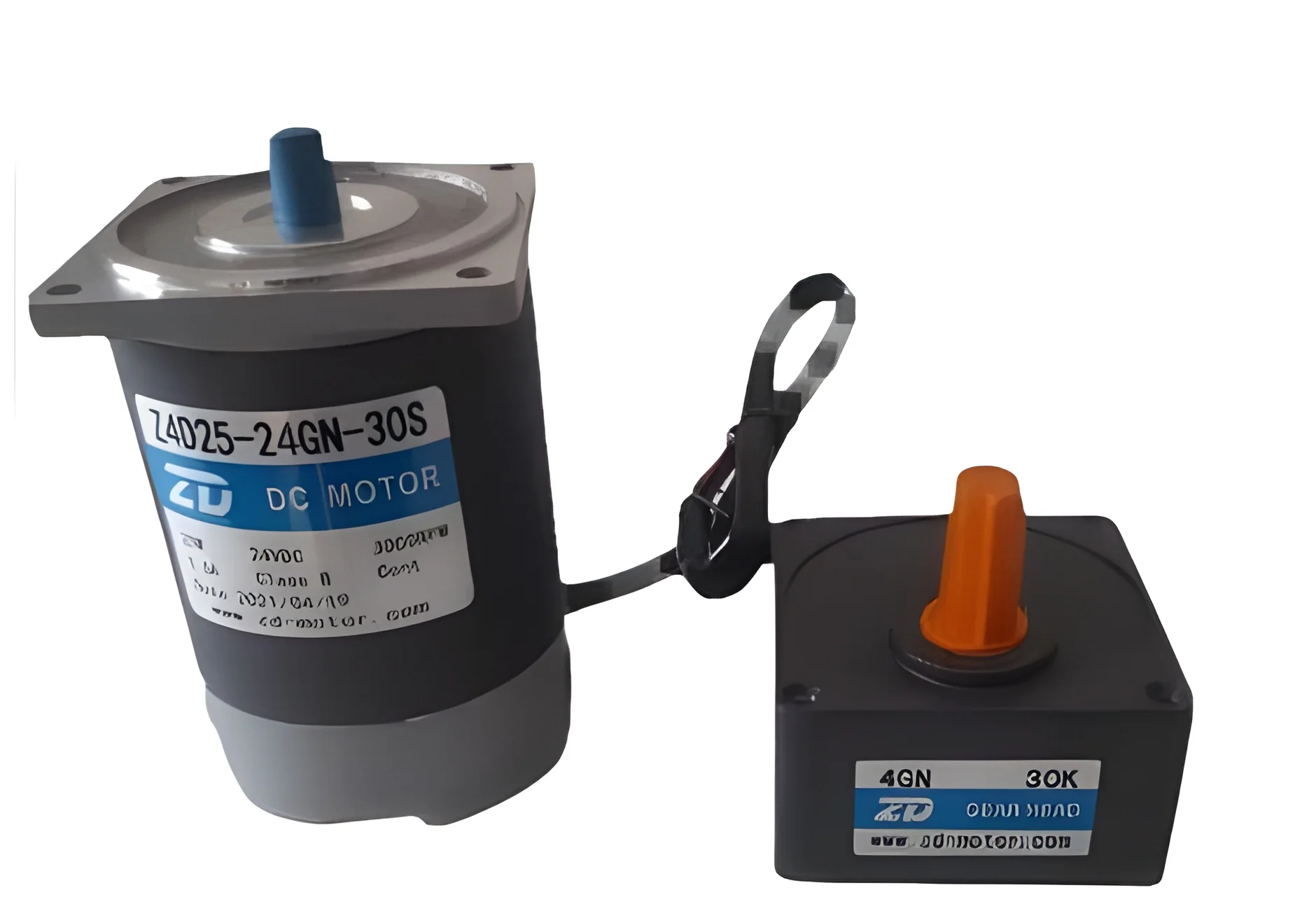
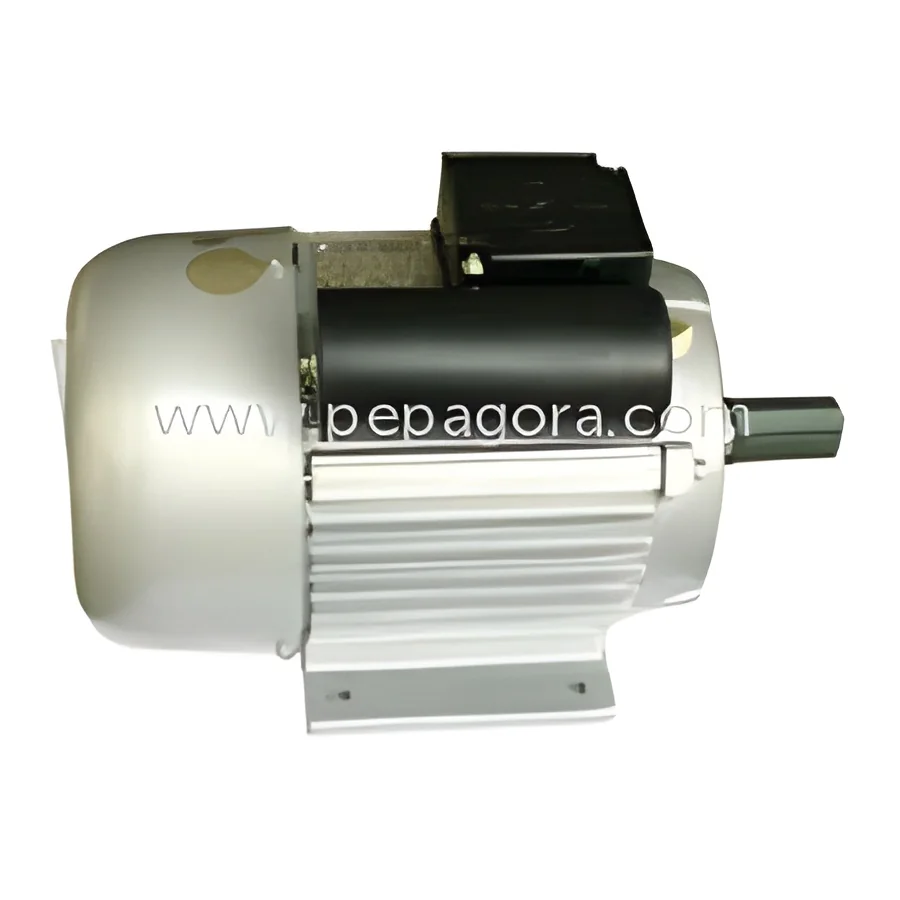
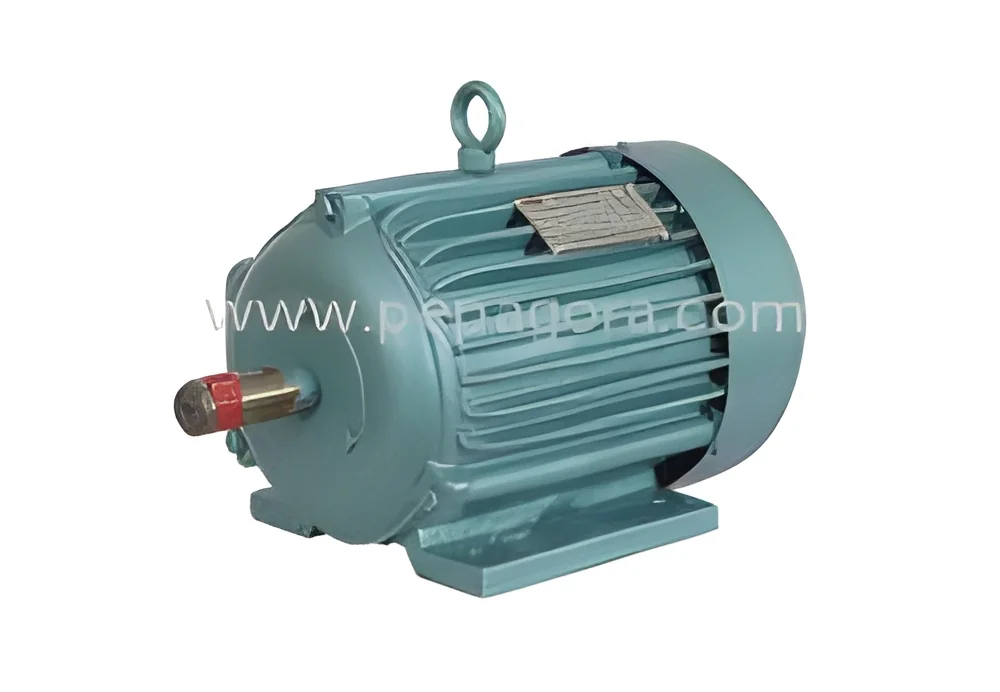
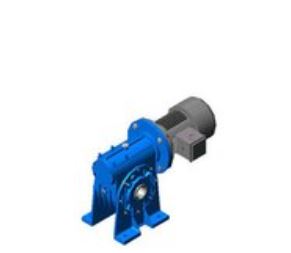
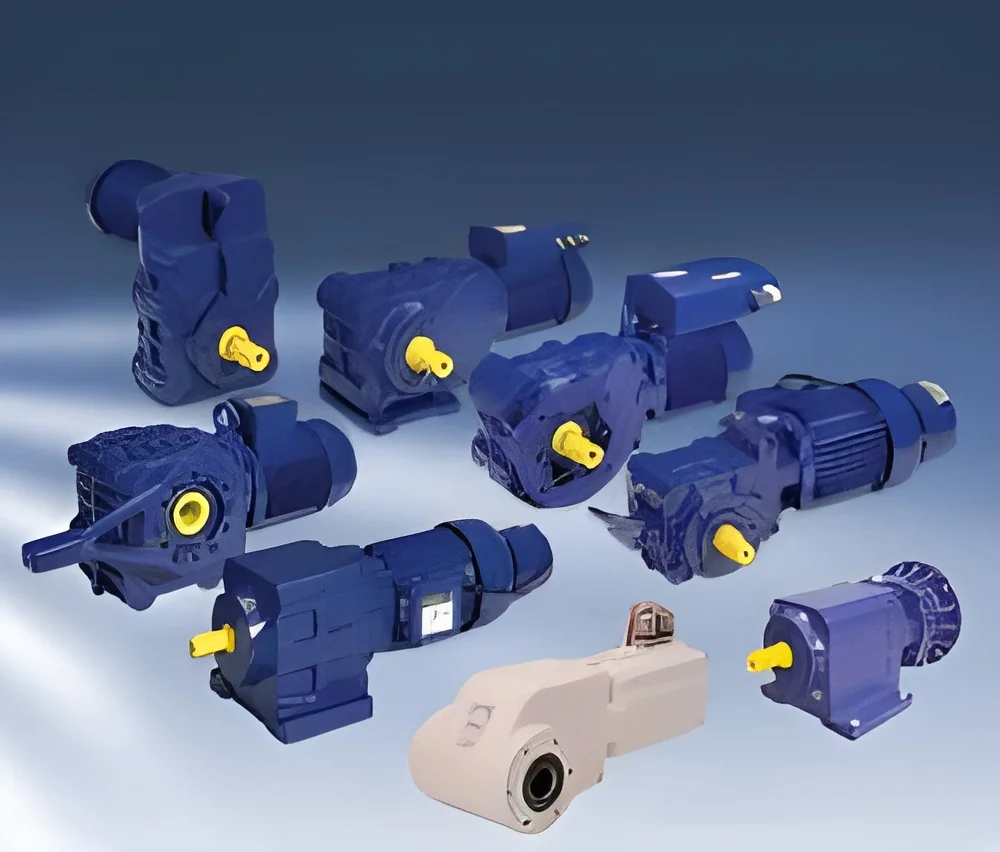
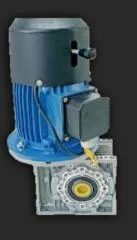
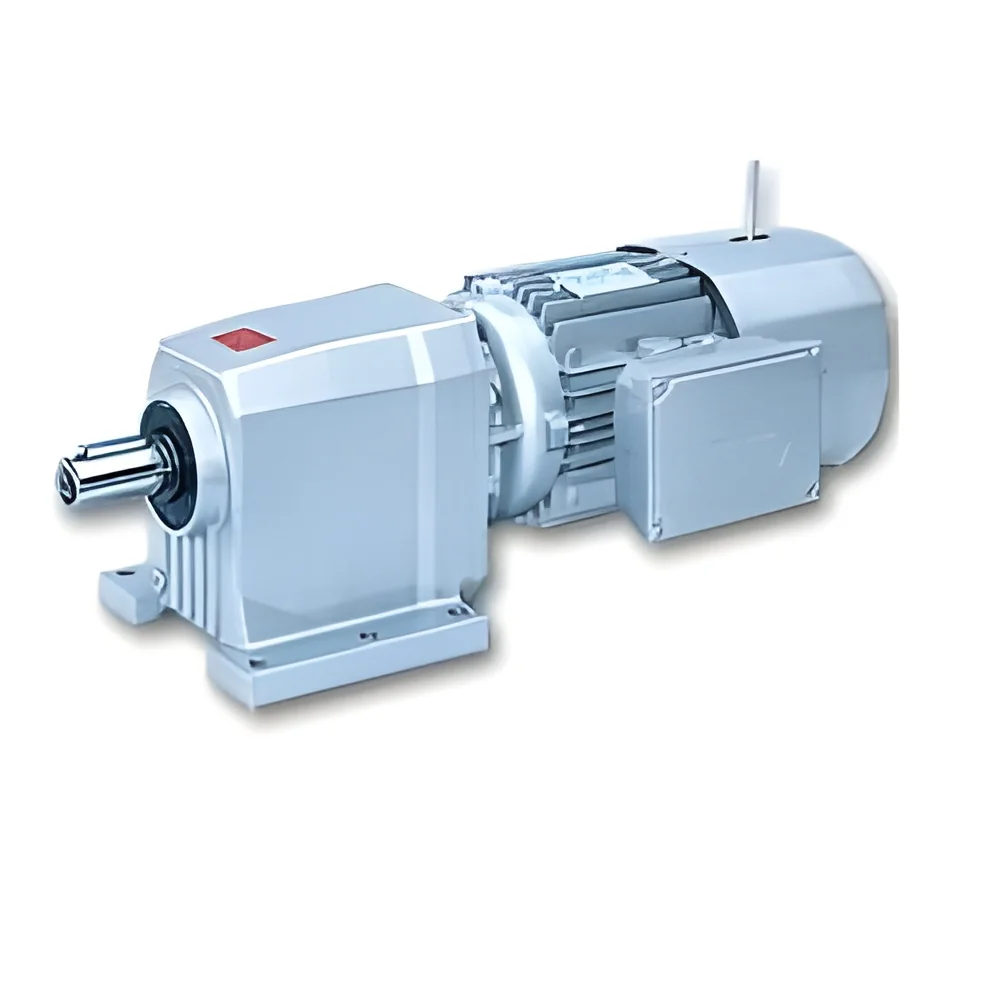
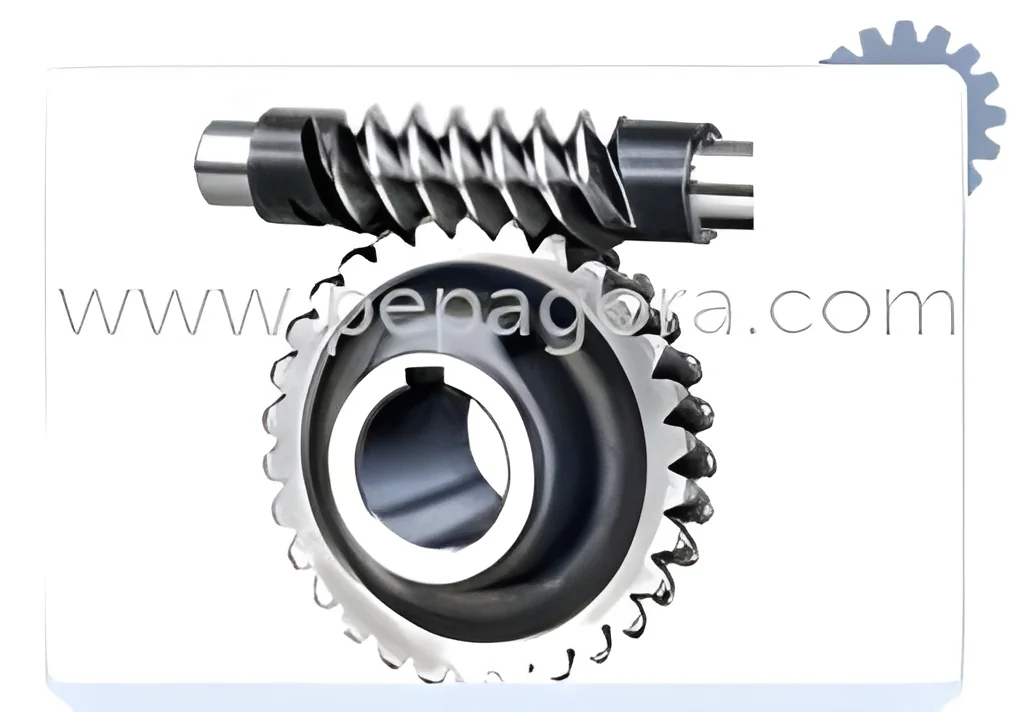
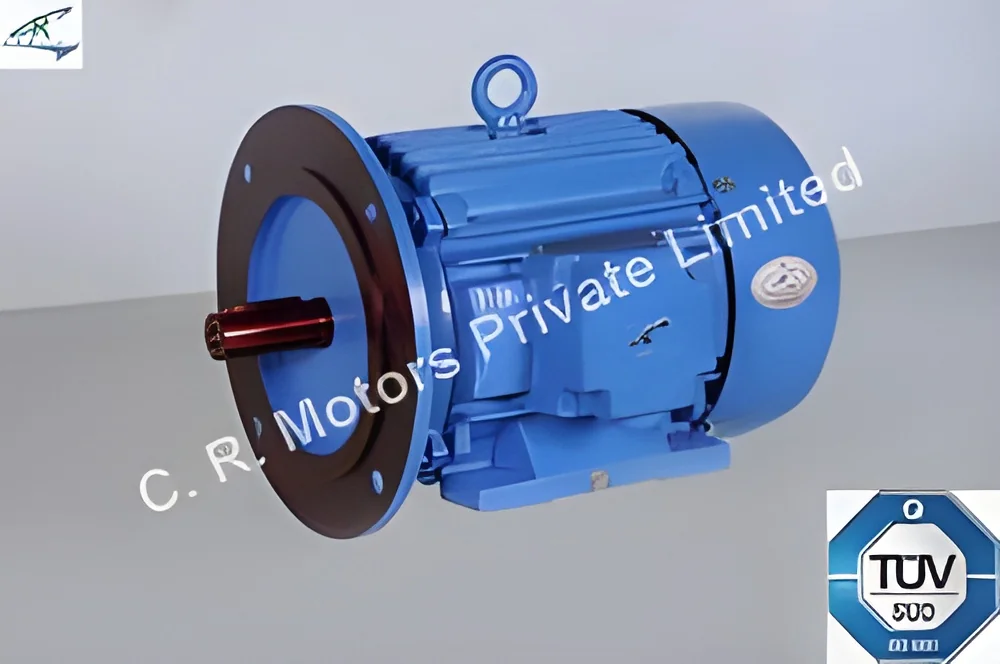
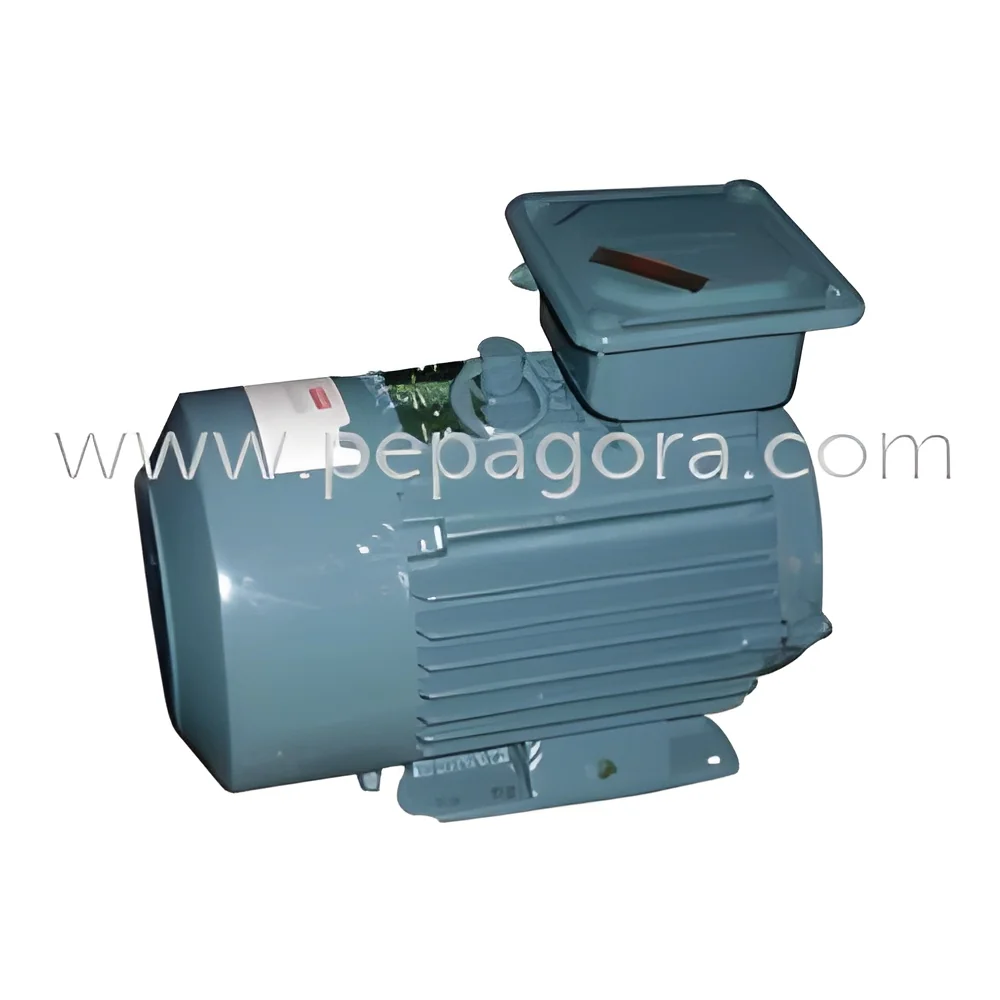
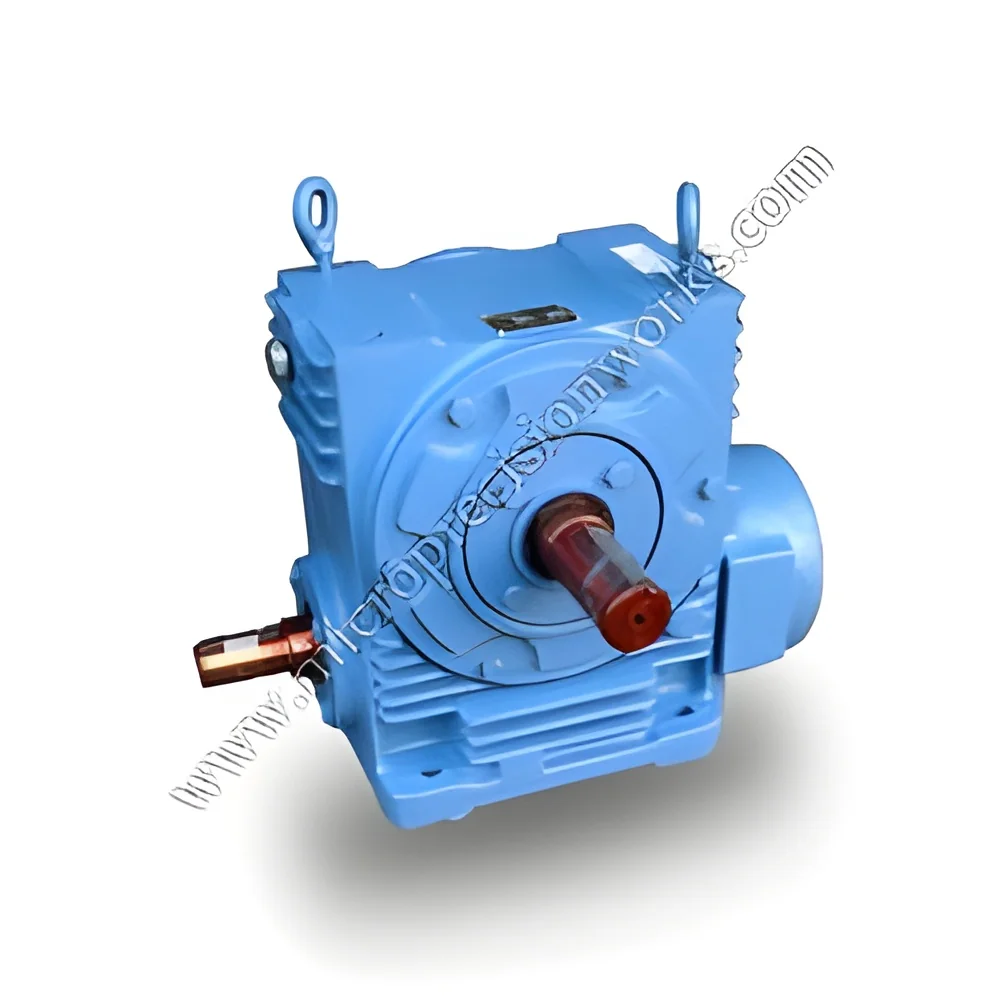
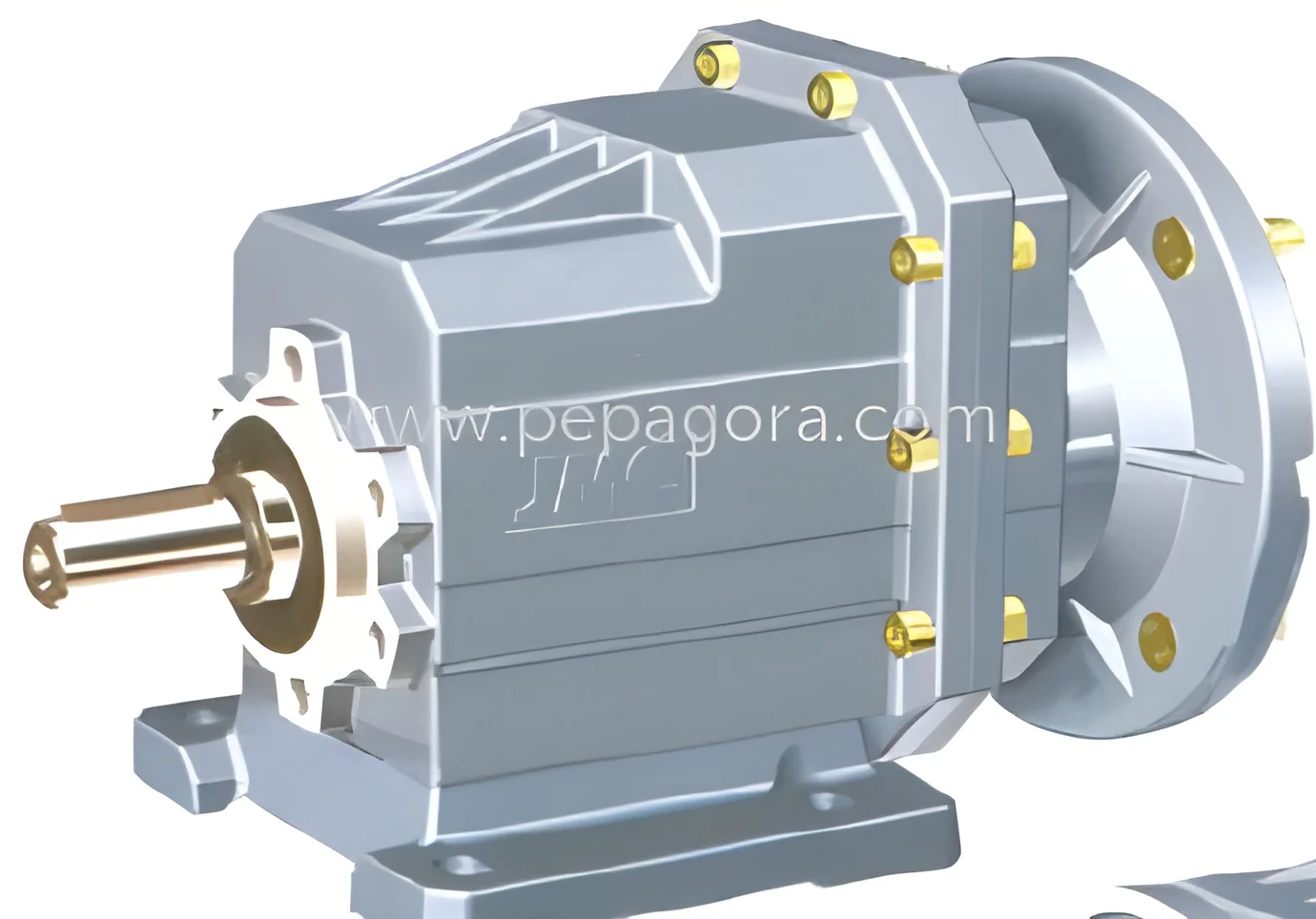
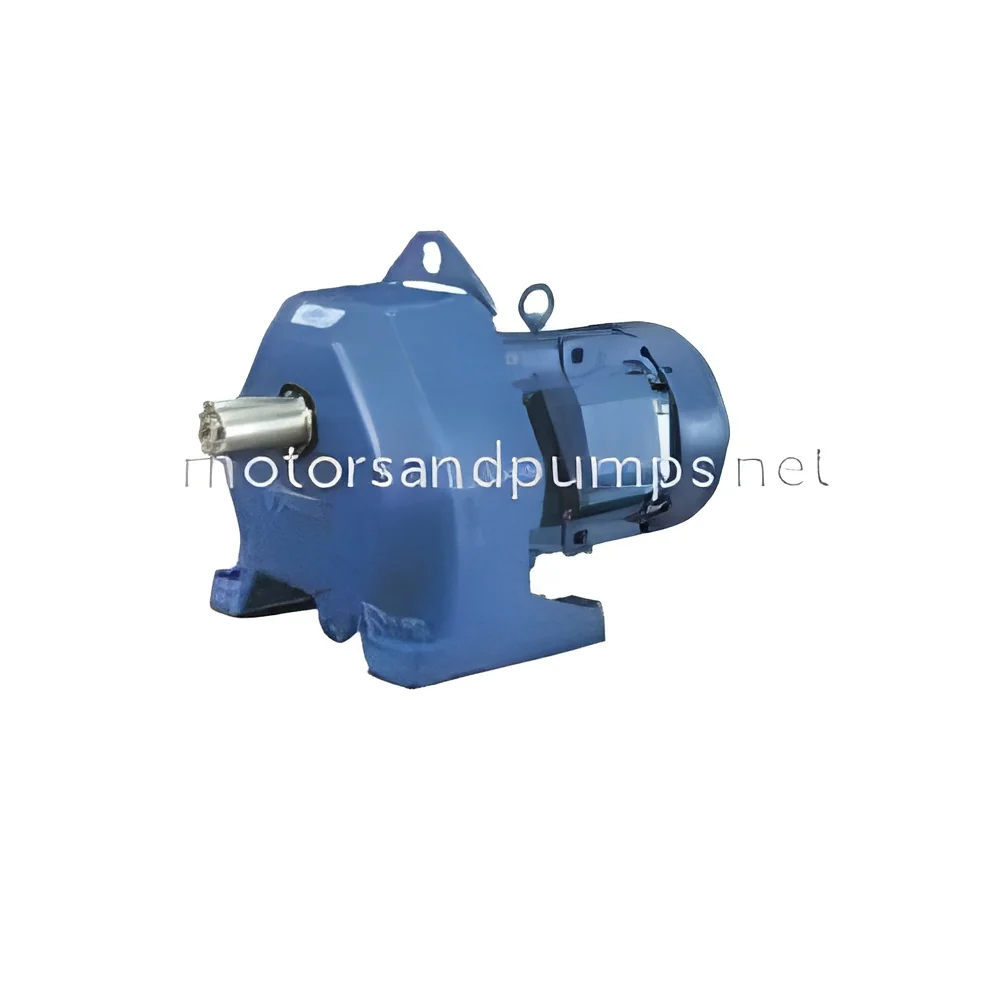
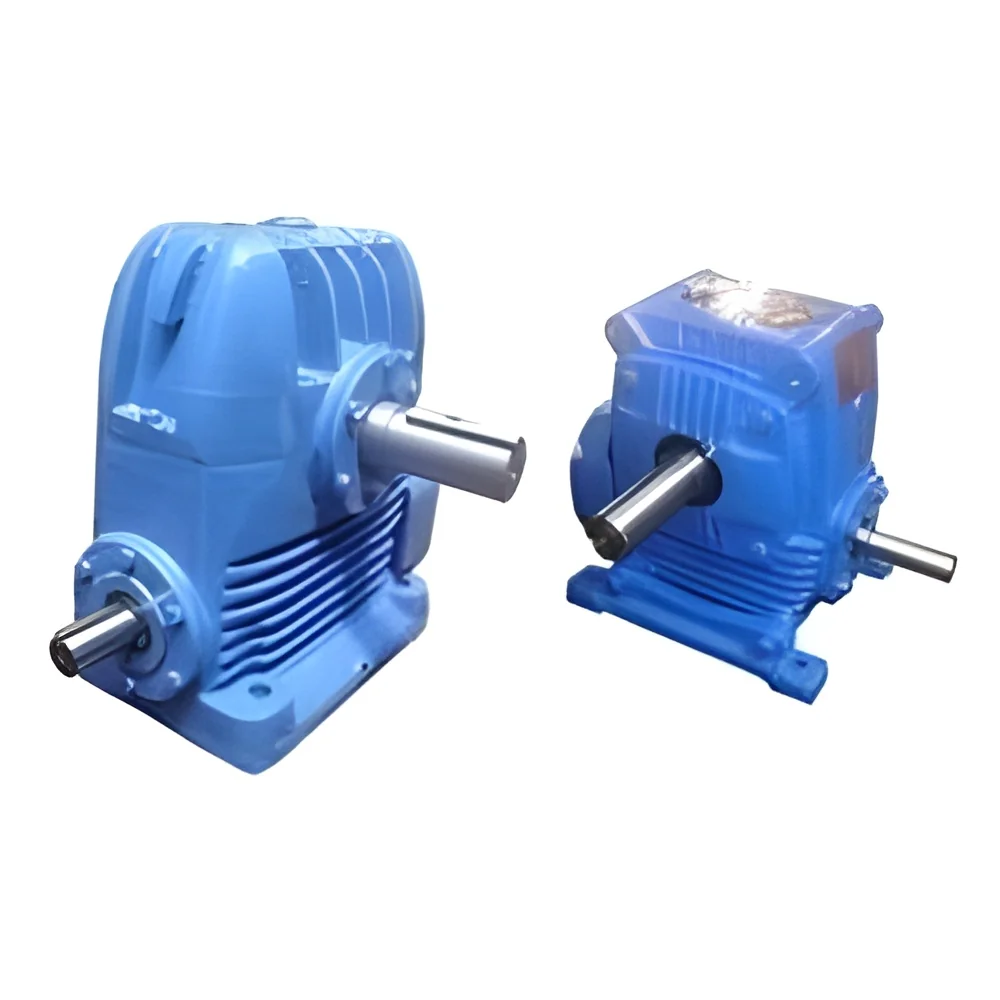
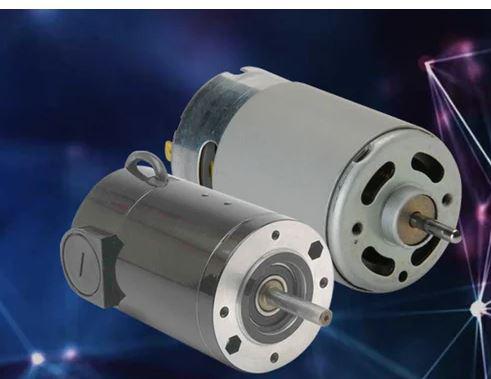
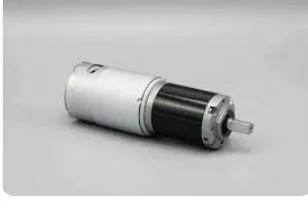
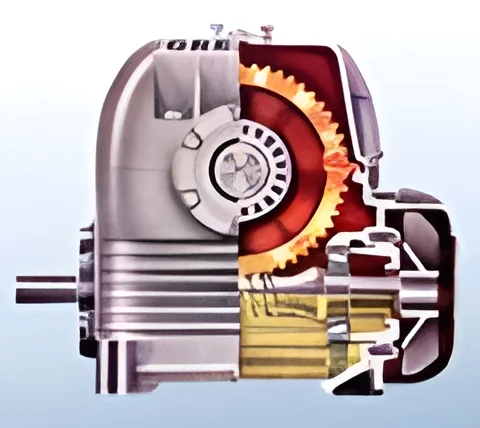
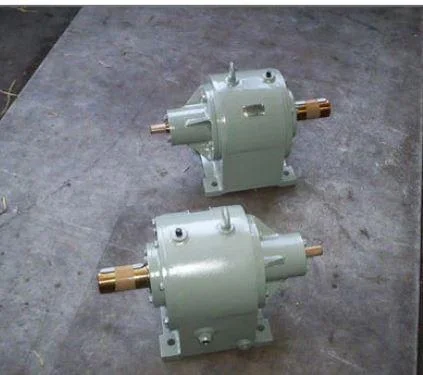
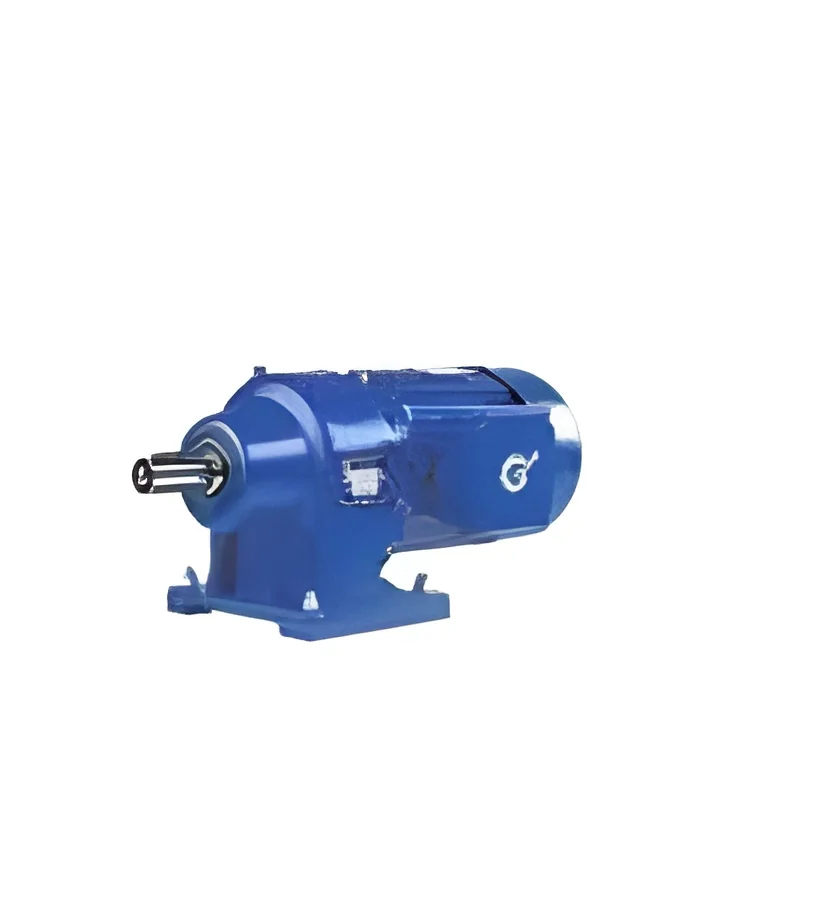
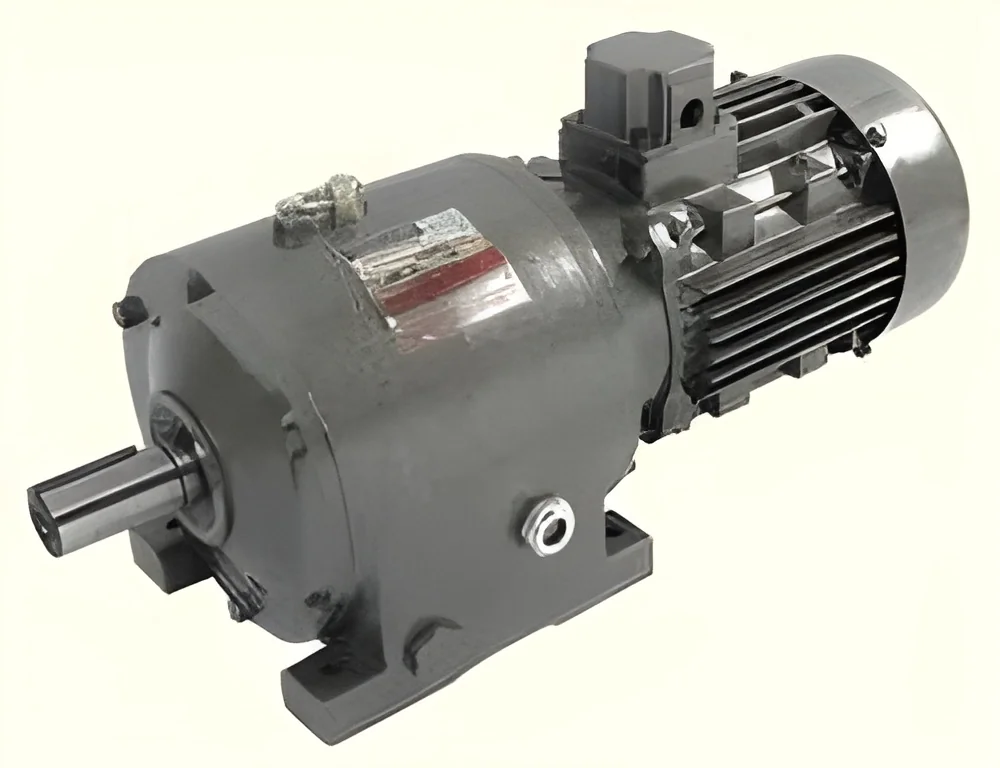
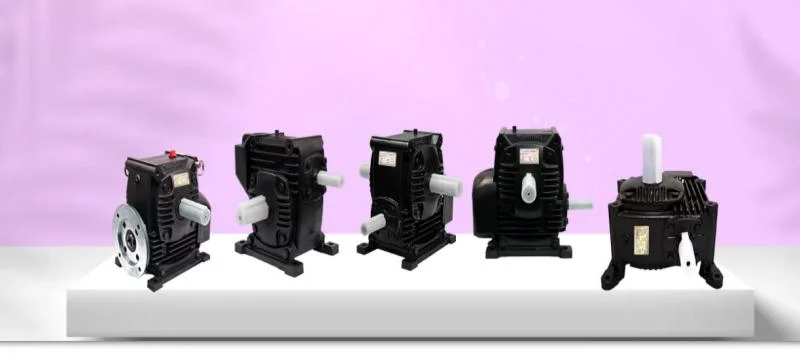
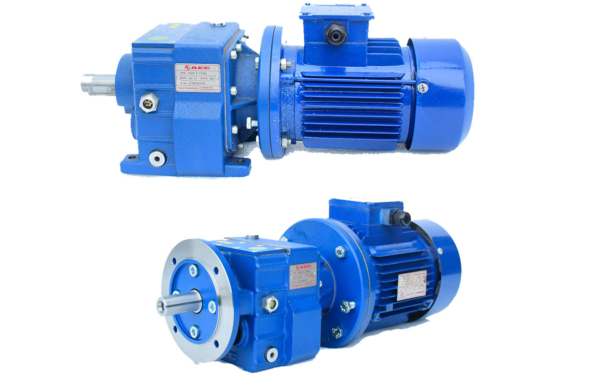
Geared motors are electric motors equipped with a gearbox that reduces speed while increasing torque. This combination allows for precise control over the motor's output, making geared motors ideal for applications requiring high efficiency and reliability. The gearbox is integral to the motor's design, facilitating the conversion of high-speed rotation into lower speed with increased force, which is crucial in various industrial processes.
These motors find widespread application across numerous sectors, including manufacturing, automotive, and material handling. Businesses utilize geared motors in conveyor systems, cranes, and various machinery where controlled movement is essential. Their ability to deliver consistent performance under heavy loads makes them a preferred choice in automated systems and robotic applications. As industries increasingly focus on efficiency and automation, the demand for geared motors continues to grow within the market.
Key Features and Specifications
Geared motors come with a range of features and specifications that make them suitable for diverse applications. Understanding these specifications is vital for businesses looking to integrate these motors into their operations.
Key specifications include:
1. Power Output
- Typically ranges from fractions of a horsepower to several hundred horsepower, depending on the application.
2. Gear Ratio
- Available in various ratios, allowing for flexibility in speed and torque requirements.
3. Efficiency Rating
- Generally high, with many geared motors achieving efficiencies of 80% or more.
4. Operating Voltage
- Commonly available in standard voltages such as 110V, 220V, and 380V.
5. Mounting Options
- Can be configured for different mounting styles, including foot, flange, and vertical.
6. Enclosure Type
- Available in open or sealed designs to protect against dust and moisture.
7. Speed Range
- Speed variations can be customized, typically ranging from a few RPM to several thousand RPM.
8. Control Options
- Can be integrated with variable frequency drives for precise speed control.
In summary, these specifications highlight the flexibility and adaptability of geared motors, making them suitable for various industrial applications.
Common Applications and Use Cases
Geared motors play a crucial role in numerous industries, enhancing efficiency and productivity.
1. Manufacturing: In manufacturing environments, geared motors are used in assembly lines and conveyor systems to ensure smooth material handling and processing.
2. Automotive: These motors are integral to robotics and automated systems found in automotive assembly plants, providing precise control for tasks such as painting and assembly.
3. Material Handling: Geared motors are vital in cranes and hoists, enabling the lifting and moving of heavy payloads with precision.
4. Food Processing: In the food industry, they are used in packaging machines and conveyor systems, where hygiene and reliability are paramount.
5. Agriculture: These motors assist in various agricultural applications, including automated irrigation systems and machinery for planting and harvesting.
6. Textile: In textile manufacturing, geared motors drive looms and other machinery, ensuring consistent operation and product quality.
7. Waste Management: They are employed in shredders and compactors, facilitating the processing of waste materials efficiently.
Product Variants and Subcategories
Geared motors are available in various configurations to meet specific application needs. Their diversity allows businesses to choose the right motor for their requirements.
AC Geared Motors
These motors are powered by alternating current and are widely used in applications requiring constant speed and torque. They are known for their reliability and low maintenance.
DC Geared Motors
Powered by direct current, these motors offer precise speed control and are ideal for applications in robotics and automation where variable speed is essential.
Servo Geared Motors
These motors feature feedback control systems for precision applications, ensuring accurate positioning and speed regulation. They are commonly used in CNC machinery and robotics.
Stepper Geared Motors
Stepper motors provide precise control over rotation and are often used in applications requiring incremental movement, such as 3D printers and automated assembly lines.
Benefits and Advantages
Geared motors offer several advantages that enhance their appeal for industrial applications.
1. Increased Torque: The gearbox design allows for higher torque output, making them suitable for heavy-load applications.
2. Space Efficiency: Geared motors are compact, allowing for installation in tight spaces without compromising performance.
3. Energy Efficiency: They are designed to operate with high efficiency, reducing energy consumption and operating costs.
4. Versatility: With various configurations and specifications, geared motors can be tailored to meet diverse application needs.
5. Reliability: Geared motors are built to withstand harsh operating conditions, ensuring longevity and minimal downtime.
6. Reduced Noise: Many geared motors operate quietly, making them ideal for environments where noise reduction is essential.
Buying Guide for B2B Buyers
When sourcing geared motors, several factors should be considered to ensure the best fit for your business needs.
1. Quality Assessment: Evaluate the build quality and performance ratings of the geared motors. Look for manufacturers that comply with industry standards to ensure reliability.
2. Supplier Verification: Vet potential suppliers thoroughly. Check their reputation, customer reviews, and history of on-time deliveries to ensure a trustworthy partnership.
3. Pricing and MOQ: Consider the price range and minimum order quantities offered by suppliers. Ensure that the pricing aligns with your budget without compromising quality.
4. Delivery and Lead Times: Understand the logistics involved in the supply chain. Confirm lead times to ensure timely delivery of the motors to meet your operational schedules.
5. Compliance Requirements: Be aware of any regulatory compliance needed for your industry. Ensure suppliers meet relevant safety and quality standards to avoid legal issues.
Compliance and Certifications
Geared motors must meet various compliance and certification standards to ensure safety and reliability in industrial applications.
Quality standards, such as ISO 9001, outline requirements for a quality management system, ensuring that manufacturers maintain consistent quality in their production processes.
Industry certifications, such as CE marking, indicate that the products meet European safety, health, and environmental protection standards. This certification is crucial for businesses operating in or exporting to Europe.
Manufacturers should also adhere to safety and testing requirements relevant to their specific industries. Regular testing and quality checks are essential for maintaining high performance and reliability.
Additionally, regional compliance considerations may vary. Businesses should understand the specific regulations that apply in their geographic areas to ensure all products sourced are compliant.
Why Source Geared Motors from Pepagora?
Pepagora provides a trusted platform for sourcing geared motors, offering several key advantages to businesses.
Verified Supplier Network: Pepagora ensures that all suppliers on its platform are thoroughly vetted for quality and reliability. This verification process helps buyers make informed decisions when selecting suppliers.
Streamlined RFQ Process: The platform features an efficient Request for Quotation (RFQ) system, simplifying the process of obtaining quotes from multiple suppliers. This allows buyers to compare options easily and select the best fit for their needs.
Trade Assurance and Support: Pepagora offers trade assurance to protect buyers during transactions. This support includes assistance with any issues that may arise, ensuring a smooth purchasing experience.
Regional Coverage: With a strong presence in India, the GCC, and Southeast Asia, Pepagora provides extensive regional coverage, making it easy for businesses to source geared motors in their local markets while maintaining access to international suppliers.

 IN
IN
 India
India