
 IN
Gas Leak Detectors
2 products available
What are Gas Leak Detectors?
Gas leak detectors are essential devices designed to identify the presence of hazardous gases in the environment. They work by sensing specific gas concentrations and alerting users to potential leaks, ensuring safety in various industrial and commercial settings. These detectors can monitor multiple types of gases, including natural gas, propane, and carbon monoxide, depending on the model and application.
The primary uses of gas leak detectors span across industries such as manufacturing, oil and gas, and chemical processing. They are critical for maintaining workplace safety and compliance with regulatory requirements. Businesses utilize these devices not only to protect their employees but also to prevent costly damages and environmental hazards associated with gas leaks. Their relevance in the market remains high due to increased safety regulations and the necessity for proactive risk management in industrial operations.
Key Features and Specifications
Gas leak detectors come equipped with various features that enhance their functionality and user experience. Understanding these specifications is crucial for selecting the right detector for your needs.
Key specifications include:
1. Detection Range
- Typically ranges from low parts per million (PPM) to higher concentrations depending on the gas type.
- Ensures detection of both minor and significant leaks.
2. Response Time
- Standard response times are usually within seconds to a few minutes.
- Quick detection minimizes risks and allows for immediate action.
3. Power Supply
- Operates on batteries or electric power sources.
- Battery-operated models offer portability, while electric models are suitable for stationary applications.
4. Alarm System
- Features both visual and audible alarms to alert users.
- Alerts can vary in intensity based on gas concentration levels.
5. Calibration Requirements
- Regular calibration is necessary for accurate readings.
- Recommended intervals depend on the manufacturer's specifications.
6. Environmental Tolerance
- Designed to operate under various temperature and humidity levels.
- Some models are rated for extreme conditions, enhancing versatility.
7. Portability
- Many models are lightweight and easy to transport.
- Handheld options offer convenience for field use.
In summary, gas leak detectors are equipped with essential features that ensure safety and effectiveness in detecting hazardous gases.
Common Applications and Use Cases
Gas leak detectors find applications across several industries, ensuring safety and compliance.
1. Oil and Gas: In the oil and gas sector, these detectors monitor pipelines and storage facilities for gas leaks, preventing serious accidents and environmental damage.
2. Chemical Manufacturing: Detectors are used in chemical plants to identify leaks of volatile organic compounds, ensuring worker safety and regulatory compliance.
3. Food Processing: In food production facilities, gas leak detectors help monitor ammonia and carbon dioxide levels, which are critical for refrigeration systems.
4. HVAC Systems: These devices are essential in heating, ventilation, and air conditioning systems to detect gas leaks, ensuring safe operation.
5. Mining Operations: Gas leak detectors are crucial in mining to identify methane leaks, which can pose severe risks to miners.
6. Residential Use: Many homeowners use gas leak detectors to ensure safety from potential leaks in natural gas appliances.
7. Laboratories: In laboratory settings, these detectors help monitor for hazardous gases, protecting personnel and maintaining a safe working environment.
Product Variants and Subcategories
Gas leak detectors come in various models to address different needs and applications. This diversity allows businesses to select the right product for their specific requirements.
Portable Gas Detectors: These compact devices are designed for mobility, allowing users to carry them for on-the-spot monitoring. They are ideal for fieldwork in industries like oil and gas.
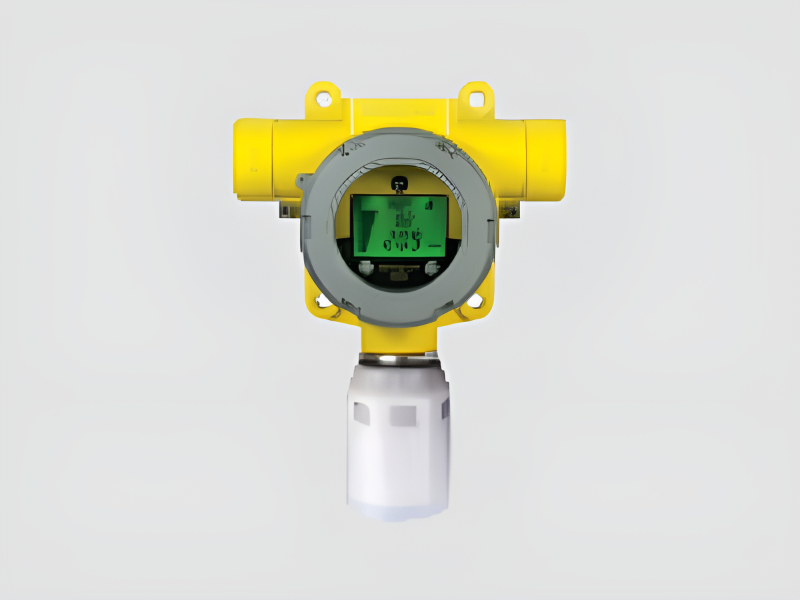
Fixed Gas Detectors: Installed in stationary locations, fixed detectors continuously monitor the environment for gas leaks. They are commonly used in manufacturing plants and chemical facilities.
Multi-Gas Detectors: These advanced devices can detect multiple gas types simultaneously. They are suitable for environments where various gases may be present, such as chemical processing.
Single-Gas Detectors: Focused on detecting a specific gas, these detectors are often used in applications where only one type of gas poses a risk. They are typically more affordable and straightforward to operate.
Benefits and Advantages
Investing in gas leak detectors offers significant advantages for businesses.
1. Enhanced Safety: These devices significantly reduce the risk of accidents and injuries caused by gas leaks, providing peace of mind to employees and management.
2. Regulatory Compliance: Gas leak detectors help businesses adhere to safety regulations and standards, avoiding penalties and costly fines.
3. Cost Savings: By detecting leaks early, companies can prevent extensive damages and emergency response costs, leading to long-term savings.
4. Increased Productivity: A safe working environment promotes higher employee morale and productivity, reducing downtime associated with accidents.
5. Easy Integration: Many gas leak detectors can be easily integrated into existing safety systems, ensuring comprehensive monitoring and response strategies.
6. Real-time Monitoring: Advanced models offer continuous monitoring and immediate alerts, enabling swift action in the event of a leak.
Buying Guide for B2B Buyers
When sourcing gas leak detectors, it is essential to consider several critical factors to ensure you make an informed purchase.
1. Quality Assessment: Look for detectors that meet industry standards and certifications. Quality assurance ensures reliability and accuracy in detection.
2. Supplier Verification: Vet suppliers carefully by checking their reputation and experience in the market. A reliable supplier will provide support and service post-purchase.
3. Pricing and MOQ: Consider the total cost of ownership, including initial purchase price and potential maintenance costs. Understand the minimum order quantity (MOQ) required by suppliers.
4. Delivery and Lead Times: Ensure that the supplier can meet your delivery timelines. Timely delivery is crucial for maintaining safety standards in your operations.
5. Compliance Requirements: Be aware of any specific compliance requirements relevant to your industry. Ensure that the detectors you purchase meet these standards.
Compliance and Certifications
Gas leak detectors must comply with various quality standards and certifications to ensure their reliability and safety. Common standards include ISO 9001, which outlines quality management systems, and HACCP, which focuses on food safety management.
In addition, many detectors are certified with CE marking, indicating compliance with European health, safety, and environmental protection standards. These certifications assure buyers of the product's quality and performance.
Safety and testing requirements are also critical. Detectors should undergo rigorous testing to verify their effectiveness in detecting specific gases under various conditions. Compliance with regional regulations is essential, as different areas may have unique safety and environmental requirements.
Why Source Gas Leak Detectors from Pepagora?
Pepagora offers a trusted platform for sourcing gas leak detectors, providing several key advantages to B2B buyers.
Verified Supplier Network: Pepagora features a network of verified suppliers, ensuring that buyers can access high-quality products and reliable service.
Streamlined RFQ Process: The request for quotation (RFQ) system simplifies the purchasing process, allowing buyers to receive multiple quotes quickly and efficiently.
Trade Assurance and Support: Pepagora provides trade assurance, protecting buyers throughout the purchasing process. This support fosters confidence in sourcing decisions.
Regional Coverage: With a strong presence in India, the Gulf Cooperation Council (GCC), and Southeast Asia, Pepagora ensures broad geographic coverage, making it easier for businesses in these regions to find suitable gas leak detectors.


 India
 India

Frequently Asked Questions
What are Gas Leak Detectors?
Gas leak detectors are devices designed to identify the presence of gases in an area, typically as a safety measure. They can detect various types of gases, including natural gas, propane, and carbon monoxide, alerting users to potential leaks that could pose safety hazards.
What are the different types of Gas Leak Detectors?
There are several types of gas leak detectors, including fixed gas detectors, portable gas detectors, and multi-gas detectors. Fixed detectors are installed in specific locations, while portable models can be carried to different sites. Multi-gas detectors can sense multiple gases simultaneously, offering enhanced safety.
How do I choose the right Gas Leak Detectors?
When selecting gas leak detectors, consider factors such as the type of gas you need to detect, the environment where the detectors will be used, and the sensitivity required. Additionally, evaluate features like alarm systems, battery life, and ease of installation to ensure the device meets your specific safety needs.
What are the standard specifications for Gas Leak Detectors?
Standard specifications for gas leak detectors typically include detection range, response time, alarm type, and power supply options. Many devices also have sensitivity ratings and environmental ratings to ensure they function effectively in various conditions.
What is the price range for Gas Leak Detectors?
The price range for gas leak detectors can vary widely depending on the type and features. Basic models may start at around INR 1,500, while advanced multi-gas detectors can exceed INR 20,000 or more, depending on their specifications and capabilities.
What quality standards apply to Gas Leak Detectors?
Gas leak detectors are subject to various quality standards, including ISO certifications and safety regulations set by organizations such as the Bureau of Indian Standards (BIS). Compliance with these standards ensures that detectors are reliable and effective in detecting gas leaks.
Where can I find Gas Leak Detectors suppliers in India?
You can find gas leak detector suppliers in India through various channels, including online B2B marketplaces like Pepagora.com. Additionally, industry trade shows, directories, and local distributors can provide valuable resources for sourcing suppliers.
Can Gas Leak Detectors be customized?
Yes, many manufacturers offer customization options for gas leak detectors to meet specific client requirements. Customizations may include features such as unique alarm systems, design modifications, or tailored sensitivity settings.
What is the typical minimum order quantity for Gas Leak Detectors?
The typical minimum order quantity (MOQ) for gas leak detectors varies by supplier and product type. Generally, MOQs can range from 1 unit for portable detectors to larger quantities for fixed installation models, often starting at 10 units.
What is the typical lead time for Gas Leak Detectors?
The typical lead time for gas leak detectors can vary depending on the manufacturer and the complexity of the order. Standard lead times may range from 2 to 4 weeks for ready-made models, while customized orders may take longer, potentially up to 6 weeks or more.
Why Businesses Trust Pepagora
Thousands of companies trust Pepagora to source smarter and sell faster
Expand Your Sales Globally

Source Smarter,Grow Faster
