
 IN
Forming Tools
82 products available
What are Forming Tools?
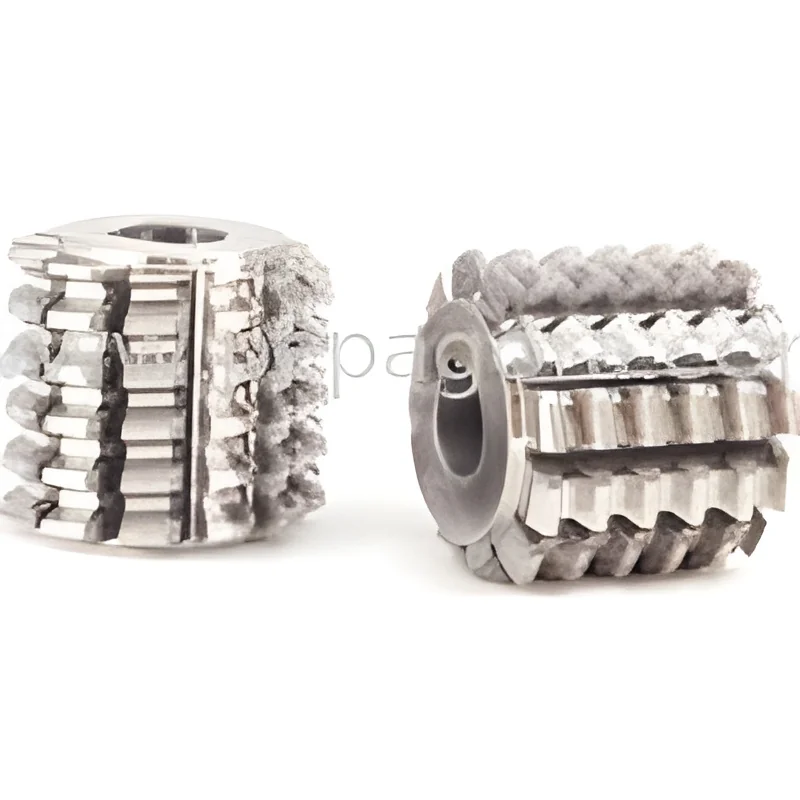
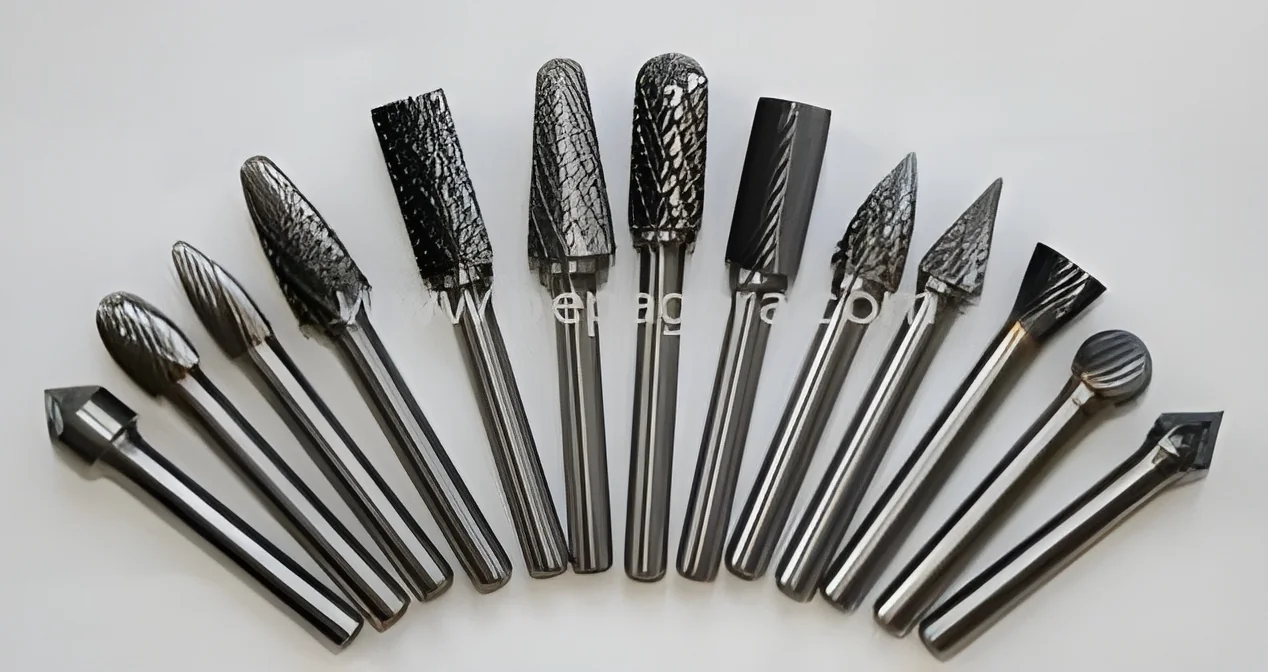
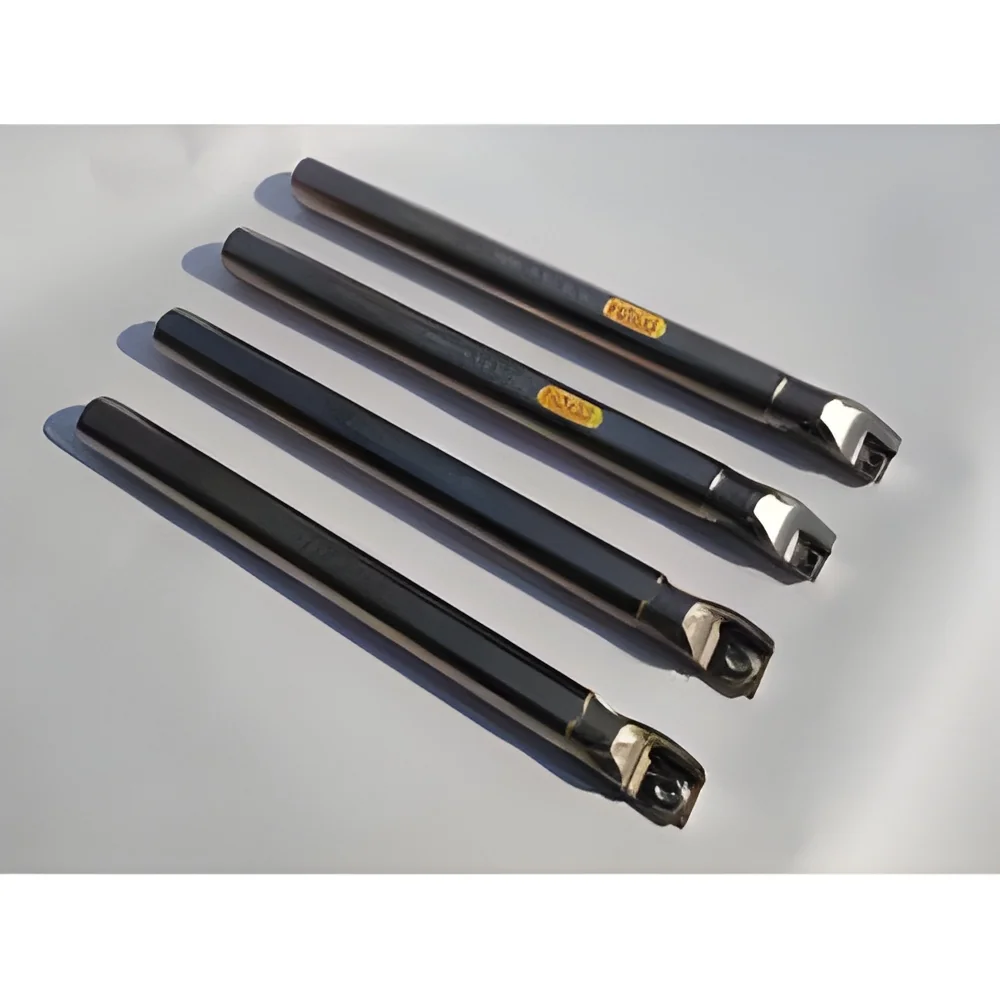
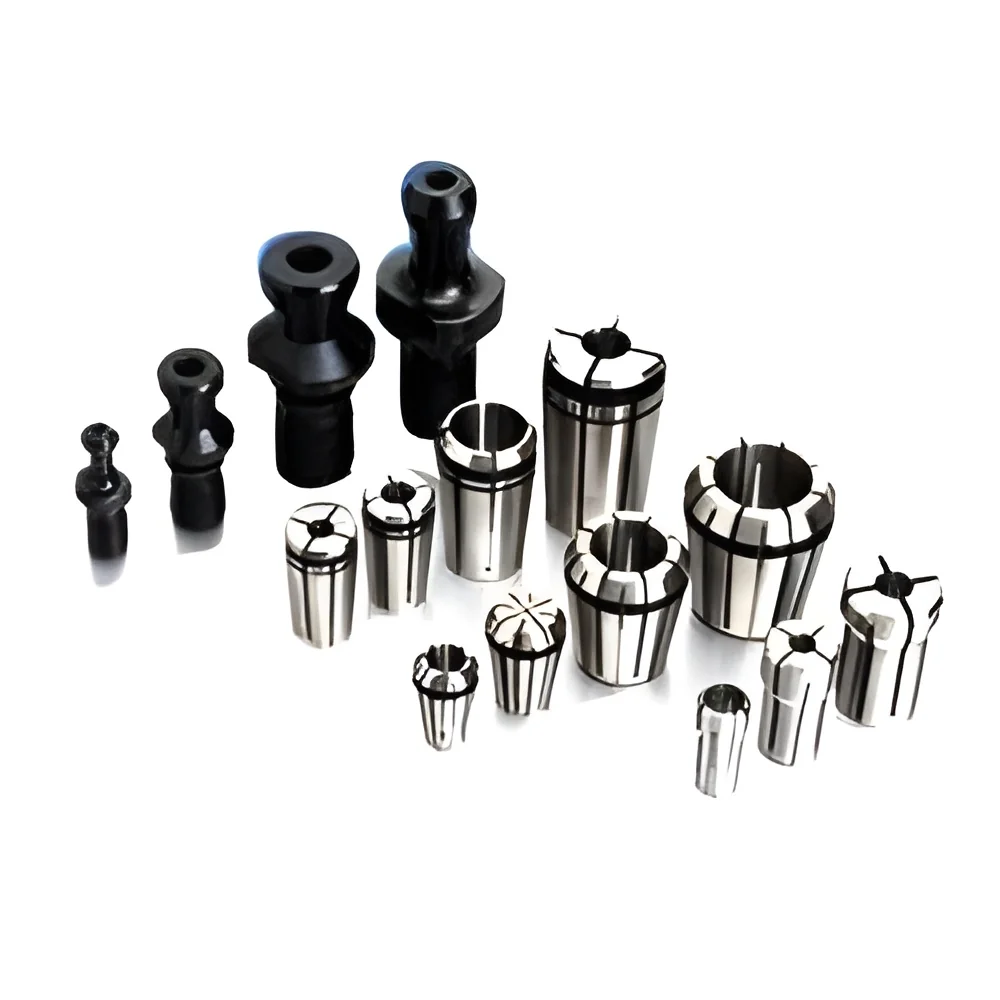
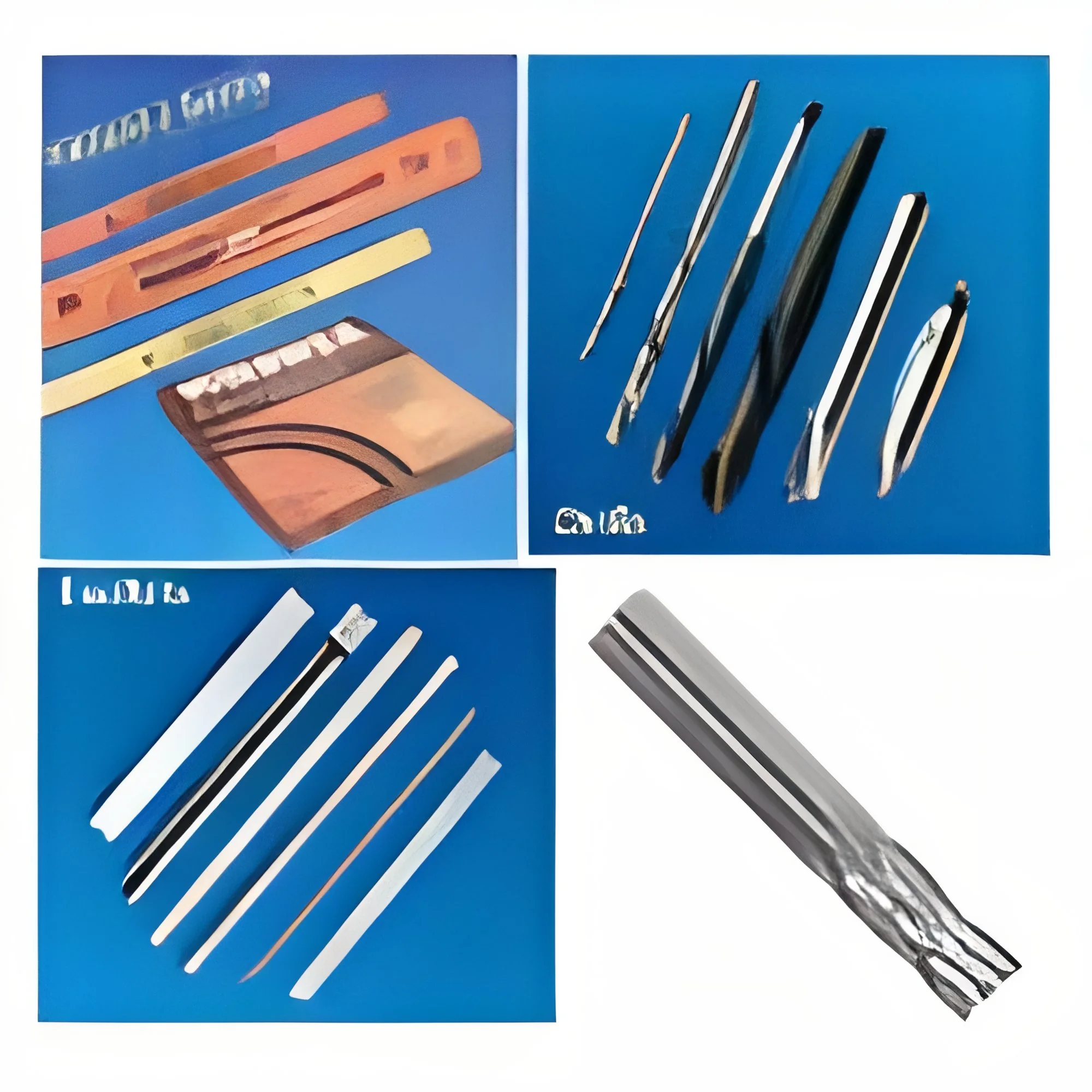
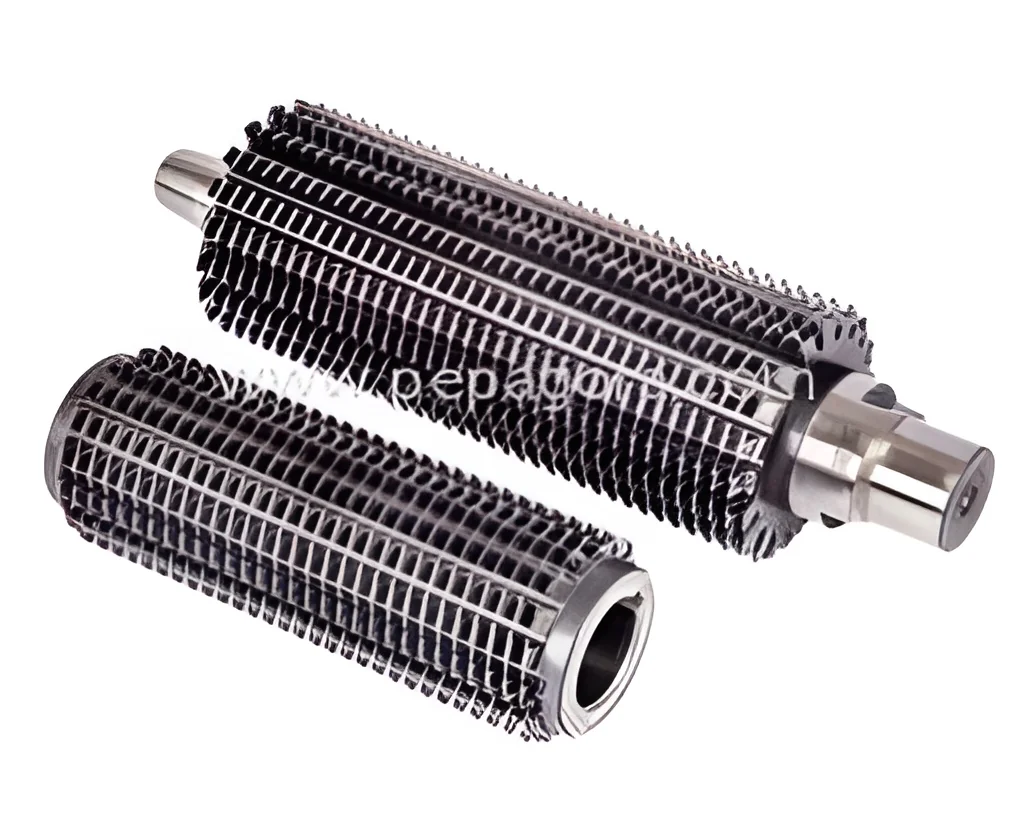
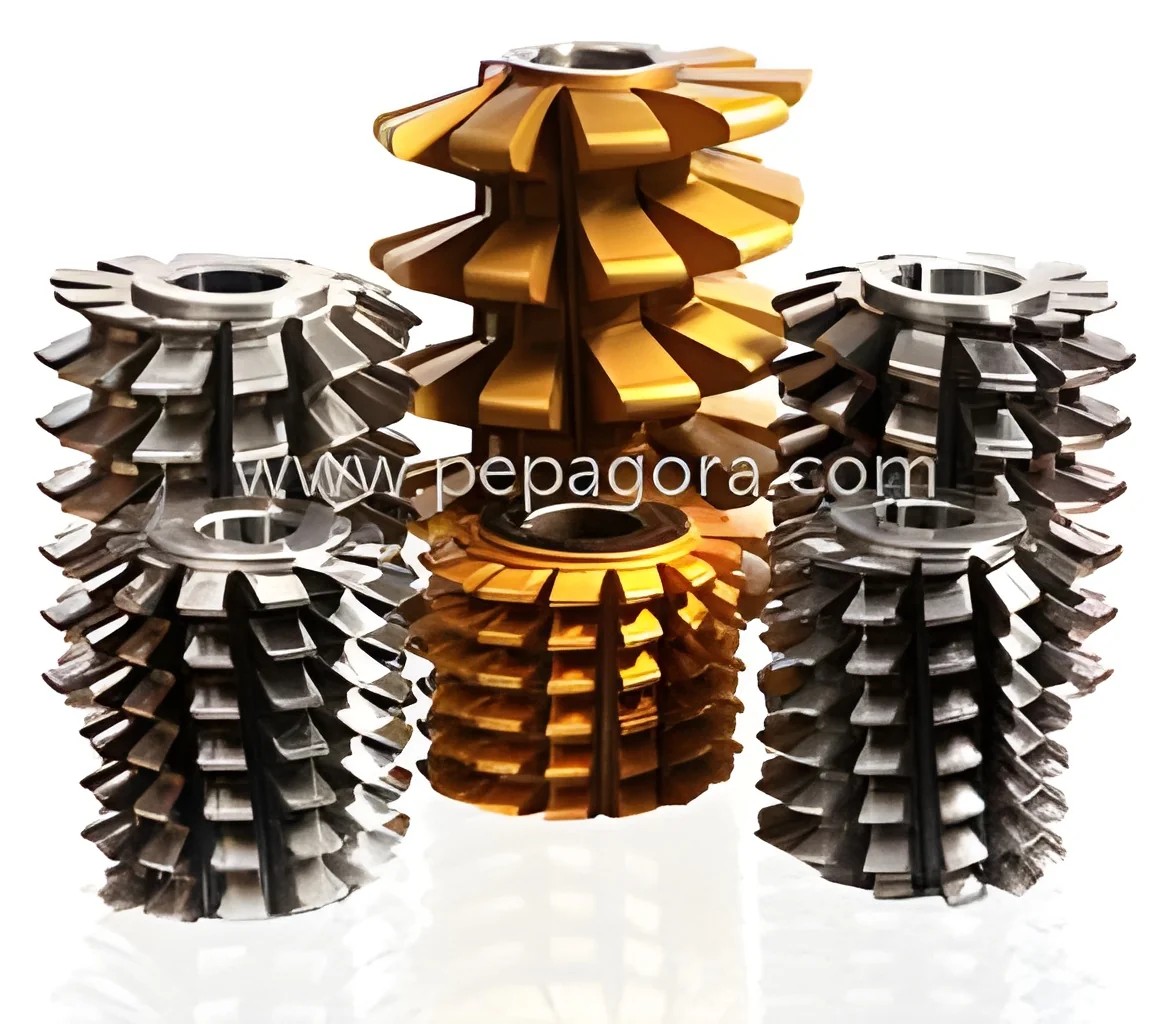
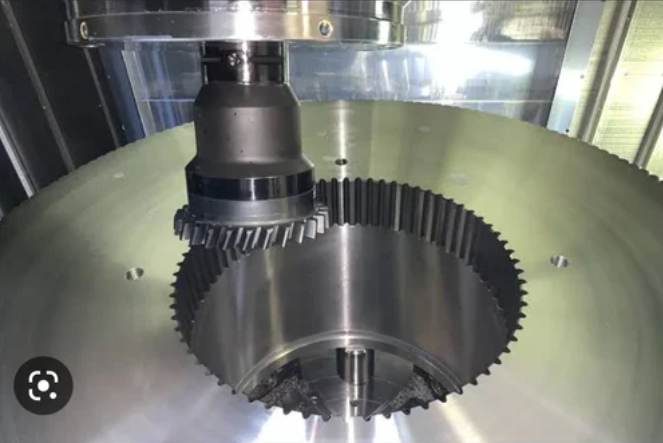
Forming tools are specialized instruments used in various manufacturing processes to shape materials into predefined forms. These tools are crucial in industries where precision and consistency in shaping materials are essential. Forming tools come in various types, each designed for specific applications such as bending, rolling, and stamping. They can be made from different materials, including metals and composites, to enhance durability and performance.
The primary uses of forming tools span across several sectors, including automotive, aerospace, and construction. In the automotive industry, for instance, forming tools are used to create complex shapes for body panels and components. In the aerospace sector, they contribute to the production of lightweight structures that meet stringent safety regulations. Their relevance extends to the construction industry, where they help shape materials for building and infrastructure projects, ensuring efficiency and quality in production.
The market for forming tools is influenced by advancements in technology and increasing demand for high-precision parts. As industries strive for greater efficiency and reduced waste, the significance of forming tools continues to grow. Manufacturers are increasingly adopting automated forming processes, thereby enhancing productivity and ensuring consistent quality.
Key Features and Specifications
Forming tools come with a range of features and specifications that cater to different manufacturing needs. Understanding these specifications is essential for selecting the right tool for specific applications.
Key specifications include:
1. Material Composition
- Typically made from high-carbon steel, tool steel, or carbide.
- Ensures durability and resistance to wear.
2. Tool Type
- Includes dies, molds, and specialized forming tools.
- Different types serve distinct purposes such as bending or stamping.
3. Tolerance Levels
- Precision tolerances can range from ±0.01 mm to ±0.05 mm.
- Critical for ensuring the accuracy of formed parts.
4. Tooling Configuration
- Can be customized based on production requirements.
- Variations may include single or multi-station setups.
5. Surface Finish
- Options may include polished, coated, or untreated surfaces.
- Affects friction and wear characteristics during operation.
6. Heat Treatment
- Tools may undergo processes like quenching and tempering.
- Enhances hardness and toughness for prolonged use.
7. Size and Dimensions
- Available in various sizes to accommodate different applications.
- Dimensions must align with the equipment used in the manufacturing process.
8. Certification Standards
- Typically comply with industry standards such as CE certification.
- Ensures adherence to safety and quality regulations.
In summary, understanding the features and specifications of forming tools is crucial for manufacturers. Selecting the appropriate tool can significantly impact production efficiency and product quality.
Common Applications and Use Cases
Forming tools are vital across several industries, each leveraging their unique capabilities for specific applications.
1. Automotive Industry: Forming tools are used to produce body panels, chassis components, and other parts that require precise shaping and fitting. This ensures that the components meet safety standards while also optimizing weight and performance.
2. Aerospace Sector: In aerospace manufacturing, forming tools help create complex shapes necessary for aircraft structures. These tools are essential for maintaining the structural integrity and safety of aircraft components.
3. Construction Industry: Forming tools are utilized in shaping materials like metal and concrete for construction projects. They play a key role in creating components such as beams, columns, and reinforcements.
4. Electronics Manufacturing: In the production of electronic devices, forming tools help shape casings and components that require high precision for functionality and design.
5. Appliance Manufacturing: Forming tools are used to create metal parts for household appliances, ensuring that they fit together correctly and operate efficiently.
6. Medical Device Production: In the medical field, forming tools are essential for creating components that meet stringent regulations and require high precision, such as surgical instruments.
7. Furniture Manufacturing: Forming tools are employed to shape metal and wood components in furniture production, enhancing both aesthetics and functionality.
Product Variants and Subcategories
Forming tools are diverse and come in various forms, each tailored to specific tasks within manufacturing processes.
Punching Tools: These tools are used to create holes or shapes in materials. They are essential for producing components that require precise cutouts.
Bending Tools: Designed to create bends in sheet metal, these tools are vital for fabricating parts that need to adhere to specific angles and dimensions.
Forming Dies: These are specialized tools used to shape materials by applying pressure. They are crucial in processes such as stamping and molding.
Stamping Tools: Typically used in high-volume production, these tools shape materials by pressing them into molds, ensuring consistent shapes and sizes.
Benefits and Advantages
Forming tools offer numerous benefits that enhance manufacturing efficiency and product quality.
1. Precision Shaping: Forming tools ensure high accuracy in shaping materials, which is critical for meeting specifications and quality standards.
2. Efficiency in Production: These tools streamline the manufacturing process, reducing time and labor costs associated with material shaping.
3. Versatility: Forming tools can be adapted for various materials and applications, making them suitable for multiple industries.
4. Enhanced Durability: Made from high-quality materials, forming tools are designed to withstand wear and tear, ensuring longevity and reliability.
5. Customization Options: Many forming tools can be tailored to meet specific production needs, providing flexibility in manufacturing.
6. Compliance with Standards: Forming tools often adhere to industry certifications, ensuring safety and quality in production processes.
Buying Guide for B2B Buyers
When sourcing forming tools, it is essential for buyers to consider several key factors to ensure they make informed purchasing decisions.
1. Quality Assessment: Evaluate the quality of forming tools based on material specifications and manufacturing processes. Look for certifications that indicate adherence to industry standards.
2. Supplier Verification: Vet suppliers by checking their reputation, experience, and customer reviews. Ensure they have a track record of delivering quality products.
3. Pricing and MOQ: Consider the price range and minimum order quantities. Compare quotes from different suppliers to find the best value for your needs.
4. Delivery and Lead Times: Confirm the supplier's ability to meet your delivery timelines. Efficient logistics are crucial for maintaining production schedules.
5. Compliance Requirements: Ensure that the forming tools meet all regulatory and safety standards relevant to your industry. Compliance will help avoid potential legal issues and enhance product reliability.
Compliance and Certifications
Compliance with industry standards is crucial for the safety and quality of forming tools. Relevant quality standards such as ISO 9001 ensure that manufacturers maintain consistent quality management systems. Additionally, certifications like CE indicate that products meet European health, safety, and environmental protection standards.
Safety and testing requirements are also critical components. Forming tools must undergo rigorous testing to ensure they can withstand operational demands without failure. Compliance with these standards not only enhances the reliability of the tools but also assures buyers of their safety in use.
Furthermore, regional compliance considerations are essential, especially for international trade. Understanding the specific regulations in different areas can help manufacturers and buyers avoid potential legal challenges.
Why Source Forming Tools from Pepagora?
Pepagora stands out as a trusted platform for sourcing forming tools, offering several key advantages for B2B buyers.
Verified Supplier Network: Pepagora has a robust network of verified suppliers, ensuring that buyers can access high-quality forming tools from reputable manufacturers. This verification process minimizes the risk of sourcing subpar products.
Streamlined RFQ Process: The platform simplifies the request for quotation (RFQ) process, allowing buyers to easily compare offerings from multiple suppliers. This efficiency leads to better purchasing decisions.
Trade Assurance and Support: Pepagora provides trade assurance to protect buyers throughout the purchasing process. This support fosters trust and confidence, ensuring that investments in forming tools are secure.
Regional Coverage: With a strong presence in India, the Gulf Cooperation Council (GCC), and Southeast Asia, Pepagora offers extensive regional coverage. This geographic reach enables buyers to access local suppliers and facilitate quicker logistics for their forming tool needs.






Frequently Asked Questions
What are Forming Tools?
Forming tools are specialized devices used in manufacturing processes to shape or form materials, primarily metals and plastics. They are integral in operations such as bending, punching, and cutting, helping achieve desired dimensions and shapes in production.
What are the different types of Forming Tools?
There are several types of forming tools, including but not limited to bending tools, punching tools, and die tools. Each type serves a specific purpose in the forming process, catering to various materials and production requirements.
How do I choose the right Forming Tools?
Choosing the right forming tools depends on several factors, including the material being processed, the complexity of the shapes required, and the production volume. It's essential to assess these factors and consult with suppliers or manufacturers to ensure the tools meet your specific needs.
What are the standard specifications for Forming Tools?
Standard specifications for forming tools typically include material type, hardness, dimensional accuracy, and operational limits. These specifications ensure that the tools are suitable for their intended application and can withstand the production environment.
What is the price range for Forming Tools?
The price range for forming tools can vary widely based on type, material, and manufacturer, typically ranging from a few thousand to several lakhs of Indian Rupees. Custom tools or those made from high-performance materials may incur higher costs.
What quality standards apply to Forming Tools?
Quality standards for forming tools often include ISO certifications and adherence to industry-specific guidelines. These standards ensure that the tools are reliable, durable, and safe for use in various manufacturing processes.
Where can I find Forming Tools suppliers in India?
You can find forming tools suppliers in India through online B2B marketplaces like Pepagora.com, industry trade shows, and manufacturing expos. Additionally, local directories and networking within industry associations can help identify reliable suppliers.
Can Forming Tools be customized?
Yes, forming tools can often be customized to meet specific production requirements or to accommodate unique materials. Many manufacturers offer customization options, allowing you to specify dimensions, materials, and other features.
What is the typical minimum order quantity for Forming Tools?
The typical minimum order quantity (MOQ) for forming tools varies by supplier and can range from a single unit to several dozen. It's advisable to check with individual suppliers for their specific MOQ policies.
What is the typical lead time for Forming Tools?
The typical lead time for forming tools can range from a few days to several weeks, depending on the complexity of the tool and the manufacturer's production capacity. Custom orders may require longer lead times due to additional fabrication processes.
Why Businesses Trust Pepagora
Thousands of companies trust Pepagora to source smarter and sell faster
Expand Your Sales Globally

Source Smarter,Grow Faster
