
 IN
Foam Tapes
31 products available
What are Foam Tapes?
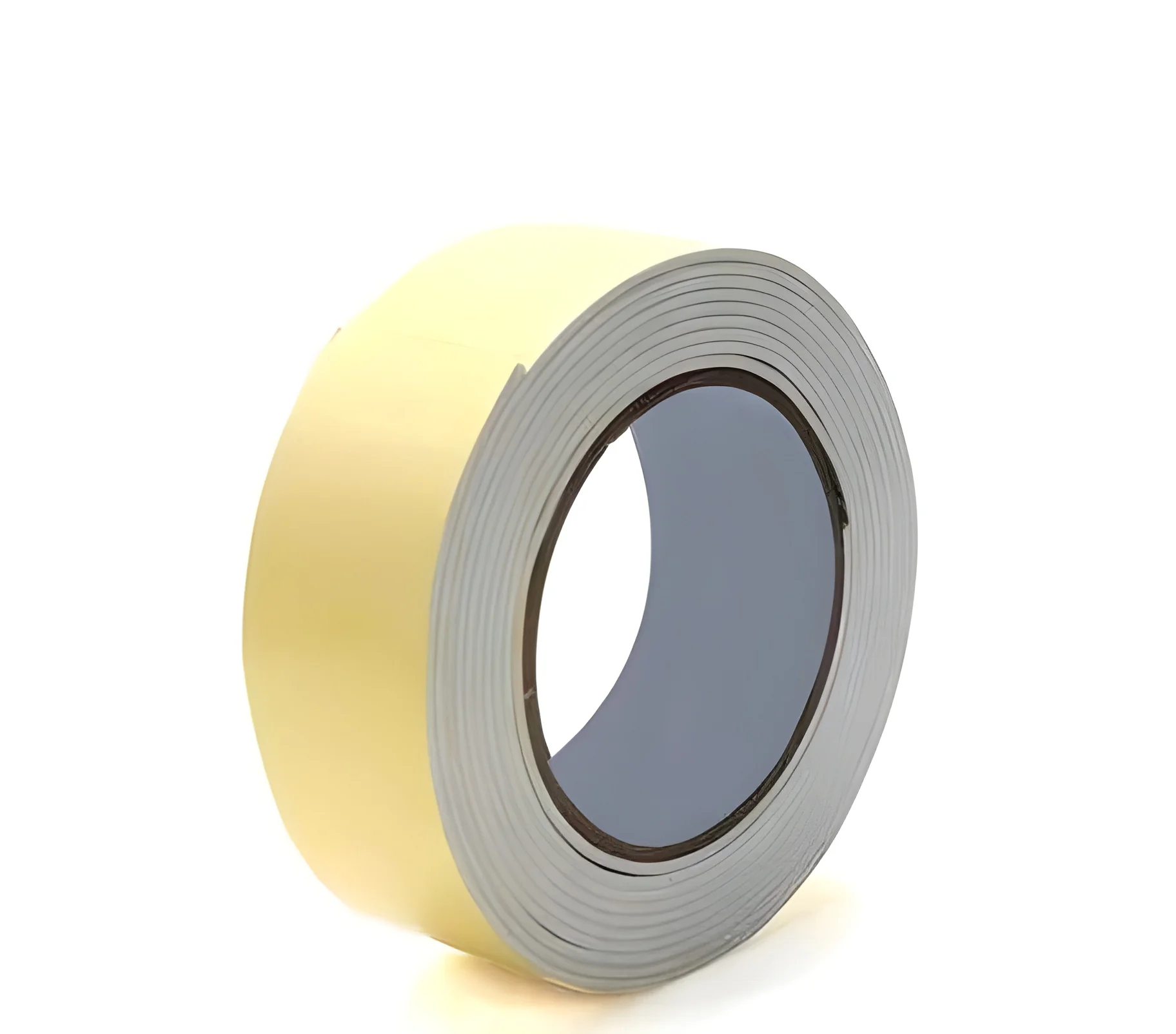
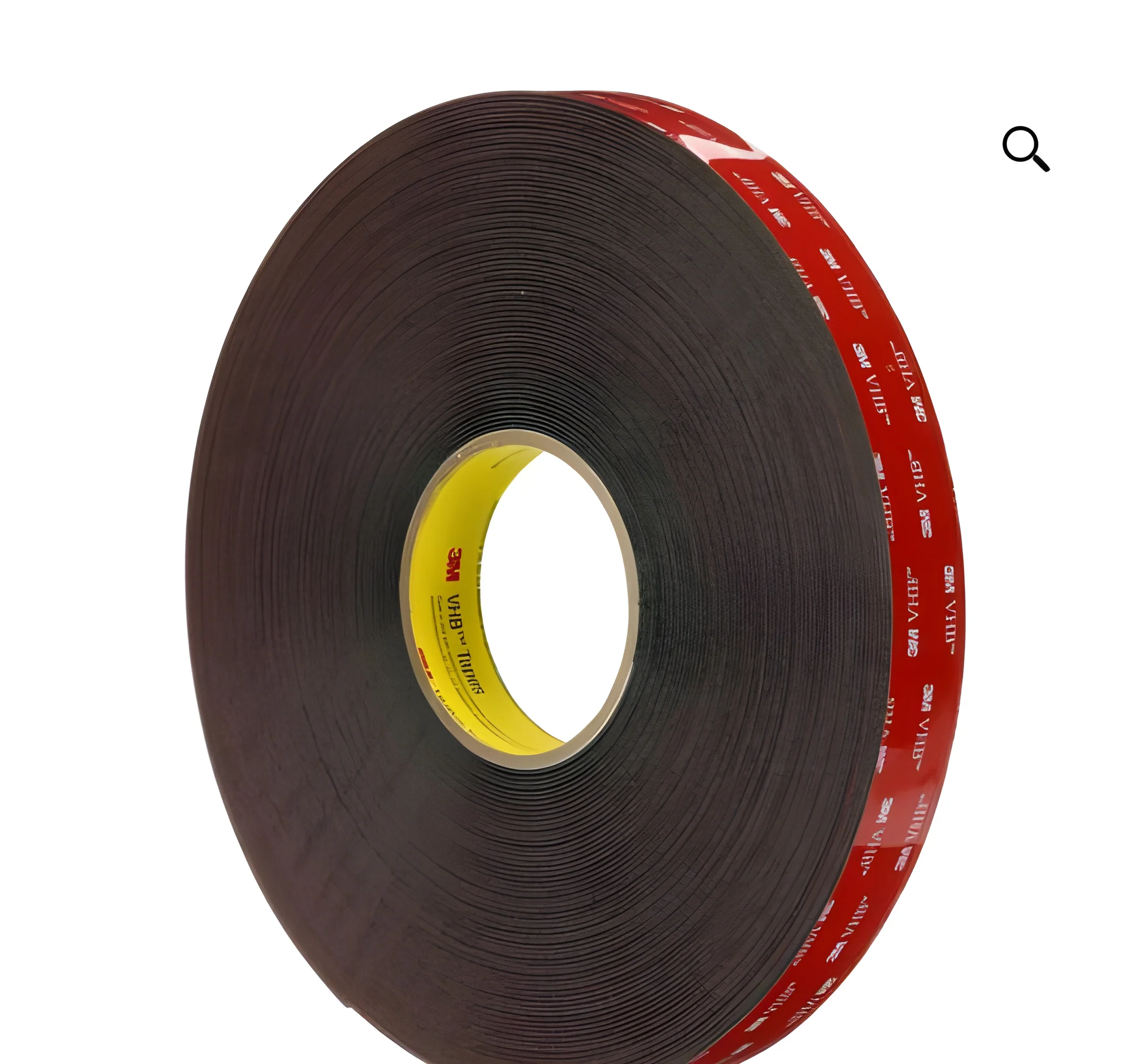
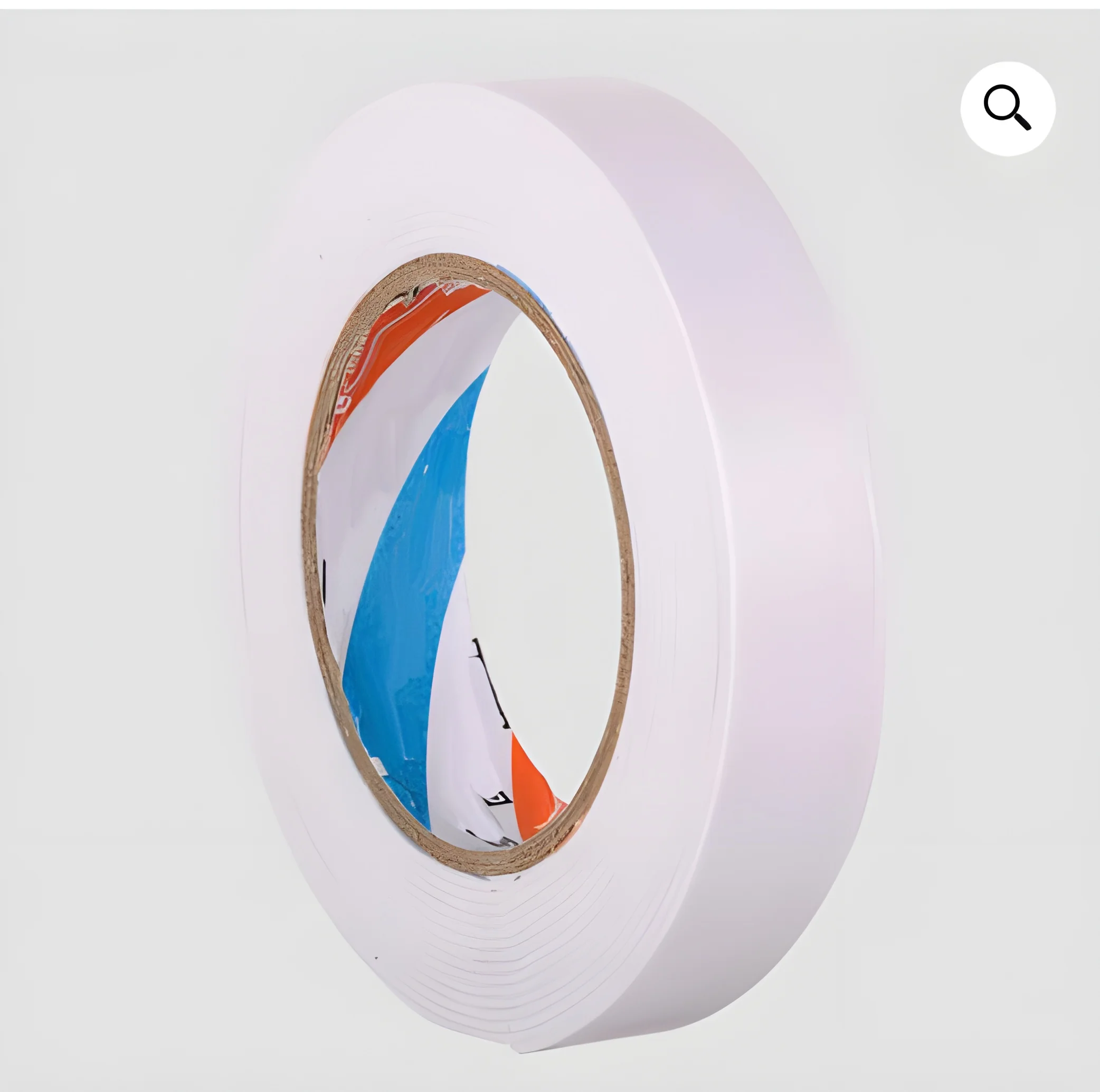
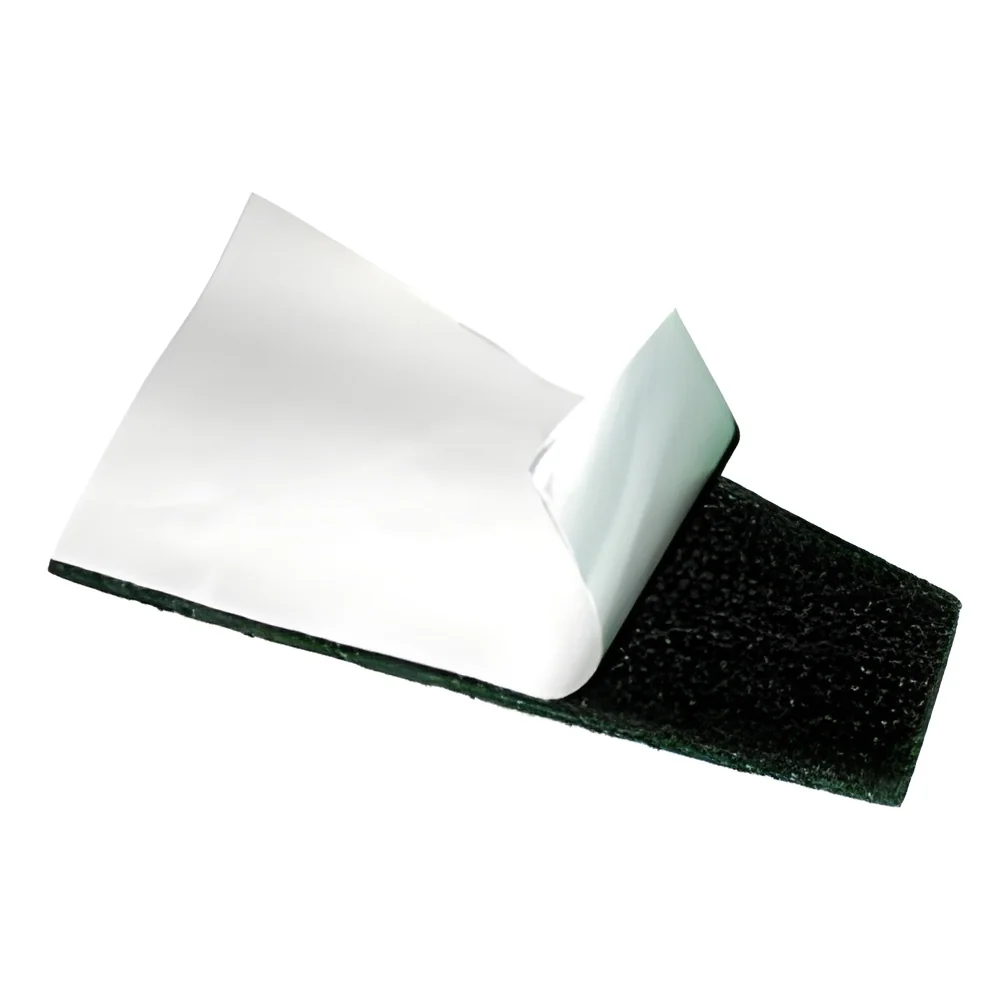
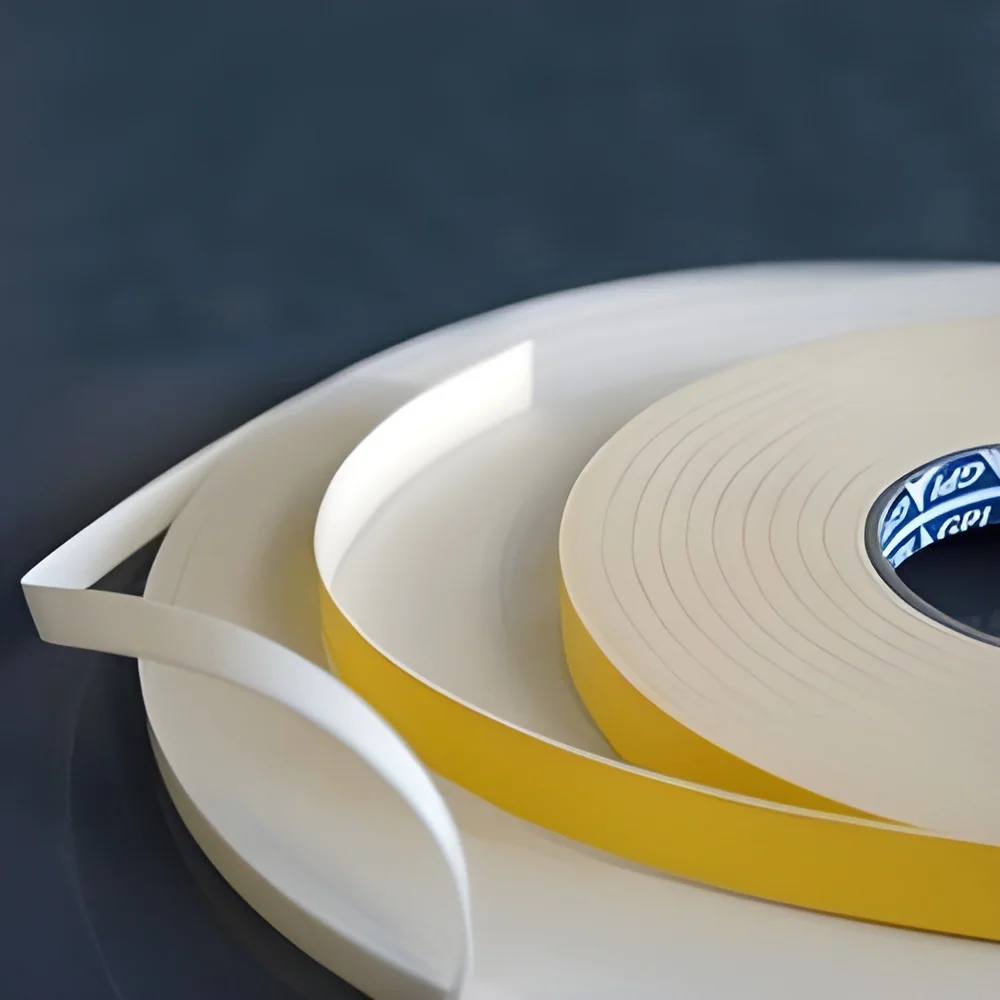
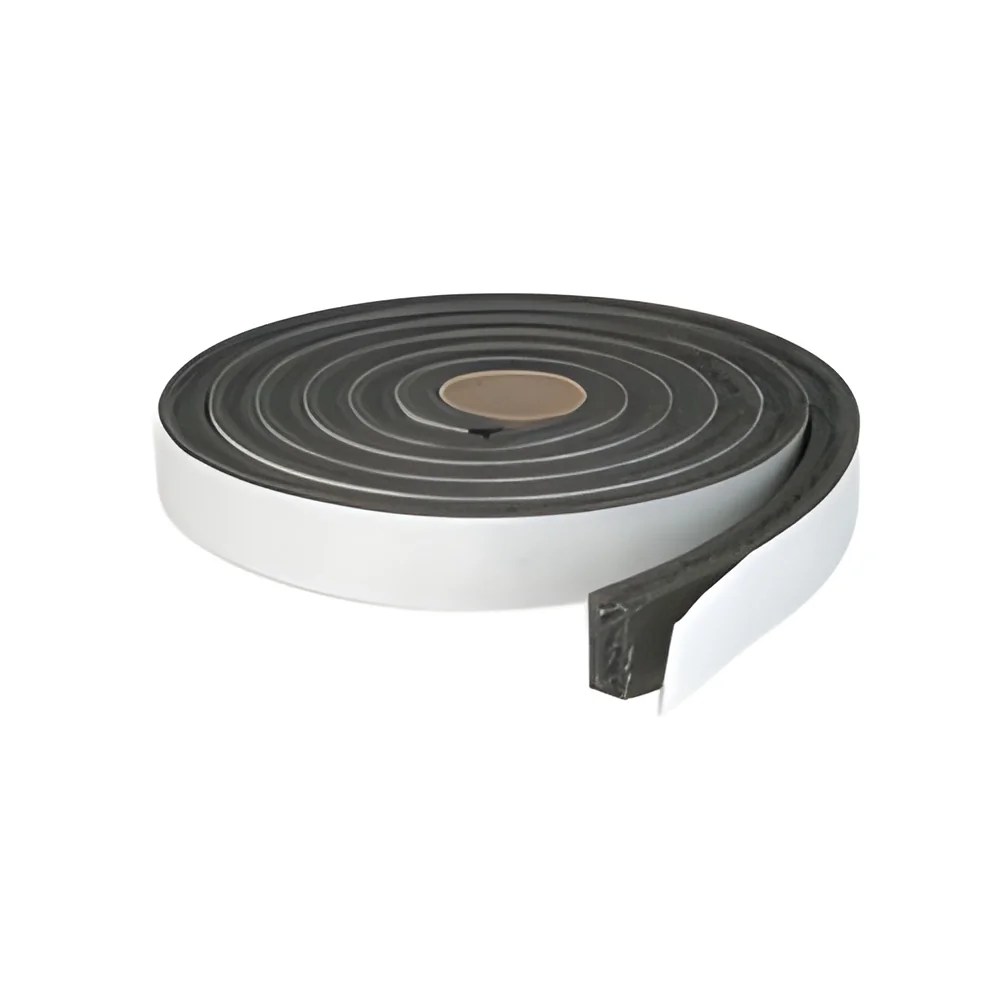
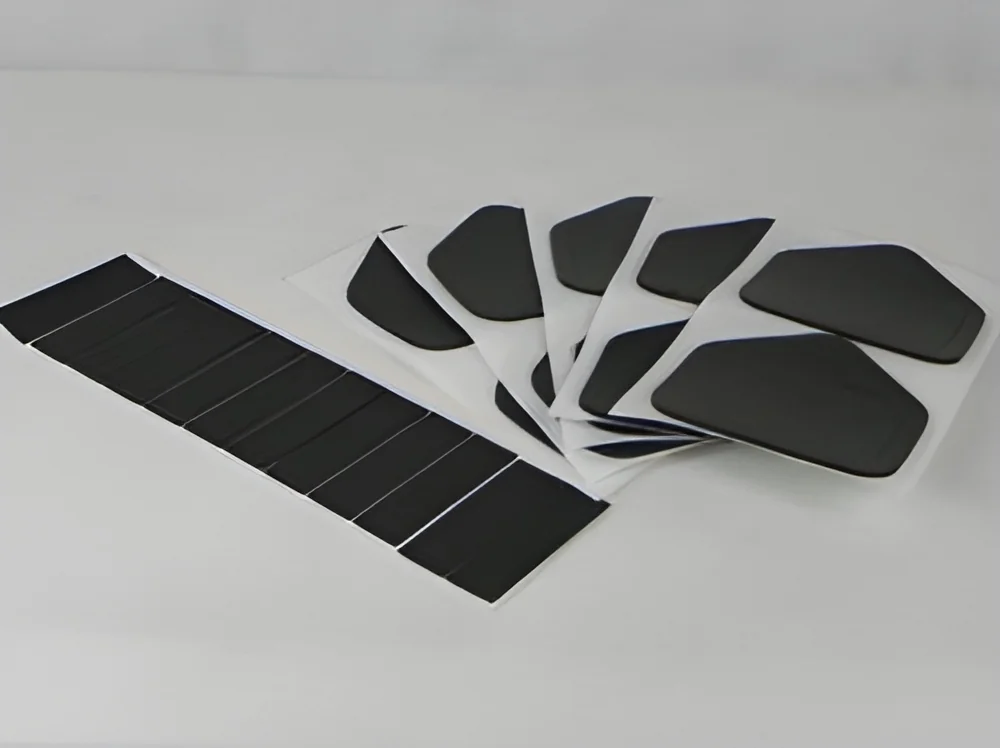
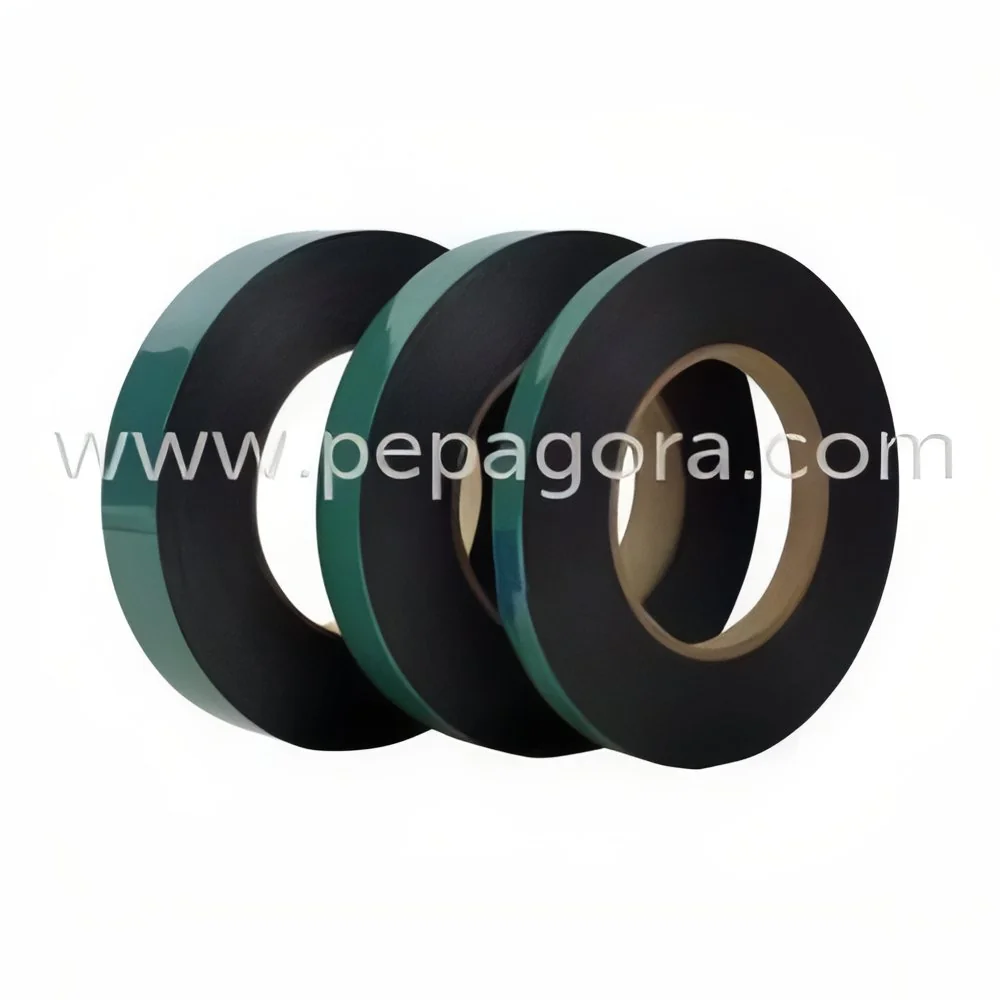
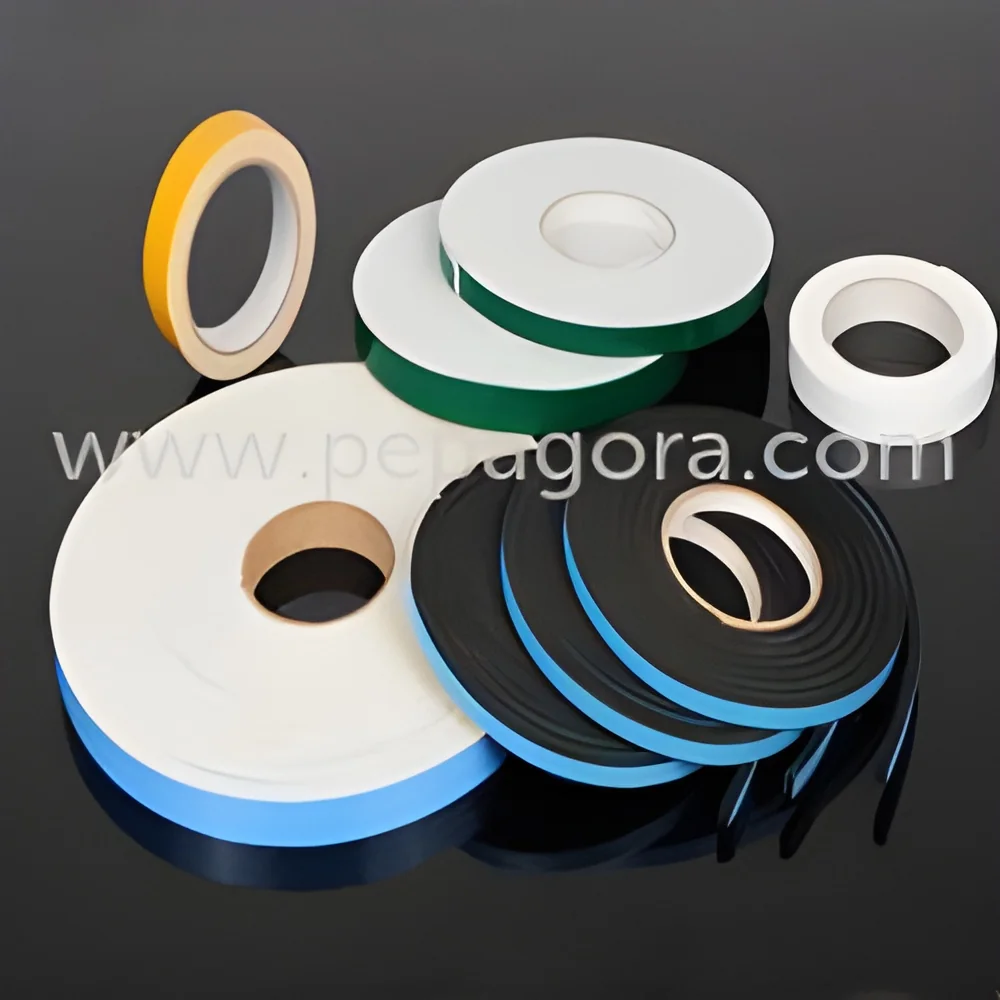
Foam tapes are versatile adhesive products made from various types of foam materials. They are designed to provide cushioning, insulation, and sealing solutions across a range of applications. The foam material is typically combined with an adhesive backing, allowing for easy application to different surfaces. Foam tapes are available in various thicknesses, densities, and adhesive types, making them suitable for both industrial and commercial uses.
These tapes find primary applications in industries such as automotive, construction, electronics, and manufacturing. They are commonly used for mounting, gasketing, and sealing purposes, providing a reliable barrier against moisture, dust, and air infiltration. Foam tapes also serve as shock absorbers, protecting sensitive components during assembly and transport. The growing demand for energy-efficient solutions and durable materials in construction and manufacturing has further increased the relevance of foam tapes in today's market.
As industries evolve, the foam tape market continues to expand, driven by advancements in adhesive technologies and material performance. Companies are increasingly looking for high-quality foam tape products that can withstand various environmental conditions. This growing demand creates opportunities for suppliers to innovate and offer specialized solutions tailored to specific industry needs.
Key Features and Specifications
Foam tapes come with a variety of features and specifications that make them suitable for diverse applications. Understanding these specifications is crucial for selecting the right product for your needs.
Key specifications include:
1. Adhesive Type
- Foam tapes can feature different adhesive types, such as acrylic, rubber, or silicone.
- Adhesive types determine the bond strength and suitability for specific surfaces.
2. Thickness
- Thickness options typically range from 0.5 mm to 10 mm.
- The thickness can affect cushioning properties and insulation performance.
3. Density
- Foam density varies from low to high, impacting durability and compressibility.
- Higher density foams provide better support and resistance to wear.
4. Temperature Resistance
- Foam tapes can withstand temperatures from -20°C to 100°C.
- This range makes them suitable for indoor and outdoor applications.
5. Humidity Resistance
- Many foam tapes offer resistance to humidity and moisture.
- This feature is critical for applications in wet environments.
6. Color Options
- Foam tapes are available in various colors for aesthetic and functional purposes.
- Color can be important for branding or visibility in certain applications.
7. Compliance
- Foam tapes may comply with specific industry standards and regulations.
- Compliance ensures safety and reliability in critical applications.
8. Customization
- Many suppliers offer customization options for specific applications.
- Customization can include size, shape, and adhesive type.
In summary, understanding the key features and specifications of foam tapes is essential for making informed purchasing decisions. Choosing the right foam tape can significantly enhance product performance and ensure long-term reliability.
Common Applications and Use Cases
Foam tapes are utilized across a variety of industries due to their versatility and performance.
1. Automotive: In the automotive sector, foam tapes are used for sealing doors, windows, and windshields. They help reduce noise and vibrations while providing insulation.
2. Construction: Foam tapes play a crucial role in building applications, such as sealing gaps in windows and doors, improving energy efficiency and preventing air leaks.
3. Electronics: In electronics manufacturing, foam tapes are often used for mounting components and providing cushioning. They protect sensitive parts from shock and vibration during transport and use.
4. HVAC: In heating, ventilation, and air conditioning systems, foam tapes are used for sealing ductwork and insulation. This helps improve energy efficiency and system performance.
5. Signage: Foam tapes are commonly used in the signage industry for mounting and displaying signs. Their strength and ease of use make them ideal for various sign materials.
6. Appliances: Foam tapes are applied in household appliances for insulation and noise reduction. They help improve energy efficiency and user experience.
7. Packaging: In packaging applications, foam tapes provide cushioning for fragile items. They help prevent damage during shipping and handling.
Product Variants and Subcategories
Foam tapes come in various types and formulations to meet specific needs.
Acoustic Foam Tape
This variant is designed to absorb sound and reduce noise transmission. It is commonly used in audio equipment and construction applications to improve acoustics.
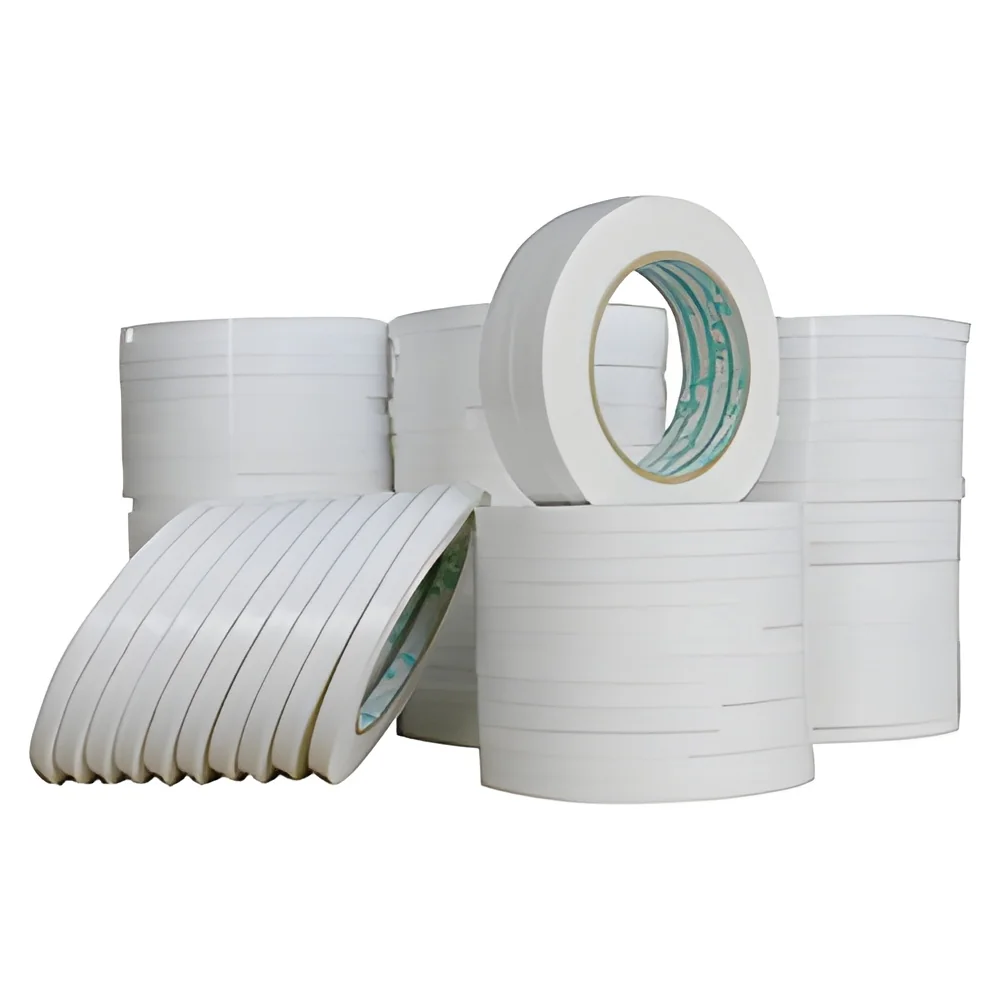
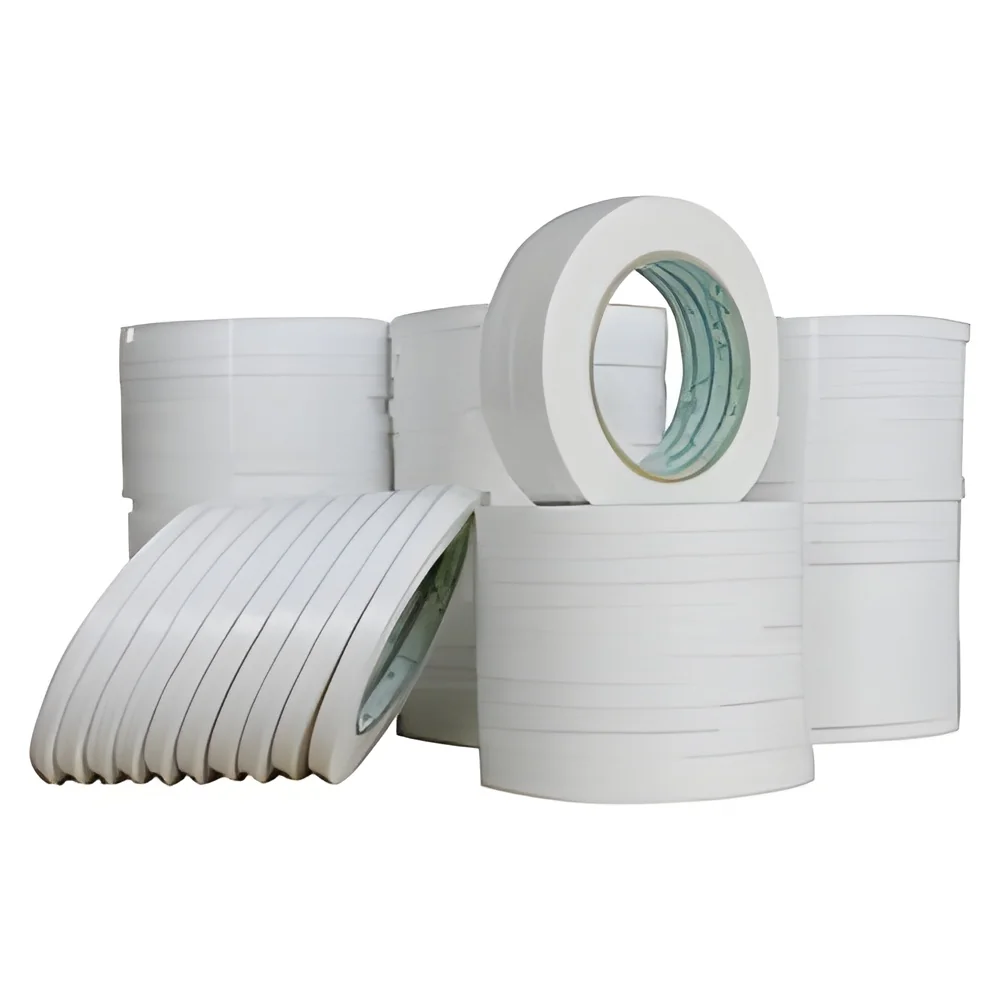
Double-Sided Foam Tape
This type features adhesive on both sides, allowing for easy mounting of materials without visible tape. It is widely used in signage and display applications.
High-Temperature Foam Tape
Engineered to withstand elevated temperatures, this variant is ideal for applications in the automotive and electronics industries where heat resistance is critical.
Weather-Resistant Foam Tape
This type is formulated to withstand moisture and harsh weather conditions, making it suitable for outdoor applications such as sealing windows and doors.
Benefits and Advantages
Foam tapes provide several benefits that make them a preferred choice in many applications.
1. Easy Application: Foam tapes are user-friendly, allowing for quick and easy installation without the need for additional tools.
2. Versatile Usage: They can be used on various surfaces, including metal, glass, and plastic, making them adaptable for multiple industries.
3. Shock Absorption: Foam tapes effectively absorb shocks and vibrations, protecting sensitive components from damage.
4. Insulation: They provide thermal and acoustic insulation, enhancing energy efficiency and comfort in buildings and vehicles.
5. Customizable Solutions: Many suppliers offer customization options, allowing businesses to tailor foam tapes to their specific needs.
6. Cost-Effectiveness: Foam tapes are often a cost-effective solution for sealing and mounting applications, reducing labor and material costs.
Buying Guide for B2B Buyers
When sourcing foam tapes, several factors should be considered to ensure you select the right product for your needs.
1. Quality Assessment: Evaluate foam tapes based on their material composition and performance characteristics. Look for products that meet industry standards for durability and reliability.
2. Supplier Verification: Research potential suppliers to ensure they have a proven track record and positive customer reviews. Verify their certifications and compliance with quality standards.
3. Pricing and MOQ: Consider the cost of foam tapes and any minimum order quantities (MOQ) that may apply. Understanding these factors can help you manage your budget effectively.
4. Delivery and Lead Times: Inquire about delivery options and lead times to ensure that the product meets your project timelines. Timely delivery is crucial for maintaining production schedules.
5. Compliance Requirements: Ensure that the foam tapes meet any relevant regulatory and safety standards for your industry. Compliance is essential for avoiding legal issues and ensuring product safety.
Compliance and Certifications
Foam tapes must adhere to various quality standards and regulations to ensure their safety and performance. Key standards include ISO 9001, which focuses on quality management systems, and HACCP, which addresses food safety practices. Compliance with these standards assures businesses of the reliability and safety of foam tape products.
Additionally, certifications such as CE indicate that foam tapes meet the requirements for health, safety, and environmental protection. This certification is particularly important for products used in the European market, ensuring they comply with regional regulations.
It is also critical for foam tapes to undergo safety and testing requirements to verify their performance characteristics under different conditions. Manufacturers may conduct tests for temperature resistance, humidity control, and other relevant factors to ensure that their products meet industry expectations.
In summary, understanding compliance and certification requirements is vital for businesses sourcing foam tapes. It ensures that the products they choose are dependable and suitable for their specific applications.
Why Source Foam Tapes from Pepagora?
Pepagora offers a reliable platform for sourcing foam tapes, providing numerous advantages to B2B buyers.
Verified Supplier Network: Pepagora features a network of verified suppliers, ensuring that buyers can trust the quality of the products and services they receive. Each supplier undergoes a stringent vetting process to confirm their credibility and reliability.
Streamlined RFQ Process: The platform simplifies the request for quotation (RFQ) process, allowing buyers to easily compare prices and specifications from multiple suppliers. This transparency helps businesses make informed purchasing decisions.
Trade Assurance and Support: Pepagora provides trade assurance and buyer protection services, offering peace of mind when sourcing products. This support enhances the overall purchasing experience and minimizes risks.
Regional Coverage: With a focus on regions such as India, the GCC, and Southeast Asia, Pepagora ensures that buyers have access to foam tapes that meet local market demands. This geographic reach enhances the ability to find suitable products for diverse applications.
In conclusion, Pepagora stands out as a trusted source for foam tapes, offering a combination of verified suppliers, competitive pricing, and regional expertise to meet the needs of B2B buyers.

 India

 India
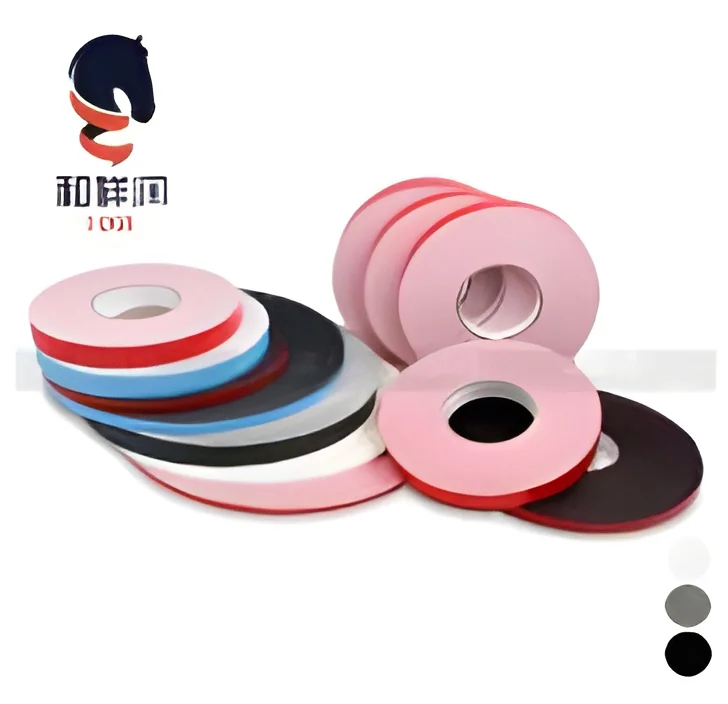
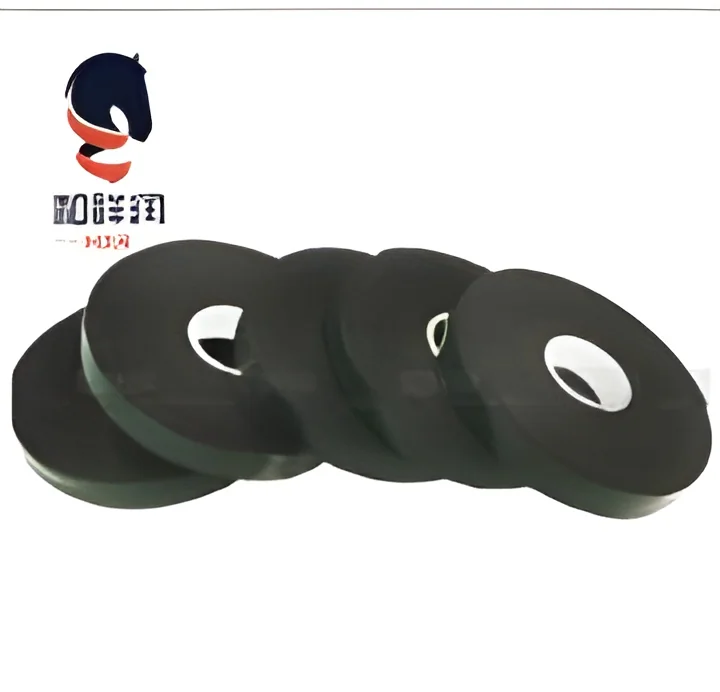
 India
 India
 India
 India
 India


 India
 India
 India
 India
Frequently Asked Questions
What are Foam Tapes?
Foam tapes are adhesive tapes made from foam materials, designed to provide cushioning, sealing, and insulation. They are often used in various applications, including construction, automotive, and electronics, due to their flexibility and durability.
What are the different types of Foam Tapes?
There are several types of foam tapes, including polyethylene, polyurethane, and neoprene foam tapes. Each type has unique properties, such as thickness, adhesive strength, and temperature resistance, making them suitable for specific applications.
How do I choose the right Foam Tapes?
To choose the right foam tape, consider factors such as the intended application, environmental conditions, and the surface materials involved. It's important to evaluate the tape's adhesion, thickness, and resistance to chemicals or moisture for optimal performance.
What are the standard specifications for Foam Tapes?
Standard specifications for foam tapes typically include thickness, width, adhesive type, and temperature resistance. Additionally, certain foam tapes may have specific certifications for fire, water, or UV resistance, depending on their intended use.
What is the price range for Foam Tapes?
The price range for foam tapes can vary widely based on factors such as material type, size, and quantity. Generally, prices can range from a few rupees for basic options to several hundred rupees for specialized or high-performance tapes.
What quality standards apply to Foam Tapes?
Foam tapes may adhere to various quality standards, including ISO certifications and industry-specific requirements. It's essential to check if the manufacturer complies with relevant safety and performance standards to ensure product reliability.
Where can I find Foam Tapes suppliers in India?
You can find foam tape suppliers in India through online B2B marketplaces, trade directories, and industry trade shows. Websites like Pepagora.com feature a range of manufacturers and suppliers offering foam tapes for various applications.
Can Foam Tapes be customized?
Yes, many manufacturers offer customization options for foam tapes, including specific sizes, thicknesses, and adhesive types. Customization can help meet the unique requirements of your project or application.
What is the typical minimum order quantity for Foam Tapes?
The typical minimum order quantity (MOQ) for foam tapes can vary by supplier and product type, but it often ranges from 100 to 500 meters or pieces. It's advisable to check with the supplier for their specific MOQ.
What is the typical lead time for Foam Tapes?
The typical lead time for foam tapes varies depending on the supplier and whether the product is in stock or requires customization. Generally, lead times can range from a few days to several weeks.
Why Businesses Trust Pepagora
Thousands of companies trust Pepagora to source smarter and sell faster
Expand Your Sales Globally

Source Smarter,Grow Faster
