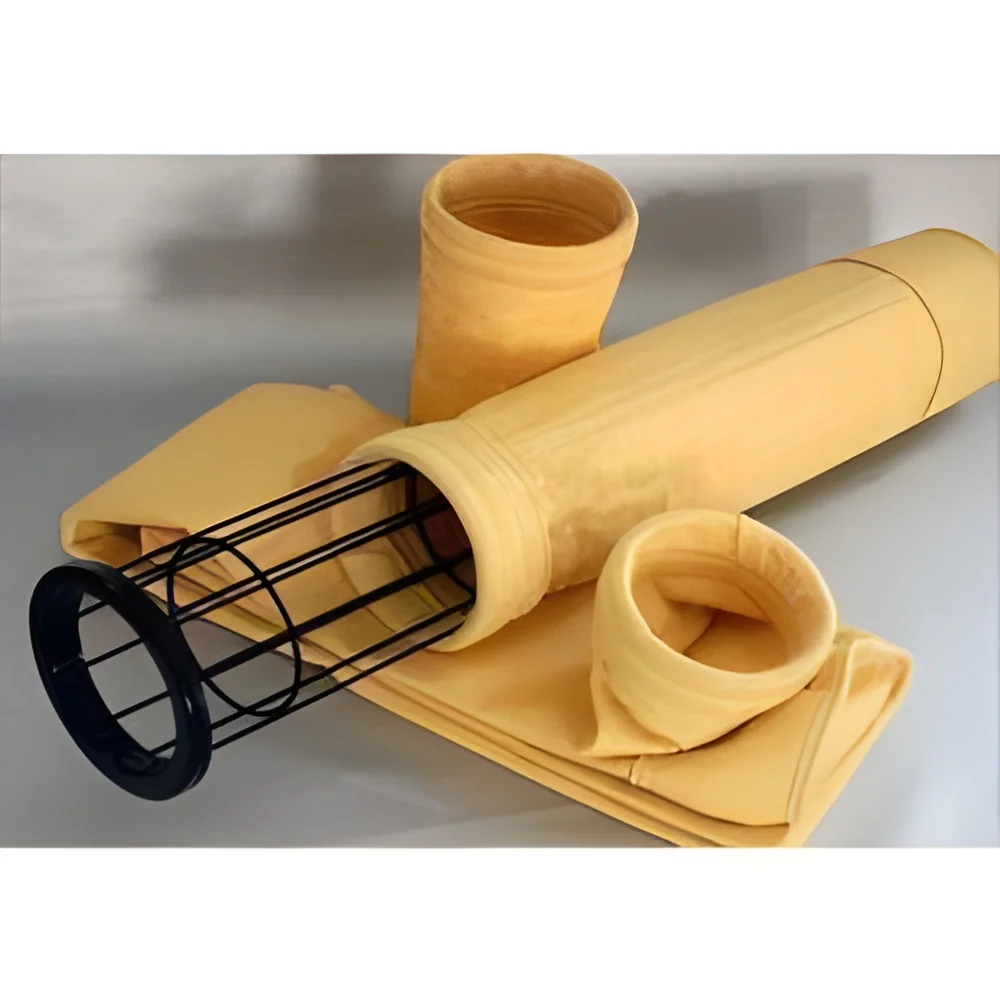
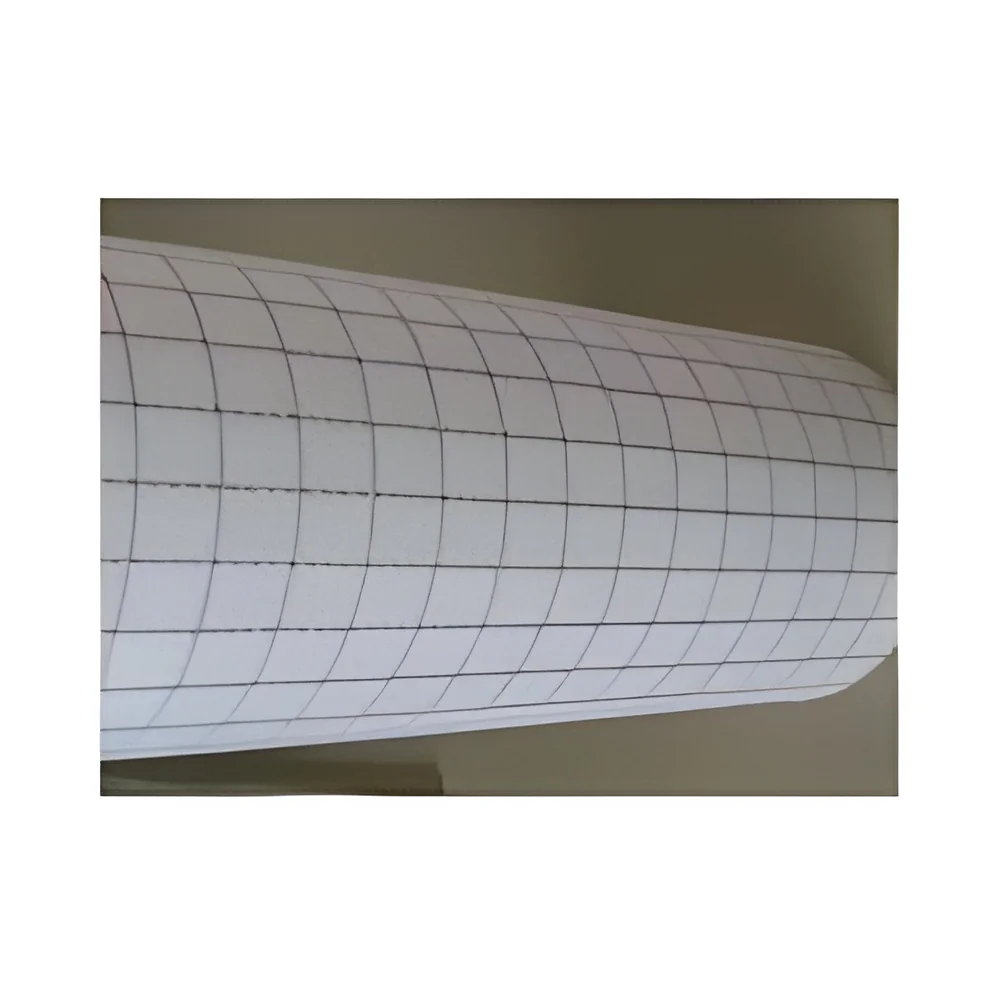
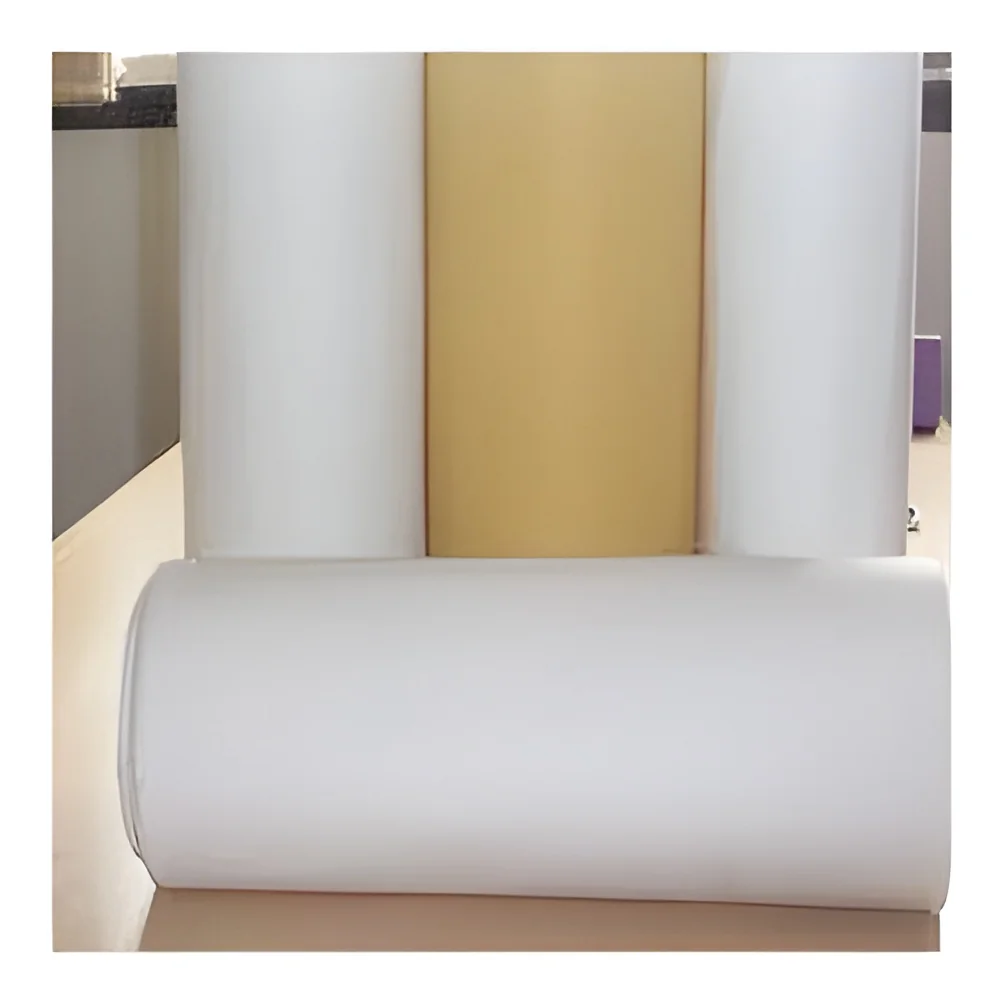
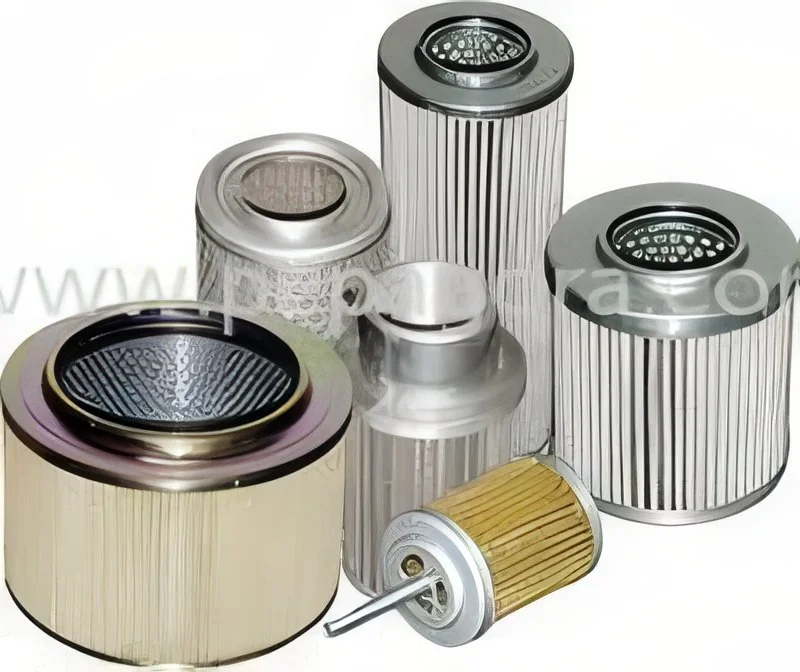
What are Filter Paper Pulp?
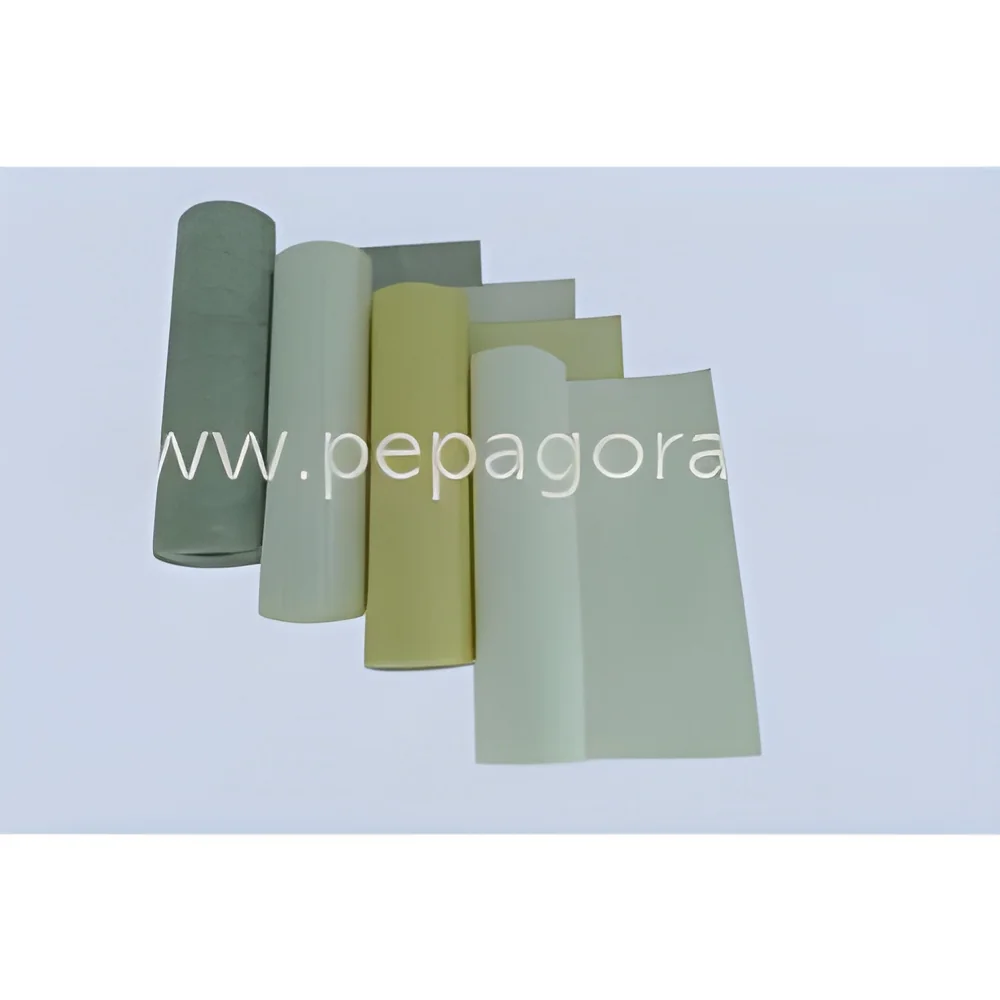
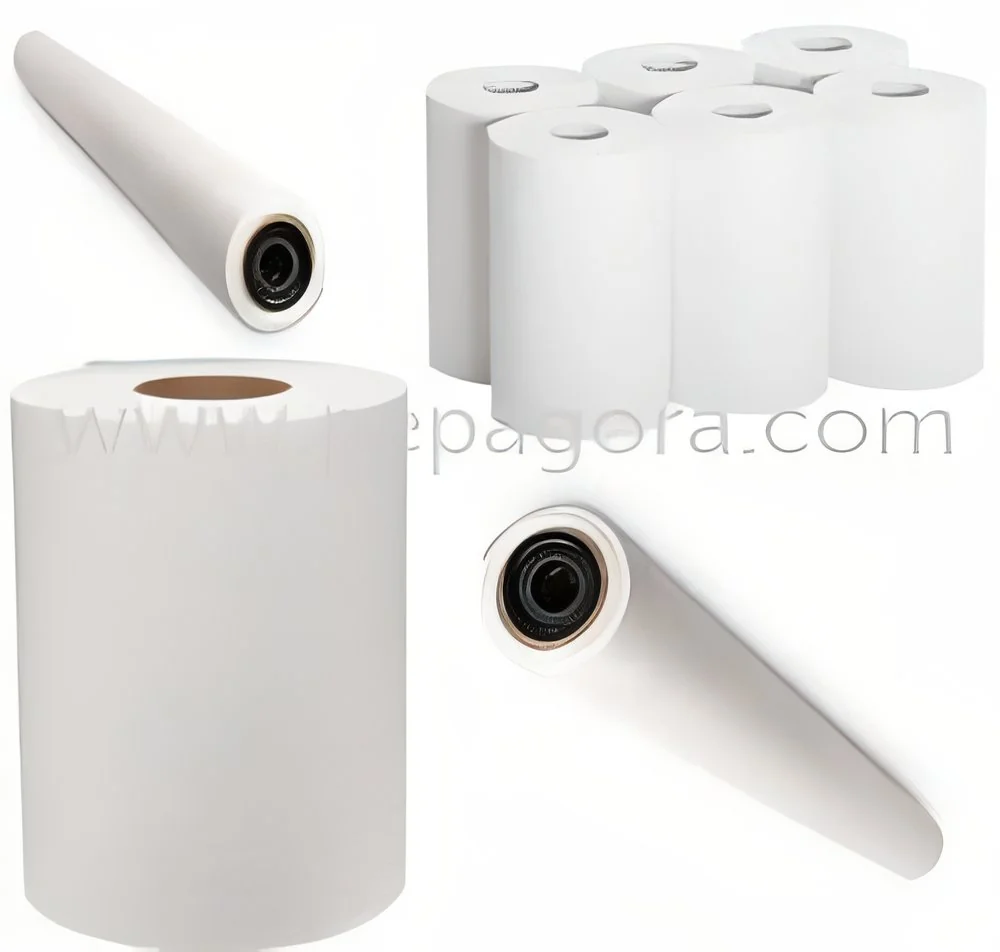
Filter Paper Pulp refers to specialized paper products designed for filtration processes in various industrial applications. This type of pulp is made from cellulose fibers and is engineered to provide high porosity and filtration efficiency. The pulp can be manufactured to meet specific requirements, such as thickness, weight, and pore size, making it suitable for diverse applications across industries.
The primary uses of Filter Paper Pulp include separating solids from liquids in laboratory settings, industrial processes, and the food and beverage industry. It is commonly used in laboratories for analytical procedures, such as sample preparation and filtration of chemicals. Additionally, it serves critical roles in manufacturing processes where the separation of particulates from liquids is essential. The market for Filter Paper Pulp is expanding, driven by the growing demand for filtration solutions in various sectors, including pharmaceuticals, environmental testing, and food processing.
Key Features and Specifications
Filter Paper Pulp is characterized by several key features and specifications that make it suitable for industrial applications. These specifications ensure that the product meets the rigorous demands of filtration processes across different industries.
Key specifications include:
1. Filtration Efficiency
- High particle retention capabilities
- Varies based on paper grade and application
2. Thickness
- Typically ranges from 100 to 500 microns
- Affects flow rate and filtration speed
3. Weight
- Common weights include 60 to 150 grams per square meter
- Influences strength and durability during use
4. Pore Size
- Available in various pore sizes from 1 to 100 microns
- Determines the type of particles that can be filtered
5. Chemical Resistance
- Varies based on pulp composition
- Essential for specific applications involving corrosive substances
6. Compatibility with Solvents
- Must be compatible with the liquids being filtered
- Ensures no contamination during the filtration process
7. Temperature Tolerance
- Data not available on specific ranges
- Important for applications involving heat-sensitive liquids
8. Humidity Control
- Data not available on specific features
- Important for maintaining performance in varying environments
The specifications of Filter Paper Pulp are critical for ensuring effective filtration and are tailored to meet the needs of different applications.
Common Applications and Use Cases
Filter Paper Pulp serves a broad range of industries and applications. Its versatility makes it a valuable material for numerous filtration processes.
1. Laboratory Testing: Used in scientific laboratories for filtering liquids in chemical analysis and sample preparation.
2. Food and Beverage: Employed in the filtration of beverages, oils, and other food products to ensure quality and safety.
3. Pharmaceutical: Utilized in drug manufacturing processes for separating particulates from solutions.
4. Environmental Testing: Important for collecting samples in air and water quality testing.
5. Industrial Filtration: Supports various industrial processes requiring the separation of solids from liquids in manufacturing.
6. Automotive: Used in oil filtration systems to ensure clean engine operation.
7. Chemical Processing: Essential for purifying chemicals in production processes.
Product Variants and Subcategories
Filter Paper Pulp comes in various types to cater to distinct industrial needs. Each variant offers unique features that enhance its application in specific sectors.
Standard Grade Filter Paper
This variant is designed for general laboratory use. It is suitable for routine filtration tasks and offers reliable performance at a cost-effective price.
High-Performance Filter Paper
Engineered for demanding applications, this type features enhanced filtration efficiency and higher chemical resistance. It is ideal for use in pharmaceutical and chemical industries.
Specialty Filter Paper
Tailored for specific processes, such as food and beverage filtration, this variant ensures compliance with safety and quality standards.
Benefits and Advantages
Choosing Filter Paper Pulp provides several benefits that enhance operational efficiency and product quality.
1. High Filtration Efficiency: Ensures effective separation of particulates, leading to improved product quality.
2. Versatility: Suitable for a wide range of applications across various industries, making it a flexible choice.
3. Cost-Effective: Provides reliable performance at a competitive price, helping businesses manage costs.
4. Customization: Available in different specifications to meet specific customer requirements.
5. Easy to Use: Typically available in convenient formats for straightforward application in various settings.
6. Environmental Compliance: Manufactured to meet regulatory standards, ensuring safe use in sensitive applications.
Buying Guide for B2B Buyers
When sourcing Filter Paper Pulp, businesses should consider several factors to ensure they choose the right product for their needs.
1. Quality Assessment: Look for products that meet relevant industry standards. Evaluate the supplier's quality control processes to ensure consistency.
2. Supplier Verification: Research potential suppliers to verify their reliability and reputation in the industry. Consider customer reviews and certifications.
3. Pricing and MOQ: Analyze pricing structures and minimum order quantities. Aim for a balance between cost and quality that suits your operational budget.
4. Delivery and Lead Times: Understand the supplier's logistics and delivery capabilities. Ensure they can meet your timelines for production and restocking.
5. Compliance Requirements: Check for compliance with industry regulations and certifications to ensure the product meets safety and quality standards.
Compliance and Certifications
Filter Paper Pulp must adhere to relevant quality standards and certifications to ensure safety and reliability in its applications.
ISO 9001 certification indicates that the manufacturing process meets international quality management standards. This ensures consistent quality and customer satisfaction.
HACCP (Hazard Analysis Critical Control Point) compliance is crucial for products used in food and beverage applications. It ensures that safety hazards are identified and controlled.
CE certification ensures that products meet European safety, health, and environmental requirements. This is significant for businesses operating in or exporting to Europe.
UL certification is important for products that require safety testing. It verifies that the product has been tested for risk of fire, electric shock, or injury.
Regional compliance considerations may vary. It is essential for businesses to understand the specific regulations that apply in their location or target market.
Why Source Filter Paper Pulp from Pepagora?
Pepagora provides a trusted platform for sourcing Filter Paper Pulp, offering several key advantages that set it apart from competitors.
Verified Supplier Network: Pepagora connects buyers with a network of verified suppliers. This ensures that businesses can trust the quality and reliability of their sources.
Streamlined RFQ Process: The platform simplifies the request for quotation process, allowing buyers to quickly obtain pricing and product details from multiple suppliers.
Trade Assurance and Support: Pepagora offers buyer protection through trade assurance, ensuring that transactions are secure and that buyers receive the products as specified.
Regional Coverage: With a strong presence in India, the GCC, and Southeast Asia, Pepagora enables businesses to access a wide range of suppliers and products tailored to their regional needs.
This comprehensive approach makes Pepagora an optimal choice for businesses looking to source high-quality Filter Paper Pulp efficiently.

 IN
IN