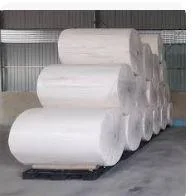
What are Toilet Tissue Pulp?
Toilet tissue pulp is a raw material primarily used in the manufacturing of toilet paper. It is made from processed wood fibers, which are broken down into a soft, absorbent form suitable for creating the smooth texture found in finished toilet tissue products. The pulp is an essential component in the production process, as it impacts the quality, absorbency, and overall performance of the final product.
The primary applications of toilet tissue pulp extend to various sectors, including consumer goods and industrial uses. Manufacturers of toilet paper rely heavily on high-quality pulp to ensure their products meet consumer expectations for softness and strength. Beyond toilet paper, this pulp is also utilized in the production of other hygiene products, such as facial tissues and paper towels, making it a versatile material in the paper industry.
In the current market, the demand for toilet tissue pulp is influenced by consumer preferences for sustainable and eco-friendly products. As environmental concerns grow, many manufacturers are seeking pulp sourced from responsibly managed forests or alternative fibers. This trend reflects a broader shift towards sustainability in the industrial landscape, positioning toilet tissue pulp as a relevant commodity in both local and global markets.
Key Features and Specifications
Toilet tissue pulp must meet specific criteria to ensure its suitability for manufacturing processes. These specifications dictate the quality and usability of the pulp in finished products.
Key specifications include:
1. Fiber Composition
- Typically derived from wood pulp or recycled materials
- Ensures the final product achieves desired softness and absorbency
2. Brightness Level
- Generally ranges from 80% to 90%
- Influences the appearance and market appeal of the finished toilet paper
3. Moisture Content
- Usually maintained between 5% to 10%
- Essential for preventing spoilage and maintaining quality during storage
4. Density
- Measured in grams per cubic centimeter (g/cm³)
- Affects the strength and durability of the final product
5. Fiber Length
- Commonly between 0.5 mm to 1.5 mm
- Longer fibers enhance the strength of the paper
6. pH Level
- Typically falls between 6.0 to 8.0
- Important for compatibility with various manufacturing processes
7. Color
- Can range from natural beige to white, depending on processing
- Affects the aesthetic appeal of the final product
8. Certification Compliance
- Must meet industry standards such as CE and UL
- Ensures product safety and quality assurance
In summary, understanding these specifications is crucial for manufacturers when sourcing toilet tissue pulp, as they directly impact the performance and quality of the end product.
Common Applications and Use Cases
Toilet tissue pulp serves various industries with distinct applications.
1. Consumer Goods: The primary use of toilet tissue pulp is in the production of toilet paper, where its absorbency and softness are critical for consumer satisfaction.
2. Hospitality: Hotels and restaurants utilize toilet tissue pulp to create high-quality bathroom tissue that meets guest expectations for comfort and hygiene.
3. Healthcare: Hospitals and clinics require toilet tissue pulp for sanitary paper products, ensuring hygiene standards are upheld in patient care areas.
4. Retail: Supermarkets and convenience stores stock toilet paper products, relying on toilet tissue pulp for supply consistency and quality.
5. Industrial Sectors: Certain industrial applications, such as cleaning supplies, leverage the absorbent properties of toilet tissue pulp for manufacturing paper towels and wipes.
Benefits and Advantages
Sourcing high-quality toilet tissue pulp offers several key benefits for manufacturers.
1. Enhanced Quality: High-quality pulp ensures that the final products are soft, absorbent, and durable, meeting consumer expectations.
2. Cost Efficiency: Sourcing pulp in bulk can lower production costs, allowing for better pricing strategies in competitive markets.
3. Source Versatility: Pulp can be derived from various materials, including recycled fibers, catering to sustainability-focused consumers.
4. Compliance Assurance: Quality pulp adheres to industry standards, ensuring manufacturers meet regulatory requirements.
5. Customization Potential: Manufacturers can work with suppliers to tailor pulp characteristics to specific product needs, enhancing market differentiation.
6. Supply Chain Reliability: Partnering with trusted suppliers ensures a consistent and reliable supply of pulp, minimizing production disruptions.
Buying Guide for B2B Buyers
When sourcing toilet tissue pulp, several critical factors should be considered to ensure optimal purchasing decisions.
1. Quality Assessment: Evaluate the quality of the pulp based on fiber composition and moisture content, as these criteria impact the final product's performance.
2. Supplier Verification: Conduct due diligence on suppliers, checking their certifications and industry reputation to ensure reliability and quality.
3. Pricing and MOQ: Understand the pricing structure and minimum order quantities (MOQ) to align purchasing strategies with budget considerations.
4. Delivery and Lead Times: Assess delivery options and lead times to ensure that production schedules are met without delays.
5. Compliance Requirements: Verify that the pulp meets relevant industry certifications, such as CE and UL, to ensure safety and compliance with regulations.
Compliance and Certifications
Toilet tissue pulp is subject to various compliance and certification standards that ensure quality and safety in production processes.
Relevant quality standards include ISO 9001, which focuses on quality management systems, and HACCP, which emphasizes food safety in manufacturing practices. These standards help manufacturers maintain consistent quality and safety in their products.
Industry certifications such as CE and UL are crucial for ensuring that materials meet safety and performance requirements. CE certification indicates compliance with European health, safety, and environmental protection standards, while UL certification verifies product safety, reducing risk for manufacturers and consumers alike.
Safety and testing requirements also play a critical role, as manufacturers must ensure that the pulp is free from harmful substances and contaminants. Additionally, regional compliance considerations may affect sourcing decisions, as different markets may have unique regulations regarding material safety and sustainability.
Why Source Toilet Tissue Pulp from Pepagora?
Pepagora provides a trusted platform for sourcing toilet tissue pulp, offering several key advantages for B2B buyers.
Verified Supplier Network: Pepagora connects buyers with a network of verified suppliers, ensuring that partners have undergone thorough vetting processes. This reduces the risk of procurement issues and enhances supply chain reliability.
Streamlined RFQ Process: The platform simplifies the request for quotation (RFQ) process, enabling buyers to quickly and efficiently obtain pricing and availability information from multiple suppliers. This fosters competitive pricing and informed decision-making.
Trade Assurance and Support: Pepagora offers trade assurance and buyer protection, giving manufacturers confidence in their transactions. This support extends to logistics and after-sales service, ensuring a smooth experience from sourcing to delivery.
Regional Coverage: With a strong presence in India, the GCC, and Southeast Asia, Pepagora provides geographic reach that allows for efficient sourcing across multiple regions. This ensures that manufacturers can access quality toilet tissue pulp tailored to their specific market needs.

 IN
IN