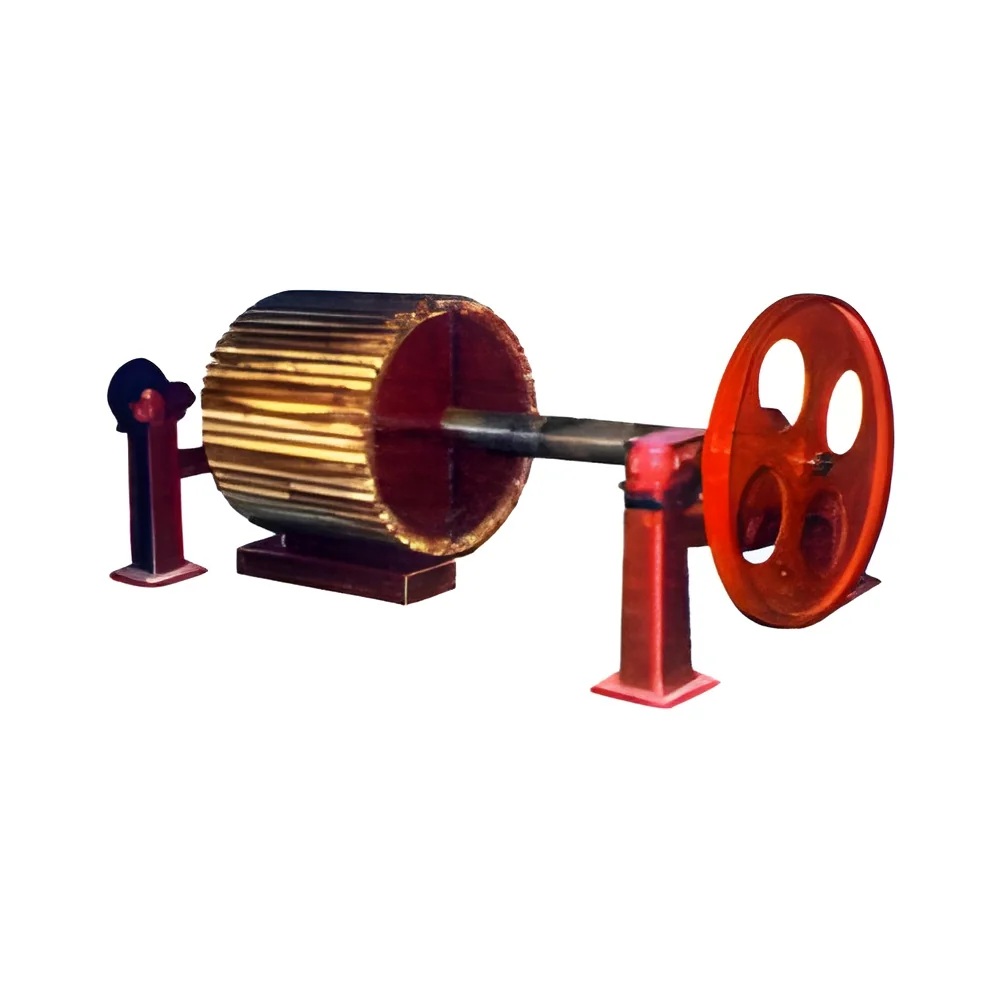
What are Mechanical Pulp?
Mechanical pulp is a type of pulp produced from wood fibers using mechanical processes, which primarily involve grinding or refining. Unlike chemical pulping methods, which use chemicals to dissolve lignin and separate fibers, mechanical pulping retains a significant amount of the lignin in the final product. This method results in a pulp that is typically lower in quality but more cost-effective. Mechanical pulp is often characterized by its high yield, which stems from the minimal loss of cellulose fibers during processing.
Mechanical pulp is widely used in several applications, particularly in the production of newsprint, magazine paper, and other types of low-cost paper products. It serves as a vital resource in industries that require bulk paper products at a lower cost, allowing businesses to meet high demand. The relevance of mechanical pulp in the market is significant, particularly as the demand for sustainable and recyclable materials continues to grow. With a focus on cost efficiency and environmental sustainability, mechanical pulp plays an essential role in the paper and packaging industries.
Key Features and Specifications
Mechanical pulp possesses a range of features that make it suitable for various applications. It is characterized by its fibrous structure, which is retained during the mechanical processing. Understanding the specifications of mechanical pulp is crucial for businesses choosing the right product for their needs.
Key specifications include:
1. Fiber Yield
- High yield typically ranging from 90% to 95%
- Retains a significant amount of lignin
2. Brightness
- Brightness levels generally between 30% and 60%
- Influences the final paper product's appearance
3. Freeness
- Canadian Standard Freeness (CSF) values can vary
- Affects drainage rates during paper formation
4. Moisture Content
- Normal moisture content ranges from 8% to 12%
- Essential for storage and processing conditions
5. pH Level
- pH usually maintained between 4.5 and 7.5
- Important for the stability of the pulp
6. Bulk Density
- Bulk density typically around 0.15 to 0.25 g/cm³
- Influences transport and storage efficiency
7. Fiber Length
- Average fiber length may range from 1.0 to 2.0 mm
- Affects the strength and texture of the final product
8. Color
- Natural color can vary depending on wood source
- May require bleaching for specific applications
Mechanical pulp is increasingly popular due to its high yield and cost-effectiveness, making it a preferred choice for many paper manufacturers.
Common Applications and Use Cases
Mechanical pulp has a wide variety of applications across different industries. Its properties make it suitable for producing products that require good opacity and bulk.
1. Publishing Industry: Mechanical pulp is extensively used in the production of newsprint and magazines, where cost efficiency is critical. The high bulk and opacity help in printing high-quality images and text.
2. Packaging Industry: Mechanical pulp serves as a base material for producing low-cost packaging solutions, such as corrugated boxes, due to its excellent strength and durability.
3. Paperboard Manufacturing: In the production of paperboard, mechanical pulp adds bulk and stiffness, making it ideal for applications in packaging and storage.
4. Stationery Products: Mechanical pulp is utilized in various stationery items, including notebooks and writing paper, where affordability and functionality are essential.
5. Tissue Paper Production: In some instances, mechanical pulp can be blended with other types of pulp to create tissue papers that require a combination of softness and strength.
6. Specialty Papers: Certain specialty papers, such as those used for art and crafts, may incorporate mechanical pulp for its unique texture and appearance.
Product Variants and Subcategories
Mechanical pulp is a versatile material with various characteristics tailored to specific applications. Although there are no defined subcategories, the diversity in the sourcing and processing of wood can lead to variations in the final product.
Softwood Mechanical Pulp: This variant is primarily sourced from softwood trees and is known for its long fibers. It is often used in products that require high tensile strength, such as high-quality printing papers.
Hardwood Mechanical Pulp: Sourced from hardwood trees, this variant typically has shorter fibers. It is often blended with softwood pulp to enhance the bulk and opacity of paper products.
Bleached Mechanical Pulp: This type of mechanical pulp undergoes a bleaching process to improve brightness and whiteness. It is commonly used in applications where visual quality is a priority.
Benefits and Advantages
Mechanical pulp offers numerous advantages that make it an attractive choice for businesses across various industries.
Key benefits include:
1. Cost Efficiency: Mechanical pulp is generally cheaper to produce than chemical pulps, allowing businesses to reduce production costs.
2. High Yield: The mechanical process results in a high yield of fibers, which maximizes resource utilization and minimizes waste.
3. Environmental Sustainability: Mechanical pulp production is less environmentally damaging compared to chemical methods, as it uses fewer chemicals and maintains a higher proportion of the tree.
4. Versatile Applications: Its diverse properties allow mechanical pulp to be used in a variety of products, from newspapers to packaging materials.
5. Quick Processing: The mechanical pulping process is faster than chemical methods, enabling quicker turnaround times for manufacturers.
6. Good Strength Properties: Mechanical pulp retains enough lignin to provide strength and durability in paper products, making it suitable for various applications.
Buying Guide for B2B Buyers
When sourcing mechanical pulp, businesses should consider several critical factors to ensure they choose the right product for their needs.
1. Quality Assessment: Evaluate the quality of mechanical pulp by checking fiber yield, brightness, and other specifications. Conduct laboratory tests to ensure the product meets industry standards.
2. Supplier Verification: Vet suppliers thoroughly to ensure they have a good reputation and comply with industry regulations. Request references and check for certifications.
3. Pricing and MOQ: Understand the pricing structure and minimum order quantities (MOQ) set by suppliers. This helps in budgeting and ensures a consistent supply.
4. Delivery and Lead Times: Discuss delivery options and lead times with suppliers to ensure timely receipt of materials. Factor in any potential delays.
5. Compliance Requirements: Ensure that the mechanical pulp meets necessary compliance and regulatory requirements, including safety standards and environmental regulations.
Compliance and Certifications
Mechanical pulp production is subject to various quality standards and certifications that ensure the product's safety and reliability.
Relevant quality standards such as ISO 9001 outline the requirements for a quality management system, ensuring that manufacturers maintain consistent quality in their products.
Industry certifications like CE and UL are crucial, as they indicate compliance with safety regulations and standards that protect consumers and the environment.
Safety and testing requirements are essential to ensure that the mechanical pulp is free of harmful substances and suitable for its intended use.
Regional compliance considerations may vary, so businesses should be aware of the specific regulations in their geographic areas to ensure full compliance.
Why Source Mechanical Pulp from Pepagora?
Pepagora provides a trusted platform for sourcing mechanical pulp, offering several key advantages to B2B buyers.
Verified Supplier Network: Pepagora connects businesses with a network of verified suppliers, ensuring that buyers can source high-quality mechanical pulp from reputable manufacturers. This reduces the risk of dealing with unverified sources.
Streamlined RFQ Process: The request for quotation (RFQ) process on Pepagora is designed to be efficient. Buyers can easily submit their requirements and receive competitive quotes from multiple suppliers, saving time and effort.
Trade Assurance and Support: Pepagora offers trade assurance, providing buyers with protection and support throughout the purchasing process. This ensures a secure transaction and builds trust between buyers and suppliers.
Regional Coverage: With a focus on markets in India, the GCC, and Southeast Asia, Pepagora ensures that businesses have access to mechanical pulp suppliers across these regions, facilitating trade and logistics. Buyers can benefit from local suppliers while having access to a broader market.

 IN
IN