IN
IN₹
Apparel & Fashion
Loading subcategories...
View More
Description
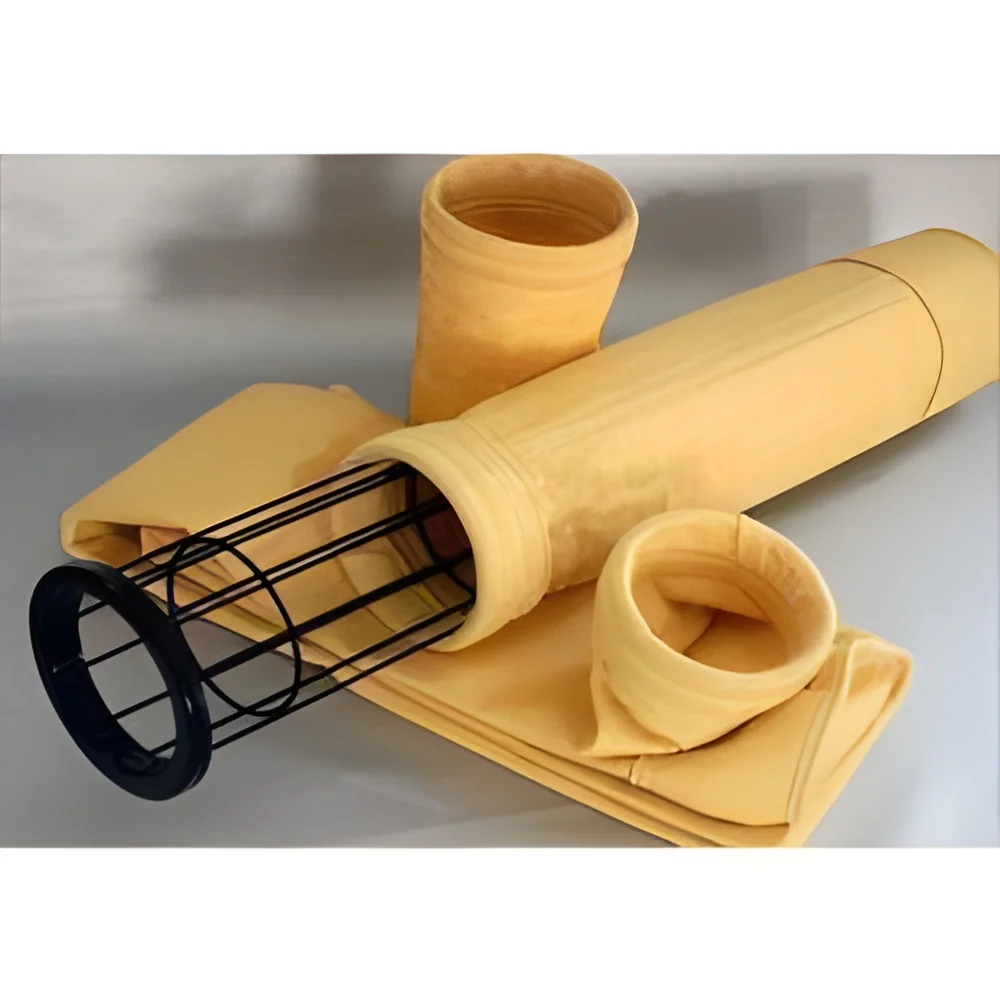
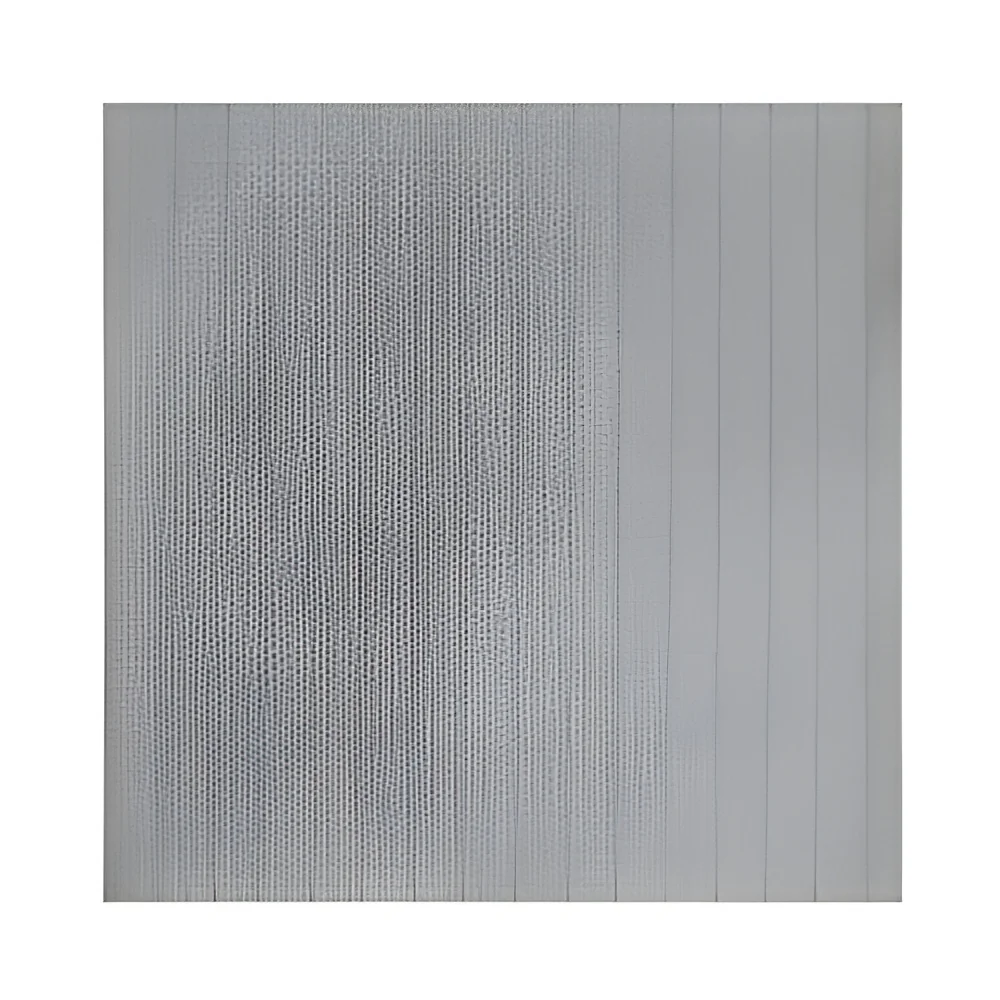
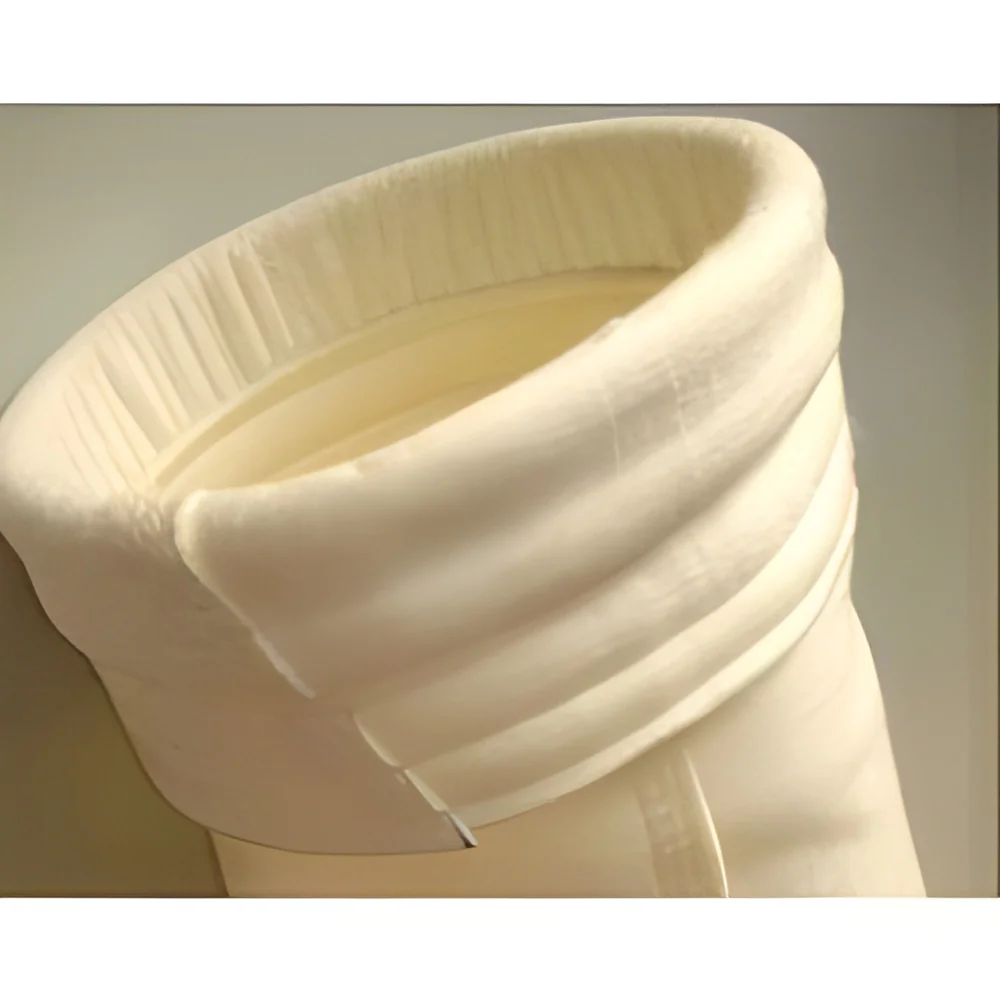
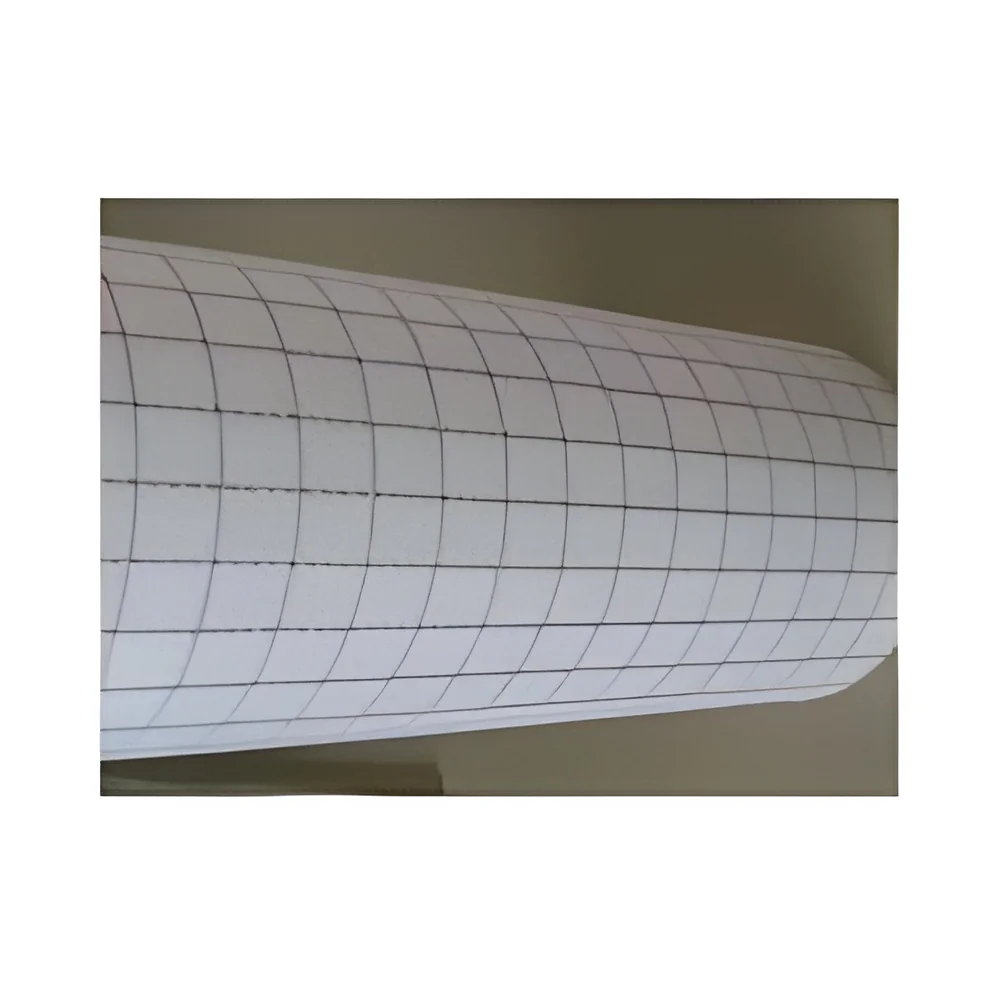
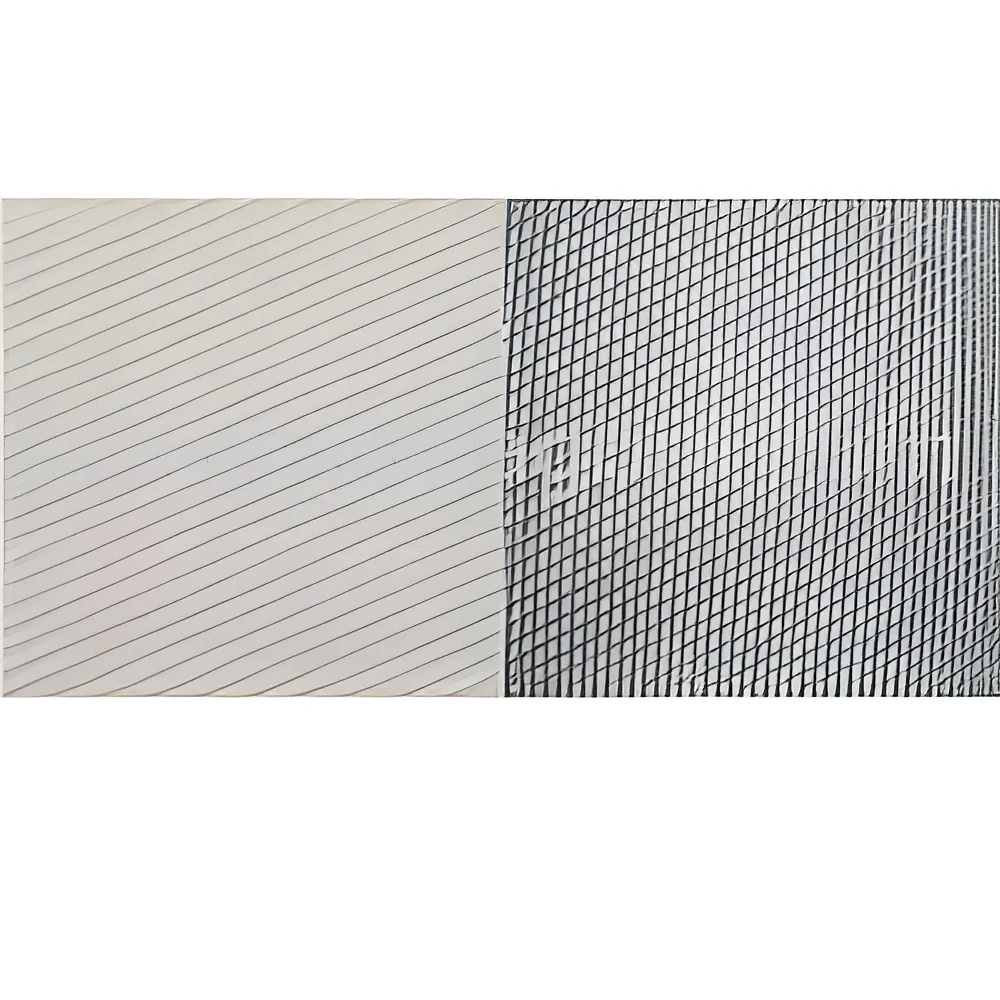
Our Industrial Spun Filament Woven Filter Fabric is a high-performance filtration media designed for rigorous industrial separation tasks. Manufactured using advanced weaving techniques, it combines spun filaments into precise, durable structures that deliver reliable particle retention. Available in polypropylene (PP), polyester, and cotton, each material is selected for its distinct properties—PP for chemical resistance, polyester for strength and dimensional stability, and cotton for natural fiber applications. The fabric is produced in standard widths from 20 to 80 inches and consistent 100-meter lengths, with a weight range of 250 to 900 GSM to suit various pressure and flow requirements. This foundational quality ensures it performs as a dependable workhorse in critical filtration systems.

This filter fabric serves as an essential component across heavy industries where process integrity depends on effective solid-liquid separation. In chemical processing, it handles corrosive a...
Our Industrial Spun Filament Woven Filter Fabric is a high-performance filtration media designed for rigorous industrial separation tasks. Manufactured using advanced weaving techniques, it combines spun filaments into precise, durable structures that deliver reliable particle retention. Available in polypropylene (PP), polyester, and cotton, each material is selected for its distinct properties—PP for chemical resistance, polyester for strength and dimensional stability, and cotton for natural fiber applications. The fabric is produced in standard widths from 20 to 80 inches and consistent 100-meter lengths, with a weight range of 250 to 900 GSM to suit various pressure and flow requirements. This foundational quality ensures it performs as a dependable workhorse in critical filtration systems.

This filter fabric serves as an essential component across heavy industries where process integrity depends on effective solid-liquid separation. In chemical processing, it handles corrosive acids and alkalis. Pharmaceutical manufacturers rely on its consistency for purifying active ingredients under sterile conditions. The fertilizer industry uses it to separate crystals from mother liquor, maximizing product yield. Metalworking and steel plants employ it for filtering coolants and recovering valuable metal particles, while the textile sector utilizes it for clarifying dye baths and treating process water. Its robust construction withstands the mechanical stresses and chemical exposures common in these environments, providing long-term, trouble-free service.

The primary value of this fabric lies in its proven reliability and its direct contribution to operational efficiency and cost control. Consistent filtration performance minimizes system downtime, reduces maintenance frequency, and protects sensitive downstream equipment from particulate damage. The availability of different weaves and finishes, such as calendering or heat-setting, allows for fine-tuning the fabric to your specific process, ensuring optimal flow rates and capture efficiency. This translates to a lower total cost of ownership, improved product quality, and enhanced process reliability. For procurement specialists and plant managers, it represents a strategic investment in process stability and long-term operational savings.

Key Features:
- Material Options: Available in PP, polyester, and cotton to match specific chemical and thermal resistance needs.
- Weave Variety: Offered in twill, plain, drill, and satin weaves to control pore size and particle retention.
- Standard Dimensions: Consistent 100-meter lengths with width options from 20 to 80 inches for system compatibility.
- Weight Range: Available from 250 to 900 grams per square meter (GSM) to handle different pressure differentials.
- Finish Treatments: Includes calendering for smoothness, heat-setting for stability, and water-repellent coatings.

Benefits:
- Enhanced Process Reliability: Consistent weave and quality ensure predictable filtration performance and reduce unplanned downtime.
- Material-Specific Advantages: Choose PP for broad chemical resistance, polyester for strength, or cotton for natural fiber needs.
- Operational Flexibility: Multiple weave patterns and weights allow precise matching to your specific particle size and flow rate requirements.
- System Protection: Effective particle retention safeguards pumps, valves, and other critical downstream equipment from wear and damage.
- Long-Term Value: Durable construction and appropriate material selection extend service life, lowering replacement costs and total cost of ownership.
Specifications
| Additional Information | |
|---|---|
| Country of Origin | India |
| Customisable | No |
Application
This industrial spun filament woven filter fabric is engineered for precision separation across demanding environments. Its tightly woven construction from spun filaments ensures consistent particle retention while maintaining optimal flow rates for continuous operations. Available in polypropylene, polyester, and cotton, each material offers specific chemical resistance and durability profiles to match your process conditions, from aggressive acids to high-temperature applications.
The fabric's versatility stems from multiple weave patterns and finish treatments that can be selected to meet exact filtration specifications. This adaptability makes it a critical component in systems where purity, recovery, and process efficiency are non-negotiable. It provides a reliable barrier that protects downstream equipment, ensures product quality, and helps industries comply with stringent operational and environmental standards.
- Filtering acids, alkalis, and chemical process solutions in chemical manufacturing plants.
- Purification and sterile separation stages in pharmaceutical drug production.
- Crystal separation and product recovery in fertilizer and agro-chemical production facilities.
- Coolant filtration and fine metal particle recovery in steel and metal alloy processing.
- Dye filtration and wastewater treatment in textile mills and garment manufacturing units.
Trade Details
| Available Stock | In Stock |
| Sample Availability | No |
Payment Terms
| Payment Terms |
|
Company Profile
Mech Tech Industries, Gujarat
 Gujarat, India
Gujarat, IndiaApparel & Fashion•Manufacturer•Trading Company•Distributor / Wholesaler
Factory Details
Factory SizeBelow 1000 sqm
Annual Production Capacity0
Industrial Spun Filament Woven Filter Fabric PP Polyester Cotton
Premium industrial spun filament woven filter fabric in PP, polyester, and cotton materials. Engineered for reliable particle retention in demanding chemical, pharmaceutical, and manufacturing filtration applications.
Min. Order Quantity: 1 unit
Shipping
Shipping fee and delivery date to be negotiated. Contact supplier now for more details.
Mech Tech Industries
 Gujarat, India
Gujarat, IndiaApparel & FashionManufacturer