What are Tissue Paper Pulp?
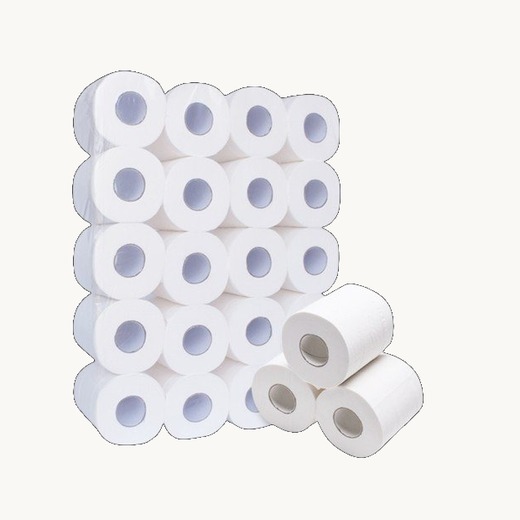
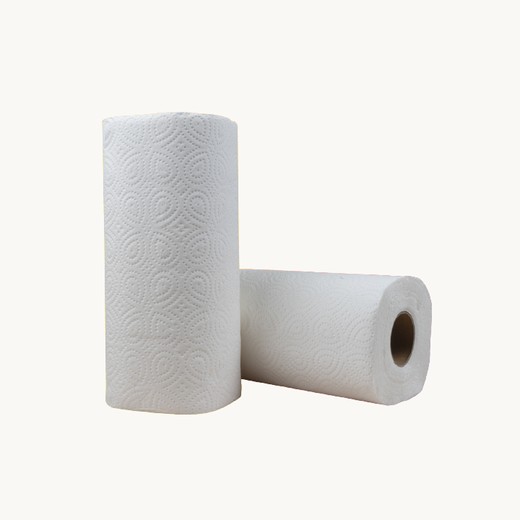
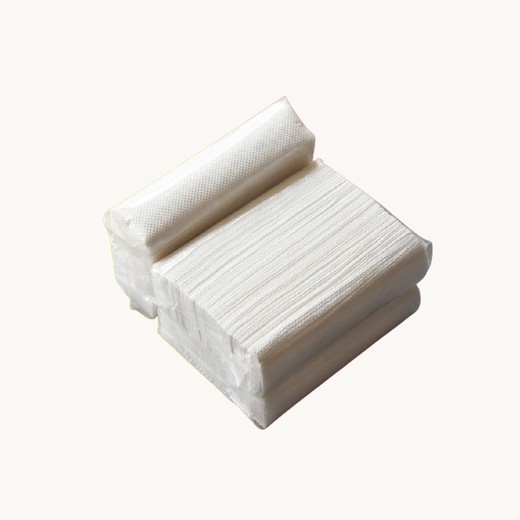
Tissue paper pulp is a type of raw material primarily used in the production of tissue products such as toilet paper, facial tissues, and paper towels. This pulp is derived from wood fibers, which are processed to create a soft, absorbent material that meets the specific needs of various end products. The quality of tissue paper pulp is crucial as it directly influences the softness, strength, and absorbency of the final tissue products.
The primary uses of tissue paper pulp extend across several industries including personal care, healthcare, and hospitality. Businesses in these sectors rely on high-quality tissue products for hygiene and comfort. The tissue paper pulp market has been growing steadily, driven by increasing consumer demand for disposable hygiene products and advancements in production technologies. This growth highlights the significance of tissue paper pulp in meeting the evolving needs of consumers and businesses alike.
Key Features and Specifications
Tissue paper pulp is characterized by several key features that define its usability and performance. These specifications help manufacturers determine the suitability of the pulp for their intended applications.
Key specifications include:
1. Fiber Composition
- Tissue paper pulp is made from a blend of softwood and hardwood fibers.
- The fiber composition affects the softness and absorbency of the final product.
2. Brightness Level
- The brightness of tissue paper pulp is typically measured on a scale of 0 to 100.
- Higher brightness levels indicate a whiter and more appealing product.
3. Moisture Content
- The moisture content of the pulp generally ranges from 5% to 10%.
- Proper moisture levels are essential for maintaining product integrity during storage.
4. Basis Weight
- Basis weight refers to the weight of the pulp per unit area, often measured in grams per square meter (gsm).
- Common ranges for tissue paper pulp are between 25 gsm and 60 gsm.
5. Absorbency Rate
- This measures how quickly the pulp can soak up liquids.
- A high absorbency rate is crucial for products like paper towels.
6. Tear Resistance
- Tear resistance indicates the strength of the pulp when subjected to stress.
- Higher tear resistance ensures durability in tissue products.
7. pH Level
- The pH level of tissue paper pulp should ideally be neutral, around 7.
- This ensures compatibility with skin and reduces irritation.
8. Environmental Certification
- Many tissue paper pulps now come with certifications such as FSC or PEFC.
- These certifications indicate sustainable sourcing and responsible forestry practices.
These specifications are crucial for manufacturers to ensure the production of high-quality tissue products that meet consumer expectations.
Common Applications and Use Cases
Tissue paper pulp serves a wide variety of industries, each with specific applications that leverage its properties.
1. Personal Care: Tissue paper pulp is used to manufacture toilet paper and facial tissues, providing softness and comfort for daily hygiene.
2. Healthcare: In healthcare settings, tissue pulp is essential for producing medical wipes and sanitary products that require high absorbency and cleanliness.
3. Hospitality: Hotels and restaurants utilize tissue products made from pulp for guest comfort, including napkins and hand towels.
4. Retail: Grocery and retail stores offer tissue products for consumer convenience, making tissue pulp vital for packaging and personal care items.
5. Industrial: In industrial environments, tissue paper pulp is used for cleaning rags and wipes, which are designed for heavy-duty cleaning tasks.
6. Educational: Schools and offices use tissue products for everyday use, including tissues for classrooms and workplace hygiene.
7. Automotive: Tissue pulp is also utilized for cleaning wipes used in automotive maintenance and detailing.
Product Variants and Subcategories
Tissue paper pulp is a versatile product with a range of variants designed to meet specific needs.
Standard Tissue Paper Pulp: This variant is the most common, characterized by its softness and absorbency, making it ideal for everyday tissue products.
High-Grade Tissue Paper Pulp: This variant offers enhanced brightness and softness, often used in premium tissue products that demand higher quality.
Recycled Tissue Paper Pulp: Made from post-consumer waste, this variant is an eco-friendly option that appeals to environmentally conscious consumers.
Bleached Tissue Paper Pulp: This variant undergoes a bleaching process to achieve a higher brightness level, suitable for products where whiteness is a priority.
Benefits and Advantages
Tissue paper pulp offers several key benefits that make it a preferred choice for manufacturers.
1. High Absorbency: Tissue paper pulp has excellent absorbent properties, ensuring effective moisture retention in final products.
2. Softness: The pulp is designed to be gentle on the skin, making it suitable for personal care applications.
3. Versatility: Tissue paper pulp can be adapted for a variety of products across multiple industries, increasing its utility.
4. Eco-Friendliness: Options such as recycled tissue paper pulp provide sustainable alternatives that meet consumer demands for green products.
5. Cost-Effective: The production of tissue paper pulp is efficient, enabling manufacturers to produce high-quality products at competitive prices.
6. Customization: Tissue paper pulp can be tailored to meet specific requirements, such as fiber composition and brightness, allowing for product differentiation.
Buying Guide for B2B Buyers
When sourcing tissue paper pulp, it is essential for buyers to consider several critical factors to ensure they make informed decisions.
1. Quality Assessment: Evaluate the quality of tissue paper pulp based on fiber composition, absorbency, and other specifications. Request samples to test the properties before committing.
2. Supplier Verification: Conduct thorough research on potential suppliers to ensure they adhere to industry standards and quality certifications. A reliable supplier will have a proven track record.
3. Pricing and MOQ: Understand the pricing structure and minimum order quantities (MOQ) from suppliers. Compare quotes to find the best value while considering quality.
4. Delivery and Lead Times: Confirm the delivery schedules and lead times with suppliers to ensure they can meet your production timelines.
5. Compliance Requirements: Ensure that the tissue paper pulp meets relevant regulatory standards and certifications, such as CE or UL, to avoid compliance issues in your market.
Compliance and Certifications
Tissue paper pulp must adhere to various quality standards and certifications to ensure safety and reliability in its applications. Key standards include ISO 9001, which focuses on quality management systems, and HACCP, which addresses food safety management. Compliance with these standards assures buyers of the product's quality and safety.
Industry certifications such as CE and UL further enhance the credibility of tissue paper pulp. These certifications indicate that the products have undergone rigorous testing and meet specific safety requirements.
Additionally, manufacturers may need to consider regional compliance regulations that vary by country. Understanding these requirements is crucial for ensuring that the tissue paper pulp can be used in specific markets without encountering legal challenges.
Why Source Tissue Paper Pulp from Pepagora?
Pepagora provides a trusted platform for sourcing tissue paper pulp with several key advantages that benefit B2B buyers.
Verified Supplier Network: Pepagora features a robust network of verified suppliers, ensuring that all listed manufacturers meet strict quality and compliance standards. This verification process helps buyers find reliable sources for their tissue paper pulp needs.
Streamlined RFQ Process: The platform offers a user-friendly Request for Quotation (RFQ) process, allowing buyers to easily communicate their requirements and receive competitive quotes from multiple suppliers. This streamlines the sourcing process and saves time.
Trade Assurance and Support: Pepagora offers trade assurance measures that protect buyers throughout the purchasing process. With dedicated support, buyers can feel confident that their transactions are secure.
Regional Coverage: With a focus on India, the GCC, and Southeast Asia, Pepagora provides extensive regional coverage, connecting buyers with local suppliers. This geographic reach facilitates efficient sourcing and reduces lead times for delivery.

 IN
IN