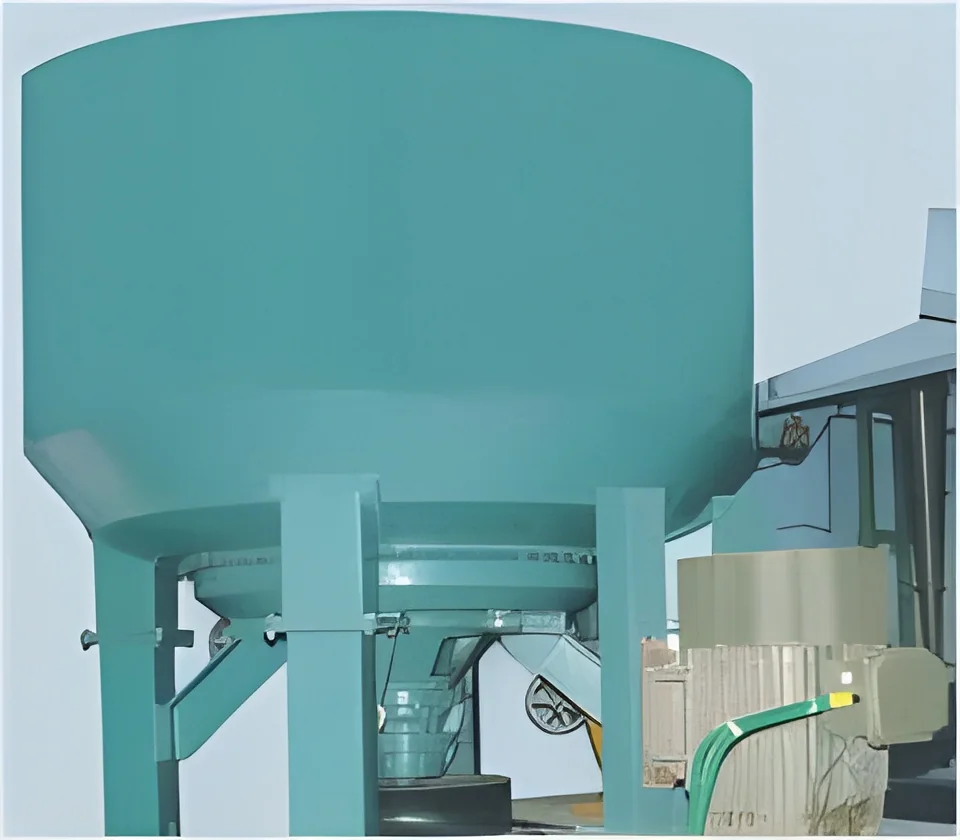
What are Recycled Paper Pulp?
Recycled paper pulp is a material created by processing used paper products, transforming them into a fiber form suitable for various applications. The recycling process involves collecting, deinking, and pulping paper waste, which significantly reduces the need for virgin raw materials. This sustainable approach not only minimizes environmental impact but also contributes to waste reduction in landfills.
The primary uses of recycled paper pulp include manufacturing products such as paper, cardboard, and other packaging materials. Businesses across multiple sectors utilize this pulp to create eco-friendly products that meet consumer demand for sustainability. Furthermore, recycled paper pulp plays a vital role in industries such as printing, publishing, and packaging, where the need for environmentally responsible materials is growing.
In the current market context, the demand for recycled paper pulp is increasing as companies strive to enhance their sustainability efforts. This shift is driven by consumer preferences for green products and regulatory pressures on waste management. As a result, the recycled paper pulp industry is positioned for growth, providing businesses with a renewable resource that aligns with global sustainability goals.
Key Features and Specifications
Recycled paper pulp is characterized by several key features that make it suitable for diverse applications. Understanding these specifications is essential for businesses looking to source quality materials that meet their operational needs.
Key specifications include:
1. Fiber Composition
- Made from 100% post-consumer recycled paper
- Composed of various paper grades, including office paper, newspapers, and cardboard
2. Moisture Content
- Typically ranges from 5% to 15%
- Essential for maintaining pulp integrity during processing
3. Brightness Level
- Brightness levels usually range from 60% to 80%
- Influences the quality of the final paper products
4. pH Level
- Generally maintained between 6.5 to 8.5
- Critical for ensuring compatibility with various production processes
5. Fiber Length
- Average fiber length is between 0.5 to 2.0 mm
- Affects the strength and quality of the final manufactured products
6. Contaminant Levels
- Must adhere to specific limits for ink, adhesive, and other contaminants
- Ensures high-quality output in end products
In summary, understanding these specifications allows businesses to select recycled paper pulp that aligns with their production standards and sustainability goals.
Common Applications and Use Cases
Recycled paper pulp finds utility across various industries, supporting eco-friendly practices while fulfilling specific production needs.
1. Packaging Industry: Recycled paper pulp is widely used to produce cardboard boxes and packaging materials, reducing the environmental impact of packaging waste.
2. Printing and Publishing: This pulp serves as a raw material for newspapers, magazines, and books, catering to the demand for sustainable printed products.
3. Construction: Recycled paper pulp is utilized in the production of insulation materials and drywall, contributing to greener building practices.
4. Stationery: Many office supplies, such as notebooks and writing paper, are made from recycled paper pulp, appealing to environmentally conscious consumers.
5. Personal Care Products: Recycled paper pulp is also used in the manufacturing of products like tissue paper and paper towels, promoting sustainability in everyday items.
6. Food Packaging: Certain food-safe paper products are made from recycled paper pulp, ensuring compliance with environmental regulations while serving the food industry.
7. Arts and Crafts: Recycled paper pulp is popular in the arts and crafts sector for creating handmade papers and other artistic applications.
Product Variants and Subcategories
Recycled paper pulp is available in different forms to cater to specific industrial needs. Although specific subcategories are not available, the diversity in applications allows for tailored solutions.
High Quality Recycled Paper Pulp
This variant is optimized for premium printing and publishing applications, featuring higher brightness and lower contaminant levels. It is ideal for producing high-quality books and magazines.
Standard Recycled Paper Pulp
This variant serves general packaging and construction applications. It offers a balance between cost and quality, making it suitable for everyday use in packaging and insulation materials.
Benefits and Advantages
Sourcing recycled paper pulp provides numerous advantages for businesses committed to sustainability.
Key benefits include:
1. Environmental Sustainability: Using recycled paper pulp significantly reduces waste and conserves natural resources, contributing to a more sustainable future.
2. Cost-Effectiveness: Recycled paper pulp can often be sourced at lower prices than virgin pulp, providing financial benefits to manufacturers.
3. Market Demand: Increasing consumer preference for eco-friendly products means businesses can capitalize on this trend by utilizing recycled materials.
4. Regulatory Compliance: Using recycled paper pulp helps companies meet environmental regulations and sustainability goals, enhancing their corporate responsibility image.
5. Versatility: The broad range of applications for recycled paper pulp allows businesses to diversify their product offerings and cater to different markets.
6. Innovation Potential: The recycling process encourages innovation in product development and manufacturing techniques, leading to improved products and practices.
Buying Guide for B2B Buyers
When sourcing recycled paper pulp, companies should consider several key factors to ensure they select the right material for their needs.
1. Quality Assessment: Evaluate the fiber composition and contaminant levels to ensure consistency and quality in the final products.
2. Supplier Verification: Conduct thorough research to vet suppliers, focusing on their reputation, production standards, and sustainability practices.
3. Pricing and MOQ: Compare pricing structures and minimum order quantities to find a supplier that aligns with budgetary constraints and production needs.
4. Delivery and Lead Times: Discuss logistics and delivery timelines to ensure that the supplier can meet production schedules without delays.
5. Compliance Requirements: Familiarize yourself with industry regulations and standards to ensure that the recycled paper pulp meets all necessary compliance criteria.
Compliance and Certifications
Recycled paper pulp is subject to various quality standards and regulatory requirements that ensure safety and performance in industrial applications.
Relevant standards include ISO 9001, which outlines quality management systems, ensuring suppliers meet customer and regulatory requirements. Additionally, certifications such as CE and UL demonstrate compliance with safety and performance standards in specific markets.
Safety and testing requirements are critical, as they ensure that recycled paper pulp is free from harmful contaminants and suitable for its intended use. Regional compliance considerations, including local environmental regulations and standards, must also be addressed to ensure responsible sourcing and manufacturing practices.
Why Source Recycled Paper Pulp from Pepagora?
Pepagora offers a trusted platform for sourcing recycled paper pulp, presenting several key advantages for B2B buyers.
Verified Supplier Network: Our platform features a network of verified suppliers, ensuring that buyers can connect with reputable manufacturers who meet high-quality standards.
Streamlined RFQ Process: Pepagora simplifies the request for quotation (RFQ) process, allowing businesses to quickly receive competitive quotes tailored to their specific needs.
Trade Assurance and Support: We provide trade assurance programs that protect buyers throughout the purchasing process, ensuring confidence in their transactions.
Regional Coverage: Pepagora's reach extends across India, the GCC, and Southeast Asia, facilitating connections with suppliers in key markets and enhancing sourcing opportunities for businesses in these regions.

 IN
IN