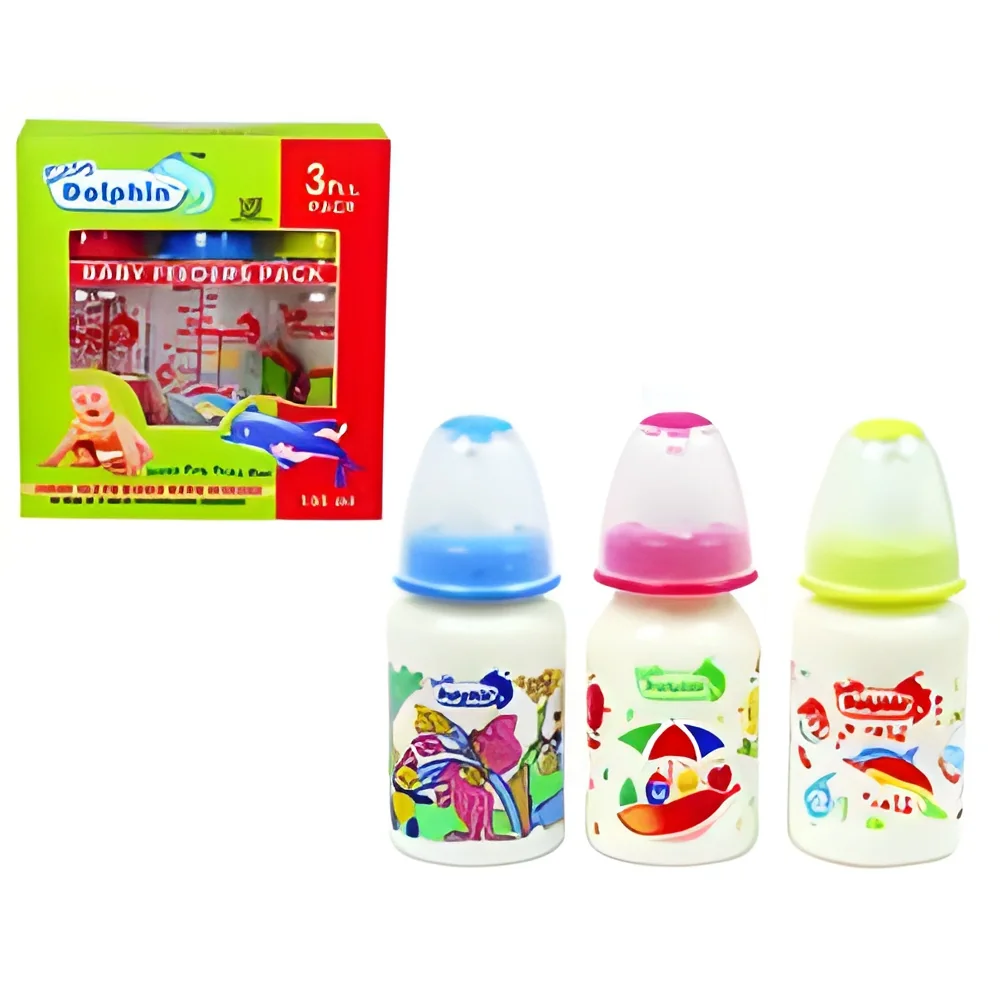
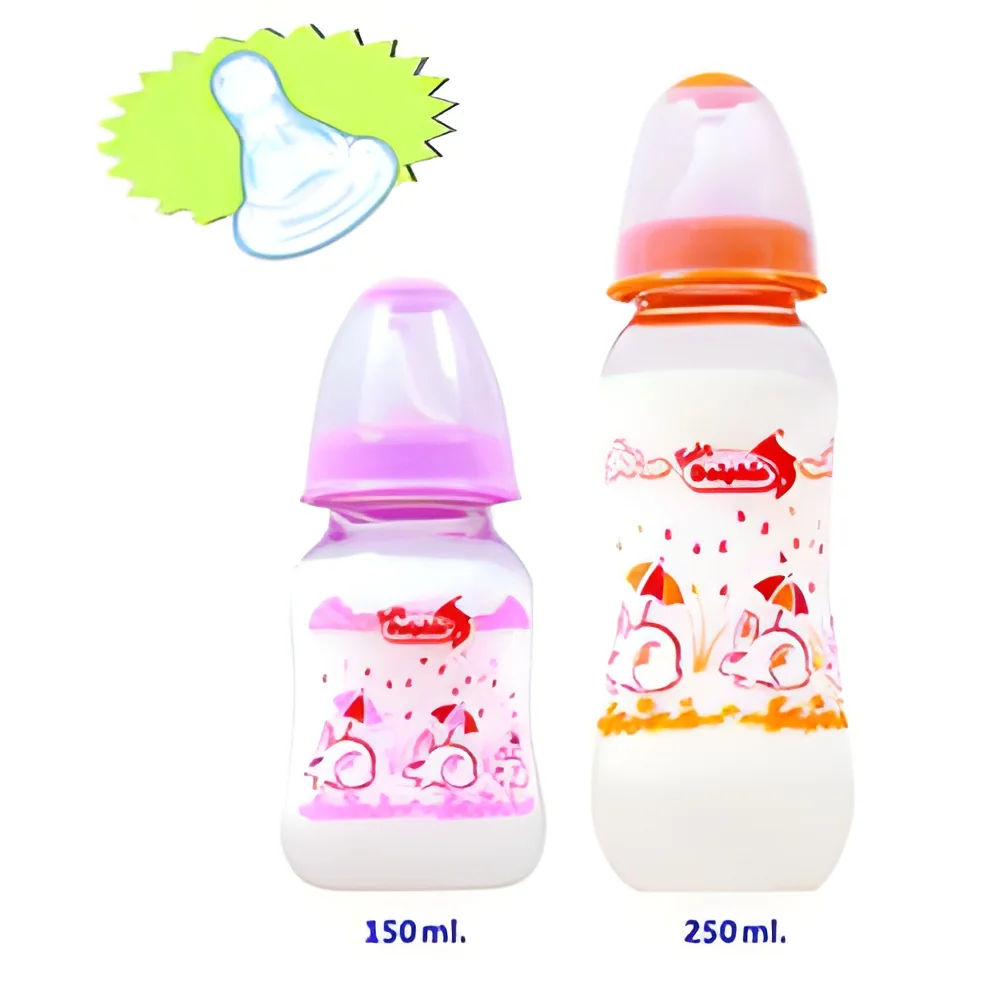
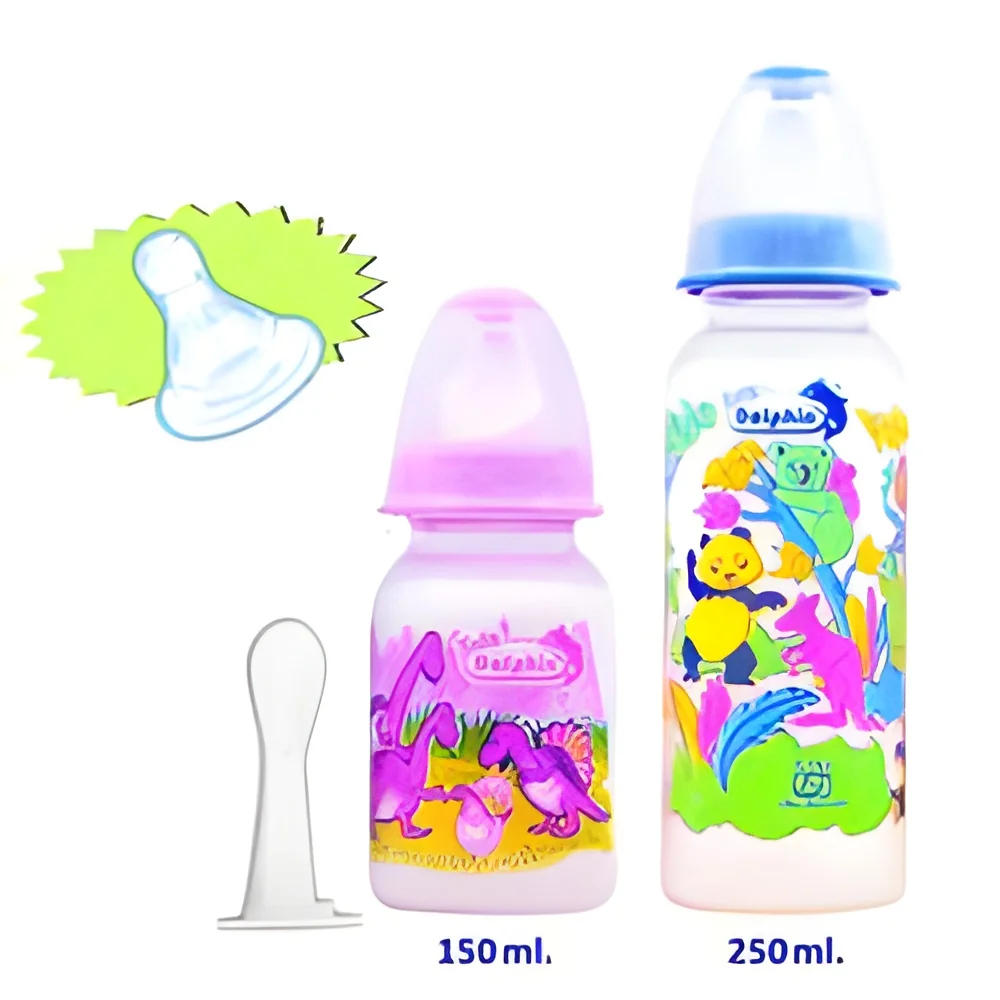
What are Feeding Bottles & Nipples?
Feeding bottles and nipples are essential products designed to facilitate the feeding of infants and young children. The bottles are typically made from materials such as glass or plastic, featuring a wide neck for easy filling and cleaning. Nipples, which are attached to the bottles, are made from silicone or latex and come in various shapes and sizes to suit different feeding preferences and needs.
These products are commonly used in healthcare settings such as hospitals and pediatric clinics, as well as in homes for parents and caregivers. Feeding bottles and nipples are vital for situations where breastfeeding is not possible or when supplementing breastfeeding with formula or expressed milk. Their design focuses on mimicking a natural breastfeeding experience to ensure comfort for the infant.
In the context of the growing baby care market, feeding bottles and nipples hold significant relevance. With increasing awareness about infant nutrition and hygiene, there is a rising demand for high-quality feeding solutions. This trend is further supported by innovations in product design that enhance safety and usability, making these items crucial for both consumers and manufacturers in the industry.
Key Features and Specifications
When considering feeding bottles and nipples, understanding their key features and specifications is essential for making informed decisions. These products vary widely in design, material, and functionality, tailored to meet the unique needs of infants and their caregivers.
Key specifications include:
1. Material
- Commonly made from BPA-free plastic, glass, or silicone
- Ensures safety and compliance with health regulations
2. Nipple Flow Rate
- Available in various flow rates (slow, medium, fast)
- Accommodates different ages and feeding preferences
3. Size Options
- Typically offered in 4 oz, 8 oz, and larger capacities
- Allows for individual choice based on feeding needs
4. Shape
- Wide neck or standard neck designs available
- Facilitates easy cleaning and filling
5. Sterilization Method
- Can be dishwasher safe or suitable for sterilization
- Ensures hygiene and safety for infant use
6. Compatibility
- Some bottles fit specific brands of nipples or accessories
- Provides flexibility for users to mix and match
7. Leak-Proof Design
- Many products feature anti-colic and leak-proof technologies
- Reduces mess and enhances feeding experience
8. Age Recommendations
- Products often include age labels for optimal use
- Helps caregivers select the right bottle for their child
In summary, selecting the right feeding bottles and nipples involves considering these specifications to ensure safety, functionality, and comfort for infants.
Common Applications and Use Cases
Feeding bottles and nipples find applications across various industries, each fulfilling specific needs.
1. Healthcare: Hospitals and clinics use specialized feeding bottles for premature or ill infants, ensuring proper nutrition and hydration.
2. Childcare: Daycare centers utilize feeding bottles for feeding infants, ensuring consistency and ease of use for multiple caregivers.
3. Retail: Baby product retailers stock a variety of feeding bottles and nipples to cater to parents' diverse preferences and requirements.
4. E-commerce: Online platforms offer a wide range of options, allowing parents to compare features and prices conveniently.
5. Hospitality: Some hotels and resorts provide feeding bottles for families traveling with infants, enhancing guest comfort.
6. Nutrition: Manufacturers of baby formula often partner with feeding bottle brands to create bundled products for consumers.
7. Parenting Services: Organizations offering parenting classes may include feeding bottles in their educational resources, guiding new parents on feeding practices.
Product Variants and Subcategories
Feeding bottles and nipples come in diverse variants to cater to different preferences and requirements.
Classic Feeding Bottles
These bottles are designed with a traditional shape and are available in various materials. They often include a standard nipple, making them a popular choice among parents.
Anti-Colic Bottles
Designed with unique venting systems, these bottles reduce gas and colic in infants. They are particularly beneficial for babies who experience discomfort during feeding.
Narrow Neck Bottles
These bottles are easier for infants to hold and drink from. They are designed to closely mimic the breastfeeding experience, making transitions smoother.
Wide Neck Bottles
These bottles feature a wider opening for easier filling and cleaning. They often come with various nipple options to match the bottle's design.
Benefits and Advantages
Feeding bottles and nipples offer several advantages that make them an essential choice for parents and caregivers.
1. Convenience: Feeding bottles allow for flexible feeding schedules, enabling caregivers to feed infants easily, even on the go.
2. Hygiene: Many feeding bottles are designed to be easily sterilized, ensuring that they remain safe for infant use.
3. Comfort: Nipples designed to mimic the natural shape and feel of a mother's breast can help infants transition between breastfeeding and bottle-feeding.
4. Variety: With numerous options available, caregivers can choose bottles and nipples that best suit their child's specific needs.
5. Compatibility: Many feeding bottles can be used with standard breast pumps, allowing for easy transfer of milk directly into the bottle.
6. Safety: High-quality materials used in manufacturing ensure that feeding bottles and nipples meet safety standards, providing peace of mind to parents.
Buying Guide for B2B Buyers
When sourcing feeding bottles and nipples for business needs, it is crucial to consider several factors to ensure quality and reliability.
1. Quality Assessment: Evaluate materials used in production, ensuring they are BPA-free and comply with safety regulations. Look for certifications that demonstrate adherence to industry standards.
2. Supplier Verification: Conduct thorough background checks on potential suppliers to confirm their reputation and reliability. Request product samples to assess quality firsthand.
3. Pricing and MOQ: Understand the market pricing and negotiate minimum order quantities (MOQ) that align with your budget and inventory needs. Consider bulk purchasing for cost savings.
4. Delivery and Lead Times: Discuss logistics with suppliers to confirm delivery schedules and lead times. Ensure they can meet your supply chain demands.
5. Compliance Requirements: Verify that the products meet local and international regulatory requirements. Ensure that suppliers provide necessary documentation and certifications.
Compliance and Certifications
Feeding bottles and nipples must adhere to various compliance and certification standards to ensure safety and quality.
Relevant quality standards include ISO 9001, which focuses on quality management systems, ensuring manufacturers consistently meet customer and regulatory requirements. HACCP (Hazard Analysis and Critical Control Points) guidelines may also apply, particularly in food safety contexts.
Industry certifications such as CE mark indicate compliance with European health, safety, and environmental protection standards. This certification assures buyers that the products meet necessary safety requirements.
Safety and testing requirements are crucial in the production of feeding bottles and nipples. Products are often subjected to rigorous testing to ensure they are free from harmful substances and contaminants.
Regional compliance considerations may vary based on market demands. It is essential for manufacturers to stay updated on local regulations and standards to maintain market access and consumer trust.
Why Source Feeding Bottles & Nipples from Pepagora?
Pepagora offers a trusted platform for sourcing feeding bottles and nipples with several key advantages.
Verified Supplier Network: Pepagora conducts thorough vetting of suppliers to ensure that only reputable manufacturers are listed. This helps buyers find reliable sources quickly and efficiently.
Streamlined RFQ Process: The Request for Quotation (RFQ) system allows buyers to easily submit inquiries and receive competitive quotes from multiple suppliers. This facilitates informed purchasing decisions.
Trade Assurance and Support: Pepagora provides buyer protection through trade assurance, ensuring that transactions are secure. Additionally, dedicated support is available to assist buyers throughout the sourcing process.
Regional Coverage: With a strong presence in India, the GCC, and Southeast Asia, Pepagora connects buyers with local and regional suppliers, enhancing accessibility and reducing shipping times.
By choosing Pepagora, businesses can confidently source high-quality feeding bottles and nipples that meet their needs while benefiting from a robust support system.

 IN
IN

 India
India