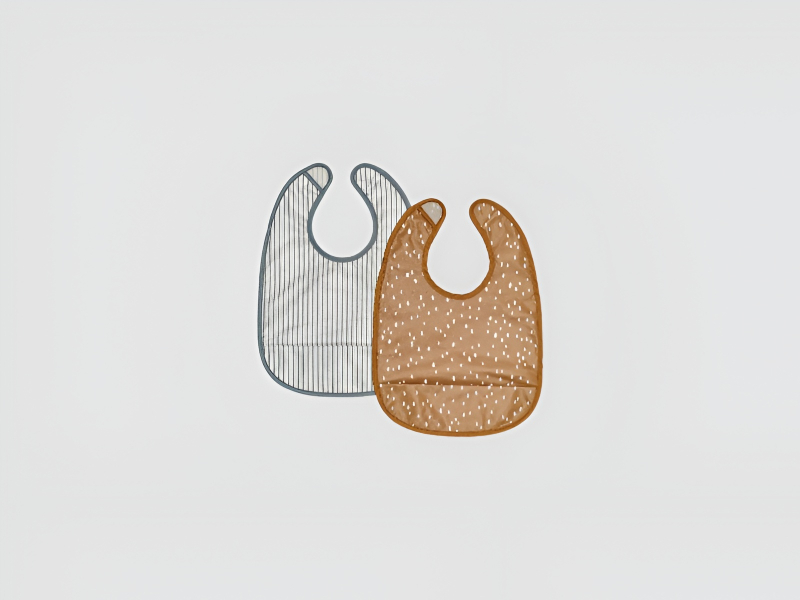
What are Baby Bibs & Burp Cloths?
Baby bibs and burp cloths are essential textile products designed for infants and toddlers. Baby bibs are typically worn around the neck to catch food, drool, and spills during feeding times. They come in various styles, such as traditional, bandana, or waterproof bibs. Burp cloths are larger pieces of fabric placed over the shoulder or lap to absorb spit-up and drool after feeding. Both products are important for maintaining cleanliness and hygiene for babies and their caregivers.
The primary uses of baby bibs and burp cloths extend beyond simple cleanliness. They protect clothing from stains, help prevent skin irritation, and provide comfort for both the baby and the caregiver. In a business context, these products are widely used by retailers, daycare centers, hospitals, and pediatric clinics. They are often included in gift sets or sold in bulk to meet the needs of parents and caregivers.
In terms of industry relevance, the market for baby bibs and burp cloths is influenced by the increasing demand for baby care products. As more parents prioritize hygiene and convenience, the market continues to grow. Manufacturers are focusing on innovative designs, materials, and functionality to meet consumer preferences, making this an active field within the baby product industry.
Key Features and Specifications
Baby bibs and burp cloths have a variety of features and specifications that cater to different needs and preferences. Understanding these specifications is crucial for businesses looking to source products that meet customer demands.
Key specifications include:
1. Material Composition
- Common materials include cotton, polyester, and microfiber.
- Fabrics should be soft, absorbent, and hypoallergenic.
2. Size Variations
- Bibs typically range from 7 to 12 inches in width.
- Burp cloths can vary from 10 to 20 inches in length.
3. Closure Types
- Closure options include Velcro, snaps, or ties.
- Each type offers different levels of adjustability and ease of use.
4. Washability
- Many products are machine washable and dryable.
- Some are designed to withstand high-temperature washing.
5. Waterproof Options
- Certain bibs feature a waterproof backing to prevent leaks.
- Ideal for messy eaters or during teething phases.
6. Customization Potential
- Many suppliers offer customization in terms of colors and designs.
- Branding options are available for business buyers.
7. Safety Standards
- Products should meet safety standards to ensure they are free from harmful substances.
- Compliance with regulations such as CE is crucial.
In summary, understanding the features and specifications of baby bibs and burp cloths helps businesses make informed purchasing decisions, ensuring they select products that align with consumer needs.
Common Applications and Use Cases
Baby bibs and burp cloths find applications across various industries, catering to both individual consumers and businesses.
1. Retail: Retailers often stock a range of bibs and burp cloths to meet consumer demands. These items can be found in baby sections or as part of gift packages.
2. Daycare Centers: Daycare facilities use bibs and burp cloths to maintain hygiene during feeding times. They often require bulk orders to accommodate multiple infants.
3. Hospitals: Hospitals and pediatric clinics utilize these products for newborn care, providing families with essential items during their stay.
4. E-commerce: Online retailers benefit from the growing trend of personalized baby products, offering customized bibs and burp cloths.
5. Gift Shops: Gift shops feature these items as popular gifts for baby showers and new parents. Unique designs and packaging are key selling points.
6. Parenting Classes: Organizations offering parenting classes often include bibs and burp cloths in their educational materials, helping new parents understand their importance.
7. Charitable Organizations: Many charities focus on providing essential baby items, including bibs and burp cloths, to families in need.
Product Variants and Subcategories
Baby bibs and burp cloths come in diverse variants to meet various needs and preferences.
Classic Bibs
Classic bibs are the most common type, designed to be simple yet functional. They often feature absorbent materials and adjustable fastenings, making them suitable for everyday use.
Bandana Bibs
These trendy bibs resemble bandanas and are designed for style as well as function. They are often made from soft, absorbent fabrics and are popular among fashion-conscious parents.
Waterproof Bibs
Waterproof bibs are engineered with a silicone or plastic backing to prevent spills from soaking through. They are ideal for messy eaters and are easy to clean.
Burp Cloths
Burp cloths come in various shapes and sizes, designed for comfort and maximum absorbency. They can be used during feeding or as a protective layer on clothing.
Organic Cotton Bibs
Organic cotton bibs are made from eco-friendly materials. They are free from harmful chemicals and are ideal for parents seeking sustainable options.
Benefits and Advantages
Sourcing baby bibs and burp cloths offers numerous benefits for both consumers and businesses.
1. Hygiene Maintenance: These products help keep babies clean during feeding, reducing the need for frequent outfit changes and promoting hygiene.
2. Cost-Effectiveness: High-quality bibs and burp cloths can be reused, providing a cost-effective solution for parents and caregivers.
3. Comfort: Soft and absorbent materials ensure comfort for babies, minimizing irritation during feeding times.
4. Customization: Businesses can offer personalized options, catering to specific customer preferences and enhancing brand identity.
5. Versatile Use: These products serve multiple purposes, from feeding to burping, making them essential for any baby care routine.
6. Market Demand: The growing awareness of hygiene and convenience drives demand for these products, presenting a lucrative market opportunity.
Buying Guide for B2B Buyers
When sourcing baby bibs and burp cloths, businesses should consider several critical factors to ensure they select the right products.
1. Quality Assessment: Evaluate the materials and craftsmanship of the products. Look for certifications that ensure safety and durability.
2. Supplier Verification: Vet suppliers to confirm their reliability and reputation. Check for reviews and ratings from previous buyers.
3. Pricing and MOQ: Understand the pricing structure and minimum order quantities to manage budgets effectively. Compare costs among different suppliers.
4. Delivery and Lead Times: Consider the logistics of sourcing, including delivery times and shipping costs. Ensure suppliers can meet your timeline requirements.
5. Compliance Requirements: Be aware of any regulatory standards that must be met, such as safety certifications, to ensure the products are safe for infants.
Compliance and Certifications
Compliance and certifications play a crucial role in the production of baby bibs and burp cloths. Manufacturers should adhere to relevant quality standards to ensure safety and reliability of their products.
Quality standards such as ISO 9001 help establish a framework for consistent quality management practices. This standard ensures that manufacturers maintain high-quality processes throughout production.
Industry certifications like CE indicate that products comply with European health, safety, and environmental protection standards. This certification is essential for businesses looking to enter international markets.
Safety and testing requirements are critical, especially for products intended for infants. Rigorous testing ensures that materials used are non-toxic and free from harmful chemicals.
Regional compliance considerations vary based on local regulations and market requirements. Businesses should ensure they are aware of these regulations to avoid legal issues.
Why Source Baby Bibs & Burp Cloths from Pepagora?
Pepagora offers a trusted platform for sourcing baby bibs and burp cloths, providing buyers with several key advantages.
Verified Supplier Network: Pepagora connects buyers with a network of verified suppliers, ensuring that products meet quality and safety standards. This verification process adds a layer of trust for businesses sourcing essential baby products.
Streamlined RFQ Process: The platform features a streamlined request for quotation (RFQ) process, allowing buyers to easily compare prices and specifications from multiple suppliers. This efficiency helps businesses make informed purchasing decisions quickly.
Trade Assurance and Support: Pepagora provides trade assurance and support, safeguarding buyer investments. This protection builds confidence in the sourcing process, ensuring that businesses receive quality products as promised.
Regional Coverage: With a geographic reach that includes India, the GCC, and Southeast Asia, Pepagora facilitates access to a diverse market. This broad coverage allows businesses to tap into various consumer bases and expand their distribution channels.

 IN
IN