𝗪𝗵𝗮𝘁 𝗮𝗿𝗲 𝗕𝗮𝗯𝘆 𝗖𝗮𝗿𝗲 𝗣𝗿𝗼𝗱𝘂𝗰𝘁𝘀?
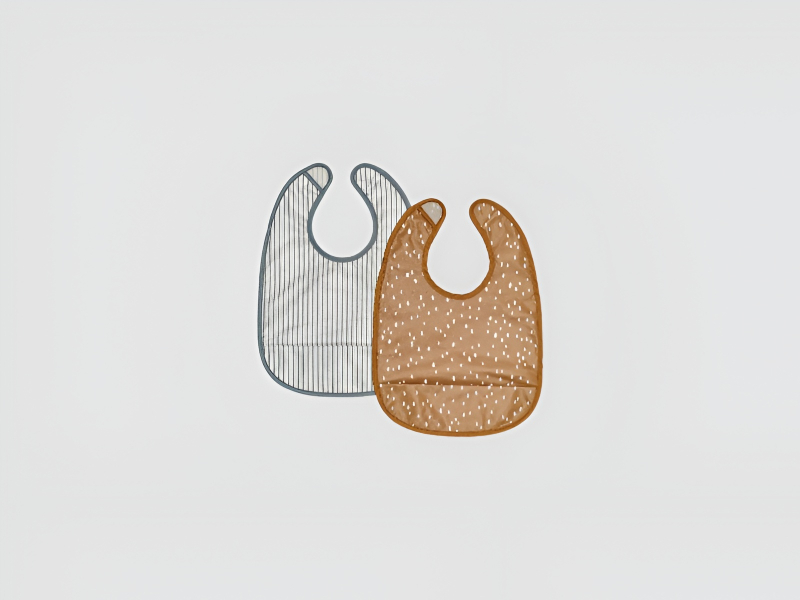
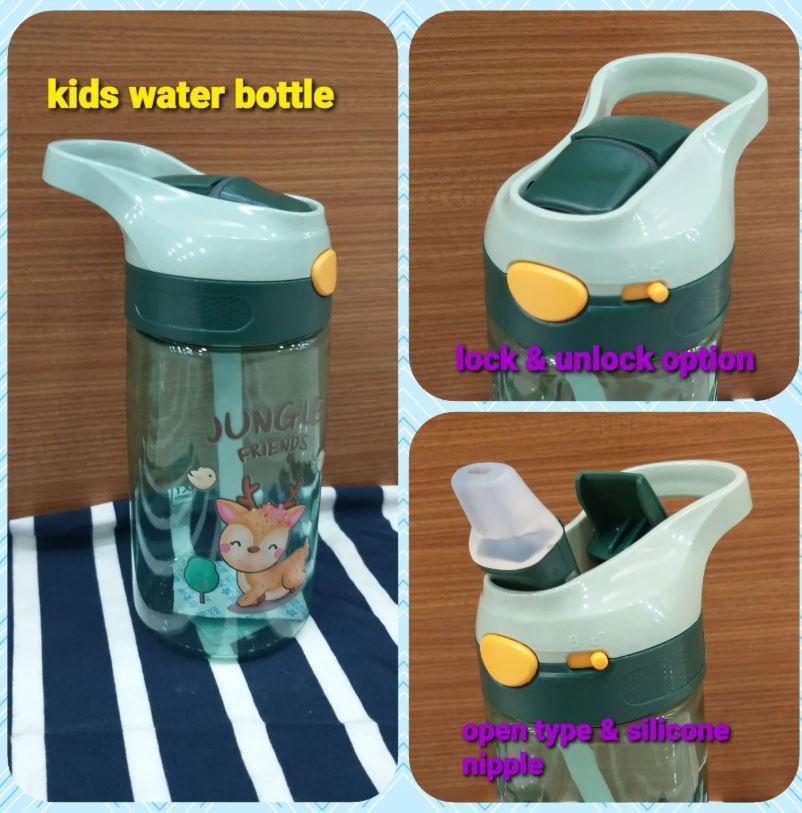
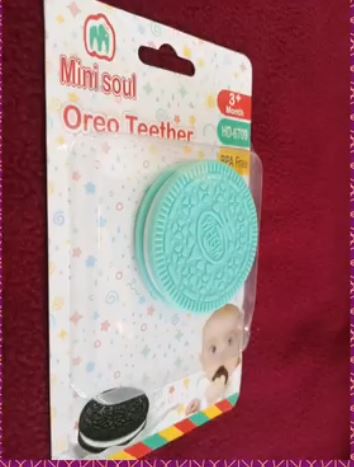
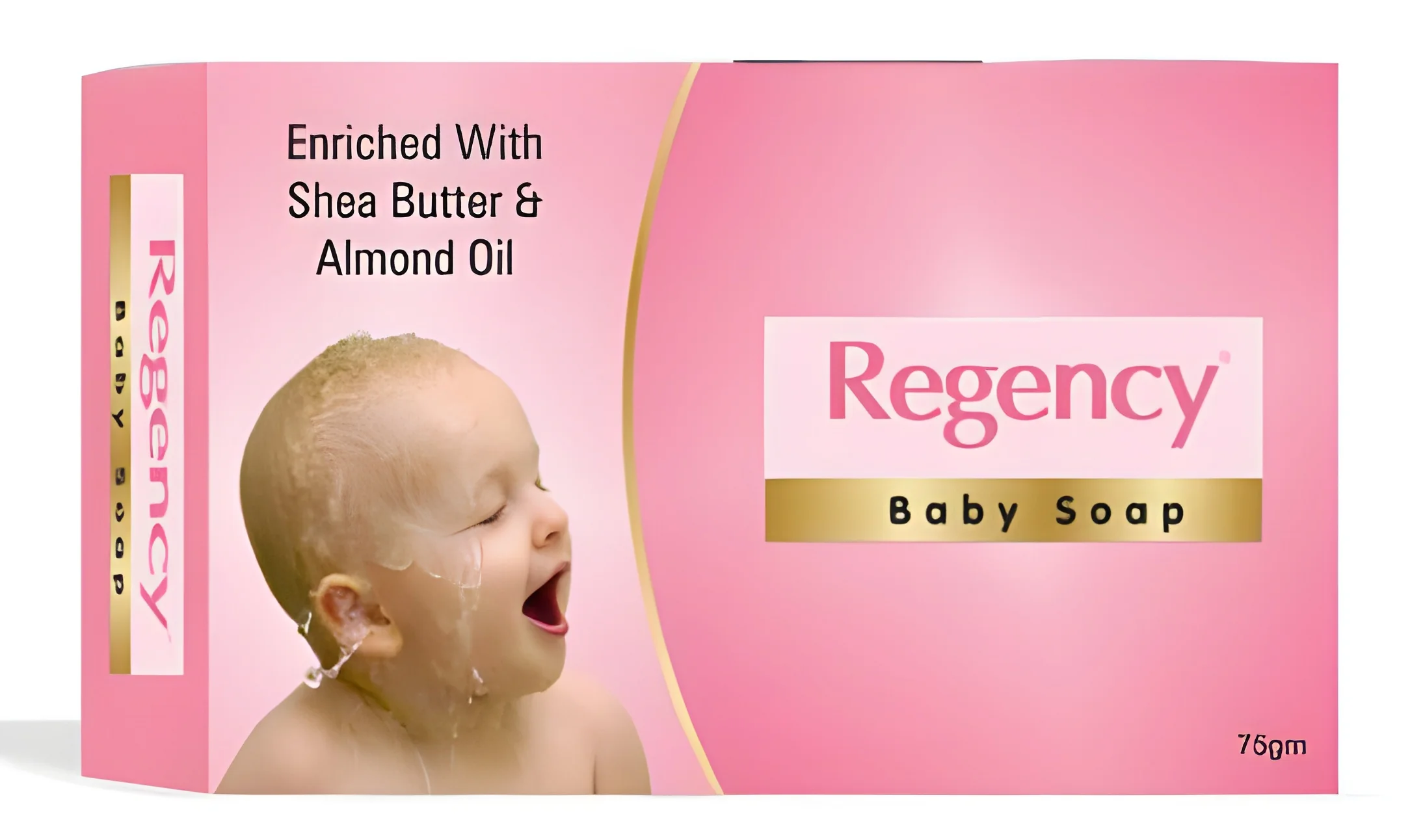
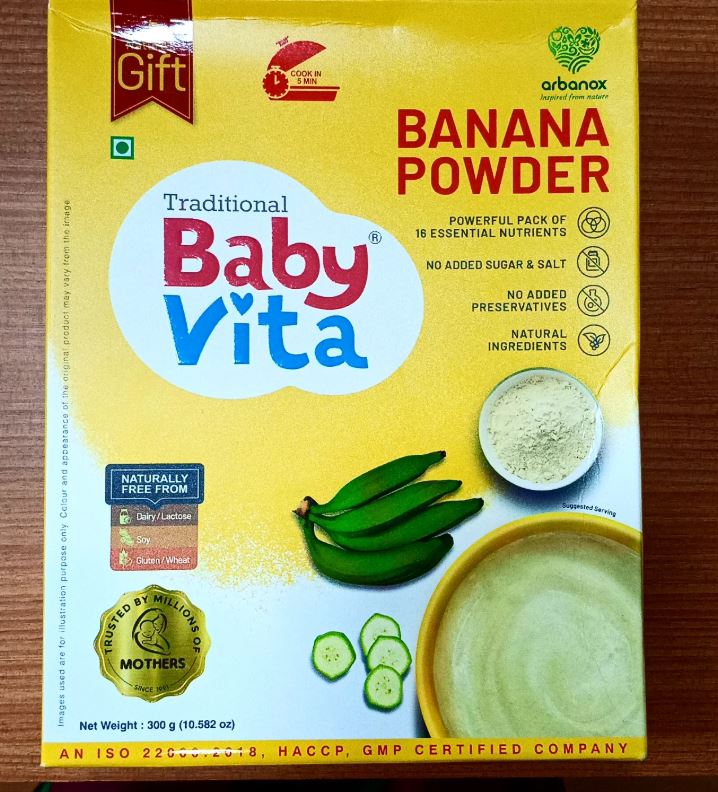
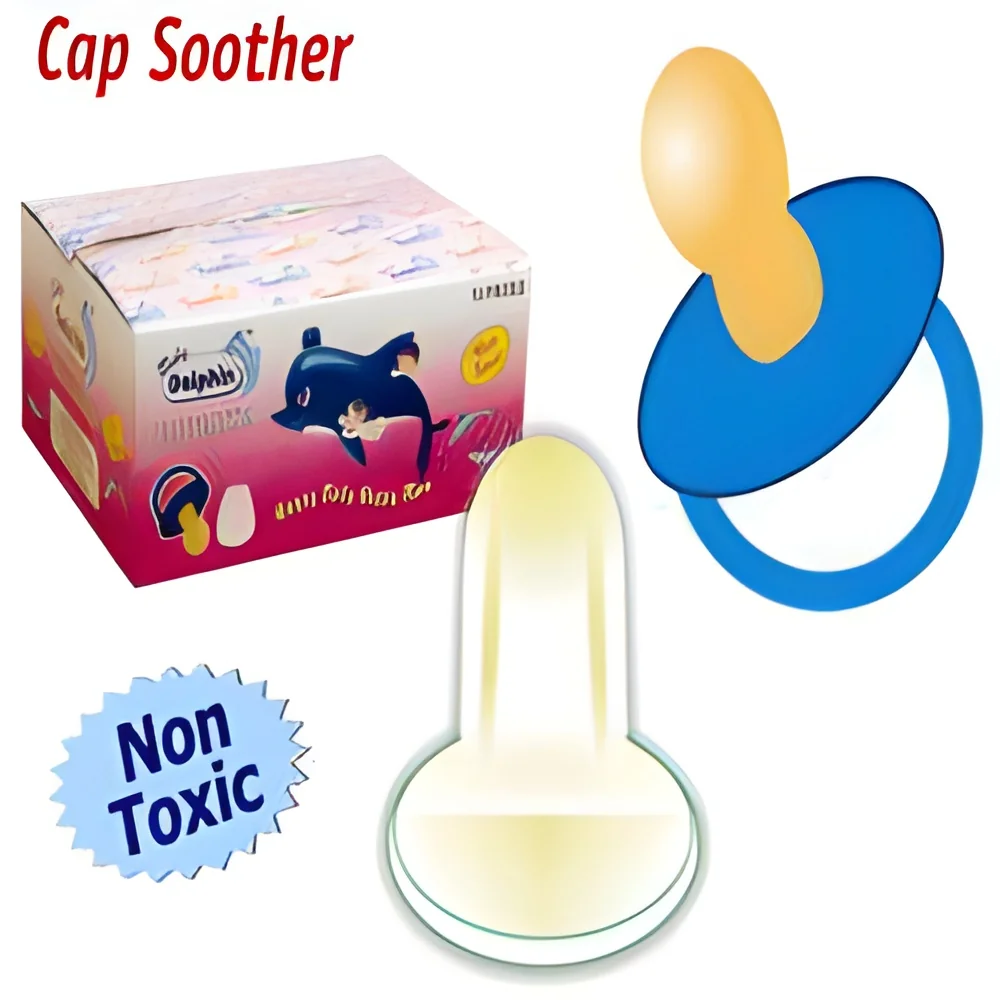
Baby care products encompass a wide range of items designed specifically for the hygiene, comfort, and well-being of infants and toddlers. These products include essentials such as diapers, baby wipes, lotions, shampoos, and other personal care items. The primary aim is to ensure the health and safety of babies while also providing convenience for parents and caregivers. These products are formulated with gentle ingredients that are safe for sensitive skin, which is particularly important for young children.
The primary uses of baby care products span across various business applications including retail, e-commerce, and wholesale distribution. These products are typically sold in supermarkets, pharmacies, and online marketplaces. Additionally, many companies also offer subscription services for baby care items, allowing parents to receive regular deliveries of necessary products. The industry is highly relevant as it addresses the ongoing demand for quality care products for children, driven by a growing awareness of health and safety standards among parents.
The baby care product market is extensive and continually evolving, with new products and innovations emerging to meet consumer demands. As more parents prioritize organic and eco-friendly products, manufacturers are adapting their offerings to include natural ingredients and sustainable packaging. This trend is indicative of a larger shift in consumer preferences within the industry, highlighting the importance of innovation and quality in baby care products.
𝗞𝗲𝘆 𝗙𝗲𝗮𝘁𝘂𝗿𝗲𝘀 𝗮𝗻𝗱 𝗦𝗽𝗲𝗰𝗶𝗳𝗶𝗰𝗮𝘁𝗶𝗼𝗻𝘀
Baby care products are designed with specific features to ensure safety and effectiveness. Understanding these specifications is essential for businesses when selecting suitable products for their inventory.
Key specifications include:
1. Ingredients
- Natural and hypoallergenic formulas
- Free from harmful chemicals and fragrances
2. Packaging
- Child-resistant and easy-to-use designs
- Eco-friendly and recyclable materials
3. Product Size
- Available in various sizes suitable for different age groups
- Convenient packaging sizes for both retail and bulk sales
4. Shelf Life
- Typically ranges from 12 to 24 months
- Must be clearly labeled for consumer awareness
5. Compliance Standards
- Must meet industry standards such as CE certification
- Compliance with local and international safety regulations
6. Moisture Control
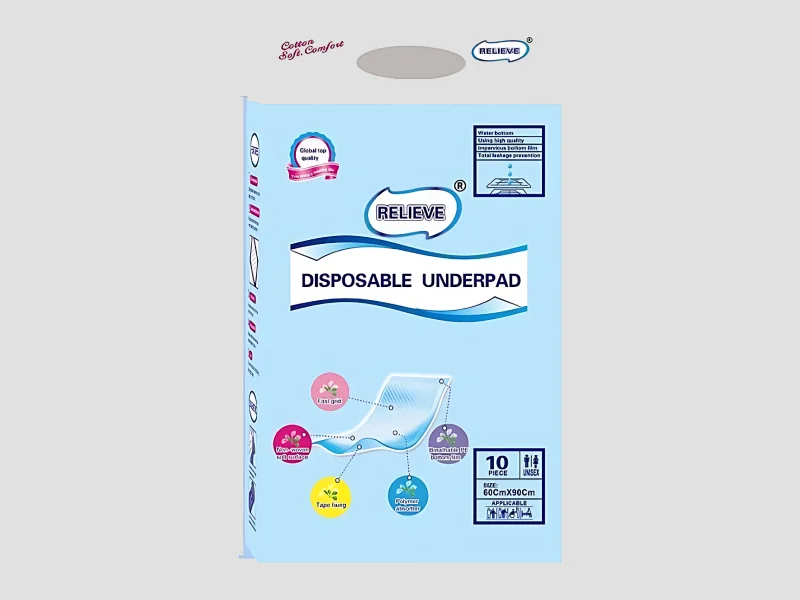
- Features that prevent leakage and maintain dryness
- Designed to manage humidity levels effectively
7. Dermatological Testing
- Products are often tested for skin irritation
- Ensures safety for sensitive baby skin
8. Performance Metrics
- Absorbency levels for diapers and wipes
- Effectiveness of lotions and creams
In summary, understanding the key features and specifications of baby care products is vital for businesses looking to meet consumer needs and ensure compliance with safety standards.
𝗖𝗼𝗺𝗺𝗼𝗻 𝗔𝗽𝗽𝗹𝗶𝗰𝗮𝘁𝗶𝗼𝗻𝘀 𝗮𝗻𝗱 𝗨𝘀𝗲 𝗖𝗮𝘀𝗲𝘀
Baby care products serve various industries, each with specific applications that cater to the needs of parents and caregivers.
1. Retail: Supermarkets and baby specialty stores stock a wide range of baby care products, providing essential items for everyday use.
2. E-commerce: Online platforms offer the convenience of home delivery, appealing to busy parents who prefer shopping from home.
3. Healthcare: Hospitals and clinics often use baby care products in neonatal units to ensure the hygiene and comfort of newborns.
4. Childcare Facilities: Daycares and preschools require bulk supplies of baby care items to cater to multiple children.
5. Subscription Services: Companies provide regular delivery of essential baby care products to parents, catering to their ongoing needs.
6. Gift Retail: Baby care products are popular items in gift baskets and registries for new parents.
7. Eco-Friendly Markets: With increasing awareness, many businesses focus on sustainable and organic baby care products for environmentally conscious consumers.
𝗣𝗿𝗼𝗱𝘂𝗰𝘁 𝗩𝗮𝗿𝗶𝗮𝗻𝘁𝘀 𝗮𝗻𝗱 𝗦𝘂𝗯𝗰𝗮𝘁𝗲𝗴𝗼𝗿𝗶𝗲𝘀
Baby care products come in a variety of forms, offering diverse options to meet different needs.
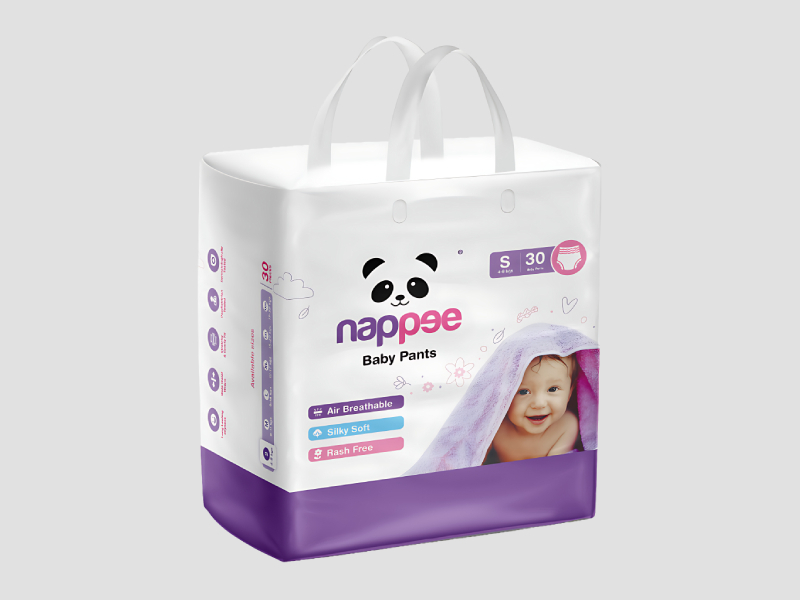
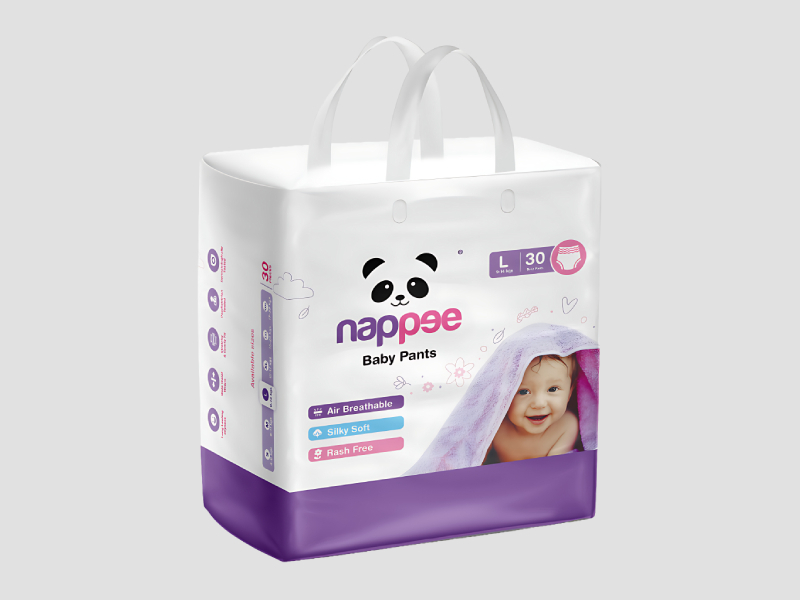
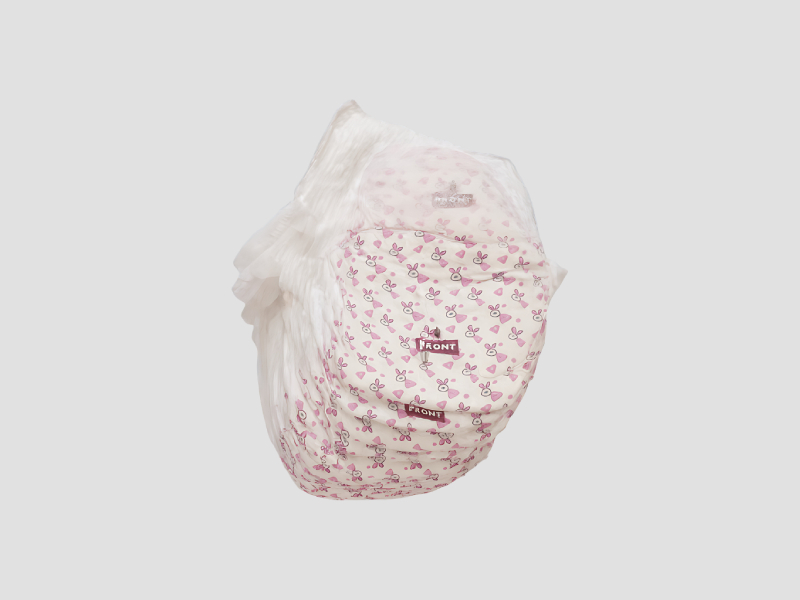
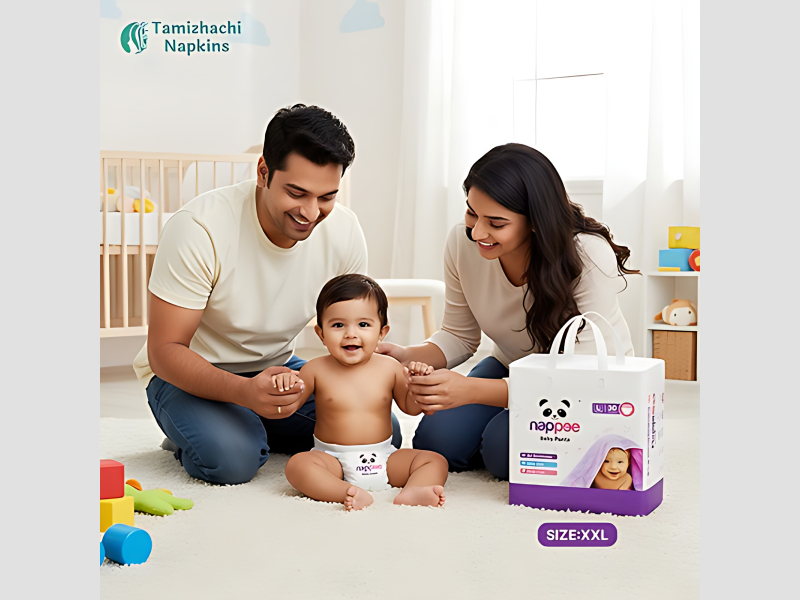
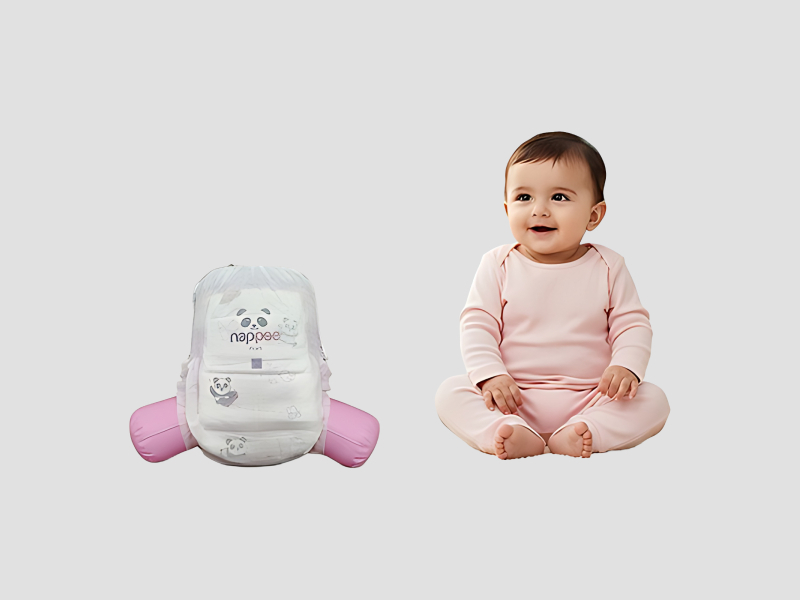
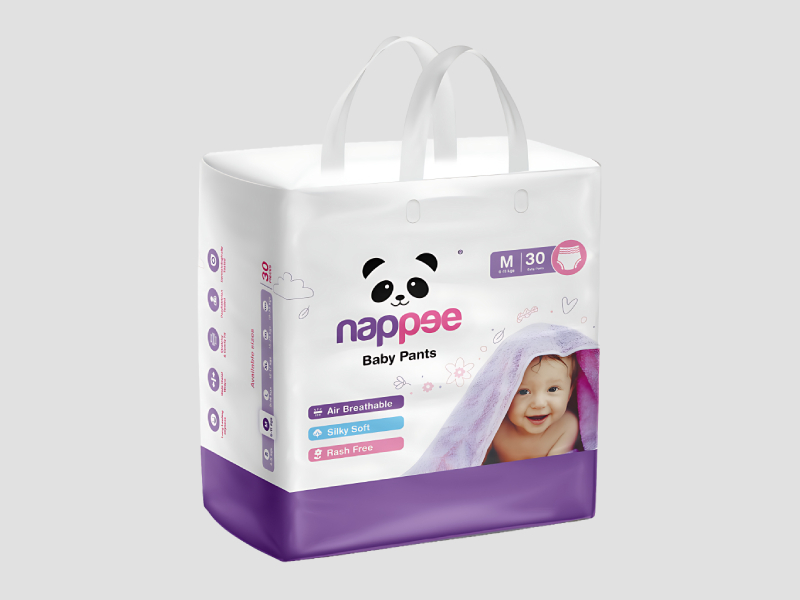
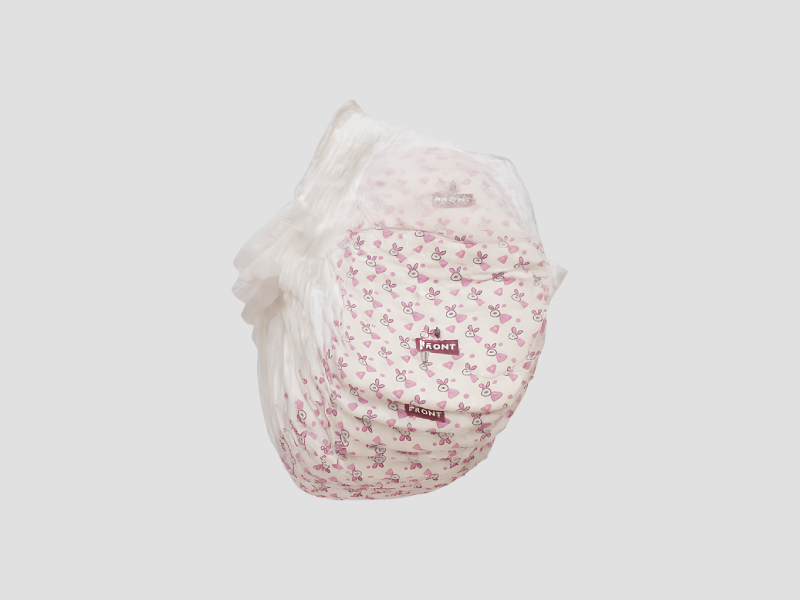
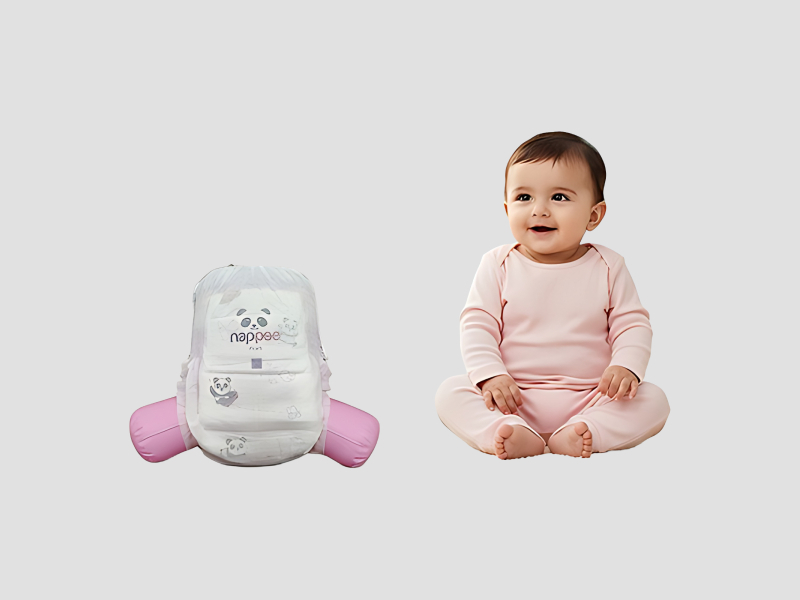
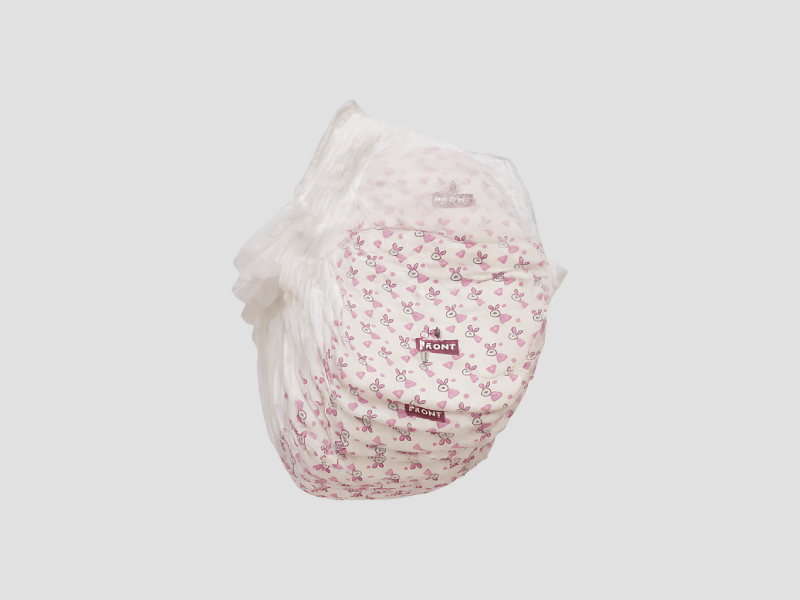
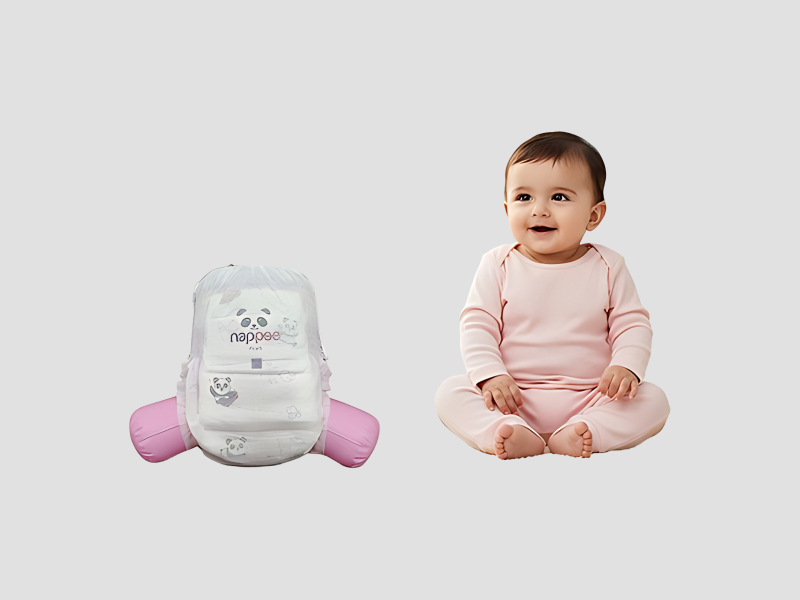
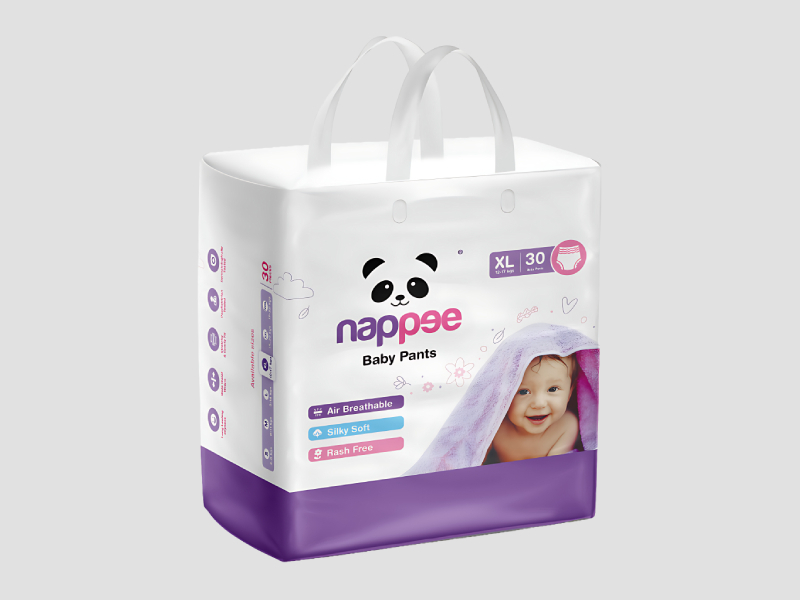
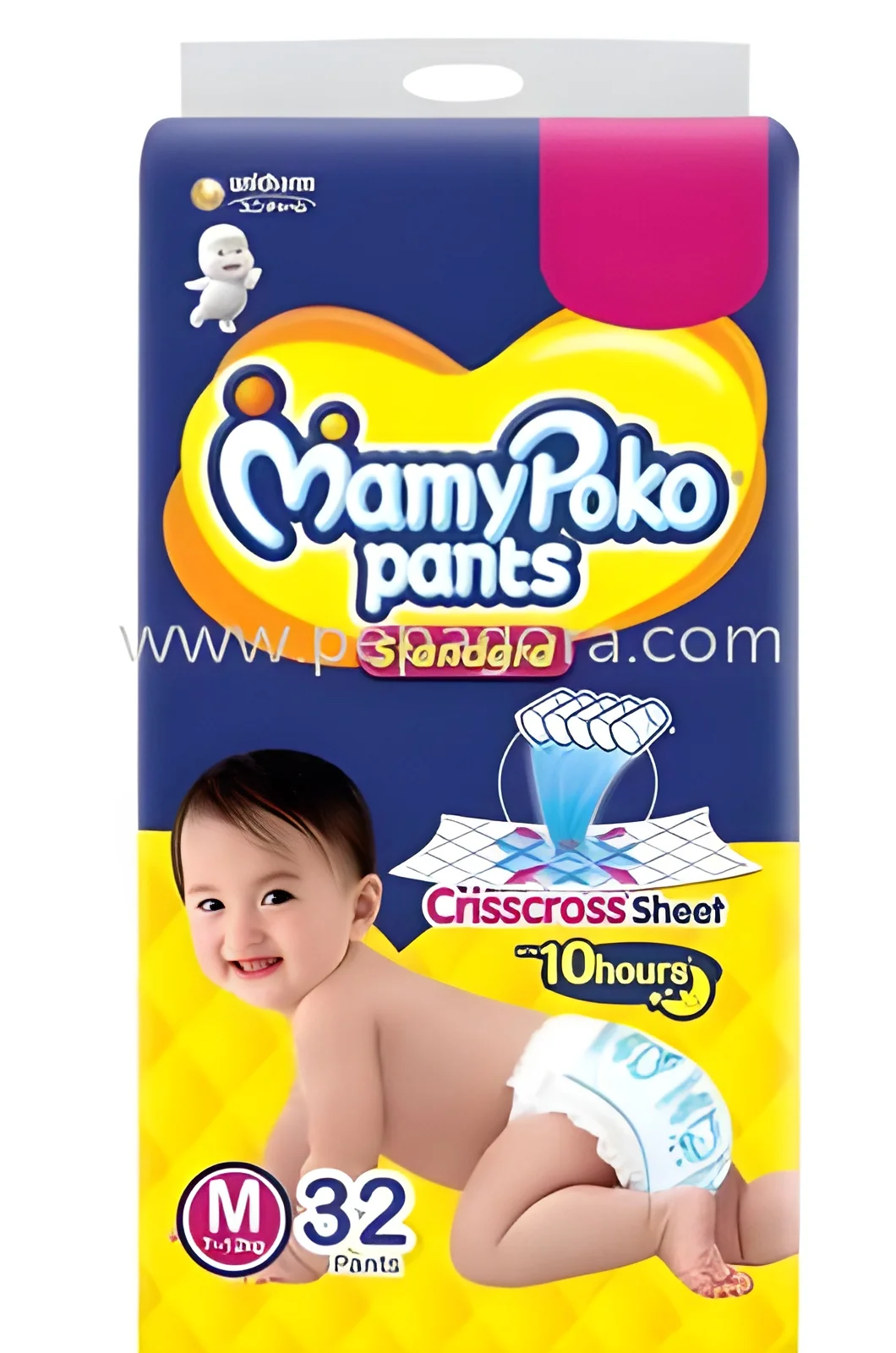
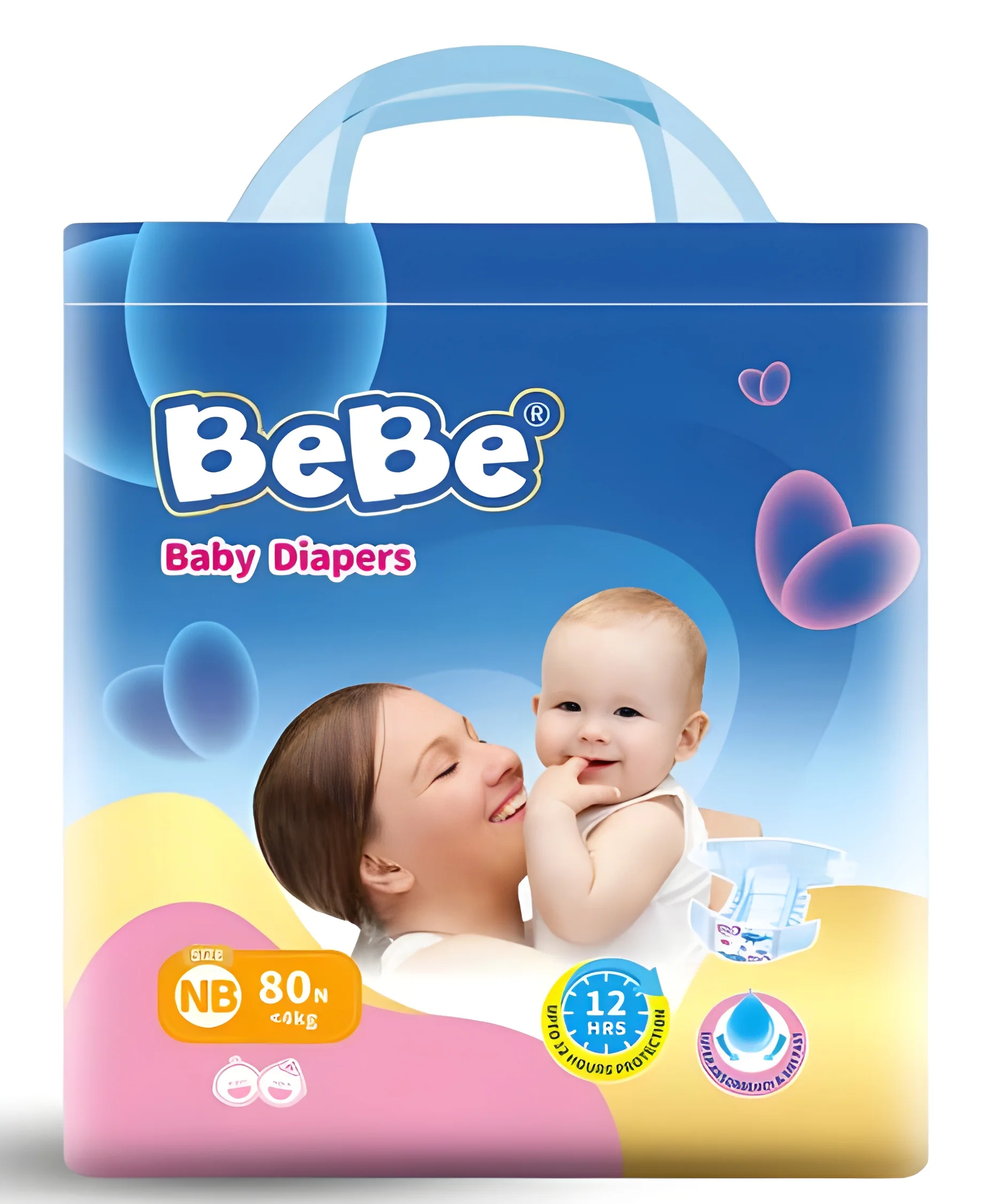
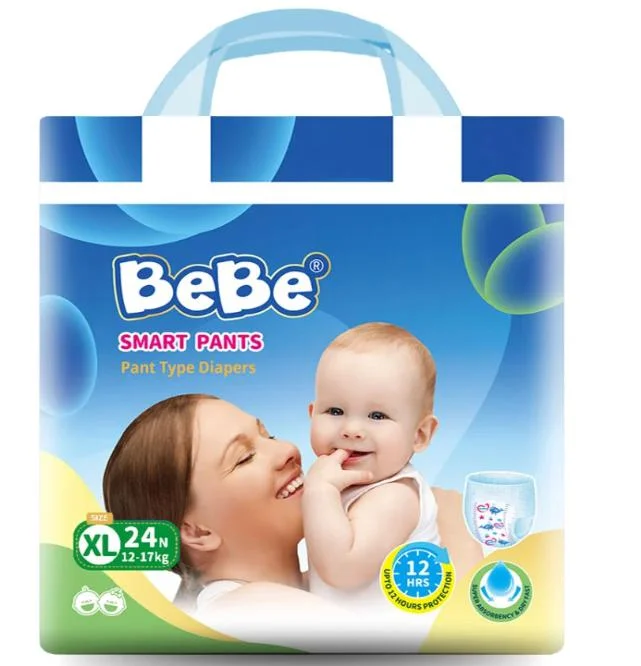
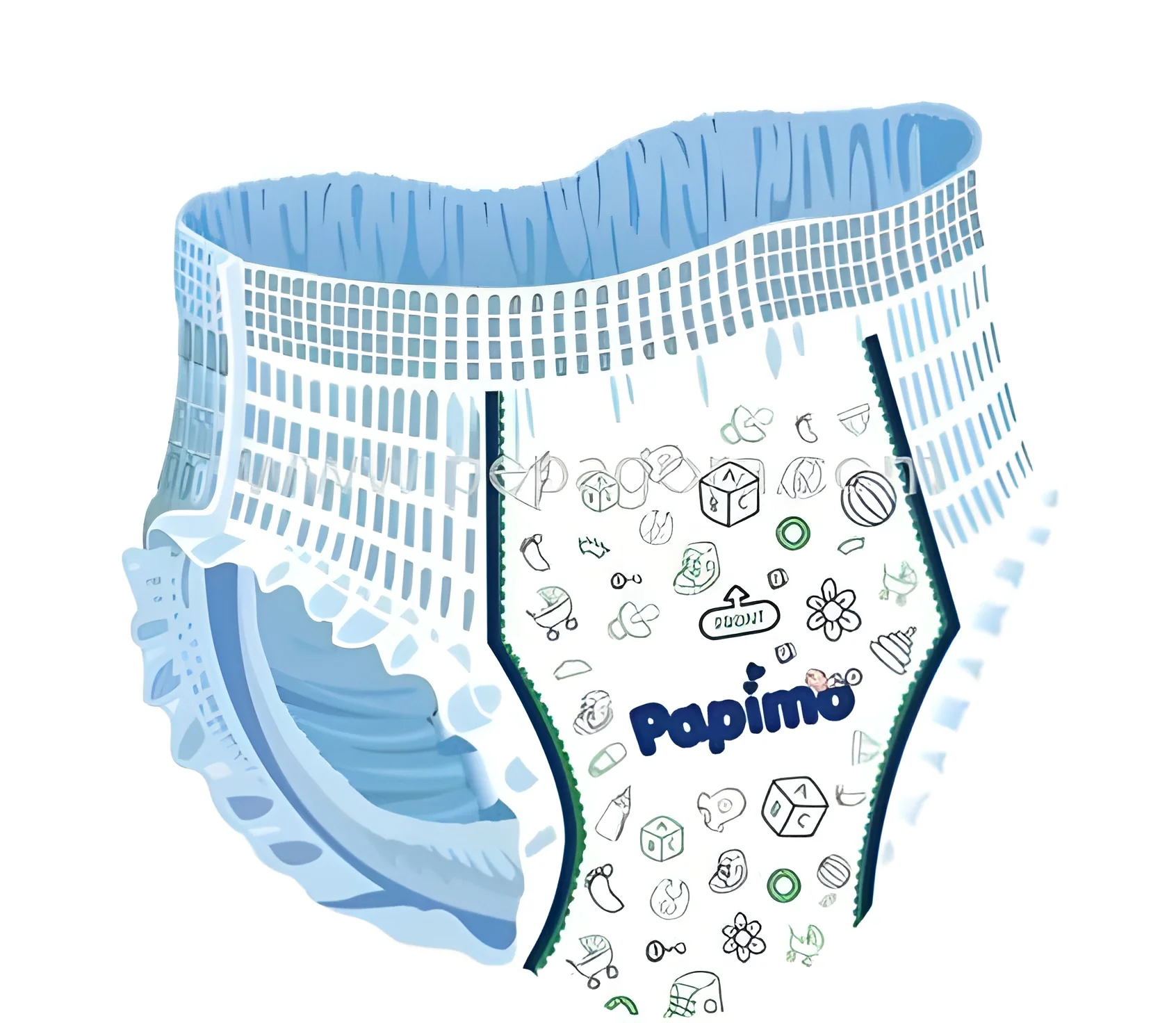
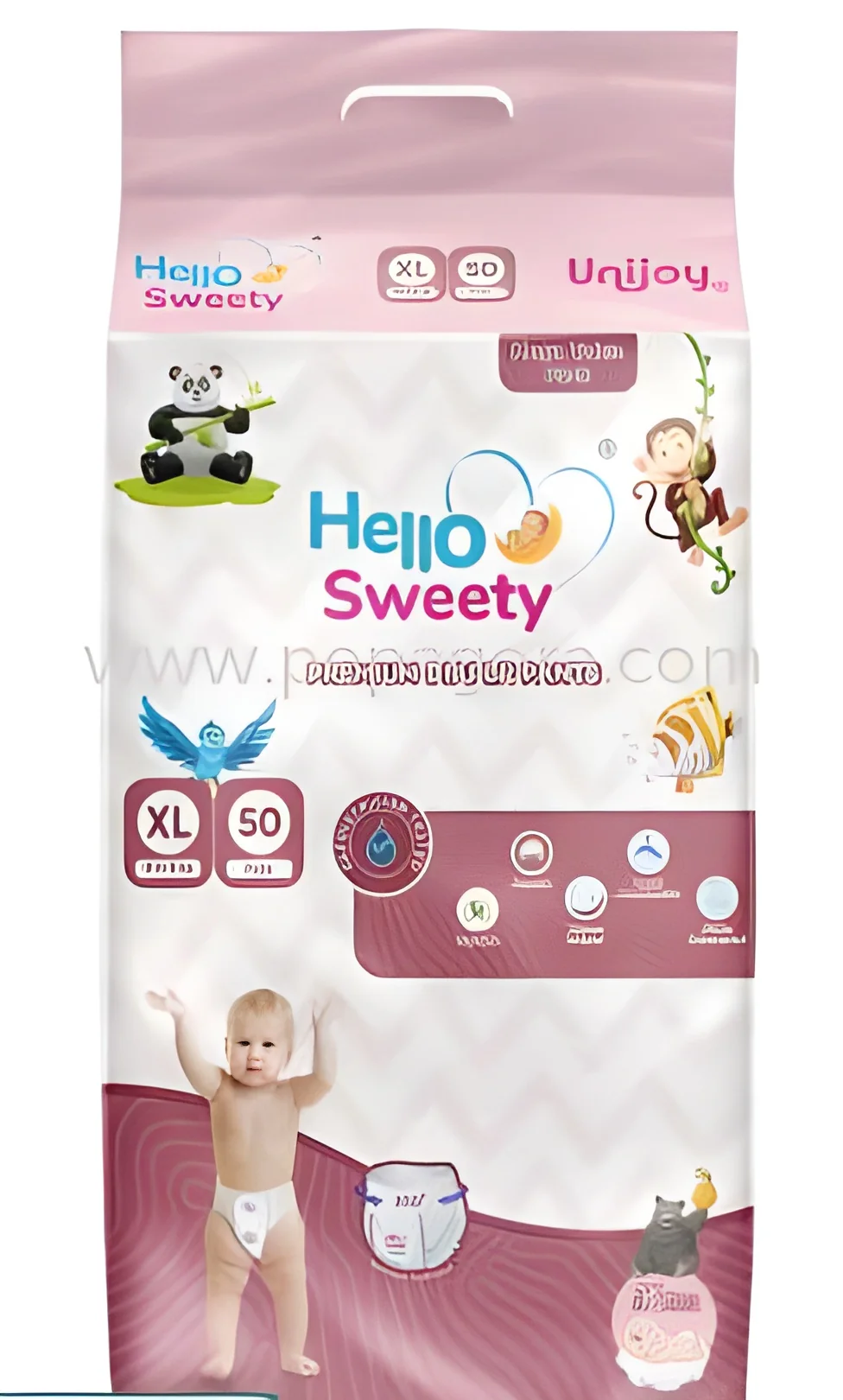
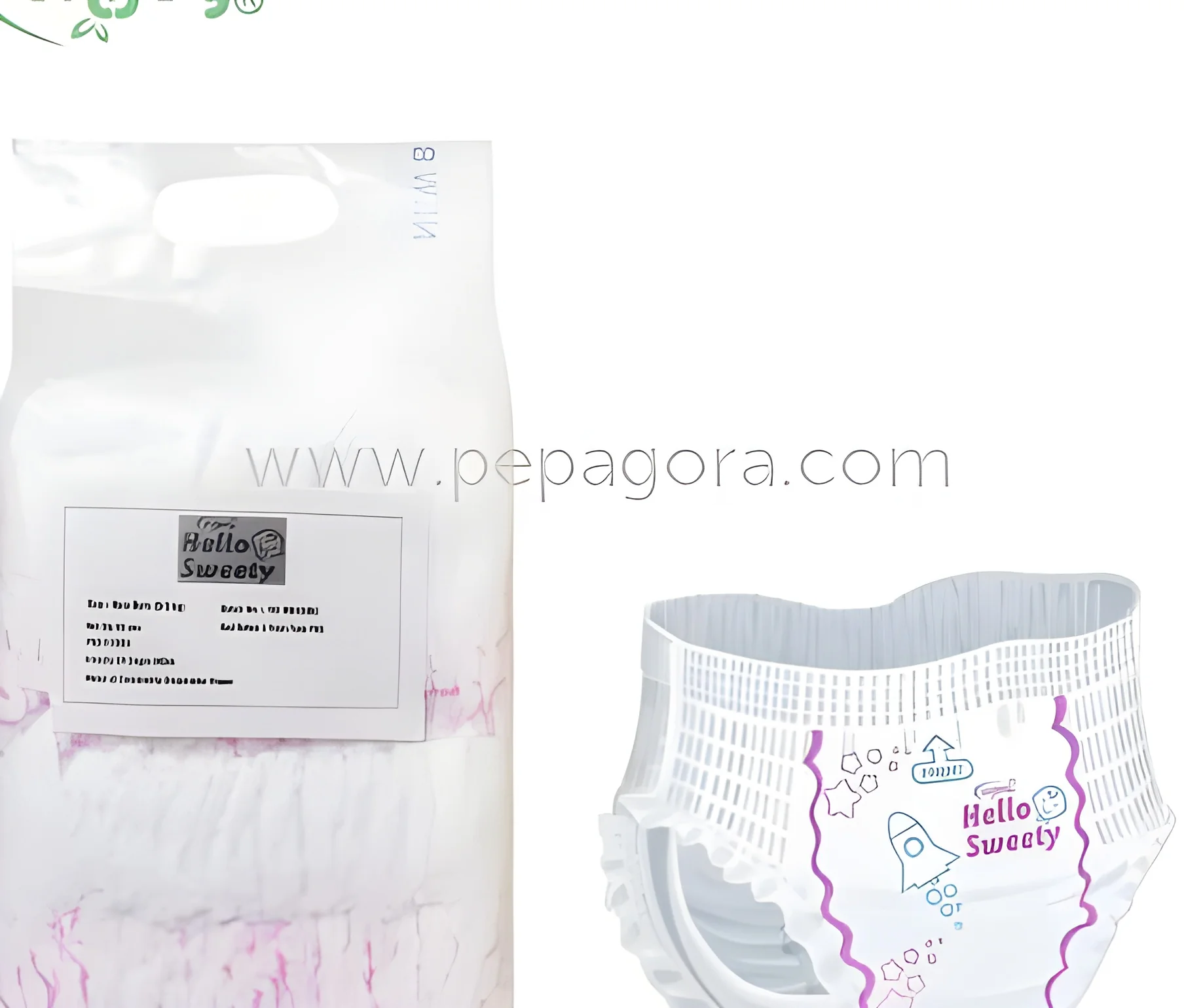
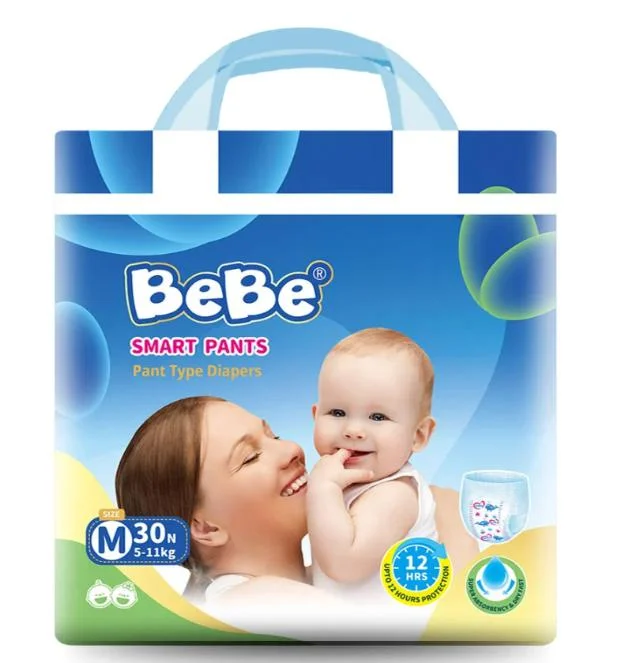
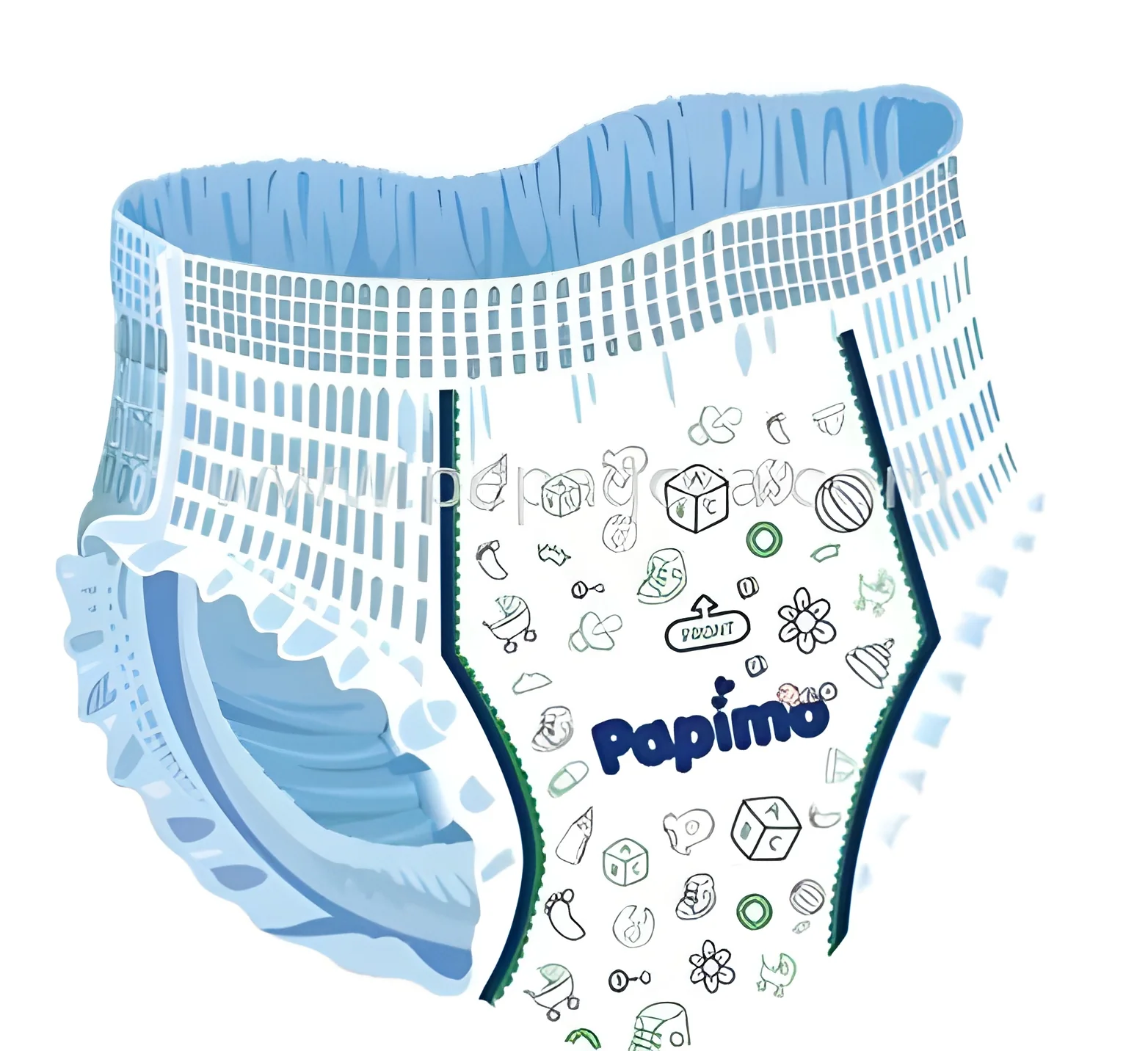
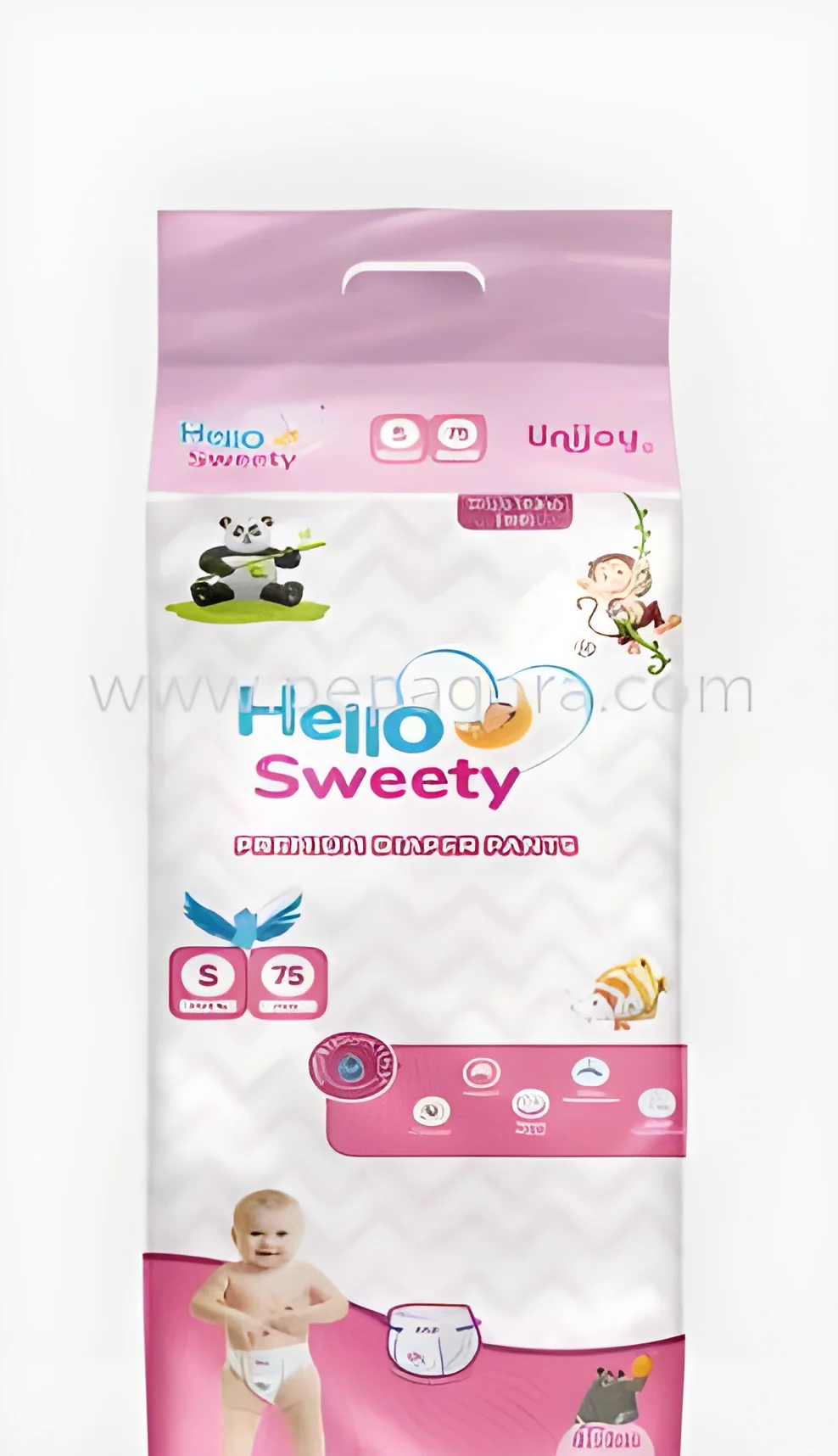
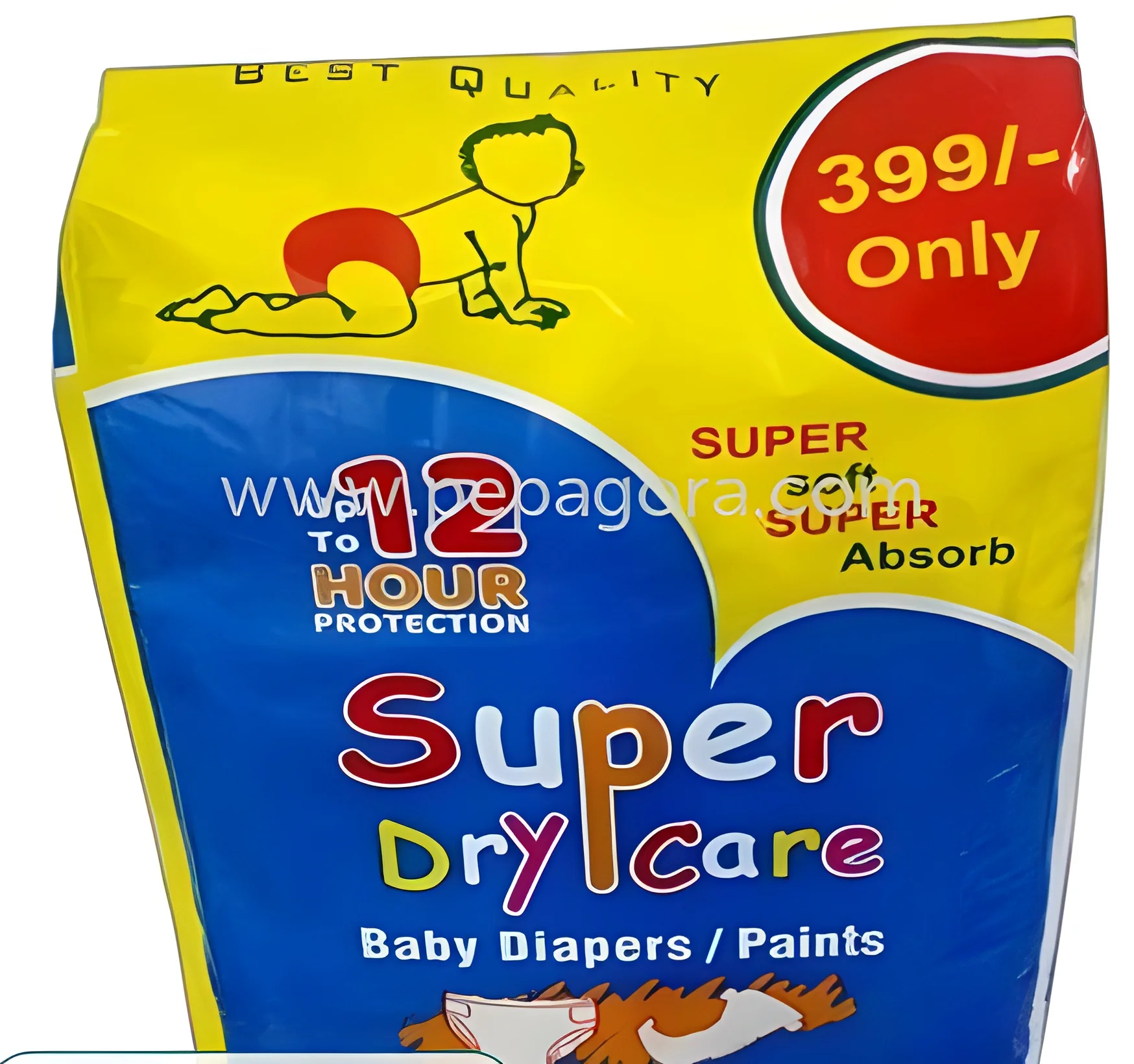
Diapers: Available in disposable and cloth options, these products provide comfort and absorbency for infants. They are designed to be soft on the skin while preventing leaks.
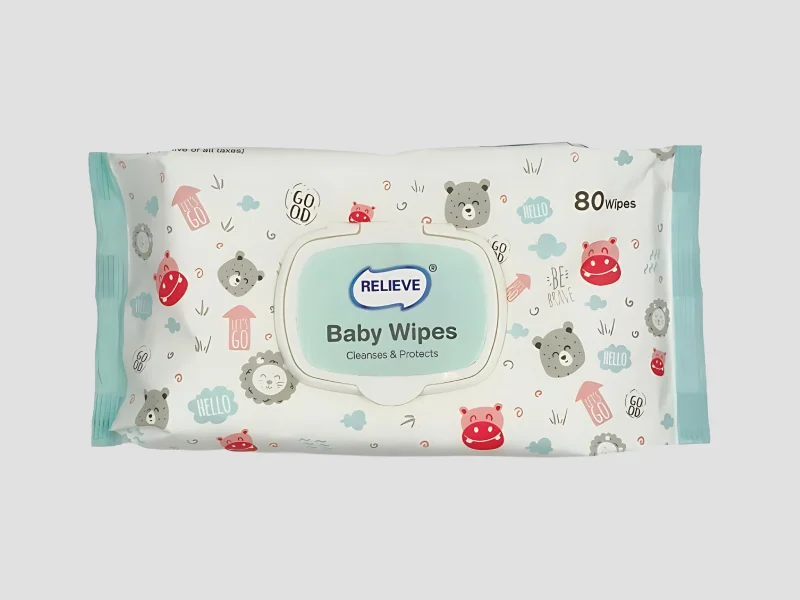
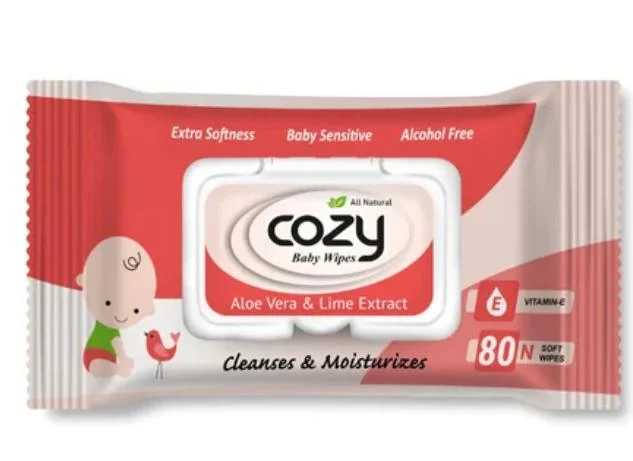
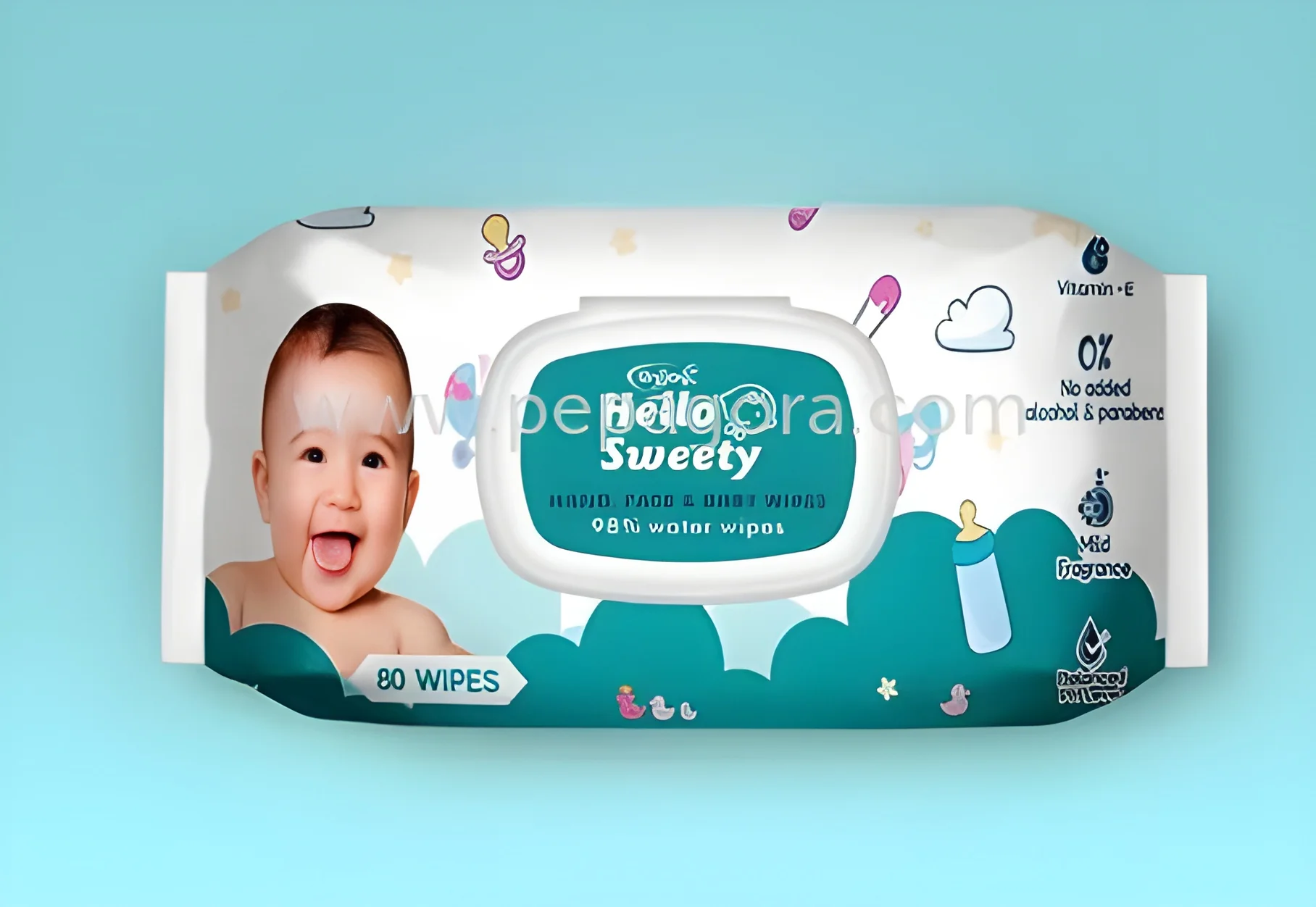
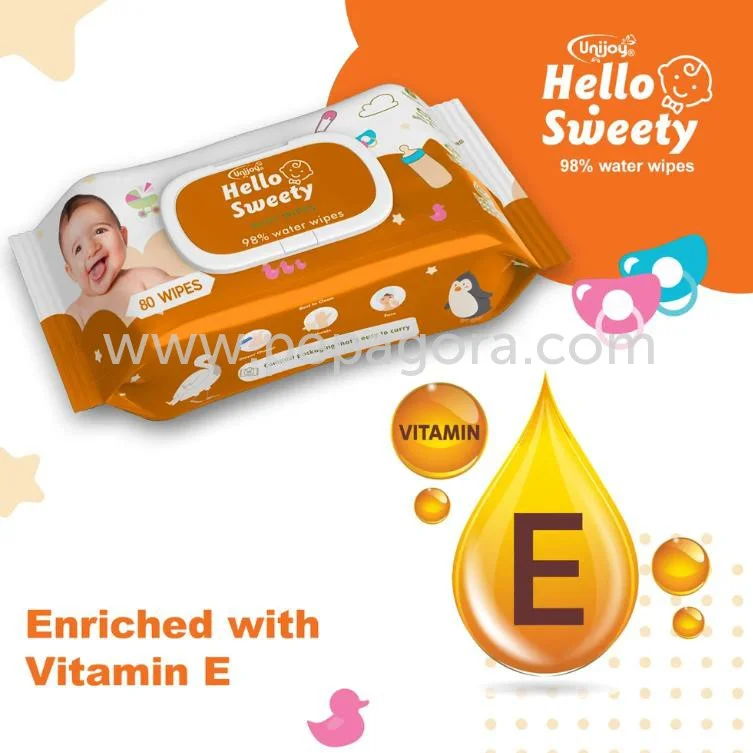
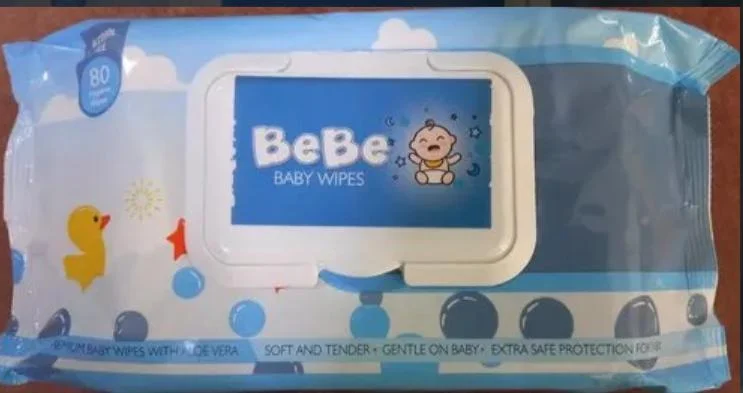
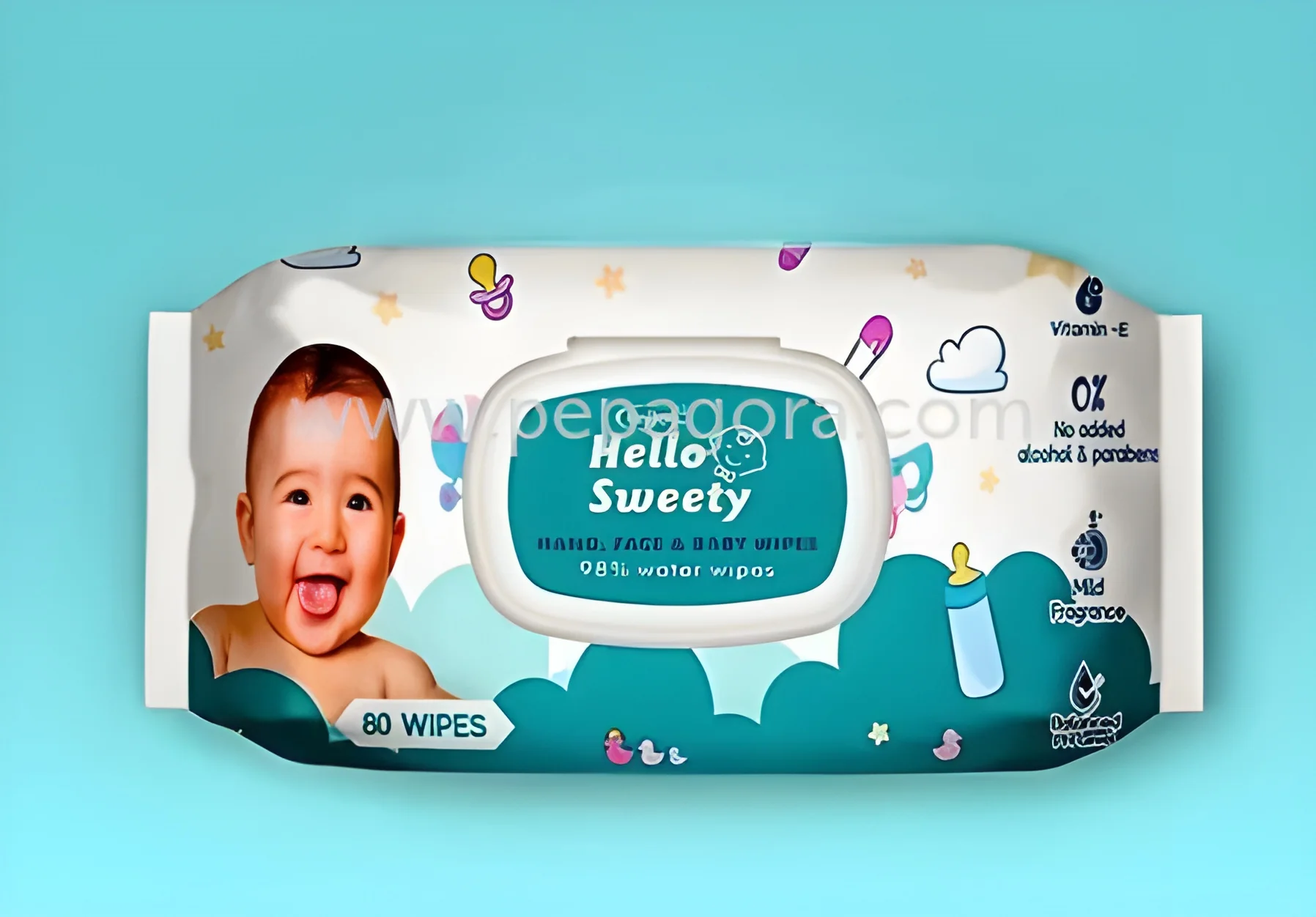
Baby Wipes: These come in both scented and unscented varieties. They are essential for cleaning and maintaining hygiene during diaper changes.
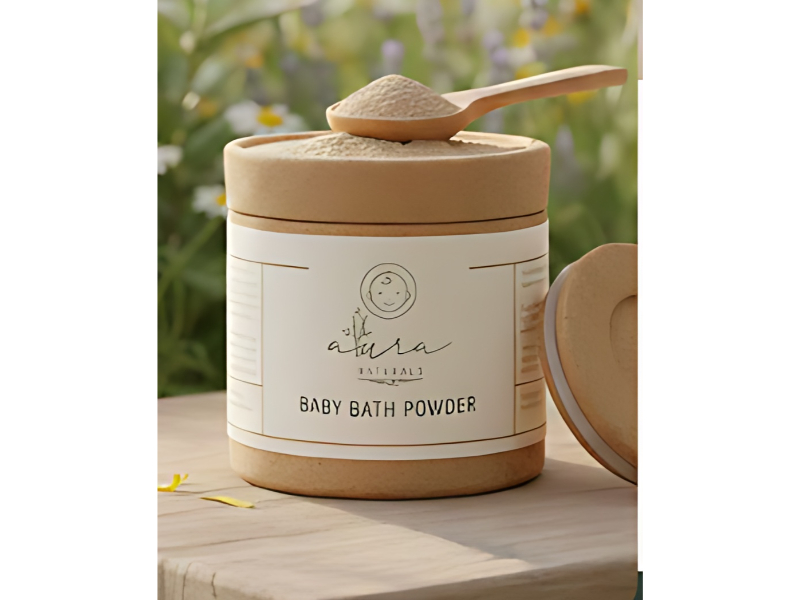
Lotions and Creams: Formulated specifically for sensitive skin, these products help moisturize and protect against dryness and irritation.
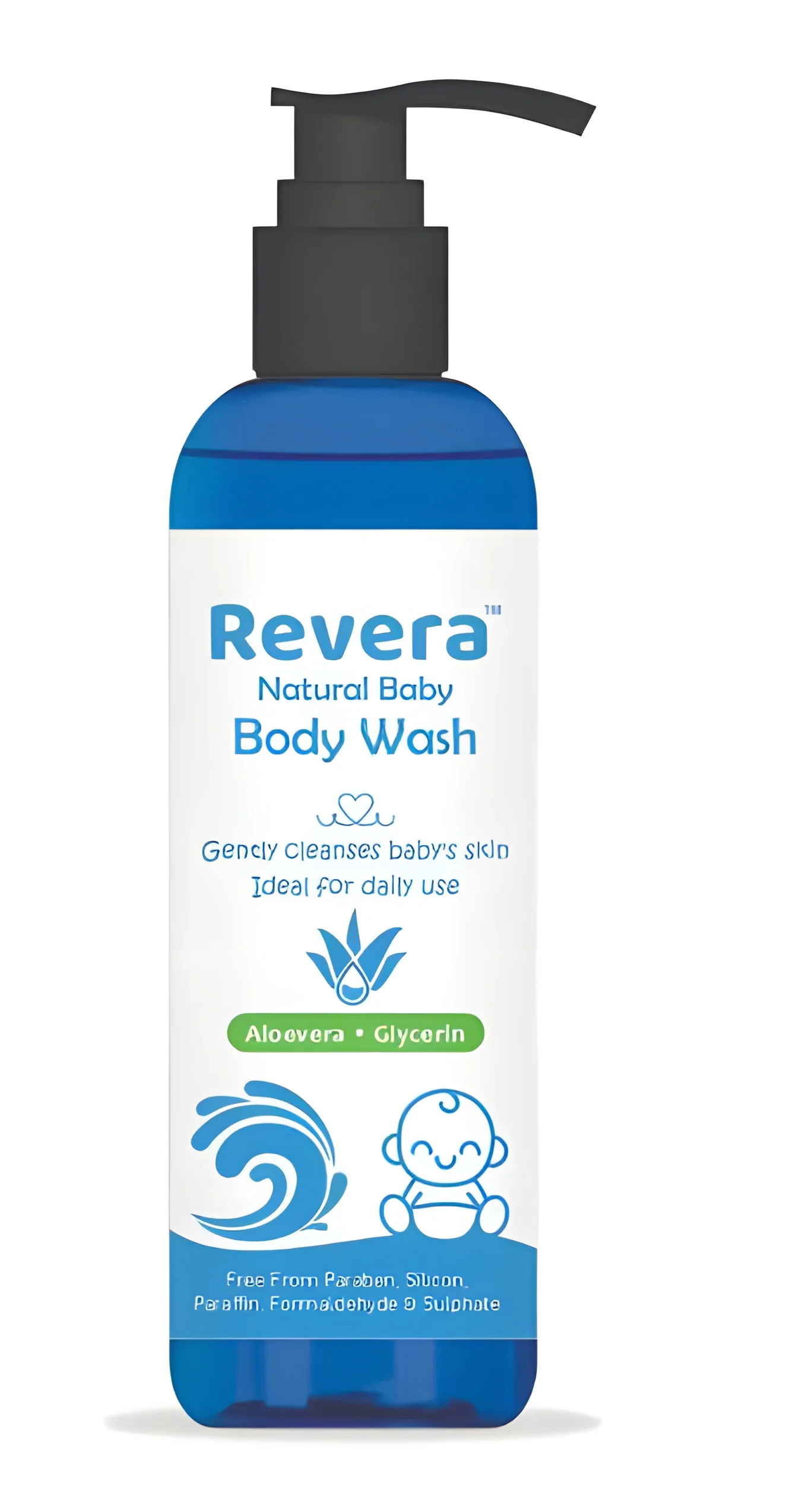
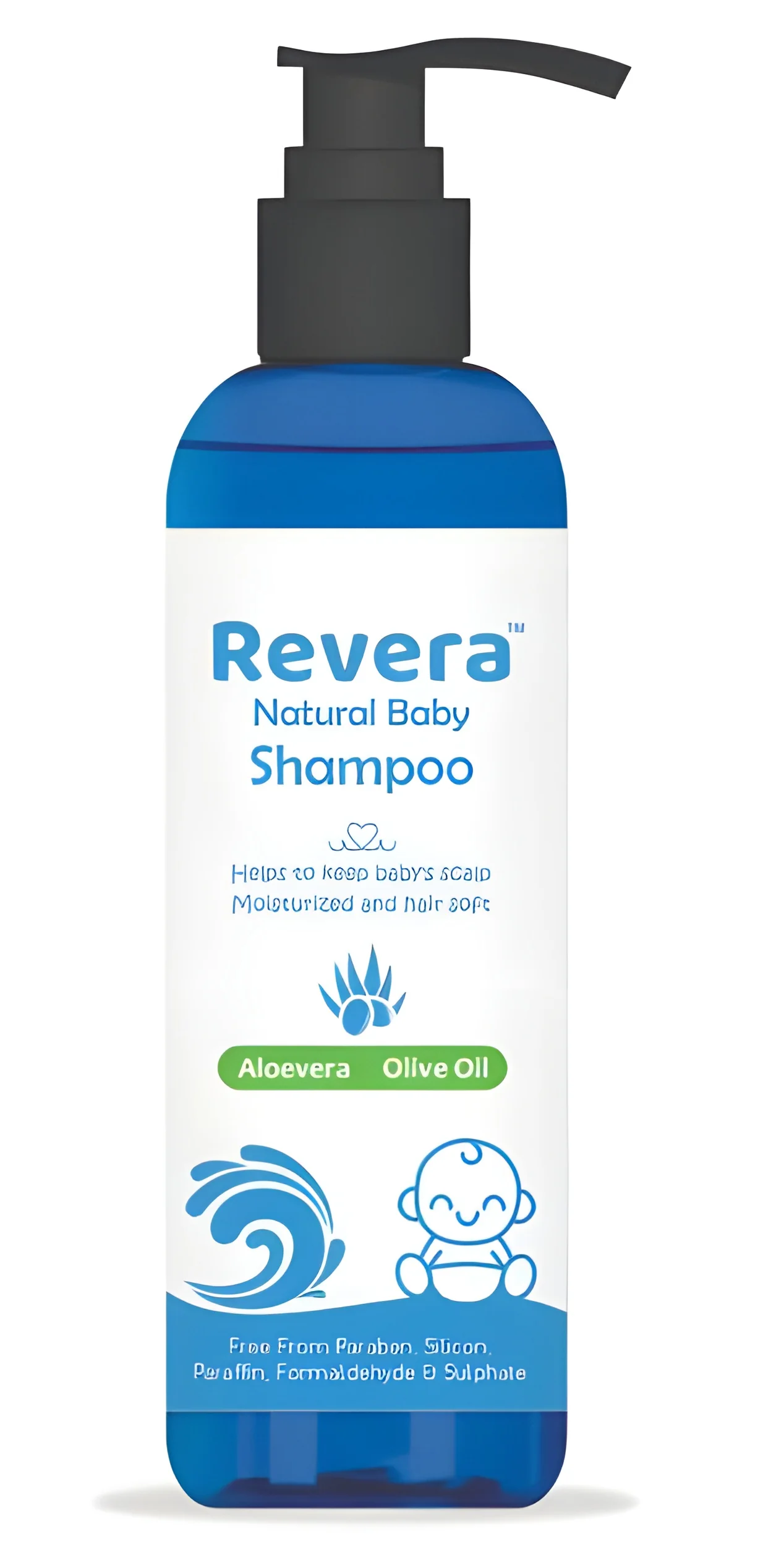
Shampoos and Body Washes: Gentle, tear-free formulas are designed for babies, ensuring a safe and pleasant bathing experience.
Sunscreen: Specially formulated for babies, these products offer protection from harmful UV rays while being safe for delicate skin.
𝗕𝗲𝗻𝗲𝗳𝗶𝘁𝘀 𝗮𝗻𝗱 𝗔𝗱𝘃𝗮𝗻𝘁𝗮𝗴𝗲𝘀
Baby care products offer several key benefits that make them essential for parents and caregivers.
1. Safety: These products are designed with the utmost care to ensure they are safe for infants and toddlers, reducing the risk of skin irritation and allergic reactions.
2. Convenience: Many baby care products are easy to use and designed for efficiency, helping parents manage their daily routines more effectively.
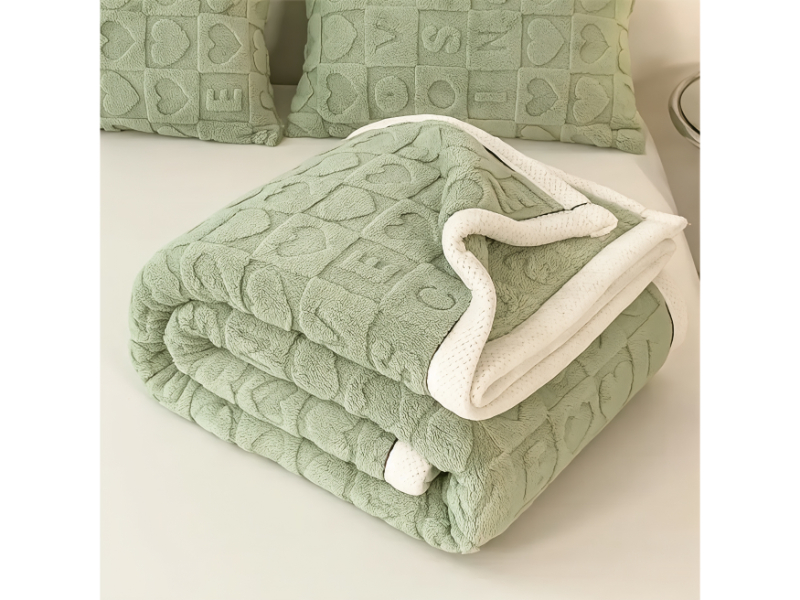
3. Comfort: Products like soft diapers and gentle lotions enhance the comfort of babies, ensuring they remain happy and relaxed.
4. Hygiene: Baby care products promote cleanliness and hygiene, essential for preventing infections and maintaining overall health.
5. Variety: The wide range of products available allows parents to choose items that best suit their child's specific needs and preferences.
6. Innovation: Continuous advancements in formulations and packaging improve the effectiveness and usability of baby care products.
𝗕𝘂𝘆𝗶𝗻𝗴 𝗚𝘂𝗶𝗱𝗲 𝗳𝗼𝗿 𝗕𝟮𝗕 𝗕𝘂𝘆𝗲𝗿𝘀
When sourcing baby care products, businesses should consider several important factors to ensure they select the best options for their customers.
1. Quality Assessment: Evaluate the quality of products based on their ingredients, safety certifications, and manufacturer reputation. High-quality products should comply with safety standards and provide evidence of testing.
2. Supplier Verification: Vet suppliers through background checks and reviews to ensure reliability and consistency in product delivery. A verified supplier network helps mitigate risks in sourcing.
3. Pricing and MOQ: Understand the pricing structure and minimum order quantities to ensure that they align with your business model and budget. Competitive pricing is crucial for maintaining profitability.
4. Delivery and Lead Times: Assess logistics capabilities to ensure timely delivery of products. Understanding lead times is essential for inventory management and meeting customer demands.
5. Compliance Requirements: Stay informed about regulatory needs specific to baby care products in your region. Compliance with local laws and safety standards prevents legal issues and ensures product safety.
𝗖𝗼𝗺𝗽𝗹𝗶𝗮𝗻𝗰𝗲 𝗮𝗻𝗱 𝗖𝗲𝗿𝘁𝗶𝗳𝗶𝗰𝗮𝘁𝗶𝗼𝗻𝘀
Compliance and certifications are critical aspects of baby care products that ensure safety and quality.
Products must adhere to relevant quality standards such as ISO 9001, which focuses on consistent quality management systems. This standard ensures that manufacturers maintain high-quality production processes.
Additionally, certifications like CE indicate that products meet European safety standards. This certification provides assurance to consumers about the safety and efficacy of baby care products.
Safety and testing requirements are paramount in this industry. Products are often subjected to rigorous testing for skin sensitivity and irritants to ensure they are safe for use on infants.
Regional compliance considerations are essential as different markets may have specific regulations regarding ingredients and safety. Businesses must stay updated on these requirements to ensure their products are compliant.
𝗪𝗵𝘆 𝗦𝗼𝘂𝗿𝗰𝗲 𝗕𝗮𝗯𝘆 𝗖𝗮𝗿𝗲 𝗣𝗿𝗼𝗱𝘂𝗰𝘁𝘀 𝗳𝗿𝗼𝗺 𝗣𝗲𝗽𝗮𝗴𝗼𝗿𝗮?
Pepagora provides a trusted platform for sourcing baby care products with several key advantages that benefit businesses.
Verified Supplier Network: Pepagora offers access to a network of verified suppliers, ensuring that buyers can source products from reputable manufacturers. This verification process enhances trust and reliability in the sourcing process.
Streamlined RFQ Process: The platform features a user-friendly Request for Quotation (RFQ) system that simplifies the procurement process. Buyers can easily communicate their needs and receive competitive quotes from multiple suppliers.
Trade Assurance and Support: Pepagora provides trade assurance, protecting buyers from potential risks in transactions. This support ensures that businesses can source products with confidence.
Regional Coverage: With a strong presence in regions such as India, the GCC, and Southeast Asia, Pepagora caters to a diverse market. This geographic reach allows businesses to access a wide range of products tailored to local needs and preferences.

 IN
IN