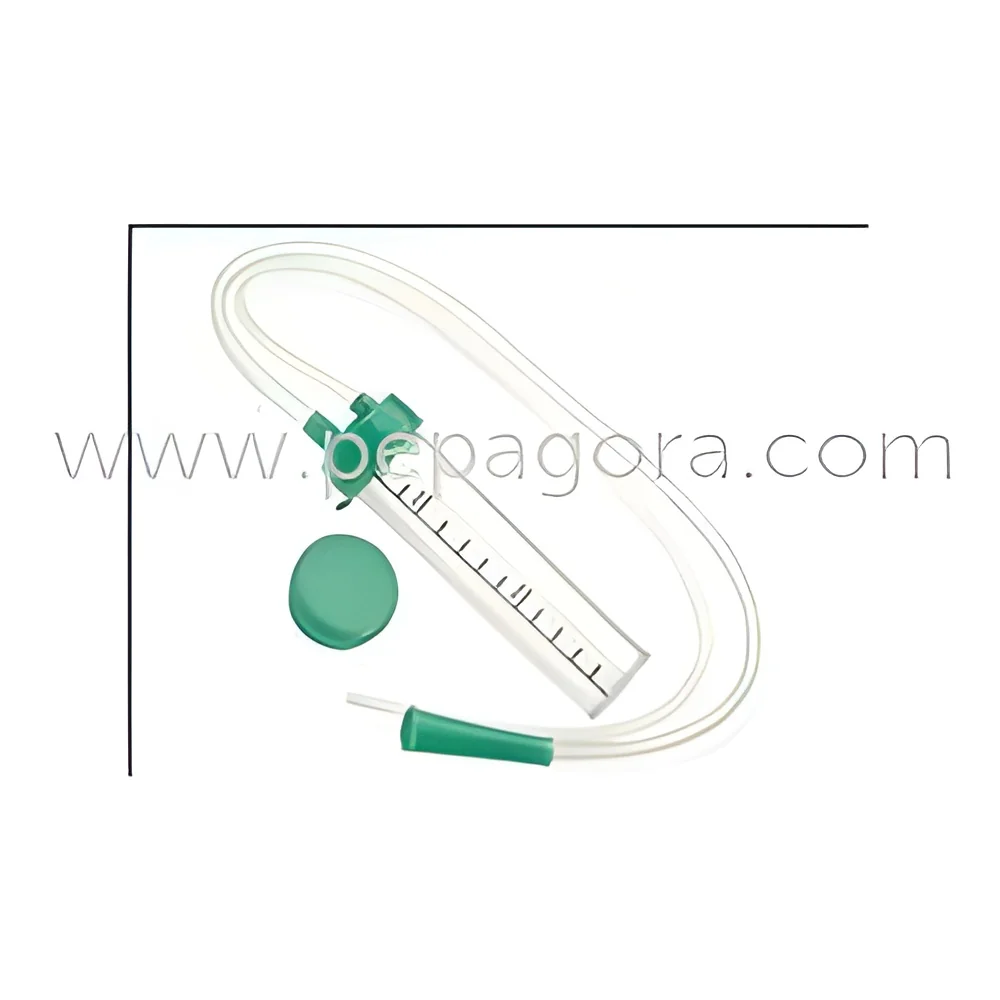
What are Nasal Aspirators?
Nasal aspirators are medical devices designed to clear nasal passages by suctioning mucus and other obstructions. These devices are particularly important for infants and young children who cannot effectively blow their noses. The operation of nasal aspirators can vary; some are manual, requiring physical effort, while others are electric, offering automated suction capabilities. The design and usability of these devices ensure that they are safe and effective in providing relief from nasal congestion.
Nasal aspirators play a critical role in various healthcare settings, including hospitals, clinics, and home care environments. Healthcare professionals use them for patients with respiratory issues, while parents often employ them for their children during flu seasons or allergy outbreaks. The effectiveness of these devices in clearing airways contributes significantly to respiratory health, making them essential tools in both emergency and routine care situations.
As the demand for effective respiratory care continues to grow, the nasal aspirator market is expanding. Increased awareness of respiratory health and the rise in allergy cases have led to a higher adoption rate of these devices. With advancements in technology and design, manufacturers are continuously improving the features of nasal aspirators, ensuring they remain relevant in the healthcare market.
Key Features and Specifications
Nasal aspirators come equipped with various features that enhance their usability and effectiveness. Understanding these specifications is crucial for selecting the right device for specific needs.
Key specifications include:
1. Suction Power
- Typically measured in millimeters of mercury (mmHg)
- Effective suction ranges from 60 to 80 mmHg for infants
2. Noise Level
- Sound level measured in decibels (dB)
- Ideal devices operate below 60 dB to ensure comfort for infants
3. Power Source
- Options include battery-operated or rechargeable units
- Electric models often provide consistent suction power
4. Collection Capacity
- Volume of mucus the aspirator can hold
- Common capacities range from 5 to 15 milliliters
5. Material Safety
- Made from BPA-free and non-toxic materials
- Ensures safety for use with infants and children
6. Ease of Cleaning
- Parts that are dishwasher safe or easy to detach
- Facilitates hygienic maintenance between uses
7. Portability
- Lightweight designs for easy transport
- Compact units suitable for travel
8. Accessories Included
- Typically come with disposable tips or filters
- May include travel bags or cleaning brushes
These specifications are vital for ensuring the chosen nasal aspirator meets user needs while complying with safety standards.
Common Applications and Use Cases
Nasal aspirators have a wide range of applications across various industries. Their versatility makes them valuable tools in different settings.
1. Healthcare: In hospitals and clinics, nasal aspirators are used to manage respiratory conditions in patients of all ages, especially infants who require gentle suctioning.
2. Home Care: Parents use nasal aspirators to clear nasal congestion in their children during cold and allergy seasons, ensuring their comfort and ease of breathing.
3. Pediatrics: Pediatricians commonly recommend nasal aspirators for infants suffering from nasal blockages, providing a non-invasive solution to enhance respiratory function.
4. Emergency Medical Services: First responders may use nasal aspirators to clear airways in emergency situations, aiding in patient stabilization.
5. Veterinary Medicine: Some veterinarians utilize nasal aspirators for pets experiencing respiratory issues, ensuring they receive appropriate care.
6. Medical Research: Researchers may use nasal aspirators in studies related to respiratory health, analyzing the effectiveness of different suction methods.
7. Allergy Treatment Facilities: Clinics specializing in allergy treatments may incorporate nasal aspirators to assist patients dealing with nasal congestion.
Product Variants and Subcategories
Nasal aspirators come in various designs to cater to different user preferences and needs. The diversity in product offerings allows for tailored solutions.
Manual Nasal Aspirators
These devices require users to create suction by squeezing a bulb. They are easy to use and portable, making them ideal for home use.
Electric Nasal Aspirators
Powered by batteries or electricity, these aspirators provide consistent suction with minimal effort. They are suitable for frequent use in both home and clinical settings.
Disposable Nasal Aspirators
Designed for single-use, these aspirators are ideal for maintaining hygiene. They are often used in clinics to prevent cross-contamination.
Reusable Nasal Aspirators
These models are designed for multiple uses and come with cleaning accessories. They are environmentally friendly and cost-effective over time.
Benefits and Advantages
Nasal aspirators offer several benefits that enhance their value in medical and home care settings. Understanding these advantages helps in making informed decisions.
1. Improved Breathing: By effectively clearing nasal passages, these devices promote better airflow, leading to improved respiratory function.
2. Ease of Use: Many nasal aspirators are designed to be user-friendly, allowing parents and healthcare professionals to operate them with minimal training.
3. Non-Invasive: Nasal aspirators provide a gentle and non-invasive method for relieving nasal congestion, reducing the need for medications.
4. Cost-Effective: With various models available, there are options for different budgets, making them accessible for both home and clinical use.
5. Enhanced Comfort: By relieving nasal blockage, these devices improve overall comfort for patients, especially infants who may struggle with congestion.
6. Versatile Applications: Their use extends beyond pediatrics, making them valuable in emergency care and veterinary practices.
Buying Guide for B2B Buyers
When sourcing nasal aspirators for business needs, several factors should be considered to ensure quality and suitability.
1. Quality Assessment: Evaluate the materials and construction of the aspirators. Look for products that adhere to safety standards to ensure they are suitable for medical use.
2. Supplier Verification: Vet potential suppliers to confirm their credibility and reliability. Check for reviews, certifications, and experience in the industry.
3. Pricing and MOQ: Understand the pricing structure and minimum order quantities (MOQ) required by suppliers. This will help in budgeting and planning purchases.
4. Delivery and Lead Times: Inquire about the expected lead times for delivery. Timely access to products is crucial, especially in healthcare settings.
5. Compliance Requirements: Ensure that the products meet all relevant regulations and certifications, including CE marking for medical devices, to guarantee safety and efficacy.
Compliance and Certifications
Nasal aspirators must adhere to various compliance standards and certifications to ensure safety and effectiveness in medical applications.
Quality standards such as ISO 9001 are essential for manufacturers to demonstrate their commitment to quality management systems. These standards help ensure that products are consistently produced and controlled according to quality standards.
Industry certifications, including CE marking, indicate that the nasal aspirators meet European health, safety, and environmental protection standards. This certification is crucial for products intended for use in medical settings.
Safety and testing requirements typically involve rigorous assessments to verify that the devices operate as intended and do not pose any risks to users. Regular testing ensures that any potential issues are identified and addressed promptly.
Regional compliance considerations may vary, with different regions having specific regulations governing medical devices. It is important for manufacturers and suppliers to be aware of these regulations to ensure market access.
Why Source Nasal Aspirators from Pepagora?
Pepagora offers a reliable platform for sourcing nasal aspirators, providing several key advantages to B2B buyers.
Verified Supplier Network: Pepagora's extensive network consists of verified suppliers, ensuring that buyers can trust the quality of the products they purchase. This verification process minimizes risks associated with sourcing medical devices.
Streamlined RFQ Process: The platform simplifies the request for quotation (RFQ) process, allowing buyers to easily compare prices and features from multiple suppliers. This efficiency saves time and helps make informed purchasing decisions.
Trade Assurance and Support: Buyers are protected through trade assurance programs, which provide a safety net in case of disputes or issues with orders. This support fosters a secure purchasing environment.
Regional Coverage: Pepagora's reach extends across India, the GCC, and Southeast Asia, enabling buyers to access a wide range of suppliers and products tailored to their regional needs. This geographic diversity enhances sourcing flexibility and options.

 IN
IN