
 IN
Mosquito Nets
1 products available
What are Mosquito Nets?
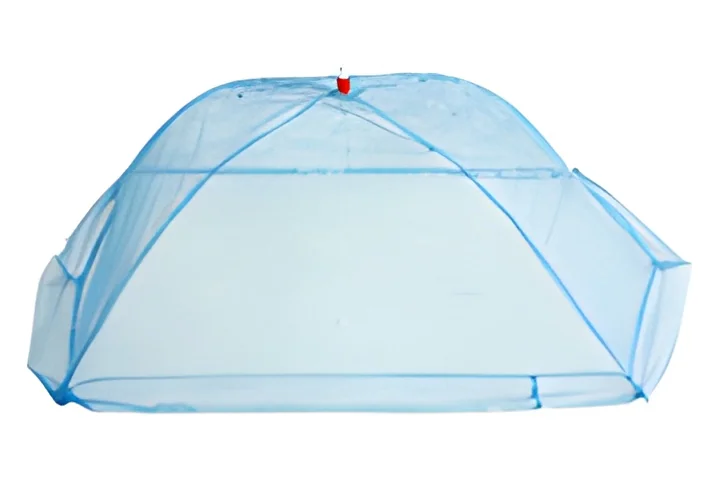
Mosquito nets are protective barriers made from fine mesh fabric designed to keep mosquitoes and other insects at bay. They are commonly used in residential and commercial settings to provide a safe and comfortable environment, particularly in areas where mosquito-borne diseases are prevalent. Typically, these nets are hung over beds, windows, or doorways, allowing airflow while preventing insects from entering.
The primary applications of mosquito nets span various sectors including hospitality, healthcare, agriculture, and residential use. In the hospitality industry, hotels use mosquito nets to enhance guest comfort and safety. In healthcare, they are crucial for protecting patients and healthcare workers in regions with high malaria rates. Additionally, farmers use mosquito nets to protect livestock and crops from pests, thereby improving yield and quality.
As the demand for effective pest control solutions grows, the mosquito net market is expanding rapidly. This growth is driven by increasing awareness of the health risks associated with mosquito bites, such as malaria and dengue fever. With the global push towards better health and safety standards, mosquito nets are becoming an essential item in many regions worldwide.
Key Features and Specifications
Mosquito nets come with various features that enhance their functionality and usability. Understanding these specifications is vital for businesses looking to procure these products for their needs.
Key specifications include:
1. Material Composition
- Made from lightweight polyester or nylon
- Provides durability and resistance to tearing
2. Mesh Size
- Fine mesh with openings typically around 1.2 mm
- Prevents even the smallest insects from passing through
3. Dimensions
- Available in various sizes, typically ranging from single bed to king size
- Custom sizes may be available based on specific requirements
4. Treatment
- Many nets are treated with insect repellent chemicals
- Provides additional protection against mosquitoes and other pests
5. Installation Type
- Options include hanging nets or self-supporting variants
- Easy installation for quick setup in various environments
6. Color Options
- Available in different colors for aesthetic preferences
- Neutral colors are common for blending with decor
7. Lifespan
- Depending on usage and care, mosquito nets can last several years
- Regular washing and maintenance can extend longevity
8. Compliance Standards
- Some nets meet international safety and quality standards
- Ensures effectiveness and safety in various applications
In summary, mosquito nets are designed with specific features that cater to the diverse needs of industries and consumers. Understanding these specifications can aid buyers in making informed decisions.
Common Applications and Use Cases
Mosquito nets serve various industries, each with specific applications that maximize their benefits.
1. Hospitality: Hotels and resorts utilize mosquito nets in guest rooms and outdoor dining areas to enhance comfort and safety against insect bites.
2. Healthcare: Hospitals and clinics in malaria-prone regions rely on mosquito nets to protect patients, especially in wards and during recovery.
3. Agriculture: Farmers use mosquito nets to safeguard crops and livestock from pest infestations, promoting better yields and healthier production.
4. Residential: Homeowners use mosquito nets in bedrooms and living spaces to enjoy outdoor breezes without the nuisance of insects.
5. Outdoor Events: Event organizers deploy mosquito nets at outdoor festivals and gatherings to provide a comfortable environment for attendees.
6. Military: Mosquito nets are essential for soldiers deployed in tropical regions, ensuring their safety from disease-carrying insects.
7. Disaster Relief: NGOs and humanitarian organizations distribute mosquito nets in emergency situations to protect affected populations from mosquito-borne diseases.
Product Variants and Subcategories
Mosquito nets come in various forms to meet different needs and preferences.
Hanging Mosquito Nets
These are designed to be hung over beds or windows, providing a barrier against insects. They are often treated with insect repellent and are easy to install, making them ideal for both home and travel use.
Pop-Up Mosquito Nets
These self-supporting nets can be set up quickly and easily in outdoor settings. They are perfect for camping trips or picnics, offering instant protection without the need for complex installations.
Window Mosquito Nets
Designed specifically for windows, these nets allow for ventilation while keeping insects out. They are available in various sizes to fit different window types and are often removable for easy cleaning.
Portable Mosquito Nets
These lightweight nets are designed for travel, allowing users to carry them easily and set them up in various environments. They are especially useful for backpackers and outdoor enthusiasts.
Benefits and Advantages
Choosing mosquito nets offers numerous advantages that enhance safety and comfort.
1. Disease Prevention: Mosquito nets significantly reduce the risk of mosquito-borne diseases, providing peace of mind in affected areas.
2. Comfort: They create a more comfortable sleeping environment by keeping insects away, allowing for better rest.
3. Cost-Effective: Investing in mosquito nets can be more economical than chemical sprays or other pest control measures over time.
4. Eco-Friendly: Many nets are made from sustainable materials and do not involve harmful chemicals, making them an environmentally friendly choice.
5. Versatile Use: Mosquito nets can be used in various settings, including homes, hotels, hospitals, and outdoor events.
6. Easy Maintenance: Most mosquito nets are washable and easy to care for, ensuring their longevity and continued effectiveness.
Buying Guide for B2B Buyers
When sourcing mosquito nets, businesses should consider several key factors to ensure they make an informed purchase.
1. Quality Assessment: It is essential to evaluate the material quality and durability of mosquito nets. Buyers should look for nets made from high-grade polyester or nylon that can withstand wear and tear.
2. Supplier Verification: Vetting suppliers is crucial to ensure reliability and quality. Buyers should check for certifications and customer reviews to gauge the supplier’s reputation.
3. Pricing and MOQ: Understanding the pricing structure and minimum order quantities (MOQ) is important. Buyers should compare prices from different suppliers to find the best value for their needs.
4. Delivery and Lead Times: Buyers should inquire about logistics and delivery timelines to ensure that the products arrive when needed, particularly in urgent situations.
5. Compliance Requirements: It is important to check for compliance with local and international standards. Buyers should ensure that the mosquito nets meet safety and quality regulations applicable in their region.
Compliance and Certifications
Compliance with relevant quality standards is crucial in the mosquito net industry. Many manufacturers aim to meet international standards such as ISO 9001, which ensures quality management systems are in place.
Additionally, certifications like CE indicate that products comply with European health, safety, and environmental protection standards. This certification is often recognized globally, adding another layer of assurance for buyers.
Safety and testing requirements are also paramount. Manufacturers should conduct rigorous testing to ensure that their mosquito nets are effective in preventing insect entry and are safe for use in various environments.
Regional compliance considerations may vary, so businesses should be aware of local regulations that pertain to health and safety standards when sourcing mosquito nets.
Why Source Mosquito Nets from Pepagora?
Pepagora provides a trusted platform for sourcing mosquito nets, offering several advantages to buyers.
Verified Supplier Network: Pepagora connects buyers with a verified network of suppliers, ensuring that each supplier meets strict quality and reliability standards.
Streamlined RFQ Process: The request for quotation (RFQ) process is designed to be efficient, allowing buyers to receive competitive quotes from multiple suppliers quickly.
Trade Assurance and Support: Buyers benefit from trade assurance programs that protect their orders and investments. Pepagora offers dedicated support to resolve any issues that may arise during the procurement process.
Regional Coverage: With a geographic reach across India, the GCC, and Southeast Asia, Pepagora is well-positioned to serve businesses in diverse markets, providing localized support and services tailored to specific regional needs.

Frequently Asked Questions
What are Mosquito Nets?
Mosquito nets are protective barriers made from fine mesh fabric designed to keep mosquitoes and other insects away from individuals. They are commonly used in homes, particularly in areas where mosquito-borne diseases are prevalent, providing a physical barrier while allowing ventilation.
What are the different types of Mosquito Nets?
There are several types of mosquito nets, including bed nets, window nets, and portable nets. Bed nets can be hung over sleeping areas, while window nets are fixed to openings to prevent insects from entering. Portable nets are designed for travel and outdoor use.
How do I choose the right Mosquito Nets?
To choose the right mosquito nets, consider factors such as the size of the area to be covered, the type of mesh, and the installation method. It is also important to check for features like treated fabric for added insect protection and ease of maintenance.
What are the standard specifications for Mosquito Nets?
Standard specifications for mosquito nets typically include the mesh size, which is usually between 1.2 mm to 2.0 mm, and material, often made from polyester or cotton. Additionally, nets may have different dimensions to fit various bed sizes and window frames.
What is the price range for Mosquito Nets?
The price range for mosquito nets varies based on type, size, and material, generally ranging from INR 200 to INR 3000 or more. Basic bed nets are usually less expensive, while specialized or larger nets may cost significantly more.
What quality standards apply to Mosquito Nets?
Quality standards for mosquito nets often include durability, UV resistance, and effectiveness in blocking insects. In India, some manufacturers comply with standards set by organizations such as the Bureau of Indian Standards (BIS) to ensure product safety and performance.
Where can I find Mosquito Nets suppliers in India?
You can find mosquito nets suppliers in India through various online B2B marketplaces, trade directories, and local manufacturers. Websites like Pepagora.com provide a platform to connect with verified suppliers and manufacturers of mosquito nets.
Can Mosquito Nets be customized?
Yes, mosquito nets can be customized according to specific dimensions, colors, and features. Many manufacturers offer customization options to meet the unique requirements of their customers.
What is the typical minimum order quantity for Mosquito Nets?
The typical minimum order quantity (MOQ) for mosquito nets can vary widely depending on the supplier, usually ranging from 50 to 100 units. It's advisable to check with suppliers for their specific MOQ requirements.
What is the typical lead time for Mosquito Nets?
The typical lead time for mosquito nets can range from 2 to 4 weeks, depending on the supplier, order size, and customization requirements. It's important to confirm the lead time with the supplier when placing an order.
Why Businesses Trust Pepagora
Thousands of companies trust Pepagora to source smarter and sell faster
Expand Your Sales Globally

Source Smarter,Grow Faster
