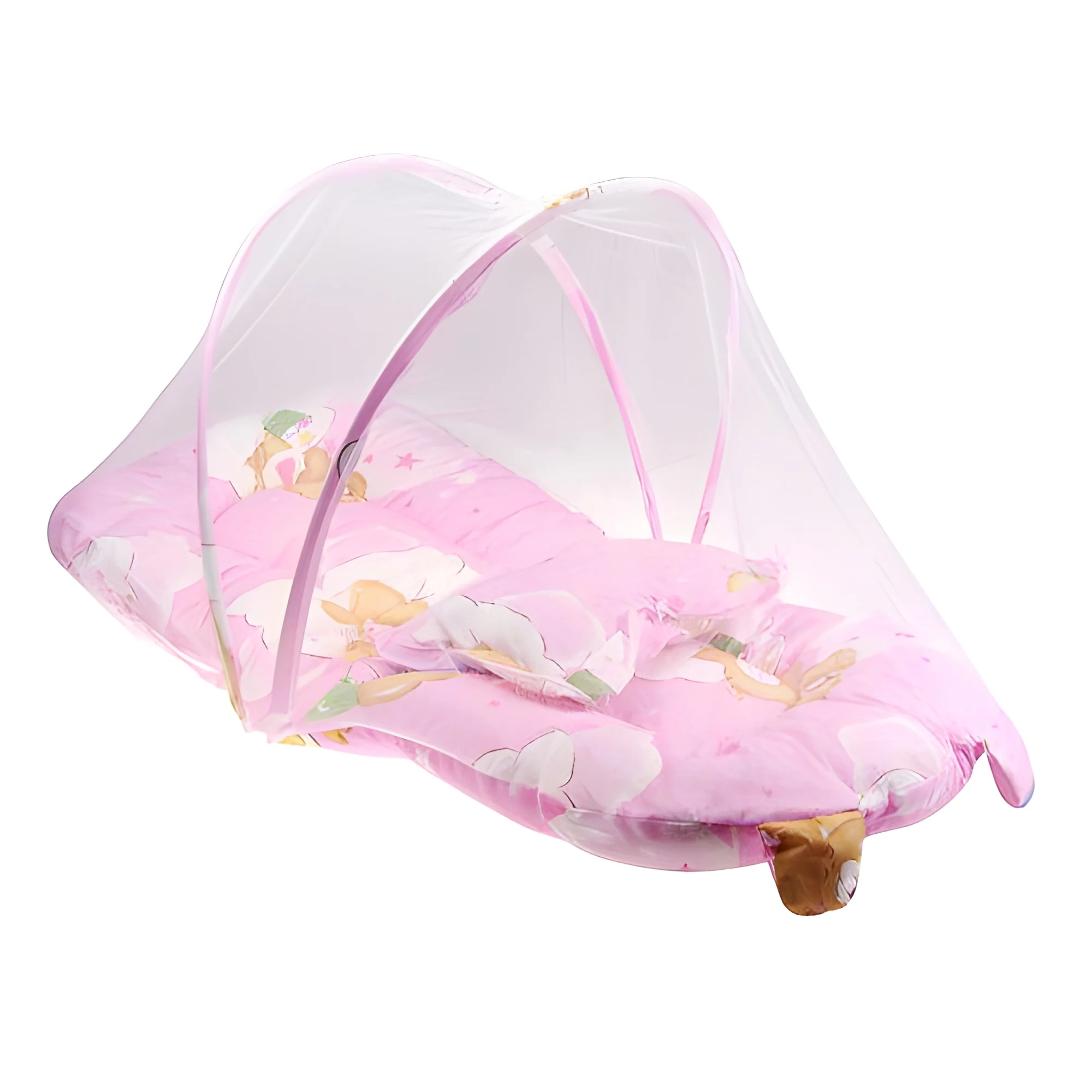
What are Baby Cribs & Cots?
Baby cribs and cots are essential furniture items designed for infants and young children. They provide a safe and secure sleeping environment, allowing parents to rest assured while their child sleeps. Cribs are typically larger and may feature adjustable mattress heights, while cots are generally smaller and portable, making them suitable for travel or limited space. Both options are crafted with safety standards in mind, ensuring that they are free from harmful materials and meet stringent safety guidelines.
These products are primarily used in homes, daycare centers, and hospitals. In home environments, they serve as a dedicated space for babies to sleep, while in childcare facilities, they are vital for providing a safe sleeping area for multiple children. As the demand for quality childcare increases, so does the need for reliable baby cribs and cots. The market for these products is growing, with parents increasingly prioritizing safety, functionality, and design.
Key Features and Specifications
Baby cribs and cots are manufactured with several key features that enhance safety and usability. The following specifications highlight the critical attributes of these products.
Key specifications include:
1. Safety Standards
- Must meet national and international safety standards
- Includes certifications like CE marking
2. Material Quality
- Constructed from high-quality, non-toxic materials
- Durable finishes to withstand wear and tear
3. Adjustable Mattress Heights
- Multiple height settings for growing infants
- Allows for easier access as the baby grows
4. Portability
- Lightweight designs for easy movement
- Some models come with wheels for added convenience
5. Mattress Size Compatibility
- Standard mattress sizes to ensure proper fit
- Typically accommodates crib mattresses around 28 x 52 inches
6. Design Options
- Variety of styles and colors to match decor
- Convertible models that transition from crib to toddler bed
7. Additional Safety Features
- Secure locking mechanisms for added safety
- Rounded corners to prevent injuries
8. Ease of Assembly
- Clear assembly instructions for quick setup
- Tools often included for convenience
These features contribute to the overall functionality and safety of baby cribs and cots, making them essential for infant care.
Common Applications and Use Cases
Baby cribs and cots serve various industries, each with unique applications.
1. Residential: In homes, these products are used to provide a safe and comfortable sleeping area for infants and toddlers, ensuring parental peace of mind.
2. Childcare Centers: Daycare facilities utilize cribs and cots to provide safe sleeping arrangements for multiple children, fostering a nurturing environment for early childhood development.
3. Hospitals: Medical facilities often use specialized cribs designed for newborns, ensuring a secure and hygienic space for infants in care.
4. Hotels and Resorts: Family-friendly hotels may offer cribs or cots for guests traveling with young children, enhancing their overall experience.
5. Retail: Baby product retailers stock a variety of cribs and cots to meet consumer demand, showcasing options that appeal to different styles and budgets.
6. Rental Services: Some companies offer cribs and cots for rent, catering to traveling families who need temporary solutions for their infants.
7. E-commerce: Online platforms facilitate the sale of cribs and cots, allowing buyers to easily compare products and make informed purchasing decisions.
Product Variants and Subcategories
The market for baby cribs and cots includes diverse options to cater to varying needs and preferences.
Portable Cribs
These cribs are designed for travel and convenience, often featuring lightweight frames and easy folding mechanisms. They are perfect for families on the go and can be set up in various locations.
Convertible Cribs
Convertible cribs can transition from a crib to a toddler bed or even a full-sized bed. This adaptability makes them a long-term investment for parents, as they can grow with the child.
Standard Cribs
These are traditional cribs that offer a safe sleeping space for infants. They come in various designs and are often made from sturdy materials to ensure durability.
Mini Cribs
Mini cribs are smaller than standard cribs, making them ideal for compact living spaces. They provide a comfortable sleep area without taking up too much room.
Benefits and Advantages
Investing in baby cribs and cots comes with several advantages for parents and caregivers.
1. Enhanced Safety: Designed to meet rigorous safety standards, these products ensure a secure sleep environment for infants.
2. Comfort for the Infant: Quality materials and designs promote better sleep for babies, contributing to their overall health and development.
3. Versatility: Many cribs can convert into toddler beds, extending their usefulness beyond infancy.
4. Convenience: Portable models allow for easy relocation, making them suitable for travel or different rooms in the house.
5. Aesthetic Appeal: A wide range of designs and finishes allows parents to choose cribs and cots that match their home décor.
6. Peace of Mind: Parents can feel confident knowing their child is sleeping in a safe and secure environment.
Buying Guide for B2B Buyers
When sourcing baby cribs and cots, B2B buyers should consider several critical factors.
1. Quality Assessment: Ensuring the products meet safety standards and are constructed from durable, non-toxic materials is essential for long-term usability.
2. Supplier Verification: Vetting suppliers for reliability and reputation is crucial. Buyers should check references and reviews to ensure they partner with trustworthy manufacturers.
3. Pricing and MOQ: Understanding the pricing structure and minimum order quantities helps buyers make cost-effective decisions while meeting their inventory needs.
4. Delivery and Lead Times: Buyers should inquire about logistics to ensure timely delivery, especially for large orders or when launching new products.
5. Compliance Requirements: Familiarity with regulatory requirements and certifications is vital to ensure that products are compliant with local and international safety standards.
Compliance and Certifications
Compliance and certifications play a vital role in the manufacturing and sale of baby cribs and cots.
Manufacturers must adhere to relevant quality standards, such as ISO 9001, which ensures that products meet consistent quality management systems. Additionally, compliance with HACCP and GDP may apply, particularly in facilities that handle materials in a manner that requires food safety standards.
The CE certification is critical in Europe, indicating that the product conforms to health, safety, and environmental protection standards. This certification provides assurance to consumers that the crib or cot has been rigorously tested for safety.
Safety and testing requirements are paramount in this industry. Products must undergo testing to ensure they are free from sharp edges, toxic finishes, and other hazards. Regional compliance considerations may vary, so it is essential for manufacturers to be aware of specific regulations in different markets.
Why Source Baby Cribs & Cots from Pepagora?
Pepagora provides a trusted platform for sourcing baby cribs and cots, offering several key advantages to B2B buyers.
The verified supplier network ensures that buyers have access to quality manufacturers who comply with safety standards. Each supplier undergoes a thorough vetting process, providing buyers with confidence in their sourcing decisions.
The streamlined RFQ process allows buyers to request quotations easily, facilitating quick comparisons between suppliers and ensuring competitive pricing. This efficiency helps businesses make informed purchasing decisions without unnecessary delays.
Trade assurance and support from Pepagora provide additional protection for buyers. This feature safeguards transactions, ensuring that buyers receive the products as described, and offers recourse in case of issues.
Pepagora's regional coverage spans across India, the GCC, and Southeast Asia, making it an ideal partner for businesses looking to source baby cribs and cots. This geographic reach ensures that buyers can find suitable suppliers that meet their specific needs and market demands.

 IN
IN