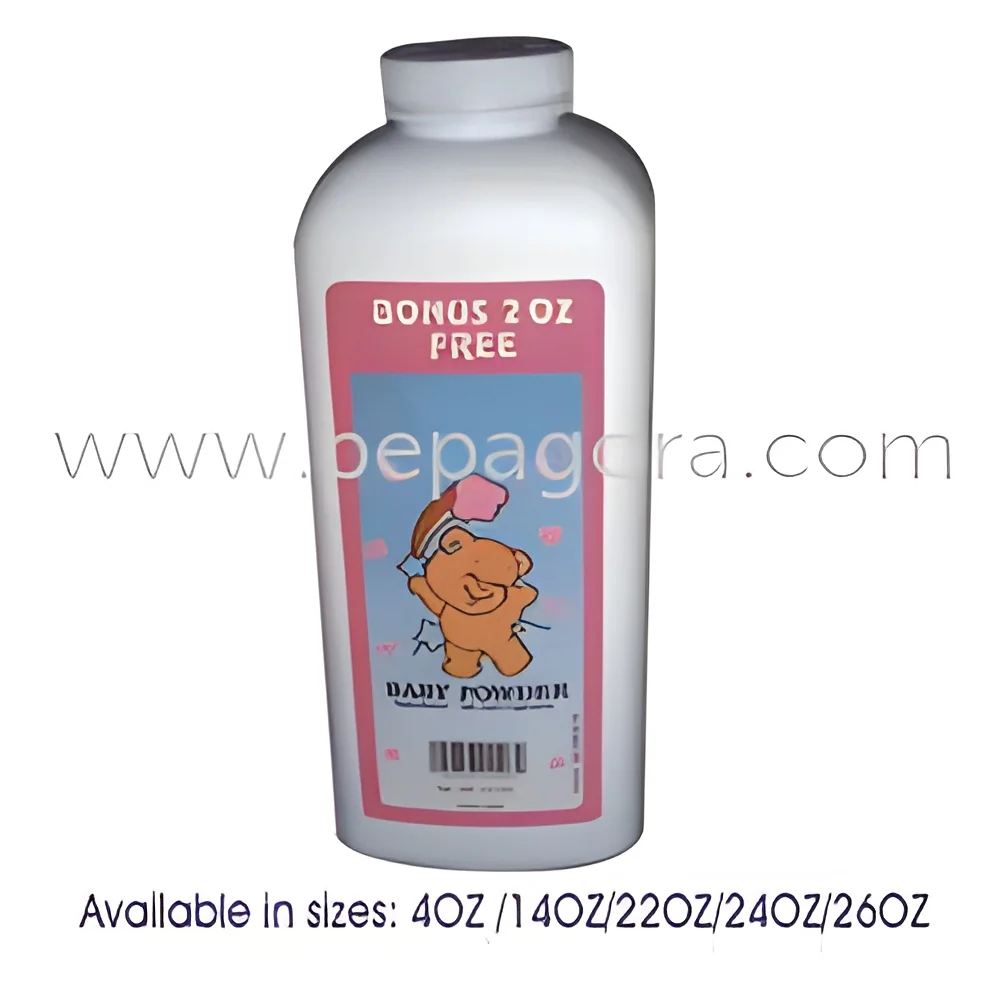
What are Baby Powder?
Baby powder is a finely milled product primarily made from talcum powder or cornstarch. It is used to absorb moisture, reduce friction, and provide a smooth, soft texture to the skin. Baby powder is commonly applied to prevent diaper rash and keep the skin dry and comfortable. Its formulation may include fragrances and skin-soothing agents, making it suitable for delicate skin.
The primary applications of baby powder extend beyond personal care for infants. In various industries, it is utilized in the manufacturing of personal hygiene products, cosmetics, and even in some food processing applications. Businesses can leverage baby powder for its absorbent properties, enhancing the performance of their products. The baby powder market is influenced by growing awareness of skincare, increasing demand for organic and natural products, and a rise in disposable income among consumers.
As the market for baby powder evolves, it remains relevant in the personal care sector, driven by innovations in formulation and packaging. The competitive landscape includes established manufacturers and emerging brands, with a focus on safety, efficacy, and compliance with industry standards.
Key Features and Specifications
Baby powder is characterized by several key features that make it suitable for various applications. Understanding these specifications is crucial for businesses when selecting the right product.
Key specifications include:
1. Composition
- Typically made from talc or cornstarch
- May include additional ingredients like fragrances and skin-soothing agents
2. Particle Size
- Fine particle size for smooth application
- Usually ranges between 5 to 20 micrometers
3. Absorbency
- High moisture absorption capacity
- Effectively keeps skin dry and reduces friction
4. Safety Standards
- Must comply with safety regulations for cosmetic products
- Testing for irritants and allergens is common
5. Shelf Life
- Generally has a shelf life of 2 to 3 years
- Proper storage conditions can extend usability
6. Packaging Options
- Available in various packaging sizes
- Commonly found in bottles, jars, and pouches
7. Fragrance
- Offers a range of scents, including unscented options
- Fragrance levels can vary based on consumer preferences
8. Certifications
- Certification such as CE indicates product safety and compliance
- May also comply with regional health regulations
In summary, understanding the features and specifications of baby powder is vital for businesses to ensure they choose a product that meets their specific needs.
Common Applications and Use Cases
Baby powder serves various industries beyond its traditional use in infant care. Its versatility makes it a valuable ingredient in multiple applications.
1. Personal Care: Commonly used in baby care products to prevent diaper rash, it is also found in adult personal hygiene items due to its moisture-absorbing properties.
2. Cosmetics: Baby powder is utilized in cosmetic formulations as a filler and absorbent, enhancing the texture and feel of products like foundations and powders.
3. Food Industry: In some cases, food-grade baby powder can be used as an anti-caking agent, helping to maintain the quality of powdered food products.
4. Pharmaceuticals: Baby powder is sometimes included in medicated powders for its soothing and absorbent qualities.
5. Textile Industry: Used in the manufacturing of textiles, baby powder can help to reduce friction and improve the feel of fabrics.
6. Industrial Applications: Certain industrial processes may use baby powder for its absorbency, particularly in environments where moisture control is critical.
7. Household Products: Found in household cleaning products, baby powder can help absorb odors and moisture in various applications.
Product Variants and Subcategories
The baby powder market features a range of variants, catering to different consumer needs and preferences.
Talc-Based Baby Powder: This variant is made primarily from talc and is known for its excellent moisture-absorbing properties. It is widely used in baby care products and adult personal care items.
Cornstarch-Based Baby Powder: An alternative to talc, this variant is derived from corn and is often preferred by consumers seeking natural options. It is gentle on the skin and is frequently used in organic product lines.
Fragrance-Free Baby Powder: Designed for sensitive skin, this variant omits fragrances to reduce the risk of irritation. It is suitable for both infants and adults with sensitive skin.
Organic Baby Powder: Made from natural ingredients, organic baby powder appeals to eco-conscious consumers. It is free from synthetic additives and is often certified organic.
Benefits and Advantages
Baby powder provides several key benefits that make it a preferred choice for consumers and manufacturers alike.
1. Moisture Control: Baby powder effectively absorbs moisture, keeping skin dry and comfortable, which is essential for preventing skin irritations.
2. Skin Protection: It helps to reduce friction, protecting the skin from chafing and irritation, particularly in sensitive areas.
3. Versatility: Baby powder can be used in various applications, from personal care to industrial uses, making it a valuable ingredient across multiple sectors.
4. Easy Application: The fine texture allows for smooth and easy application, enhancing user experience.
5. Safety Profile: Many baby powders are formulated to be gentle on the skin, with safety testing ensuring they are suitable for sensitive skin types.
6. Cost-Effectiveness: Widely available and competitively priced, baby powder offers an economical solution for businesses and consumers.
Buying Guide for B2B Buyers
When sourcing baby powder, it is essential for businesses to consider several key factors to ensure they make informed purchasing decisions.
1. Quality Assessment: Evaluate the quality of baby powder by requesting product samples and reviewing specifications. Look for certifications that indicate compliance with safety standards.
2. Supplier Verification: Conduct thorough research on potential suppliers. Check their reputation, reviews, and any certifications they hold to ensure reliability and product quality.
3. Pricing and MOQ: Understand the pricing structure and minimum order quantities (MOQ) required by suppliers. This will help in budgeting and making bulk purchases.
4. Delivery and Lead Times: Inquire about logistics, including delivery times and shipping methods. Timely delivery is crucial for maintaining inventory levels.
5. Compliance Requirements: Ensure that the baby powder meets regional compliance and safety requirements. This may include certifications such as CE and adherence to local regulations.
Compliance and Certifications
Compliance with industry standards and certifications is critical for the production and sale of baby powder.
Relevant quality standards include ISO 9001, which ensures that products meet customer and regulatory requirements. Compliance with Good Manufacturing Practices (GMP) is also essential to guarantee product safety and efficacy.
Certifications such as CE indicate that the product meets European safety standards. This is particularly important for businesses selling to international markets.
Safety and testing requirements are vital to ensure that baby powder is free from harmful substances. Regular testing for irritants and allergens is common practice in the industry.
Regional compliance considerations vary, so businesses must ensure that their products meet local regulations regarding cosmetics and personal care items.
Why Source Baby Powder from Pepagora?
Pepagora provides a trusted platform for sourcing baby powder, offering several key advantages for businesses looking to procure high-quality products.
Verified Supplier Network: Pepagora connects buyers with a verified network of suppliers, ensuring that all partners meet stringent quality and safety standards.
Streamlined RFQ Process: The platform simplifies the request for quotation (RFQ) process, allowing buyers to easily compare offers and make informed purchasing decisions.
Trade Assurance and Support: Pepagora offers buyer protection through trade assurance measures, ensuring that transactions are secure and that buyers receive the products as specified.
Regional Coverage: With a strong presence in markets across India, the GCC, and Southeast Asia, Pepagora provides extensive geographic reach, making it easier for businesses to source baby powder from reliable suppliers.

 IN
IN