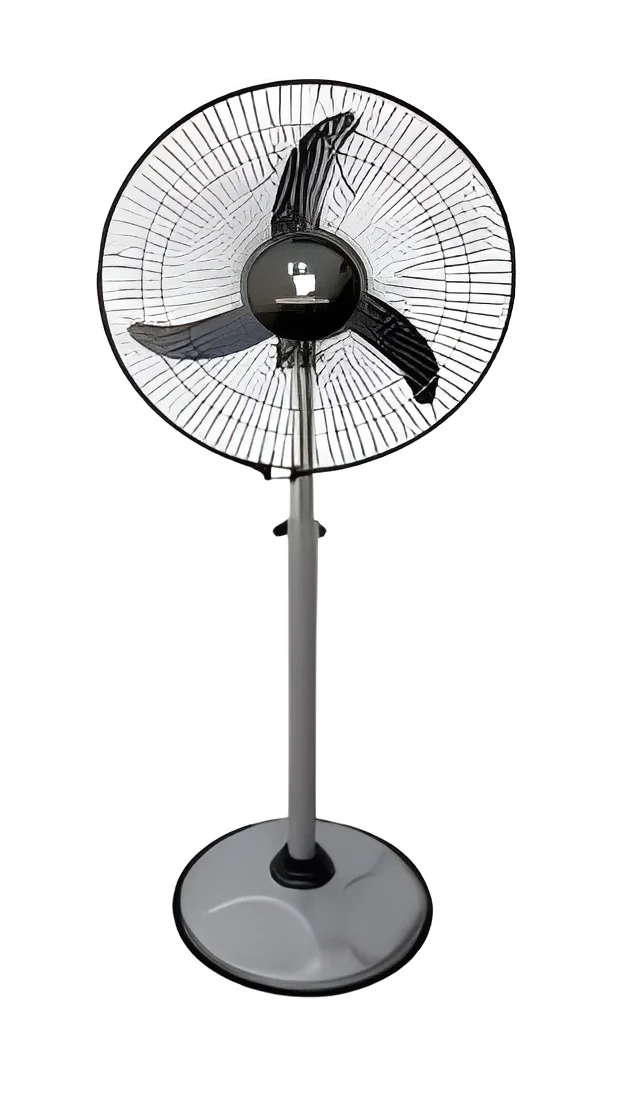
What are Fan Motors?
Fan motors are electromechanical devices designed to convert electrical energy into mechanical energy for the purpose of driving fans. These motors operate by producing rotational movement that propels air through various systems, making them essential components in a wide range of applications. Fan motors can be categorized based on their construction, power source, and operational characteristics, including AC (alternating current) and DC (direct current) types.
These motors are utilized across multiple sectors, including HVAC (Heating, Ventilation, and Air Conditioning), manufacturing, and commercial facilities. They play a crucial role in maintaining air circulation, cooling systems, and ventilation. Moreover, the growing emphasis on energy efficiency and environmental sustainability has led to the development of advanced fan motors that consume less power while delivering optimal performance. The fan motor market is expanding, driven by industrial growth and increasing demand for energy-efficient solutions.
Key Features and Specifications
Fan motors are engineered with several key features that enhance their performance and reliability. Understanding these specifications is crucial for selecting the right motor for specific applications.
Key specifications include:
1. Motor Type
- Available in AC and DC configurations.
- Each type has unique performance characteristics suitable for different applications.
2. Power Rating
- Typically ranges from a few watts to several kilowatts.
- Determines the overall capacity and performance of the motor.
3. Speed Control
- Options for fixed speed or variable speed control.
- Allows for adaptability in various operational conditions.
4. Mounting Options
- Various mounting styles, including flange and foot-mounted designs.
- Ensures compatibility with different installation environments.
5. Insulation Class
- Common classes include B, F, and H.
- Indicates the temperature tolerance of motor windings.
6. Efficiency Ratings
- Classified under energy efficiency standards like IE2 and IE3.
- Higher efficiency ratings lead to reduced energy consumption.
7. Noise Level
- Specified in decibels (dB), with lower values indicating quieter operation.
- Important for applications where noise is a concern.
8. Protection Class
- IP ratings (Ingress Protection) indicate resistance to dust and moisture.
- Higher ratings are essential for harsh operating environments.
In summary, understanding the key features and specifications of fan motors is critical for selecting the appropriate model that meets operational needs and efficiency goals.
Common Applications and Use Cases
Fan motors are versatile components used across various industries to facilitate airflow and cooling.
1. HVAC: In heating, ventilation, and air conditioning systems, fan motors regulate air circulation and temperature control, enhancing overall comfort in residential and commercial spaces.
2. Manufacturing: In industrial settings, fan motors are used in exhaust systems for removing fumes and particles, as well as in cooling systems for machinery and equipment.
3. Agriculture: Fan motors are vital in agricultural applications for ventilation in greenhouses and animal housing, contributing to optimal growing conditions and animal welfare.
4. Automotive: In vehicles, fan motors are used for cooling engines and maintaining cabin comfort through air conditioning systems.
5. Electronics: Cooling fans powered by fan motors are essential in computers and electronic devices to prevent overheating and ensure optimal performance.
6. Refrigeration: Fan motors are crucial in refrigeration units, helping to maintain temperature stability and efficiency in food storage.
7. Aerospace: In aircraft, fan motors are used to provide cabin air circulation and cooling for various systems.
Product Variants and Subcategories
Fan motors come in diverse variants to meet specific operational requirements. Each variant offers unique features tailored to distinct applications.
Standard Fan Motors
These are designed for general-purpose use and are suitable for a wide range of applications, from HVAC systems to industrial machinery. They are known for their reliability and ease of installation.
High-Efficiency Fan Motors
These motors are engineered to operate at higher efficiency levels, reducing energy consumption and operational costs. They are ideal for applications where energy savings are a priority.
Explosion-Proof Fan Motors
These variants are designed for hazardous environments where flammable gases or dust may be present. They meet strict safety standards and feature robust constructions to prevent ignition.
Compact Fan Motors
These motors are designed for applications with space constraints. Their smaller size does not compromise performance, making them suitable for use in tight spaces such as electronic equipment.
Benefits and Advantages
Fan motors provide several benefits that enhance operational efficiency and reliability.
1. Energy Efficiency: Many modern fan motors are designed to reduce energy consumption, leading to lower operational costs and a smaller carbon footprint.
2. Versatility: Fan motors are applicable in numerous industries, making them suitable for a wide range of use cases.
3. Durability: Constructed with high-quality materials, fan motors are built to withstand demanding conditions and provide long service life.
4. Easy Maintenance: Most fan motors are designed for straightforward maintenance, reducing downtime and enhancing productivity.
5. Adaptability: With options for speed control and various mounting configurations, fan motors can be tailored to fit specific installation requirements.
6. Improved Air Quality: By ensuring proper ventilation and air circulation, fan motors contribute to healthier indoor environments.
Buying Guide for B2B Buyers
When sourcing fan motors, it is essential to consider several key factors to ensure the best fit for your operational needs.
1. Quality Assessment: Prioritize motors that meet high-quality standards such as ISO certifications. Evaluate the manufacturer's reputation and product reviews.
2. Supplier Verification: Vet suppliers carefully by checking their background, customer feedback, and industry experience. This helps ensure reliable partnerships.
3. Pricing and MOQ: Understand the pricing structure and minimum order quantities (MOQ). Compare quotes from different suppliers to find the best deal without compromising quality.
4. Delivery and Lead Times: Inquire about delivery schedules and lead times. Timely delivery is crucial for maintaining production schedules.
5. Compliance Requirements: Ensure that the fan motors comply with industry standards and regulations, such as CE certification, to avoid legal issues and ensure safety.
Compliance and Certifications
Fan motors must adhere to various compliance and certification standards to ensure quality and safety in their operation. Relevant quality standards such as ISO 9001 outline requirements for a quality management system, ensuring consistent product quality.
Industry certifications, including CE marking, indicate that the products meet European safety and health requirements. This is essential for businesses operating within the European Union or exporting to these regions.
Safety and testing requirements are crucial for fan motors, particularly in industrial applications where improper functioning can lead to hazards. Testing standards ensure that motors perform reliably under specified conditions.
Regional compliance considerations may vary, and it is important for manufacturers and suppliers to be aware of local regulations that apply to fan motors in different markets.
Why Source Fan Motors from Pepagora?
Pepagora offers a trusted platform for sourcing fan motors, providing B2B buyers with several key advantages.
Verified Supplier Network: Pepagora connects buyers with a network of verified suppliers, ensuring that businesses can find reliable partners for their procurement needs.
Streamlined RFQ Process: The request for quotation (RFQ) process on Pepagora is designed to be straightforward, allowing buyers to receive multiple quotes quickly and efficiently.
Trade Assurance and Support: Pepagora offers trade assurance, protecting buyers from risks associated with procurement. This includes support for resolving disputes and ensuring product quality.
Regional Coverage: With a strong presence in India, the GCC, and Southeast Asia, Pepagora provides extensive geographic reach, making it easier for businesses to find suitable fan motors regardless of location.

 IN
IN
 India
India