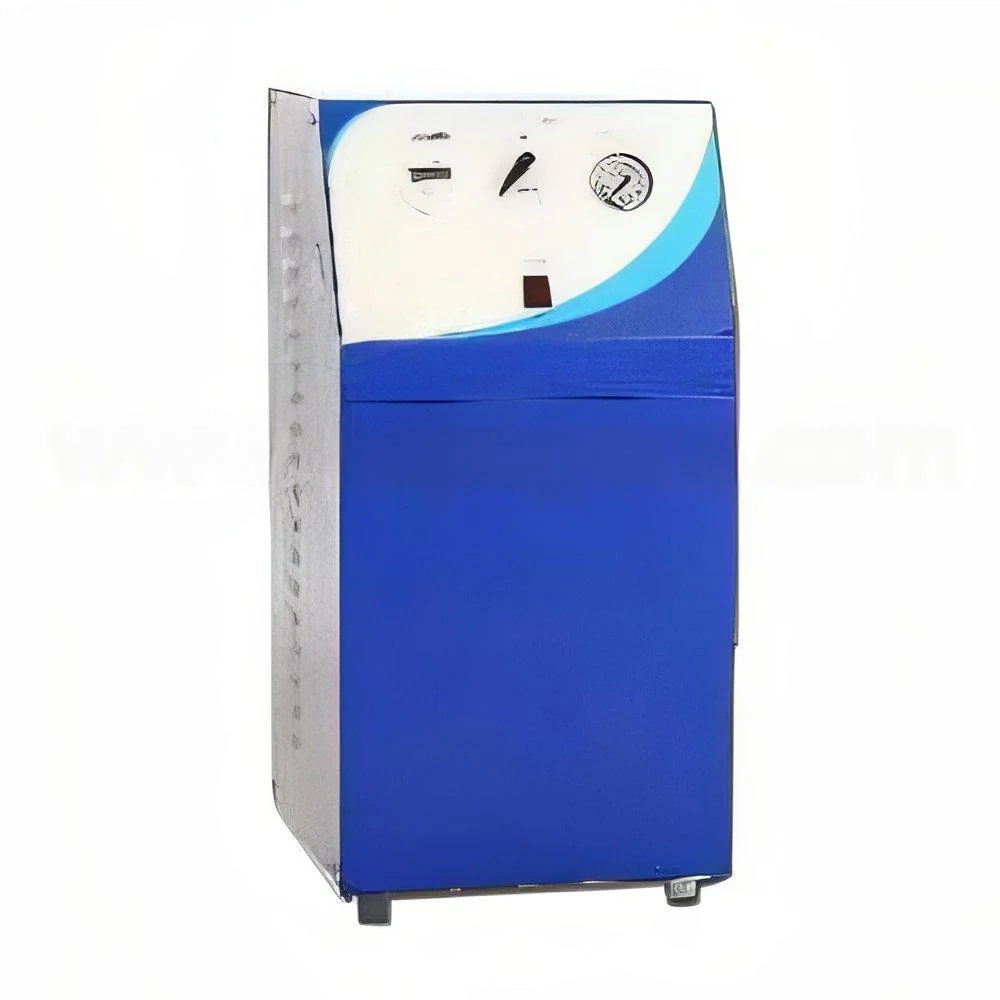
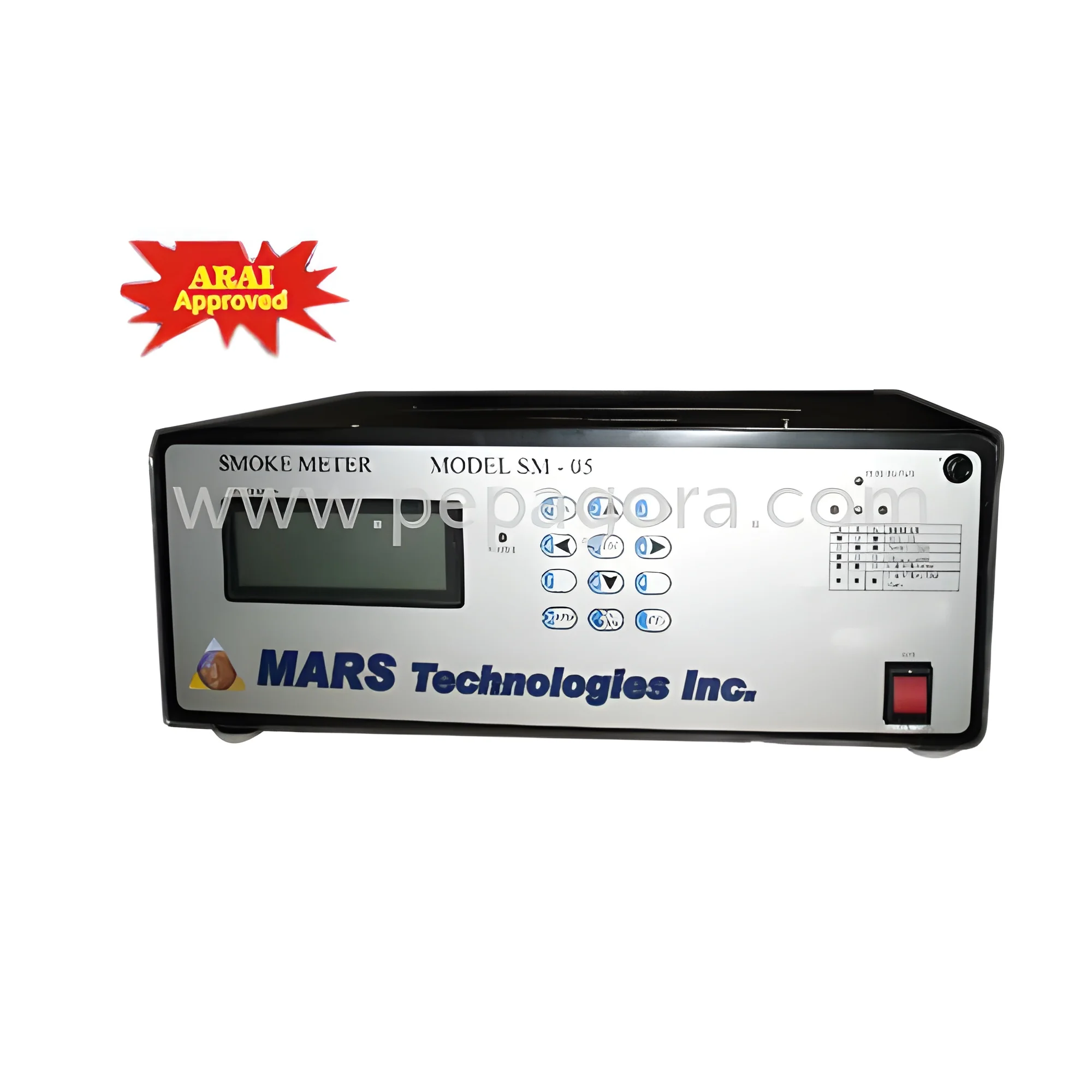
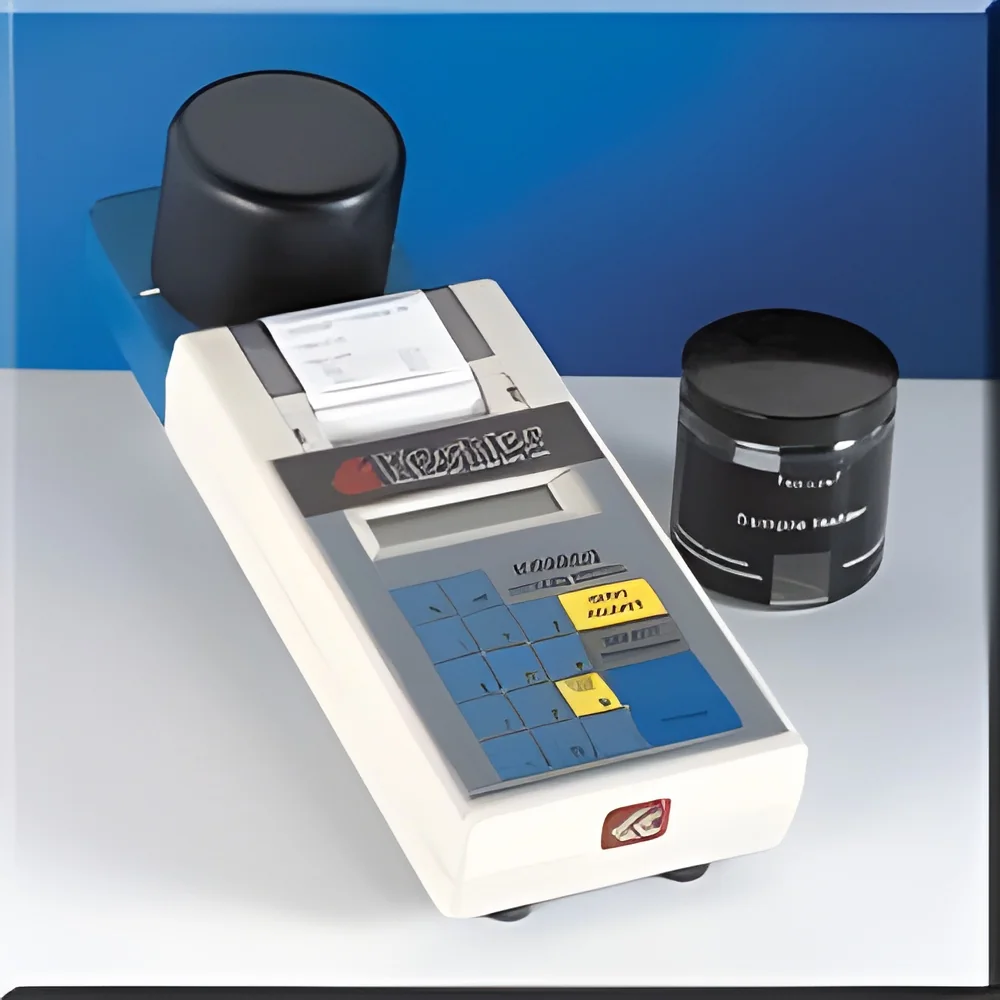
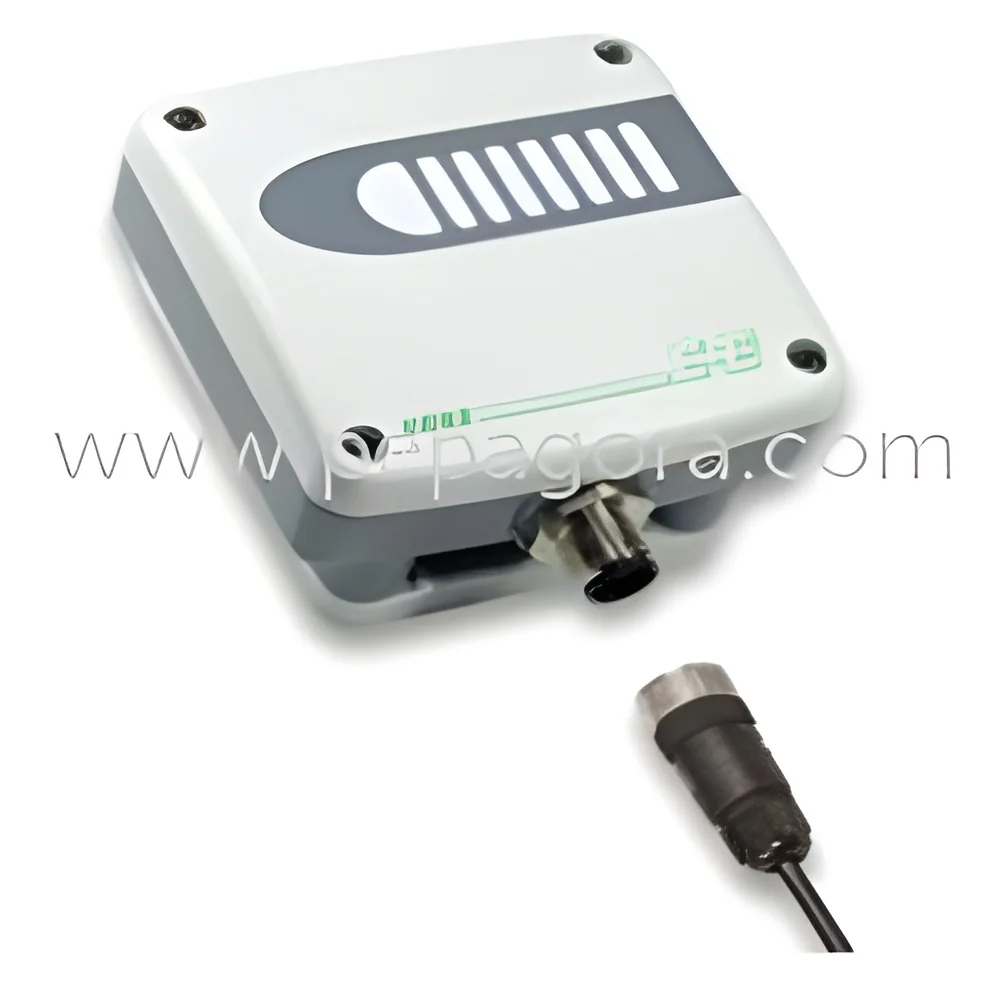
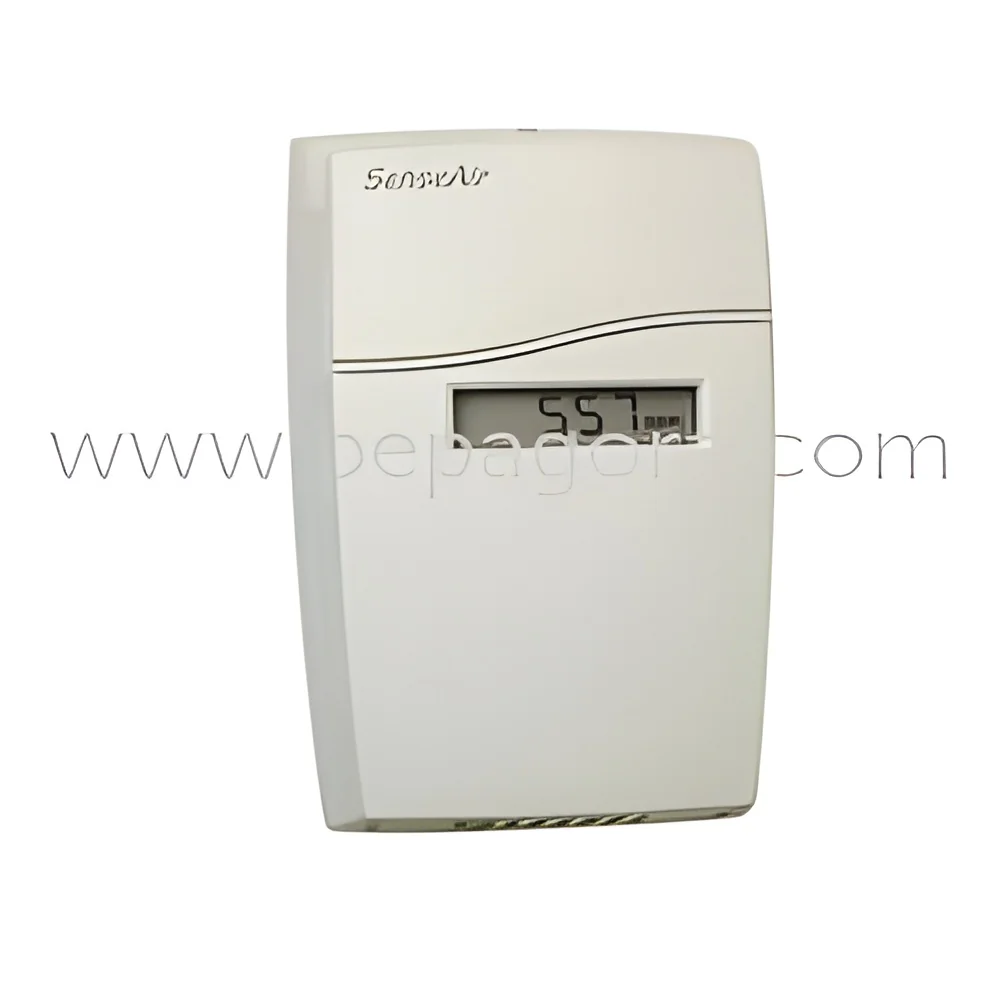
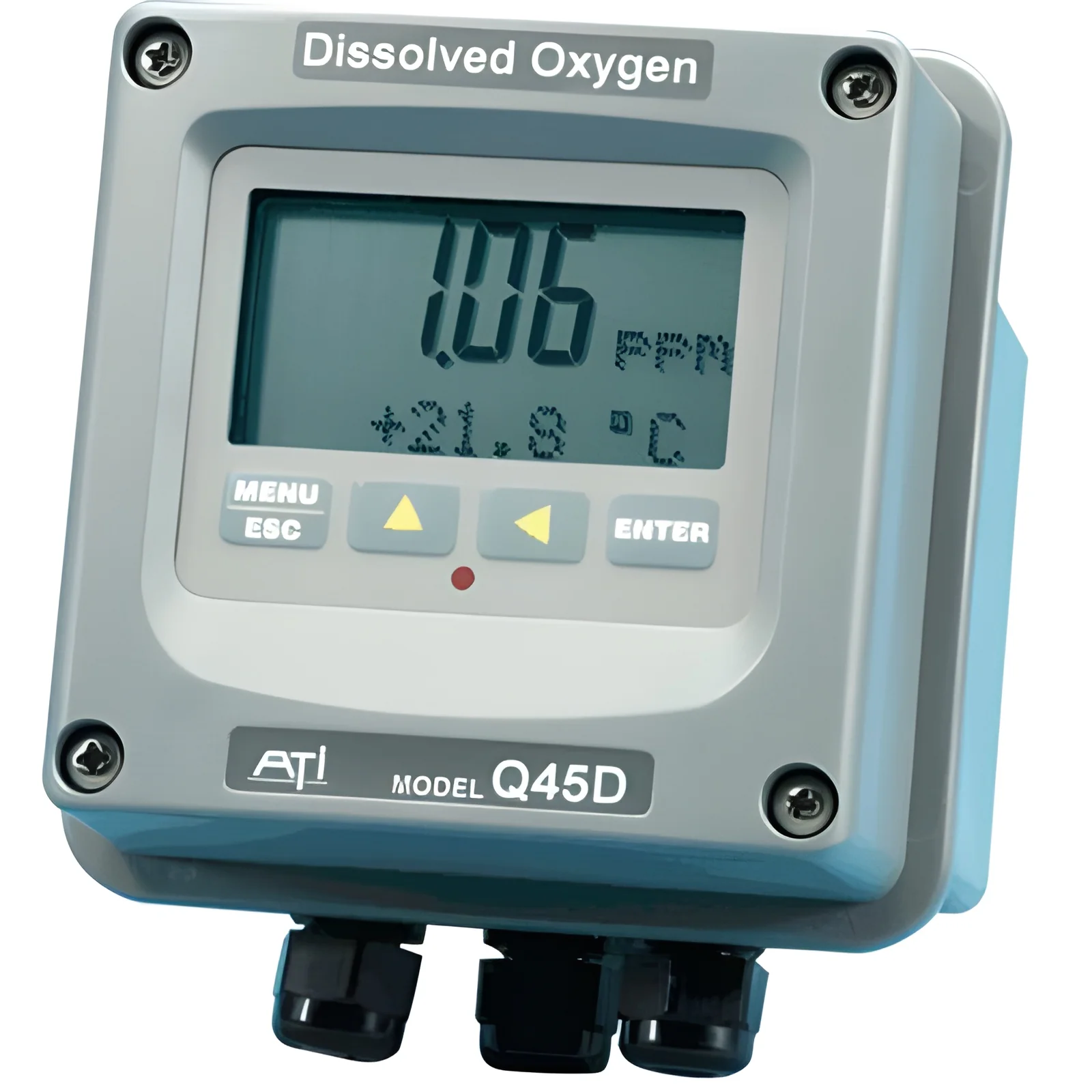
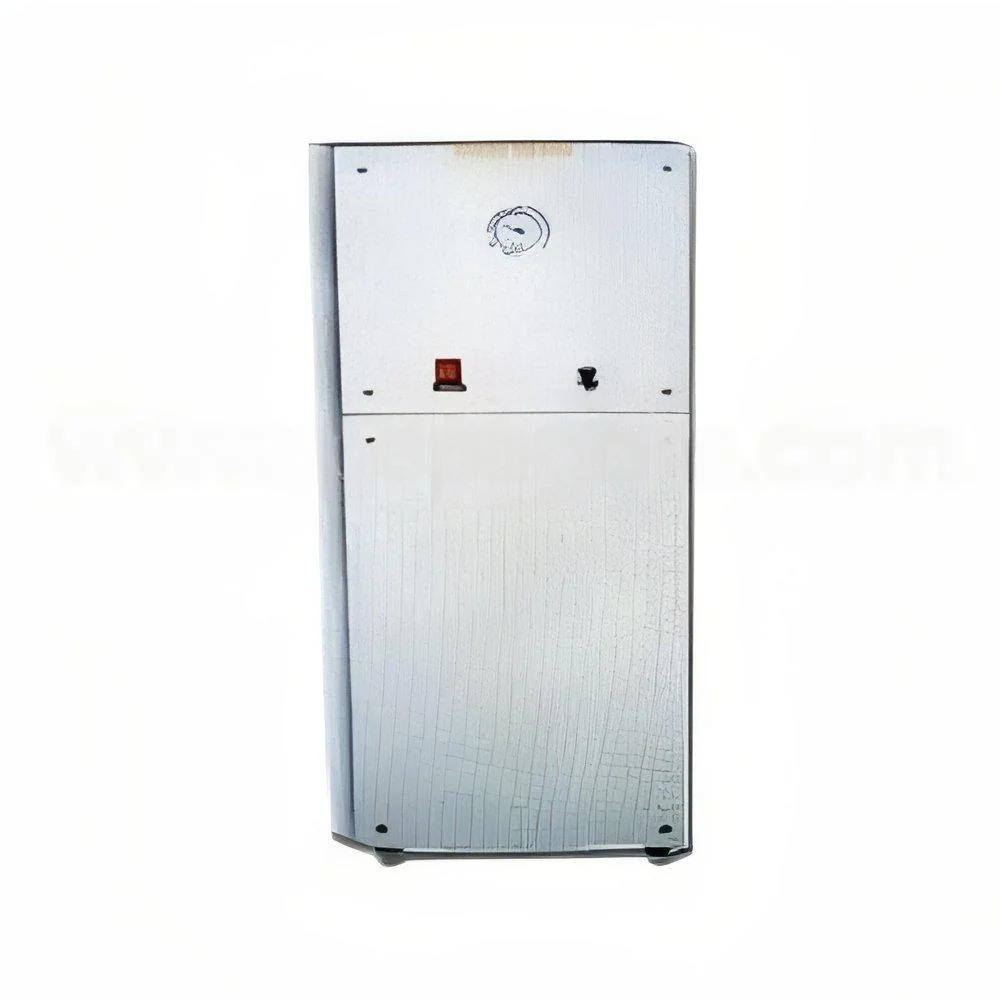
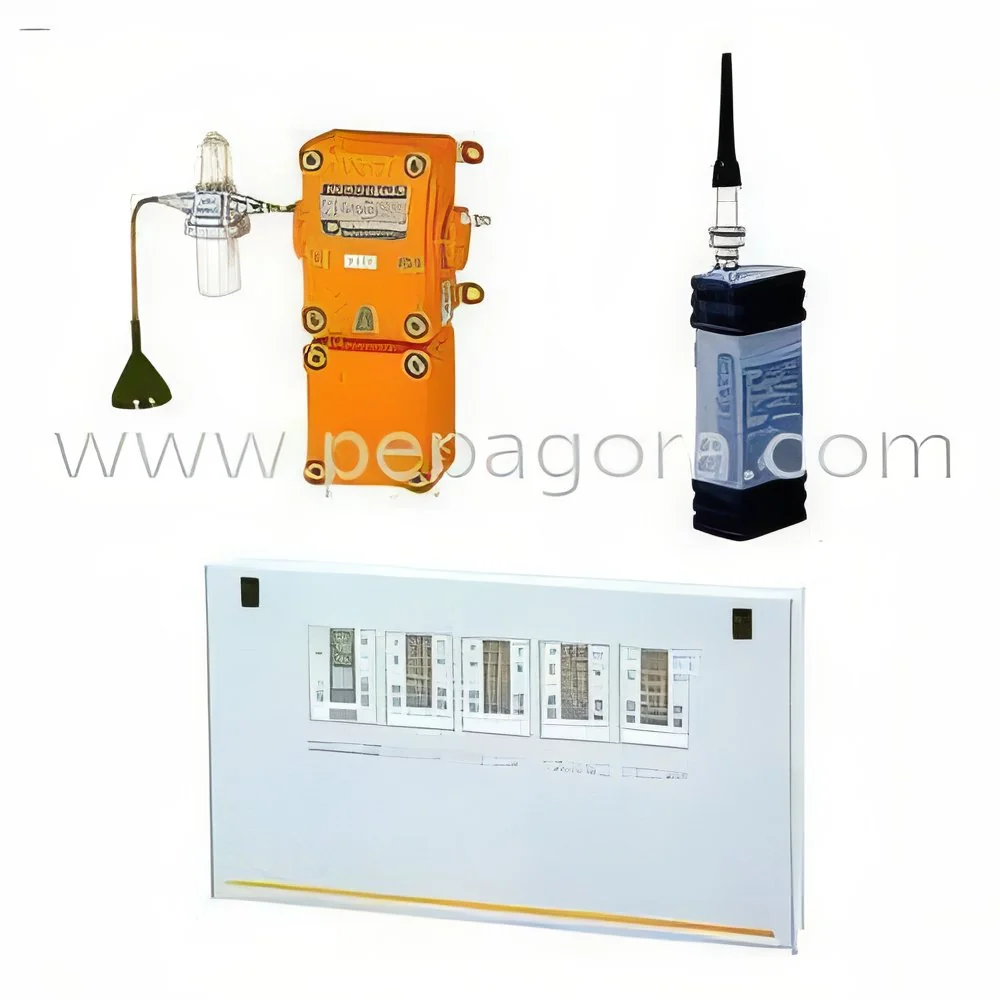
What are Exhaust Gas Analyzers?
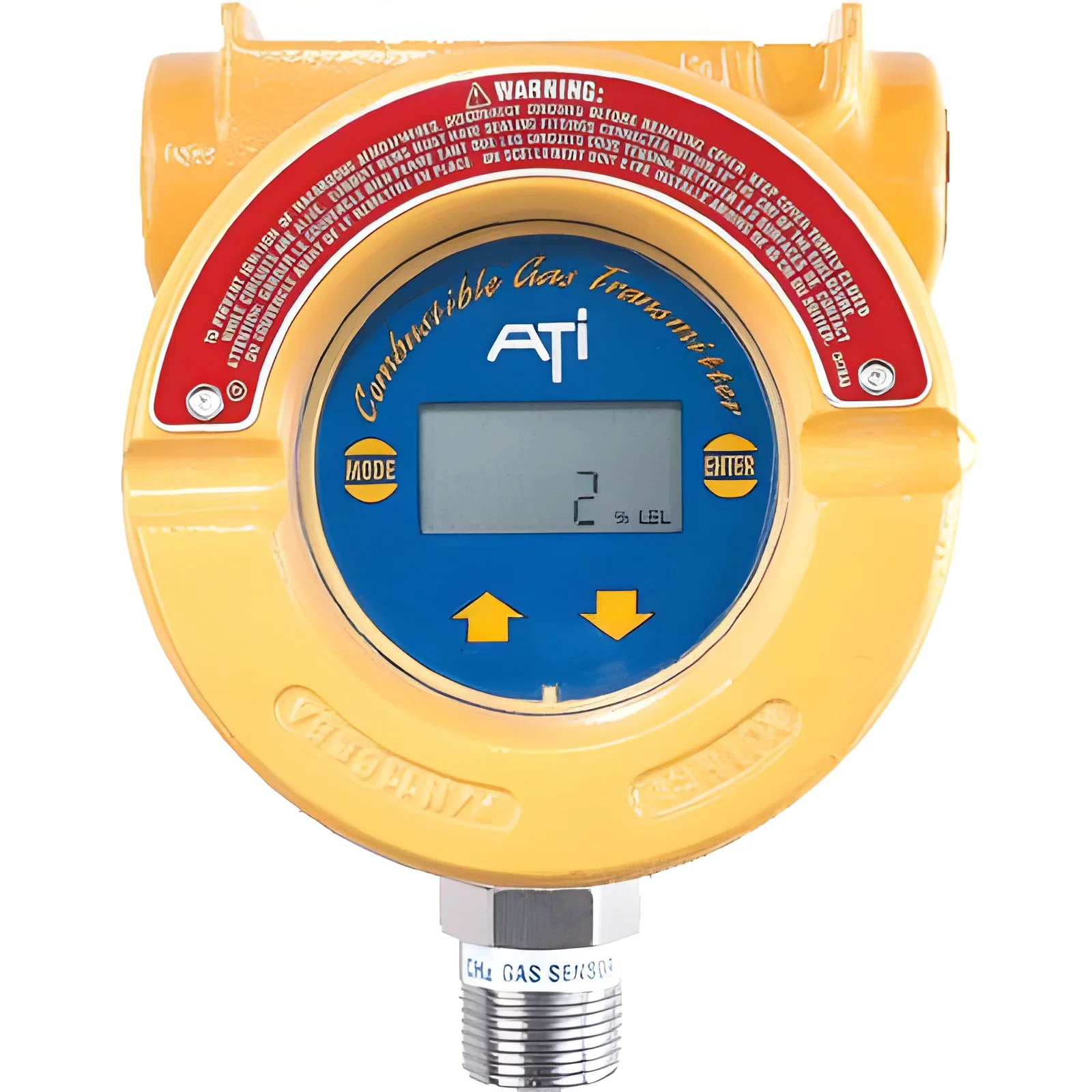
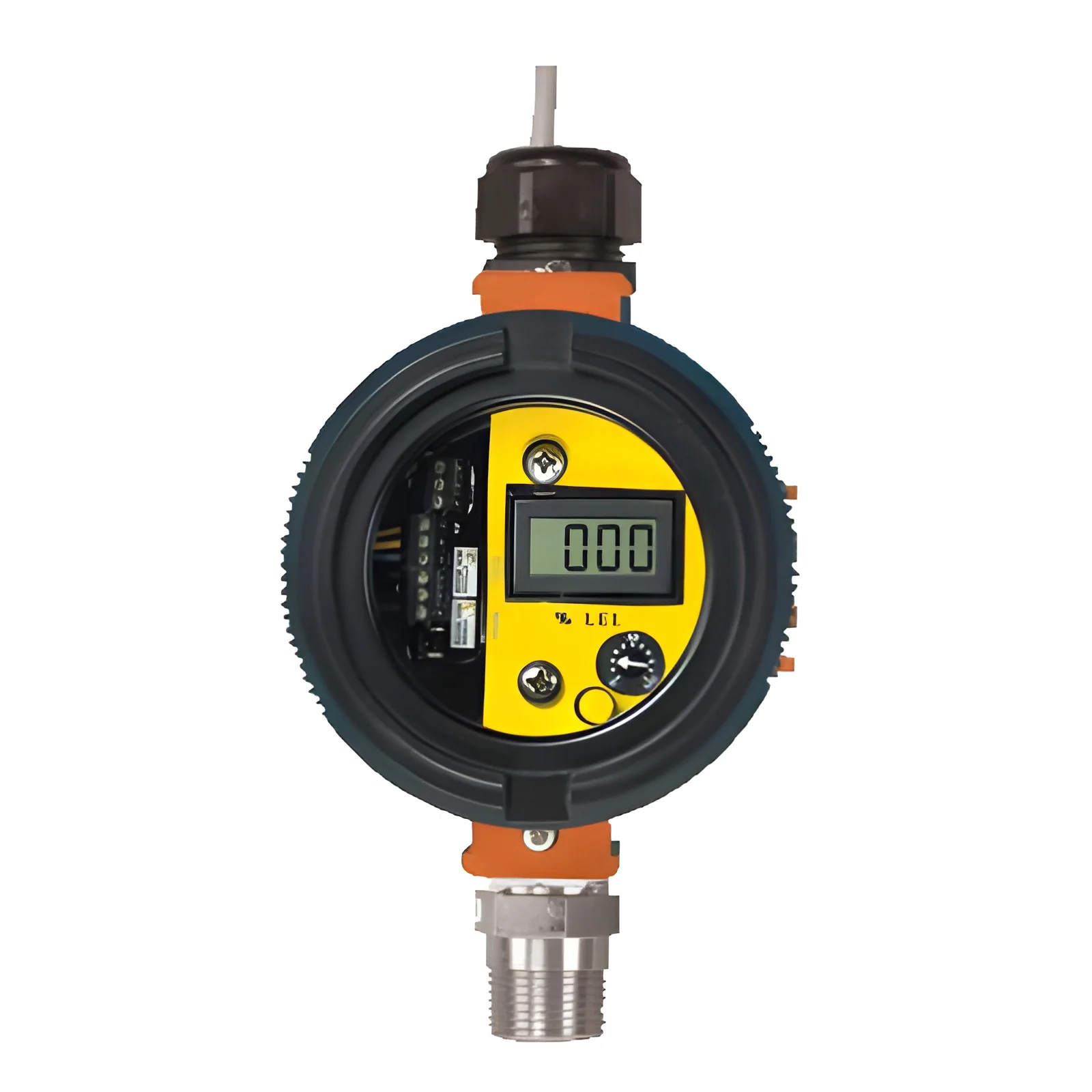
Exhaust gas analyzers are sophisticated instruments designed to measure and analyze the composition of gases emitted from combustion engines and industrial processes. These devices provide critical insights into the levels of various pollutants, including carbon monoxide, nitrogen oxides, hydrocarbons, and particulates. By utilizing advanced sensing technology, exhaust gas analyzers can deliver accurate readings that are essential for monitoring emissions, ensuring compliance with environmental regulations, and optimizing combustion efficiency.
The primary uses of exhaust gas analyzers extend across multiple industries, including automotive, manufacturing, and power generation. Businesses utilize these analyzers to ensure that their operations meet stringent environmental standards and to enhance operational efficiency by identifying areas for improvement in combustion processes. Regular monitoring of exhaust emissions helps companies reduce their carbon footprint and adhere to legal requirements, ultimately fostering sustainable industrial practices.
In the current market context, the relevance of exhaust gas analyzers is growing as governments worldwide tighten regulations on emissions. Industries are increasingly investing in these technologies to avoid penalties and enhance their reputation as responsible environmental stewards. Furthermore, advancements in technology have led to the development of more compact and user-friendly analyzers, making them accessible to a wider range of businesses.
Key Features and Specifications
Exhaust gas analyzers come equipped with a variety of features that enhance their functionality and usability. These features are designed to provide accurate and reliable data critical for emissions monitoring and compliance.
Key specifications include:
1. Measurement Range
- Typically covers a variety of gases such as CO, CO2, NOx, and hydrocarbons.
- Ranges can vary based on the specific application and analyzer model.
2. Detection Technology
- Utilizes technologies such as infrared sensors, electrochemical sensors, or gas chromatography.
- Each technology has unique advantages in terms of accuracy and response time.
3. Data Output
- Provides real-time data display, often through digital screens.
- Compatible with software for data logging and reporting.
4. Calibration Frequency
- Generally requires calibration every 6 months to ensure accuracy.
- Some models may offer automatic calibration features.
5. Operating Temperature
- Designed to function optimally within specific temperature ranges.
- Ensures reliable performance in various industrial environments.
6. Portability
- Many models are portable, allowing for on-site measurements.
- Battery-operated options enhance mobility.
7. User Interface
- Typically features intuitive controls and displays for user-friendly operation.
- Some models may offer touchscreen interfaces for ease of use.
8. Compliance Standards
- Designed to meet industry standards such as CE certification.
- Ensures reliability and safety in operation.
In summary, exhaust gas analyzers are equipped with essential features that cater to the diverse needs of various industries, ensuring accurate emissions monitoring and compliance with regulatory standards.
Common Applications and Use Cases
Exhaust gas analyzers find applications in a multitude of industries, serving various purposes.
1. Automotive: In the automotive sector, these analyzers are used for emission testing during vehicle inspections. They help manufacturers and service providers ensure that vehicles comply with environmental regulations.
2. Manufacturing: In manufacturing, exhaust gas analyzers monitor emissions from machinery and production processes. This monitoring helps optimize combustion efficiency and reduce waste.
3. Power Generation: Power plants utilize exhaust gas analyzers to monitor emissions from their generators. This ensures compliance with environmental standards and helps in maintaining operational efficiency.
4. Marine: In the marine industry, these analyzers are used to monitor emissions from ships and boats, ensuring they meet international maritime regulations.
5. Research and Development: In R&D environments, exhaust gas analyzers are employed to test and develop cleaner fuel technologies and combustion processes.
6. Construction: Construction equipment often uses exhaust gas analyzers to monitor emissions, helping companies adhere to environmental guidelines.
7. Waste Management: In waste-to-energy facilities, these analyzers monitor emissions from incinerators, ensuring they meet air quality standards.
Product Variants and Subcategories
Exhaust gas analyzers come in various models tailored to specific needs and applications.
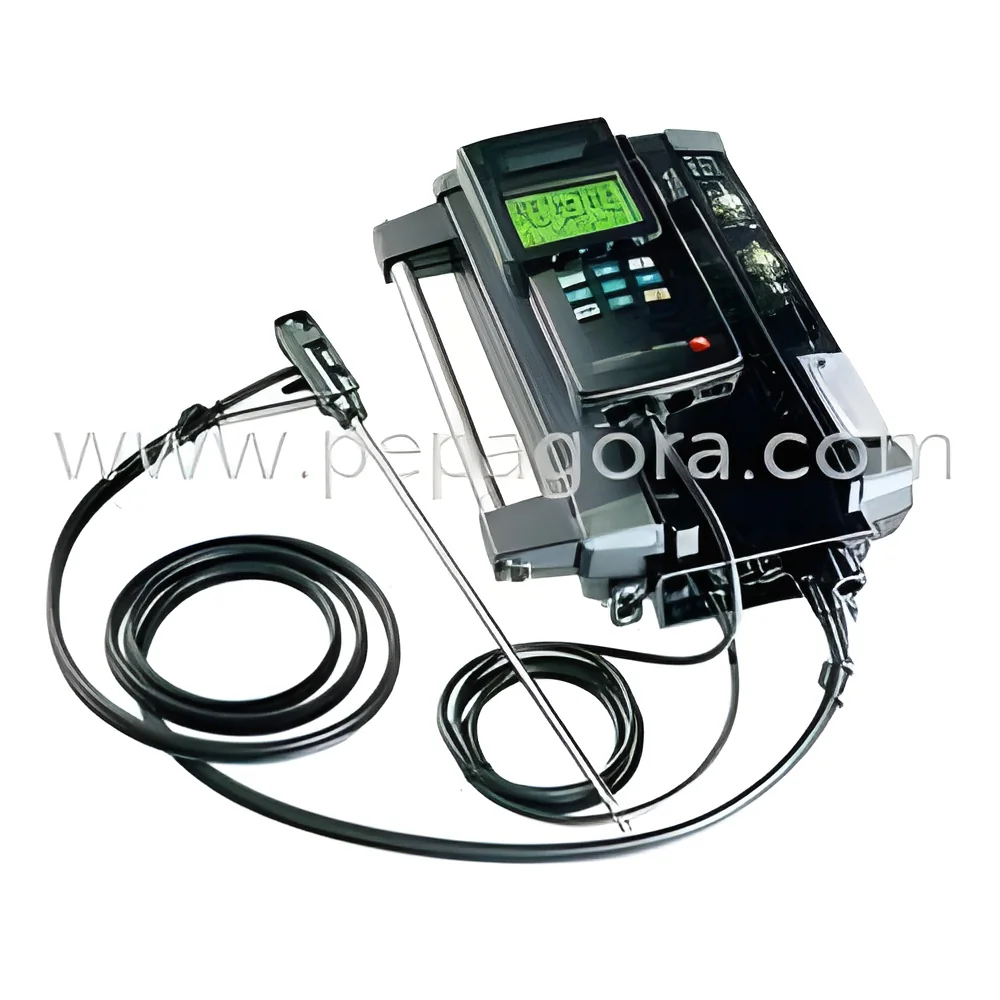
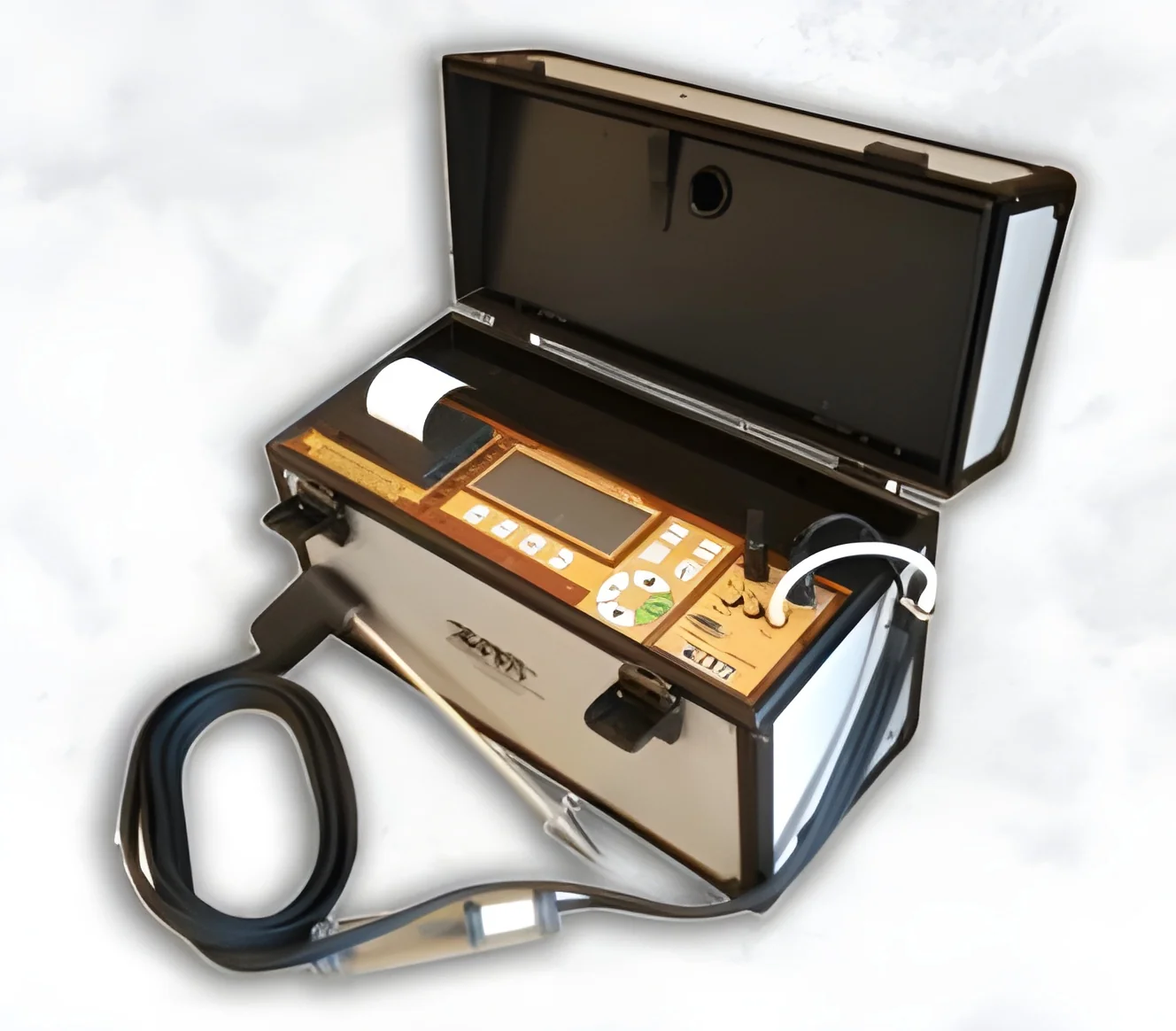
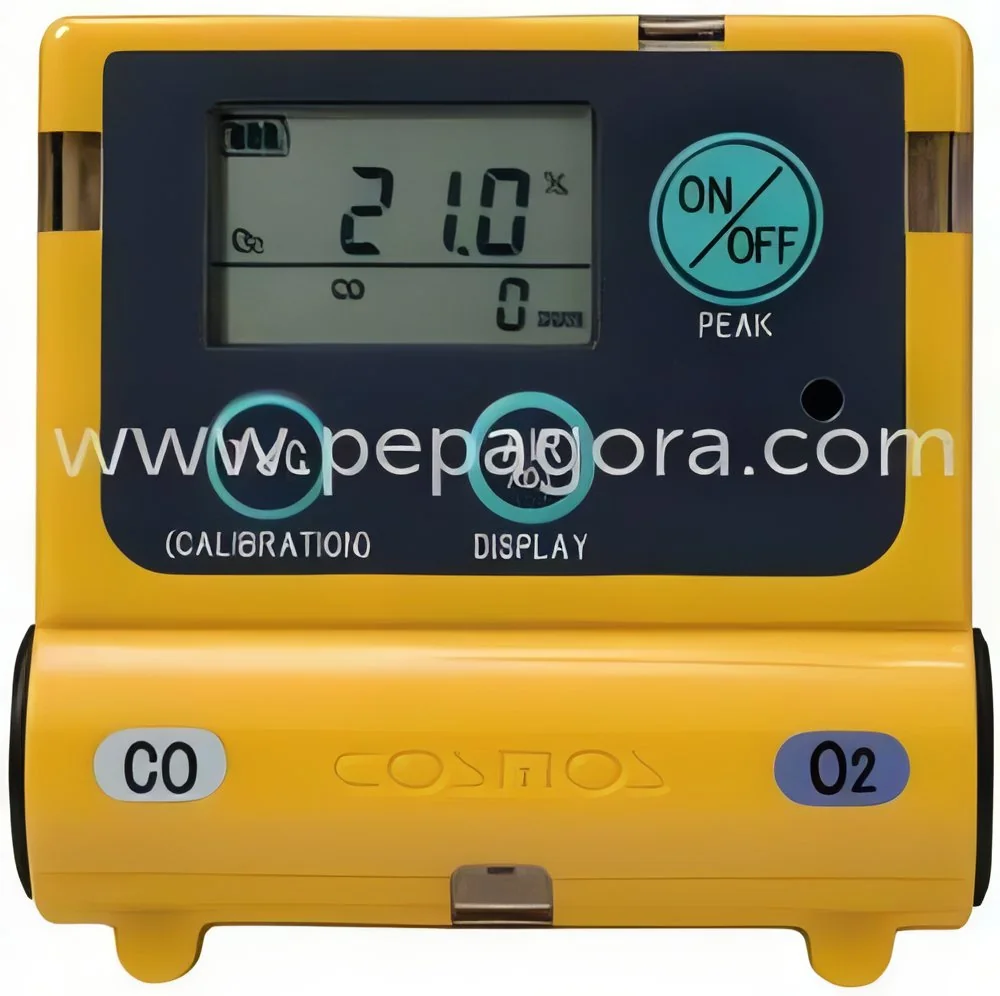
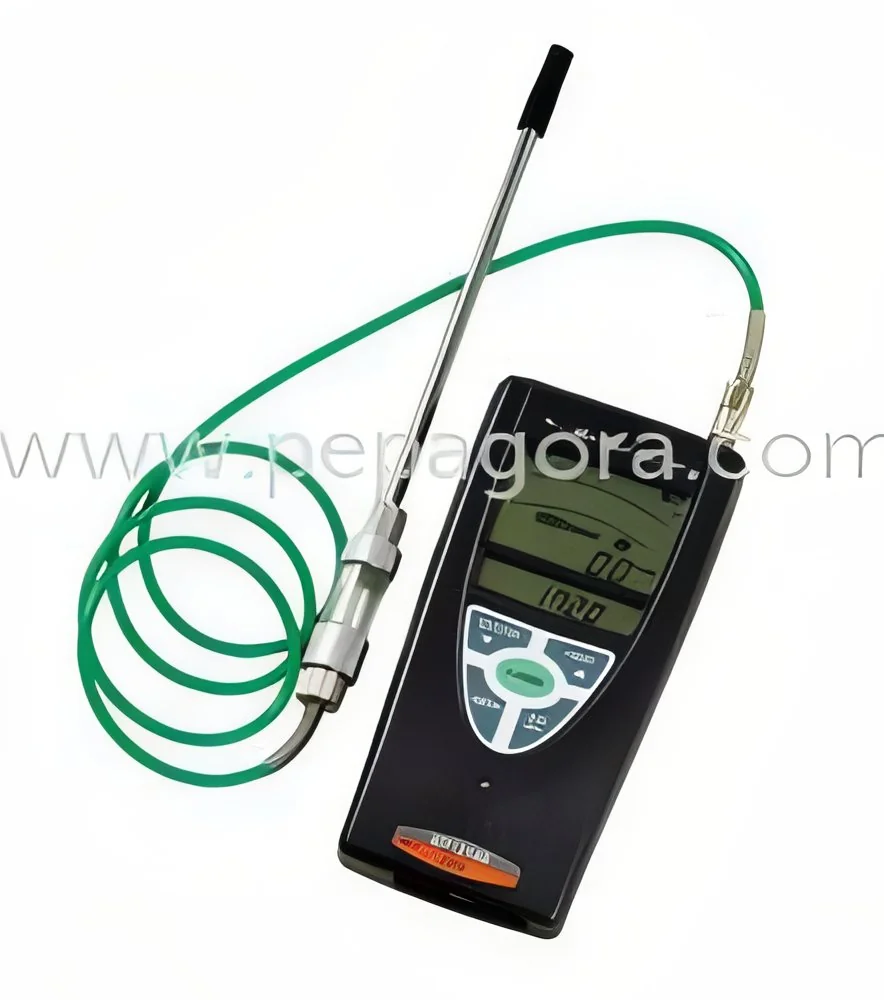
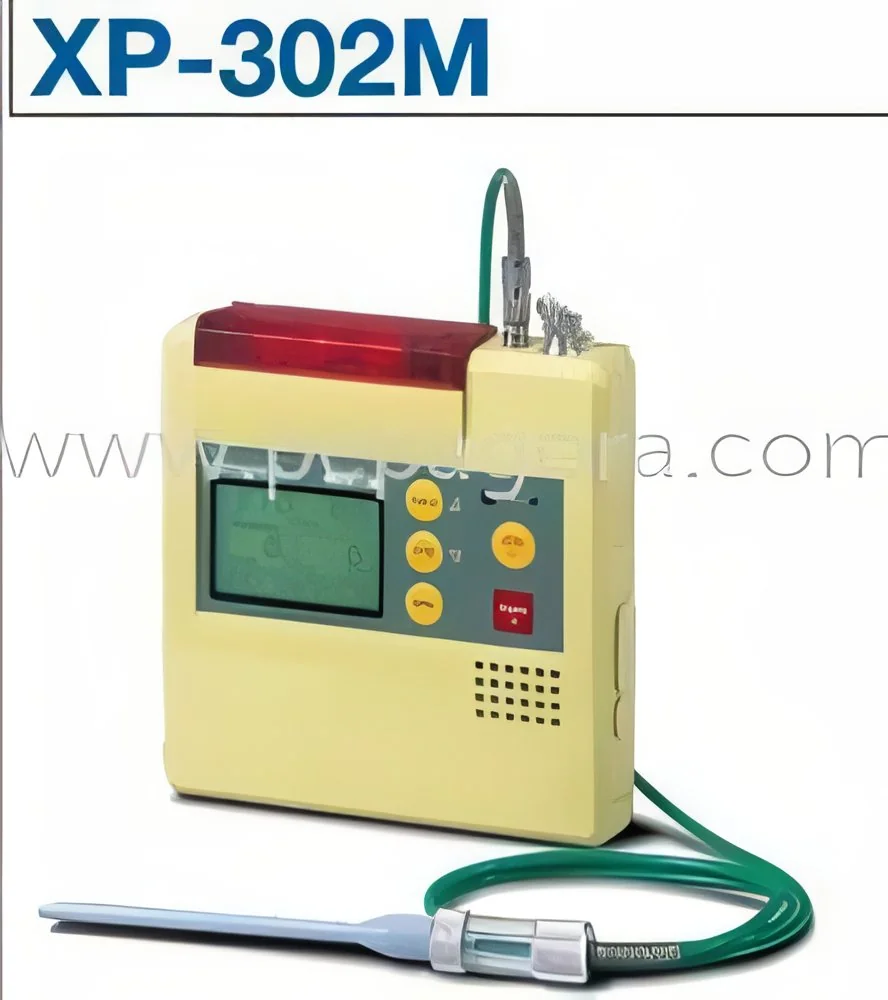
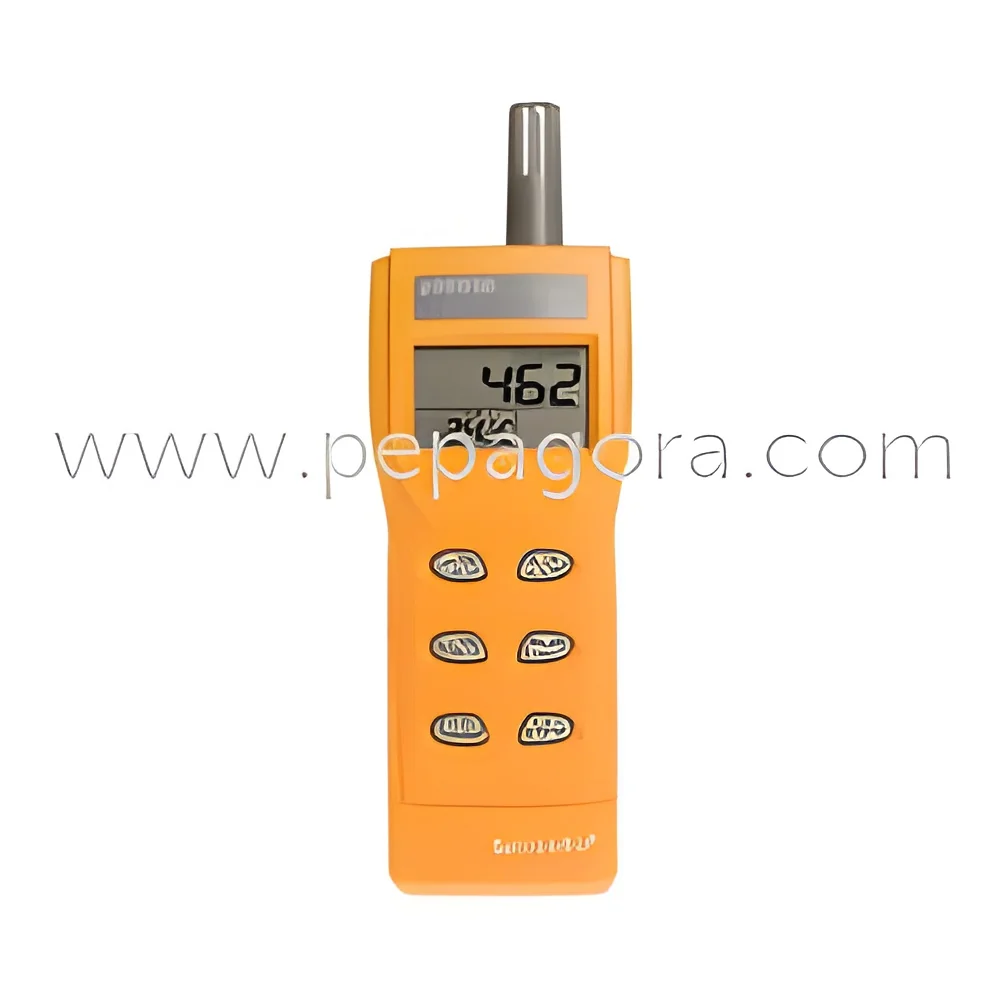
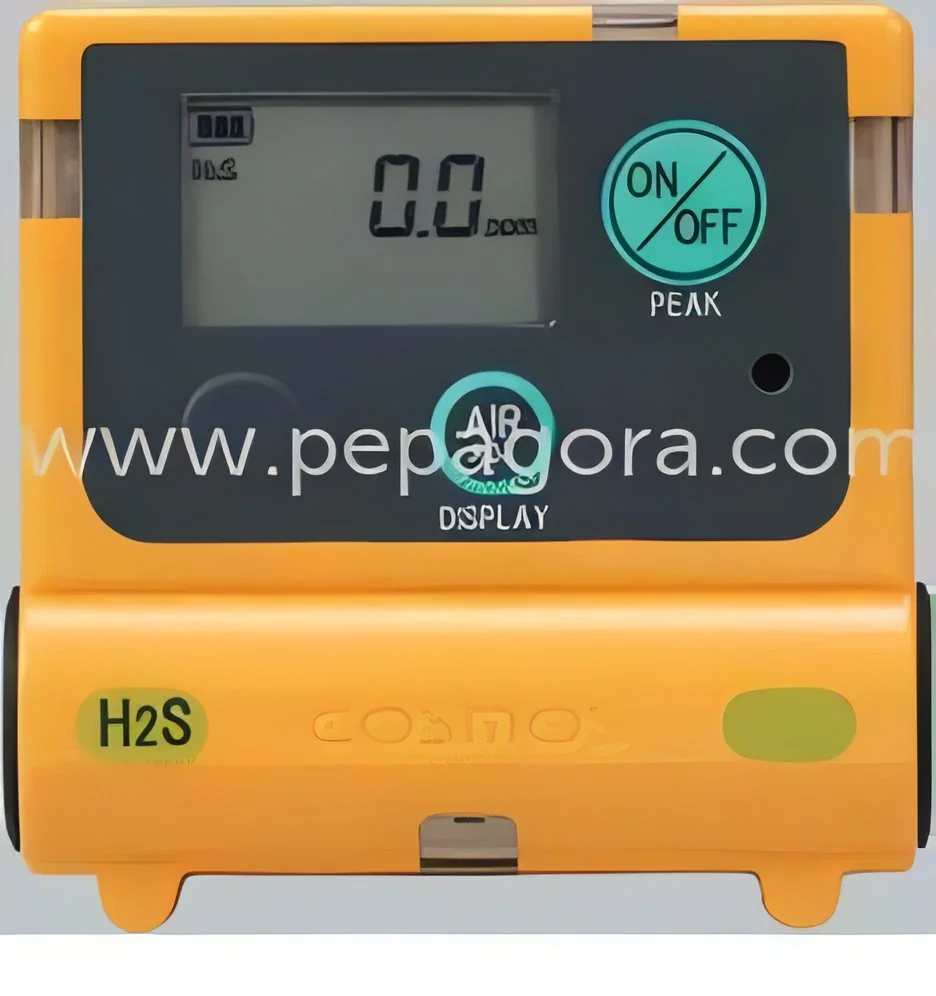
Portable Exhaust Gas Analyzers: These compact devices are designed for on-site measurements. They are lightweight and battery-operated, making them ideal for fieldwork in automotive and industrial environments.
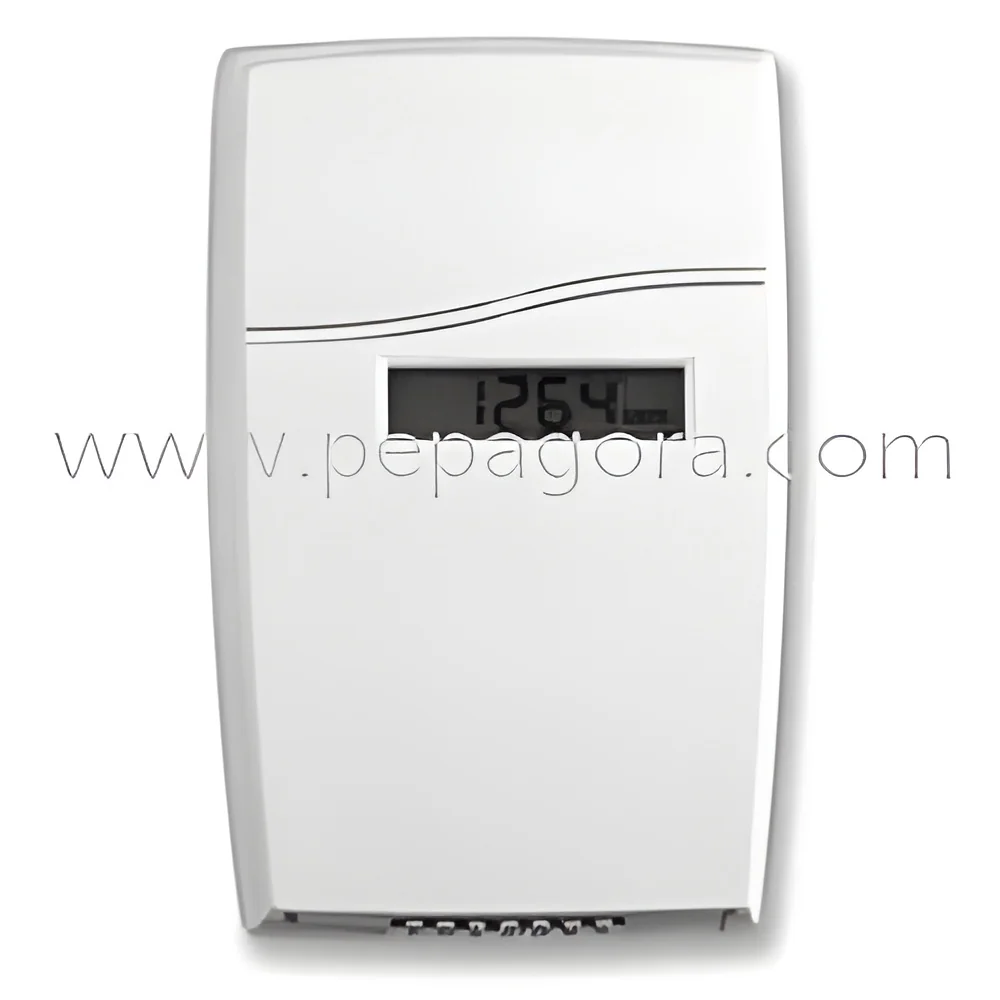
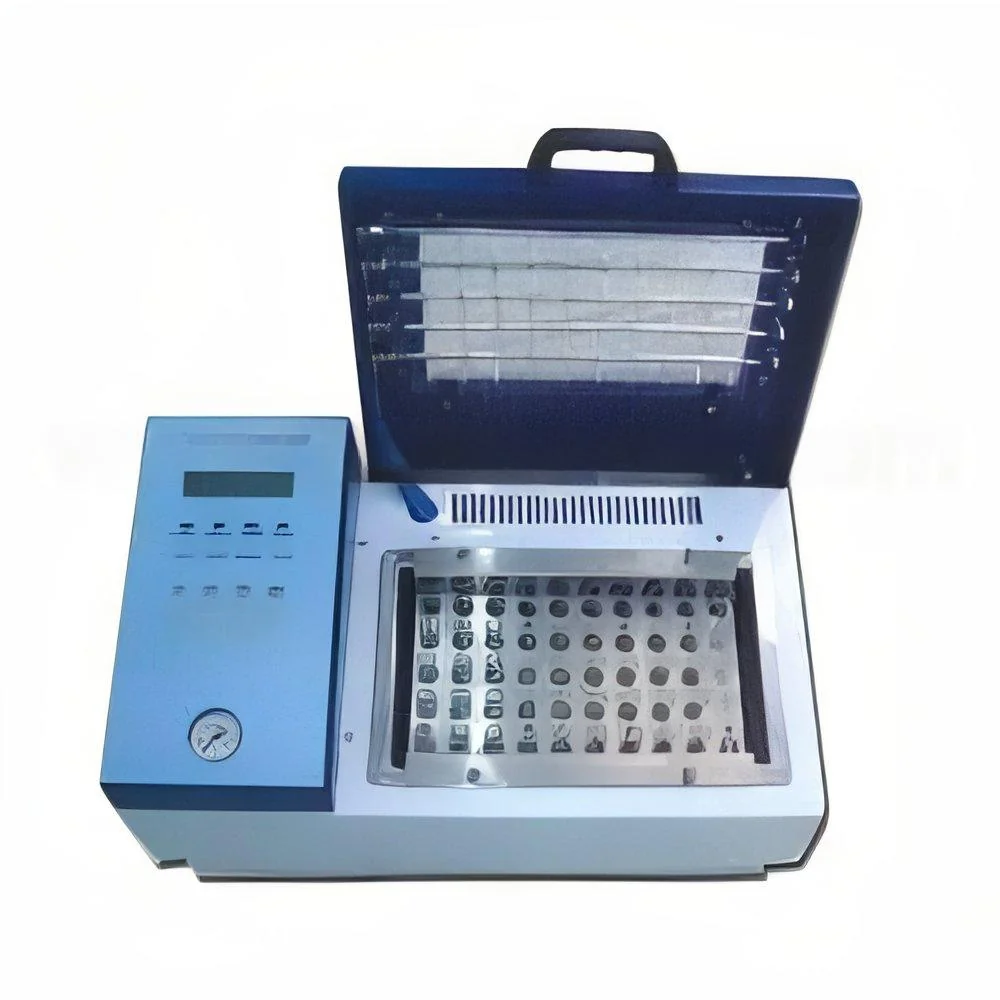
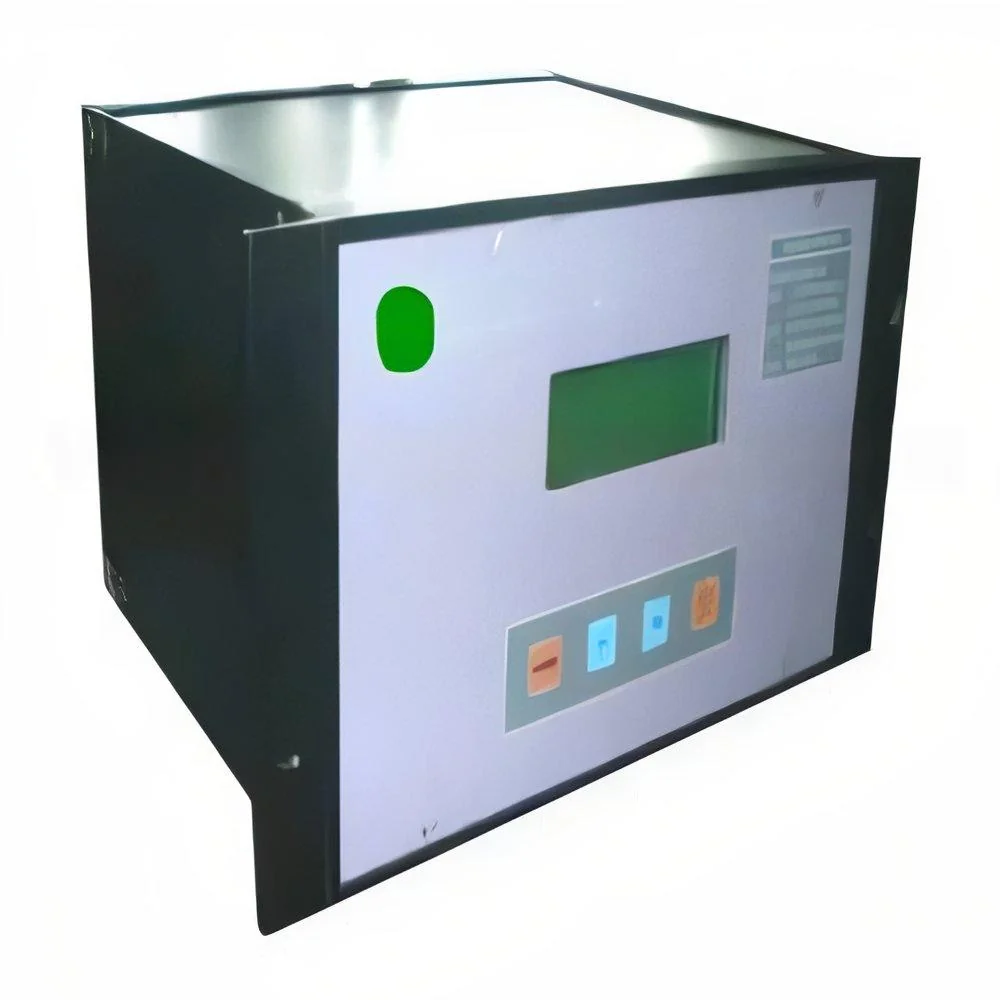
Stationary Exhaust Gas Analyzers: Designed for continuous monitoring in fixed locations, these analyzers often provide more extensive data logging capabilities. They are commonly used in manufacturing and power generation facilities.
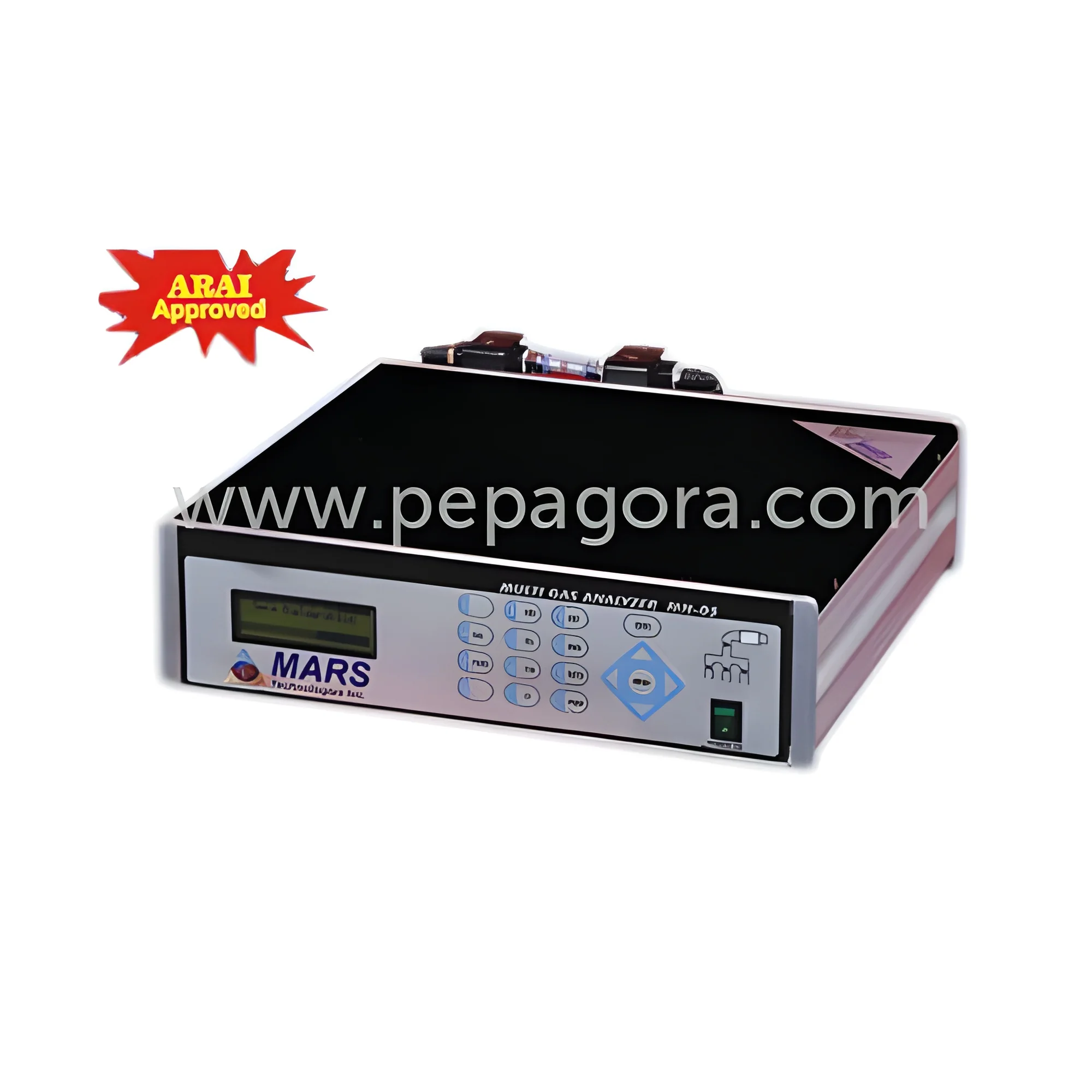
Multi-Gas Analyzers: These versatile devices can detect multiple gases simultaneously, making them suitable for comprehensive emissions monitoring across various applications.
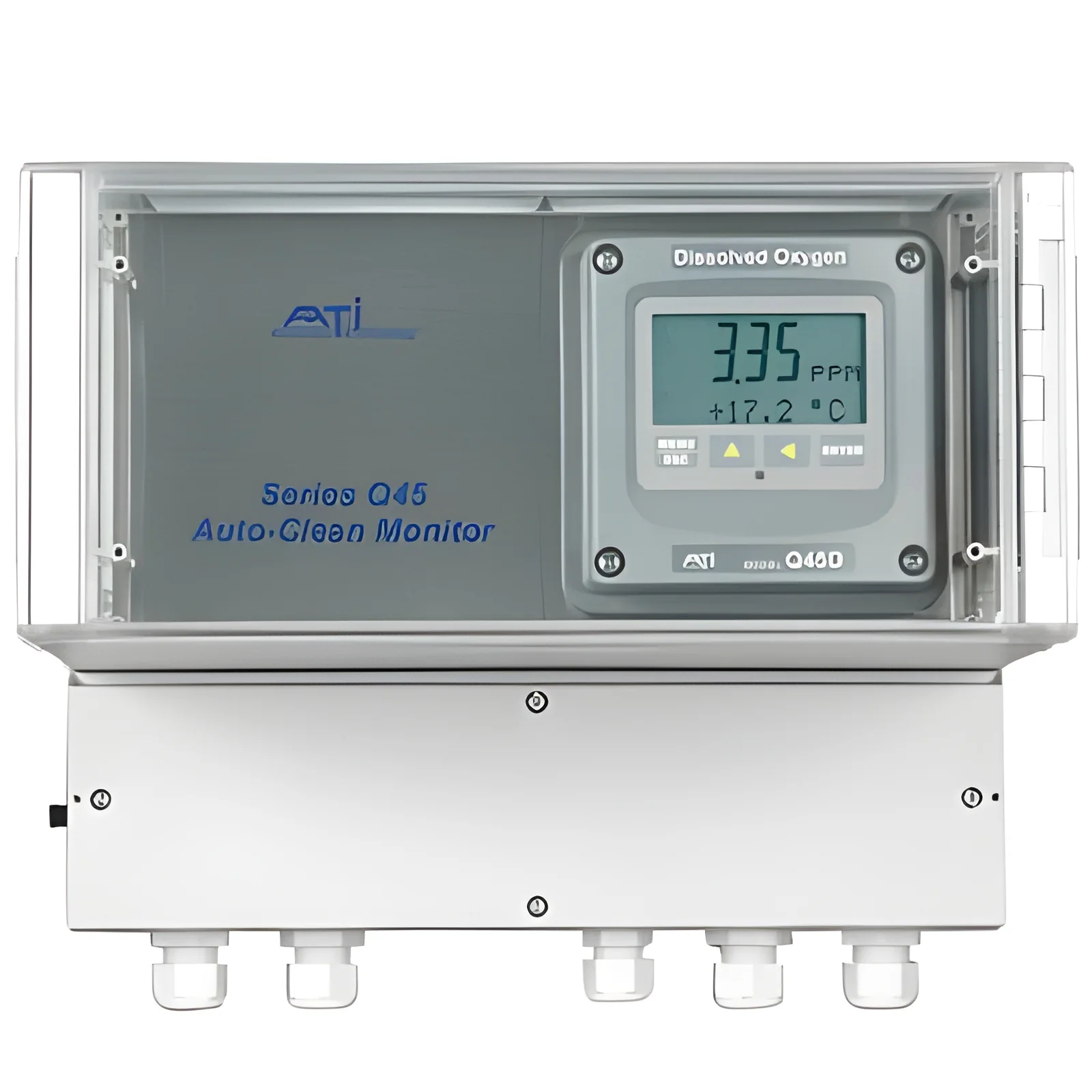
Real-Time Emission Monitoring Systems: These advanced systems offer continuous monitoring and reporting of emissions data, providing real-time insights for compliance and operational efficiency.
Benefits and Advantages
Investing in exhaust gas analyzers offers several advantages for businesses.
1. Regulatory Compliance: These analyzers help ensure compliance with environmental regulations, reducing the risk of penalties and fines.
2. Operational Efficiency: By identifying inefficiencies in combustion processes, businesses can optimize operations, leading to cost savings.
3. Environmental Responsibility: Monitoring emissions helps companies reduce their carbon footprint and demonstrate their commitment to sustainability.
4. Data Accuracy: Modern analyzers provide precise measurements, ensuring reliable data for decision-making.
5. User-Friendly Operation: Many models feature intuitive interfaces, making them easy to operate for personnel with varying levels of technical expertise.
6. Enhanced Safety: By monitoring emissions, businesses can mitigate risks associated with hazardous gases, ensuring a safer working environment.
Buying Guide for B2B Buyers
When sourcing exhaust gas analyzers, it is essential to consider several key factors to ensure a suitable purchase.
1. Quality Assessment: Look for analyzers that meet established quality standards and have a proven track record in the industry. Checking for certifications such as CE can help verify quality.
2. Supplier Verification: Vet suppliers by reviewing their reputations, customer feedback, and certification status. A reliable supplier should have a history of delivering quality products and services.
3. Pricing and MOQ: Understand the price range for different models and the minimum order quantities (MOQ) required. This will help in budgeting and planning your procurement strategy.
4. Delivery and Lead Times: Inquire about lead times for delivery, especially if the analyzers are needed for compliance testing or operational needs. Timely delivery is crucial for minimizing disruptions.
5. Compliance Requirements: Ensure that the analyzers you choose comply with industry regulations specific to your region and sector. This may include environmental regulations and safety standards.
Compliance and Certifications
Exhaust gas analyzers must adhere to various quality standards and certifications to ensure they meet industry requirements.
Relevant quality standards include ISO 9001, which focuses on quality management systems. This standard ensures that manufacturers maintain consistent quality in their products.
Industry certifications such as CE indicate that the products comply with European health, safety, and environmental protection standards. This certification is crucial for ensuring the analyzers are safe for use in various applications.
Safety and testing requirements are also paramount. Analyzers should undergo rigorous testing to ensure their reliability and accuracy in measuring emissions.
Regional compliance considerations may vary, so it is essential to be aware of local regulations and standards. This ensures that the analyzers used in specific industries are compliant and can operate without legal complications.
Why Source Exhaust Gas Analyzers from Pepagora?
Pepagora provides a trusted platform for sourcing exhaust gas analyzers, offering several key advantages that facilitate the purchasing process for businesses.
The verified supplier network ensures that buyers can connect with reputable manufacturers and suppliers. This helps mitigate risks associated with subpar products and enhances confidence in purchasing decisions.
Pepagora's streamlined RFQ process simplifies obtaining quotations from multiple suppliers, allowing buyers to compare prices and offerings easily. This efficiency can lead to better purchasing outcomes.
Trade assurance and support are integral to Pepagora's service. Buyers can benefit from buyer protection policies that provide peace of mind throughout the procurement process.
With regional coverage extending across India, the GCC, and Southeast Asia, Pepagora connects businesses with suppliers that meet their specific needs. This geographic reach ensures that businesses can find suitable exhaust gas analyzers tailored to their operational requirements.

 IN
IN