What are Dynamometers?
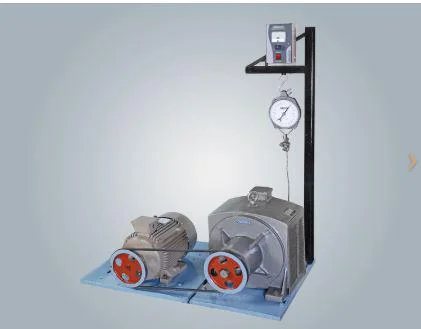
Dynamometers are precision instruments used to measure force, torque, and power output in various mechanical systems. They operate by applying a load to a rotating shaft or component, allowing for the analysis of performance metrics under controlled conditions. This measurement is essential for understanding the efficiency and capability of engines, motors, and other machinery.
These devices have numerous applications across different industries. They are commonly used in automotive testing to evaluate engine performance, in manufacturing to ensure machinery operates within specified parameters, and in research and development to test new technologies. By providing accurate data, dynamometers help businesses optimize their operations, improve product quality, and ensure compliance with industry standards.
In the current market, dynamometers are vital tools in sectors such as automotive, aerospace, and manufacturing. As industries increasingly focus on efficiency and sustainability, the demand for advanced measurement technologies like dynamometers continues to grow. Companies are investing in these instruments to gain a competitive edge in performance evaluation and product development.
Key Features and Specifications
Dynamometers come with several key features and specifications that make them suitable for various applications. These specifications ensure accurate and reliable measurements, which are critical for performance testing in industrial settings.
Key specifications include:
1. Measurement Range
- This defines the limits of force or torque that the dynamometer can accurately measure.
- Typical ranges vary based on the type of dynamometer.
2. Accuracy Level
- This indicates the precision of the measurements taken by the device.
- A high accuracy level is essential for ensuring reliable test results.
3. Data Logging Capability
- Many dynamometers include built-in data logging features to record measurements over time.
- This is useful for continuous monitoring and analysis.
4. Interface Compatibility
- Dynamometers often come with various interface options for connecting to computers or other devices.
- Common interfaces include USB, RS-232, and Bluetooth.
5. Calibration Standards
- These devices typically adhere to specific calibration standards to ensure measurement reliability.
- Regular calibration is necessary for maintaining accuracy.
6. Safety Features
- Safety mechanisms may include overload protection and emergency stop functions.
- These features help prevent damage to the equipment and ensure user safety.
In summary, understanding these features and specifications is crucial for selecting the right dynamometer for specific applications, ensuring that businesses achieve optimal performance and accuracy.
Common Applications and Use Cases
Dynamometers are utilized in a wide array of industries, demonstrating their versatility and importance in performance evaluation.
1. Automotive: In the automotive industry, dynamometers are used to test engine performance, analyze horsepower and torque, and ensure vehicles meet regulatory standards.
2. Aerospace: Aerospace manufacturers employ dynamometers for testing aircraft engines and components, focusing on performance metrics that are critical for safety and efficiency.
3. Manufacturing: In manufacturing settings, dynamometers are used to assess the performance of machinery, helping to identify inefficiencies and areas for improvement.
4. Marine: In the marine industry, these instruments are essential for testing propulsion systems and ensuring compliance with safety regulations.
5. Robotics: Dynamometers play a crucial role in robotics by measuring the output of robotic motors, allowing for fine-tuning and performance enhancements.
6. Medical Devices: In the medical field, dynamometers are used to test the performance of various devices, ensuring they function as intended.
By serving such diverse applications, dynamometers are indispensable tools for industries focused on quality assurance and performance optimization.
Product Variants and Subcategories
Dynamometers come in various types to cater to different testing requirements. Each variant is designed with specific features tailored to distinct applications.
Mechanical Dynamometers: These devices use mechanical means to measure torque and power. They are ideal for low-cost applications where high accuracy is not critical.
Electronic Dynamometers: These are advanced devices that use electronic sensors for precise measurements. They offer enhanced data logging and analysis capabilities.
Hydraulic Dynamometers: Designed for high-power applications, hydraulic dynamometers use fluid pressure to measure performance. They are commonly used in testing large engines.
Load Cell Dynamometers: Utilizing load cells, these dynamometers provide high accuracy and are often used in research and development environments.
Portable Dynamometers: These are compact and lightweight, making them suitable for field testing and on-site evaluations.
Benefits and Advantages
Dynamometers offer several key benefits that enhance their value in various industries.
1. Improved Accuracy: Dynamometers provide precise measurements, ensuring that performance evaluations are reliable and valid.
2. Enhanced Efficiency: By identifying performance inefficiencies, businesses can optimize their operations and reduce costs.
3. Regulatory Compliance: Using dynamometers helps companies meet industry standards and regulations, reducing the risk of penalties.
4. Performance Optimization: The data gathered from dynamometer testing allows for fine-tuning of machinery and systems, leading to improved performance.
5. Versatility: Dynamometers can be employed across various industries and applications, making them a valuable investment for businesses.
6. Data Analysis: Many models include advanced data analysis features, allowing for in-depth review and understanding of performance metrics.
Buying Guide for B2B Buyers
When sourcing dynamometers, B2B buyers should consider several critical factors to ensure they select the right equipment for their needs.
1. Quality Assessment: Buyers should evaluate the quality of the dynamometer by checking for compliance with industry standards and certifications. A high-quality instrument will provide reliable and accurate measurements.
2. Supplier Verification: It is essential to vet suppliers to ensure they have a good reputation and provide quality products. Look for reviews, ratings, and any relevant certifications.
3. Pricing and MOQ: Understand the pricing structure and minimum order quantities. This will help in budgeting and planning for procurement.
4. Delivery and Lead Times: Consider the logistics involved in acquiring the dynamometer, including shipping times and delivery reliability.
5. Compliance Requirements: Ensure that the dynamometer meets any relevant compliance and safety standards required in your industry, as this will affect its usability in your operations.
Compliance and Certifications
Dynamometers must adhere to various compliance and certification standards to ensure quality and safety.
ISO 9001 is a widely recognized quality management standard that emphasizes consistent quality in manufacturing processes. Dynamometers should ideally be produced by companies that comply with this standard.
CE certification is also essential for dynamometers sold in Europe, indicating they meet health, safety, and environmental protection standards.
Safety and testing requirements are critical for ensuring that dynamometers perform reliably under various conditions. Regular testing and validation are necessary to maintain compliance.
Finally, regional compliance considerations may vary, so it is important for buyers to understand the specific regulations that apply to their geographical area.
Why Source Dynamometers from Pepagora?
Pepagora provides a trusted platform for sourcing dynamometers, offering several key advantages to B2B buyers.
Verified Supplier Network: Pepagora has a rigorous supplier verification process, ensuring that all listed suppliers meet high standards for product quality and reliability.
Streamlined RFQ Process: The request for quotation process is simplified, allowing buyers to quickly obtain competitive quotes from multiple suppliers, saving time and effort.
Trade Assurance and Support: Pepagora offers trade assurance, providing buyers with protection throughout the purchasing process. This includes support for resolving disputes and ensuring satisfactory transactions.
Regional Coverage: With a wide geographic reach, including India, the Gulf Cooperation Council (GCC), and Southeast Asia, Pepagora connects buyers with suppliers across these regions, facilitating easier access to dynamometers suited for various applications.

 IN
IN