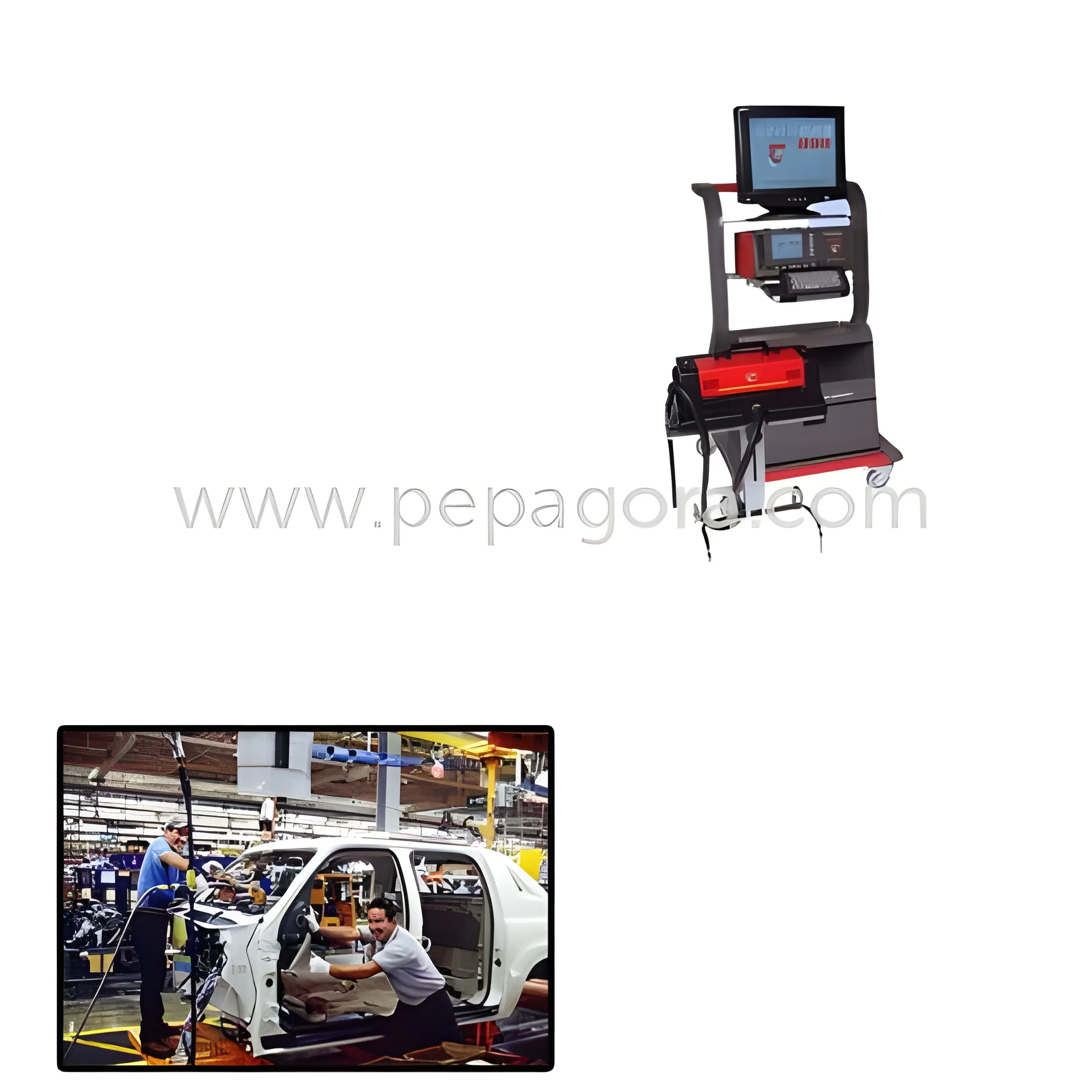
𝗪𝗵𝗮𝘁 𝗮𝗿𝗲 𝗘𝗺𝗶𝘀𝘀𝗶𝗼𝗻 𝗧𝗲𝘀𝘁𝗶𝗻𝗴 𝗘𝗾𝘂𝗶𝗽𝗺𝗲𝗻𝘁?
Emission testing equipment refers to specialized tools and devices designed to measure, analyze, and monitor the emissions produced by various industrial processes and vehicles. These devices play a crucial role in ensuring compliance with environmental regulations by providing accurate data on pollutants released into the atmosphere. The equipment can detect various types of emissions, including particulate matter, gases, and other harmful substances.
The primary uses of emission testing equipment include routine monitoring, regulatory compliance checks, and performance assessments of emission control systems. Industries such as manufacturing, automotive, and energy rely on these tools to maintain air quality standards and minimize environmental impact. As businesses face increasing scrutiny regarding their environmental practices, the demand for reliable emission testing equipment continues to grow, highlighting its importance in today's market.
In the context of industry relevance, emission testing equipment is vital for organizations striving to meet stringent environmental regulations and enhance their sustainability efforts. The global push towards greener technologies and practices has led to advancements in emission testing methodologies and equipment capabilities. Companies that invest in high-quality emission testing solutions not only comply with legal requirements but also demonstrate their commitment to corporate social responsibility.
𝗞𝗲𝘆 𝗙𝗲𝗮𝘁𝘂𝗿𝗲𝘀 𝗮𝗻𝗱 𝗦𝗽𝗲𝗰𝗶𝗳𝗶𝗰𝗮𝘁𝗶𝗼𝗻𝘀
Emission testing equipment comes with a variety of features and specifications tailored to meet the diverse needs of industries. These features enhance the accuracy, efficiency, and usability of the equipment.
Key specifications include:
1. Measurement Range
- This specification defines the range of emissions that can be detected.
- Typical ranges vary depending on the type of emissions being measured.
2. Detection Sensitivity
- Sensitivity indicates the equipment's ability to detect low concentrations of gases or particulates.
- High sensitivity levels ensure accurate readings even in challenging environments.
3. Data Logging Capability
- This feature allows the equipment to store measurement data for analysis.
- Data can often be exported for reporting and compliance documentation.
4. Calibration Requirements
- Regular calibration is necessary to maintain measurement accuracy.
- Equipment should have clear guidelines for calibration frequency and procedures.
5. User Interface
- A user-friendly interface enhances usability for operators.
- Digital displays and intuitive controls are common features.
6. Portability
- Many devices are designed to be portable for on-site testing.
- Lightweight construction and compact design facilitate easy transport.
7. Power Source
- Emission testing equipment may operate on batteries or be plugged into a power source.
- Battery-operated devices provide flexibility for field use.
8. Compliance Standards
- Equipment should meet relevant regulatory standards for emissions testing.
- Compliance with standards such as CE certification ensures reliability and safety.
In summary, understanding the key features and specifications of emission testing equipment is essential for businesses to select the right tools for their needs. By focusing on measurement range, sensitivity, and usability, organizations can ensure high-quality emissions monitoring.
𝗖𝗼𝗺𝗺𝗼𝗻 𝗔𝗽𝗽𝗹𝗶𝗰𝗮𝘁𝗶𝗼𝗻𝘀 𝗮𝗻𝗱 𝗨𝘀𝗲 𝗖𝗮𝘀𝗲𝘀
Emission testing equipment serves a wide range of industries, each with specific applications and needs.
1. Automotive Industry: In this sector, emission testing equipment is used to evaluate vehicle emissions to comply with government regulations. Regular testing helps manufacturers reduce pollutants and improve fuel efficiency.
2. Manufacturing Sector: Factories utilize emission testing devices to monitor air quality and emissions from production processes. This ensures compliance with environmental laws and helps minimize the impact of operations.
3. Power Generation: Power plants use emission testing equipment to monitor emissions from combustion processes. This helps in optimizing operations and adhering to emission limits set by regulatory bodies.
4. Chemical Processing: Emission testing in chemical facilities is crucial for monitoring hazardous substances. Equipment helps ensure that emissions do not exceed safety thresholds, protecting both the environment and worker health.
5. Waste Management: Emission testing is vital for landfills and waste treatment facilities to track emissions from waste decomposition. This monitoring supports efforts to reduce greenhouse gas emissions.
6. Research and Development: Laboratories employ emission testing equipment for research purposes, allowing scientists to study emissions and their effects on the environment. This research informs better practices and technologies.
7. Agriculture: Emission testing is also relevant in agricultural operations, particularly in assessing emissions from machinery and fertilizers. This helps in adopting sustainable practices and reducing environmental impact.
𝗣𝗿𝗼𝗱𝘂𝗰𝘁 𝗩𝗮𝗿𝗶𝗮𝗻𝘁𝘀 𝗮𝗻𝗱 𝗦𝘂𝗯𝗰𝗮𝘁𝗲𝗴𝗼𝗿𝗶𝗲𝘀
Emission testing equipment comes in various forms to cater to different needs and applications.
Portable Emission Analyzers: These compact devices are designed for on-site testing, allowing users to measure emissions in real time. They are ideal for automotive and environmental fieldwork, providing quick and accurate results.
Stationary Emission Monitors: These systems are installed at fixed locations, such as factories or exhaust stacks, to continuously monitor emissions. They provide ongoing data for compliance and operational efficiency.
Handheld Gas Detectors: These lightweight devices are used for measuring specific gas concentrations in various environments. They are particularly useful in safety applications and for monitoring air quality.
Continuous Emission Monitoring Systems (CEMS): CEMS are complex systems designed for long-term monitoring of emissions in industrial settings. They provide comprehensive data for regulatory compliance and environmental reporting.
𝗕𝗲𝗻𝗲𝗳𝗶𝘁𝘀 𝗮𝗻𝗱 𝗔𝗱𝘃𝗮𝗻𝘁𝗮𝗴𝗲𝘀
Investing in emission testing equipment offers numerous benefits for businesses across industries.
1. Regulatory Compliance: Equipment ensures adherence to environmental regulations, helping businesses avoid fines and legal issues associated with non-compliance.
2. Improved Air Quality: By monitoring emissions, organizations can take proactive steps to reduce pollutants, contributing to better air quality and public health.
3. Enhanced Operational Efficiency: Emission testing provides insights that can lead to improved processes and reduced waste, optimizing resource use and costs.
4. Data-Driven Decisions: Accurate emission data allows companies to make informed decisions regarding production methods and technology upgrades.
5. Corporate Responsibility: Utilizing emission testing equipment demonstrates a commitment to sustainability and corporate social responsibility, enhancing brand reputation.
6. Innovation Support: Ongoing monitoring can identify areas for improvement and drive innovation in emission reduction technologies.
𝗕𝘂𝘆𝗶𝗻𝗴 𝗚𝘂𝗶𝗱𝗲 𝗳𝗼𝗿 𝗕𝟮𝗕 𝗕𝘂𝘆𝗲𝗿𝘀
When sourcing emission testing equipment, it is essential for B2B buyers to consider several factors to ensure they make informed decisions.
1. Quality Assessment: Look for equipment that meets established quality standards. High-quality devices provide accurate and reliable measurements, which are crucial for compliance.
2. Supplier Verification: Vet suppliers thoroughly to ensure they have a reputation for reliability and customer service. Check for certifications and customer reviews.
3. Pricing and MOQ: Understand the price range for equipment and any minimum order quantity requirements. Compare options from different suppliers to find the best value.
4. Delivery and Lead Times: Consider logistics and delivery times when making a purchase. Ensure that suppliers can meet your timelines to avoid disruptions.
5. Compliance Requirements: Verify that the equipment meets all relevant compliance and certification requirements for your industry. This is crucial for regulatory adherence and operational safety.
𝗖𝗼𝗺𝗽𝗹𝗶𝗮𝗻𝗰𝗲 𝗮𝗻𝗱 𝗖𝗲𝗿𝘁𝗶𝗳𝗶𝗰𝗮𝘁𝗶𝗼𝗻𝘀
Emission testing equipment must adhere to various quality standards and certifications to ensure reliability and safety in operations. Common standards include ISO 9001, which focuses on quality management systems, and CE certification, indicating compliance with European safety standards.
Additionally, equipment must meet safety and testing requirements specific to emissions monitoring. These standards ensure that devices provide accurate readings and operate safely in various environments.
Regional compliance considerations are also important, as different countries may have specific regulations regarding emissions. Understanding these requirements is essential for businesses operating in multiple regions to ensure compliance and avoid penalties.
𝗪𝗵𝘆 𝗦𝗼𝘂𝗿𝗰𝗲 𝗘𝗺𝗶𝘀𝘀𝗶𝗼𝗻 𝗧𝗲𝘀𝘁𝗶𝗻𝗴 𝗘𝗾𝘂𝗶𝗽𝗺𝗲𝗻𝘁 𝗳𝗿𝗼𝗺 𝗣𝗲𝗽𝗮𝗴𝗼𝗿𝗮?
Pepagora provides a trusted platform for sourcing emission testing equipment, offering several key advantages to businesses.
Verified Supplier Network: Pepagora ensures that all suppliers are thoroughly vetted, guaranteeing quality and reliability. This helps buyers connect with reputable manufacturers and distributors.
Streamlined RFQ Process: The request for quotation process is simplified, allowing buyers to easily compare offers from multiple suppliers. This efficiency saves time and aids in finding the best solution for specific needs.
Trade Assurance and Support: Pepagora offers trade assurance, providing buyer protection throughout the purchasing process. This ensures that transactions are secure and that buyers receive the products they expect.
Regional Coverage: With a strong presence in India, the GCC, and Southeast Asia, Pepagora facilitates access to emission testing equipment across diverse markets. This extensive geographic reach enhances sourcing options for businesses looking to comply with environmental standards.

 IN
IN