IN
IN₹
Apparel & Fashion
Description
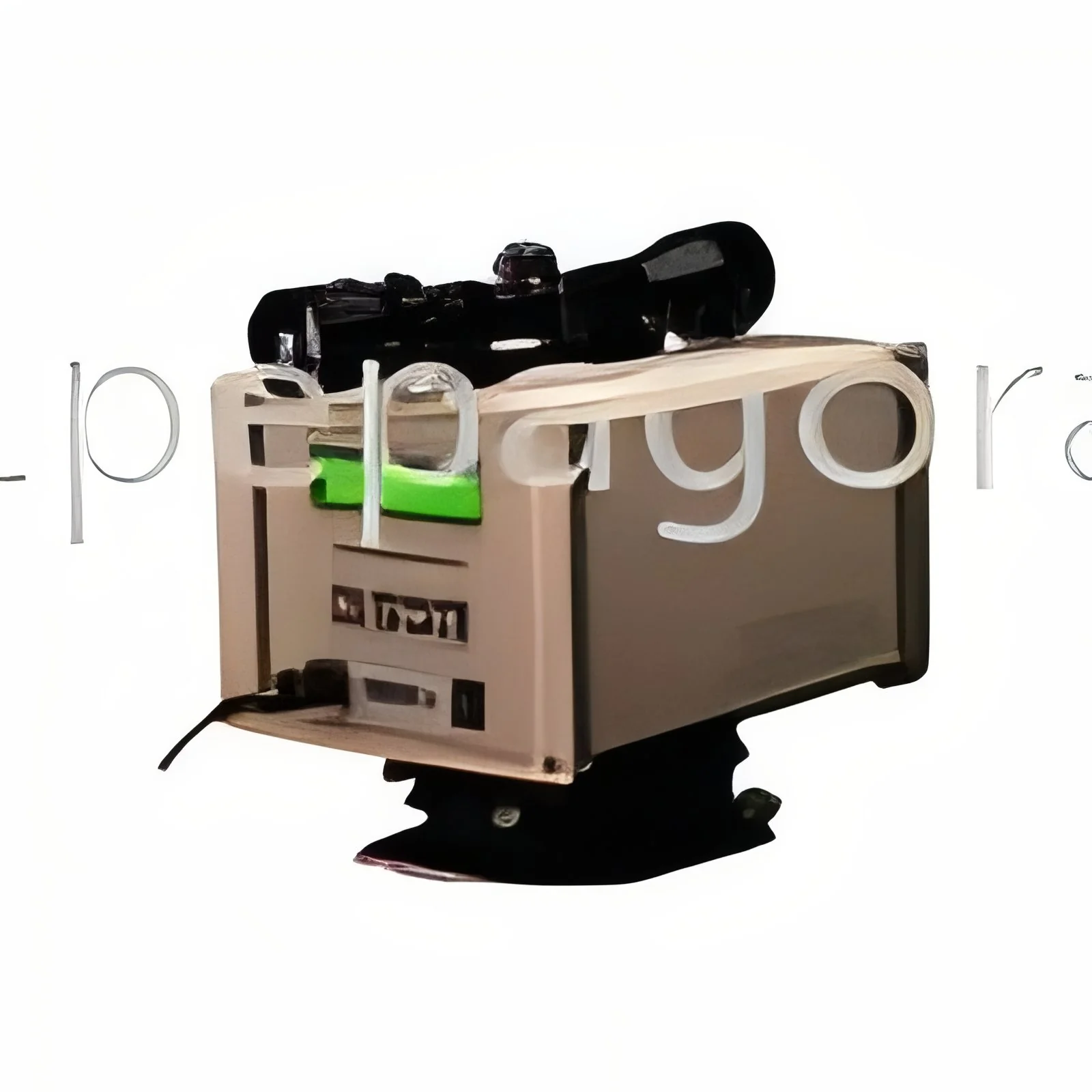
Industrial Open Path Monitoring Systems represent advanced gas detection technology that provides non-contact atmospheric monitoring across extensive industrial areas. These sophisticated systems utilize laser absorption spectroscopy to detect and quantify hazardous gases and emissions without requiring physical sampling. Designed for both temporary deployments and permanent installations, they deliver continuous real-time data that helps organizations maintain operational safety and environmental compliance. The technology excels in scenarios where traditional point detectors cannot provide sufficient coverage, making it essential for modern industrial operations that prioritize comprehensive safety measures and regulatory adherence across large facilities and complex operational environments.

These monitoring systems find extensive application across multiple high-stakes industries including oil and gas refineries, chemical manufacturing plants, power generation facilities, and wast...
Industrial Open Path Monitoring Systems represent advanced gas detection technology that provides non-contact atmospheric monitoring across extensive industrial areas. These sophisticated systems utilize laser absorption spectroscopy to detect and quantify hazardous gases and emissions without requiring physical sampling. Designed for both temporary deployments and permanent installations, they deliver continuous real-time data that helps organizations maintain operational safety and environmental compliance. The technology excels in scenarios where traditional point detectors cannot provide sufficient coverage, making it essential for modern industrial operations that prioritize comprehensive safety measures and regulatory adherence across large facilities and complex operational environments.

These monitoring systems find extensive application across multiple high-stakes industries including oil and gas refineries, chemical manufacturing plants, power generation facilities, and waste management operations. In the petroleum sector, they monitor fugitive emissions from storage tanks, processing units, and pipeline networks. Chemical manufacturing facilities utilize them for leak detection and perimeter monitoring around storage areas and production units. Power generation plants employ these systems for combustion monitoring and emissions compliance verification. The construction industry benefits from their deployment during new plant construction and major expansion projects where temporary safety monitoring is required to protect workers and surrounding areas.

The operational value of Open Path Monitoring Systems extends beyond compliance to include significant practical advantages. These systems reduce operational downtime by enabling proactive maintenance and early problem detection while minimizing false alarms that disrupt normal operations. Their reliability stems from robust construction and advanced calibration systems that maintain measurement accuracy even in challenging environmental conditions. The systems' unique quality and customization capabilities allow businesses to tailor monitoring solutions to specific site requirements and operational parameters, ensuring optimal performance and return on investment through enhanced safety outcomes and consistent regulatory compliance across diverse industrial applications.

Key Features:
- Advanced laser-based detection technology for accurate long-distance monitoring
- Continuous real-time data collection and atmospheric analysis capabilities
- Robust construction designed for harsh industrial environments and weather conditions
- Customizable monitoring parameters and system configurations for specific site needs
- Comprehensive data logging and reporting functions for compliance documentation

Benefits:
- Enhanced safety through continuous monitoring of hazardous emissions and gases
- Reduced operational downtime with proactive maintenance and early detection
- Regulatory compliance support with comprehensive documentation and reporting
- Cost-effective monitoring solution for large areas and complex facilities
- Reliable performance in challenging industrial environments and conditions
Specifications
| Additional Information | |
|---|---|
| Country of Origin | India |
Application
Open Path Monitoring Systems deliver continuous real-time detection of hazardous gases and emissions across large industrial areas without requiring physical contact. These advanced systems are essential for industries needing comprehensive atmospheric monitoring where traditional point sensors cannot provide adequate coverage. Their sophisticated laser-based technology enables precise measurement over extended distances, making them ideal for perimeter monitoring and large-scale facility protection applications.
These monitoring solutions prove particularly valuable during operational transitions including plant turnarounds, new construction phases, and maintenance periods where safety risks significantly increase. They serve critical roles in environmental compliance, helping organizations meet regulatory requirements while protecting workforce safety and surrounding communities from potential exposure to harmful industrial emissions and gases.
- Continuous fugitive emissions monitoring at oil refineries and petrochemical facilities
- Safety perimeter establishment during process unit turnarounds and maintenance operations
- Environmental impact assessment studies for long-term ecological monitoring programs
- Construction site safety monitoring for new industrial facility development projects
- Leak detection and emergency response planning for chemical manufacturing plants
Trade Details
| Available Stock | In Stock |
| Sample Availability | No |
Payment Terms
| Payment Terms |
|
Company Profile
Ice (Asia) Pvt Ltd, Maharashtra
 Maharashtra, India
Maharashtra, IndiaAutomotive & Transport•Manufacturer•Distributor / Wholesaler
Factory Details
Factory SizeBelow 1000 sqm
Annual Production Capacity0
Industrial Open Path Monitoring Systems For Emissions Detection And Safety
Industrial Open Path Monitoring Systems provide reliable emissions detection and safety monitoring for industrial environments. Ideal for environmental studies, fugitive emissions tracking, and process unit safety during turnarounds and construction projects.
Min. Order Quantity: 1 unit
Shipping
Shipping fee and delivery date to be negotiated. Contact supplier now for more details.
Ice (Asia) Pvt Ltd
 Maharashtra, India
Maharashtra, IndiaAutomotive & TransportManufacturer