IN
IN₹
Apparel & Fashion
Description
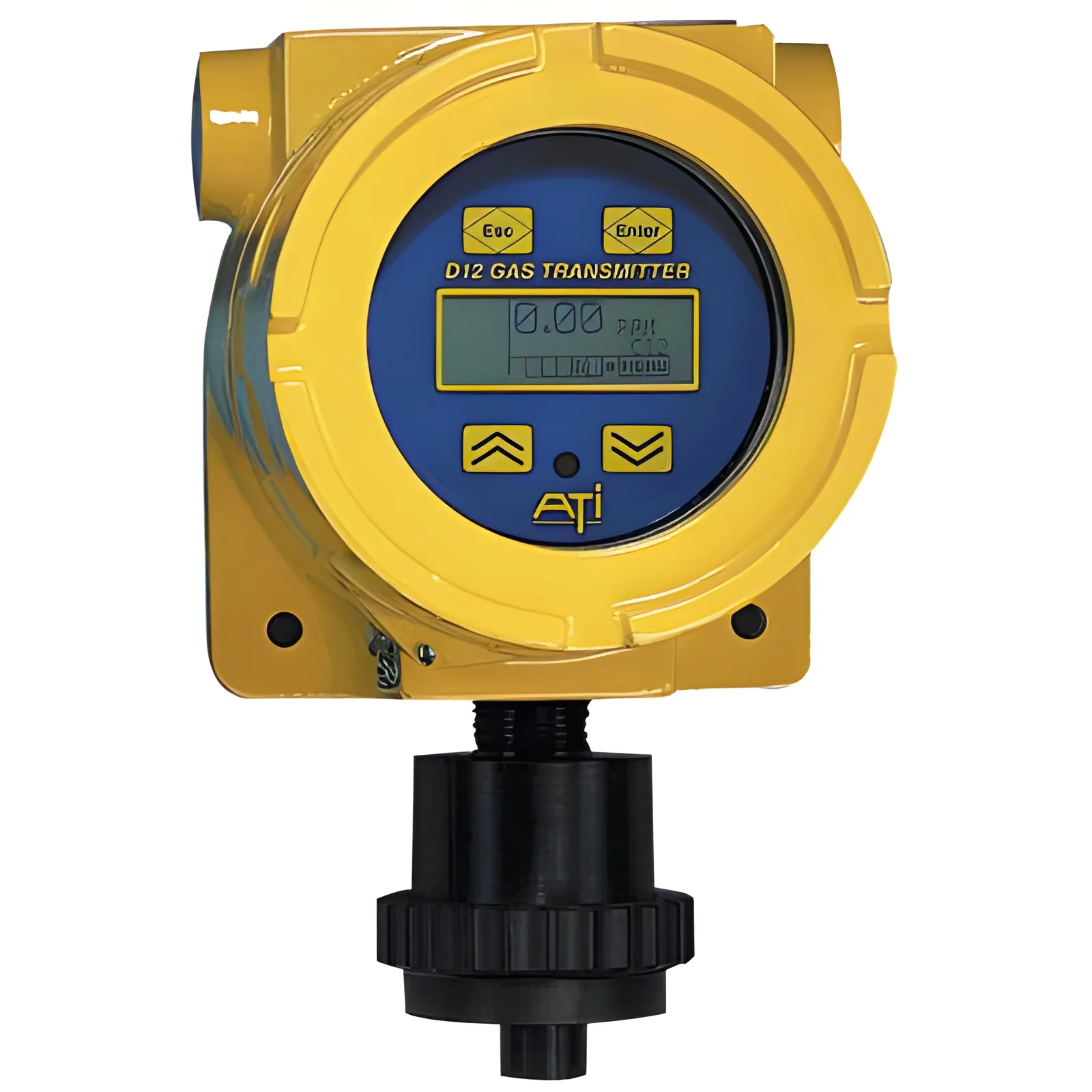
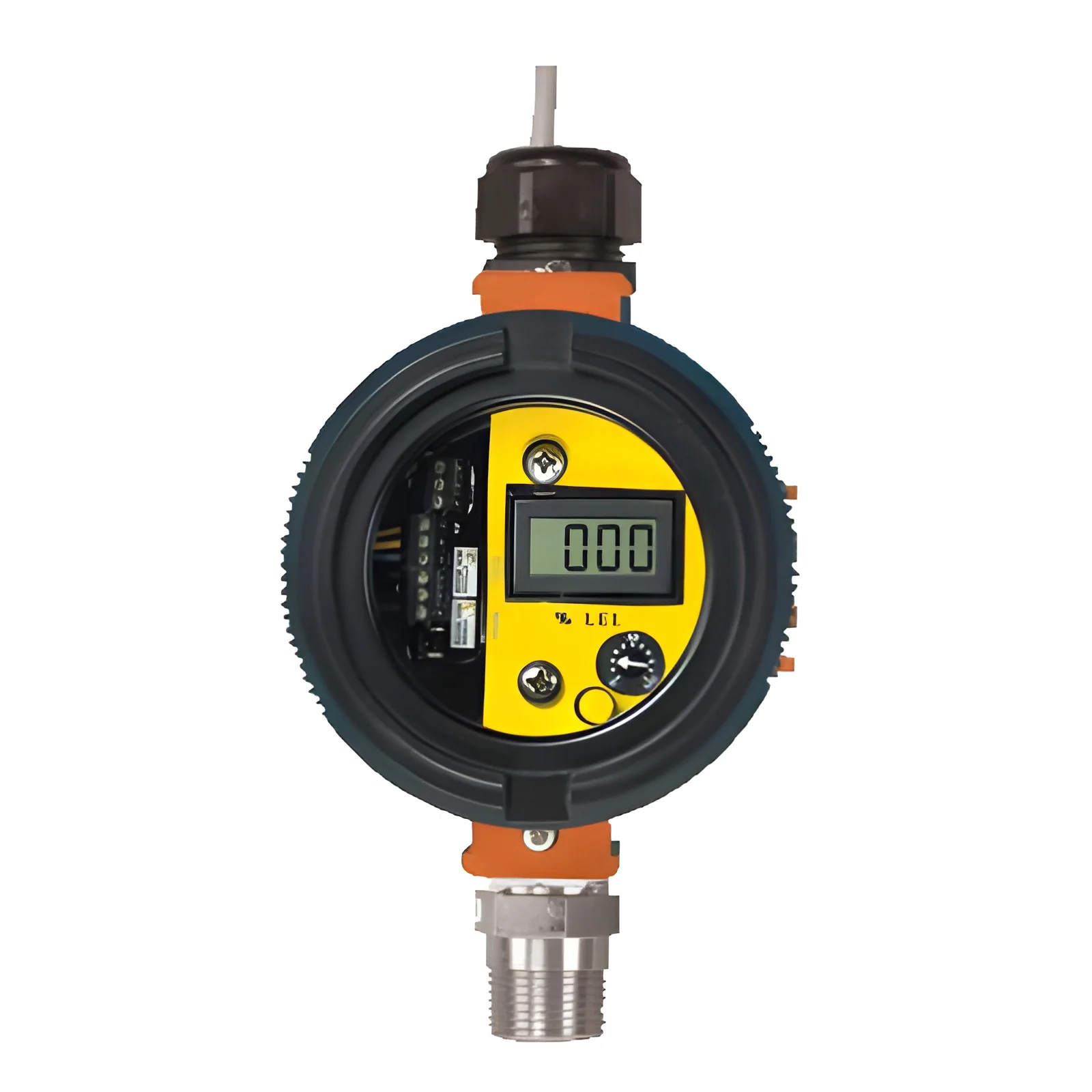
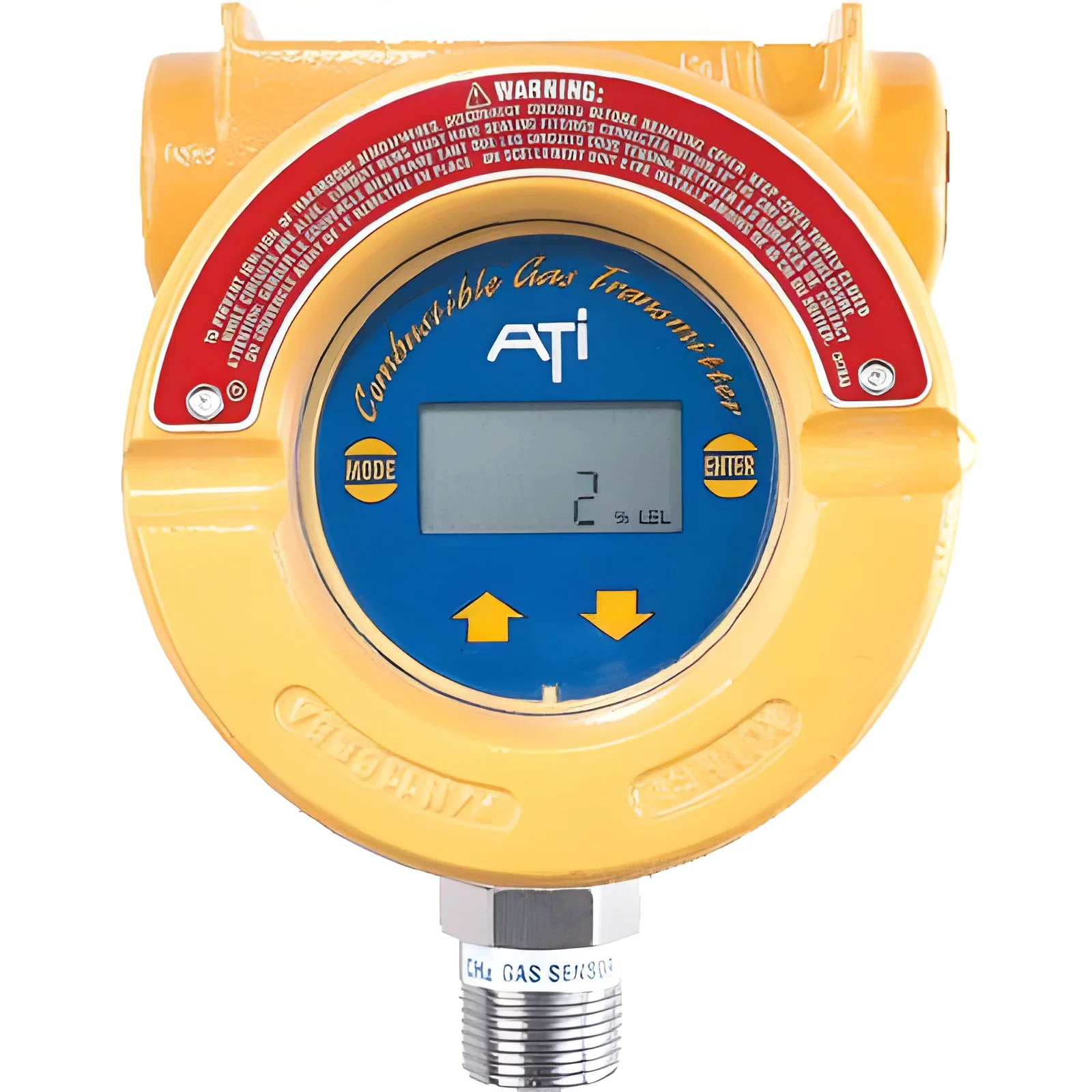
The ATI A12-17 Combustible Gas Transmitter is a professional-grade safety device engineered for dependable combustible gas detection in demanding industrial environments. It employs advanced thermal oxidation technology to accurately identify gas presence by measuring heat from catalytic combustion. A key innovation is its integrated electrochemical hydrogen generator that performs an automatic, comprehensive self-test every 24 hours. This process verifies sensor responsiveness and system integrity without requiring manual intervention, ensuring the detector is always ready. The unit features robust explosion-proof stainless steel housing for durability in corrosive or hazardous areas and provides a standard 4-20 mA analog output for straightforward integration into existing plant monitoring and control systems.

This transmitter finds critical application in numerous sectors where gas leaks threaten safety and operations. In the oil and gas industry, it safeguards refineries, offshore...
The ATI A12-17 Combustible Gas Transmitter is a professional-grade safety device engineered for dependable combustible gas detection in demanding industrial environments. It employs advanced thermal oxidation technology to accurately identify gas presence by measuring heat from catalytic combustion. A key innovation is its integrated electrochemical hydrogen generator that performs an automatic, comprehensive self-test every 24 hours. This process verifies sensor responsiveness and system integrity without requiring manual intervention, ensuring the detector is always ready. The unit features robust explosion-proof stainless steel housing for durability in corrosive or hazardous areas and provides a standard 4-20 mA analog output for straightforward integration into existing plant monitoring and control systems.

This transmitter finds critical application in numerous sectors where gas leaks threaten safety and operations. In the oil and gas industry, it safeguards refineries, offshore platforms, and pipeline networks by providing early warning of hydrocarbon leaks. Chemical manufacturing plants deploy it to monitor for leaks of ethylene, propylene, and other process vapors during production and handling. Pharmaceutical facilities utilize it in areas where flammable solvents are present. Water treatment operations rely on it to detect methane and hydrogen sulfide in digesters and collection systems, while power generation and manufacturing plants use it to protect boiler houses, heating systems, and confined spaces from explosive gas accumulation.

The A12-17 delivers substantial operational value by significantly reducing the frequency and cost of manual calibration and bump testing, translating to lower total ownership costs. Its automated self-diagnostics provide continuous assurance of functional reliability, minimizing the risk of undetected sensor failure. The device's robust construction ensures long service life even in challenging conditions, reducing replacement frequency. Its simple 4-20 mA interface allows for easy integration into both new and legacy safety systems, facilitating upgrades without major engineering overhauls. This combination of advanced self-verification, durable design, and seamless integration makes it a trusted, cost-effective solution for serious safety professionals.

Key Features:
- Automated daily self-testing via integrated hydrogen generator verifies sensor function.
- Explosion-proof stainless steel enclosure rated for hazardous location installation.
- Standard 4-20 mA output signal for compatibility with control panels and SCADA.
- Dual catalytic sensing elements with active and passive beads for stable detection.
- Continuous sensor verification technology ensures readiness and reduces false alarms.

Benefits:
- Eliminates daily manual bump testing, saving labor and reducing operational costs.
- Provides continuous confidence in detector readiness through automated self-verification.
- Durable construction ensures reliable performance in harsh industrial environments.
- Easy integration into existing monitoring systems simplifies installation and expansion.
- Early leak detection helps prevent catastrophic incidents, protecting personnel and assets.
Specifications
| Additional Information | |
|---|---|
| Country of Origin | India |
Application
The ATI A12-17 Combustible Gas Transmitter provides continuous, reliable monitoring for environments where gas accumulation poses serious explosion risks. Its automated operation and robust design make it suitable for harsh industrial conditions where consistent detection is non-negotiable for personnel and asset protection.
This device is essential across industries handling combustible materials, from processing to storage. It serves as a critical safety component in facilities where manual monitoring is impractical or insufficient, offering peace of mind through its proven detection technology and fail-safe mechanisms.
- Continuous monitoring of methane and propane leaks in natural gas processing plants and distribution pipelines.
- Detection of solvent vapors and flammable gases in chemical manufacturing and bulk storage facilities.
- Safety assurance in pharmaceutical production areas where alcohol or other process gases are used.
- Monitoring for combustible gas buildup in municipal wastewater treatment plants and biogas collection points.
- Preventing explosive atmospheres in industrial boiler rooms, furnace areas, and fuel storage locations.
Trade Details
| Available Stock | In Stock |
| Sample Availability | No |
Payment Terms
| Payment Terms |
|
Company Profile
BSK Engineering Systems, Maharashtra
 Maharashtra, India
Maharashtra, IndiaElectronics & Electrical•Manufacturer•Distributor / Wholesaler
Factory Details
Factory SizeBelow 1000 sqm
Annual Production Capacity0
Industrial Combustible Gas Transmitter A12 17 For Safety Monitoring
ATI A12-17 Combustible Gas Transmitter detects leaks in industrial settings with automated daily self-testing for reliable safety monitoring and reduced manual checks.
Min. Order Quantity: 1 unit
Shipping
Shipping fee and delivery date to be negotiated. Contact supplier now for more details.
BSK Engineering Systems
 Maharashtra, India
Maharashtra, IndiaElectronics & ElectricalManufacturer