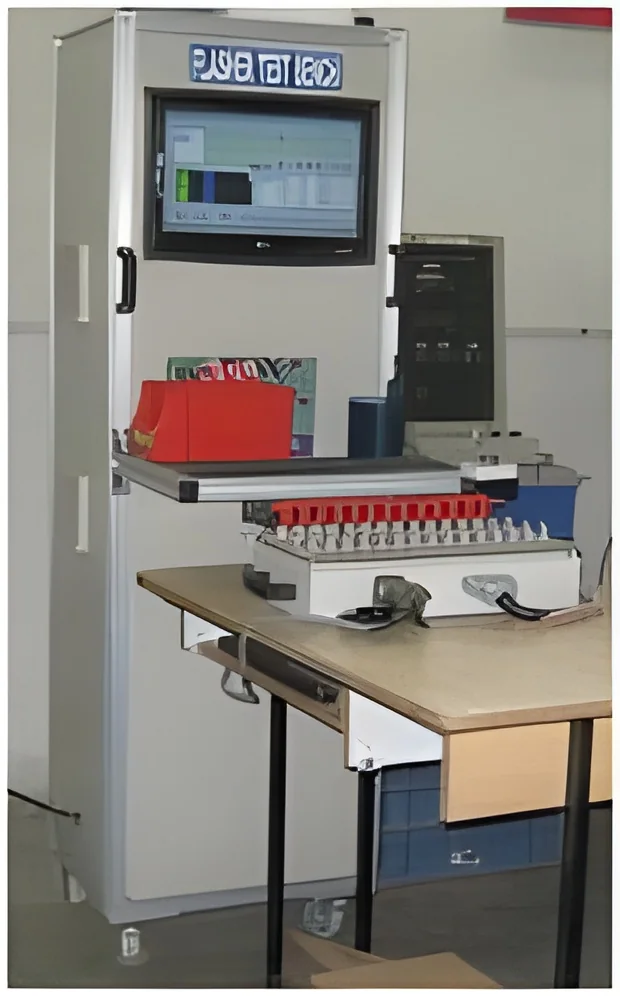
𝗪𝗵𝗮𝘁 𝗮𝗿𝗲 𝗩𝗲𝗵𝗶𝗰𝗹𝗲 𝗘𝗻𝗱-𝗼𝗳-𝗟𝗶𝗻𝗲 𝗧𝗲𝘀𝘁𝗶𝗻𝗴 𝗘𝗾𝘂𝗶𝗽𝗺𝗲𝗻𝘁?
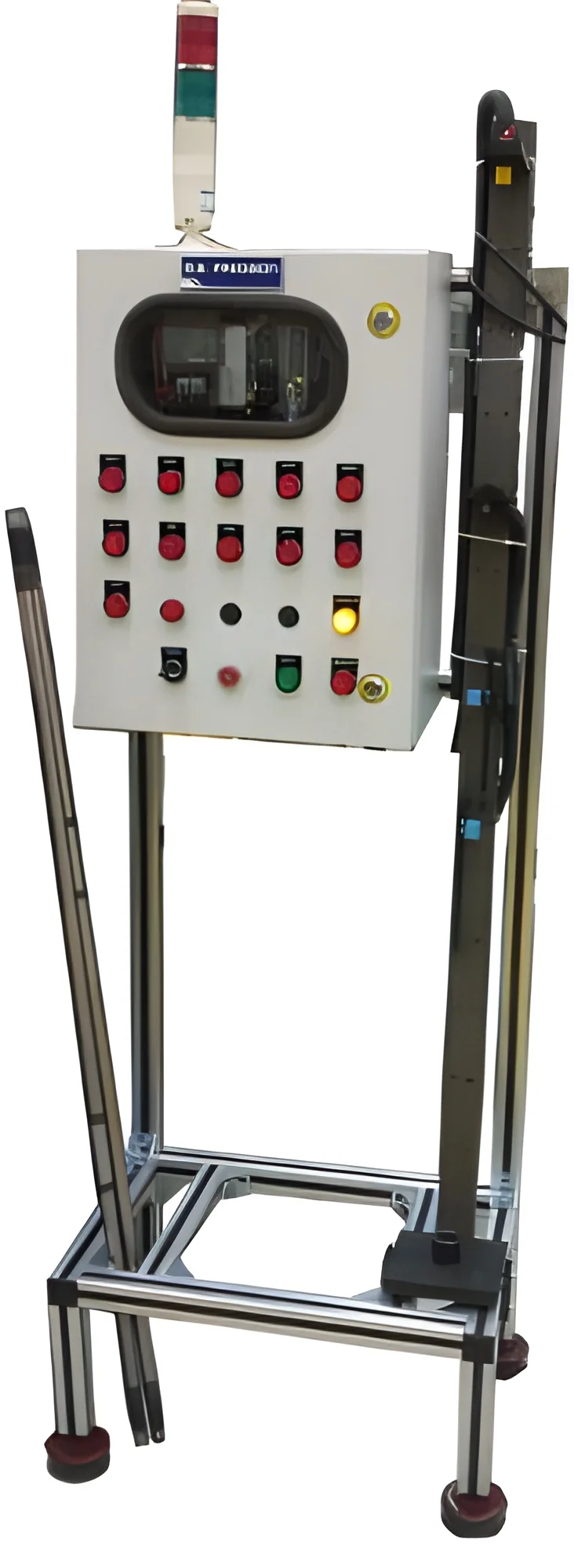
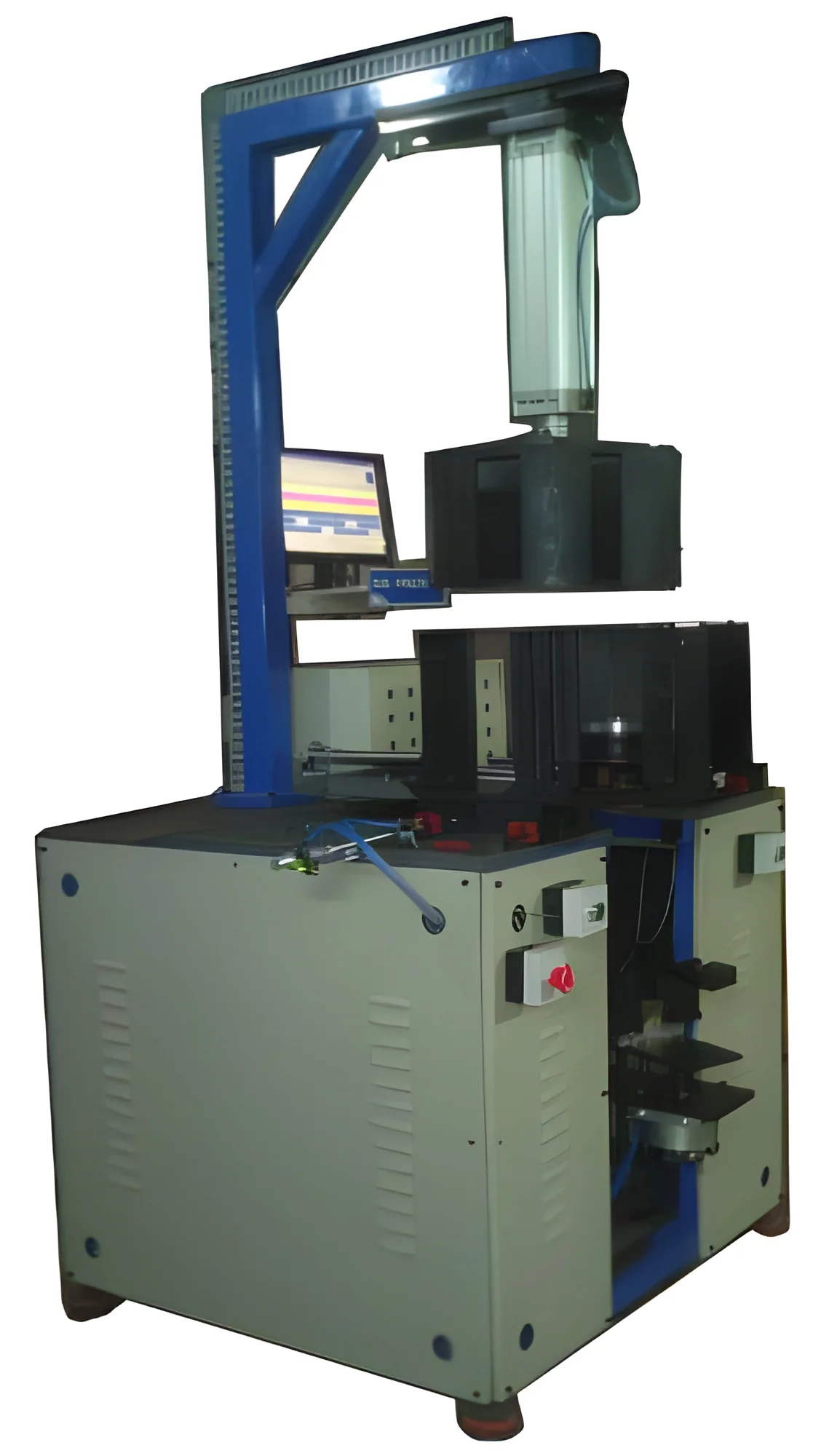
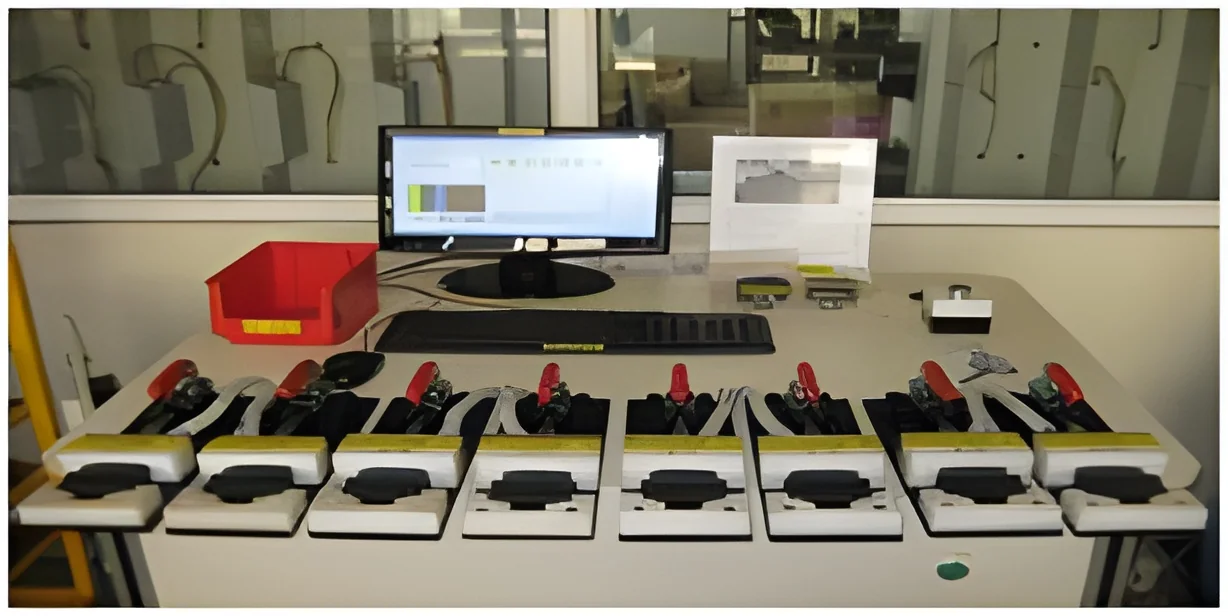
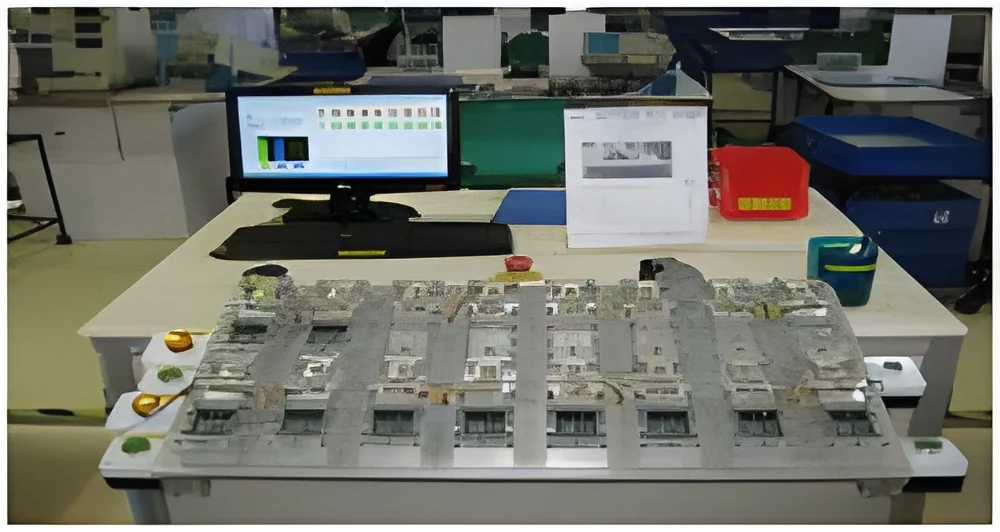
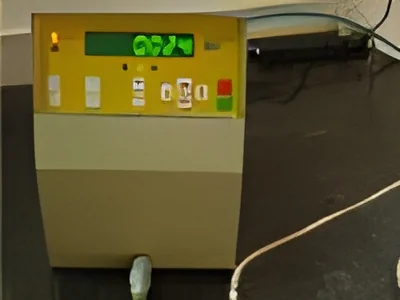
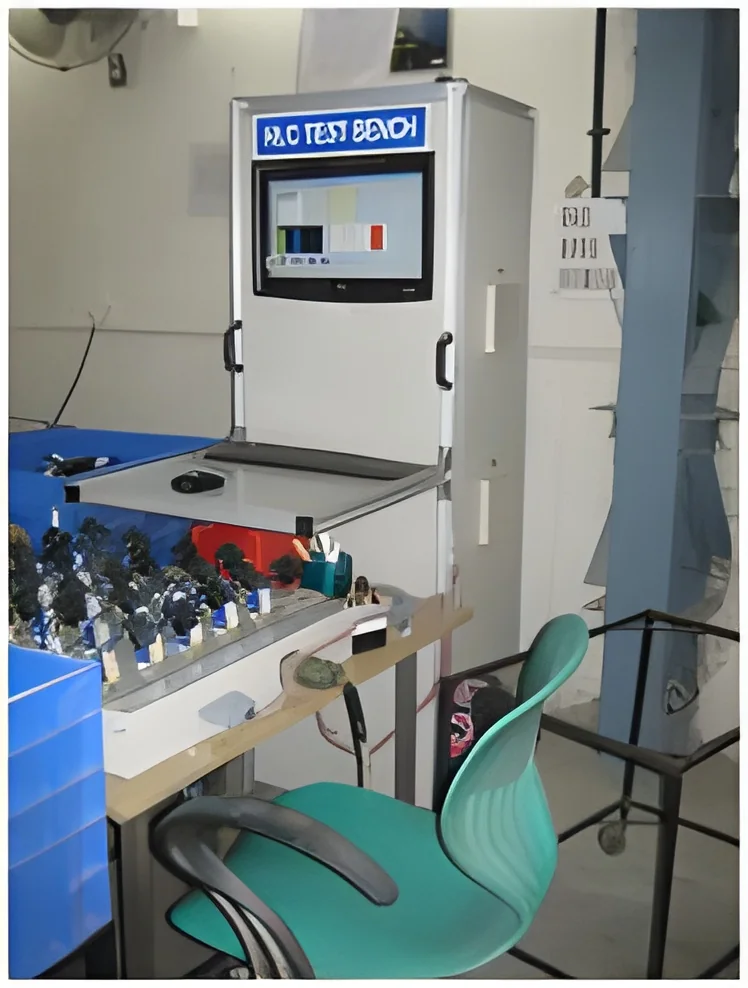
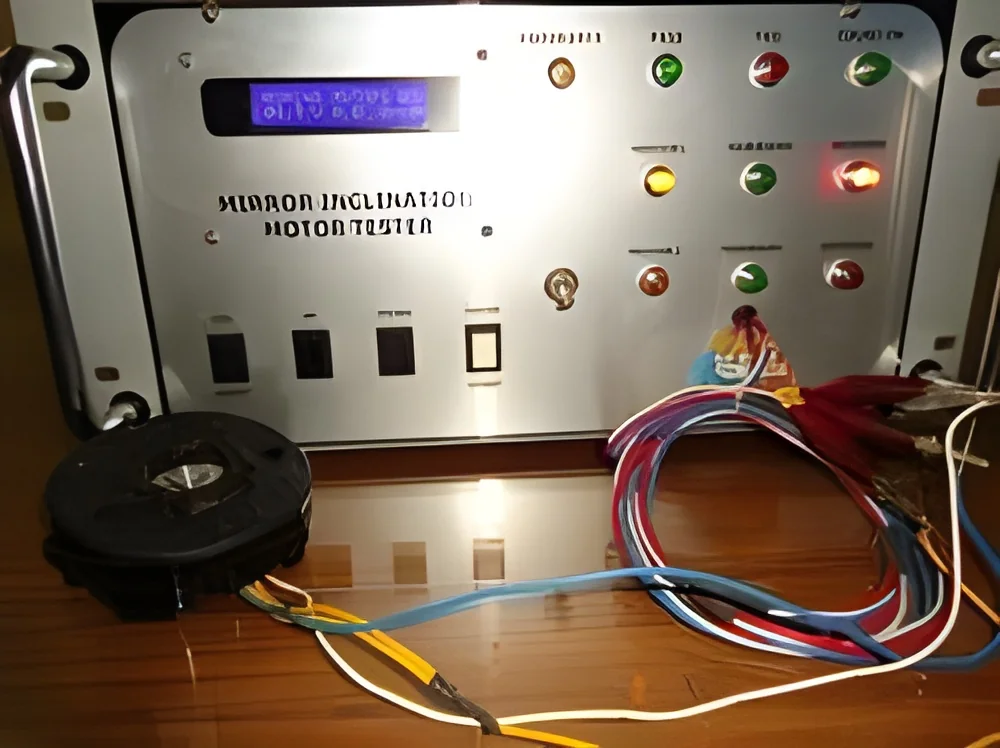
Vehicle End-of-Line Testing Equipment refers to specialized tools and systems designed to ensure that vehicles meet specific quality and performance standards upon completion of the manufacturing process. This equipment is utilized at the end of the assembly line to conduct a series of tests on finished vehicles, confirming that all components function correctly and that the vehicle adheres to safety and regulatory requirements.
The primary uses of this equipment include performance verification, safety checks, and functionality assessments. It plays a crucial role in the automotive industry, where manufacturers need to deliver reliable vehicles to customers. By employing end-of-line testing, businesses can identify defects before vehicles leave the production facility, minimizing recalls and enhancing customer satisfaction. In a competitive market, the ability to ensure quality can significantly impact a manufacturer’s reputation and profitability.
As the automotive industry continues to evolve, the relevance of Vehicle End-of-Line Testing Equipment becomes even more significant. Increasing regulatory demands, technological advancements, and consumer expectations drive manufacturers to adopt robust testing solutions. The global market for this equipment is expected to grow, driven by the need for improved quality control and the integration of advanced technologies in vehicle production processes.
𝗞𝗲𝘆 𝗙𝗲𝗮𝘁𝘂𝗿𝗲𝘀 𝗮𝗻𝗱 𝗦𝗽𝗲𝗰𝗶𝗳𝗶𝗰𝗮𝘁𝗶𝗼𝗻𝘀
Vehicle End-of-Line Testing Equipment is characterized by several key features that enhance its functionality and effectiveness. These specifications ensure that manufacturers can conduct thorough testing to meet their quality assurance goals.
Key specifications include:
1. Testing Capabilities
- The equipment should support multiple testing types such as electrical, mechanical, and safety assessments.
- It may include automated testing features for efficiency.
2. Data Acquisition and Analysis
- Advanced data logging and reporting capabilities enable detailed analysis of test results.
- Systems may integrate with existing manufacturing software for seamless data management.
3. User Interface
- An intuitive user interface allows operators to easily navigate and operate the equipment.
- Touchscreen controls and customizable settings enhance user experience.
4. Compliance Standards
- Equipment should comply with industry standards like ISO 9001 and CE certifications.
- Ensuring adherence to safety regulations is vital for operational legitimacy.
5. Calibration and Maintenance
- Regular calibration is necessary to maintain accuracy in testing results.
- Maintenance protocols should be straightforward to ensure consistent operation.
6. Flexibility and Scalability
- Equipment should accommodate a range of vehicle types and configurations.
- Scalability options allow manufacturers to expand testing capabilities as needed.
7. Environmental Control Features
- Humidity and temperature control may be integrated for sensitive testing environments.
- These features help simulate real-world conditions for accurate assessments.
In summary, the combination of advanced testing capabilities, data management features, and compliance with industry standards makes Vehicle End-of-Line Testing Equipment essential for modern automotive manufacturing.
𝗖𝗼𝗺𝗺𝗼𝗻 𝗔𝗽𝗽𝗹𝗶𝗰𝗮𝘁𝗶𝗼𝗻𝘀 𝗮𝗻𝗱 𝗨𝘀𝗲 𝗖𝗮𝘀𝗲𝘀
Vehicle End-of-Line Testing Equipment serves various industries beyond just automotive manufacturing.
1. Automotive Manufacturing: Equipment is used to conduct final inspections on vehicles, ensuring that all systems function as intended before delivery to dealerships.
2. Aerospace: Similar testing equipment is utilized to verify the safety and functionality of aircraft components, adhering to strict regulatory standards.
3. Heavy Machinery: Manufacturers of heavy machinery use this equipment to ensure that complex systems operate correctly, reducing the risk of failures in the field.
4. Electric Vehicles: As the demand for electric vehicles rises, testing equipment is adapted to evaluate battery performance and electric systems in these vehicles.
5. Public Transportation: End-of-line testing is crucial for buses and trains to ensure they meet safety regulations and performance standards before being put into service.
6. Marine Vehicles: Testing equipment is also used in the marine industry to ensure the reliability of boats and ships, focusing on both safety and operational efficiency.
7. Military Vehicles: Rigorous end-of-line testing is essential in the defense sector to confirm that military vehicles meet stringent safety and performance criteria.
𝗣𝗿𝗼𝗱𝘂𝗰𝘁 𝗩𝗮𝗿𝗶𝗮𝗻𝘁𝘀 𝗮𝗻𝗱 𝗦𝘂𝗯𝗰𝗮𝘁𝗲𝗴𝗼𝗿𝗶𝗲𝘀
Vehicle End-of-Line Testing Equipment includes a range of variants designed to meet specific testing needs within the automotive and related industries.
Automated Testing Systems: These systems are designed for high-volume production environments where efficiency is critical. They provide rapid testing and data collection, reducing manual labor and human error.
Portable Testing Solutions: Ideal for on-site inspections, these solutions offer flexibility and versatility for testing various vehicle types without the need for fixed installation.
Integrated Testing Platforms: These platforms combine multiple testing capabilities into one system, allowing manufacturers to streamline their testing processes and improve data management.
Custom Testing Solutions: Tailored to meet specific client requirements, these solutions can be designed to test unique components or systems within vehicles, enhancing quality control.
𝗕𝗲𝗻𝗲𝗳𝗶𝘁𝘀 𝗮𝗻𝗱 𝗔𝗱𝘃𝗮𝗻𝘁𝗮𝗴𝗲𝘀
Investing in Vehicle End-of-Line Testing Equipment provides significant advantages for manufacturers.
Key benefits include:
1. Improved Quality Control: Enhanced testing ensures that vehicles meet required standards, reducing the likelihood of defects and recalls.
2. Increased Efficiency: Automated testing processes minimize the time and labor needed for inspections, allowing manufacturers to optimize production schedules.
3. Cost Savings: Early detection of issues can lead to reduced warranty claims and lower overall costs associated with post-production repairs.
4. Enhanced Customer Satisfaction: Delivering defect-free vehicles boosts customer confidence and satisfaction, which can lead to repeat business and referrals.
5. Regulatory Compliance: Ensuring that vehicles meet safety and performance regulations protects manufacturers from legal issues and enhances brand reputation.
6. Data-Driven Insights: Advanced data analysis capabilities allow manufacturers to identify trends and make informed decisions to improve production processes.
𝗕𝘂𝘆𝗶𝗻𝗴 𝗚𝘂𝗶𝗱𝗲 𝗳𝗼𝗿 𝗕𝟮𝗕 𝗕𝘂𝘆𝗲𝗿𝘀
When sourcing Vehicle End-of-Line Testing Equipment, several critical factors should be considered to ensure an effective purchase.
1. Quality Assessment: Evaluate the quality of the equipment by reviewing manufacturer specifications and customer testimonials. Look for equipment that meets industry standards to ensure reliability and performance.
2. Supplier Verification: Vet suppliers thoroughly by checking their certifications, experience, and customer feedback. A reputable supplier will offer support and service after the purchase.
3. Pricing and MOQ: Understand the pricing structure and minimum order quantities. Compare multiple suppliers to find competitive pricing while ensuring quality is not compromised.
4. Delivery and Lead Times: Consider the logistics involved in the delivery of the equipment. Assess lead times and ensure that they align with your production schedules to avoid delays.
5. Compliance Requirements: Familiarize yourself with the regulatory requirements specific to your industry. Ensure that the equipment complies with necessary standards to avoid operational risks.
𝗖𝗼𝗺𝗽𝗹𝗶𝗮𝗻𝗰𝗲 𝗮𝗻𝗱 𝗖𝗲𝗿𝘁𝗶𝗳𝗶𝗰𝗮𝘁𝗶𝗼𝗻𝘀
Vehicle End-of-Line Testing Equipment must adhere to various quality standards and certifications to ensure safety and reliability.
ISO 9001 is a key quality management standard that emphasizes consistent quality across manufacturing processes. Compliance with this standard assures manufacturers that the equipment has been produced under strict quality control measures.
Additionally, equipment should carry CE certification, indicating that it meets European safety, health, and environmental protection requirements. This certification is crucial for manufacturers looking to operate within Europe or export their products internationally.
Safety and testing requirements are paramount, especially in industries like automotive and aerospace. Manufacturers must ensure that their testing equipment can handle the rigorous demands of such applications.
Finally, regional compliance considerations may vary, so it is essential to be aware of local regulations that might affect the use of testing equipment in different markets.
𝗪𝗵𝘆 𝗦𝗼𝘂𝗿𝗰𝗲 𝗩𝗲𝗵𝗶𝗰𝗹𝗲 𝗘𝗻𝗱-𝗼𝗳-𝗟𝗶𝗻𝗲 𝗧𝗲𝘀𝘁𝗶𝗻𝗴 𝗘𝗾𝘂𝗶𝗽𝗺𝗲𝗻𝘁 𝗳𝗿𝗼𝗺 𝗣𝗲𝗽𝗮𝗴𝗼𝗿𝗮?
Pepagora provides a trusted platform for sourcing Vehicle End-of-Line Testing Equipment, offering several key advantages to buyers.
Verified Supplier Network: Pepagora ensures that all suppliers in its network are thoroughly vetted for quality and reliability. This verification process gives buyers confidence in their sourcing decisions.
Streamlined RFQ Process: The platform simplifies the request for quotation process, making it easy for buyers to obtain multiple quotes from various suppliers. This efficiency helps in comparing options quickly and effectively.
Trade Assurance and Support: Pepagora offers trade assurance to protect buyers, ensuring that they receive the products as promised. Comprehensive support is also available throughout the purchasing process.
Regional Coverage: With a broad geographic reach across India, the Gulf Cooperation Council (GCC), and Southeast Asia, Pepagora connects buyers with suppliers tailored to their specific regional needs, enhancing accessibility and service.

 IN
IN