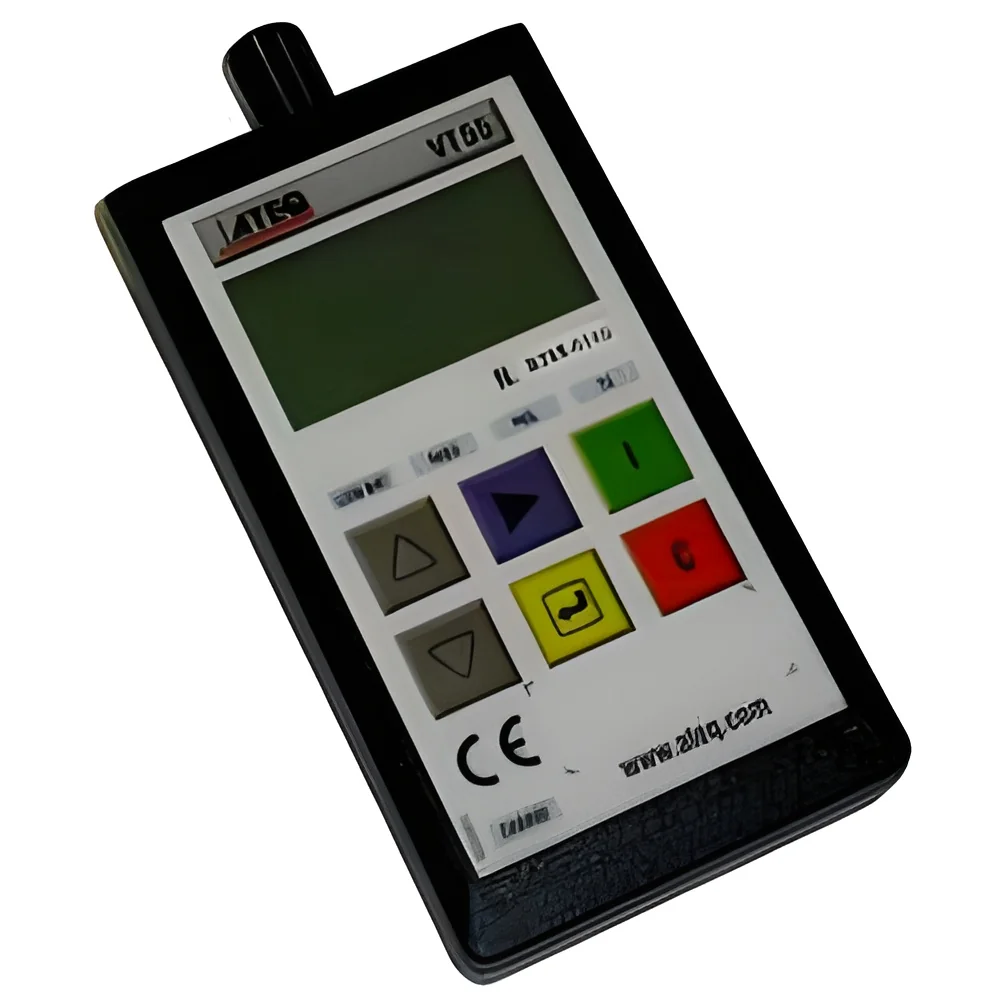
What are Sensor Testers (ABS, TPMS, etc.)?
Sensor testers, specifically for ABS (Anti-lock Braking System) and TPMS (Tire Pressure Monitoring System), are essential tools used in the automotive and industrial sectors. These devices are designed to evaluate the functionality of various sensors that control critical safety systems in vehicles. By conducting tests, these instruments help ensure that sensors are operating correctly, providing accurate readings, and ultimately contributing to vehicle safety and performance.
The primary uses of sensor testers include diagnosing sensor faults, verifying sensor output, and ensuring compliance with safety regulations. Automotive technicians and engineers utilize these testers in vehicle maintenance, repair, and quality assurance processes. In addition, sensor testers find applications in manufacturing, where quality control is crucial for automotive parts. As vehicles become more advanced with integrated technology, the relevance of sensor testers continues to grow in the automotive industry.
The market for sensor testers is expanding due to the increasing emphasis on vehicle safety and the rising number of vehicles equipped with advanced safety features. This growth is driven by regulatory requirements and consumer demand for reliable automotive performance. As technology advances, sensor testers must adapt to new systems and standards, making them a vital component of modern automotive service and manufacturing.
𝗞𝗲𝘆 𝗙𝗲𝗮𝘁𝘂𝗿𝗲𝘀 𝗮𝗻𝗱 𝗦𝗽𝗲𝗰𝗶𝗳𝗶𝗰𝗮𝘁𝗶𝗼𝗻𝘀
Sensor testers for ABS and TPMS come equipped with various features that enhance their utility and accuracy. Understanding these specifications is crucial for businesses looking to invest in reliable testing equipment.
Key specifications include:
1. Sensor Compatibility
- Compatibility with a wide range of ABS and TPMS sensors
- Supports both domestic and import vehicle systems
2. Diagnostic Capabilities
- Provides real-time diagnostic feedback
- Can identify sensor faults and performance issues
3. User Interface
- Easy-to-navigate interface for quick operation
- Clear digital display for reading results
4. Power Source
- Battery-operated for portability
- Optional AC adapter for continuous use
5. Data Storage
- Ability to store diagnostic results for later review
- Supports multiple vehicle profiles
6. Update Capability
- Firmware updates available for maintaining the latest compatibility
- Easy connection to computers for software updates
7. Measurement Range
- Accurate measurement ranges for pressure, voltage, and resistance
- Specific parameters depending on the model
8. Certification
- CE certification ensuring compliance with European safety standards
These specifications are crucial for ensuring effective performance and reliability when using sensor testers in various applications.
𝗖𝗼𝗺𝗺𝗼𝗻 𝗔𝗽𝗽𝗹𝗶𝗰𝗮𝘁𝗶𝗼𝗻𝘀 𝗮𝗻𝗱 𝗨𝘀𝗲 𝗖𝗮𝘀𝗲𝘀
Sensor testers are utilized across multiple sectors, reflecting their versatile nature.
1. Automotive Service and Repair: Automotive technicians use sensor testers to diagnose issues in ABS and TPMS systems, ensuring vehicles are safe and compliant with regulations.
2. Quality Control in Manufacturing: Manufacturers of automotive parts employ sensor testers to verify that sensors meet industry standards before installation in vehicles.
3. Fleet Maintenance: Fleet operators use these testers regularly to maintain vehicle performance and safety, reducing downtime and repair costs.
4. Research and Development: Engineers in R&D departments utilize sensor testers for developing new sensor technologies and improving existing systems.
5. Educational Institutions: Technical schools and training programs incorporate sensor testers in their curriculum to teach students about automotive systems and diagnostics.
6. Regulatory Compliance: Businesses must use sensor testers to ensure that their vehicles adhere to local and international safety standards.
7. Aftermarket Services: Aftermarket parts suppliers use sensor testers to validate the performance of replacement sensors before distribution.
𝗣𝗿𝗼𝗱𝘂𝗰𝘁 𝗩𝗮𝗿𝗶𝗮𝗻𝘁𝘀 𝗮𝗻𝗱 𝗦𝘂𝗯𝗰𝗮𝘁𝗲𝗴𝗼𝗿𝗶𝗲𝘀
Sensor testers come in various models tailored to specific needs and applications. This diversity allows businesses to select the most suitable device for their purposes.
Basic Sensor Tester Model
This model is designed for general use, providing essential diagnostic functions for ABS and TPMS sensors. It is user-friendly and ideal for smaller automotive shops.
Advanced Diagnostic Sensor Tester
This variant offers enhanced capabilities, including detailed diagnostics and compatibility with a broader range of vehicles. It is suitable for larger service centers that require comprehensive testing solutions.
Mobile Sensor Tester
This portable tester is designed for on-site inspections, featuring a compact design and battery operation. It is perfect for technicians who need to perform diagnostics away from the shop.
Specialized Sensor Tester
Some models focus on specific sensor types, providing specialized features for unique applications. These testers are ideal for businesses that deal with niche markets or specific sensor technologies.
𝗕𝗲𝗻𝗲𝗳𝗶𝘁𝘀 𝗮𝗻𝗱 𝗔𝗱𝘃𝗮𝗻𝘁𝗮𝗴𝗲𝘀
Investing in sensor testers provides numerous advantages for businesses in the automotive industry.
1. Enhanced Vehicle Safety: Regular testing of ABS and TPMS sensors ensures that vehicles operate safely, minimizing the risk of accidents.
2. Cost Efficiency: Early detection of sensor issues can prevent costly repairs and reduce vehicle downtime.
3. Compliance Assurance: Using sensor testers helps businesses comply with safety regulations, avoiding penalties and enhancing their reputation.
4. Improved Diagnostic Accuracy: Modern sensor testers provide precise readings, enabling technicians to make informed decisions during repairs.
5. Increased Productivity: Quick and efficient testing processes allow automotive professionals to serve more customers in less time.
6. Versatility: These testers can be used across various vehicle types and applications, making them a valuable tool in diverse settings.
𝗕𝘂𝘆𝗶𝗻𝗴 𝗚𝘂𝗶𝗱𝗲 𝗳𝗼𝗿 𝗕𝟮𝗕 𝗕𝘂𝘆𝗲𝗿𝘀
When sourcing sensor testers for ABS and TPMS, businesses should consider several critical factors to ensure they make informed purchasing decisions.
1. Quality Assessment: Evaluate the build quality and performance of the testers. Look for models that have received positive reviews and demonstrate reliability in various testing environments.
2. Supplier Verification: Vet suppliers to ensure they have a solid reputation. Check for certifications and customer feedback to confirm their reliability.
3. Pricing and MOQ: Understand the pricing structure and minimum order quantities. Compare offers from different suppliers to find the best value for your investment.
4. Delivery and Lead Times: Consider logistics and delivery timelines. Ensure that the supplier can meet your deadlines to avoid disruptions in your operations.
5. Compliance Requirements: Verify that the sensor testers meet local and international regulatory standards. This is crucial for ensuring safety and performance.
𝗖𝗼𝗺𝗽𝗹𝗶𝗮𝗻𝗰𝗲 𝗮𝗻𝗱 𝗖𝗲𝗿𝘁𝗶𝗳𝗶𝗰𝗮𝘁𝗶𝗼𝗻𝘀
Compliance and certifications play a vital role in the quality and reliability of sensor testers. Relevant quality standards like ISO 9001 ensure that products are manufactured under strict quality control measures.
Many sensor testers also hold certifications such as CE, which indicates conformity with health, safety, and environmental protection standards in the European market.
Safety and testing requirements are essential to ensure that these devices perform accurately and do not pose risks to users. Businesses must remain aware of regional compliance considerations, as different markets may have varying regulations regarding automotive testing equipment.
Why Source Sensor Testers (ABS, TPMS, etc.) from Pepagora?
Pepagora offers a trusted platform for sourcing sensor testers for ABS and TPMS, providing several key advantages for B2B buyers.
Verified Supplier Network: Pepagora ensures that all listed suppliers are thoroughly vetted, providing buyers with confidence in their purchasing decisions. This network includes manufacturers and distributors known for quality and reliability.
Streamlined RFQ Process: The platform features a user-friendly request-for-quotation system that simplifies the procurement process. Buyers can easily compare offers and select the best fit for their needs.
Trade Assurance and Support: Pepagora provides trade assurance measures to protect buyers, ensuring that transactions are secure and that support is available should issues arise.
Regional Coverage: With a focus on markets in India, the GCC, and Southeast Asia, Pepagora offers extensive regional coverage, making it easier for businesses to find local suppliers and reduce lead times.
By choosing Pepagora, businesses can access a wide range of quality sensor testers while benefiting from a secure and efficient purchasing experience.

 IN
IN