Key Features and Specifications
Excavators are equipped with numerous features that enhance their performance and efficiency. Understanding these specifications is crucial for businesses looking to invest in this equipment.
Key specifications include:
1. Operating Weight
- This specification indicates the total weight of the excavator, which impacts its stability and lifting capacity.
- Operating weights range from 1 ton for mini excavators to over 50 tons for large crawler models.
2. Engine Power
- The engine power determines the machine's performance and efficiency.
- Engine power typically ranges from 10 to 200 horsepower depending on the excavator type.
3. Maximum Digging Depth
- This specification refers to how deep the excavator can dig.
- Digging depths can range from 1.5 meters for mini excavators to over 6 meters for larger models.
4. Maximum Reach
- This indicates the furthest distance the excavator can extend its arm to reach materials.
- Maximum reach varies from about 3 meters for mini excavators to over 10 meters for larger crawler excavators.
5. Hydraulic Flow Rate
- This specification measures the hydraulic system's efficiency and power.
- Flow rates typically range from 30 to 200 liters per minute.
6. Bucket Capacity
- This refers to the volume of material the bucket can hold.
- Bucket capacities can range from 0.1 cubic meters for mini excavators to over 1.5 cubic meters for large models.
7. Travel Speed
- This specification indicates how fast the excavator can move across the job site.
- Travel speeds can range from 3 km/h for larger machines to over 10 km/h for wheeled excavators.
8. Swing Speed
- This measures how fast the excavator can rotate its upper body.
- Swing speeds typically range from 8 to 14 revolutions per minute.
In summary, understanding the features and specifications of excavators is essential for choosing the right machine for specific tasks.
Common Applications and Use Cases
Excavators are versatile machines with applications across various industries.
1. Construction: Excavators are commonly used for site preparation, digging foundations, and trenching. Their ability to handle heavy loads makes them invaluable on construction sites.
2. Landscaping: Mini excavators are often used in landscaping projects for digging holes, installing drainage systems, and grading land. Their compact size allows for maneuverability in tight spaces.
3. Mining: In mining operations, excavators are used for removing overburden and extracting minerals. Their robust design allows them to work in rugged environments.
4. Demolition: Excavators equipped with specialized attachments can efficiently demolish structures. They provide the necessary strength and precision for controlled demolitions.
5. Agriculture: In agriculture, excavators are used for land clearing, irrigation ditch digging, and soil preparation. Their versatility improves productivity in farming operations.
6. Utilities: Excavators are essential for installing pipelines and utility lines. They can dig trenches quickly and accurately, minimizing disruption.
7. Environmental Projects: Excavators play a role in environmental restoration, such as removing debris and excavating contaminated soil. Their capabilities support various environmental initiatives.
Product Variants and Subcategories
Excavators come in diverse variants to cater to different operational needs and environments.
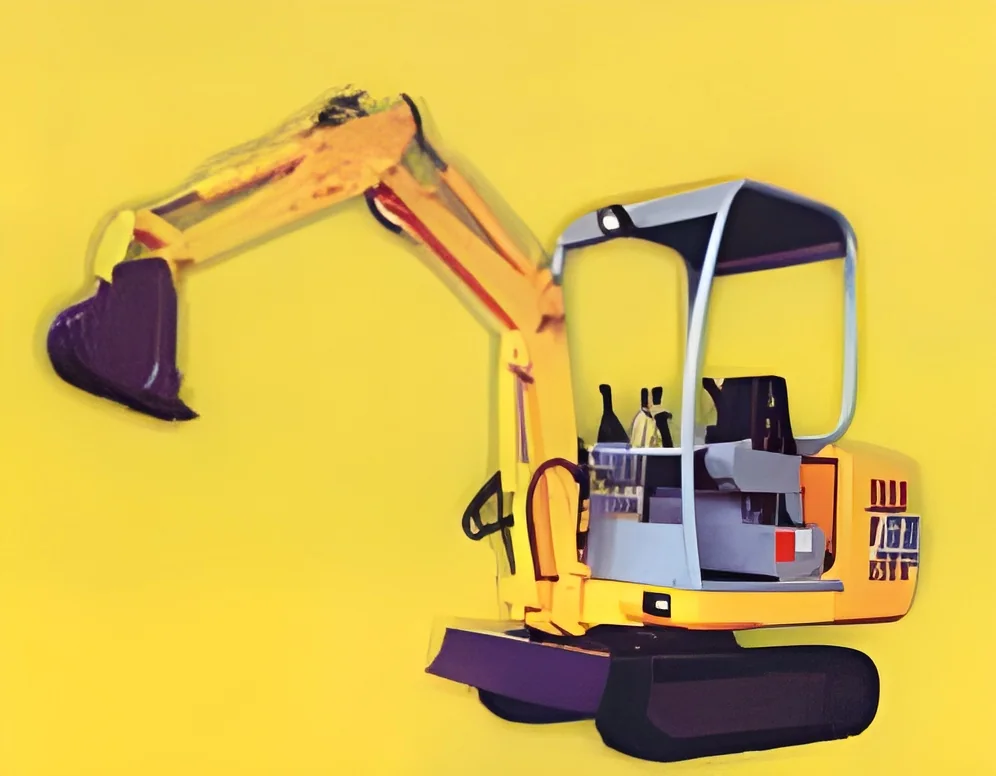
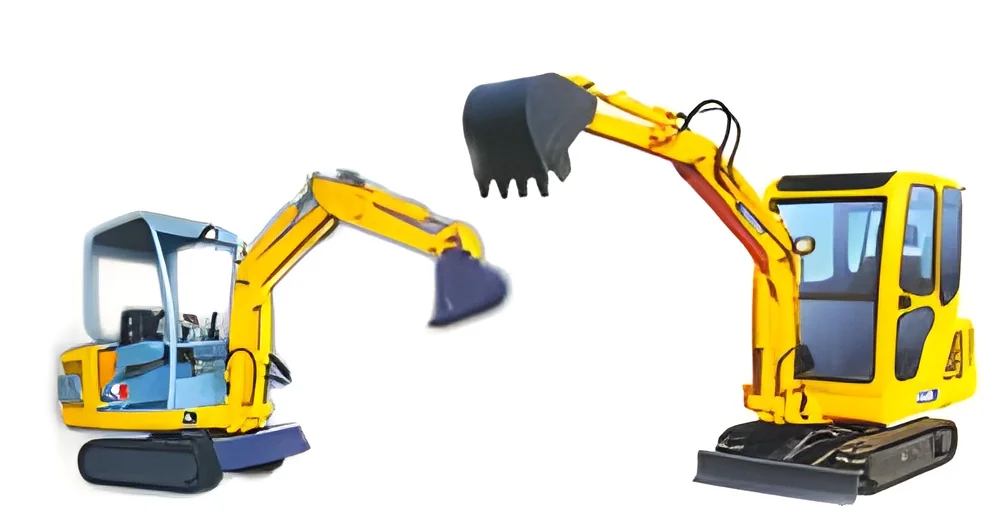
Mini Excavators: These compact machines are designed for small-scale projects and tight spaces. They are easy to transport and maneuver, making them ideal for residential work and landscaping.
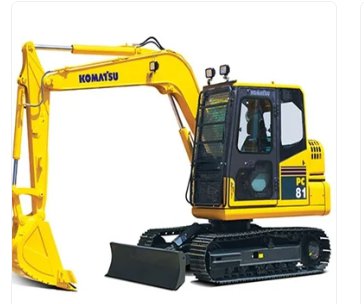
Crawler Excavators: Known for their stability and traction, crawler excavators are suitable for heavy-duty tasks on uneven terrain. They are commonly used in construction and mining applications.
Wheeled Excavators: These excavators offer mobility and versatility, making them suitable for urban job sites. Their ability to travel on roads without requiring transport trucks enhances their efficiency.
Benefits and Advantages
Investing in excavators provides numerous advantages for businesses.
1. Increased Efficiency: Excavators significantly improve efficiency in digging and material handling, reducing project time and labor costs.
2. Versatility: With various attachments available, excavators can perform multiple tasks, from digging to lifting, making them suitable for diverse applications.
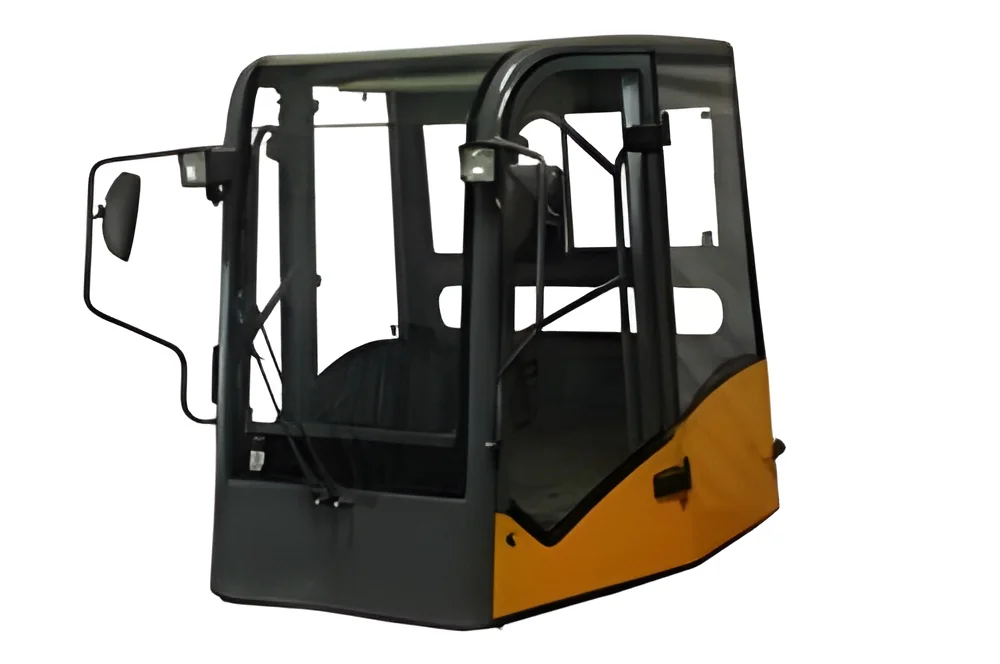
3. Improved Safety: Modern excavators are equipped with safety features that enhance operator safety and reduce accidents on job sites.
4. Enhanced Stability: Crawler excavators offer superior stability on uneven ground, allowing for safer operation in challenging conditions.
5. Cost-Effectiveness: The productivity gains from using excavators can lead to lower overall project costs, making them a worthwhile investment.
6. Ease of Operation: Many excavators feature advanced controls and user-friendly interfaces, allowing operators to work efficiently with minimal training.
Buying Guide for B2B Buyers
When sourcing excavators, buyers should consider various factors to ensure a suitable purchase.
1. Quality Assessment: Evaluate the quality of the excavator by reviewing manufacturer specifications and user reviews. Look for machines with a reputation for durability and reliability.
2. Supplier Verification: Vet suppliers to ensure they are reputable and have a history of providing high-quality equipment. Check for certifications and customer feedback.
3. Pricing and MOQ: Understand the pricing structure and minimum order quantities (MOQ) required by suppliers. Compare prices among different suppliers to find the best deal.
4. Delivery and Lead Times: Inquire about delivery schedules and lead times to ensure the excavator arrives when needed. Consider logistics and transportation options.
5. Compliance Requirements: Be aware of local regulations and compliance standards that the excavator must meet. Ensure that the equipment adheres to safety and environmental guidelines.
Compliance and Certifications
Excavators must meet various compliance and certification standards to ensure quality and safety.
Relevant quality standards, such as ISO 9001, ensure that manufacturers follow consistent quality management practices.
Industry certifications, such as CE, indicate compliance with European safety standards. These certifications assure buyers of the equipment's safety and reliability.
Safety and testing requirements are crucial for excavators, as they operate in demanding environments. Regular safety checks and adherence to operational guidelines help prevent accidents and equipment failures.
In addition, regional compliance considerations should be taken into account. Different countries may have specific regulations governing equipment operation and safety features.
Why Source Excavators (Mini, Crawler, Wheeled) from Pepagora?
Pepagora provides a trusted platform for sourcing excavators with several key advantages.
Verified Supplier Network: Pepagora connects buyers to a network of verified suppliers, ensuring that each supplier meets stringent quality and reliability standards. This network enhances trust and confidence in the purchasing process.
Streamlined RFQ Process: The request for quotation (RFQ) process on Pepagora is designed to be user-friendly, allowing buyers to easily request quotes from multiple suppliers. This efficiency saves time and simplifies decision-making.
Trade Assurance and Support: Pepagora offers trade assurance, protecting buyers from potential risks during transactions. This support ensures that buyers can purchase with confidence, knowing they are safeguarded.
Regional Coverage: With a strong presence in regions such as India, GCC, and Southeast Asia, Pepagora provides extensive geographic coverage. This reach allows buyers to find localized suppliers who understand regional market dynamics and requirements.

 IN
IN
 India
India