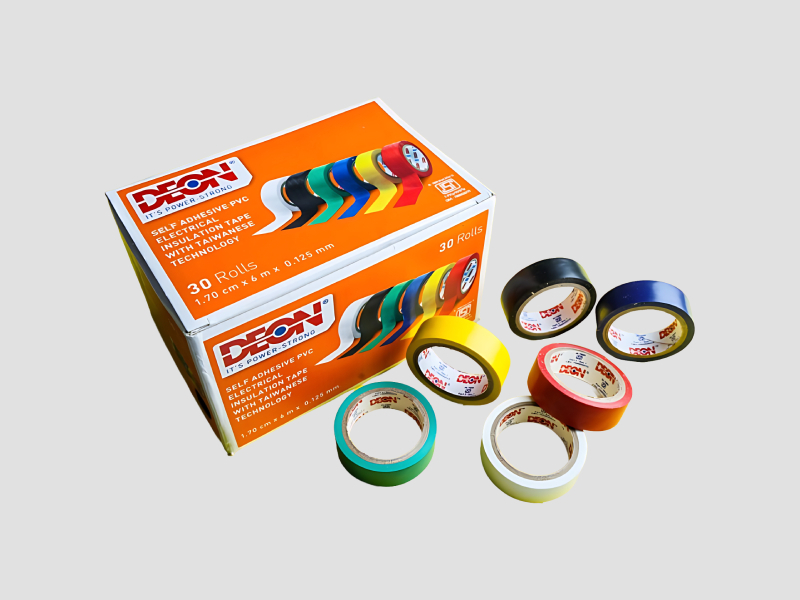
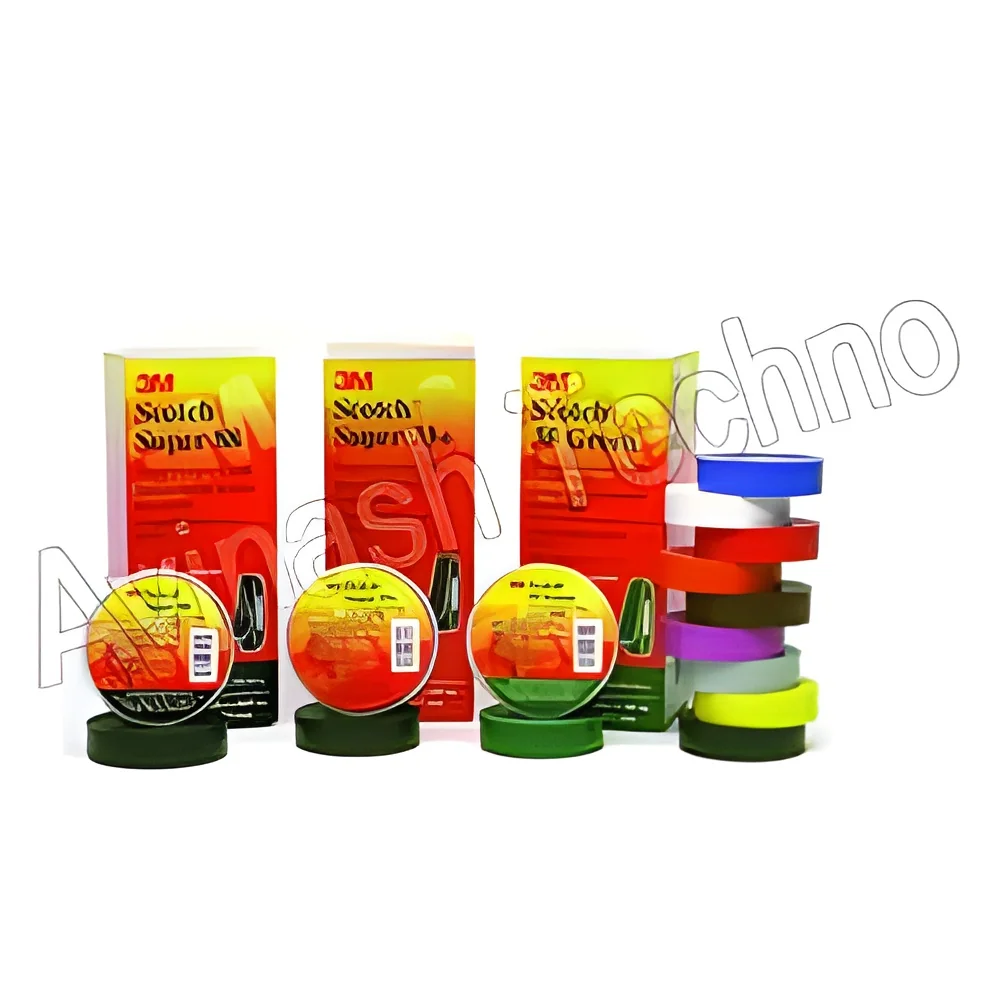
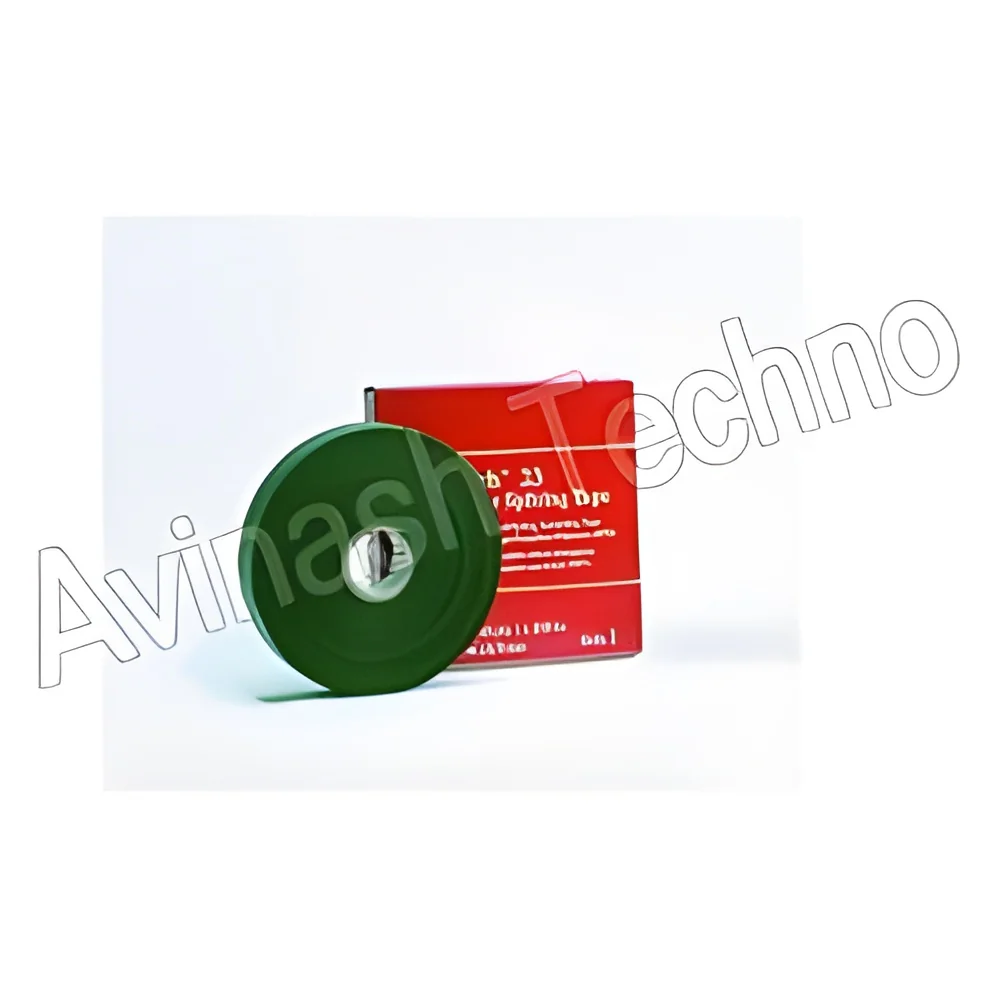
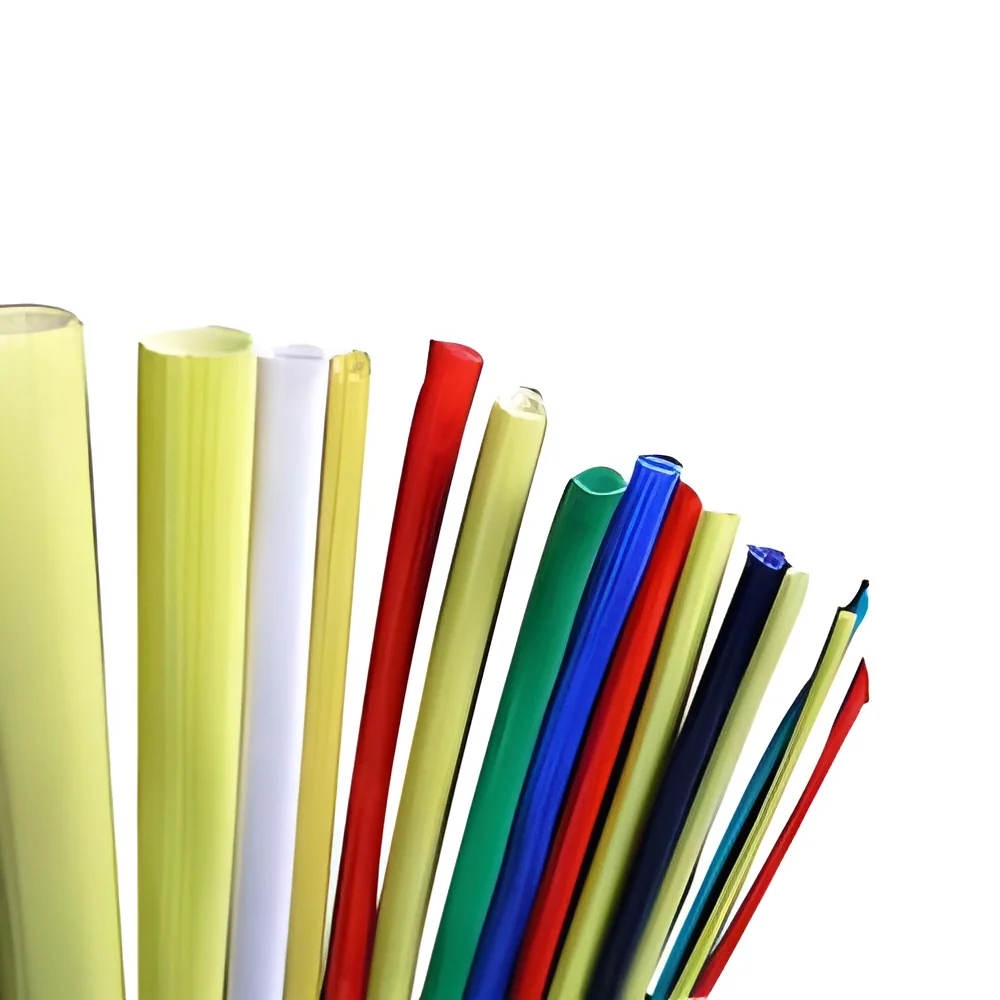
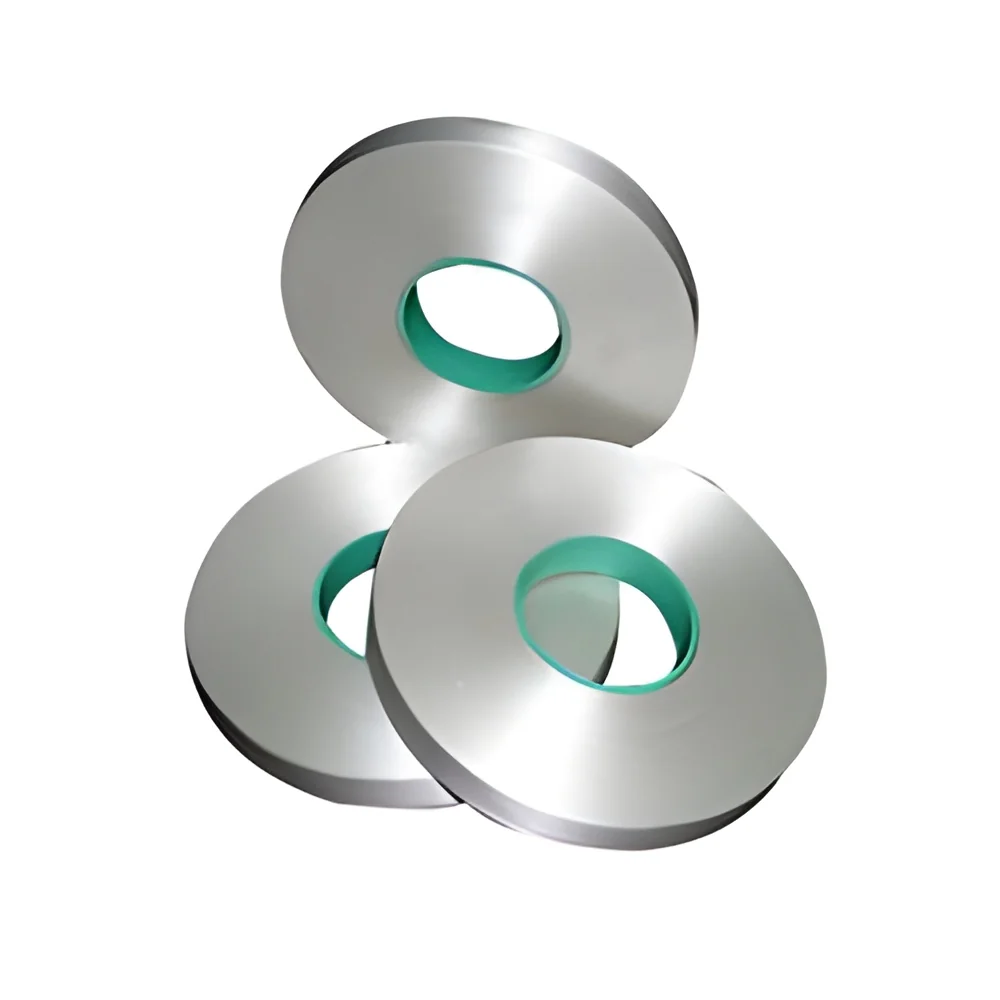
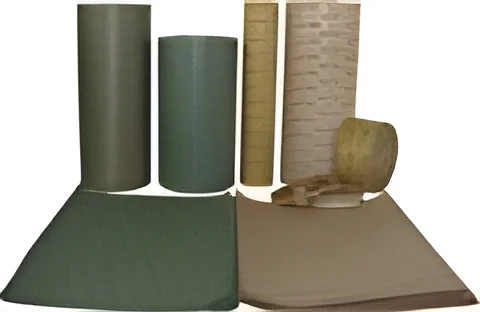
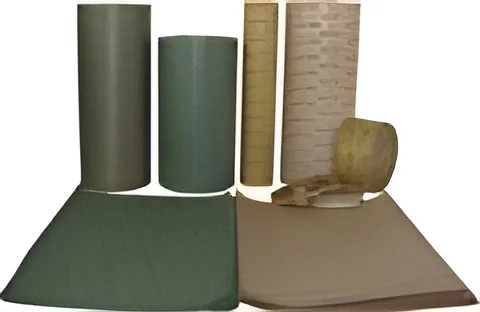
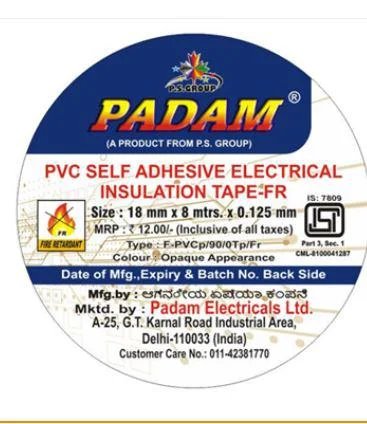
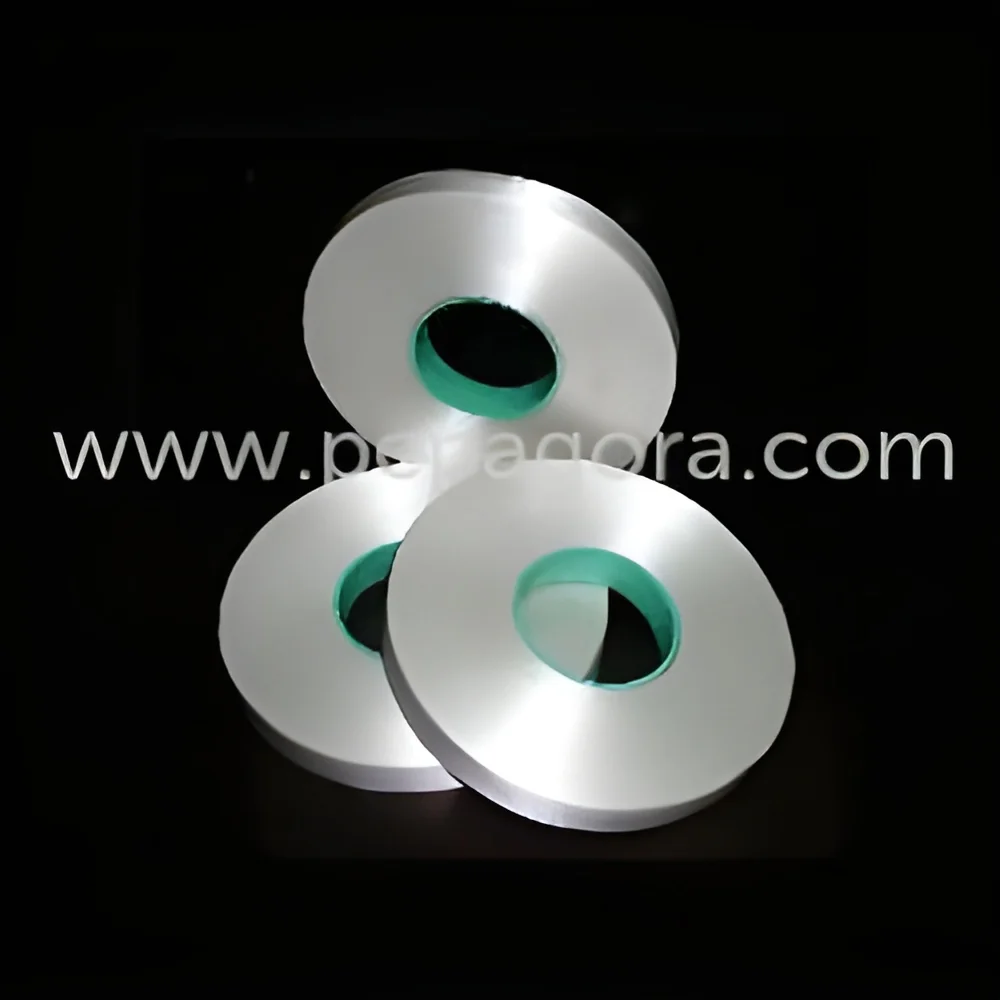
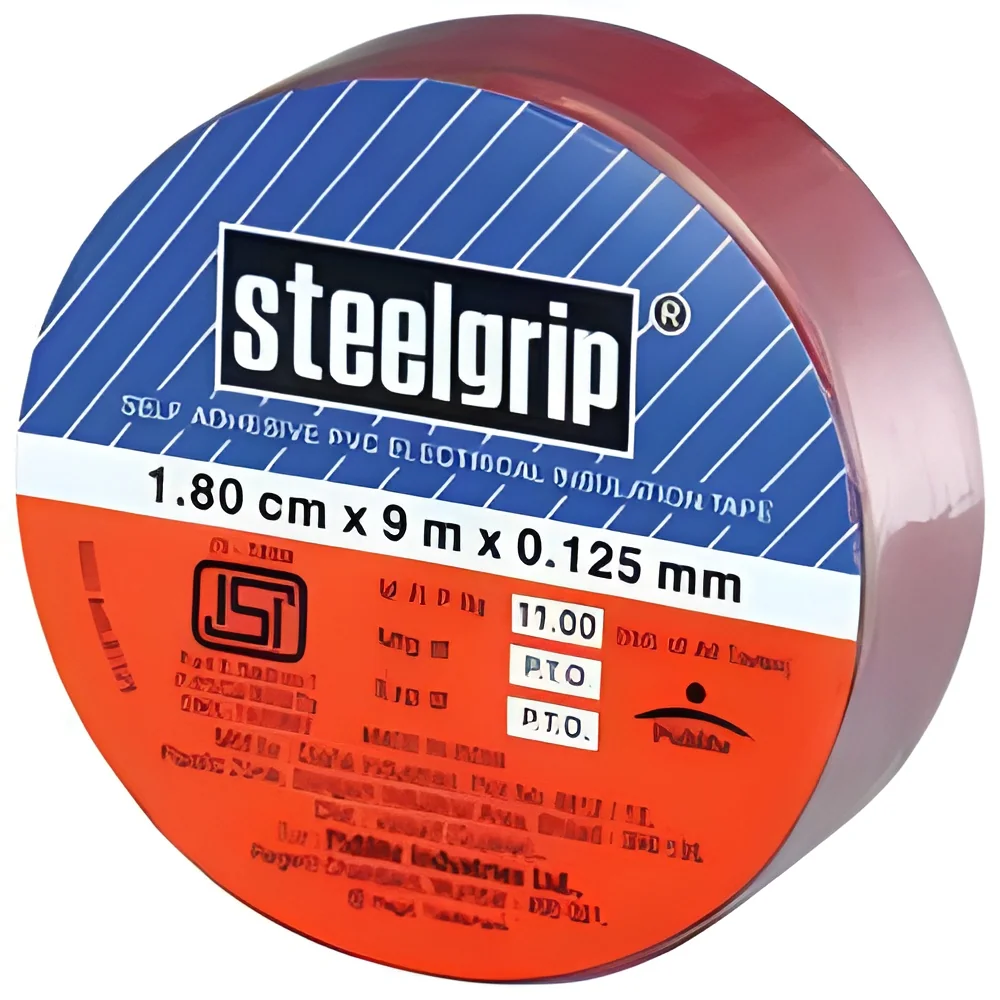
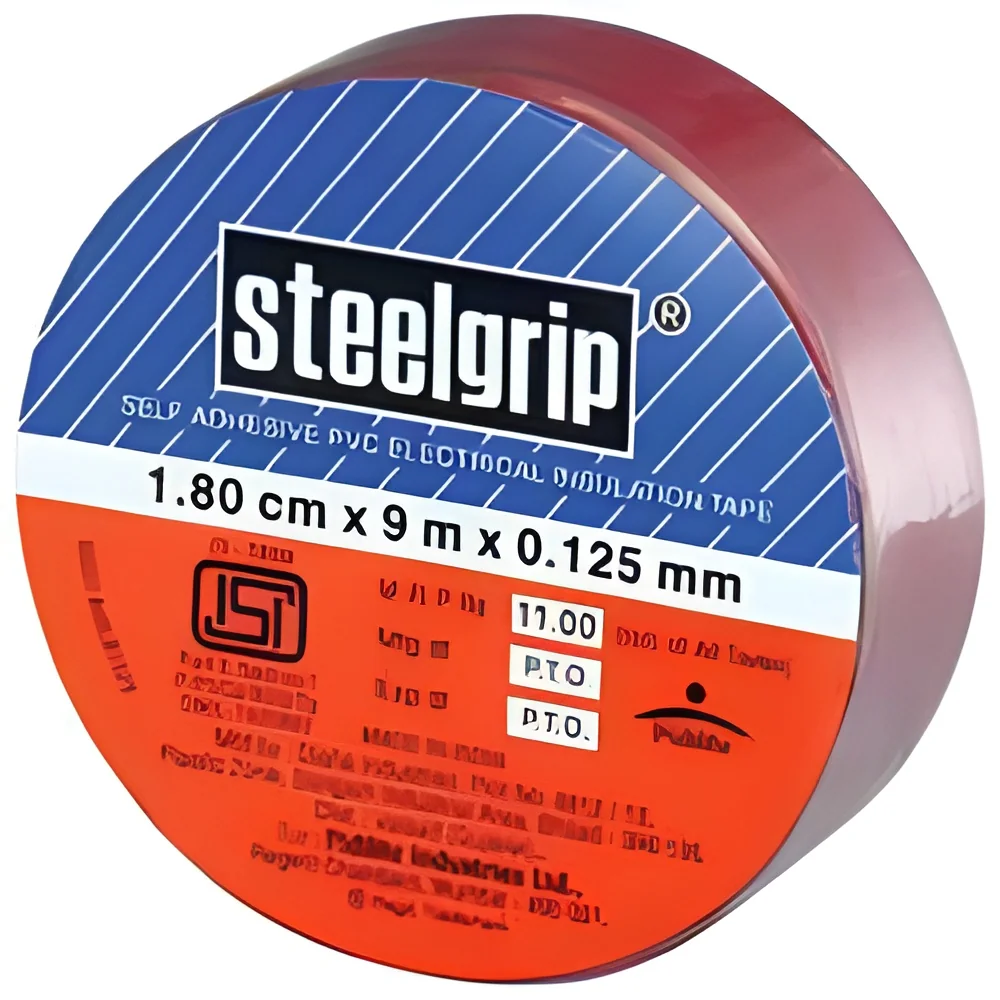
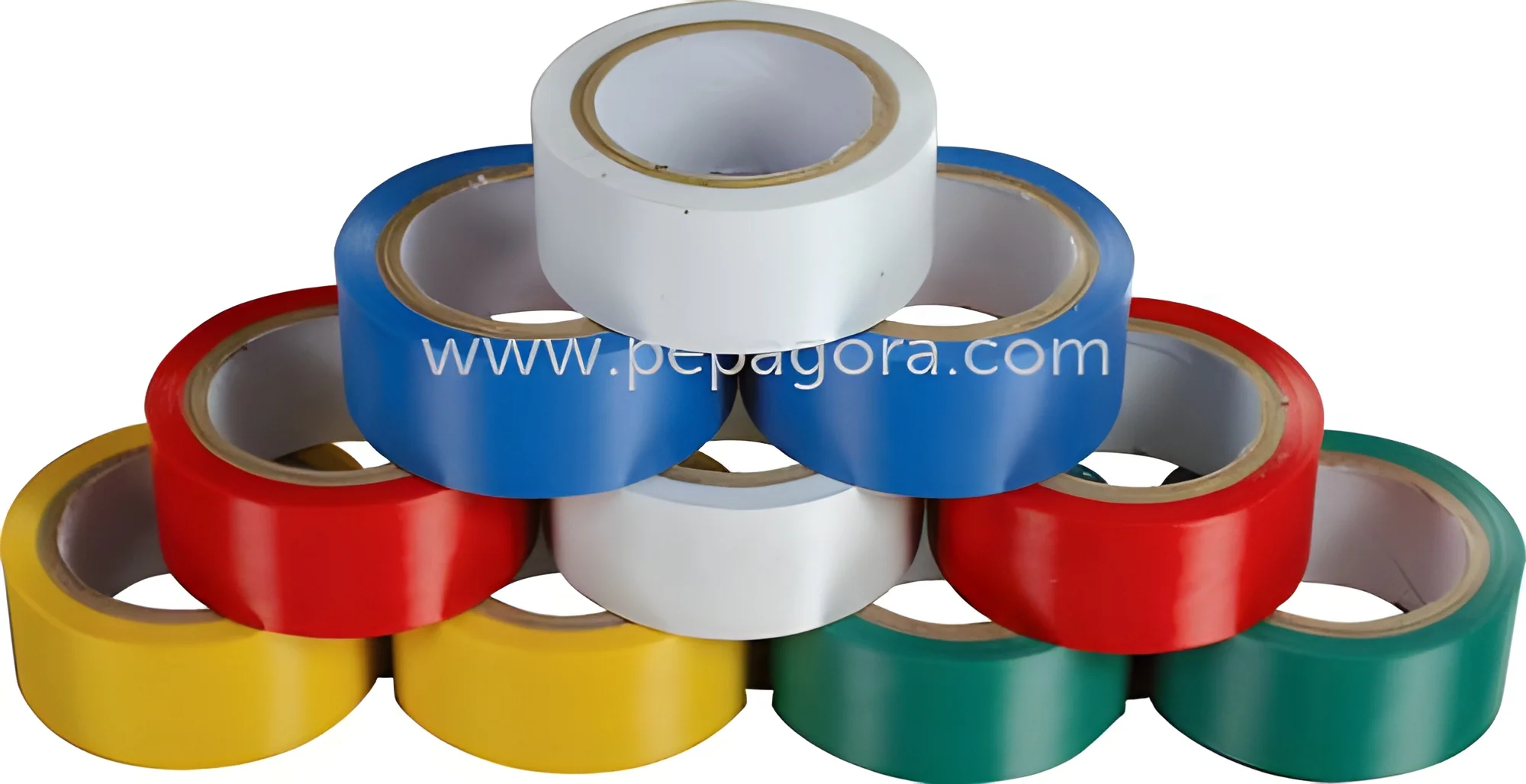
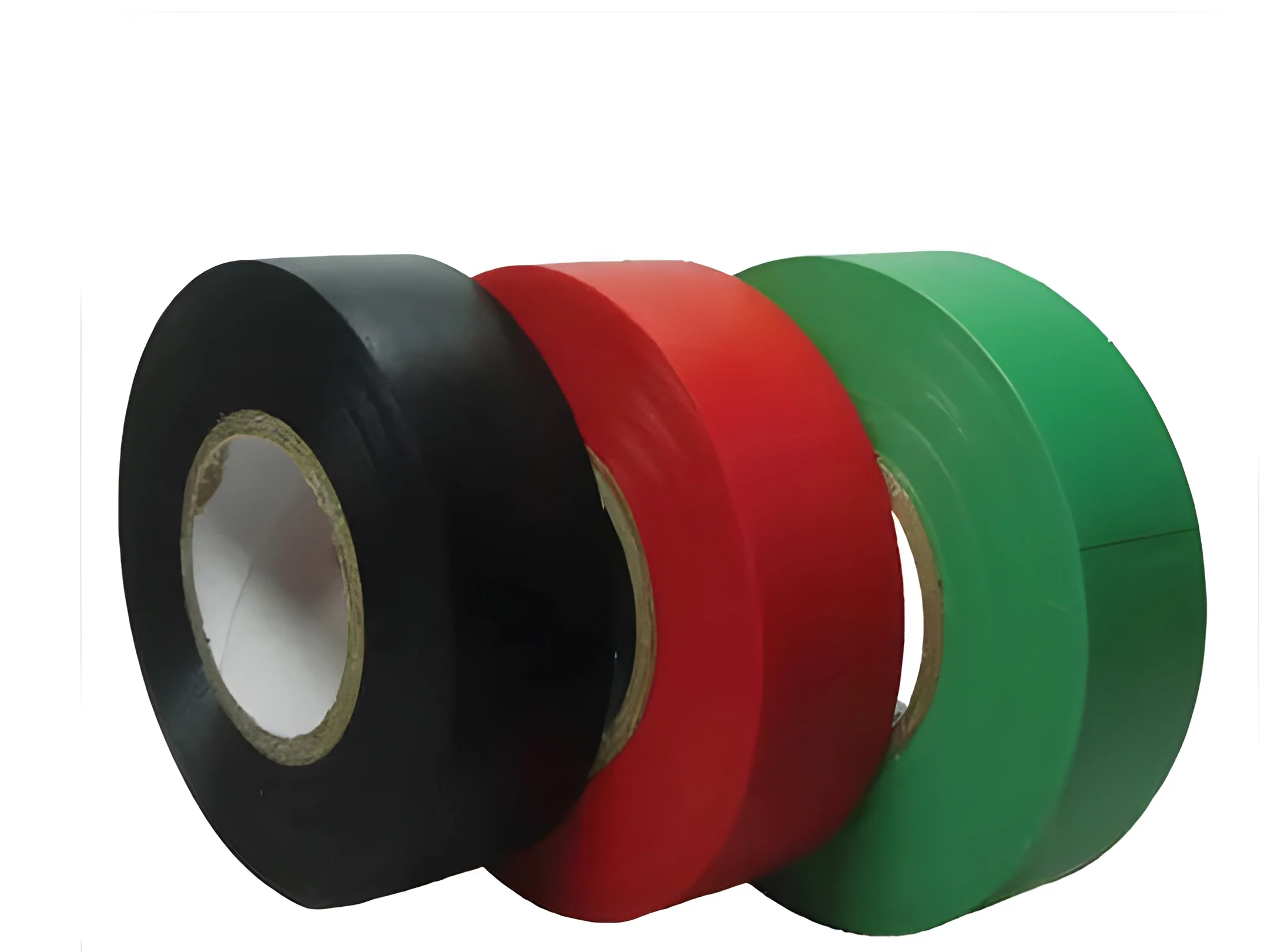
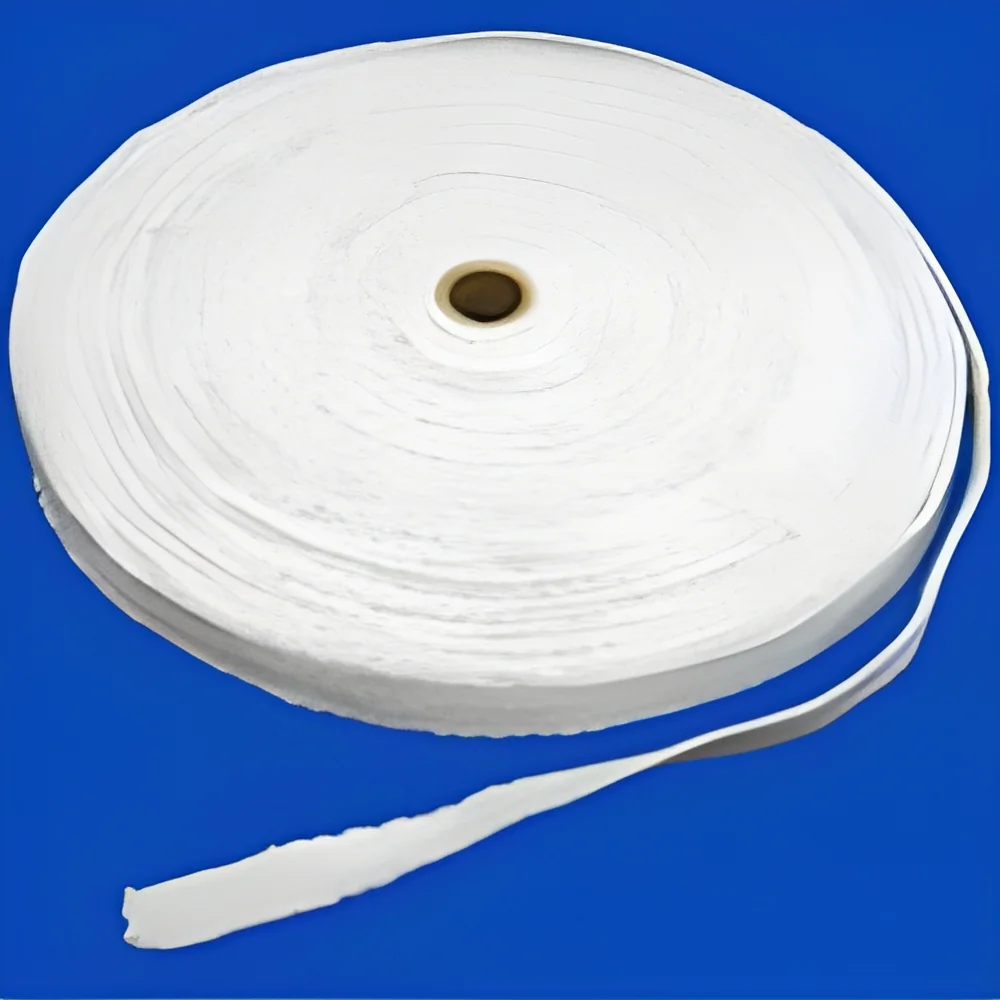
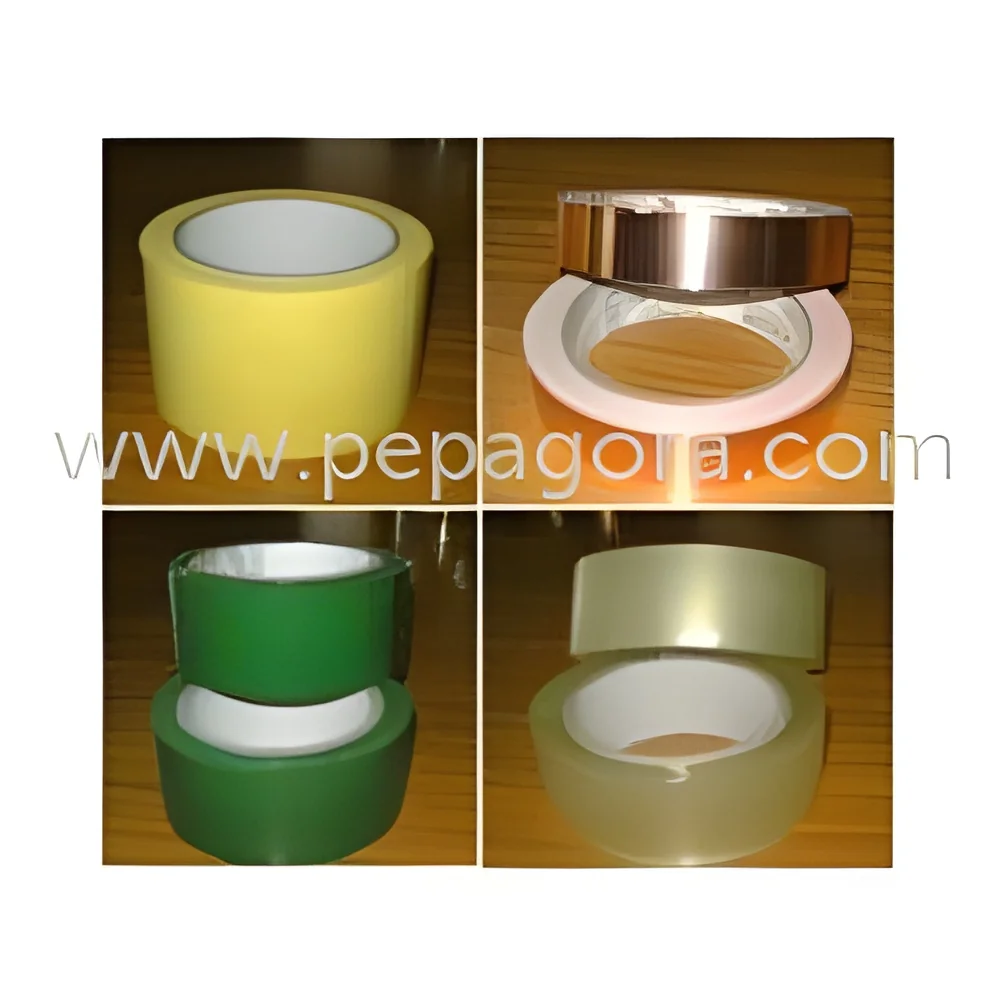
What are Electrical Insulation Tapes?
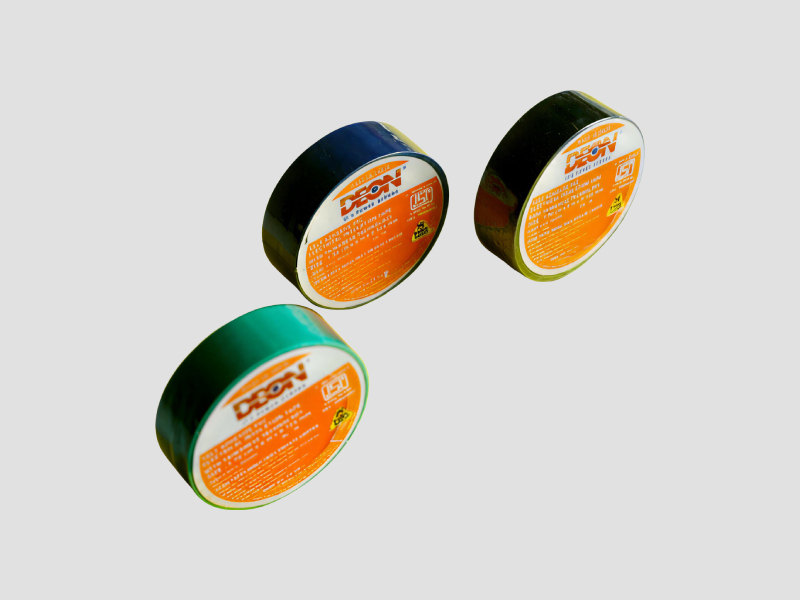
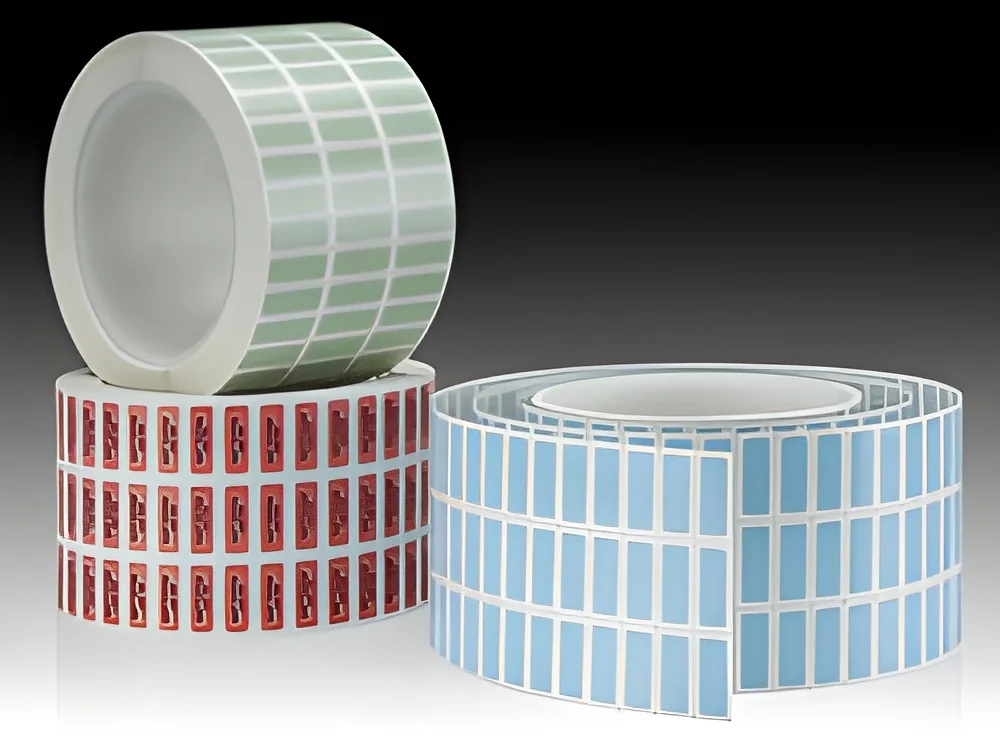
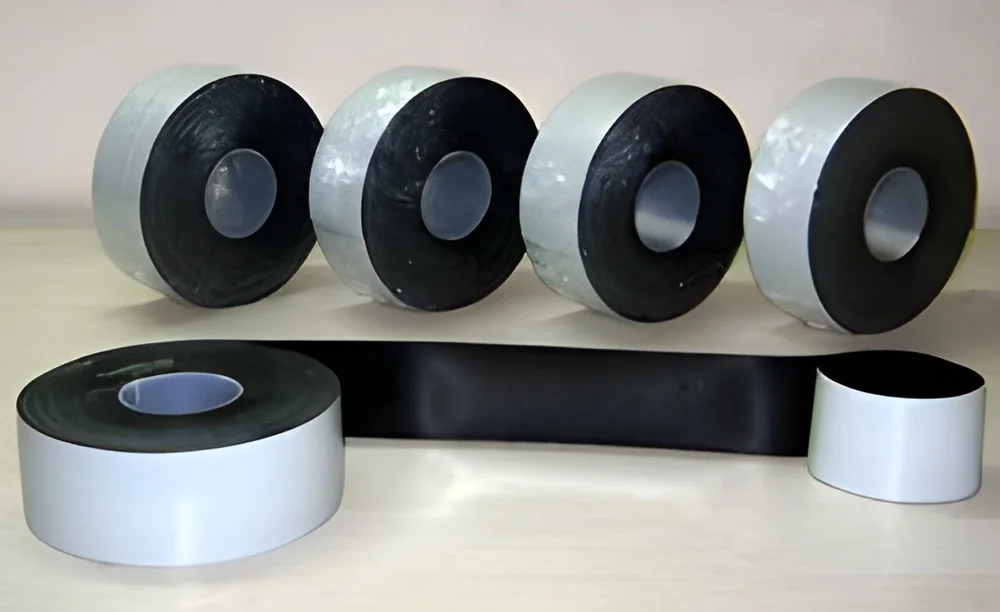
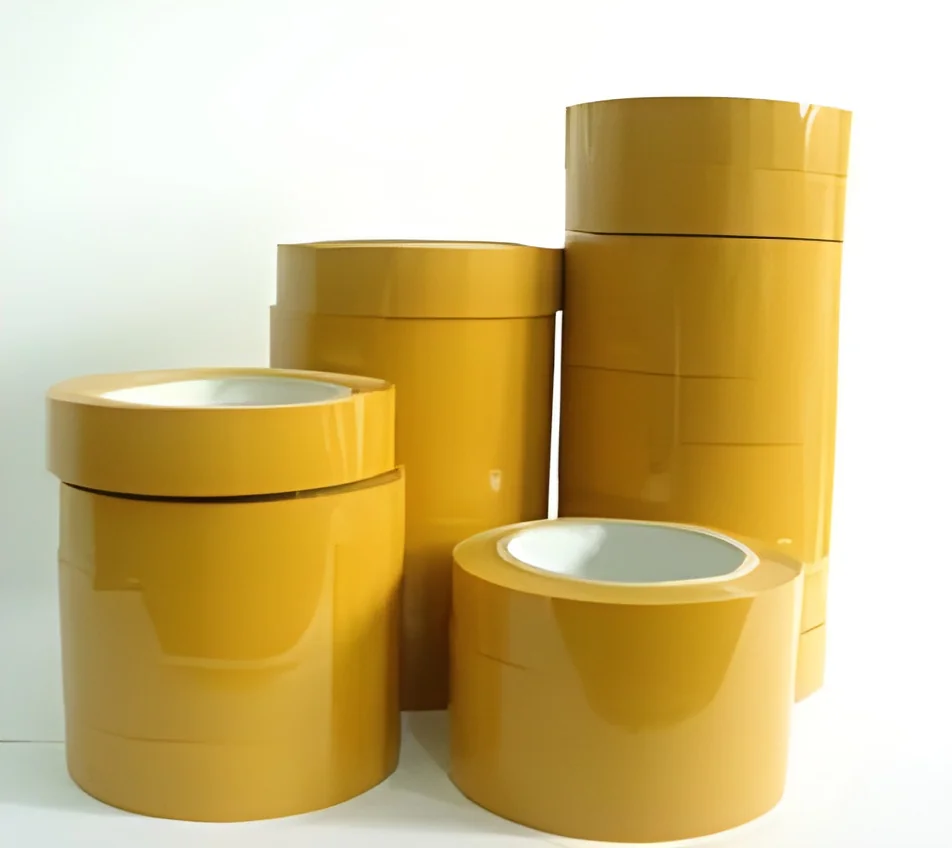
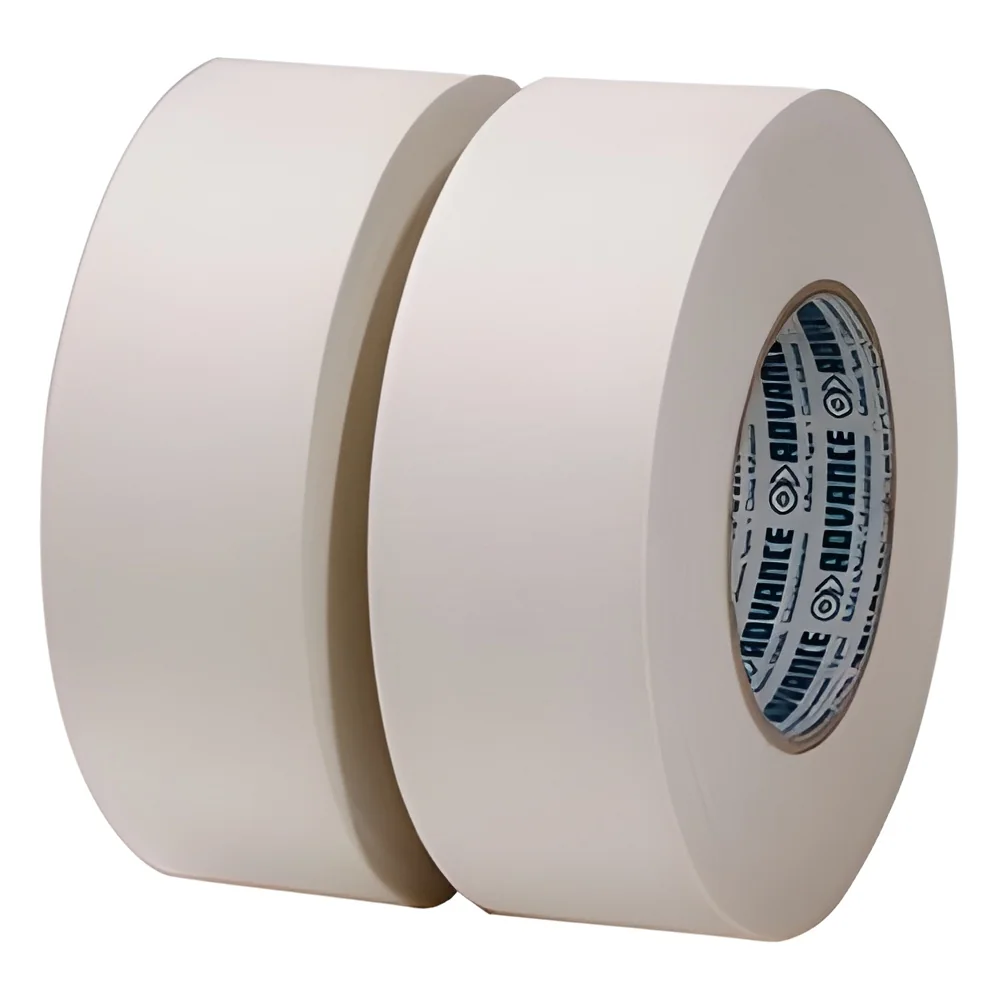
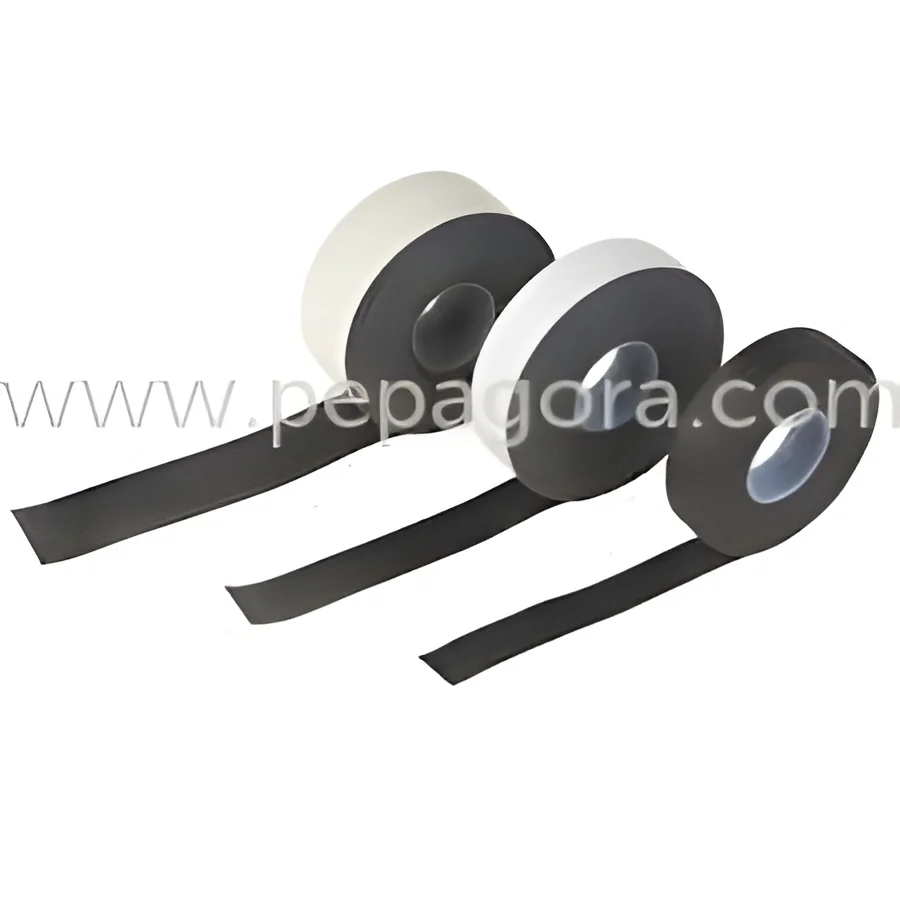
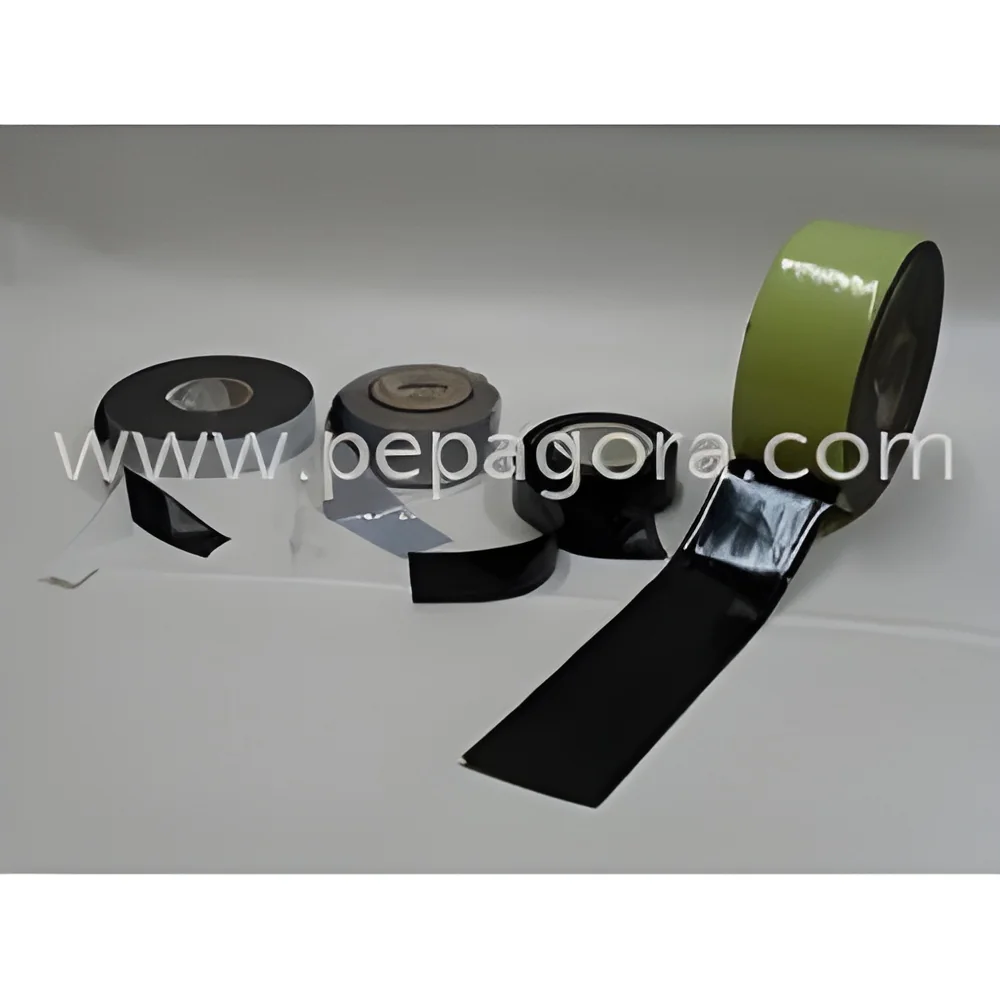
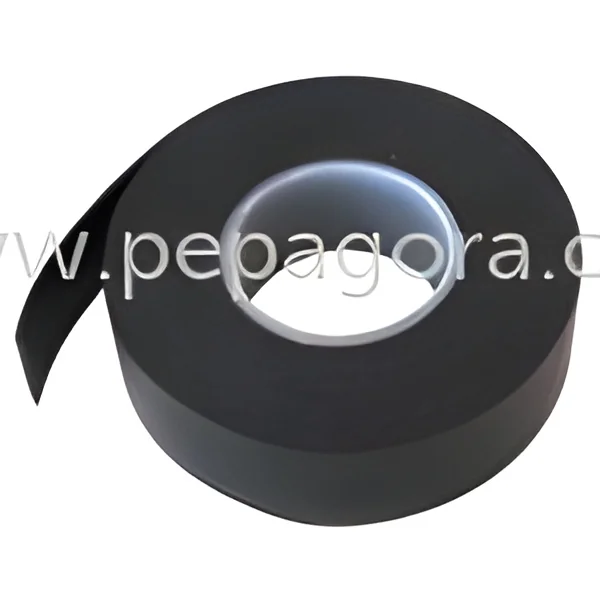
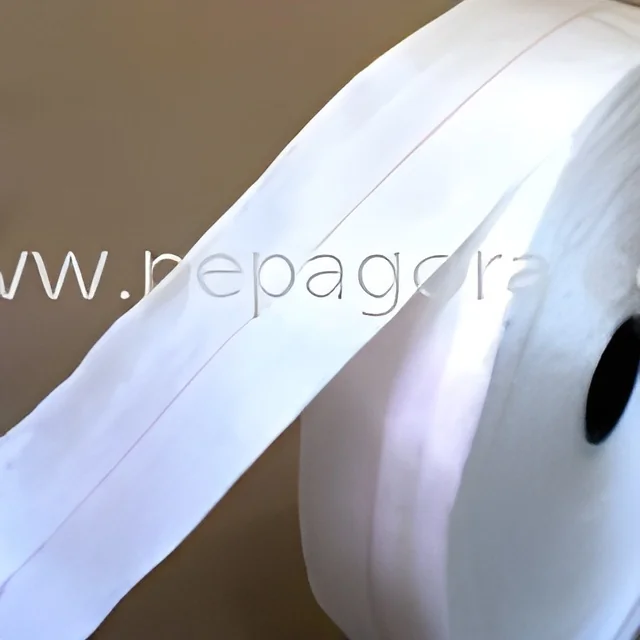
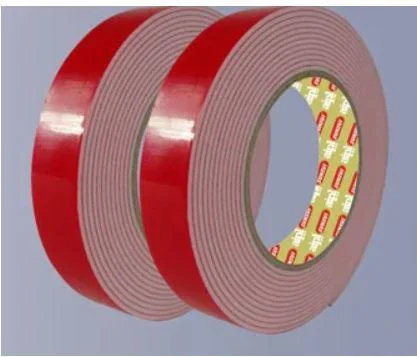
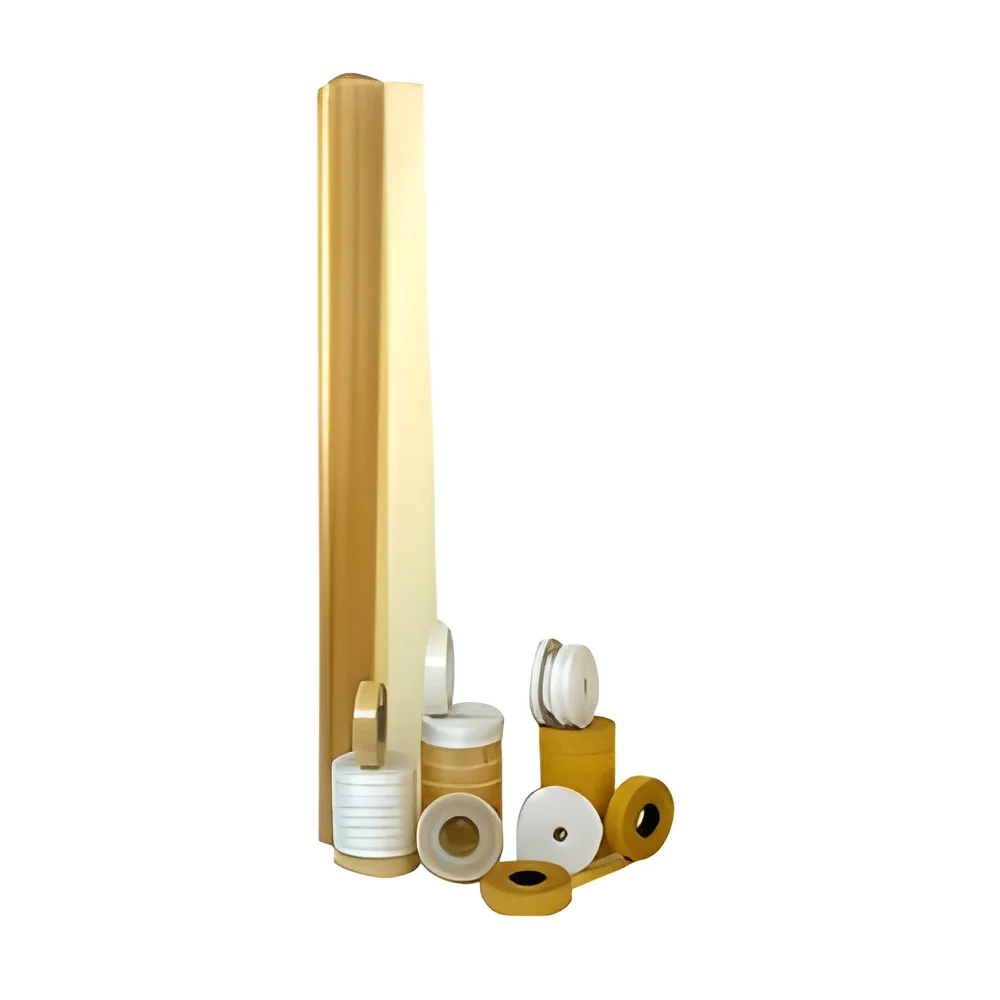
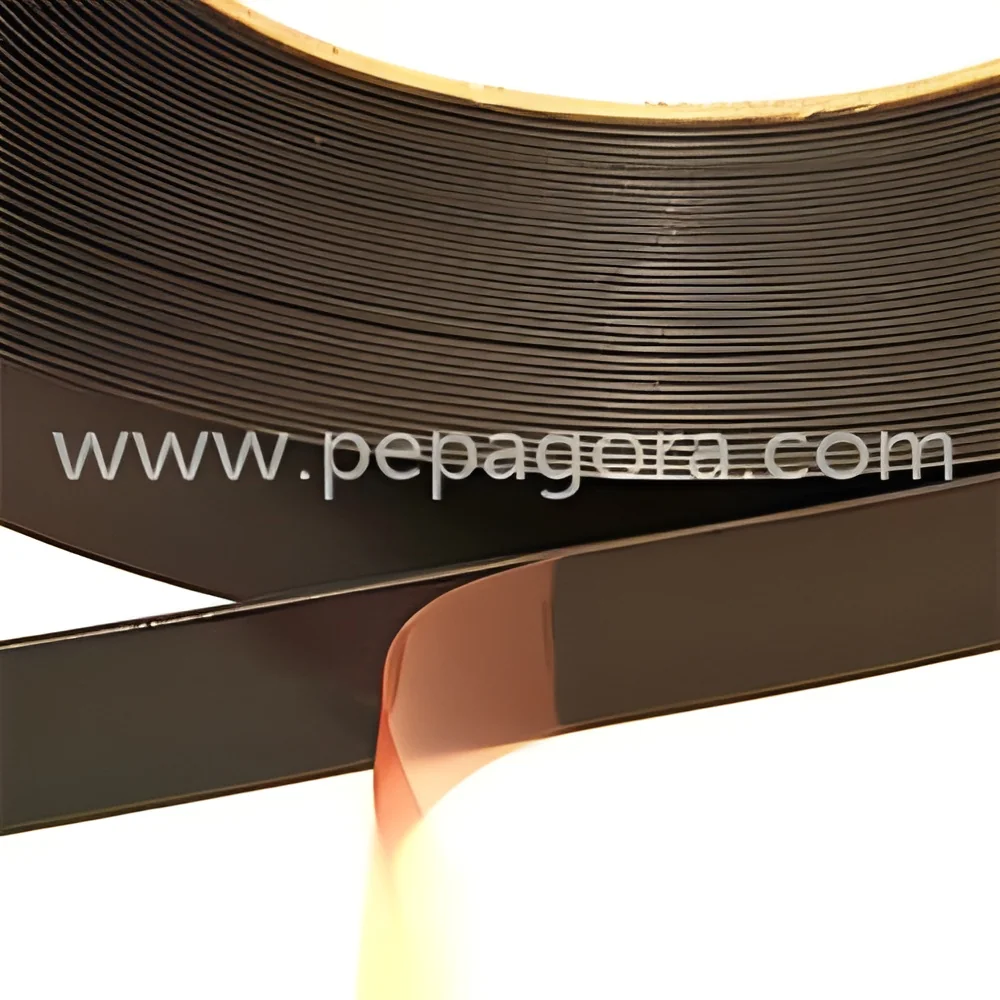
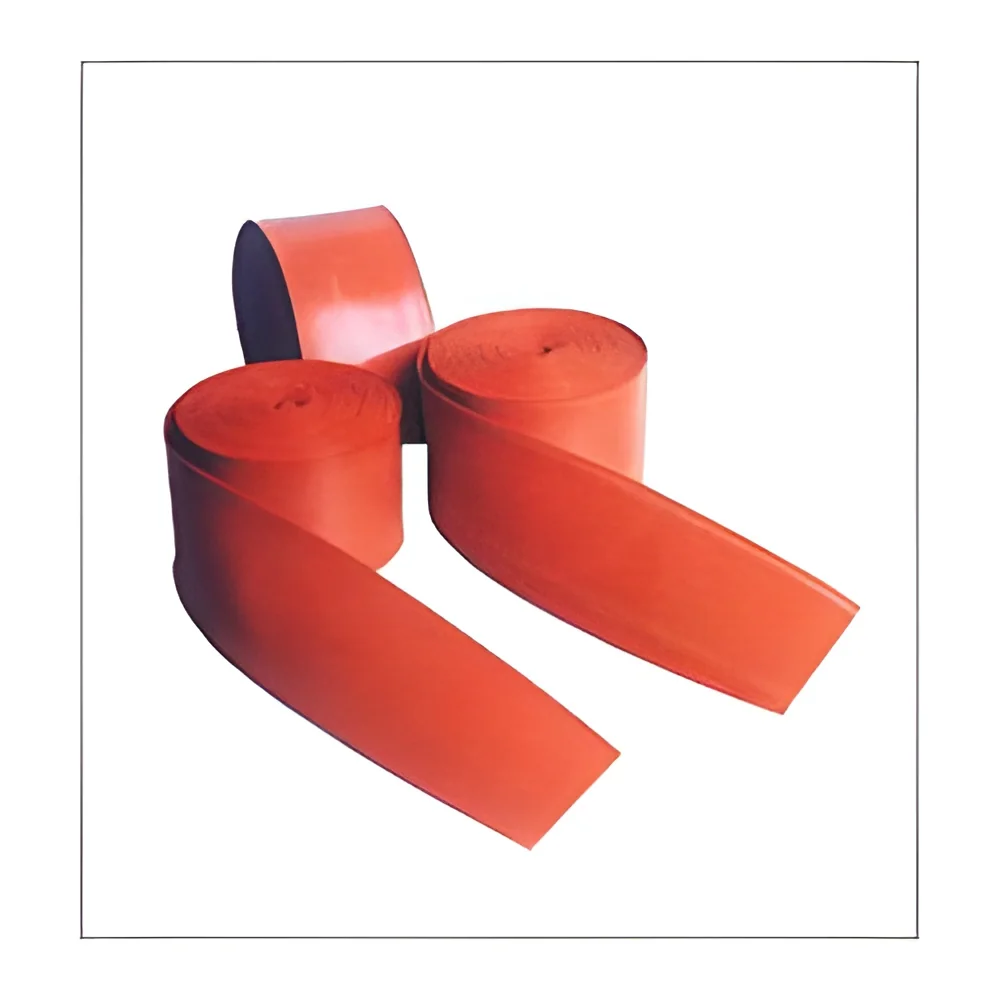
Electrical insulation tapes are specialized adhesive tapes designed to provide electrical insulation and protection in various applications. Made from materials that resist electrical conductivity, these tapes are essential for preventing short circuits, protecting wires, and ensuring safe electrical connections. They come in various thicknesses, colors, and materials to meet different requirements.
These tapes are widely used across industries, including electrical, automotive, and construction. They serve to insulate electrical wires and components, secure connections, and provide an additional layer of protection against moisture and environmental factors. Businesses rely on these tapes for ensuring safety and compliance with industry standards, making them essential in any electrical installation or repair.
In the current market, the demand for high-quality electrical insulation tapes is rising due to increased safety regulations and the growing complexity of electrical systems. As industries evolve, the need for reliable and durable insulation solutions continues to be a critical factor in operational efficiency and safety.
Key Features and Specifications
Electrical insulation tapes come with a range of features and specifications that cater to various industrial needs. Understanding these specifications is crucial for selecting the right tape for specific applications.
Key specifications include:
1. Material Type
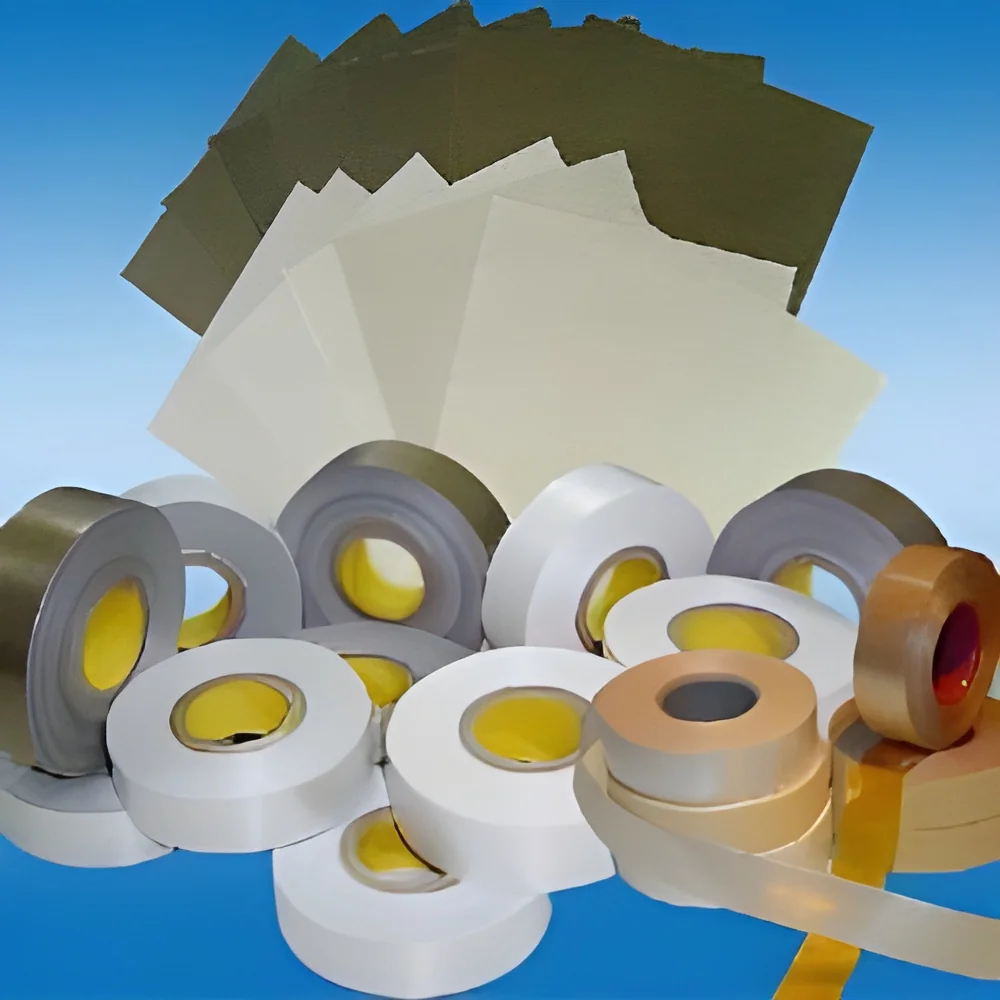
- Common materials include PVC, rubber, and cloth.
- Each material offers unique properties such as flexibility, temperature resistance, and adhesion.
2. Thickness
- Varies typically from 0.13 mm to 1.0 mm.
- Thicker tapes provide better insulation and mechanical protection.
3. Adhesive Type
- Can be acrylic-based or rubber-based.
- Acrylic adhesive generally offers better temperature resistance, while rubber adhesive provides superior initial tack.
4. Temperature Resistance
- Generally ranges from -10°C to 90°C.
- Some specialized tapes can withstand higher temperatures.
5. Voltage Rating
- Voltage ratings can range up to 600 volts or higher.
- Important for ensuring the tape is suitable for the intended electrical application.
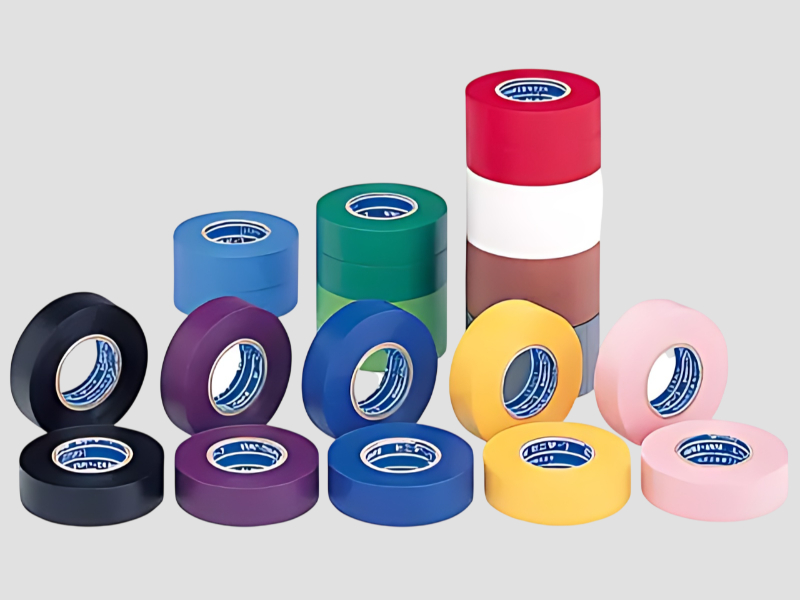
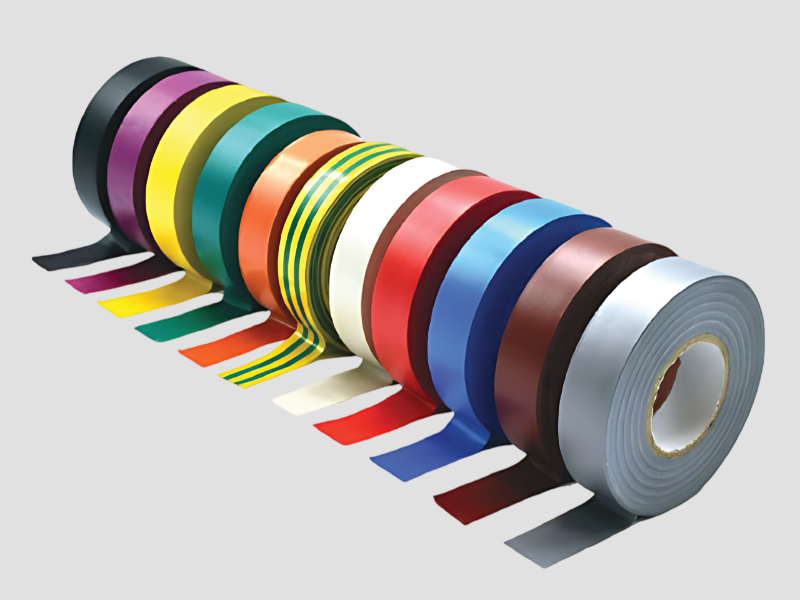
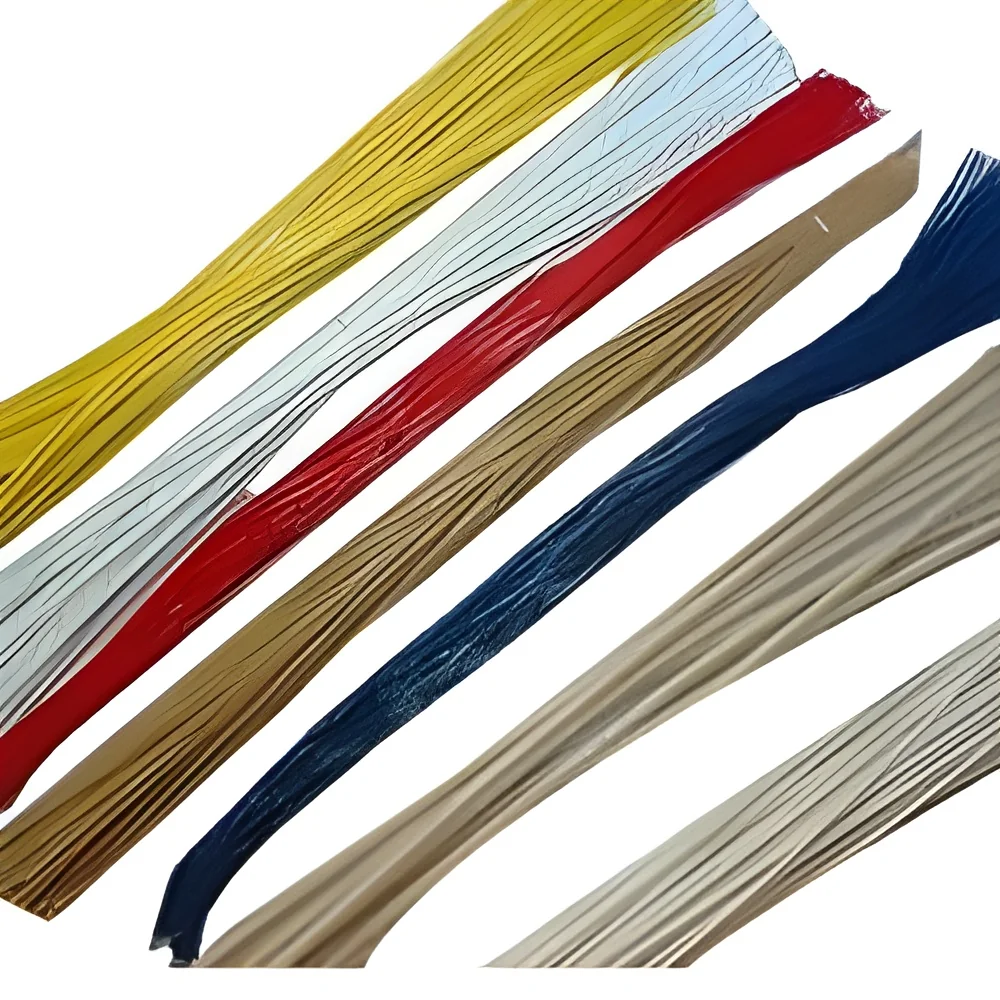
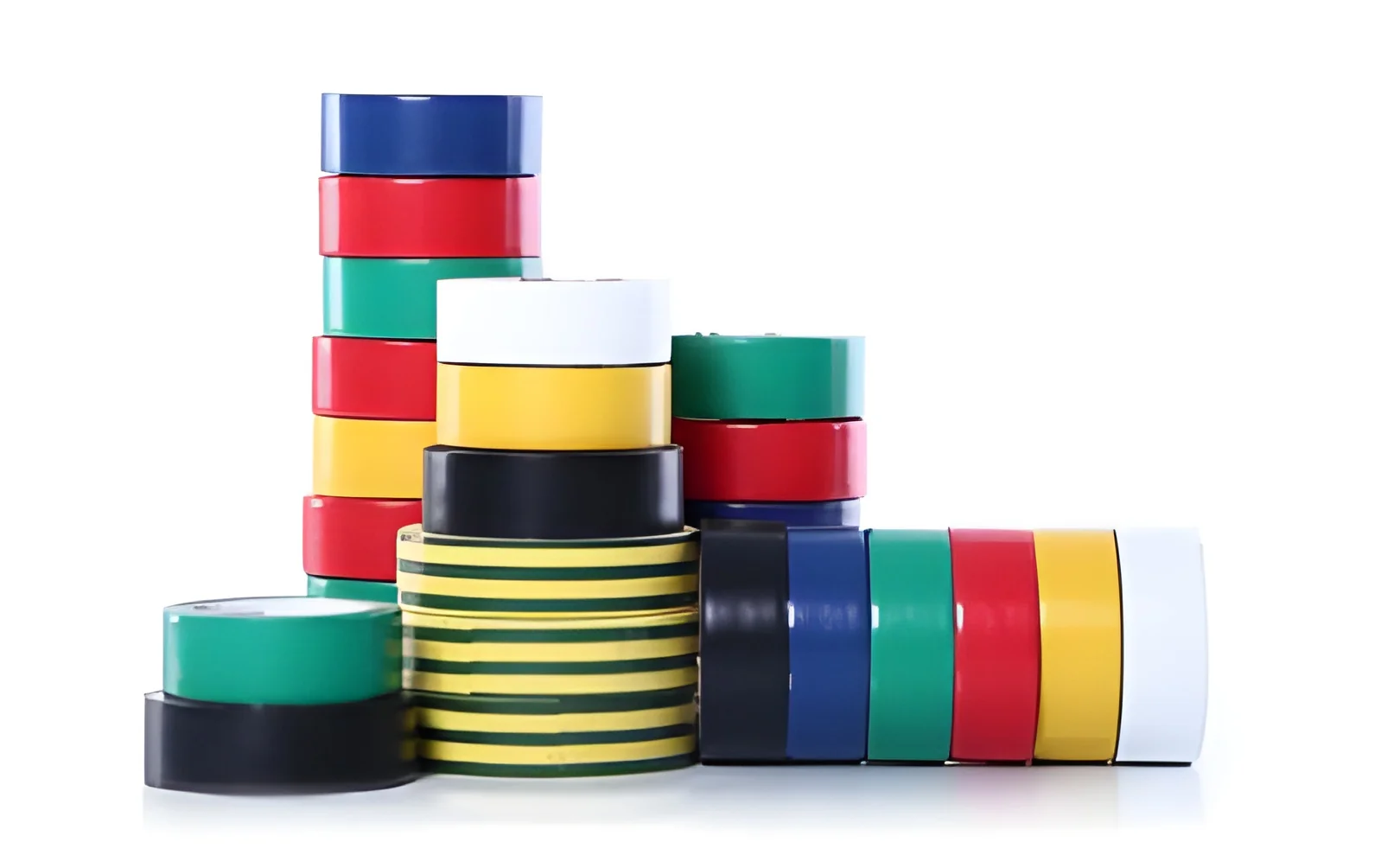
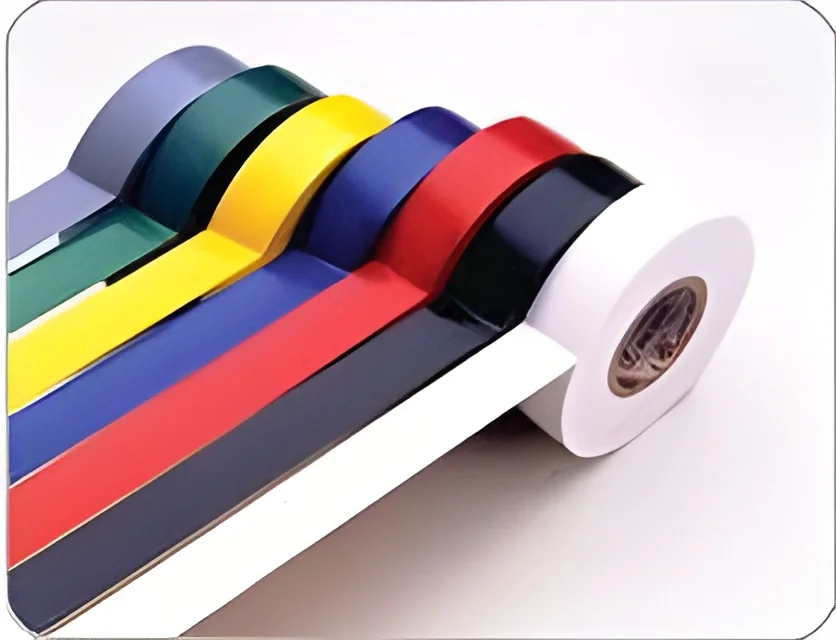
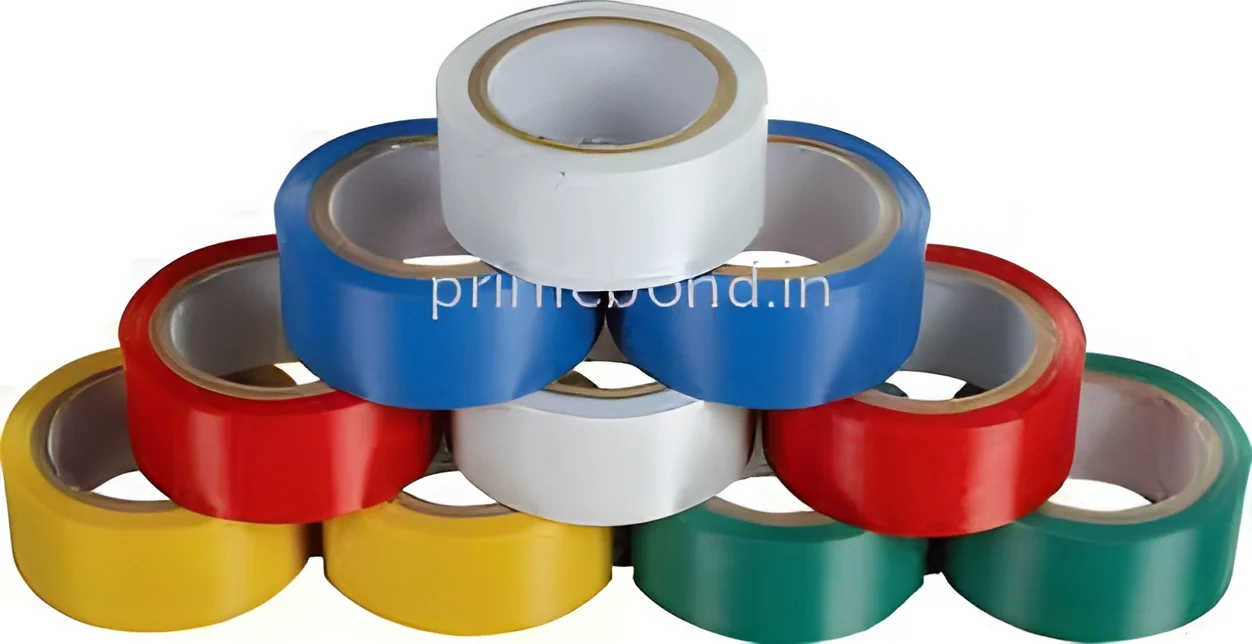
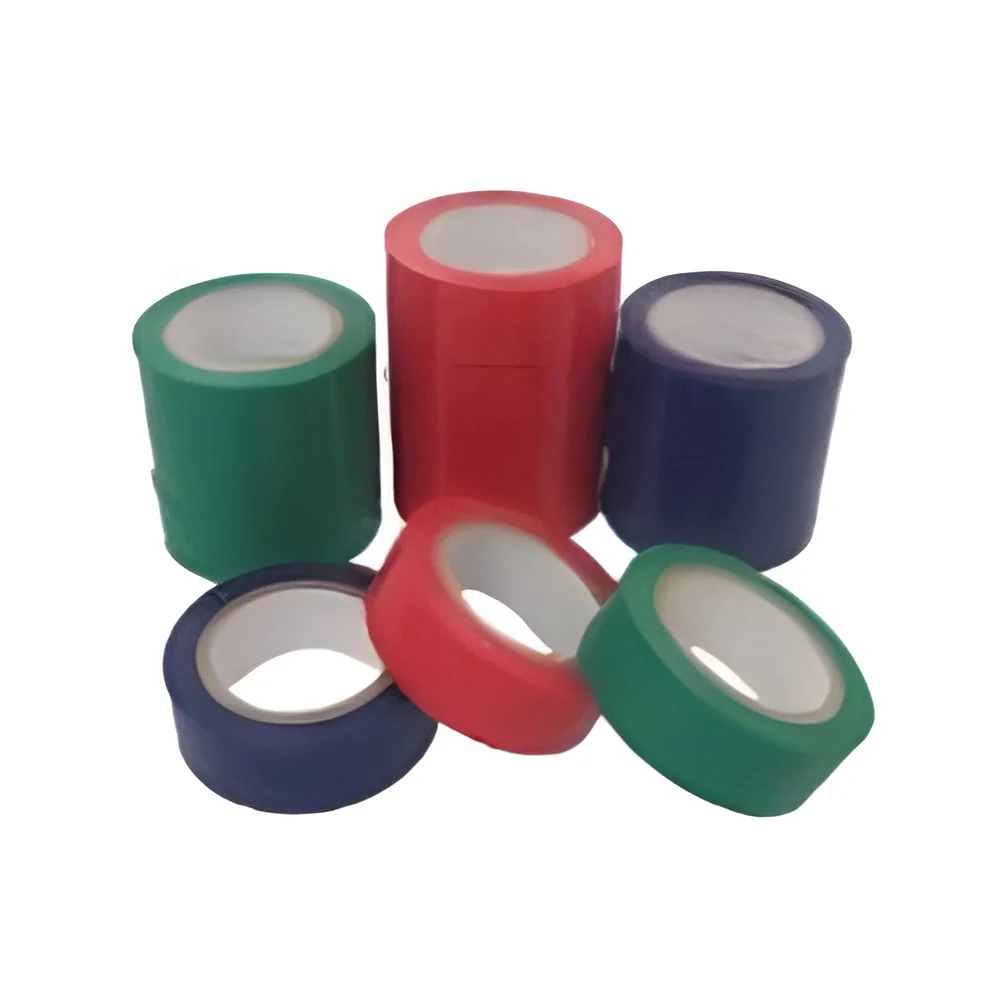
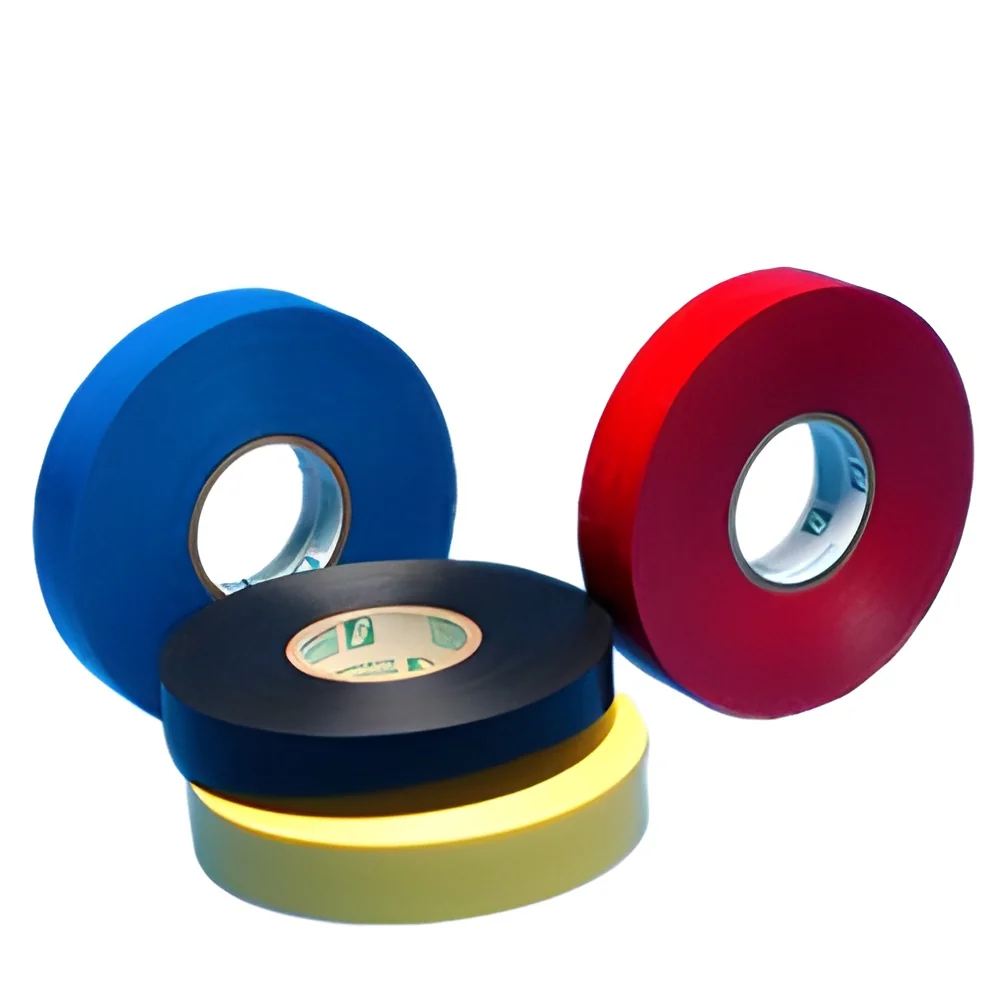
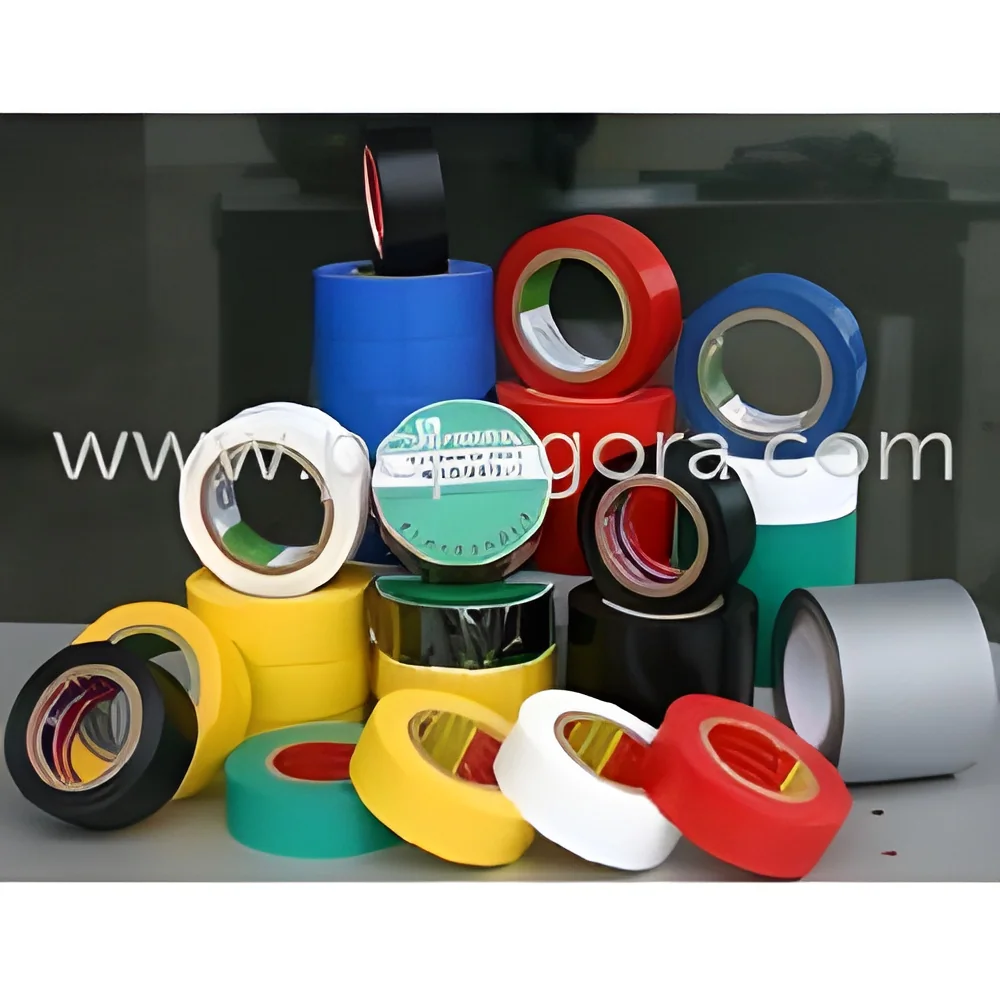
6. Color Coding
- Available in multiple colors for easy identification.
- Color coding can help indicate different functions or phases in electrical systems.
7. Compliance Standards
- Many tapes meet UL and CE certification requirements.
- Compliance ensures that the products meet safety and quality standards.
8. Length and Width
- Common roll lengths are 10 to 33 meters.
- Widths typically range from 12 mm to 50 mm, depending on the application.
In summary, selecting the right electrical insulation tape involves considering these specifications to ensure optimal performance in various applications.
Common Applications and Use Cases
Electrical insulation tapes find utility in numerous industries, showcasing their versatility and importance.
1. Electrical Industry: Electrical insulation tapes are used to insulate wires and cables, ensuring safety in electrical installations and preventing short circuits.
2. Automotive Industry: These tapes are essential for protecting wiring harnesses and components from moisture and abrasion, contributing to vehicle safety and reliability.
3. Construction Industry: In construction, insulation tapes are used to secure electrical connections and provide additional protection against environmental elements.
4. Manufacturing: In manufacturing settings, these tapes are used for bundling wires and insulating machinery components, enhancing operational safety.
5. HVAC: In HVAC systems, electrical insulation tapes help secure electrical connections and prevent potential electrical hazards.
6. Telecommunications: Tapes are employed to insulate and protect wiring in telecommunications systems, ensuring signal integrity and safety.
7. Aerospace: In the aerospace industry, insulation tapes are critical for ensuring the safety and reliability of electrical systems in aircraft.
Product Variants and Subcategories
Electrical insulation tapes are available in various forms to cater to different needs and applications. This diversity allows businesses to select products that best fit their specific requirements.
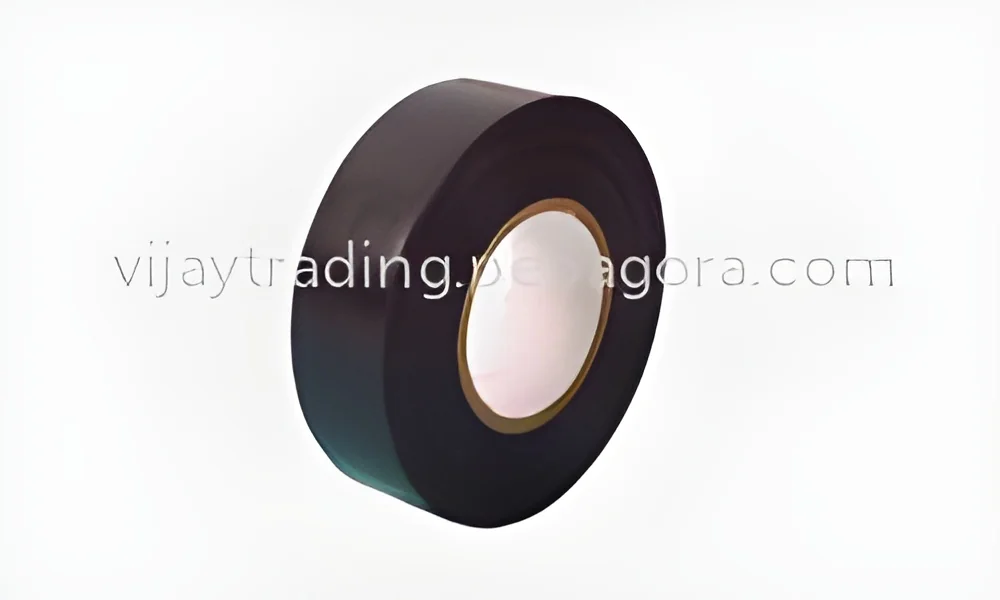
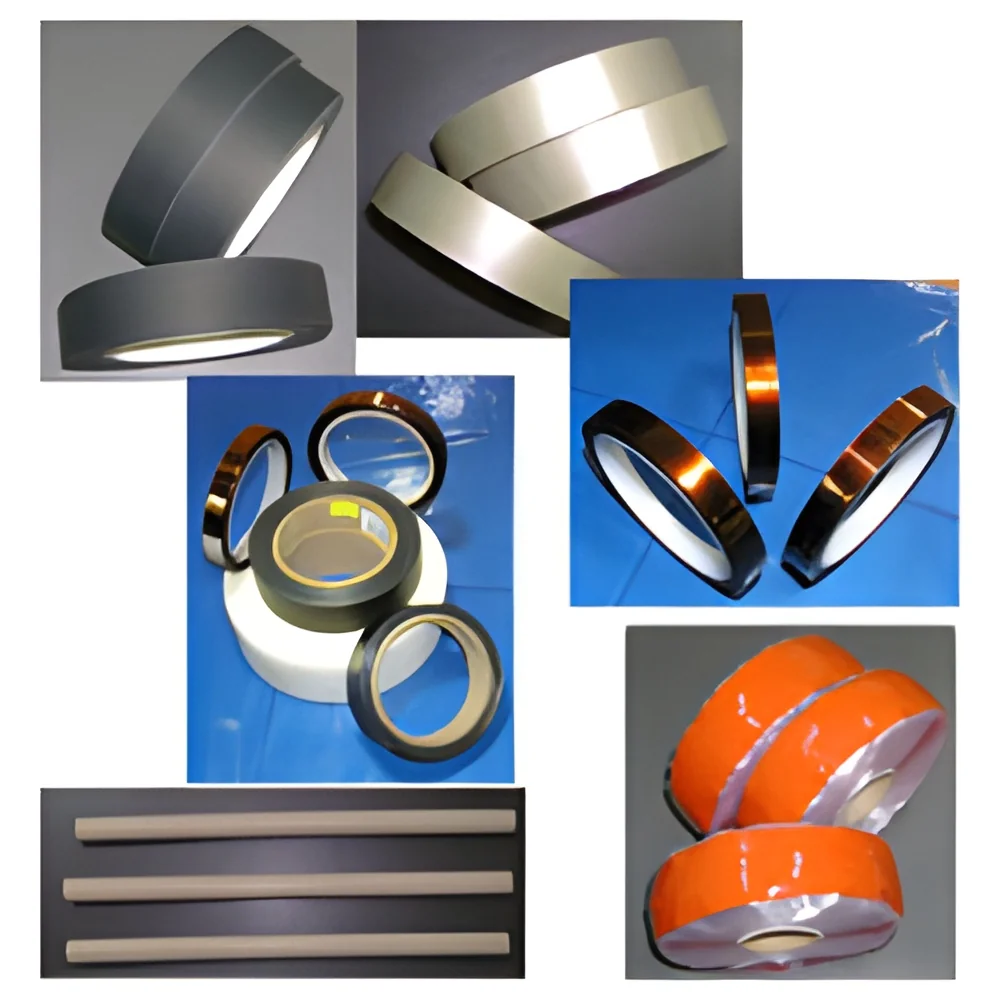
PVC Electrical Insulation Tape: This variant is flexible, durable, and resistant to moisture and chemicals. It is widely used in electrical installations and repairs.
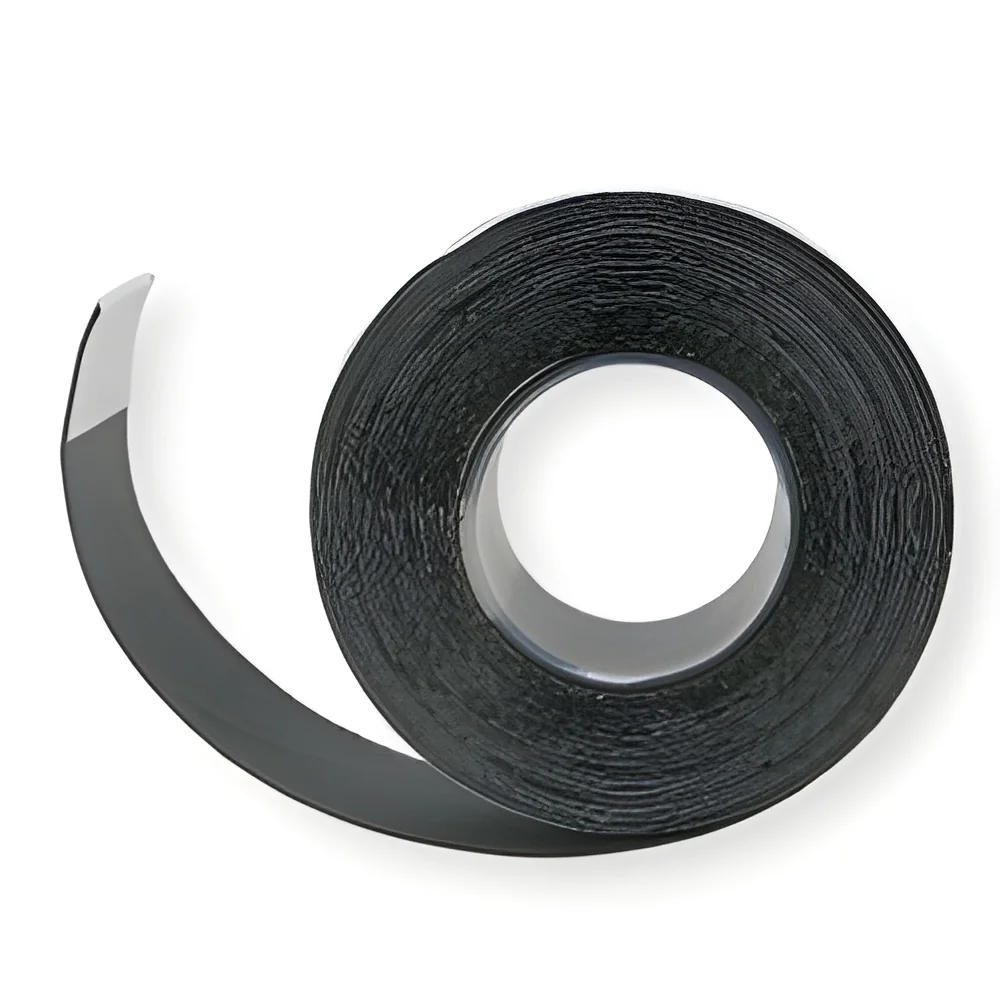
Rubber Electrical Insulation Tape: Known for its excellent adhesion and temperature resistance, this tape is ideal for high-stress applications, such as automotive and industrial environments.
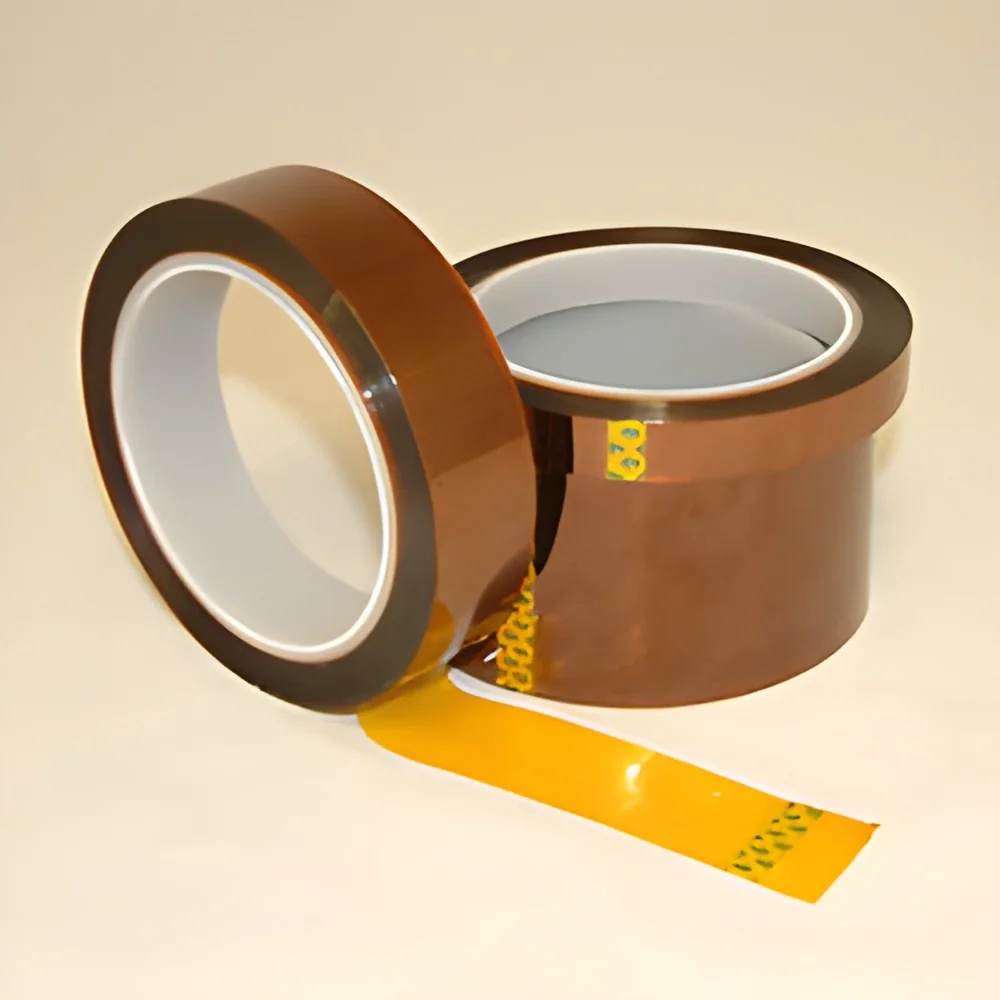
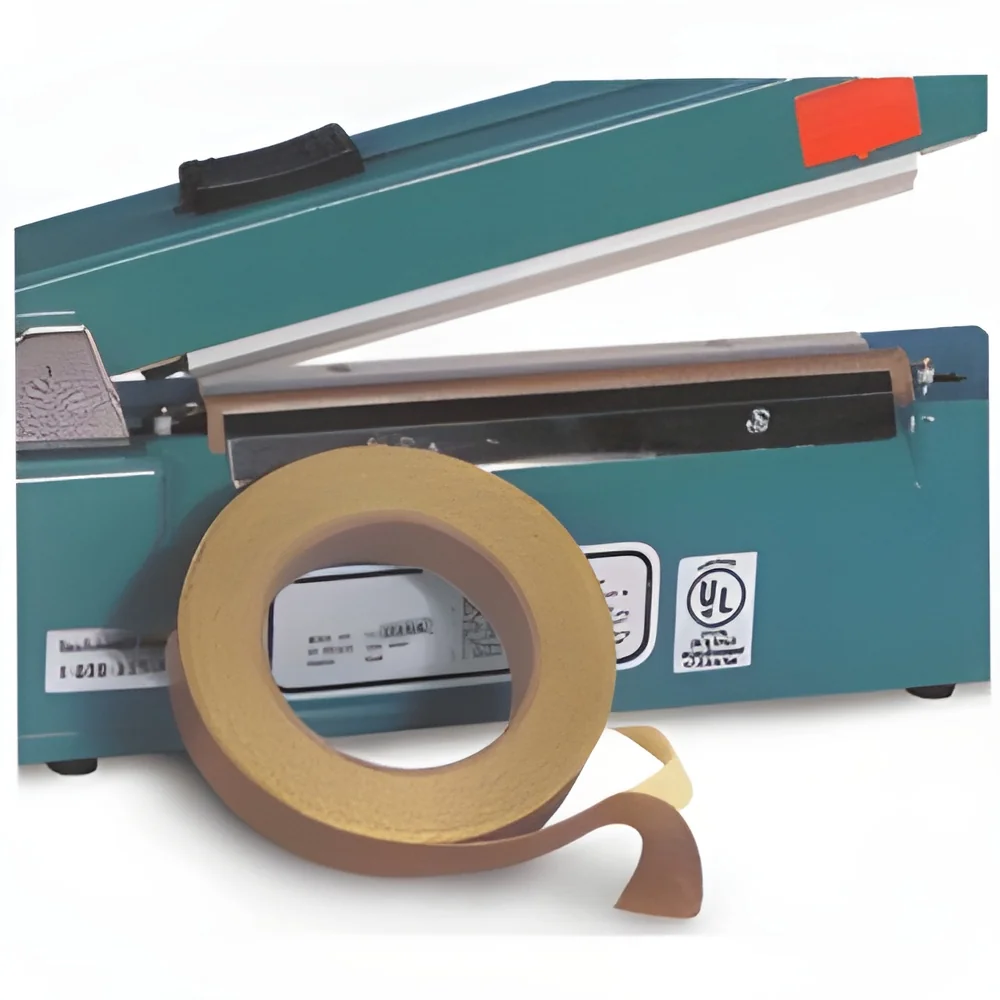
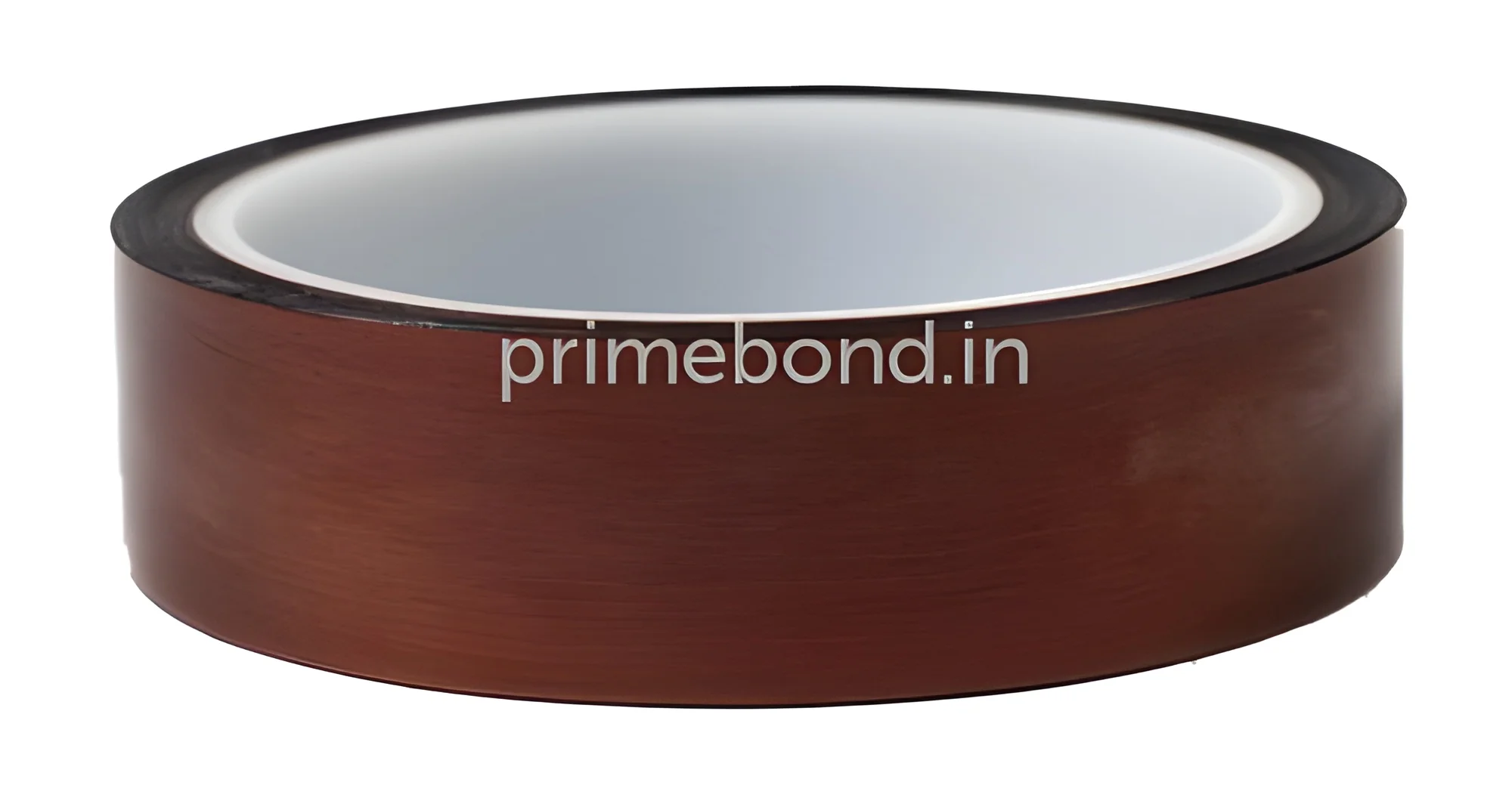
Heat-Resistant Electrical Insulation Tape: Designed to withstand high temperatures, this tape is suitable for applications in industrial and electrical environments where heat exposure is a concern.
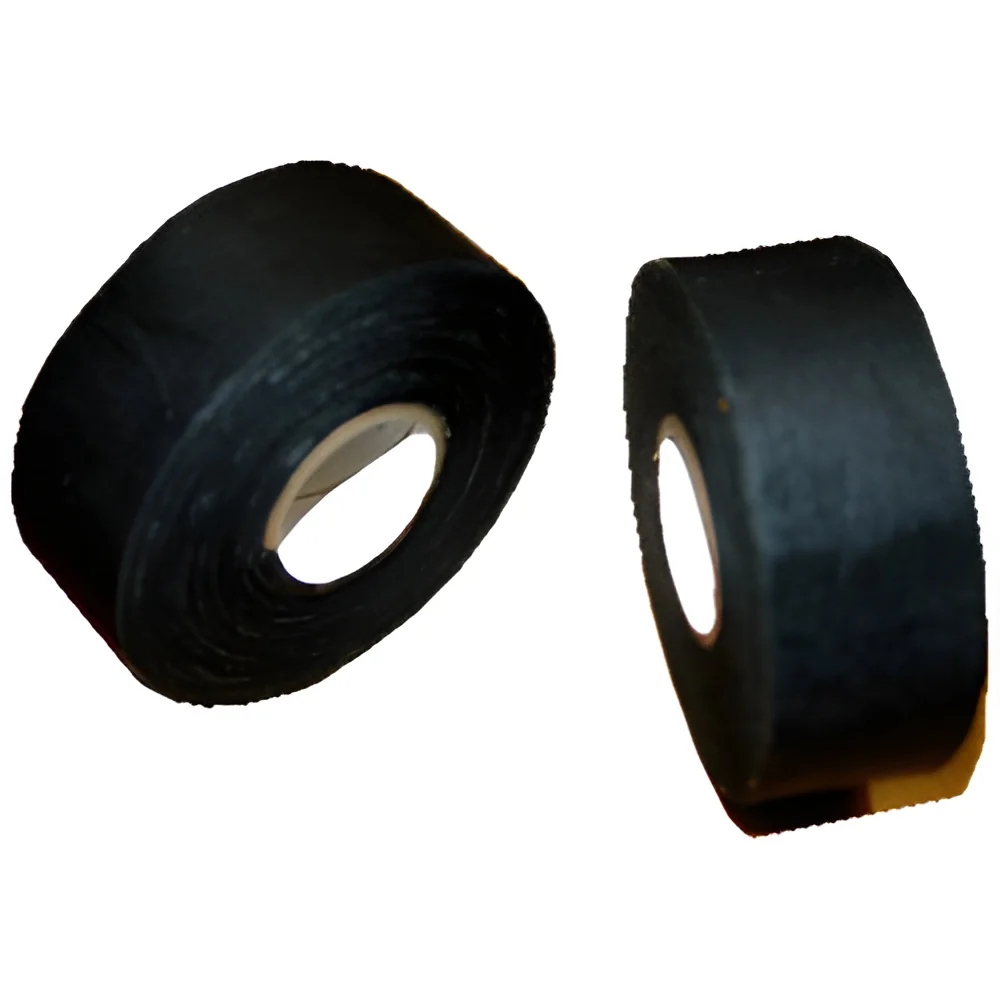
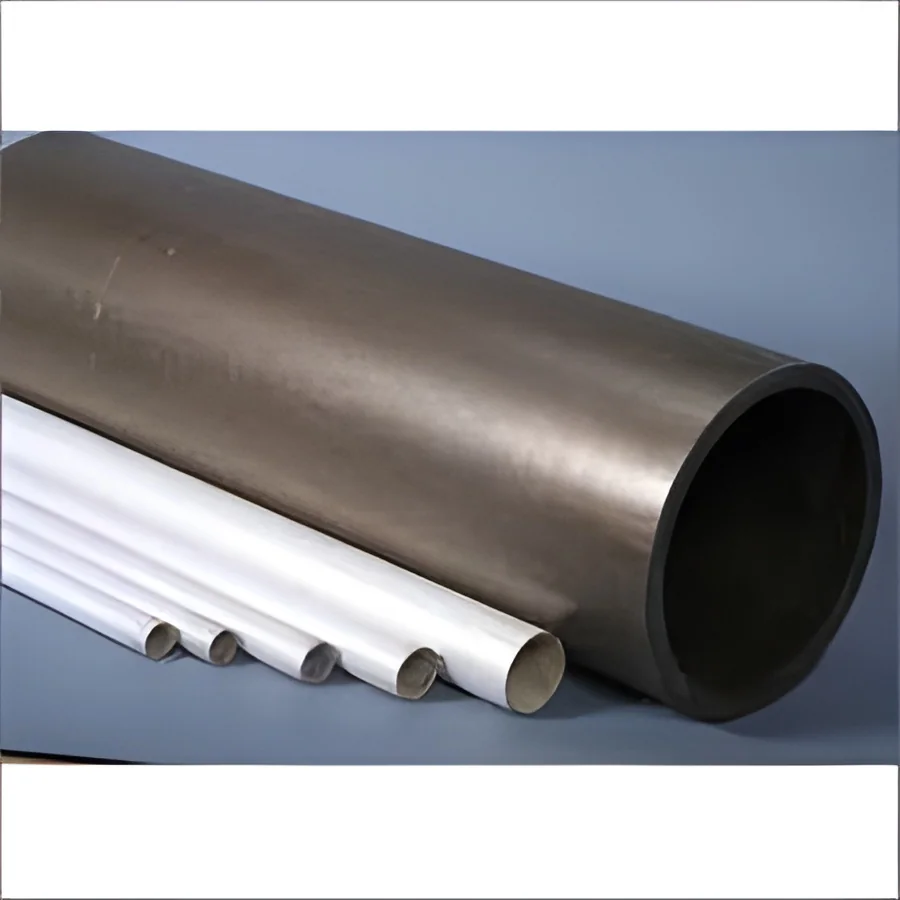
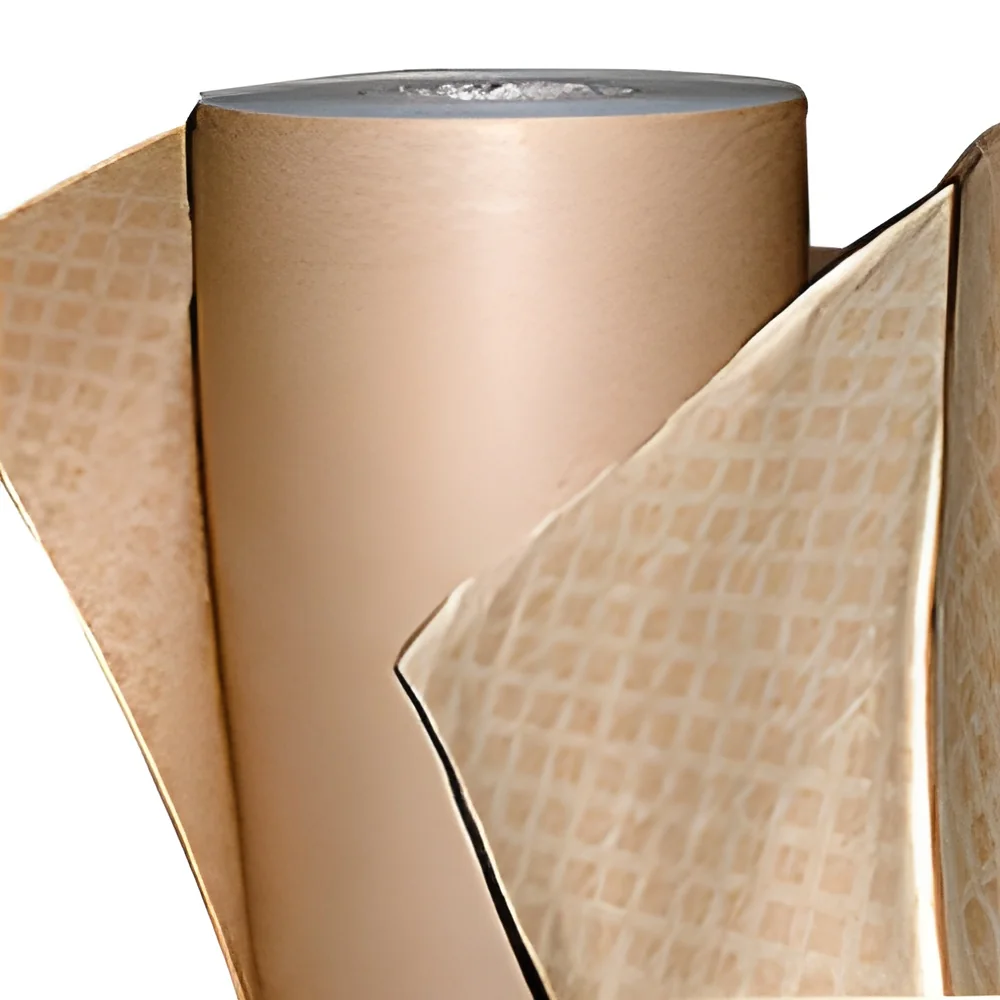
Electrical Cloth Insulation Tape: Made from woven cloth, this variant offers excellent mechanical strength and is commonly used in automotive and aerospace applications.
Benefits and Advantages
Using electrical insulation tapes offers several advantages that contribute to safety and efficiency in industrial applications.
1. Enhanced Safety: Electrical insulation tapes prevent short circuits and electrical shocks, promoting a safer working environment.
2. Durability: These tapes are designed to withstand various environmental conditions, including moisture and temperature fluctuations, ensuring long-lasting performance.
3. Versatility: Available in different materials and specifications, electrical insulation tapes can be used in a wide range of applications across industries.
4. Easy Application: The adhesive backing allows for quick and easy installation, reducing labor time during electrical work.
5. Compliance with Standards: Many electrical insulation tapes meet stringent safety and quality standards, ensuring reliability and peace of mind for businesses.
6. Cost-Effective Solution: By preventing electrical failures and enhancing the longevity of electrical components, these tapes can save businesses significant costs over time.
Buying Guide for B2B Buyers
When considering the purchase of electrical insulation tapes, B2B buyers should evaluate various factors to ensure they make informed decisions.
1. Quality Assessment: Look for tapes that meet industry standards and have certifications such as UL and CE. It is crucial to evaluate the manufacturer's reputation for quality.
2. Supplier Verification: Vet suppliers by checking their track record and customer reviews. Ensure they can provide reliable products and support.
3. Pricing and MOQ: Consider the pricing structure and minimum order quantities. Evaluate whether the costs align with your budget and project needs.
4. Delivery and Lead Times: Confirm the supplier's ability to meet your delivery requirements. Consider lead times to ensure timely project completion.
5. Compliance Requirements: Ensure that the chosen electrical insulation tapes meet any regulatory compliance needed for specific industries or applications.
Compliance and Certifications
Compliance and certifications are critical factors in the electrical insulation tape market. Many manufacturers adhere to relevant quality standards, including ISO 9001, which ensures consistent quality management systems.
Industry certifications such as UL and CE indicate that the tapes have been rigorously tested for safety and performance. These certifications provide assurance that the products will perform reliably in their intended applications.
Safety and testing requirements are essential to ensure that electrical insulation tapes can withstand various environmental conditions. Testing for factors such as temperature resistance, adhesive strength, and electrical insulation properties is crucial for product reliability.
Additionally, regional compliance considerations may vary, so it is important to understand specific local regulations that could impact product selection and use.
Why Source Electrical Insulation Tapes from Pepagora?
Pepagora offers a trusted platform for sourcing electrical insulation tapes with numerous advantages for B2B buyers.
Verified Supplier Network: Pepagora connects buyers with a network of verified suppliers, ensuring that only reputable manufacturers are available for sourcing. This helps mitigate risks associated with product quality and reliability.
Streamlined RFQ Process: The platform facilitates a streamlined request for quotation (RFQ) process, making it easy for buyers to compare offerings and obtain competitive prices from multiple suppliers quickly.
Trade Assurance and Support: Pepagora provides trade assurance, offering buyers protection throughout the purchasing process. This support ensures that businesses can operate with confidence when sourcing their electrical insulation tapes.
Regional Coverage: With a strong presence in India, the GCC, and Southeast Asia, Pepagora offers extensive regional coverage. This allows buyers to access products that meet their specific needs while benefiting from local supplier relationships.

 IN
IN

 India
India