
 IN
Electrical Hazard Safety Shoes
5 products available
What are Electrical Hazard Safety Shoes?
Electrical Hazard Safety Shoes are specialized footwear designed to protect workers from electrical hazards in the workplace. These shoes are constructed with materials that insulate against electrical shock, preventing dangerous currents from passing through to the wearer. They are often used in environments where there is a risk of electrical exposure, such as construction sites, maintenance areas, and manufacturing plants.
The primary use of Electrical Hazard Safety Shoes is to provide safety in industries where employees may be exposed to live electrical circuits or equipment. These shoes are crucial for electricians, utility workers, and maintenance personnel who often work in high-risk conditions. The demand for such protective footwear is growing as safety regulations become more stringent across various sectors, ensuring that workers are equipped to handle electrical hazards effectively.
In the current market context, Electrical Hazard Safety Shoes represent a vital component of workplace safety protocols. With increasing awareness about occupational safety and health, businesses are investing in quality safety gear to protect their workforce. The relevance of these shoes spans multiple industries, making them an essential investment for companies aiming to enhance safety standards.
Key Features and Specifications
Electrical Hazard Safety Shoes come equipped with several essential features that make them suitable for high-risk environments. These specifications ensure that the shoes provide adequate protection, comfort, and durability.
Key specifications include:
1. Electrical Insulation
- Designed to prevent electrical currents from passing through the shoe
- Typically tested to a minimum of 18,000 volts
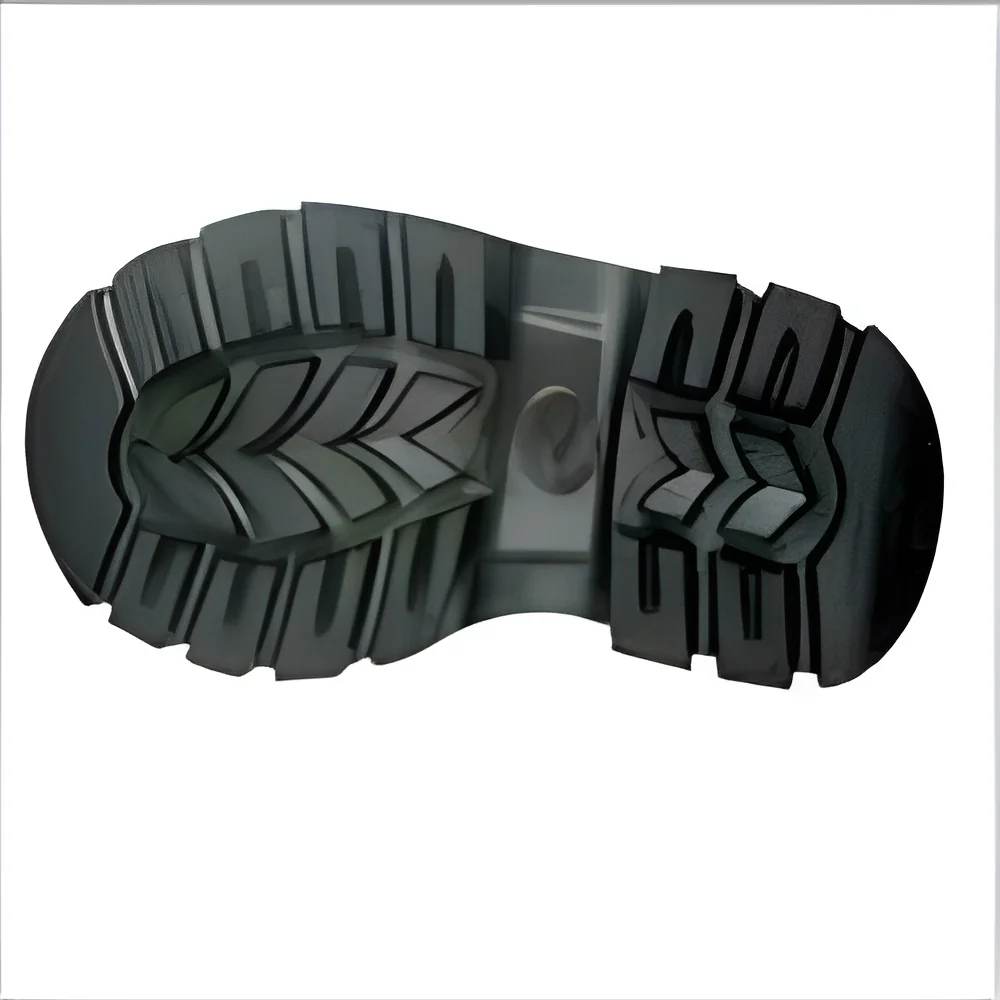
2. Slip Resistance
- Outsoles are engineered for maximum traction on various surfaces
- Helps prevent slips and falls in wet or oily conditions
3. Steel Toe Protection
- Reinforced toe caps provide protection against impact and compression
- Essential for workers exposed to heavy machinery or materials
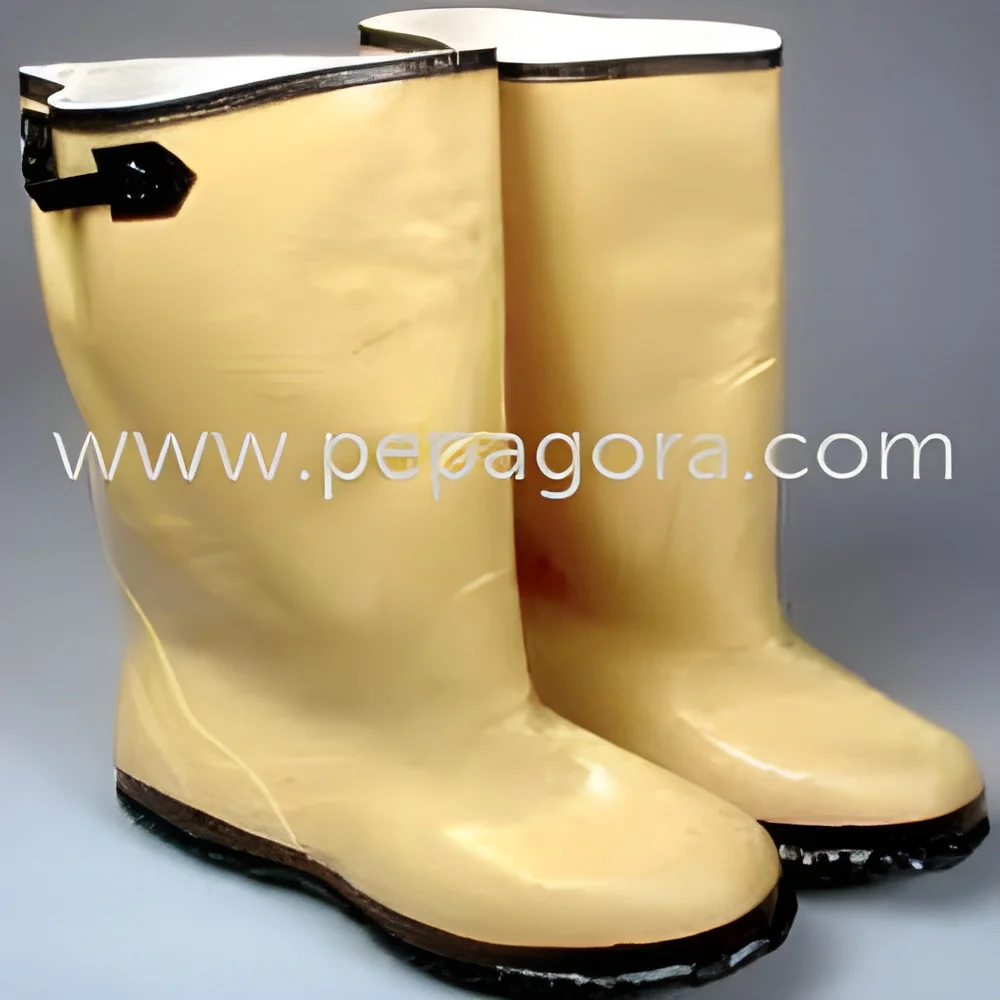
4. Waterproof Materials
- Constructed with materials that repel water
- Keeps feet dry in wet working conditions
5. Breathable Linings
- Moisture-wicking materials for comfort during long hours
- Helps regulate temperature inside the shoe
6. Lightweight Design
- Reduces fatigue during prolonged wear
- Enhances mobility and comfort
7. Compliance with Safety Standards
- Manufactured to meet industry safety certifications, such as CE
- Ensures reliability and effectiveness in protection
8. Custom Fit Options
- Available in various sizes to accommodate all workers
- Some brands offer adjustable features for enhanced fit
In summary, Electrical Hazard Safety Shoes incorporate advanced features that prioritize safety and comfort. Their specifications are tailored to meet the needs of various industries, ensuring protection against electrical hazards.
Common Applications and Use Cases
Electrical Hazard Safety Shoes are essential in various industries where electrical risks are prevalent.
1. Construction: Workers on construction sites often face electrical hazards from power tools and overhead lines. These shoes provide crucial protection against accidental shocks.
2. Manufacturing: In factories with heavy machinery, Electrical Hazard Safety Shoes protect workers from electrical faults and the risk of falling objects.
3. Utilities: Electricians and utility workers frequently encounter live wires and equipment. Specialized footwear safeguards them against electrical currents.
4. Telecommunications: Technicians working with communication lines and equipment benefit from the insulation provided by these safety shoes.
5. Oil and Gas: Workers in this industry often deal with equipment that poses electrical hazards. Proper footwear is vital for their safety.
6. Maintenance: Industrial maintenance personnel require Electrical Hazard Safety Shoes to protect against potential electrical exposure while servicing equipment.
7. Warehousing: Employees handling electrical equipment in warehouses need reliable protection. These shoes ensure their safety during operations.
Product Variants and Subcategories
Electrical Hazard Safety Shoes are available in various styles to meet specific needs and preferences in the workplace.
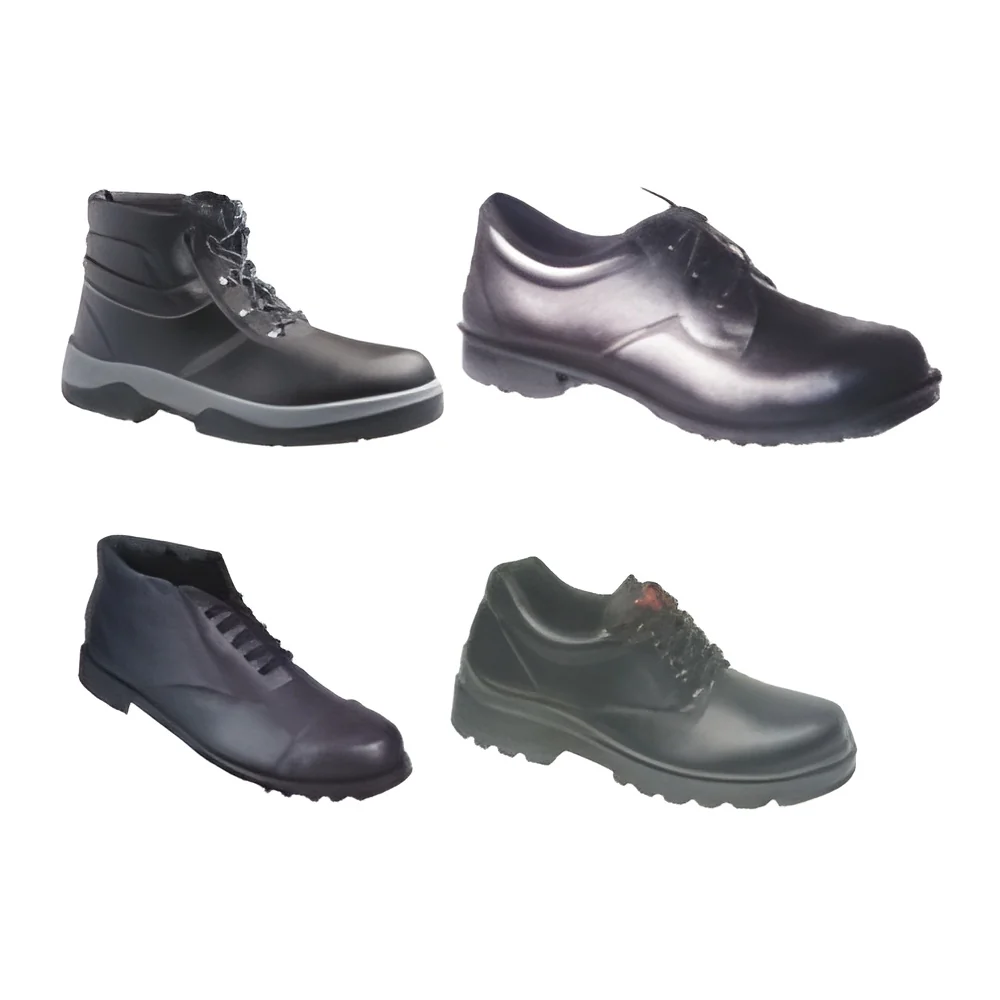
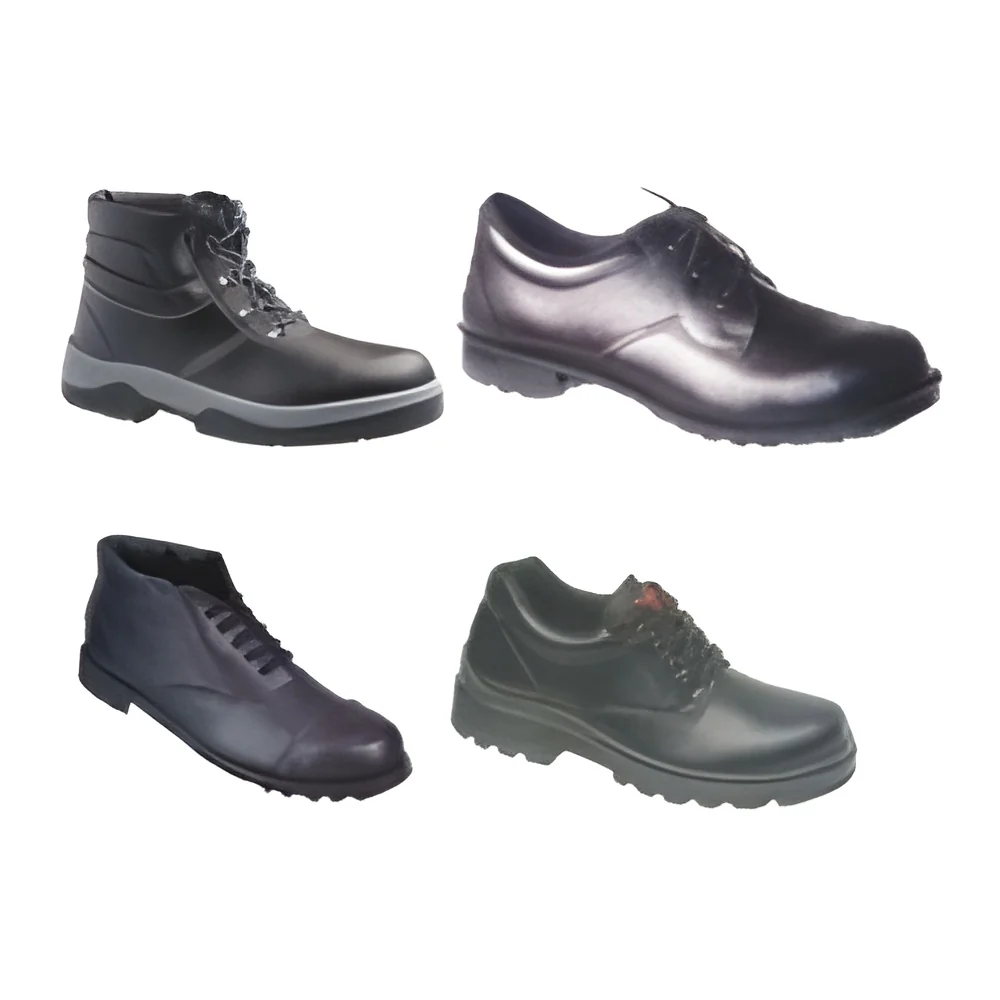
High-Top Safety Shoes
These shoes provide additional ankle support and protection against electrical hazards. They are ideal for environments where workers may encounter sharp objects or uneven terrain.
Low-Top Safety Shoes
Offering a more lightweight option, low-top safety shoes are comfortable for extended wear. They are suitable for environments with less risk of ankle injury but still require electrical hazard protection.
Steel Toe vs. Composite Toe
Steel toe shoes offer maximum protection against impact but can be heavier. Composite toe shoes provide a lighter alternative while still meeting safety standards.
Benefits and Advantages
Investing in Electrical Hazard Safety Shoes provides numerous benefits for businesses and employees.
1. Enhanced Worker Safety: These shoes significantly reduce the risk of electrical injuries, safeguarding employees in high-risk environments.
2. Compliance with Regulations: Wearing certified safety footwear helps companies adhere to safety regulations and standards, minimizing liability.
3. Improved Comfort: Many models are designed with ergonomic features, providing comfort and support for workers during long shifts.
4. Increased Productivity: Safe and comfortable footwear allows employees to focus on their tasks without the distraction of discomfort or safety concerns.
5. Durability: High-quality materials ensure that Electrical Hazard Safety Shoes withstand harsh working conditions, resulting in a longer lifespan.
6. Versatility: These shoes can be used in various industries, making them a practical choice for companies with diverse operations.
Buying Guide for B2B Buyers
When sourcing Electrical Hazard Safety Shoes, businesses should consider several key factors to ensure they select the right products for their workforce.
1. Quality Assessment: Look for shoes that meet industry safety standards, such as CE certification. Evaluate the materials used and the manufacturer's reputation for quality.
2. Supplier Verification: Vet suppliers by checking their credentials, customer reviews, and history of compliance with safety regulations. A reliable supplier is crucial for maintaining safety standards.
3. Pricing and MOQ: Understand the price range for different models and inquire about minimum order quantities. This information is essential for budgeting and inventory planning.
4. Delivery and Lead Times: Consider logistics, including delivery schedules and lead times. Timely delivery is important to ensure that safety footwear is available when needed.
5. Compliance Requirements: Familiarize yourself with relevant regulations and compliance standards in your industry. Ensure that the chosen footwear meets these requirements to avoid legal issues.
Compliance and Certifications
Electrical Hazard Safety Shoes must adhere to various industry standards and certifications to ensure safety and reliability.
Quality standards such as ISO 9001 ensure that manufacturers maintain consistent quality in their production processes. This certification signifies a commitment to quality management and customer satisfaction.
In addition, compliance with CE standards is crucial for footwear intended for use in environments where electrical hazards are present. This certification indicates that the shoes meet European safety requirements.
Safety and testing requirements are essential to evaluate the effectiveness of Electrical Hazard Safety Shoes. These tests assess the electrical insulation properties, slip resistance, and overall durability of the footwear.
Regional compliance considerations may vary, so businesses should ensure that the shoes meet specific safety regulations applicable to their location and industry sector.
Why Source Electrical Hazard Safety Shoes from Pepagora?
Pepagora provides a trusted platform for sourcing Electrical Hazard Safety Shoes, offering several key advantages to B2B buyers.
Verified Supplier Network: Pepagora connects businesses with a robust network of verified suppliers. This ensures that buyers have access to high-quality safety footwear from reputable manufacturers.
Streamlined RFQ Process: The platform simplifies the request for quotation process, allowing buyers to easily compare prices and specifications from multiple suppliers. This efficiency helps businesses make informed purchasing decisions.
Trade Assurance and Support: Pepagora offers trade assurance, giving buyers peace of mind with their purchases. The platform provides support throughout the buying process, ensuring that customers receive the products they need.
Regional Coverage: With a geographic reach that includes India, the GCC, and Southeast Asia, Pepagora can cater to various markets, making it easier for businesses to find suitable Electrical Hazard Safety Shoes for their workforce.


 India
 India
 India

Frequently Asked Questions
What are Electrical Hazard Safety Shoes?
Electrical Hazard Safety Shoes are specialized footwear designed to protect the wearer from electrical hazards. They are constructed with non-conductive materials that help reduce the risk of electric shock and provide insulation against live electrical circuits.
What are the different types of Electrical Hazard Safety Shoes?
There are various types of Electrical Hazard Safety Shoes, including steel-toe shoes, composite-toe shoes, and waterproof options. Each type offers different features such as enhanced protection, comfort, and resistance to various environmental conditions.
How do I choose the right Electrical Hazard Safety Shoes?
To choose the right Electrical Hazard Safety Shoes, consider factors such as the level of electrical hazard in your work environment, required safety features, and comfort. It is also important to select the proper size and fit to ensure optimal protection and mobility.
What are the standard specifications for Electrical Hazard Safety Shoes?
Standard specifications for Electrical Hazard Safety Shoes typically include compliance with safety standards such as ASTM F2413 in the USA or IS 15298 in India. These specifications ensure the shoes provide adequate electrical insulation, impact resistance, and slip resistance.
What is the price range for Electrical Hazard Safety Shoes?
The price range for Electrical Hazard Safety Shoes can vary widely depending on the brand, materials used, and specific features. Generally, prices can range from INR 1,500 to INR 8,000 or more, depending on the level of protection and quality.
What quality standards apply to Electrical Hazard Safety Shoes?
Electrical Hazard Safety Shoes must meet specific quality standards set by regulatory bodies such as the Bureau of Indian Standards (BIS) and international standards like ASTM. These standards ensure that the shoes provide effective protection against electrical hazards and are made from durable materials.
Where can I find Electrical Hazard Safety Shoes suppliers in India?
You can find Electrical Hazard Safety Shoes suppliers in India through online B2B marketplaces like Pepagora, trade shows, and industry-specific directories. These platforms allow you to compare products, read reviews, and connect with manufacturers and suppliers.
Can Electrical Hazard Safety Shoes be customized?
Yes, many manufacturers offer customization options for Electrical Hazard Safety Shoes. Customization can include features like specific sizes, colors, and additional safety enhancements based on the needs of your industry or workplace.
What is the typical minimum order quantity for Electrical Hazard Safety Shoes?
The typical minimum order quantity (MOQ) for Electrical Hazard Safety Shoes varies by supplier, but it usually ranges from 10 to 50 pairs. It's essential to check with individual suppliers for their specific MOQ requirements.
What is the typical lead time for Electrical Hazard Safety Shoes?
The typical lead time for Electrical Hazard Safety Shoes can vary based on the supplier and whether the shoes are customized. Generally, lead times range from 2 to 6 weeks for standard orders, while customized orders may take longer.
Why Businesses Trust Pepagora
Thousands of companies trust Pepagora to source smarter and sell faster
Expand Your Sales Globally

Source Smarter,Grow Faster
