
 IN
Electric Drives
9 products available
What are Electric Drives?
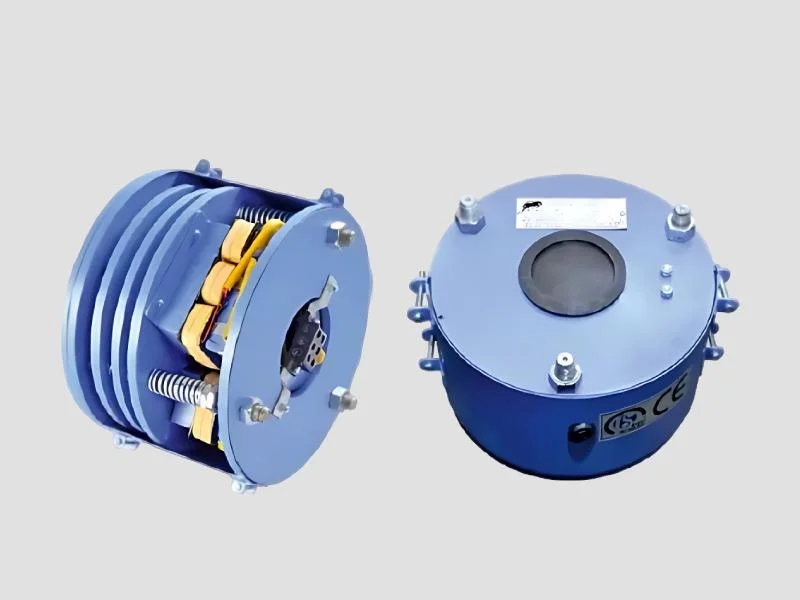
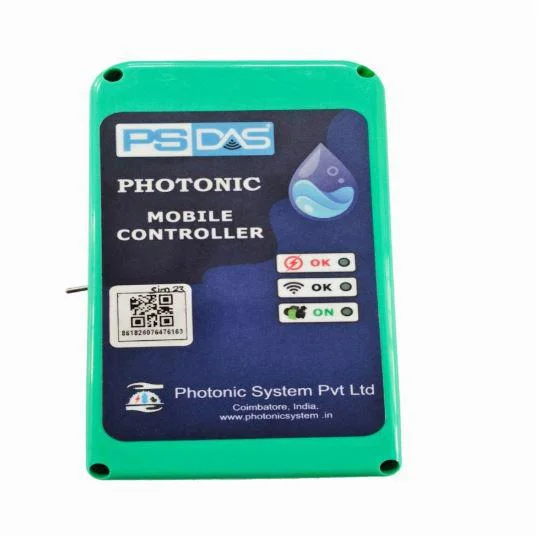
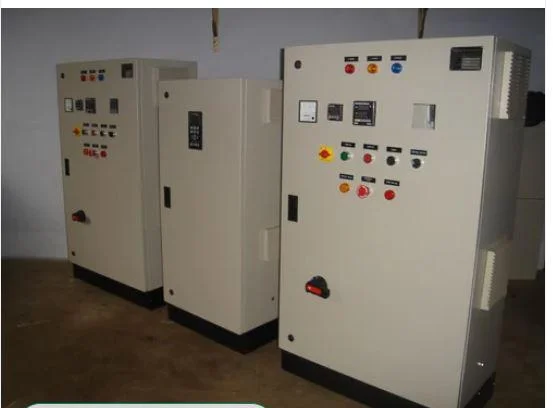
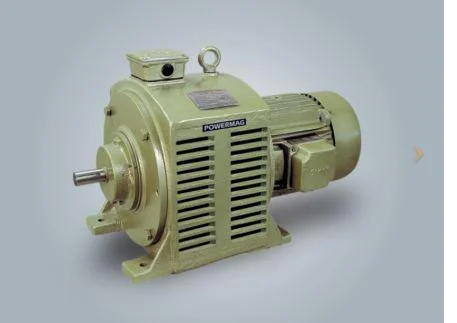
Electric drives are systems that control the speed, torque, and direction of electric motors. They convert electrical energy into mechanical energy by managing the flow of power to the motor. This technology encompasses various components, including inverters, motors, and controllers, allowing for precise control of motor operations. Electric drives are integral in enhancing the efficiency and performance of industrial machinery.
These systems find application across multiple industries, such as manufacturing, automotive, and energy. In manufacturing, electric drives power conveyor belts, robotic arms, and other automated machinery, improving productivity and precision. In the automotive sector, they are essential for electric and hybrid vehicles, managing power distribution to enhance performance and energy efficiency. The growing emphasis on energy efficiency and sustainability has increased the demand for electric drives, driving innovation and market expansion.
Key Features and Specifications
Electric drives come with a variety of features that enhance their performance and usability. Understanding these specifications is crucial for selecting the right system for specific applications.
Key specifications include:
1. Power Rating
- Determines the maximum output power the drive can handle.
- Typically ranges from a few watts to several megawatts.
2. Voltage Range
- Indicates the range of input voltage the drive operates within.
- Commonly found in 230V, 400V, or higher depending on the application.
3. Control Method
- Refers to the technology used for motor control, such as vector control or scalar control.
- Each method provides different levels of performance and efficiency.
4. Communication Protocols
- Lists the supported communication standards for integration with other systems.
- Examples include CANopen, EtherCAT, and Modbus.
5. Efficiency Ratings
- Indicates the energy efficiency of the drive under load conditions.
- Higher efficiency ratings lead to lower operational costs.
6. Operating Temperature Range
- Specifies the temperature limits within which the drive can operate effectively.
- Most electric drives function well in temperatures from -10°C to 60°C.
7. Protection Class
- Describes the environmental protection level against dust and moisture.
- Common classes include IP20, IP54, and IP65.
8. Dimensions and Weight
- Provides the physical size and weight, important for installation considerations.
- Specifications vary based on the design and application.
In summary, selecting an electric drive requires a thorough understanding of its key specifications to ensure compatibility with the intended application.
Common Applications and Use Cases
Electric drives are versatile components serving various industries with specific applications.
1. Manufacturing: Electric drives control automated machinery such as conveyor systems, CNC machines, and robotic arms, enhancing production efficiency.
2. Automotive: They are critical in electric and hybrid vehicles for managing motor performance, contributing to improved fuel efficiency and lower emissions.
3. HVAC: In heating, ventilation, and air conditioning systems, electric drives regulate fan and pump speeds, optimizing energy consumption and comfort levels.
4. Mining: Electric drives power equipment like conveyors and crushers, increasing operational efficiency and safety in challenging environments.
5. Water Treatment: In water and wastewater treatment facilities, they control pumps and mixers to maintain optimal flow rates and treatment processes.
6. Agriculture: Electric drives operate irrigation systems and agricultural machinery, improving precision and reducing energy costs.
7. Renewable Energy: In wind and solar applications, electric drives manage the operation of generators and inverters, enhancing energy capture and efficiency.
Product Variants and Subcategories
Electric drives come in various forms to meet different operational needs. This diversity allows businesses to choose systems that align closely with their requirements.
AC Drives
AC drives are used for controlling alternating current motors. They offer smooth control of motor speed and are suitable for a wide range of applications, from fans to industrial pumps.
DC Drives
DC drives are designed for direct current motors. They provide precise speed control and are often used in applications requiring high starting torque, such as cranes and hoists.
Servo Drives
Servo drives control servo motors, which are used in applications requiring high precision and rapid response. They are commonly found in robotics and CNC machinery.
Benefits and Advantages
Electric drives provide numerous benefits that enhance operational efficiency and reduce costs.
1. Energy Efficiency: Electric drives optimize motor performance, leading to significant energy savings over traditional systems.
2. Precise Control: They allow for accurate control of speed and torque, improving the quality of processes and products.
3. Reduced Maintenance: With fewer mechanical components, electric drives require less maintenance, resulting in lower downtime and operational costs.
4. Environmental Impact: By improving energy efficiency, electric drives contribute to lower carbon emissions and a reduced environmental footprint.
5. Versatility: They can be used across various applications and industries, making them a flexible solution for many businesses.
6. Enhanced Safety: Electric drives can include safety features that protect both equipment and operators, minimizing risks in industrial environments.
Buying Guide for B2B Buyers
When sourcing electric drives, several factors should be considered to ensure the best fit for your operations.
1. Quality Assessment: Evaluate the drive’s build quality and performance specifications. Look for products that meet industry standards to ensure reliability.
2. Supplier Verification: Research potential suppliers thoroughly. Check their reputation, customer reviews, and track record in delivering high-quality products.
3. Pricing and MOQ: Understand the pricing structure and minimum order quantities. Compare offers from multiple suppliers to find the best value without compromising quality.
4. Delivery and Lead Times: Consider the logistics involved in receiving the product. Ensure the supplier can meet your timeline requirements for production.
5. Compliance Requirements: Verify that the electric drives meet relevant compliance and safety standards, such as CE certification, to avoid regulatory issues.
Compliance and Certifications
Electric drives are subject to various compliance standards and certifications that ensure safety and quality.
ISO 9001 is a key quality management standard that outlines criteria for an effective quality management system. Adherence to this standard indicates that the manufacturer consistently provides products that meet customer and regulatory requirements.
CE certification is mandatory for products sold in the European Economic Area. This certification ensures that the electric drives conform to health, safety, and environmental protection standards.
Safety and testing requirements are critical to ensure that electric drives perform reliably under varying conditions. Manufacturers must conduct rigorous testing to confirm that their products can operate safely within specified limits.
Regional compliance considerations vary, as different regions may have specific regulations governing the use of electric drives. It is essential for buyers to be aware of these local requirements to ensure compliance.
Why Source Electric Drives from Pepagora?
Pepagora offers a reliable platform for sourcing electric drives, providing several key advantages for businesses.
Verified Supplier Network: Pepagora ensures that all suppliers in its network are thoroughly vetted for quality and reliability. This gives buyers confidence in the products they are purchasing.
Streamlined RFQ Process: The request for quotation process is designed to be user-friendly, allowing buyers to quickly and efficiently receive competitive quotes from multiple suppliers.
Trade Assurance and Support: Pepagora offers buyer protection through trade assurance, ensuring that transactions are secure and that buyers receive the support they need throughout the purchasing process.
Regional Coverage: With a strong presence in regions like India, the GCC, and Southeast Asia, Pepagora facilitates access to a wide range of electric drives tailored to local market needs. This geographic reach enhances the ability to source products that meet specific operational requirements.

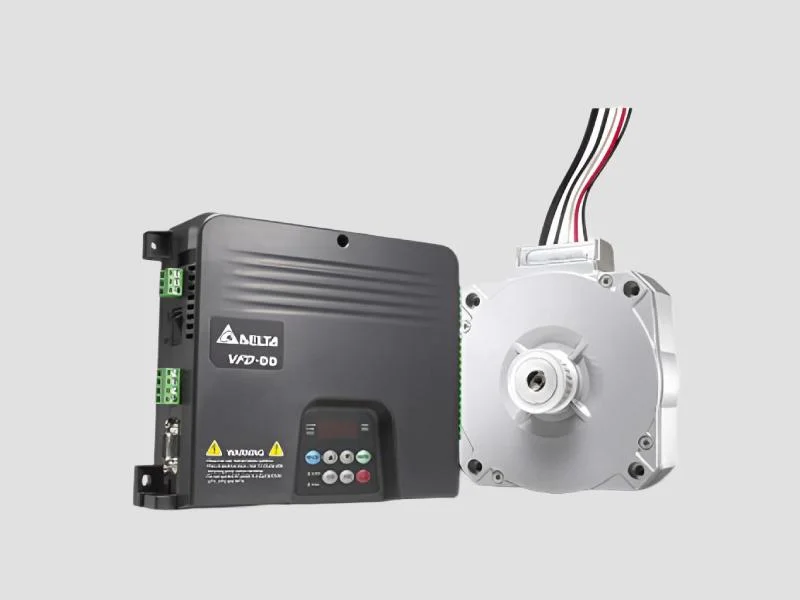
 India
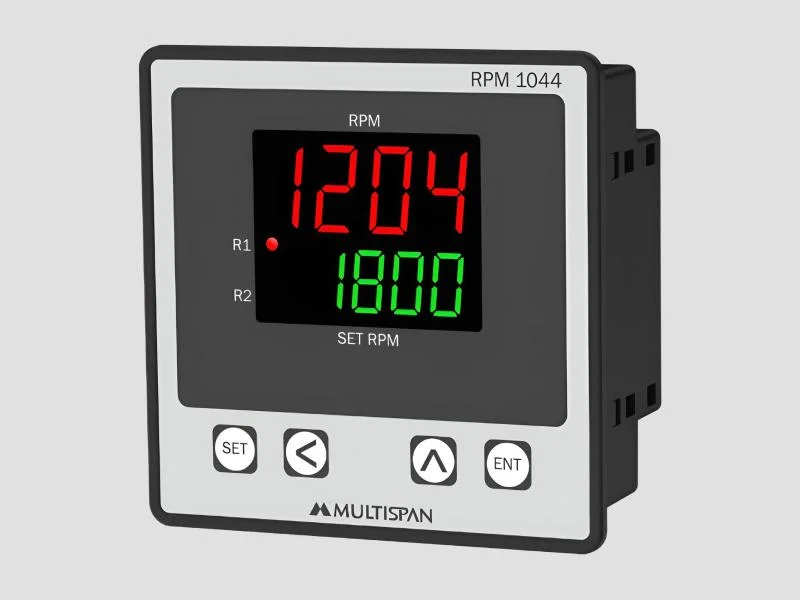
 India
 India
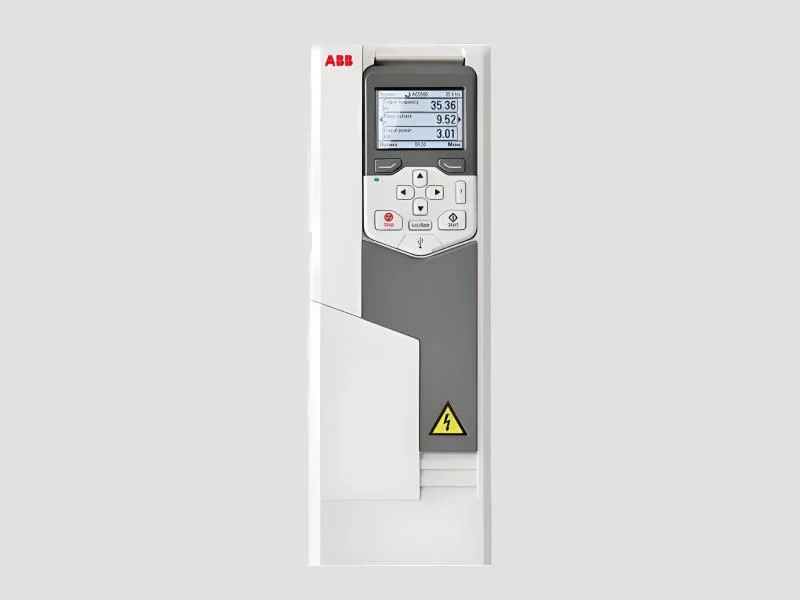
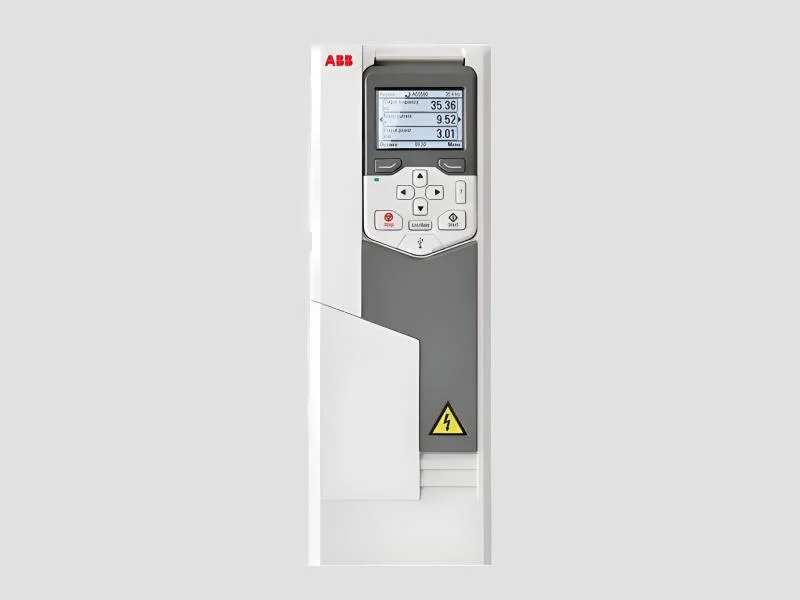
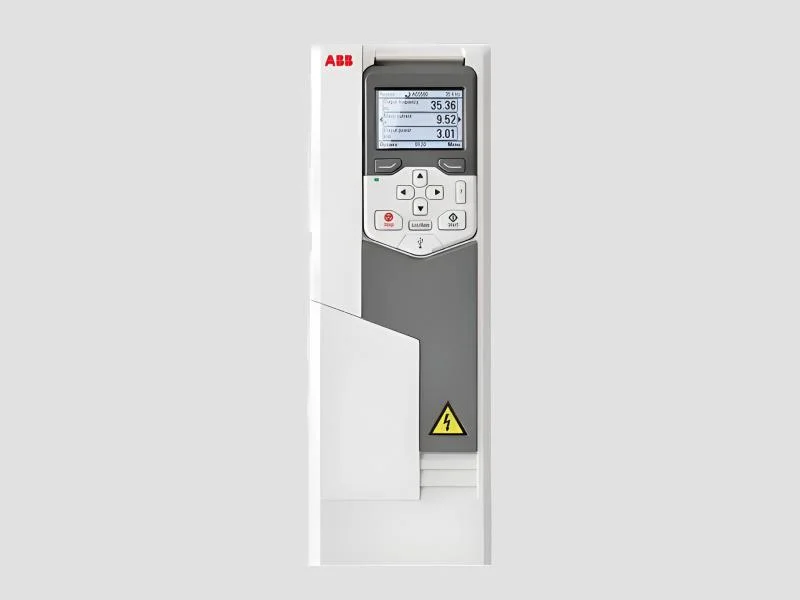
 India
 India
 India
Frequently Asked Questions
What are Electric Drives?
Electric Drives are systems that control the motion of an electrical machine by adjusting the electrical input to the motor. They convert electrical energy into mechanical energy, allowing for precise control of speed, position, and torque in various applications such as industrial machinery, HVAC systems, and electric vehicles.
What are the different types of Electric Drives?
The main types of Electric Drives include DC drives, AC drives, and servo drives. DC drives control the speed and torque of DC motors, while AC drives are used for alternating current motors. Servo drives provide precise control for applications requiring high performance, such as robotics and CNC machinery.
How do I choose the right Electric Drives?
Choosing the right Electric Drives involves considering factors such as the type of motor, application requirements, control method, and environmental conditions. It's essential to evaluate the power rating, speed range, and torque requirements to ensure compatibility with your equipment.
What are the standard specifications for Electric Drives?
Standard specifications for Electric Drives typically include power ratings (in kW), voltage ratings, current ratings, and control method (such as open-loop or closed-loop). Additionally, specifications may outline features like overload capacity, efficiency ratings, and communication protocols for integration with other systems.
What is the price range for Electric Drives?
The price range for Electric Drives can vary significantly based on factors like type, power rating, and manufacturer. Generally, prices can range from a few thousand to several lakhs of Indian Rupees, depending on the complexity and features of the drive.
What quality standards apply to Electric Drives?
Electric Drives are typically subject to international standards such as IEC (International Electrotechnical Commission) and ISO (International Organization for Standardization). Compliance with these standards ensures reliability, safety, and performance in various industrial applications.
Where can I find Electric Drives suppliers in India?
You can find Electric Drives suppliers in India through online B2B marketplaces like Pepagora, industry trade shows, or by searching manufacturer directories. It's advisable to review supplier credentials and customer feedback to ensure quality and reliability.
Can Electric Drives be customized?
Yes, Electric Drives can often be customized to meet specific application requirements. Customizations may include adjustments to power ratings, control features, or integration with existing systems, depending on the manufacturer's capabilities.
What is the typical minimum order quantity for Electric Drives?
The typical minimum order quantity (MOQ) for Electric Drives can vary among manufacturers but often ranges from 1 to 10 units. It is advisable to check with the supplier for their specific MOQ requirements.
What is the typical lead time for Electric Drives?
The typical lead time for Electric Drives can range from a few days to several weeks, depending on the supplier, order size, and whether customization is required. It's recommended to confirm the lead time with the supplier at the time of order placement.
Why Businesses Trust Pepagora
Thousands of companies trust Pepagora to source smarter and sell faster
Expand Your Sales Globally

Source Smarter,Grow Faster
