What are Dump Trucks & Tippers?
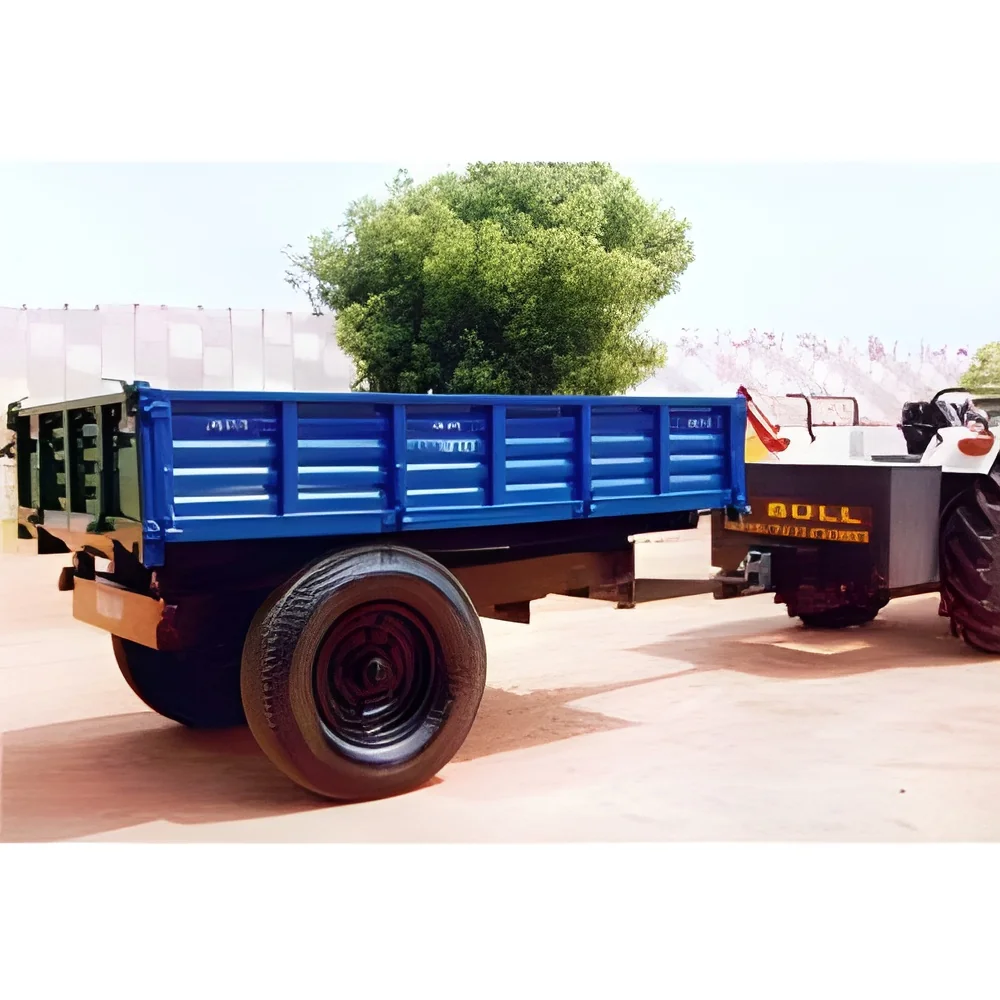
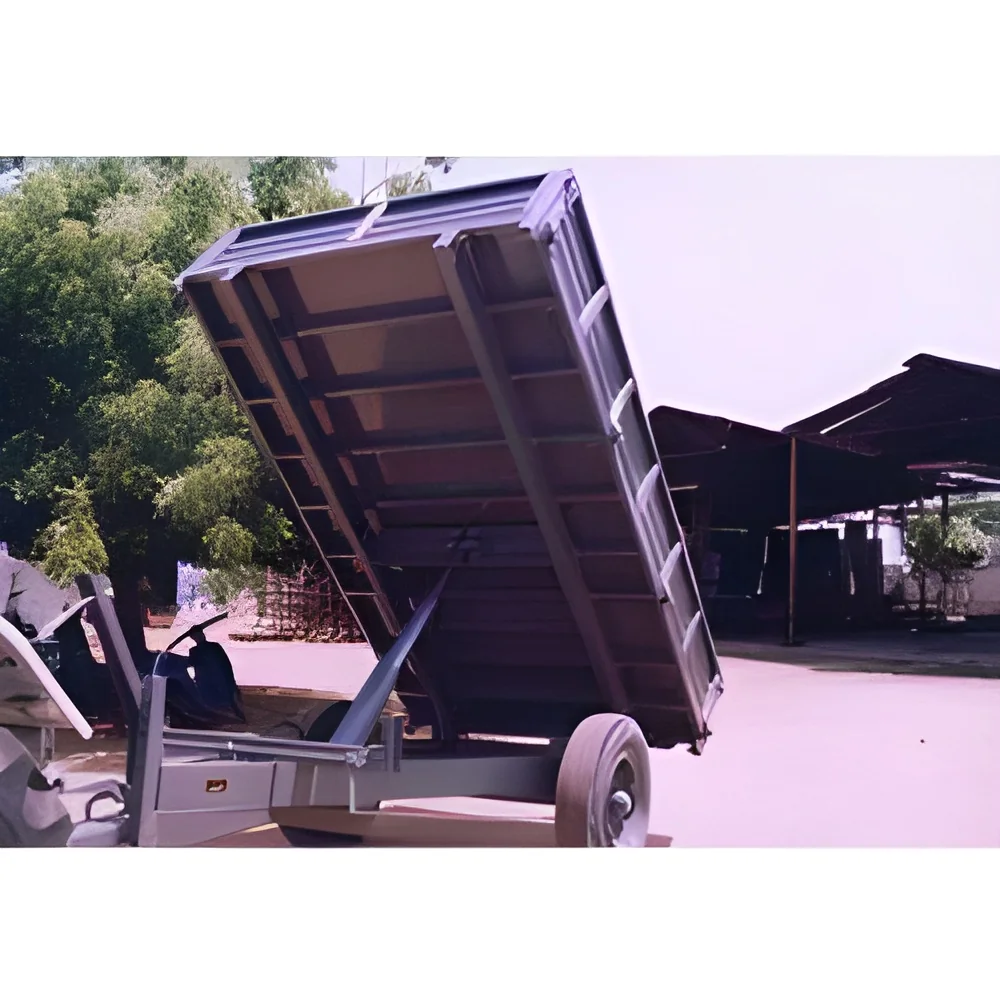
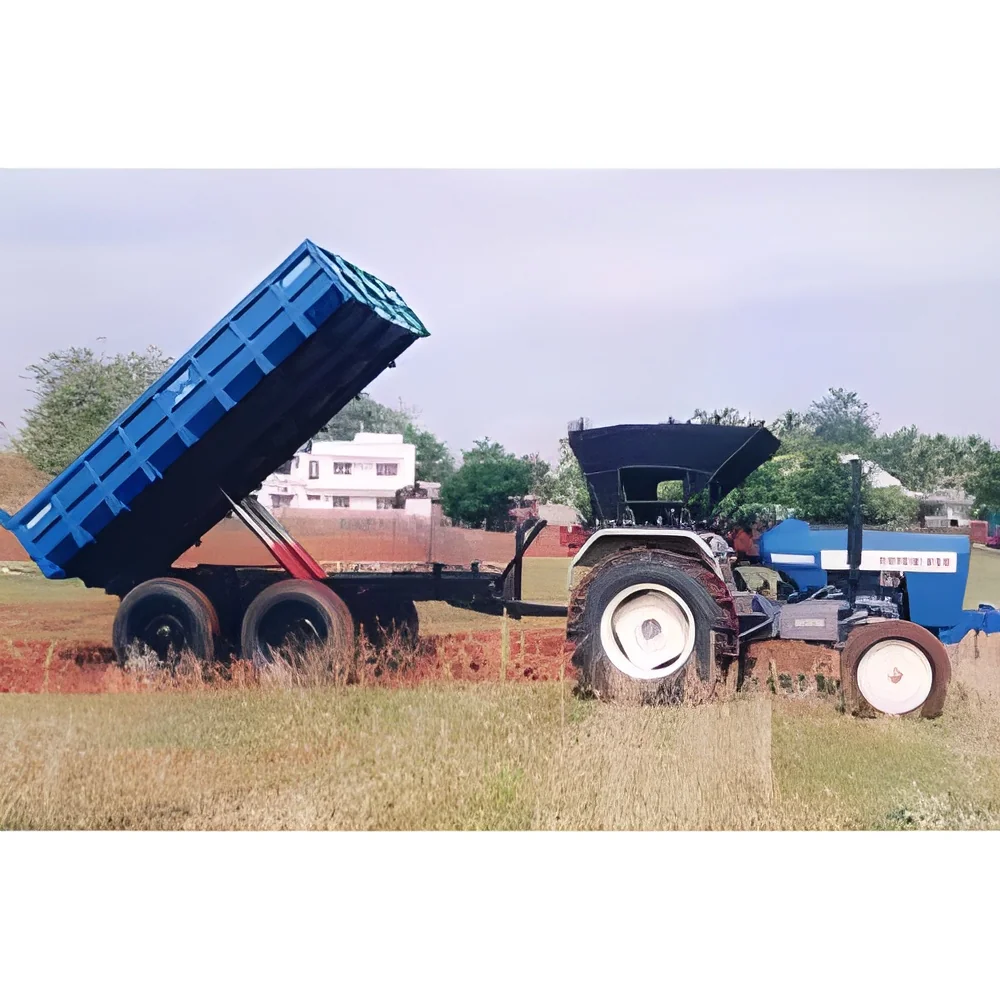
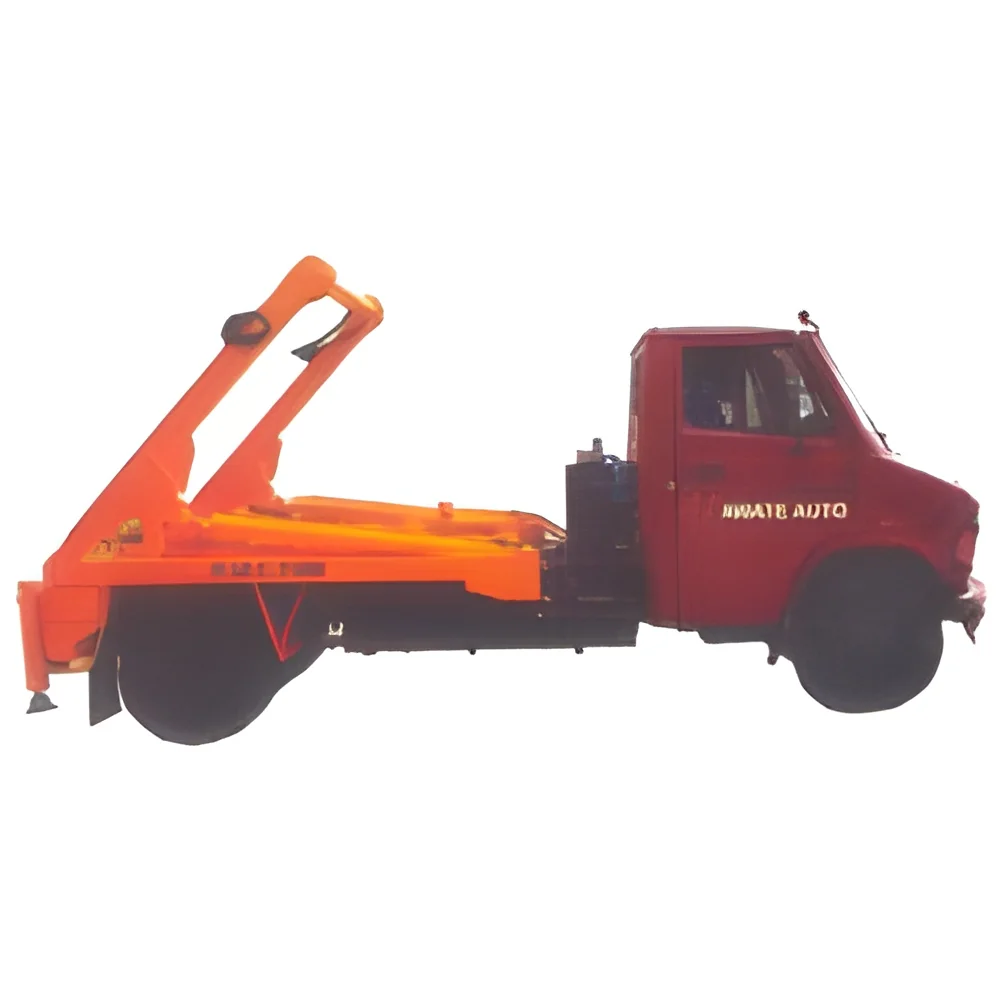
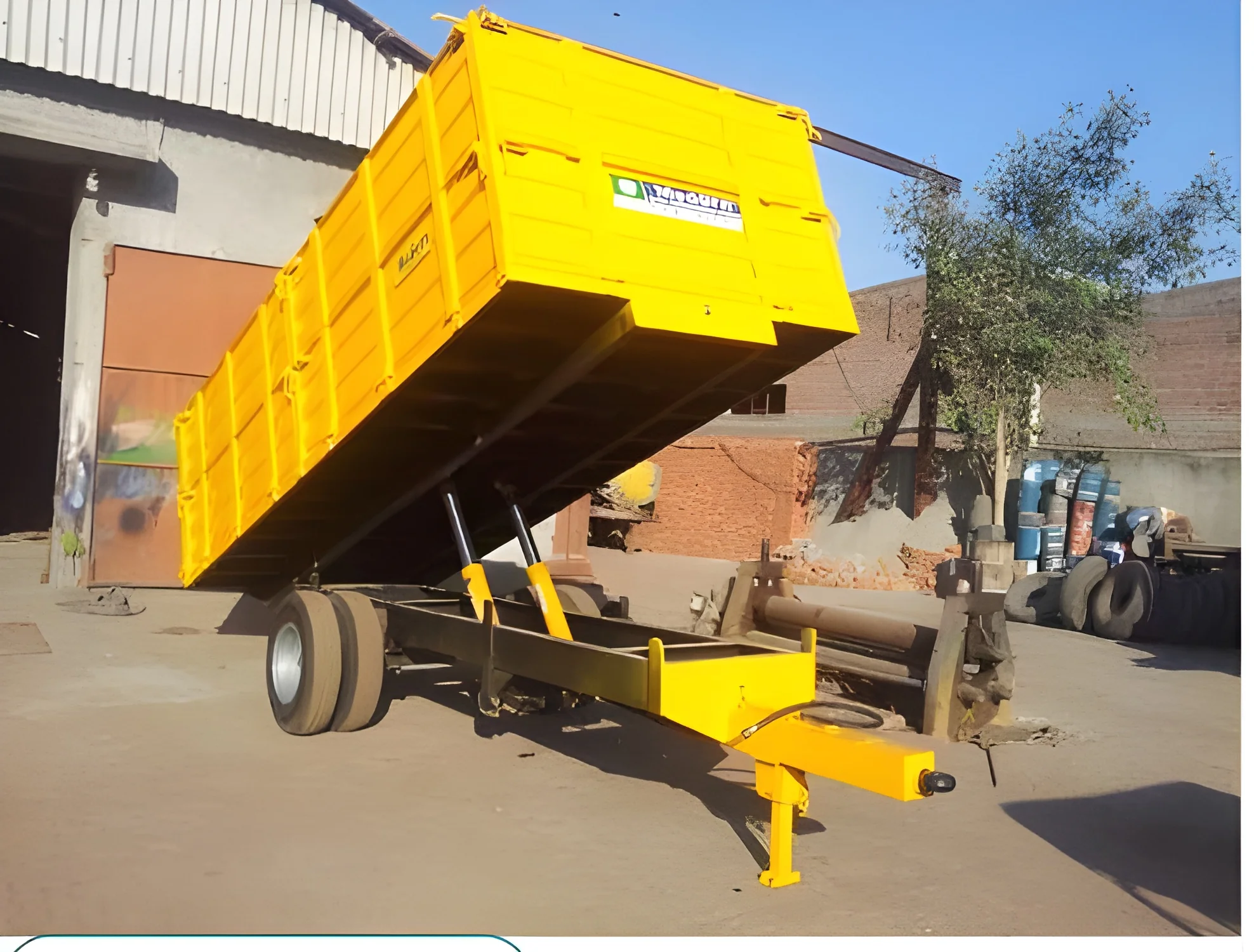
Dump trucks and tippers are specialized vehicles used primarily for transporting loose materials such as gravel, sand, and demolition waste. These vehicles are equipped with a hydraulic bed that allows for the quick unloading of materials by tilting the bed to an angle. The design and functionality of dump trucks and tippers make them essential in the construction and mining industries, where the movement of bulk materials is a routine task.
The primary uses of dump trucks and tippers extend to various applications, including construction sites, road maintenance, and agricultural operations. Businesses rely on these vehicles for their ability to efficiently move large quantities of materials from one location to another. With their robust construction and high load capacities, dump trucks and tippers are vital assets in maintaining productivity and efficiency across numerous industrial sectors.
In the current market context, the demand for dump trucks and tippers is on the rise due to increasing infrastructure development and mining activities. As industries expand, the need for reliable transportation of materials continues to grow. Companies are looking for durable and efficient vehicles that can withstand challenging conditions while providing optimal performance.
Key Features and Specifications
Dump trucks and tippers come with various features designed to enhance performance, safety, and efficiency. Understanding these specifications helps buyers choose the right model for their needs.
Key specifications include:
1. Payload Capacity
- The maximum weight of materials that the truck can carry.
- Typical ranges vary from 5 to 30 tons, depending on the model.
2. Engine Power
- The strength of the vehicle's engine, which influences performance.
- Common power outputs range from 150 to 500 horsepower.
3. Dump Angle
- The angle at which the truck bed can tilt for material unloading.
- Standard dump angles can range between 45 to 60 degrees.
4. Wheelbase
- The distance between the front and rear axles, affecting stability and maneuverability.
- Wheelbases typically range from 3.5 to 7.5 meters.
5. Tipping Mechanism
- The hydraulic system used to lift the truck bed for unloading.
- Common types include single-acting and double-acting hydraulic systems.
6. Chassis Type
- The structural framework that supports the truck, influencing durability.
- Options include rigid, articulated, and semi-articulated chassis.
7. Fuel Efficiency
- The rate at which the vehicle consumes fuel, impacting operational costs.
- Most models offer fuel efficiencies ranging from 5 to 15 miles per gallon.
8. Safety Features
- Essential systems designed to ensure the safe operation of the vehicle.
- Features may include anti-lock brakes, stability control, and rollover protection.
In summary, understanding the key features and specifications of dump trucks and tippers is crucial for making informed purchasing decisions. Buyers should consider how these specifications align with their operational needs and the environments in which they will be used.
Common Applications and Use Cases
Dump trucks and tippers are versatile vehicles serving various industries.
1. Construction: In construction, these vehicles are used for transporting materials like concrete, asphalt, and gravel. They play a critical role in site preparation and material delivery.
2. Mining: The mining industry relies on dump trucks to move extracted materials from mines to processing facilities. Their high payload capacity makes them suitable for heavy loads.
3. Agriculture: Farmers utilize dump trucks and tippers for transporting soil, fertilizers, and harvested crops. Their ability to unload materials efficiently is advantageous in agricultural operations.
4. Waste Management: In waste management, these vehicles are essential for transporting debris and refuse to disposal sites. They help maintain cleanliness and order in urban areas.
5. Infrastructure Development: Dump trucks are vital in road construction and maintenance, facilitating the movement of materials needed for paving and repairs.
6. Landscaping: In landscaping projects, dump trucks are used to move soil, mulch, and other materials required for creating gardens and green spaces.
7. Snow Removal: In regions that experience heavy snowfall, dump trucks can be used to transport snow from roads and parking lots, helping maintain accessibility during winter.
Product Variants and Subcategories
Dump trucks and tippers come in various configurations to meet specific operational needs.
Standard Dump Truck: This is the most common variant, equipped with a simple hydraulic mechanism for unloading. It is widely used in construction and landscaping.
Articulated Dump Truck: This variant features a flexible joint between the cab and the dumping bed, allowing for better maneuverability on rough terrain. It is ideal for mining and large construction sites.
Side Dump Truck: This type of truck allows materials to be unloaded from the side rather than the rear. This feature is beneficial in tight spaces where rear unloading is not feasible.
Tri-Axle Dump Truck: With three axles, this variant offers increased stability and higher payload capacity, making it suitable for heavy-duty applications in construction and mining.
Benefits and Advantages
Investing in dump trucks and tippers provides numerous benefits to businesses.
1. Increased Efficiency: These vehicles streamline material handling processes, reducing the time required for loading and unloading.
2. Cost-Effectiveness: By optimizing material transportation, dump trucks help lower operational costs, particularly in large-scale projects.
3. Versatility: Their ability to handle various materials and adapt to different environments makes dump trucks suitable for diverse applications.
4. Enhanced Safety: Modern dump trucks are equipped with safety features that protect operators and workers on site, reducing the risk of accidents.
5. Reliability: High-quality dump trucks are built to endure harsh conditions, offering long-term performance and minimizing downtime.
6. Improved Productivity: By facilitating the efficient movement of materials, these vehicles contribute to higher overall productivity in construction and industrial operations.
Buying Guide for B2B Buyers
When sourcing dump trucks and tippers, several factors should be considered to ensure the right choice for your business.
1. Quality Assessment: Evaluate the build quality and materials used in the construction of the dump truck. Look for vehicles that comply with industry standards for durability.
2. Supplier Verification: Research potential suppliers to ensure they have a proven track record of delivering reliable products. Check for reviews and testimonials from other buyers.
3. Pricing and MOQ: Understand the pricing structure and minimum order quantities (MOQ) set by suppliers. Ensure the costs align with your budget and project needs.
4. Delivery and Lead Times: Confirm the estimated delivery times and lead times for orders. Timely delivery is crucial for maintaining project schedules.
5. Compliance Requirements: Ensure that the dump trucks meet all relevant compliance and regulatory requirements in your region. This may include safety standards and environmental regulations.
Compliance and Certifications
Dump trucks and tippers must adhere to various quality standards and certifications to ensure safety and reliability.
ISO 9001 is a widely recognized standard that focuses on quality management systems. Manufacturers of dump trucks may seek this certification to demonstrate their commitment to quality.
The CE marking is mandatory for construction vehicles sold in Europe, indicating compliance with EU safety, health, and environmental protection standards.
Safety and testing requirements are crucial in the production of dump trucks. Manufacturers must conduct rigorous testing to ensure vehicles can withstand the demands of heavy-duty applications.
Regional compliance considerations may vary, so it is essential for buyers to understand the specific regulations that apply in their market to avoid any legal complications.
Why Source Dump Trucks & Tippers from Pepagora?
Pepagora provides a trusted platform for sourcing dump trucks and tippers, offering several key advantages to B2B buyers.
Verified Supplier Network: Pepagora connects buyers with a network of verified suppliers, ensuring that every vendor meets quality standards and industry requirements. This verification process helps mitigate risks associated with procurement.
Streamlined RFQ Process: The platform simplifies the request for quotation (RFQ) process, allowing buyers to easily compare offers from multiple suppliers. This efficiency saves time and enhances decision-making.
Trade Assurance and Support: Pepagora offers trade assurance programs that protect buyers during transactions. This support includes assistance with negotiations and dispute resolution, fostering a secure purchasing environment.
Regional Coverage: With a geographic reach extending across India, the GCC, and Southeast Asia, Pepagora enables buyers to access a broad range of suppliers and products, catering to diverse market needs.
By choosing Pepagora, businesses can confidently procure dump trucks and tippers that meet their operational requirements, backed by a supportive and reliable sourcing platform.

 IN
IN
 India
India