
 IN
Drawing Sheets
6 products available
What are Drawing Sheets?
Drawing sheets are specialized paper products designed for technical drawings, sketches, and detailed illustrations. They serve as a fundamental medium for professionals in various industries, including engineering, architecture, and design. These sheets come in various sizes and weights, tailored to meet the specific needs of users who require precise and durable surfaces for their work.
Typically, drawing sheets are used to create plans, blueprints, and presentations that require high levels of detail and clarity. In business applications, architects and engineers rely on these sheets to communicate ideas and designs effectively. The relevance of drawing sheets in today’s industries cannot be overstated, as they play a crucial role in the design and production processes across numerous sectors, including manufacturing and construction.
The market for drawing sheets is evolving, with increasing demand for high-quality materials that can withstand various working conditions. As industries advance, the need for precise and reliable drawing sheets continues to grow, making them essential tools in professional environments.
Key Features and Specifications
Drawing sheets are characterized by several key features that enhance their functionality and usability. These specifications help users select the appropriate type for their specific applications.
Key specifications include:
1. Material Composition
- Typically made from high-quality, durable paper or synthetic materials
- Ensures longevity and resistance to tearing
2. Weight and Thickness
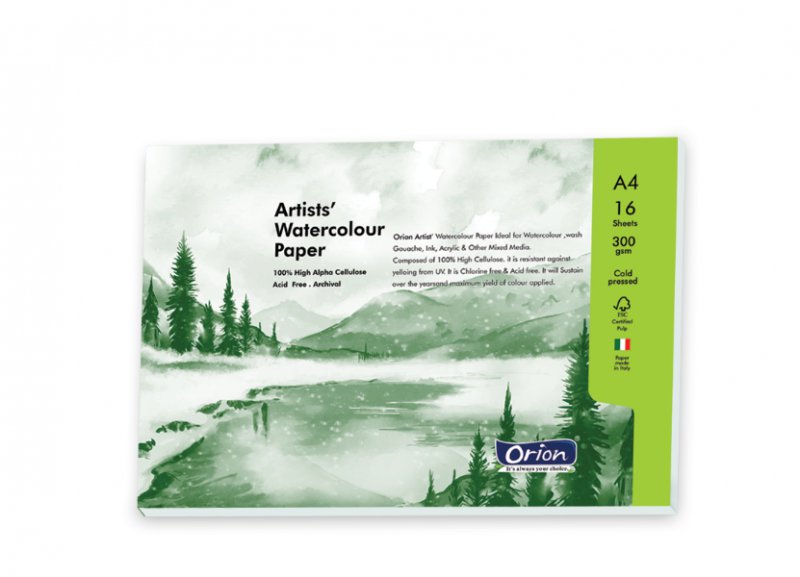
- Common weights range from 70 gsm to 200 gsm
- Thicker sheets provide better durability for extensive use
3. Size Options
- Available in standard sizes such as A4, A3, and A2
- Custom sizes may be available based on client needs
4. Surface Finish
- Smooth or textured finishes available
- Smooth surfaces allow for detailed drawings, while textured finishes provide better grip for pencils and inks
5. Color Variations
- Typically offered in white, off-white, and various colors
- Colored sheets can enhance presentation aspects of drawings
6. Compatibility with Writing Instruments
- Suitable for pencils, inks, and markers
- Designed to minimize bleed-through and smudging
7. Archival Quality
- Some sheets are acid-free to prevent yellowing over time
- Essential for preserving important drawings and documents
In summary, understanding these key features and specifications can assist buyers in selecting the right drawing sheets that meet their specific requirements.
Common Applications and Use Cases
Drawing sheets find applications across a wide range of industries due to their versatility and reliability.
1. Architecture: Architects use drawing sheets to create detailed building plans and elevations, allowing for clear communication of design concepts to clients and construction teams.
2. Engineering: Engineers rely on these sheets for technical drawings, schematics, and diagrams, which are critical for product development and manufacturing processes.
3. Education: Educational institutions utilize drawing sheets for teaching purposes, enabling students to practice technical drawing skills in art and engineering courses.
4. Graphic Design: Graphic designers employ drawing sheets to sketch initial ideas and layouts, providing a tangible format for brainstorming and conceptualization.
5. Manufacturing: In manufacturing, drawing sheets are used to create assembly instructions and production layouts, ensuring that all parts are accurately represented and understood.
6. Landscaping: Landscape designers utilize drawing sheets to plan outdoor spaces, illustrating plant placements and design elements effectively.
7. Fashion Design: Fashion designers use drawing sheets to sketch clothing designs and patterns, allowing for detailed visualization before production.
Product Variants and Subcategories
Drawing sheets come in various forms to cater to different professional needs.
Standard Drawing Sheets: These are the most commonly used sheets, suitable for general purposes in architecture, engineering, and education. They offer a balance of quality and affordability.
Tracing Paper Sheets: These variant sheets are semi-transparent, allowing users to overlay designs. They are popular among designers for creating detailed artworks and drafts.
Heavyweight Drawing Sheets: Designed for more demanding applications, these sheets are thicker and more durable, ideal for technical drawings that require extra handling.
Colored Drawing Sheets: These sheets come in various colors, enabling users to create visually striking presentations and designs. They are often used in educational and creative settings.
Benefits and Advantages
Drawing sheets provide numerous benefits that enhance their utility in professional environments.
1. High Durability: Drawing sheets are designed to withstand frequent handling and usage, making them a reliable choice for professionals.
2. Clarity of Detail: The surface quality of drawing sheets allows for precise lines and details, essential for technical drawings and illustrations.
3. Versatility: Available in various sizes and finishes, drawing sheets can be used across multiple industries and applications.
4. Improved Presentation: Colored and textured sheets enhance the aesthetic appeal of presentations and designs, helping to capture audience attention.
5. Cost-Effectiveness: High-quality drawing sheets provide excellent value for money, especially for businesses that require bulk quantities.
6. Easy to Use: Drawing sheets are user-friendly and compatible with various writing instruments, allowing for flexibility in creation.
Buying Guide for B2B Buyers
When sourcing drawing sheets, buyers should consider several critical factors to ensure they make informed decisions.
1. Quality Assessment: Evaluate the quality of the paper, including weight, finish, and durability. High-quality sheets should be able to hold ink without bleeding or smudging.
2. Supplier Verification: It is essential to vet suppliers for their reputation and reliability. Look for reviews and testimonials from other businesses to ensure a trustworthy partnership.
3. Pricing and MOQ: Understand the pricing structure and minimum order quantities (MOQ) required by suppliers. This helps in budgeting and ensures that the order aligns with business needs.
4. Delivery and Lead Times: Consider the logistics involved in sourcing drawing sheets. Ensure that suppliers can meet delivery timelines to avoid disruptions in project schedules.
5. Compliance Requirements: Verify that the drawing sheets adhere to any relevant industry standards and regulations, including safety and environmental considerations.
Compliance and Certifications
Drawing sheets must comply with various quality standards and certifications to ensure they meet industry requirements.
ISO 9001 is a standard that demonstrates a commitment to quality management systems. Suppliers of drawing sheets may adhere to this standard to ensure consistent quality in their products.
CE certification indicates that the drawing sheets meet European safety and environmental standards. This certification is essential for products being marketed in European countries.
Safety and testing requirements are also critical, particularly for sheets used in educational settings. Compliance with safety guidelines ensures that the products are safe for users.
Regional compliance considerations may vary, so it is crucial for buyers to understand specific regulations that apply in their geographic areas.
Why Source Drawing Sheets from Pepagora?
Pepagora provides a trusted platform for sourcing drawing sheets, offering numerous key advantages to businesses.
Verified Supplier Network: Pepagora connects buyers with a network of verified suppliers, ensuring that all partners meet high standards of quality and reliability. This reduces the risk of procurement failures.
Streamlined RFQ Process: The platform features a straightforward request for quotation (RFQ) system that simplifies the process of obtaining pricing and product details. Buyers can quickly compare options and make informed choices.
Trade Assurance and Support: Pepagora offers buyer protection through its trade assurance programs, providing peace of mind during transactions. This support helps mitigate risks associated with procurement.
Regional Coverage: With a strong presence in India, the Gulf Cooperation Council (GCC), and Southeast Asia, Pepagora ensures that businesses across these regions can access high-quality drawing sheets efficiently and effectively.
Overall, Pepagora is an ideal partner for organizations looking to source drawing sheets, thanks to its focus on quality, supplier verification, and comprehensive support.


 India
Frequently Asked Questions
What are Drawing Sheets?
Drawing sheets are specialized paper used primarily for sketching, drawing, and technical illustrations. They are designed to provide a smooth surface for various drawing instruments like pencils, pens, and markers.
What are the different types of Drawing Sheets?
There are several types of drawing sheets, including sketch paper, layout paper, and tracing paper. Each type serves a specific purpose, with variations in texture, weight, and opacity to accommodate different drawing techniques.
How do I choose the right Drawing Sheets?
Selecting the right drawing sheets involves considering the intended use, the type of drawing medium, and the desired texture. It's essential to match the specifications of the sheet with the drawing techniques you plan to use.
What are the standard specifications for Drawing Sheets?
Standard specifications for drawing sheets typically include paper weight, thickness, and texture. Common weights for drawing sheets range from 70 to 300 gsm, depending on the intended use and medium.
What is the price range for Drawing Sheets?
The price of drawing sheets can vary significantly based on quality, size, and type. Generally, you can expect to pay anywhere from INR 100 to INR 2000 for a pack, depending on these factors.
What quality standards apply to Drawing Sheets?
Quality standards for drawing sheets may include factors like acid-free composition, archival quality, and weight specifications. Sheets that meet these standards are more suitable for long-term preservation and professional artworks.
Where can I find Drawing Sheets suppliers in India?
You can find drawing sheets suppliers in India through online B2B marketplaces, local art supply stores, and specialized stationery suppliers. Platforms like Pepagora.com can help connect you with reputable manufacturers and wholesalers.
Can Drawing Sheets be customized?
Yes, drawing sheets can be customized in terms of size, weight, and finish. Many manufacturers offer options for bulk orders, allowing businesses to tailor sheets to their specific requirements.
What is the typical minimum order quantity for Drawing Sheets?
The typical minimum order quantity (MOQ) for drawing sheets varies by supplier but generally ranges from 100 to 500 sheets. It's advisable to check with individual suppliers for their specific MOQs.
What is the typical lead time for Drawing Sheets?
The typical lead time for drawing sheets can range from a few days to several weeks, depending on the supplier and order size. It's best to confirm delivery timelines with the supplier at the time of order.
Why Businesses Trust Pepagora
Thousands of companies trust Pepagora to source smarter and sell faster
Expand Your Sales Globally

Source Smarter,Grow Faster
