What are Cricket Scoreboards & Counters?
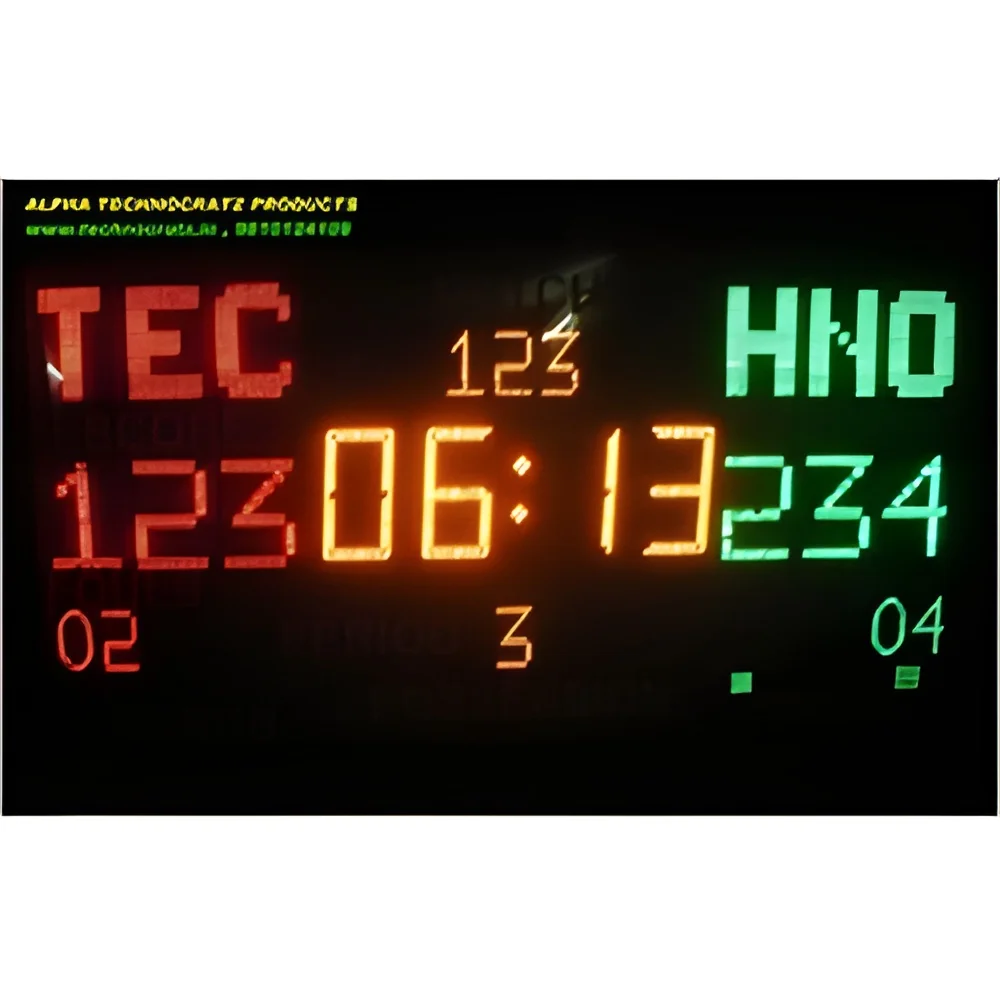
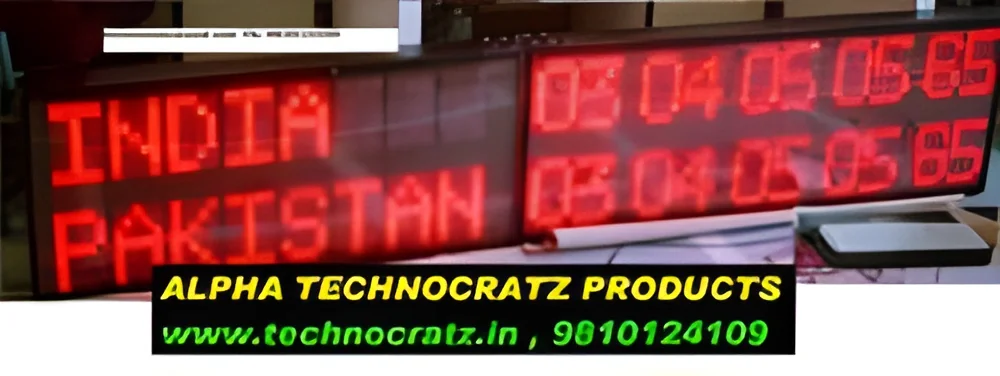
Cricket scoreboards and counters are essential tools used in cricket matches to display live scores, player statistics, and match information. These devices can be electronic or manual and are designed to provide real-time updates to players, officials, and spectators. Electronic scoreboards often include digital displays that show runs, wickets, overs, and other relevant data, while manual counters utilize physical mechanisms to track scores.
These products are primarily used in cricket fields, stadiums, and sports complexes. They serve the purpose of enhancing the viewing experience for fans and providing crucial information to players and coaches during games. Cricket scoreboards are also employed in schools and local clubs for matches, making them versatile tools across various levels of play. The growing popularity of cricket worldwide drives the demand for reliable and efficient scorekeeping solutions, making scoreboards a significant component of the sports industry.
Key Features and Specifications
Cricket scoreboards and counters come equipped with various features tailored to meet the needs of different users. Understanding these specifications helps buyers make informed decisions when selecting the right product for their requirements.
Key specifications include:
1. Display Type
- Options include LED, LCD, and manual displays.
- Sizes can range from small portable versions to large stadium installations.
2. Power Source
- Scoreboards can be powered by batteries or through mains electricity.
- Some models offer solar power options for enhanced sustainability.
3. Connectivity
- Many electronic scoreboards support wireless connectivity for remote control.
- Integration with mobile apps for score updates is also available.
4. Customization Options
- Scoreboards can often be customized with team logos or specific colors.
- Some models allow for programmable messages or advertisements.
5. Durability
- Scoreboards are typically weather-resistant to withstand outdoor conditions.
- Materials used may include high-grade plastics and metals for longevity.
6. Size and Portability
- Various sizes are available to suit different venues, from portable units to large fixed installations.
- Some models feature wheels or handles for easy transport.
7. User Interface
- Simple interfaces are designed for easy operation, often with remote controls.
- Touchscreen options may be available for advanced functionality.
8. Maintenance Requirements
- Regular checks on battery life and display functionality are recommended.
- Easy access to components for repairs enhances usability.
In summary, the features and specifications of cricket scoreboards and counters vary widely, enabling buyers to select products that best fit their specific needs and contexts.
Common Applications and Use Cases
Cricket scoreboards and counters find applications across a variety of industries and settings.
1. Sports Venues: In professional cricket stadiums, electronic scoreboards display live match data to thousands of spectators, enhancing the overall viewing experience.
2. Educational Institutions: Schools and colleges use scoreboards for cricket matches, providing students with a chance to learn the sport while keeping track of scores in real-time.
3. Local Clubs: Amateur cricket clubs utilize scoreboards to facilitate local tournaments, allowing players and fans to engage with the game more effectively.
4. Sporting Goods Stores: Retailers often display scoreboards to showcase products while providing customers with an interactive experience during events.
5. Event Management: Scoreboards are essential for organizing cricket events, including tournaments and exhibitions, where accurate scorekeeping is crucial.
6. Broadcasting: Media companies use scoreboards in live broadcasts to provide viewers with up-to-date scores and player statistics.
7. Training Facilities: Cricket academies use scoreboards during practice sessions to help players monitor their performance and improve their skills.
Product Variants and Subcategories
Cricket scoreboards and counters come in a range of variants to cater to different needs and preferences.
Electronic Scoreboards: These advanced scoreboards provide real-time updates and are equipped with features such as wireless connectivity and customizable displays. They are ideal for professional matches and large venues.
Manual Scoreboards: These traditional devices allow for manual scorekeeping. They are often used in schools and local clubs where simplicity and ease of use are priorities.
Portable Scoreboards: Designed for easy transport, portable scoreboards are lightweight and can be set up quickly for outdoor matches or training sessions.
Wall-Mounted Scoreboards: These scoreboards are fixed to walls in sports facilities and provide a permanent solution for displaying scores during matches.
Benefits and Advantages
Investing in cricket scoreboards and counters offers numerous advantages for users.
1. Enhanced Viewer Experience: Scoreboards provide spectators with real-time updates, contributing to a more engaging and informative match experience.
2. Accuracy in Scoring: Electronic scoreboards eliminate human error in scorekeeping, ensuring that all statistics are accurately recorded and displayed.
3. Increased Engagement: Scoreboards help maintain audience interest by displaying key match events, player stats, and team information.
4. Versatile Usage: Suitable for various settings, scoreboards can be used in both professional and amateur matches, making them a valuable asset for any cricket-related event.
5. Customization Options: Many scoreboards offer customization, allowing teams to showcase their branding or specific colors.
6. Easy Operation: User-friendly interfaces and remote control options make it simple for operators to manage scorekeeping without extensive training.
Buying Guide for B2B Buyers
When sourcing cricket scoreboards and counters, several factors should be taken into account to ensure a suitable purchase.
1. Quality Assessment: Always evaluate the quality of the materials used in the scoreboard. Look for durable components that can withstand outdoor conditions and regular usage.
2. Supplier Verification: Vet suppliers by checking their reputation, customer reviews, and certifications. Ensure they have a reliable track record in providing quality products.
3. Pricing and MOQ: Understand the price range of different models and inquire about minimum order quantities. Compare prices among suppliers to find the best deal.
4. Delivery and Lead Times: Discuss logistics with suppliers, including estimated delivery times and shipping options. Ensure they can meet your timeline for events or installations.
5. Compliance Requirements: Make sure the scoreboards comply with relevant industry standards and regulations. Check for certifications like CE to ensure safety and quality.
Compliance and Certifications
Cricket scoreboards and counters must adhere to several quality standards to ensure reliability and safety in their operation.
ISO 9001 is a widely recognized quality management standard that ensures consistency and quality in manufacturing processes. Compliance with this standard indicates that the scoreboard meets international quality requirements.
The CE mark is essential for products sold in the European Economic Area, signaling that the product meets safety, health, and environmental protection standards. This certification is crucial for buyers looking to ensure compliance with regional regulations.
Safety and testing requirements are paramount, particularly for electronic scoreboards. Regular testing for electrical safety and performance ensures that the scoreboards can operate without risk to users.
Regional compliance considerations may vary, so buyers should be aware of local regulations that might affect the use or installation of scoreboards in their specific area.
Why Source Cricket Scoreboards & Counters from Pepagora?
Pepagora offers a trusted platform for sourcing cricket scoreboards and counters, providing several key advantages for businesses looking to invest in these products.
Verified Supplier Network: Pepagora connects buyers with a network of verified suppliers, ensuring that all listed products meet high standards of quality and reliability. This verification process helps mitigate risks associated with sourcing from untrustworthy vendors.
Streamlined RFQ Process: The request-for-quotation (RFQ) system simplifies the purchasing process. Buyers can easily compare quotes from multiple suppliers, ensuring they receive competitive pricing and favorable terms.
Trade Assurance and Support: Pepagora provides trade assurance to protect buyers throughout their purchasing journey. Support services are available to address any concerns or issues that may arise, ensuring a smooth transaction process.
Regional Coverage: With a strong presence in India, the Gulf Cooperation Council (GCC), and Southeast Asia, Pepagora facilitates sourcing across a wide geographical area. This coverage enables buyers to access a diverse selection of scoreboards and counters tailored to their local markets.

 IN
IN
 India
India