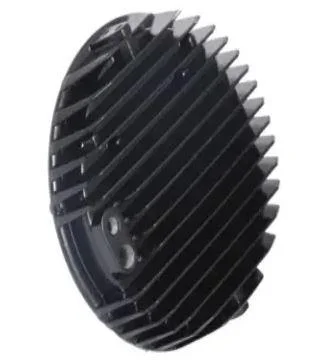
What are Cooling Fans & Heat Sinks?
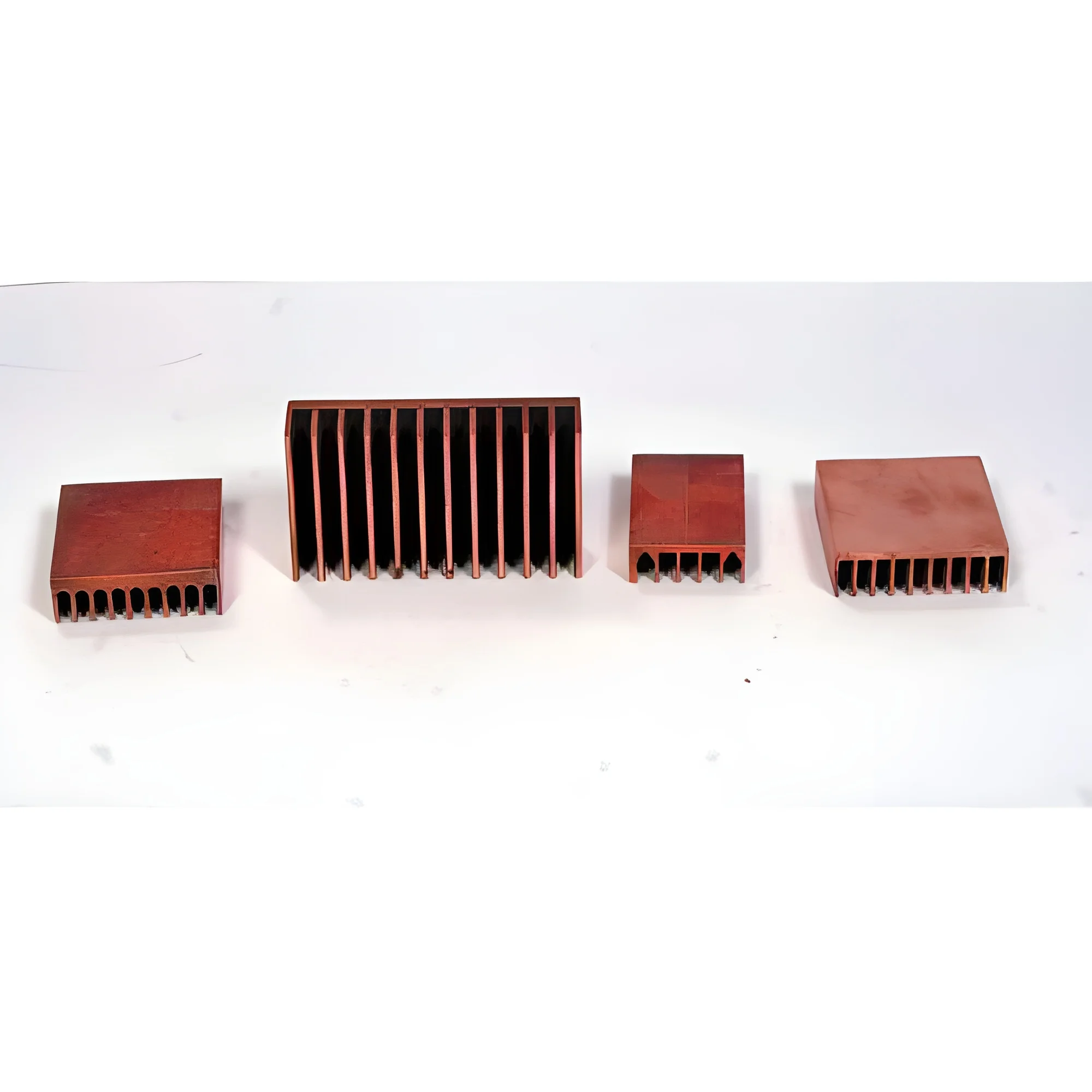
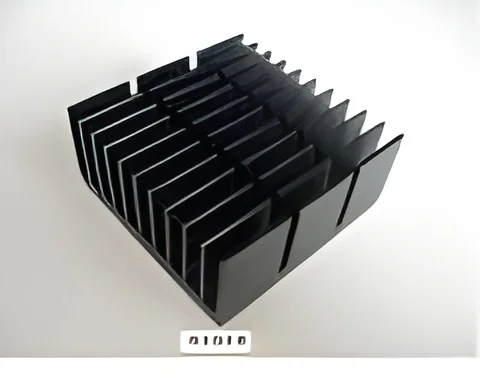
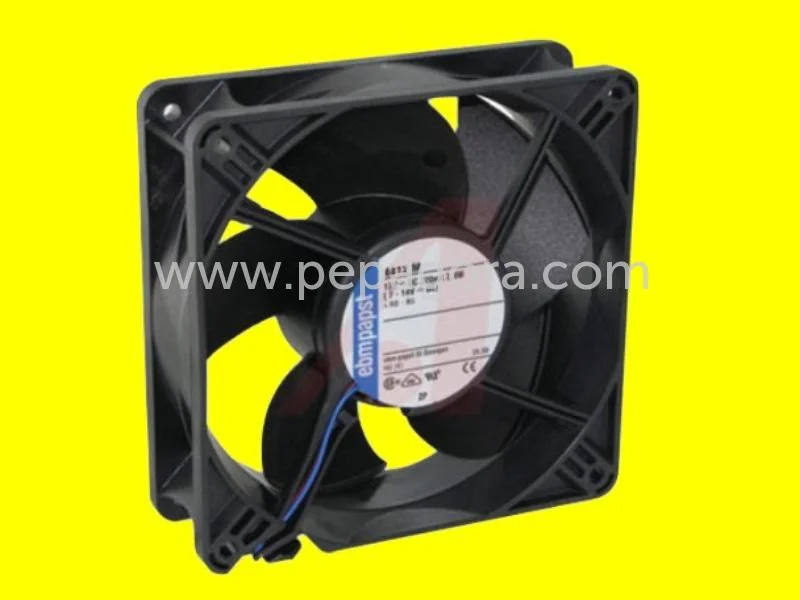
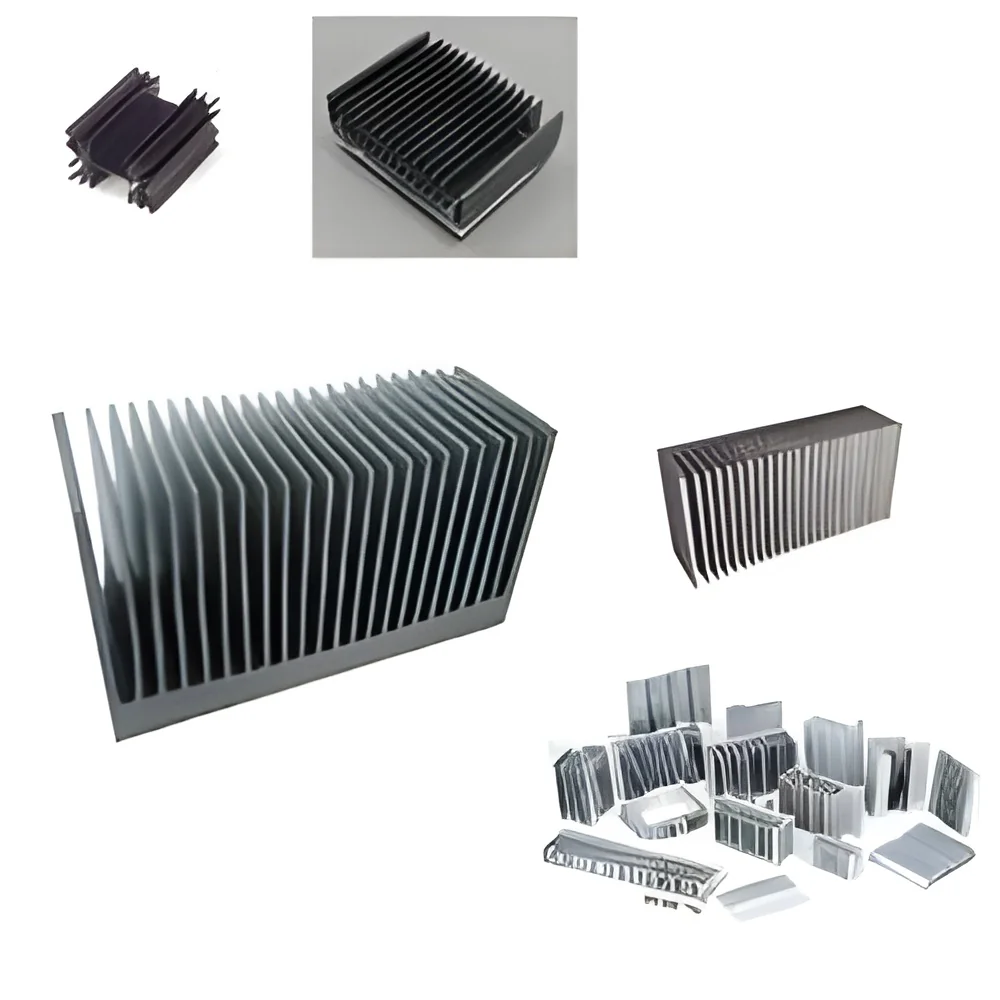
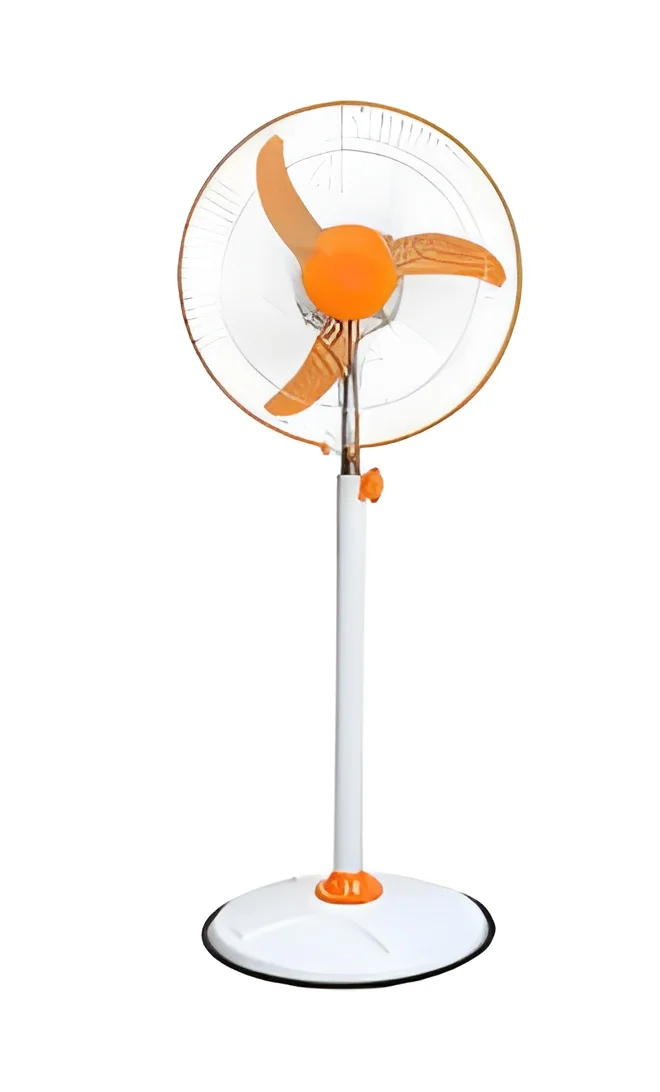
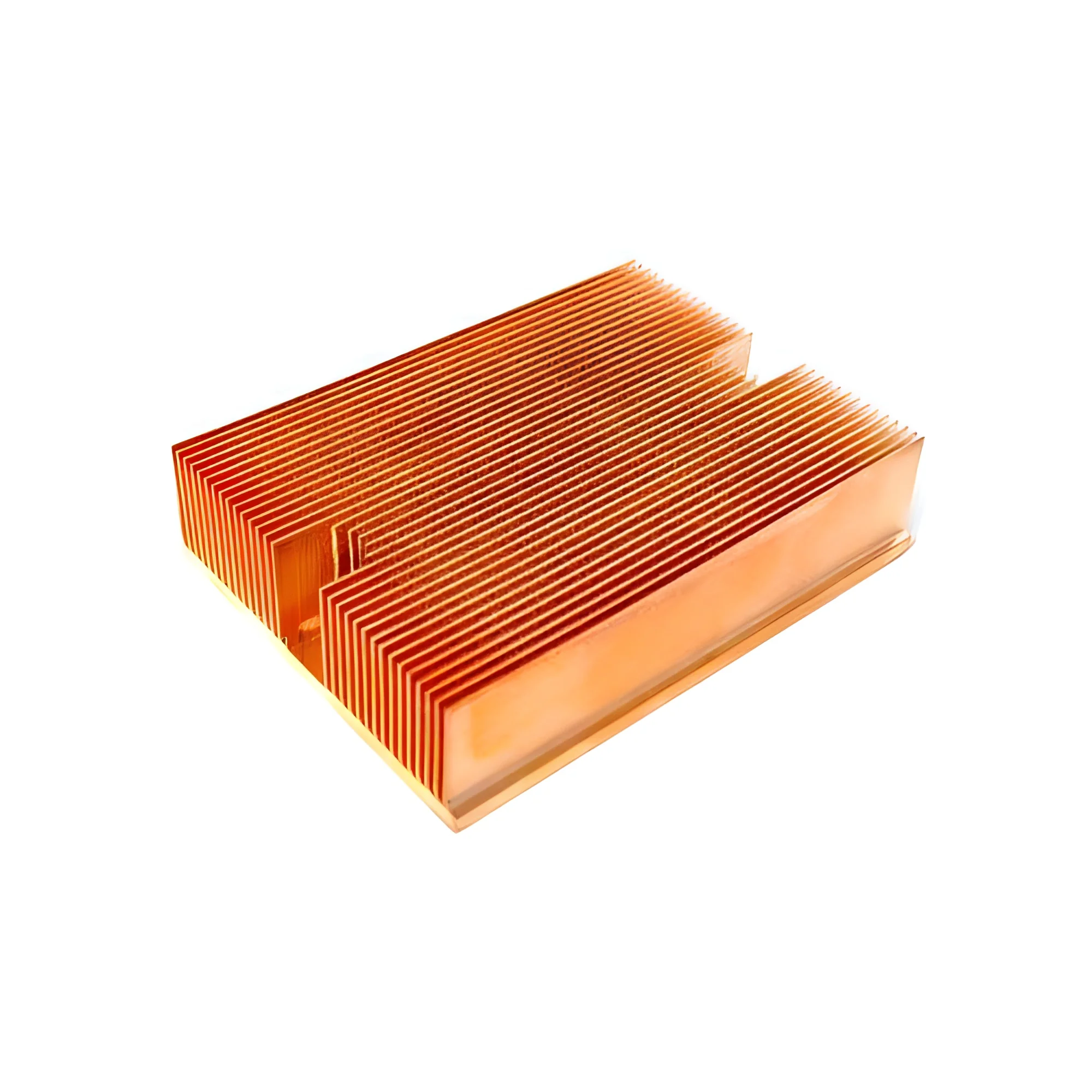
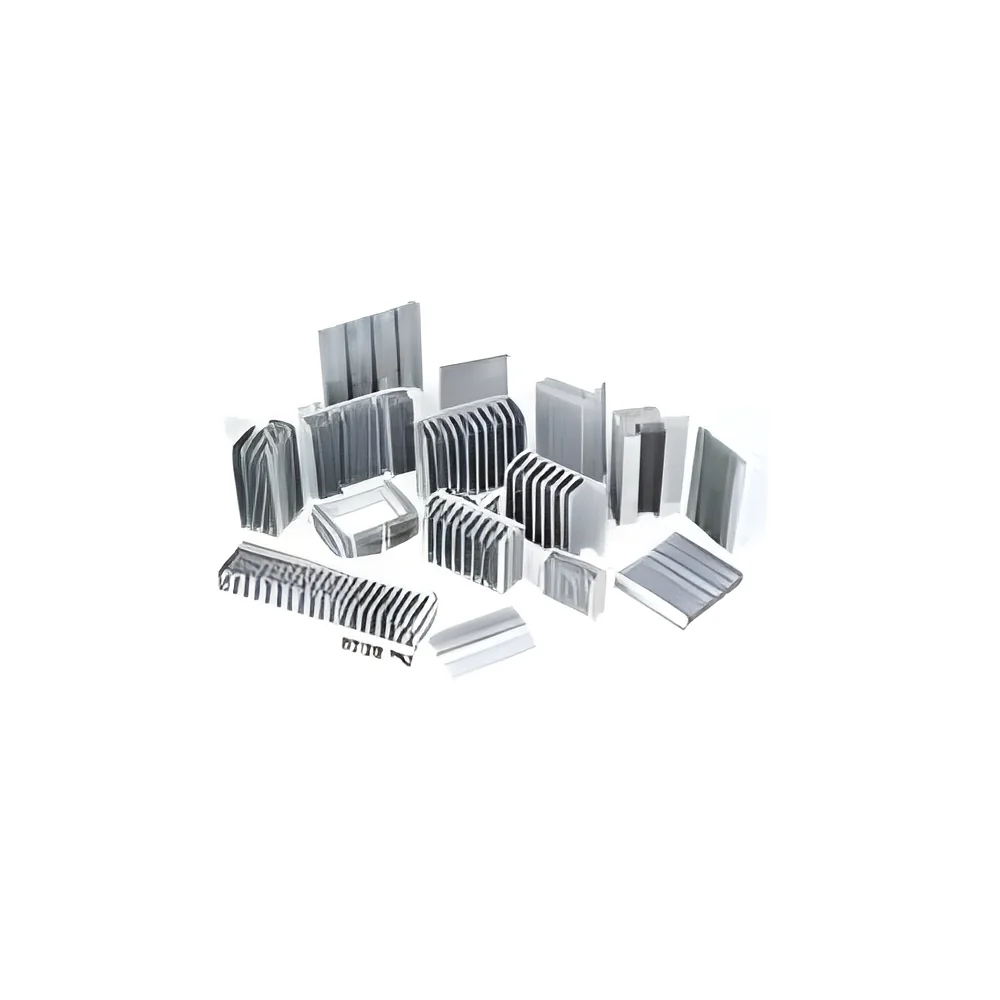
Cooling fans and heat sinks are essential components used in various industrial applications to manage temperature and ensure optimal performance of electronic devices. Cooling fans are devices that increase air circulation, helping to dissipate heat generated by electronic components. Heat sinks, on the other hand, are passive heat exchangers that absorb and disperse heat away from critical components through conduction and convection.
These products are primarily utilized in industries such as electronics, automotive, and manufacturing. In electronics, cooling fans and heat sinks are crucial for maintaining the performance of processors and other sensitive components. In the automotive sector, they help regulate engine temperatures, while in manufacturing, they ensure that machinery operates within safe temperature limits. The growing demand for efficient thermal management solutions has made cooling fans and heat sinks increasingly relevant in the modern market.
Key Features and Specifications
Cooling fans and heat sinks come with various features and specifications that can impact their performance and suitability for specific applications. Understanding these specifications can help businesses make informed purchasing decisions.
Key specifications include:
1. Fan Size
- Available in various diameters and heights
- Common sizes range from 40mm to 120mm
2. Airflow Rate
- Measured in cubic feet per minute (CFM)
- Typical ranges from 10 CFM to over 100 CFM
3. Noise Level
- Measured in decibels (dB)
- Ranges from 20 dB (quiet) to 40 dB (moderate)
4. Voltage Rating
- Commonly operates at 12V or 24V
- Some models support variable voltage
5. Bearing Type
- Options include sleeve, ball, and fluid dynamic bearings
- Each type affects longevity and noise levels
6. Material Composition
- Typically made from plastic or metal
- Metal fans offer enhanced durability
7. Thermal Resistance
- Indicative of a heat sink's efficiency
- Measured in degrees Celsius per watt (°C/W)
8. Mounting Options
- Various mounting configurations available
- Compatibility with different equipment and environments
In summary, selecting the appropriate cooling fan or heat sink requires a thorough understanding of these specifications to match the product with its intended application.
Common Applications and Use Cases
Cooling fans and heat sinks are versatile components used across multiple industries.
1. Electronics: In computers and servers, cooling fans and heat sinks are vital for maintaining processor temperatures, preventing overheating and ensuring reliability.
2. Automotive: In vehicles, these components help manage engine heat, contributing to overall engine performance and longevity.
3. Industrial Equipment: Heavy machinery often requires cooling solutions to prevent overheating during prolonged operation, ensuring safety and efficiency.
4. Telecommunications: Cooling systems in telecom equipment help maintain optimal performance levels, particularly in data centers.
5. Medical Devices: Many medical devices rely on effective cooling to ensure accurate readings and prevent overheating during operation.
6. Renewable Energy: In solar inverters and wind turbine controllers, cooling fans and heat sinks are essential for thermal management to enhance efficiency.
7. Home Appliances: Devices like refrigerators and air conditioners use cooling technology to ensure proper functioning and energy efficiency.
Product Variants and Subcategories
Cooling fans and heat sinks are available in various configurations, allowing businesses to choose the most suitable option for their needs.
Axial Fans
These fans are designed to move air parallel to the fan's axis, making them ideal for applications requiring high airflow and low pressure. They are commonly used in computer cooling and HVAC systems.
Centrifugal Fans
Centrifugal fans move air perpendicular to the fan's axis and are typically used in applications requiring higher pressure. They are often found in industrial ventilation systems.
Heat Sink Types
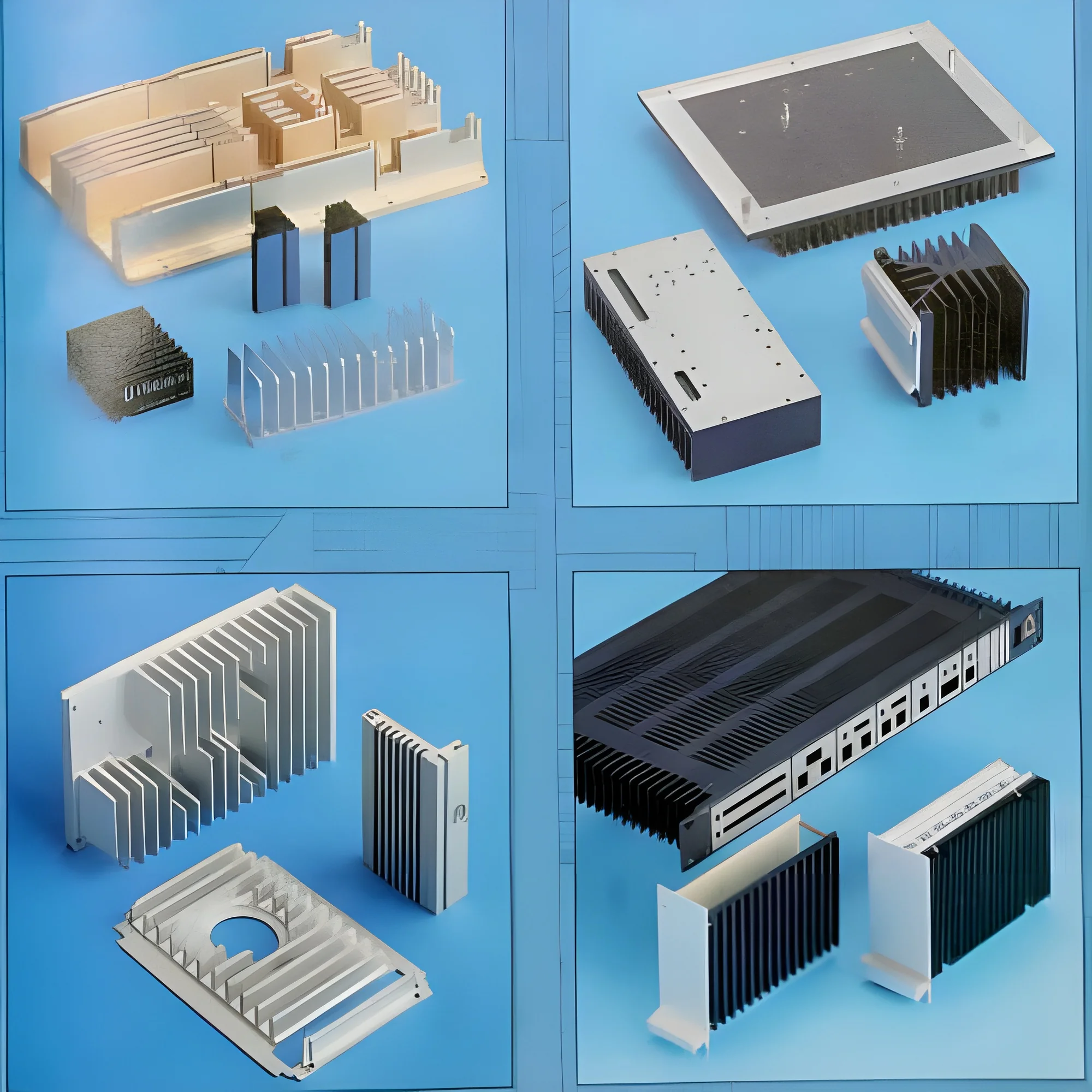
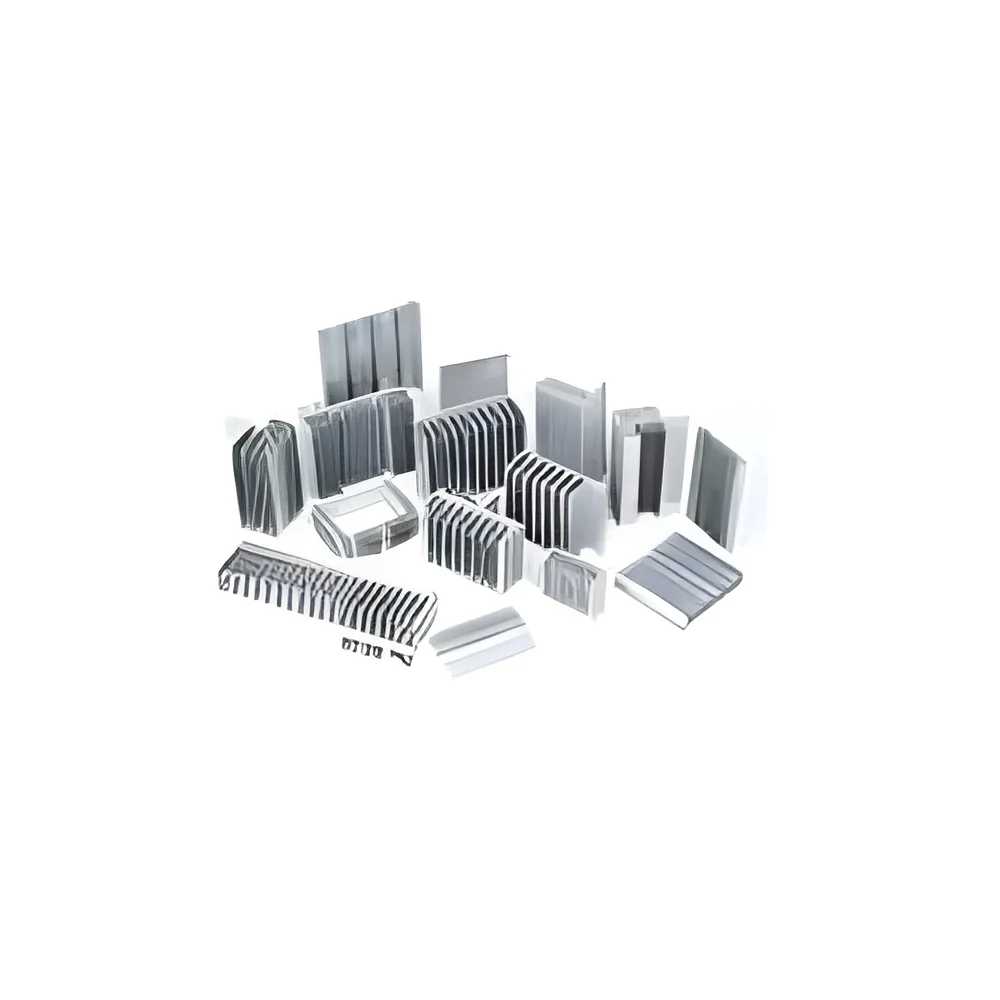
Heat sinks come in various designs, including passive and active models. Passive heat sinks rely on natural convection, while active heat sinks incorporate fans to enhance heat dissipation.
Benefits and Advantages
Cooling fans and heat sinks offer several advantages that make them indispensable in industrial applications.
1. Enhanced Performance: They help maintain optimal operating temperatures, preventing overheating and ensuring reliable performance of electronic components.
2. Increased Longevity: By managing heat effectively, these components can extend the lifespan of machinery and electronic devices.
3. Energy Efficiency: Improved cooling solutions can lead to lower energy consumption, contributing to cost savings in operations.
4. Versatility: Available in various sizes and configurations, these products can be tailored to meet specific application requirements.
5. Easy Integration: Cooling fans and heat sinks can be easily integrated into existing systems, providing immediate benefits without extensive modifications.
6. Cost-Effectiveness: Their role in preventing damage from overheating can lead to significant savings in repair and replacement costs.
Buying Guide for B2B Buyers
When sourcing cooling fans and heat sinks, several key factors should be considered to ensure a suitable purchase.
1. Quality Assessment: Evaluate the quality of the products by reviewing specifications and performance metrics. Look for manufacturers that adhere to recognized quality standards.
2. Supplier Verification: Research potential suppliers to ensure they have a good reputation and reliability. Verify their experience in the industry and obtain references if necessary.
3. Pricing and MOQ: Consider the price range and minimum order quantities. Assess whether the pricing aligns with your budget and whether the supplier can accommodate your order size.
4. Delivery and Lead Times: Discuss logistics with suppliers to understand delivery times. Ensure that they can meet your timeline requirements to avoid disruptions in your operations.
5. Compliance Requirements: Check for any relevant industry regulations or certifications, such as CE marking, that may apply to the products you are purchasing.
Compliance and Certifications
Compliance with industry standards and certifications is crucial for ensuring the quality and safety of cooling fans and heat sinks. Many manufacturers adhere to ISO 9001 standards, which outline quality management systems to enhance customer satisfaction. Additionally, adherence to HACCP and GDP guidelines is important for industries that require stringent safety measures, such as food and pharmaceuticals.
CE certification indicates that a product meets European health, safety, and environmental protection standards. This certification is essential for manufacturers looking to sell their products in the European market.
Testing and safety requirements vary by region and product type. Therefore, it is important to research the specific compliance needs relevant to your industry and region to ensure that the products meet all necessary regulations.
Why Source Cooling Fans & Heat Sinks from Pepagora?
Pepagora provides a trusted platform for sourcing cooling fans and heat sinks, offering numerous advantages for B2B buyers.
Verified Supplier Network: Pepagora connects businesses with verified suppliers who have demonstrated reliability in providing quality products. This network ensures that buyers can trust the manufacturers they choose.
Streamlined RFQ Process: The platform features a simplified Request for Quotation (RFQ) process that allows buyers to efficiently solicit quotes from multiple suppliers. This saves time and streamlines the procurement process.
Trade Assurance and Support: Buyers can benefit from trade assurance, which protects their purchases and ensures they receive quality products. Additionally, Pepagora offers dedicated support to assist buyers throughout the sourcing process.
Regional Coverage: With a strong presence in India, the GCC, and Southeast Asia, Pepagora enables businesses to source cooling fans and heat sinks from a wide range of suppliers, ensuring they can meet their specific needs and preferences.

 IN
IN
 India
India