
 IN
Webcams & Headsets
1 products available
What are Webcams & Headsets?
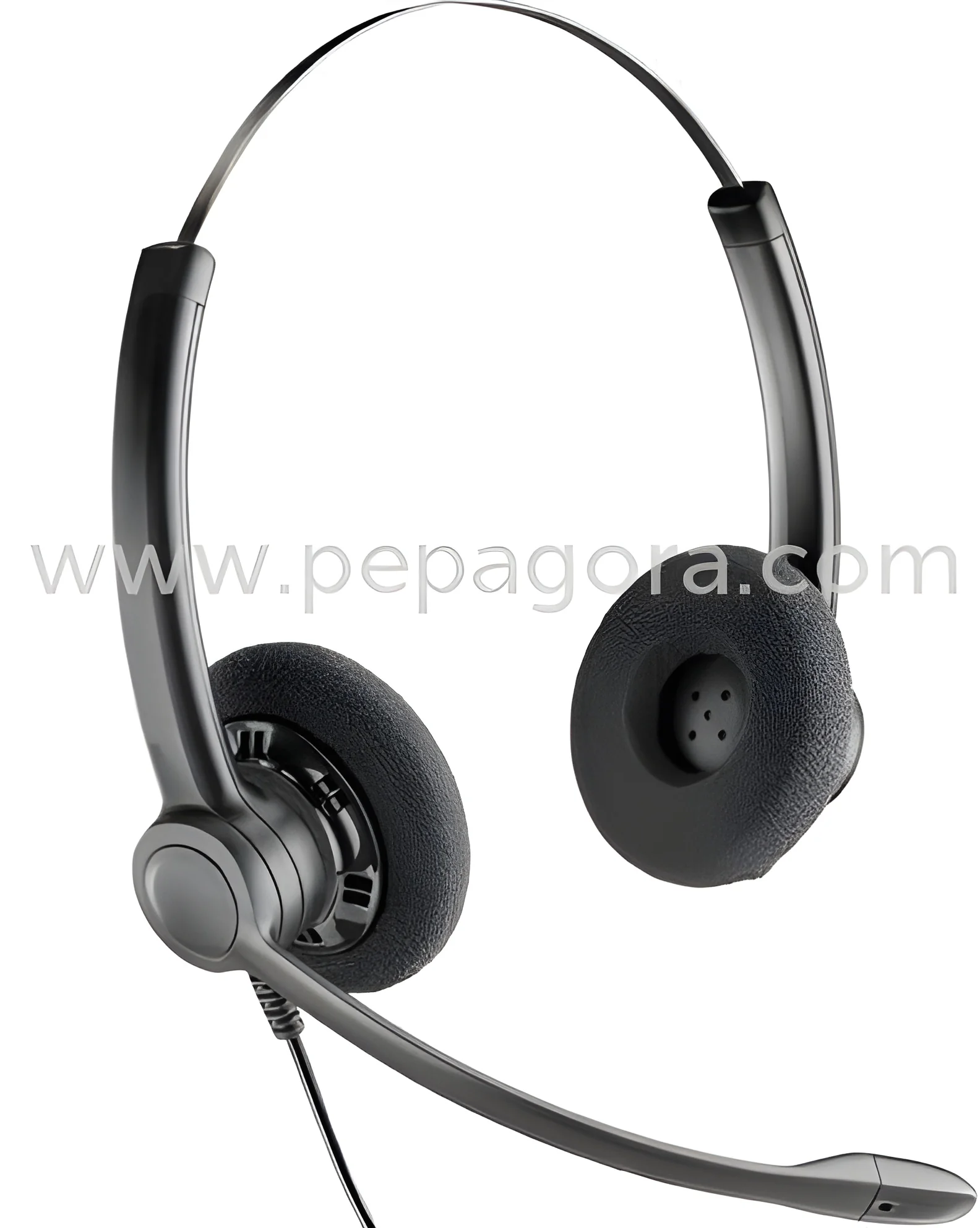
Webcams and headsets are essential tools in the modern business environment. A webcam is a digital camera that connects to a computer or network, enabling video capturing and streaming. Headsets are audio devices that combine headphones and a microphone, allowing for clear communication during calls or video conferences. Together, they enhance virtual interactions, making it possible for individuals and teams to connect effectively regardless of their physical location.
In business settings, webcams and headsets are primarily used for video conferencing, online training, and remote collaboration. They facilitate real-time communication, enabling employees to engage with clients, colleagues, and partners seamlessly. As remote work becomes increasingly prevalent, the demand for high-quality webcams and headsets continues to rise, highlighting their significance in maintaining productivity and connection in various industries.
The relevance of webcams and headsets spans multiple sectors, including education, healthcare, and corporate environments. As organizations adapt to digital transformation, these tools play a critical role in enhancing communication and collaboration. The market for webcams and headsets is expected to grow as businesses prioritize investments in technology that supports remote work and effective virtual interactions.
Key Features and Specifications
Webcams and headsets come with a range of features that cater to different business needs. Understanding these specifications is crucial for making informed purchasing decisions. The following details highlight key specifications to consider when selecting these products.
Key specifications include:
1. Video Resolution
- Common resolutions include 720p, 1080p, and 4K.
- Higher resolutions provide clearer and more detailed images.
2. Frame Rate
- Standard frame rates are 30fps and 60fps.
- A higher frame rate improves video smoothness during streaming.
3. Microphone Type
- Options include built-in microphones and external microphones.
- External microphones typically offer better sound quality.
4. Connectivity
- USB and wireless options are available.
- Wireless models offer greater flexibility and mobility.
5. Compatibility
- Check compatibility with operating systems and software applications.
- Most webcams and headsets support major platforms like Windows and Mac.
6. Field of View
- Typical fields of view range from 60 to 120 degrees.
- A wider field of view is beneficial for group meetings.
7. Noise Cancellation
- Active noise cancellation features improve audio clarity.
- Essential for environments with background noise.
8. Adjustable Features
- Look for adjustable stands and flexible headbands.
- Enhances comfort during extended use.
In summary, selecting webcams and headsets with the right specifications is vital for optimizing communication capabilities in a business setting.
Common Applications and Use Cases
Webcams and headsets serve a variety of industries, enhancing communication and collaboration.
1. Education: Instructors use webcams and headsets for online teaching, allowing students to participate in interactive lessons from anywhere.
2. Healthcare: Telemedicine relies on these tools for virtual consultations, enabling doctors to assess patients remotely while maintaining clear audio and video quality.
3. Corporate: Businesses utilize webcams and headsets for video conferencing, fostering team collaboration and client engagement in a remote environment.
4. Customer Support: Support teams employ these devices to handle customer inquiries through video calls, providing a personal touch to service.
5. Media Production: Creatives use high-quality webcams and headsets for live streaming and content creation, ensuring professional audio and video output.
6. Remote Work: Employees rely on webcams and headsets for day-to-day tasks, maintaining productivity while working from home or in hybrid setups.
7. Training and Development: Organizations implement webinars and online training sessions, where webcams and headsets are crucial for effective communication.
Product Variants and Subcategories
Webcams and headsets come in various models to suit different needs and preferences. This diversity allows businesses to select products that best fit their requirements.
Webcam Model A
This model features 1080p resolution and a wide field of view, making it ideal for group meetings. It includes built-in noise-cancelling microphones for enhanced audio clarity.
Webcam Model B
Designed for high-definition streaming, this model offers 4K resolution and adjustable settings. It is suitable for content creators and professionals in media production.
Headset Model A
This headset includes active noise cancellation and a comfortable design, perfect for long-duration use during meetings and calls. It connects via USB for easy setup.
Headset Model B
With a wireless design and superior sound quality, this headset is ideal for remote employees who require mobility during video calls and online collaboration.
Benefits and Advantages
Utilizing webcams and headsets provides numerous advantages for businesses looking to enhance their communication strategies.
Key benefits include:
1. Improved Communication: High-quality audio and video capabilities ensure clear interactions, reducing misunderstandings during meetings.
2. Enhanced Collaboration: These tools facilitate remote teamwork, allowing employees to connect and share ideas efficiently.
3. Increased Productivity: Webcams and headsets enable virtual meetings, saving travel time and allowing teams to focus on work.
4. Cost-Effective Solutions: Investing in these technologies can lead to significant savings on travel and in-person meeting expenses.
5. Versatile Applications: Webcams and headsets can be used across various industries and functions, making them valuable assets for any organization.
6. User-Friendly: Most models are easy to install and operate, requiring minimal technical knowledge for effective use.
Buying Guide for B2B Buyers
When sourcing webcams and headsets, it is essential to consider several factors to ensure the right selection for your business needs.
1. Quality Assessment: Evaluate the build quality and performance specifications. Look for reputable brands known for reliability and durability.
2. Supplier Verification: Vet suppliers for their credibility and service history. Ensure they have positive reviews and a solid track record in delivering quality products.
3. Pricing and MOQ: Compare prices across different suppliers and be aware of minimum order quantities to find options that fit your budget.
4. Delivery and Lead Times: Consider logistics when sourcing, including supplier delivery times and shipping methods to ensure timely receipt of products.
5. Compliance Requirements: Check for any regulatory compliance standards that may apply to your industry. Ensure products meet necessary certifications, such as CE.
Compliance and Certifications
Compliance and certifications play a crucial role in ensuring the quality and safety of webcams and headsets in the market. Adhering to relevant quality standards, such as ISO 9001, ensures that products meet international benchmarks for quality management.
Industry certifications, including CE marking, indicate that products comply with European safety, health, and environmental protection standards. These certifications provide assurance to buyers regarding the reliability and safety of the products.
Additionally, manufacturers must meet specific safety and testing requirements to ensure that webcams and headsets perform as intended without posing risks to users. Regional compliance considerations may vary, so it is essential for buyers to understand local regulations and standards applicable to their specific market.
Why Source Webcams & Headsets from Pepagora?
Pepagora is a trusted platform for sourcing webcams and headsets, offering several key advantages for B2B buyers.
Verified Supplier Network: Pepagora ensures that all suppliers are thoroughly vetted, providing buyers with confidence in the quality and reliability of the products available.
Streamlined RFQ Process: The platform features a user-friendly request for quotation system, enabling buyers to easily compare offers and select the best options tailored to their needs.
Trade Assurance and Support: Pepagora prioritizes buyer protection through trade assurance policies, ensuring that transactions are secure and that buyers receive the support they need throughout the purchasing process.
Regional Coverage: With a wide geographic reach across India, GCC, and Southeast Asia, Pepagora connects buyers with suppliers in key markets, simplifying the sourcing process and expanding business opportunities.

Frequently Asked Questions
What are Webcams & Headsets?
Webcams & Headsets are electronic devices used for video communication and audio input/output. Webcams capture video and transmit it over the internet, while headsets combine headphones and a microphone for clear audio during calls or gaming.
What are the different types of Webcams & Headsets?
There are several types of webcams, including built-in cameras, USB webcams, and professional-grade cameras for streaming. Headsets can be wired or wireless, and may vary in design, such as over-ear, on-ear, or in-ear styles.
How do I choose the right Webcams & Headsets?
To choose the right webcams and headsets, consider factors such as video resolution, microphone quality, connectivity options, and comfort. Evaluating your intended use, whether for professional meetings or casual gaming, can also guide your selection.
What are the standard specifications for Webcams & Headsets?
Standard specifications for webcams often include video resolution (HD or Full HD), frame rates, and field of view. For headsets, specifications typically involve audio quality (measured in frequency response), microphone sensitivity, and battery life for wireless models.
What is the price range for Webcams & Headsets?
The price range for webcams can vary from approximately INR 1,000 to INR 25,000, depending on features and brand. Similarly, headsets can range from INR 500 for basic models to over INR 20,000 for high-end options.
What quality standards apply to Webcams & Headsets?
Quality standards for webcams and headsets often include compliance with safety regulations and performance benchmarks. Additionally, certain products may adhere to international standards such as ISO or IEC for electronic devices.
Where can I find Webcams & Headsets suppliers in India?
You can find Webcams & Headsets suppliers in India through online B2B marketplaces like Pepagora.com, trade shows, and industry directories. Researching manufacturers and distributors in your area can also yield potential suppliers.
Can Webcams & Headsets be customized?
Yes, many suppliers offer customization options for webcams and headsets. Customizations can include branding, color options, and packaging tailored to specific business needs.
What is the typical minimum order quantity for Webcams & Headsets?
The typical minimum order quantity (MOQ) for webcams and headsets can vary by supplier, but it generally ranges from 50 to 100 units. It is advisable to check with individual suppliers for their specific MOQs.
What is the typical lead time for Webcams & Headsets?
The typical lead time for ordering webcams and headsets can vary based on the supplier and order quantity, but it usually ranges from 1 to 4 weeks. Custom orders may require longer processing times.
Why Businesses Trust Pepagora
Thousands of companies trust Pepagora to source smarter and sell faster
Expand Your Sales Globally

Source Smarter,Grow Faster
