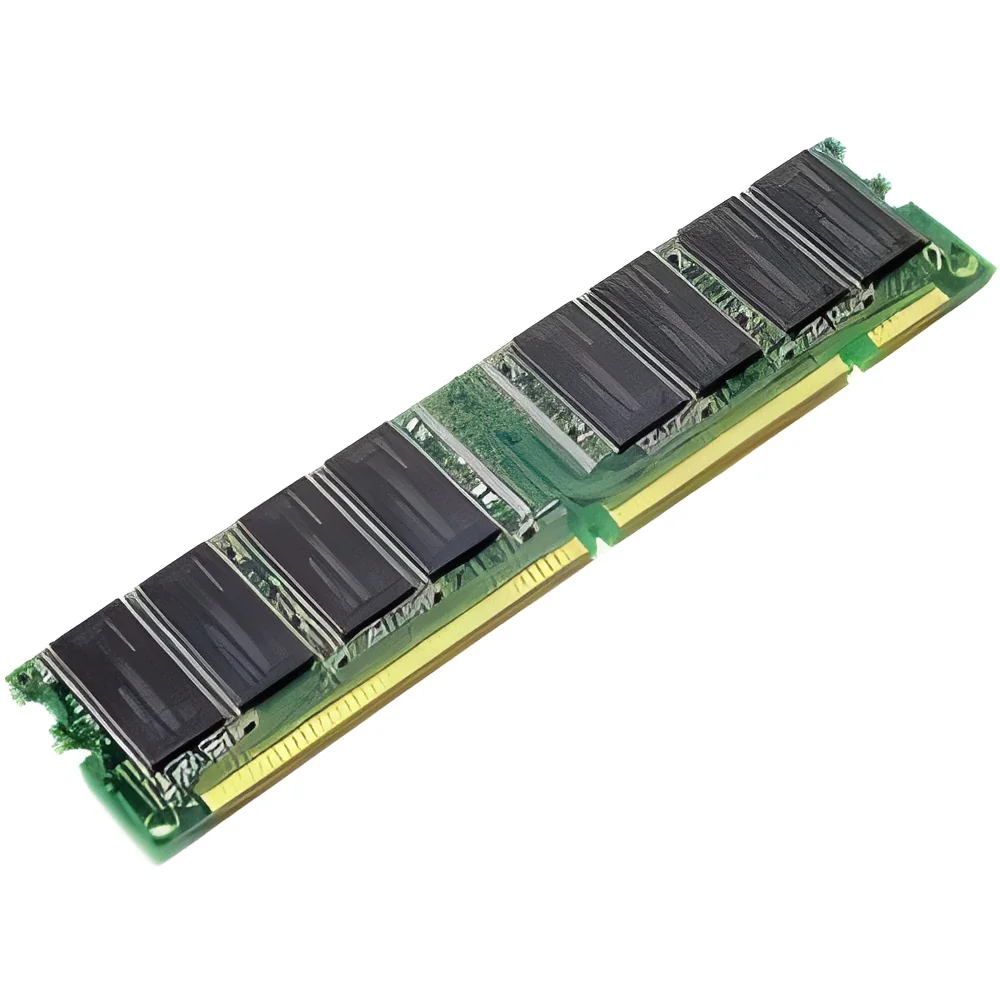
What are RAM & Memory Modules?
RAM, or Random Access Memory, is a type of volatile memory that provides high-speed data access to a computer's processor. It is crucial for enabling smooth operation and quick retrieval of data during active tasks. Memory modules are the physical components that house RAM chips, allowing for easy installation and upgrade in various devices. These modules come in different types, such as DDR4 and DDR5, catering to various performance needs in computing environments.
RAM and memory modules are widely used in a variety of business applications, including servers, workstations, and consumer electronics. In data centers, for instance, they facilitate efficient data processing and storage solutions, significantly impacting overall system performance. Industries such as gaming, multimedia production, and enterprise computing rely heavily on advanced RAM configurations to handle demanding workloads and ensure seamless user experiences.
In today's technology-driven market, the relevance of RAM and memory modules cannot be overstated. As businesses continually upgrade their systems to meet the demands of modern applications, the need for high-capacity, high-speed memory solutions grows exponentially. This trend drives innovation and competition among manufacturers, resulting in a dynamic market landscape that caters to various customer requirements.
Key Features and Specifications
RAM and memory modules come equipped with several key features that enhance performance and usability. Understanding these specifications is essential for businesses when selecting the right products.
Key specifications include:
1. Memory Type
- Common types include DDR4 and DDR5.
- Each type has specific speed and performance characteristics.
2. Capacity
- Available in various sizes, typically ranging from 4GB to 64GB per module.
- Higher capacities allow for better multitasking and performance.
3. Speed
- Measured in megahertz (MHz), with common speeds ranging from 2400MHz to 5000MHz.
- Higher speeds lead to faster data transfer rates.
4. Form Factor
- Common form factors include DIMM for desktops and SO-DIMM for laptops.
- Compatibility with devices is critical for performance.
5. Voltage
- Operating voltages generally range from 1.2V to 1.5V.
- Lower voltage memory can reduce power consumption.
6. Latency
- Measured in CAS latency (CL), with lower numbers indicating faster response times.
- Important for overall memory performance.
7. ECC Support
- Error-Correcting Code (ECC) memory is available for critical applications.
- Provides error detection and correction for increased reliability.
8. Heat Spreader
- Some modules feature heat spreaders to dissipate heat efficiently.
- Enhanced cooling can improve performance stability.
In summary, understanding these specifications allows businesses to choose RAM and memory modules that best suit their operational needs, ultimately enhancing system performance.
Common Applications and Use Cases
RAM and memory modules serve various industries, each with specific applications that benefit from high-performance memory solutions.
1. Data Centers: In data centers, RAM is critical for managing large volumes of data and ensuring quick access for multiple users simultaneously.
2. Gaming: The gaming industry demands high-speed memory to support advanced graphics and real-time processing, enhancing the overall gaming experience.
3. Multimedia Production: Video editing and graphic design applications require substantial memory to handle large files and complex rendering tasks.
4. Cloud Computing: In cloud environments, scalable RAM solutions are essential for accommodating fluctuating workloads and ensuring service reliability.
5. Financial Services: Financial institutions rely on fast RAM for real-time data analysis and transaction processing, which is crucial for decision-making.
6. Scientific Research: Research applications often involve large datasets and complex computations, necessitating high-capacity memory for efficient processing.
7. Telecommunications: Memory modules support the infrastructure of telecommunications systems, enabling faster data transmission and connectivity.
Product Variants and Subcategories
While specific subcategories are not available, RAM and memory modules can be diverse in their configurations and applications.
DDR4 Memory Modules
These modules are designed for efficiency and speed, making them suitable for a wide range of consumer and enterprise applications. They provide excellent performance for gaming and professional workloads.
DDR5 Memory Modules
The latest generation of memory modules, DDR5 offers higher speeds and increased capacity. Ideal for cutting-edge applications, they support the demands of next-generation computing environments.
Benefits and Advantages
Investing in high-quality RAM and memory modules offers several significant advantages for businesses.
1. Enhanced Performance: High-speed memory ensures quicker data access, leading to improved system performance across various applications.
2. Increased Multitasking: Larger memory capacities allow for running multiple applications simultaneously without performance degradation.
3. Reliability: Quality RAM modules are designed to handle demanding workloads, ensuring system stability and reduced downtime.
4. Future-Proofing: Upgrading to the latest memory technology can prepare businesses for future demands and software requirements.
5. Energy Efficiency: Modern memory solutions often consume less power, contributing to lower operational costs and environmental sustainability.
6. Improved User Experience: Faster memory leads to more responsive systems, enhancing user satisfaction and productivity.
Buying Guide for B2B Buyers
When sourcing RAM and memory modules, businesses should consider several critical factors to ensure optimal performance and compatibility.
1. Quality Assessment: Evaluate the build quality and performance metrics of the RAM modules, ensuring they meet industry standards and specifications.
2. Supplier Verification: Vet suppliers by checking their track record and customer reviews to ensure they provide reliable products.
3. Pricing and MOQ: Understand the pricing structures and minimum order quantities to effectively manage budgets and inventory.
4. Delivery and Lead Times: Confirm lead times and delivery methods to ensure timely access to necessary components for operations.
5. Compliance Requirements: Check for compliance with relevant industry standards and certifications to avoid regulatory issues.
Compliance and Certifications
Compliance and certifications play a vital role in ensuring the quality and safety of RAM and memory modules.
Relevant quality standards such as ISO 9001 ensure that manufacturers adhere to high-quality management principles, which can lead to better products and customer satisfaction.
Industry certifications like UL and CE indicate that the products meet safety and performance standards, providing assurance to buyers about the reliability of the components.
In addition to safety certifications, memory modules must also undergo rigorous testing to ensure they perform under various conditions. This includes testing for stability, speed, and compatibility with different systems, ensuring that they meet the demands of various applications.
Buyers should also be aware of regional compliance considerations, as different markets may have specific regulations that must be followed for electronic components.
Why Source RAM & Memory Modules from Pepagora?
Pepagora provides a trusted platform for sourcing RAM and memory modules with several key advantages that cater to B2B buyers.
Verified Supplier Network: Pepagora connects businesses with a network of verified suppliers, ensuring that buyers have access to reliable and high-quality products. Each supplier undergoes a thorough vetting process to guarantee product integrity.
Streamlined RFQ Process: The platform features an efficient request for quotation (RFQ) system that simplifies the procurement process, allowing buyers to quickly compare offers and make informed decisions.
Trade Assurance and Support: Pepagora offers trade assurance and support services that protect buyers during transactions. This includes payment protection and assistance with order fulfillment, providing peace of mind.
Regional Coverage: With a strong presence in India, the GCC, and Southeast Asia, Pepagora can meet the sourcing needs of businesses across diverse geographical locations, ensuring timely access to essential components.
By choosing Pepagora, businesses can leverage these advantages to optimize their procurement processes for RAM and memory modules, ultimately enhancing their operational efficiency.

 IN
IN