IN
IN₹
Description
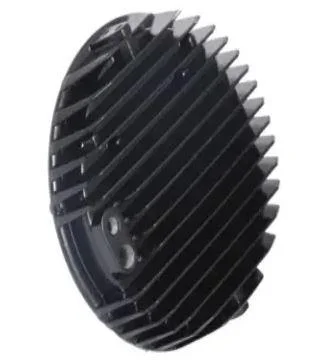
Heat sinks represent essential thermal management solutions designed to efficiently dissipate excess heat from electronic components, preventing overheating and ensuring optimal performance. Manufactured from high-conductivity materials like aluminum and copper, these devices transfer heat away from sensitive electronics through carefully engineered fin designs and surface areas. Their construction balances thermal efficiency with practical considerations of weight, size, and installation requirements, making them suitable for integration into various electronic systems. The fundamental principle involves absorbing heat from components and dispersing it into the surrounding environment, maintaining safe operating temperatures that extend equipment lifespan and prevent thermal-related failures.

Across multiple industries, these thermal management solutions play critical roles in maintaining operational stability. In computing and telecommunications, they protect processors and networki...
Heat sinks represent essential thermal management solutions designed to efficiently dissipate excess heat from electronic components, preventing overheating and ensuring optimal performance. Manufactured from high-conductivity materials like aluminum and copper, these devices transfer heat away from sensitive electronics through carefully engineered fin designs and surface areas. Their construction balances thermal efficiency with practical considerations of weight, size, and installation requirements, making them suitable for integration into various electronic systems. The fundamental principle involves absorbing heat from components and dispersing it into the surrounding environment, maintaining safe operating temperatures that extend equipment lifespan and prevent thermal-related failures.

Across multiple industries, these thermal management solutions play critical roles in maintaining operational stability. In computing and telecommunications, they protect processors and networking equipment from thermal throttling. Automotive manufacturers rely on them for electronic control units and power systems in both traditional and electric vehicles. Industrial applications include cooling power electronics in manufacturing equipment, while renewable energy systems utilize them in solar inverters and wind turbine controls. The versatility extends to consumer electronics, medical devices, and aerospace applications where reliable thermal management is non-negotiable for safety and performance.

The business value of these heat sinks lies in their ability to enhance system reliability while reducing maintenance costs and downtime. By preventing overheating, they minimize the risk of component failure and extend the operational life of electronic equipment. Their efficient thermal management contributes to energy savings by reducing the need for additional cooling systems and allowing electronics to operate at optimal efficiency. The reliability of these components translates to fewer warranty claims and service interruptions, while their standardized designs ensure compatibility with existing systems and straightforward integration into new installations.

Key Features:
- High thermal conductivity materials including aluminum and copper alloys
- Optimized fin designs for maximum surface area and heat dissipation
- Multiple mounting options for secure installation and thermal contact
- Corrosion-resistant finishes for long-term durability in various environments
- Standardized sizes compatible with common electronic components and systems

Benefits:
- Extends electronic component lifespan by preventing thermal damage
- Improves system reliability and reduces unexpected downtime
- Enhances energy efficiency by maintaining optimal operating temperatures
- Supports higher performance levels by preventing thermal throttling
- Easy integration with existing electronic systems and cooling solutions
Specifications
| Additional Information | |
|---|---|
| Country of Origin | India |
Application
These versatile heat sinks are engineered to address thermal challenges across diverse electronic systems. Their efficient heat dissipation capabilities make them suitable for applications where temperature control is critical for performance and safety, preventing component failure and maintaining consistent operation in demanding environments.
From compact consumer electronics to large-scale industrial installations, these thermal management solutions adapt to various cooling requirements. They work effectively in both active and passive cooling configurations, providing reliable temperature regulation that protects sensitive electronics and ensures uninterrupted functionality across different operational conditions.
Real-world applications:
- Cooling computer processors and graphics cards in data centers and workstations
- Thermal management for power inverters and converters in renewable energy systems
- Heat dissipation in automotive control modules and electric vehicle components
- Temperature regulation for LED lighting arrays and display systems
- Cooling industrial automation equipment and machinery control units
Trade Details
| Available Stock | In Stock |
| Sample Availability | No |
Payment Terms
| Payment Terms |
|
| Payment Methods |
|
Company Profile

Marcus Hi Tech Engineering Pvt Ltd, Tamil Nadu
 Tamil Nadu, India
Tamil Nadu, IndiaIndustrial Equipment & Machinery•Manufacturer
Factory Details
Factory SizeBelow 1000 sqm
High Performance Heat Sinks For Thermal Management In Electronics
High-performance heat sinks from trusted manufacturers provide efficient thermal management for electronic components, ensuring reliability and extended lifespan in computers, industrial machinery, automotive systems, and power electronics.
Min. Order Quantity: 1 piece
Shipping
Shipping fee and delivery date to be negotiated. Contact supplier now for more details.
Marcus Hi Tech Engineering Pvt Ltd
 Tamil Nadu, India
Tamil Nadu, IndiaIndustrial Equipment & MachineryManufacturer