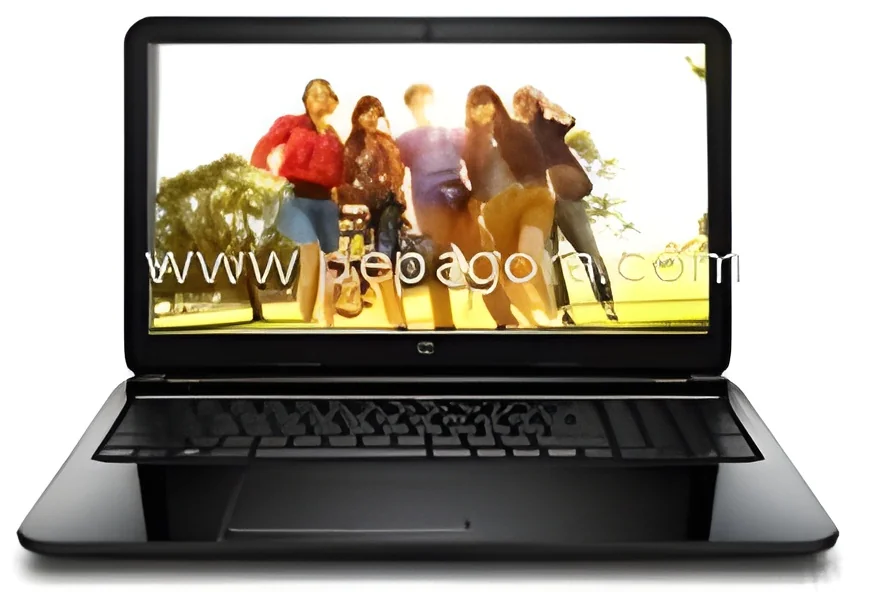
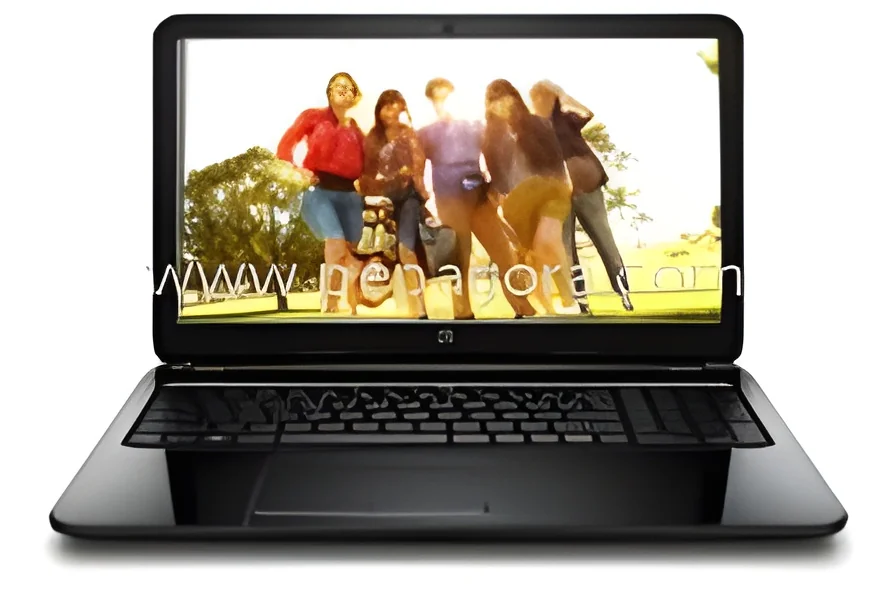
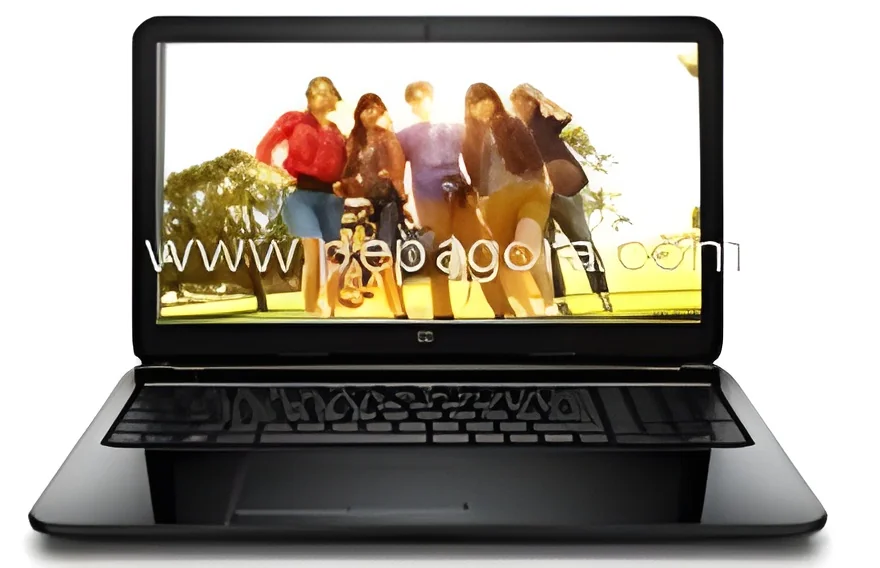
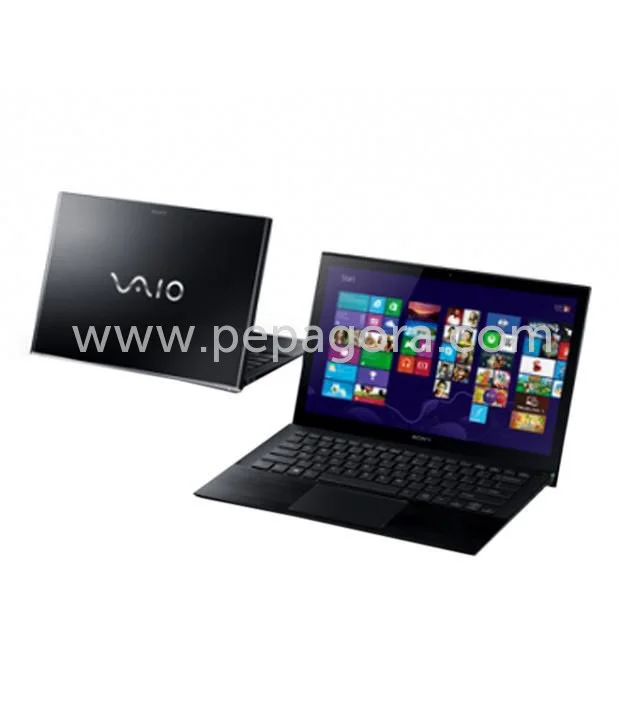
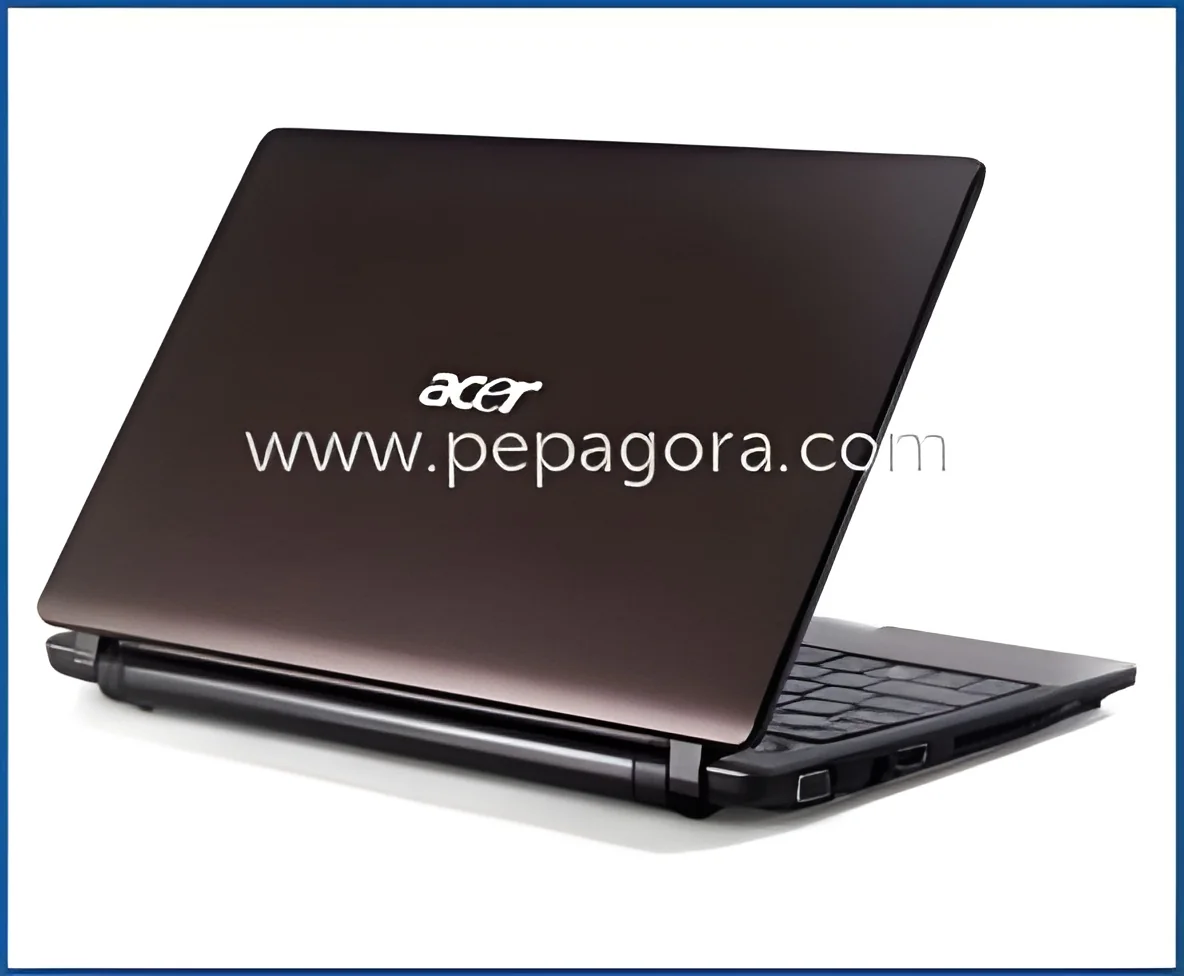
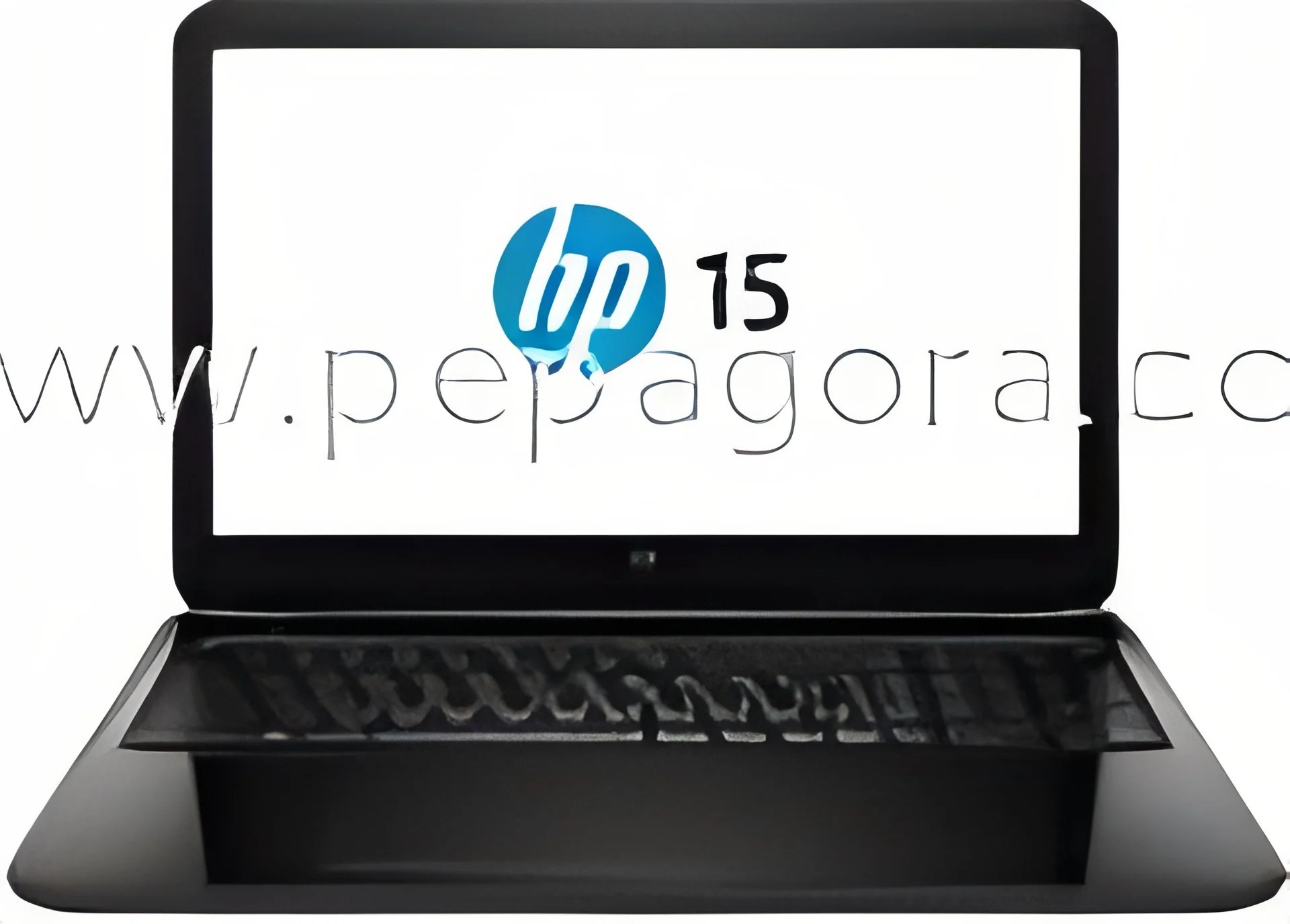
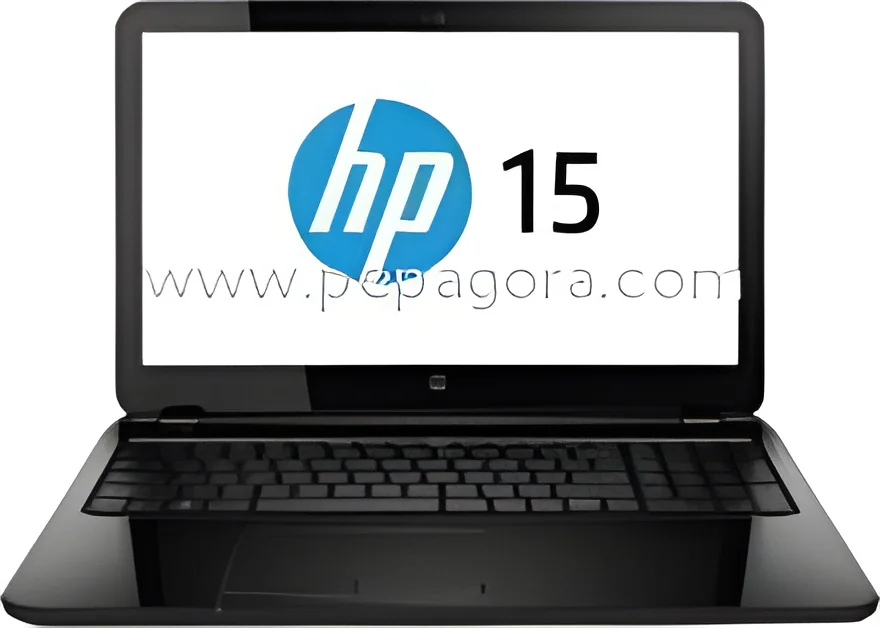
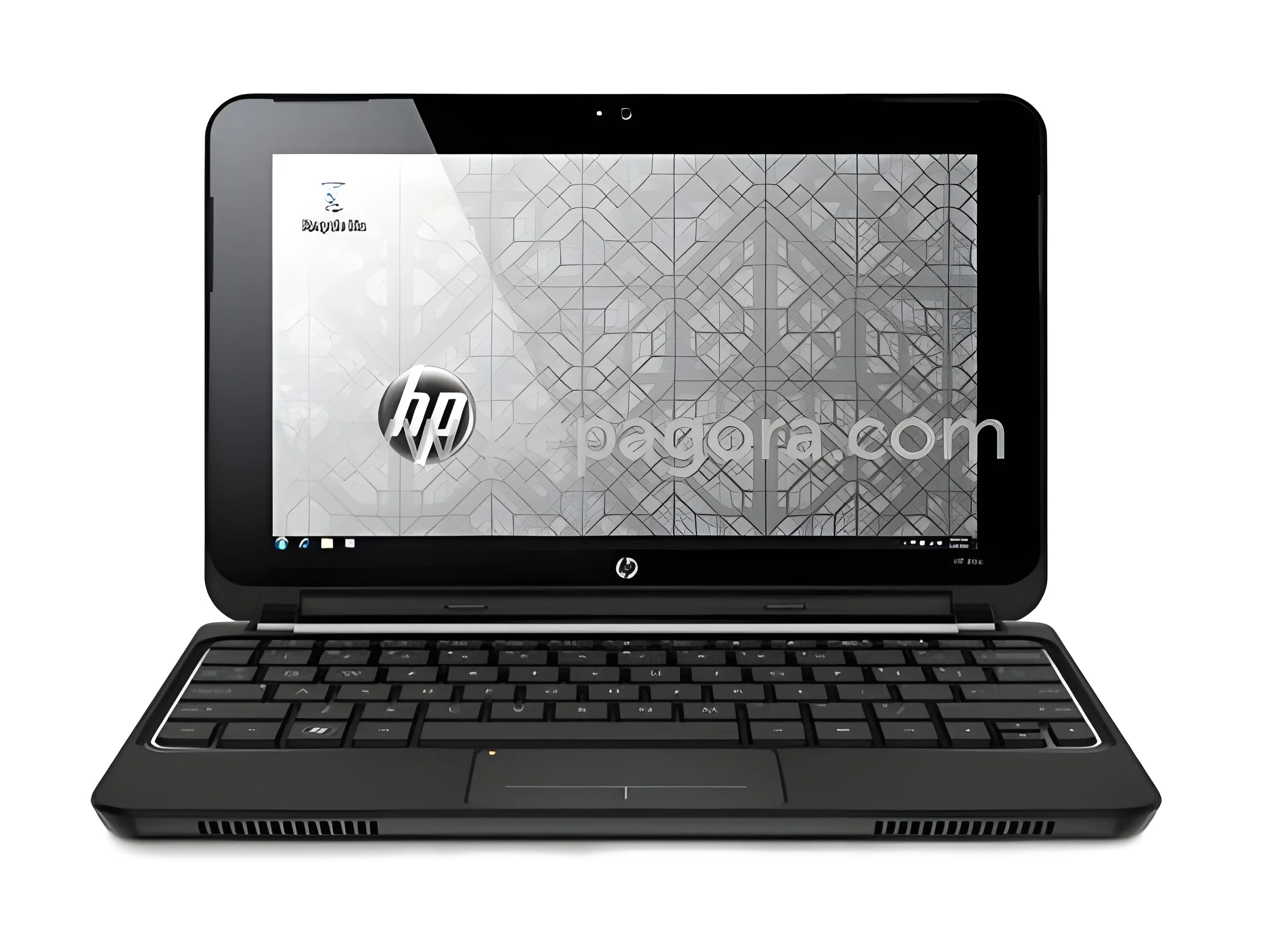
What are Business Laptops?
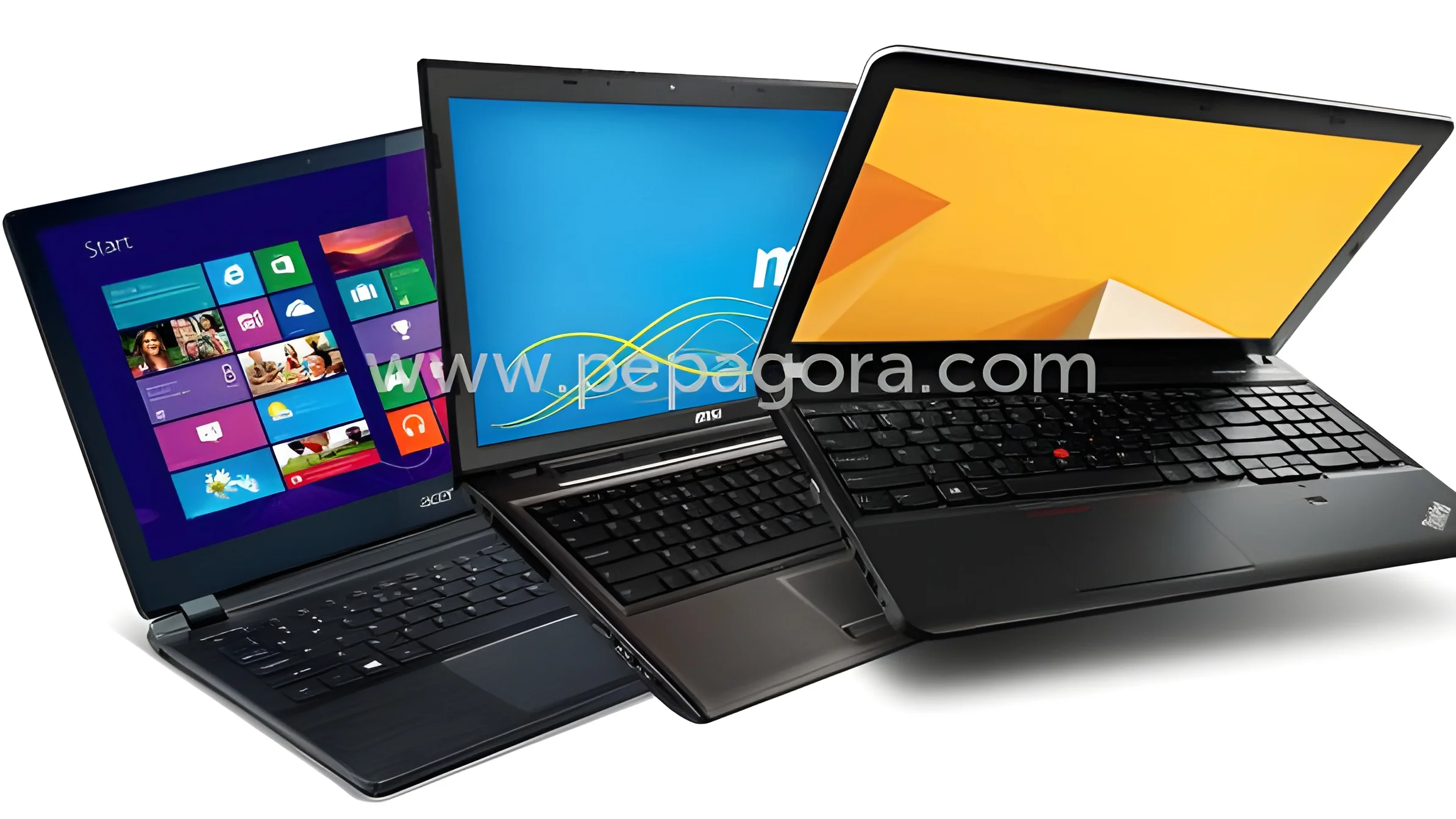
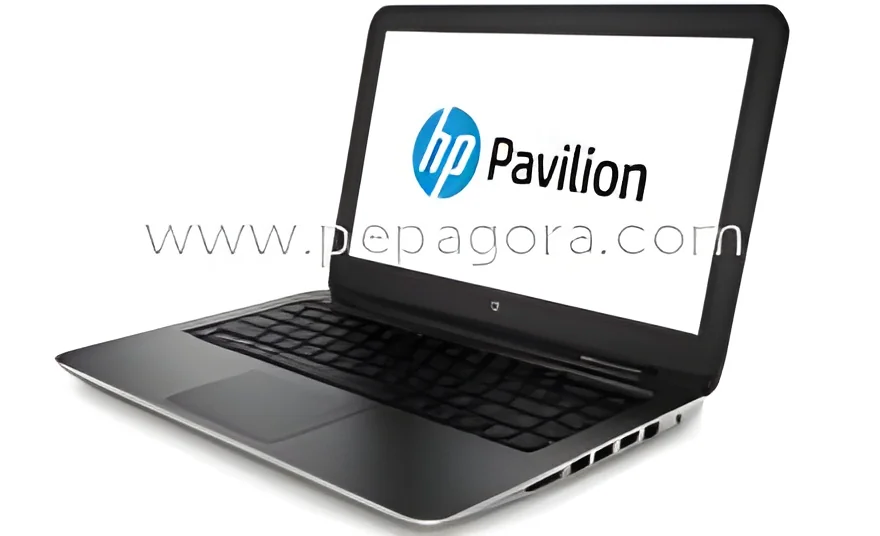
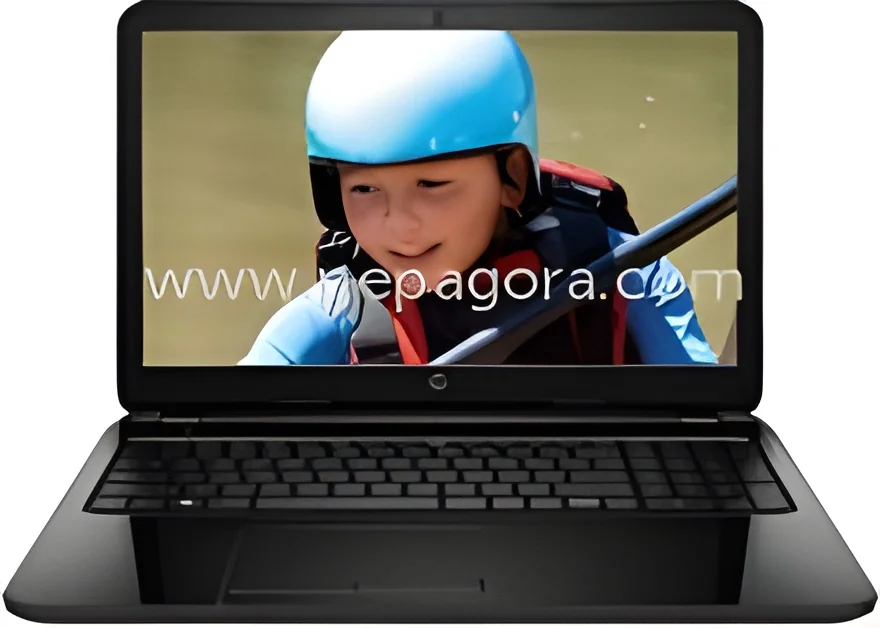
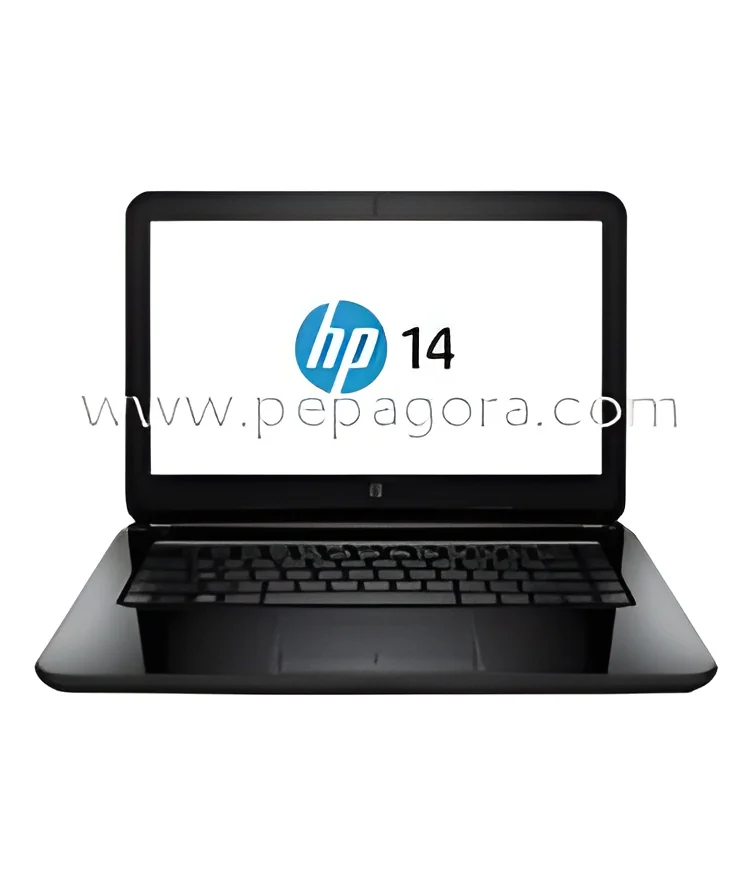
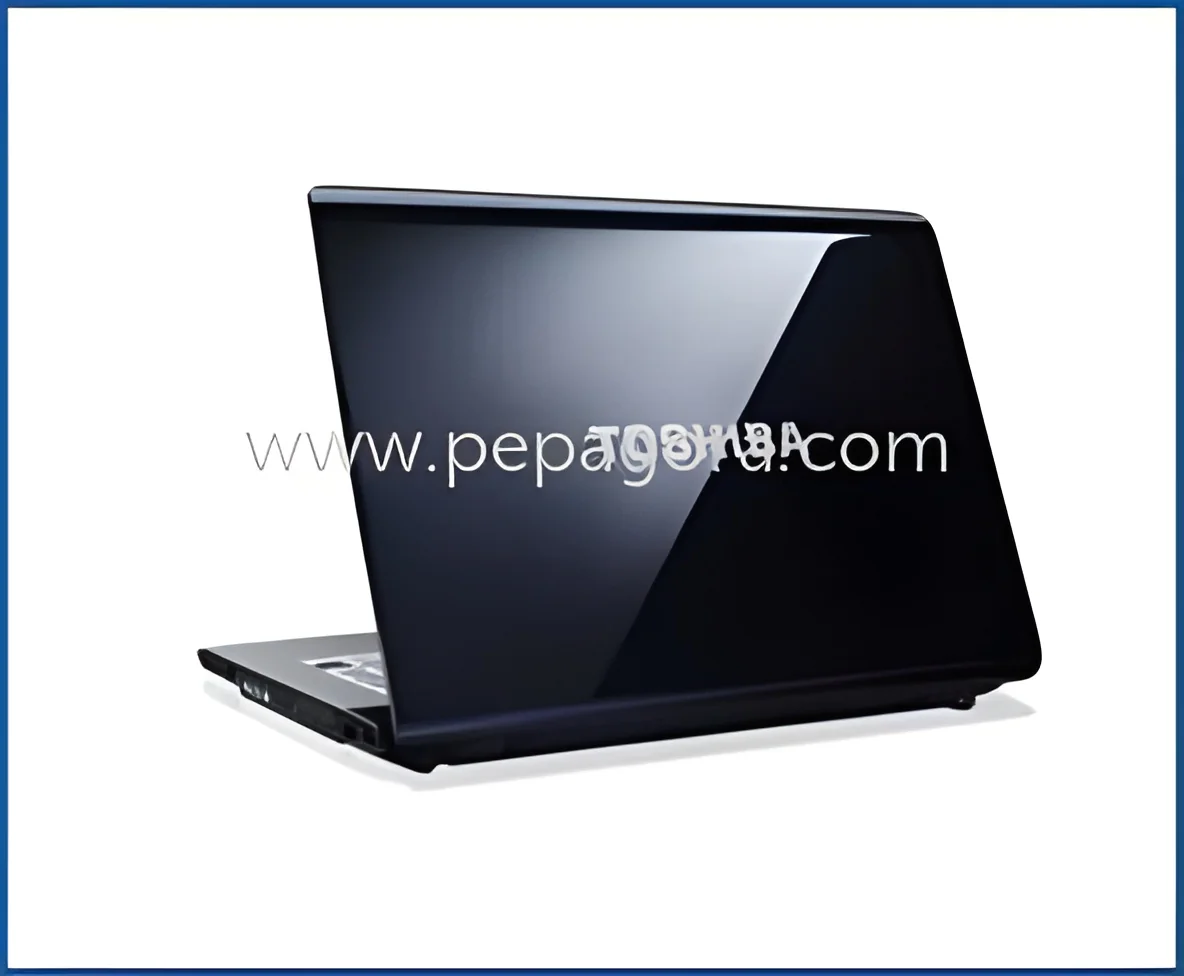
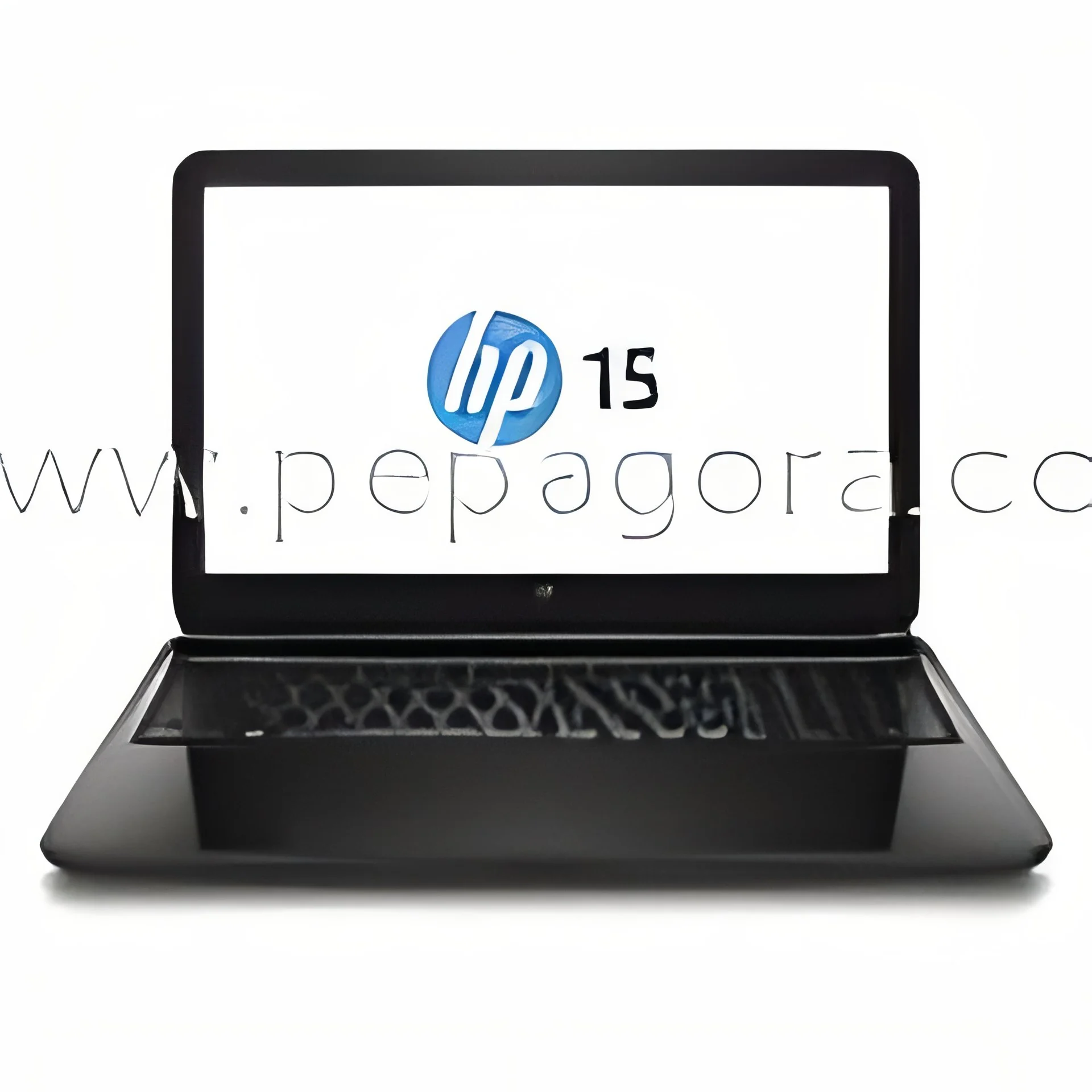
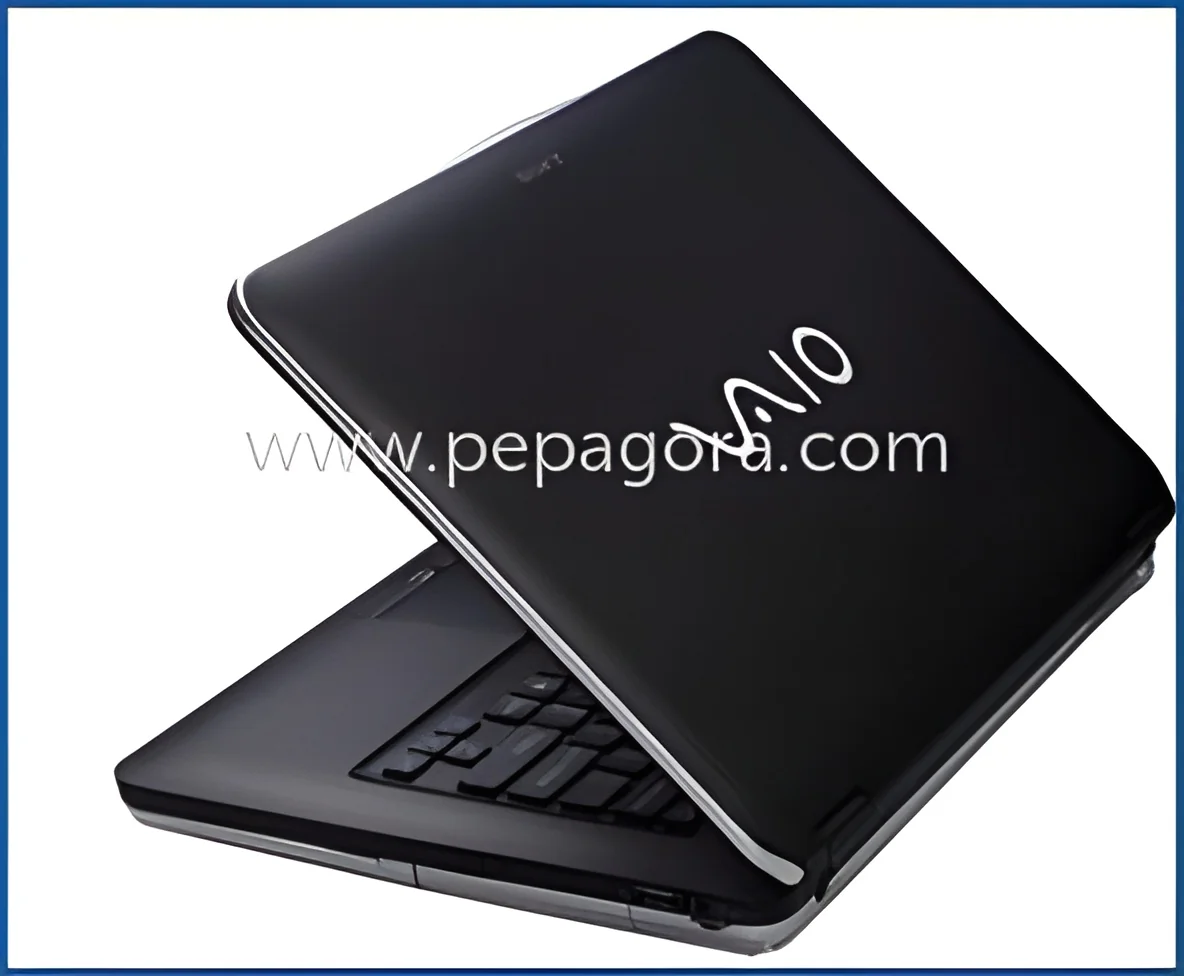
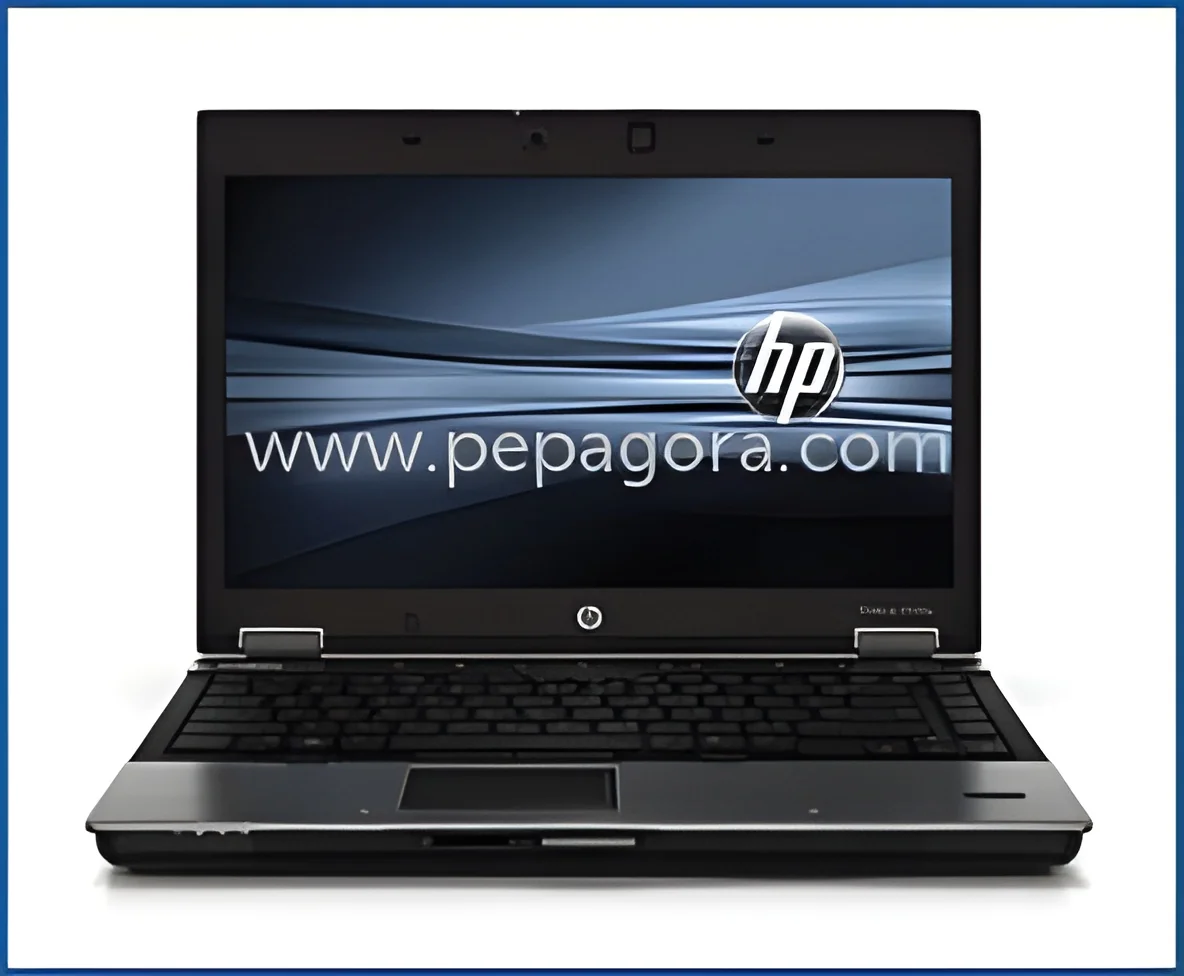
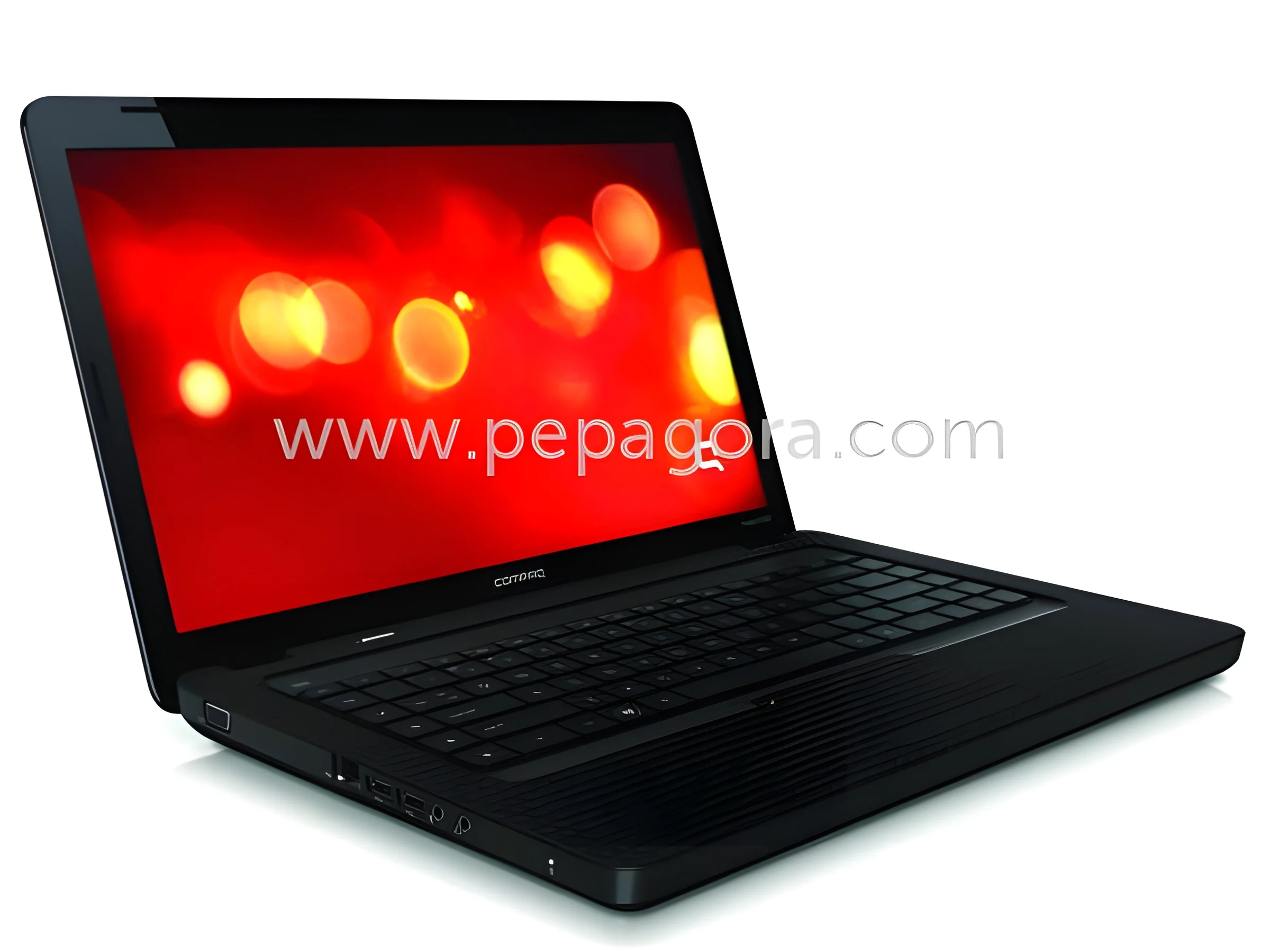
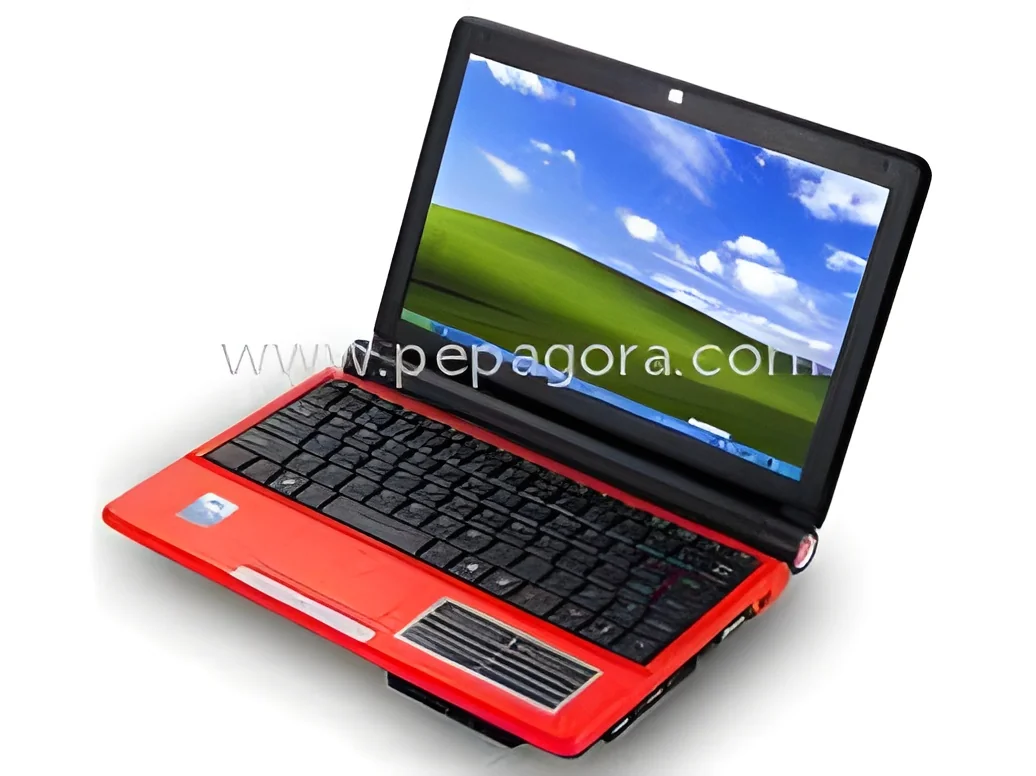
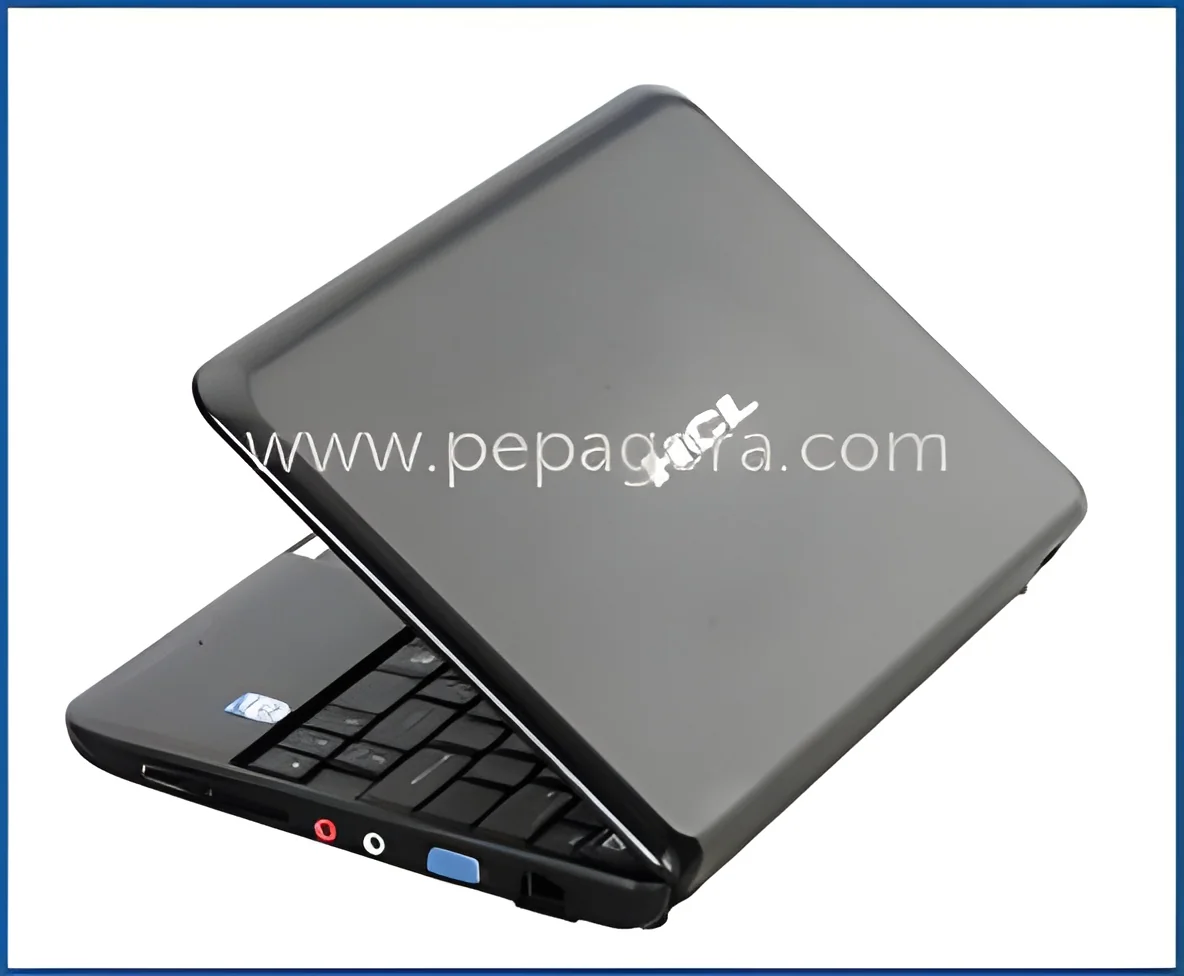
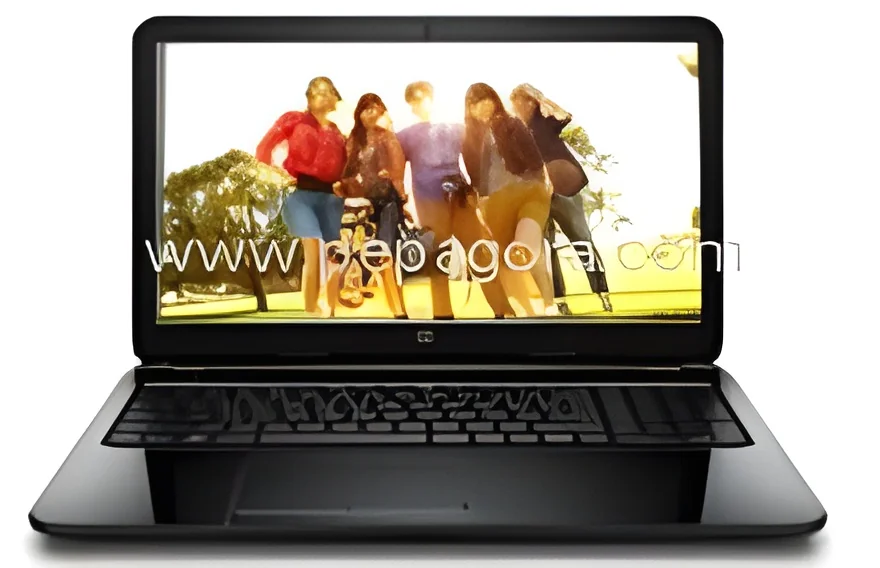
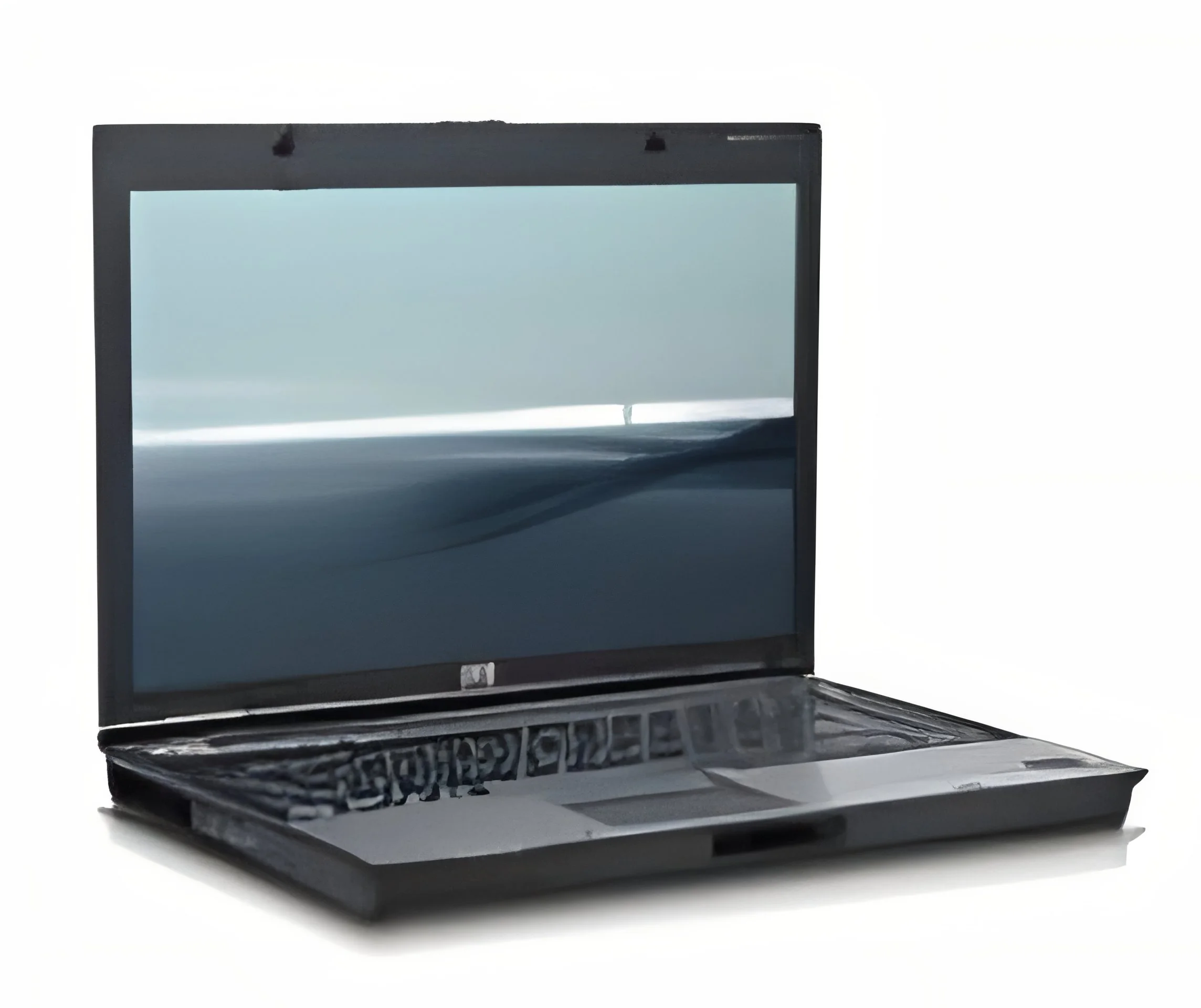
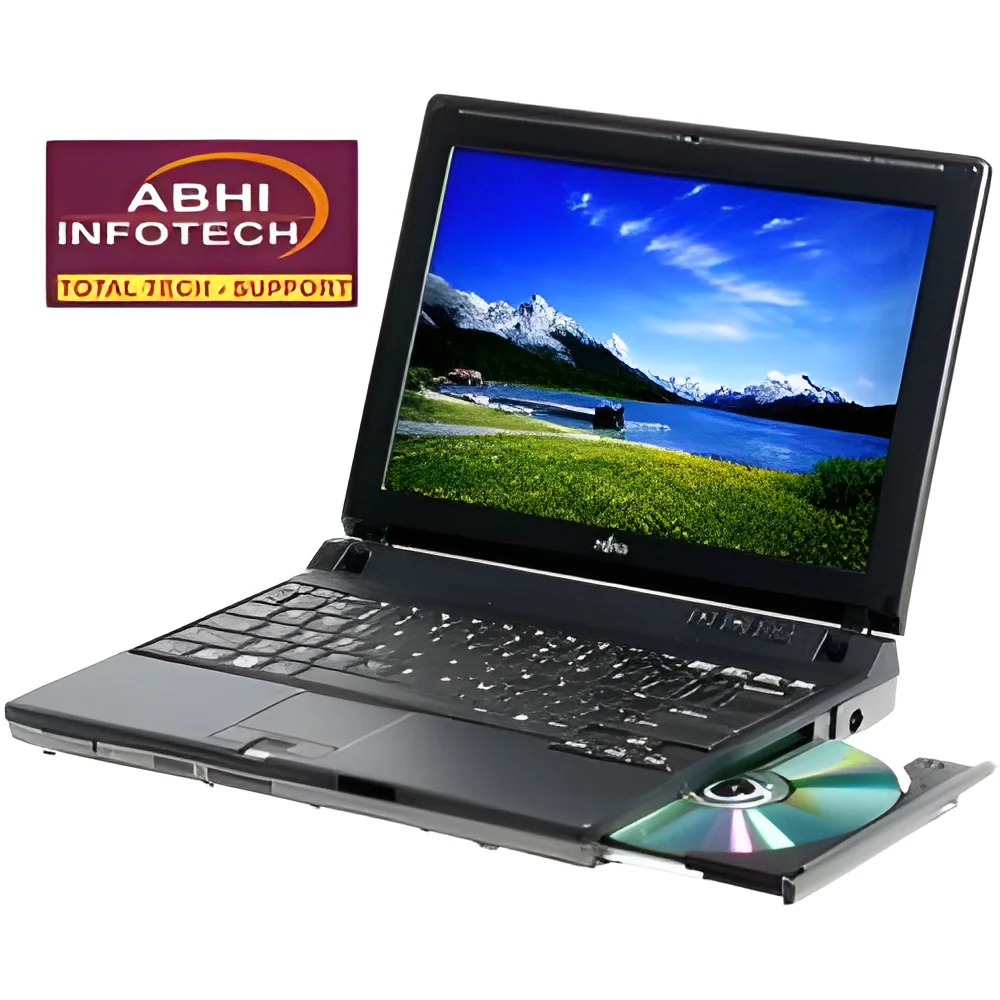
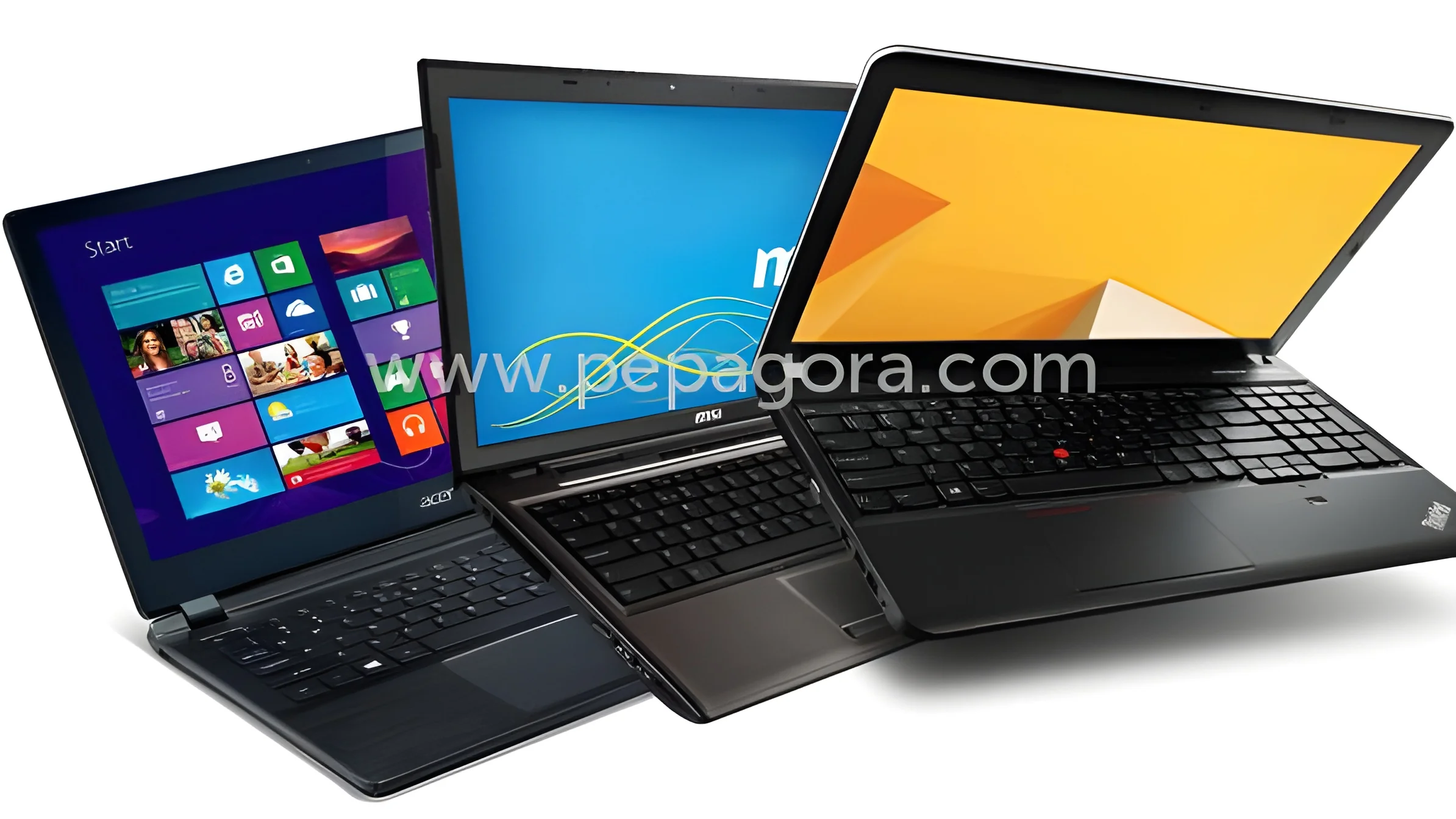
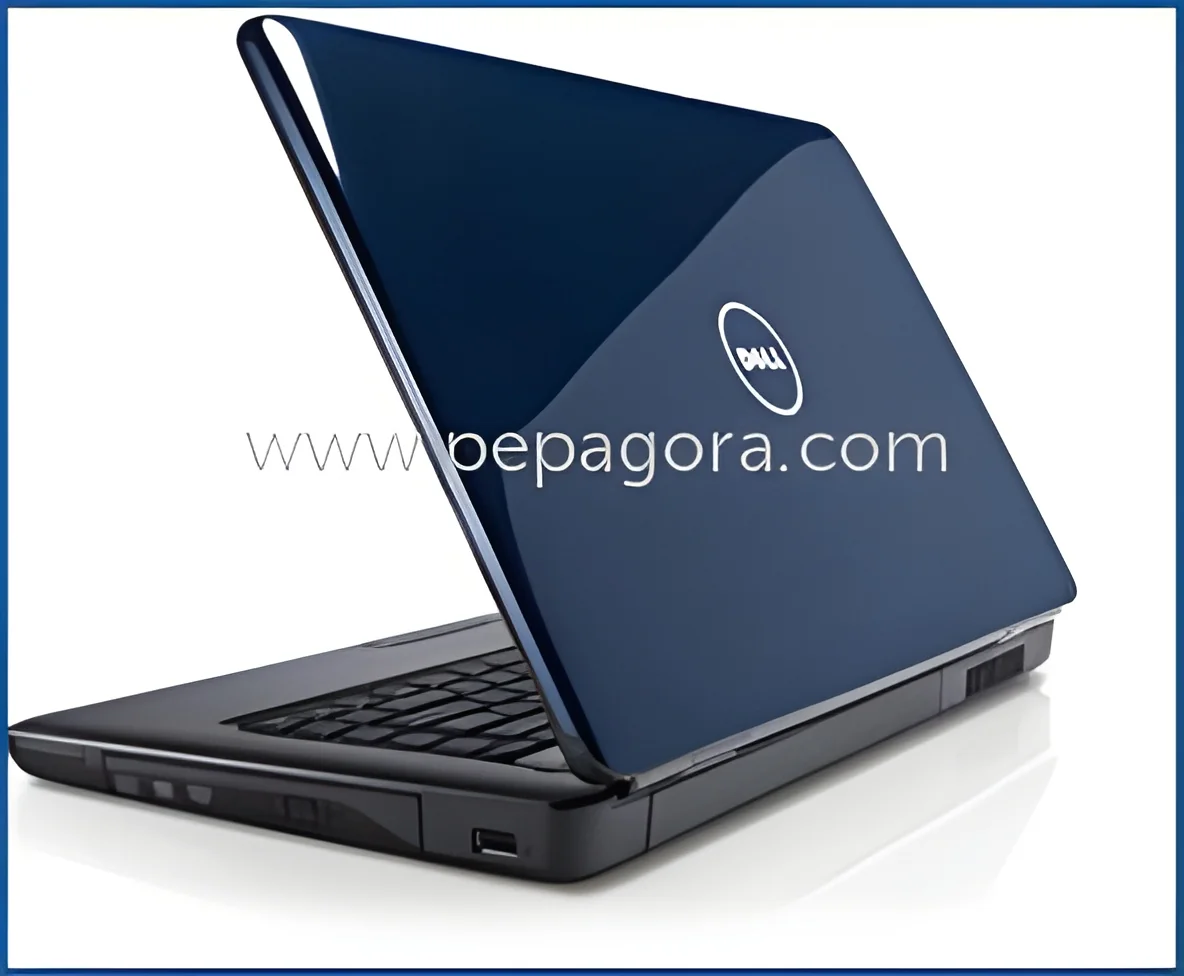
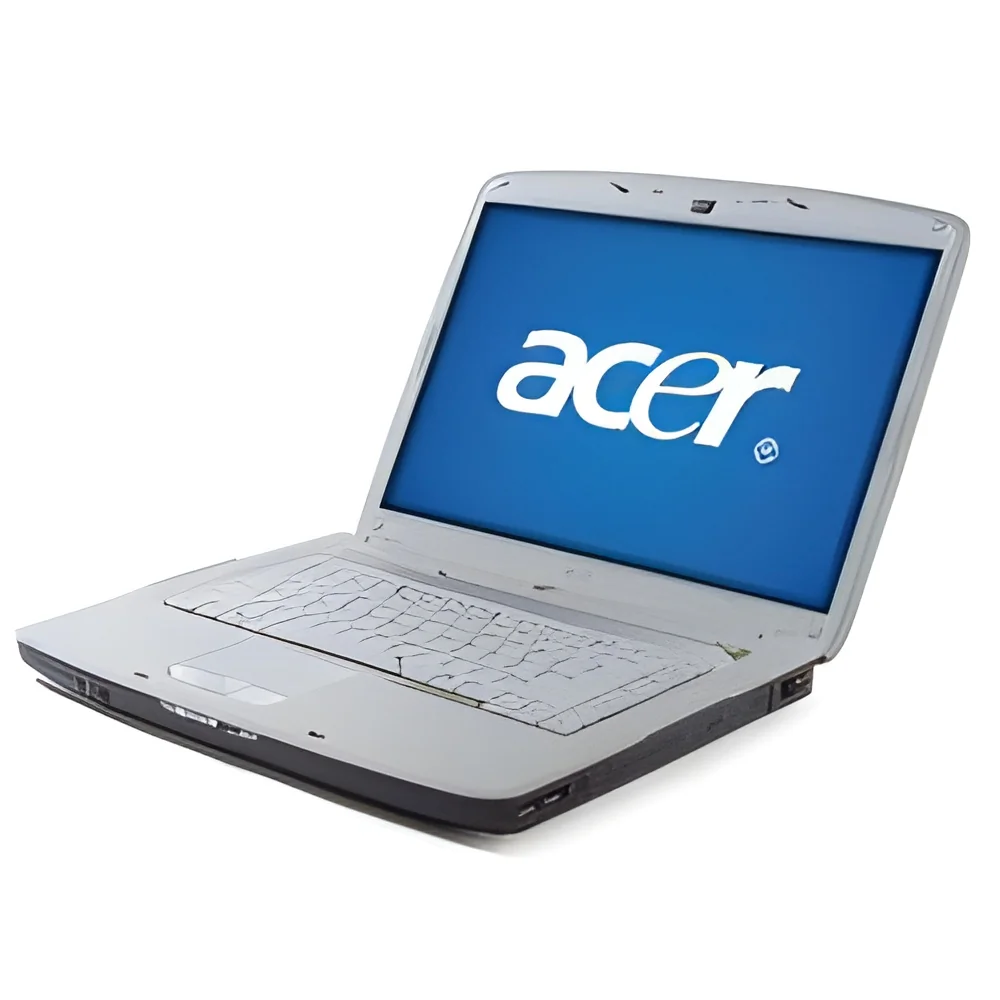
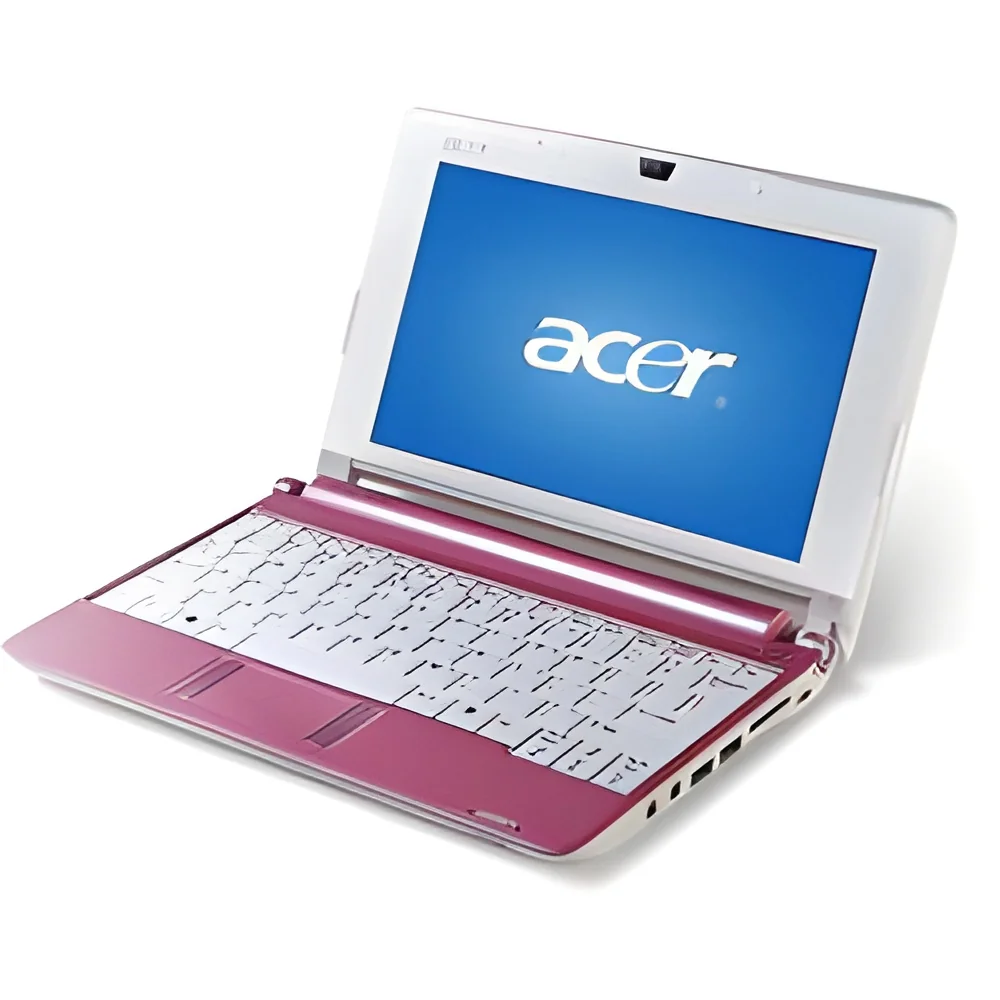
Business laptops are specifically designed computing devices that cater to the needs of professionals and organizations. Unlike standard consumer laptops, they offer enhanced durability, security, and performance features tailored for business environments. These machines are built to withstand the rigors of daily use in various workplace settings, ensuring reliability and longevity.
The primary applications of business laptops include tasks such as data analysis, project management, and communication. They often feature robust operating systems and software that support productivity and collaboration. Business laptops are vital tools for remote work, field operations, and office settings, making them indispensable in today's dynamic work culture.
In the current market, business laptops represent a significant segment of the overall computing industry. As companies increasingly prioritize mobility and flexibility, the demand for high-performance laptops that can handle demanding applications continues to grow. This trend highlights the importance of selecting the right business laptop to meet specific organizational needs.
Key Features and Specifications
Business laptops come equipped with a range of features and specifications that enhance their functionality and performance. These specifications are crucial for businesses to ensure they select a model that aligns with their requirements.
Key specifications include:
1. Processor Type
- Business laptops typically feature high-performance processors such as Intel Core i5 or i7.
- These processors provide efficient multitasking capabilities and speed for demanding applications.
2. Memory (RAM)
- Most business laptops offer a minimum of 8GB RAM, with options for 16GB or more.
- Higher RAM ensures smooth performance when running multiple applications simultaneously.
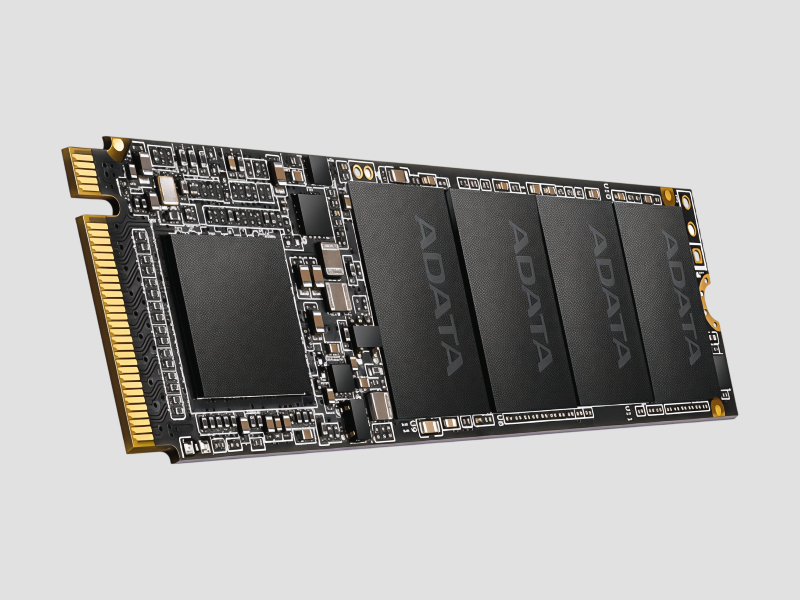
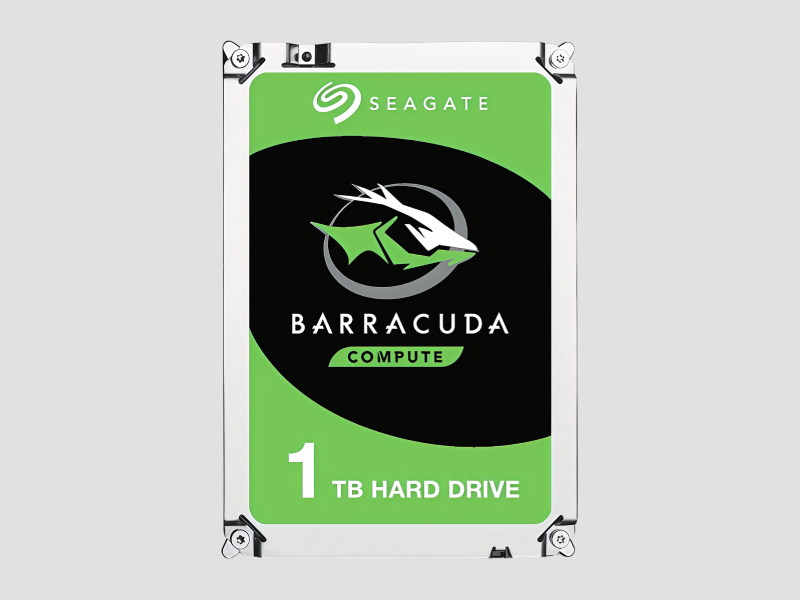
3. Storage Type
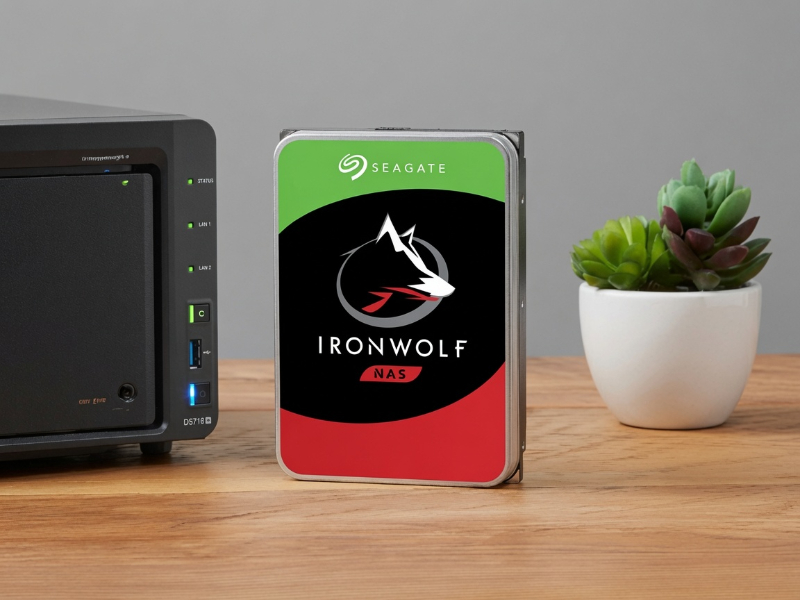
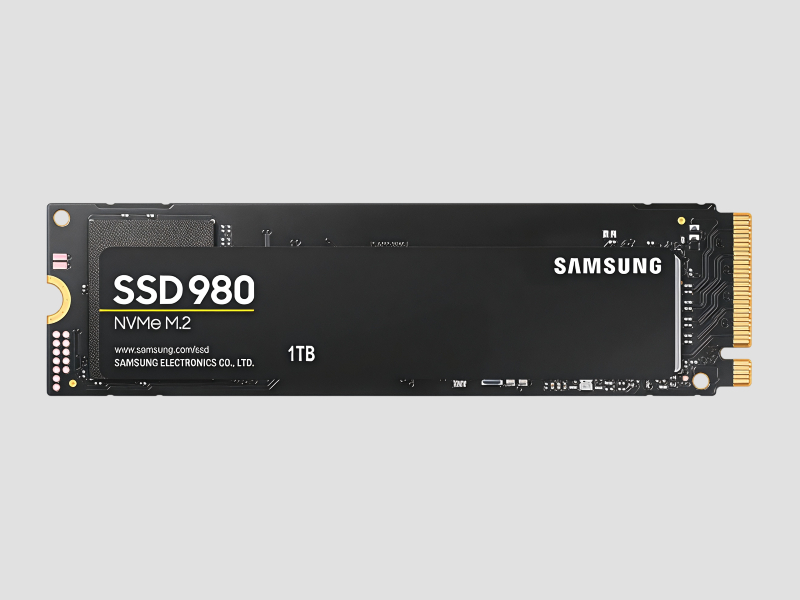
- Business laptops often come with Solid State Drives (SSD) for faster data access and boot times.
- Storage capacities can range from 256GB to 1TB or more.
4. Display Quality
- Many models feature Full HD displays (1920 x 1080) or higher resolutions for enhanced visual clarity.
- Anti-glare screens are common to improve usability in various lighting conditions.
5. Battery Life
- Business laptops generally offer extended battery life, often exceeding 8 hours on a single charge.
- This feature is essential for professionals who are frequently on the move.
6. Security Features
- Integrated security features such as fingerprint readers and TPM (Trusted Platform Module) are standard.
- These enhancements help protect sensitive business data from unauthorized access.
7. Connectivity Options
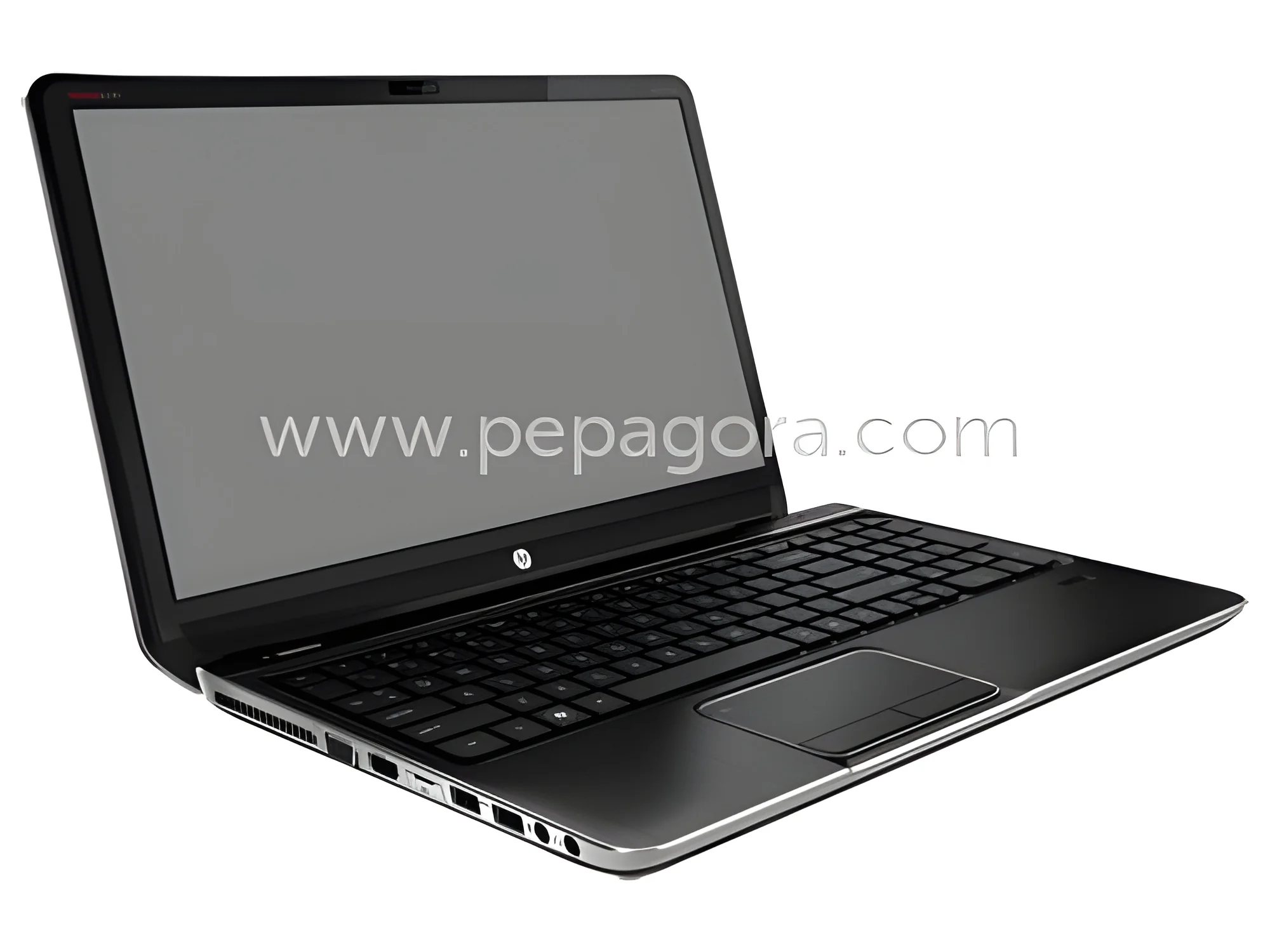
- Business laptops typically include multiple USB ports, HDMI, and Ethernet connectivity.
- Wi-Fi 6 support is becoming increasingly common for faster wireless connections.
8. Weight and Portability
- Many business laptops are designed to be lightweight and portable, weighing between 3 to 5 pounds.
- This portability allows for easy transport between meetings and work locations.
In summary, the blend of performance, security, and mobility makes business laptops a critical asset for any organization.
Common Applications and Use Cases
Business laptops are versatile tools that serve various industries and applications.
1. Information Technology: In the IT sector, business laptops are used for software development, system administration, and technical support, requiring high processing power and security.
2. Finance: Financial professionals utilize business laptops for data analysis, accounting software, and financial modeling, where speed and accuracy are paramount.
3. Education: In educational institutions, business laptops support online learning, research, and administrative tasks, facilitating effective communication and collaboration.
4. Healthcare: Healthcare professionals use business laptops for patient record management, telemedicine, and data entry, necessitating secure and reliable devices.
5. Marketing and Design: Marketing teams and design agencies rely on business laptops for graphic design software, content creation, and data visualization tasks, requiring high-quality displays and performance.
6. Manufacturing: In manufacturing environments, business laptops are essential for inventory management, production planning, and real-time monitoring of operations.
7. Consulting: Consultants use business laptops for client presentations, data analysis, and project management, where portability and performance are critical.
Product Variants and Subcategories
Business laptops come in various forms to cater to different user needs and preferences.
Ultrabooks
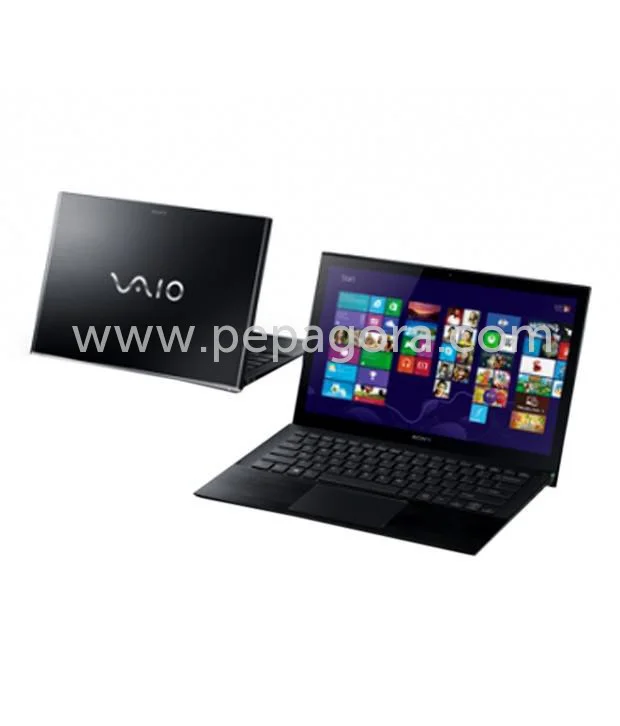
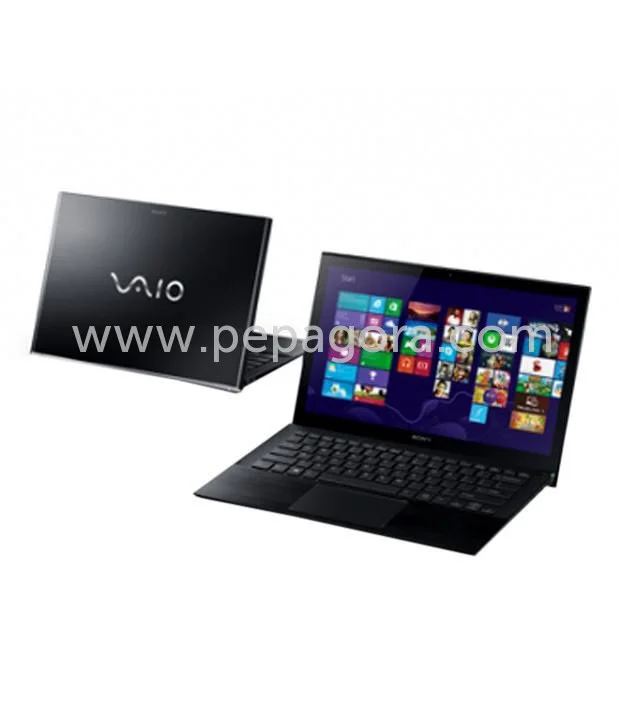
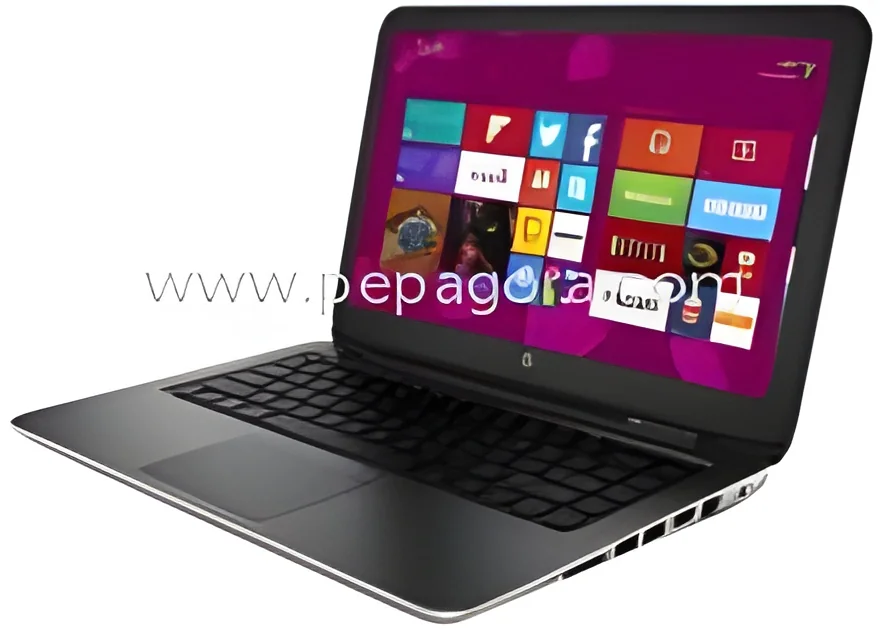
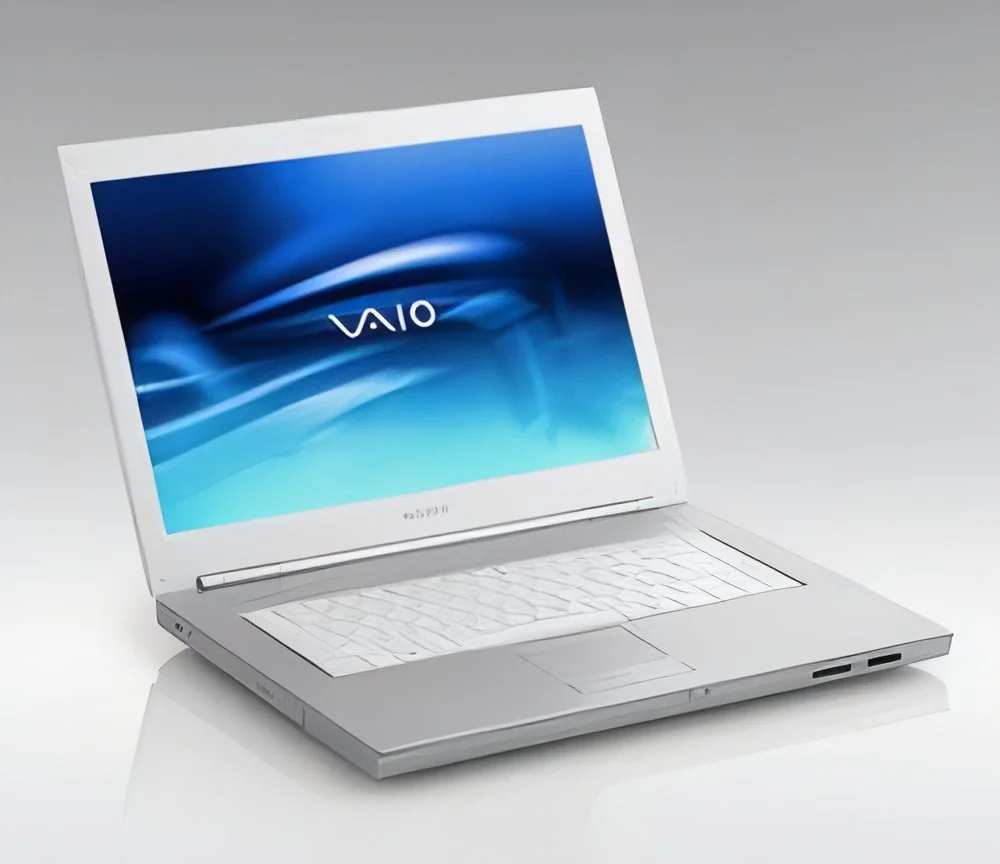
Ultrabooks are lightweight and thin laptops designed for portability and performance. They typically feature SSD storage, long battery life, and high-resolution displays, making them ideal for business professionals on the go.
2-in-1 Laptops
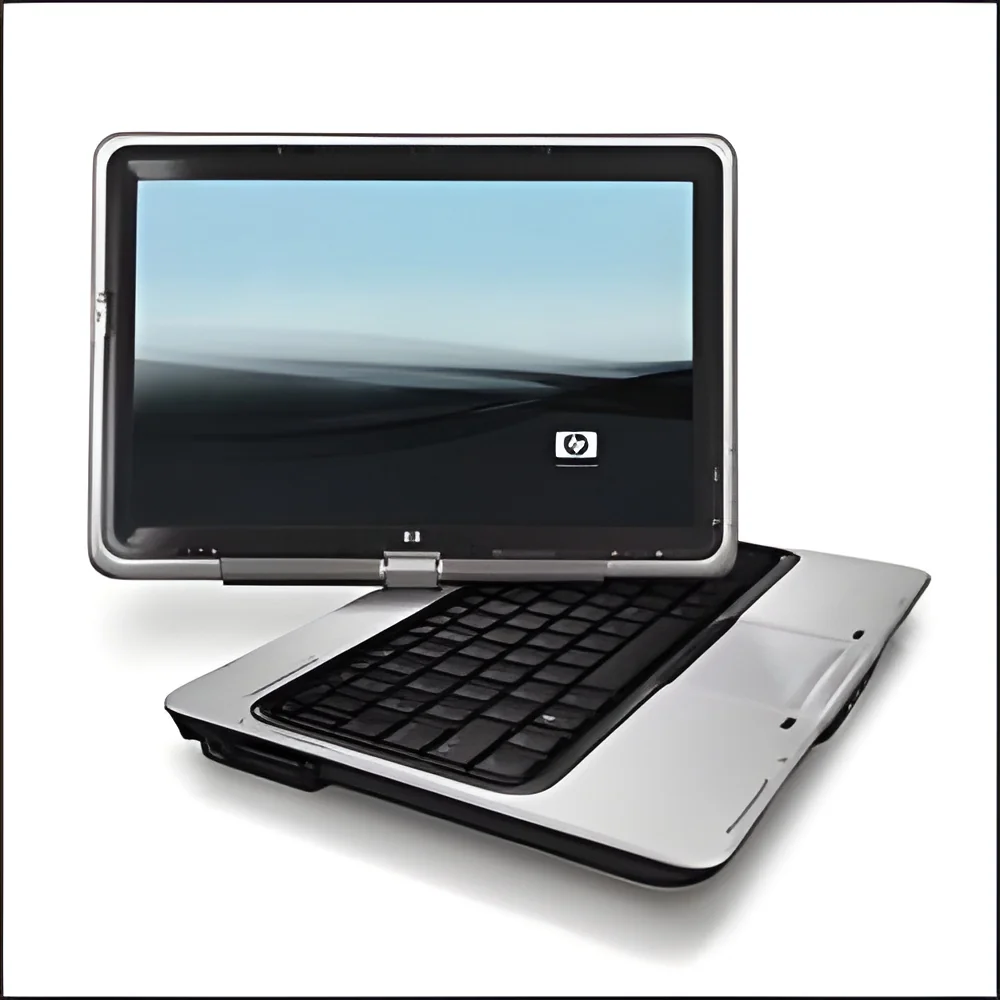
2-in-1 laptops offer the flexibility of a touchscreen interface and can function as both a laptop and a tablet. This versatility is perfect for presentations and meetings, allowing users to switch between modes as needed.
Gaming Laptops
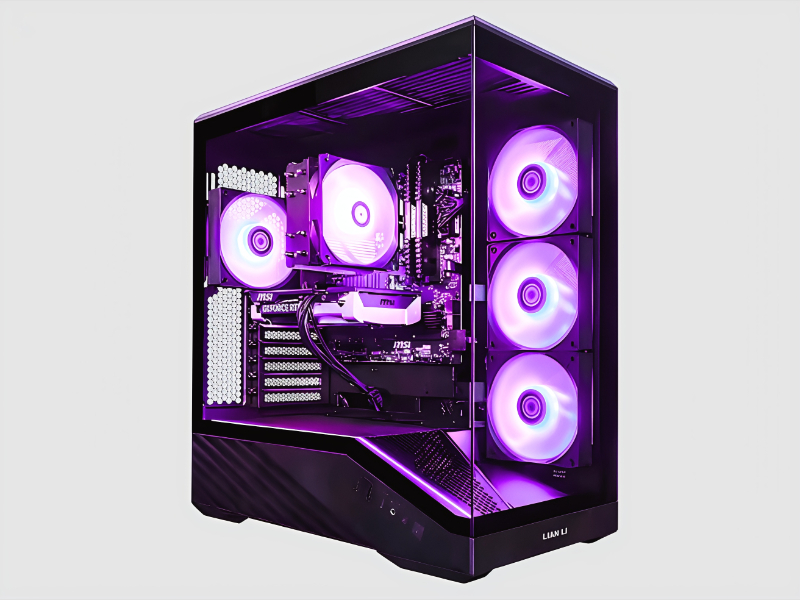
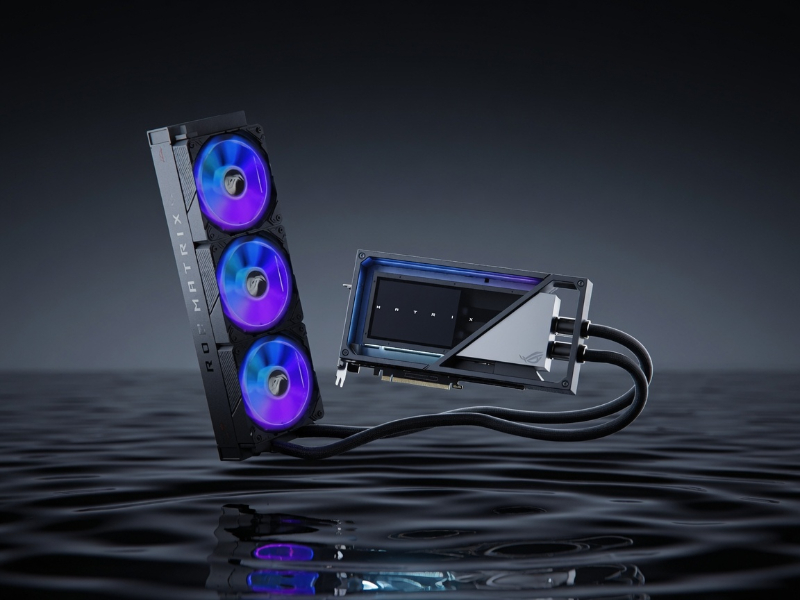
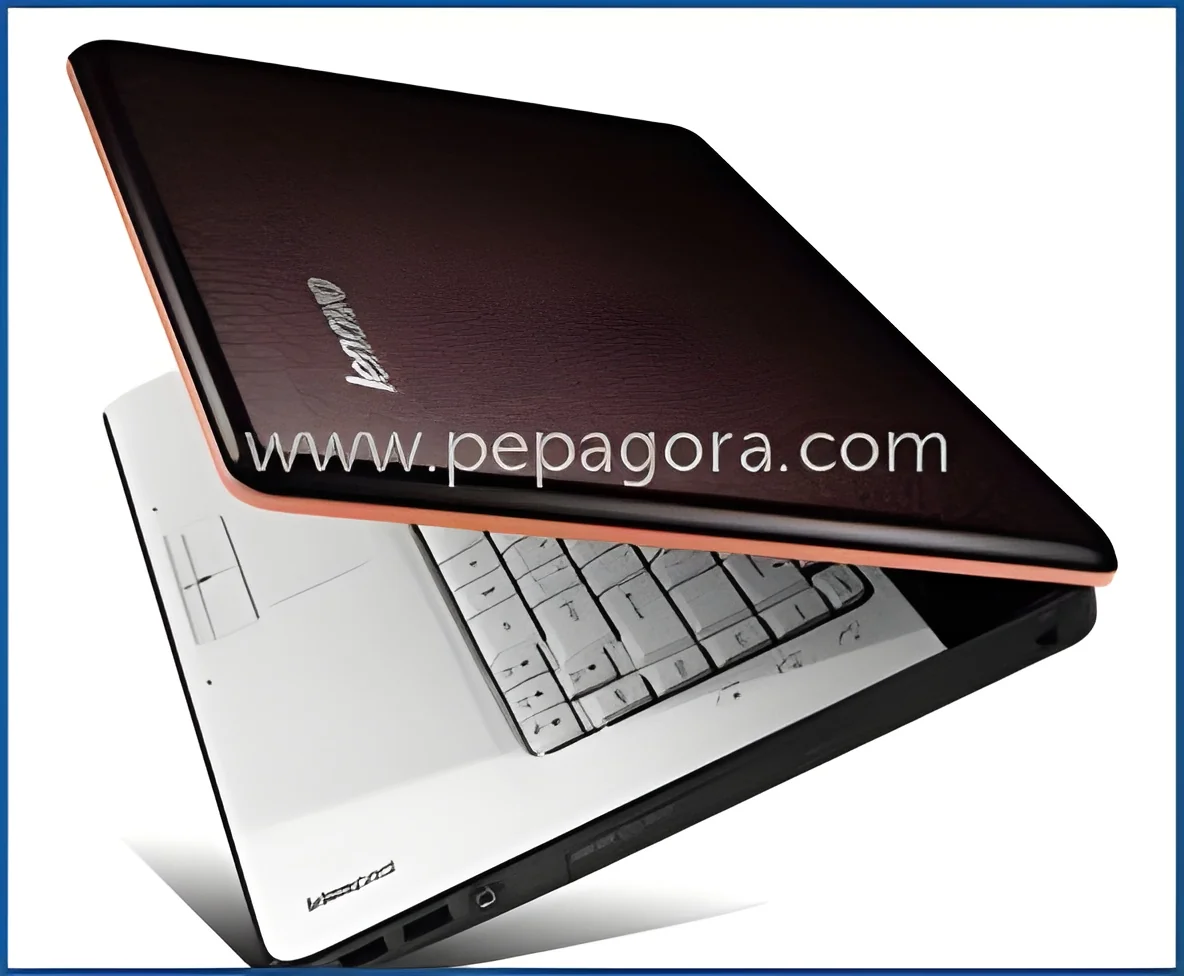
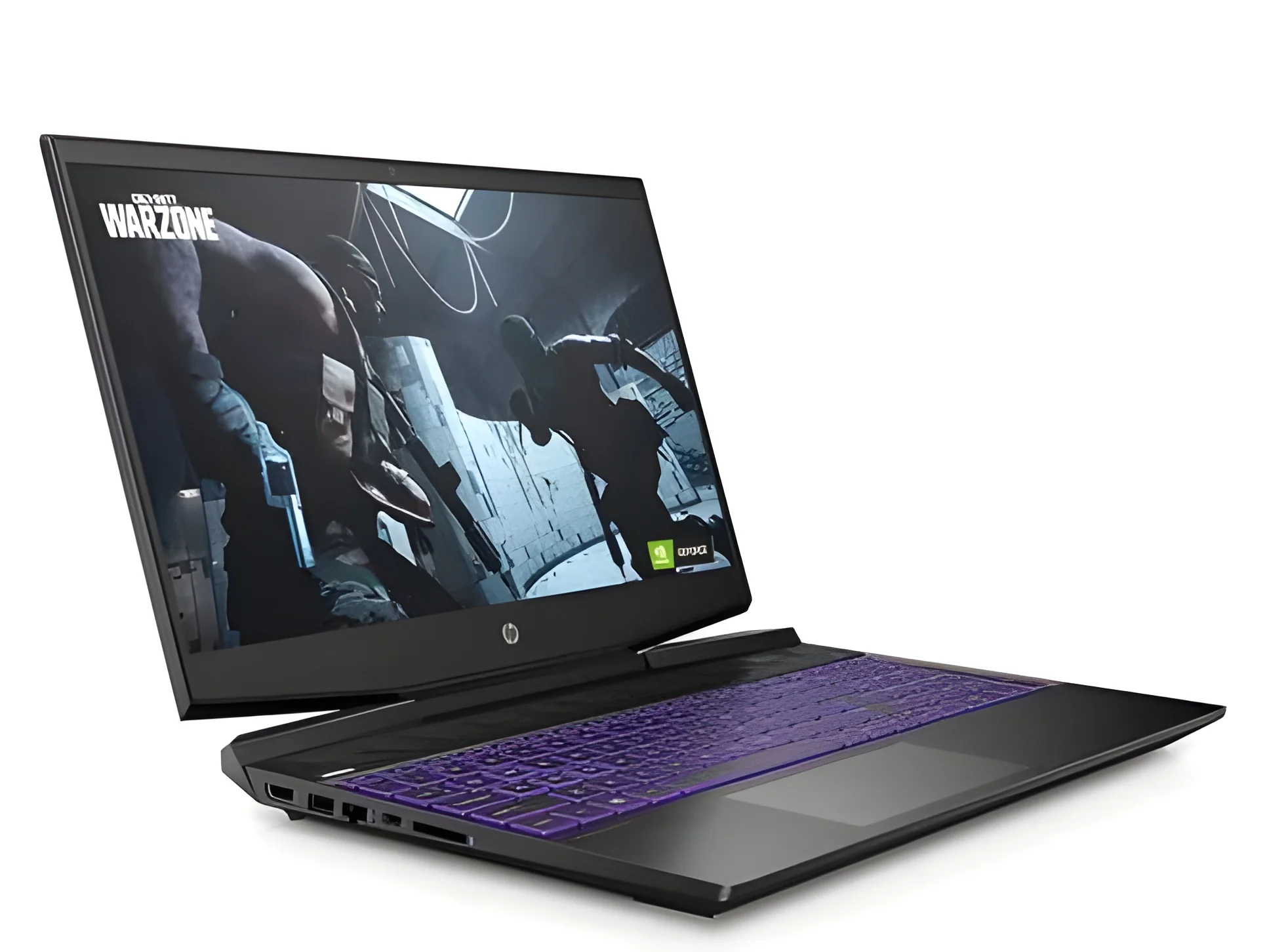
While primarily designed for gaming, many high-performance gaming laptops also serve as effective business laptops. They feature powerful graphics cards and processors, making them suitable for tasks like 3D modeling and video editing.
Benefits and Advantages
Investing in business laptops offers several key benefits to organizations.
1. Enhanced Productivity: Business laptops are engineered for performance, allowing users to work efficiently without lag, which boosts overall productivity.
2. Improved Security: With built-in security features, business laptops help safeguard sensitive data, reducing the risk of data breaches and cyber threats.
3. Long-term Reliability: Designed for durability, business laptops often have a longer lifespan than standard laptops, resulting in lower total cost of ownership.
4. Customization Options: Many business laptop manufacturers offer customization options, allowing organizations to tailor specifications to meet their specific needs.
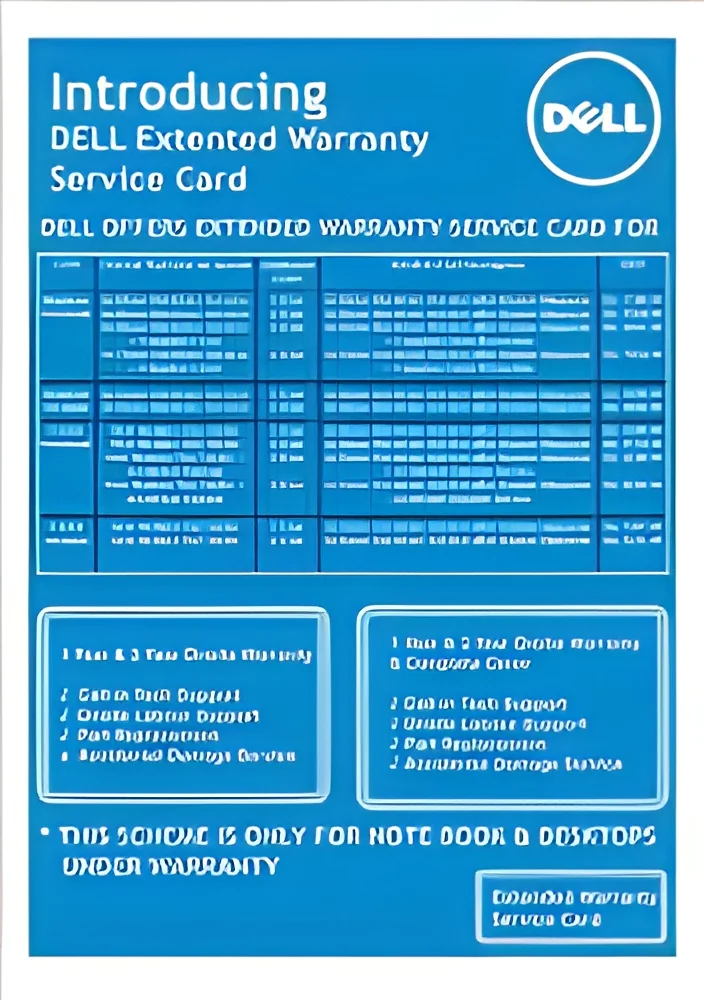
5. Excellent Support and Warranty: Business laptops often come with extended warranties and dedicated customer support, ensuring that any issues are resolved quickly.
6. Mobility and Flexibility: Lightweight and portable designs enable professionals to work from various locations, enhancing flexibility in modern work environments.
Buying Guide for B2B Buyers
When sourcing business laptops, it is essential to consider several critical factors to ensure a suitable purchase.
1. Quality Assessment: Evaluate the build quality, materials, and performance specifications of the laptops. Look for models that have passed rigorous testing for durability and reliability.
2. Supplier Verification: Vet potential suppliers by checking their credentials, reviews, and previous customer experiences. A reputable supplier should have a track record of delivering quality products.
3. Pricing and MOQ: Compare pricing across different suppliers and consider the minimum order quantities (MOQ) that may apply. Ensure the pricing fits within your budget while meeting quality standards.
4. Delivery and Lead Times: Inquire about delivery schedules and lead times to ensure that the laptops can be delivered when needed. Timely delivery is crucial for business operations.
5. Compliance Requirements: Check for any regulatory compliance requirements that may apply to the laptops, such as safety certifications or environmental standards.
Compliance and Certifications
Business laptops must adhere to various compliance and certification standards to ensure quality and safety.
ISO 9001 is a widely recognized quality management standard that many manufacturers strive to meet. This certification indicates that a company consistently provides products that meet customer and regulatory requirements.
Industry certifications such as CE mark demonstrate compliance with European health, safety, and environmental protection standards. This certification is essential for laptops sold in the European market.
Additionally, business laptops may be subject to safety and testing requirements to ensure they operate safely under specified conditions. These tests assess factors such as electrical safety and thermal performance.
Regional compliance considerations may also apply based on the target market. Manufacturers should be aware of specific regulations in regions where their products will be sold to ensure compliance.
Why Source Business Laptops from Pepagora?
Pepagora offers a reliable platform for sourcing business laptops, presenting several key advantages for B2B buyers.
Verified Supplier Network: Pepagora has a rigorous supplier verification process, ensuring that only trusted manufacturers and suppliers are listed. This verification helps buyers feel confident in the quality of their purchases.
Streamlined RFQ Process: The Request for Quotation (RFQ) process on Pepagora is designed to simplify sourcing. Buyers can easily submit requests and receive competitive quotes from multiple suppliers, facilitating informed decision-making.
Trade Assurance and Support: Pepagora provides trade assurance to protect buyers against potential issues, ensuring a secure transaction experience. The platform also offers support for any queries or concerns that may arise during the sourcing process.
Regional Coverage: With a broad geographical reach across India, the GCC, and Southeast Asia, Pepagora connects buyers with suppliers in various regions. This coverage ensures access to a diverse array of business laptops tailored to different market needs.

 IN
IN