
 IN
Cold Rolled Steel & Hot Rolled Steel
32 products available
What are Cold Rolled Steel & Hot Rolled Steel?
Cold rolled steel and hot rolled steel are two primary forms of steel used in various industrial applications. Hot rolled steel is manufactured by rolling the steel at high temperatures, typically above 1700 degrees Fahrenheit. This process makes the steel easier to shape and form, but it results in a rough surface finish. Cold rolled steel, on the other hand, is processed at room temperature, which results in a smoother surface finish and tighter tolerances. The cold rolling process increases the strength of the steel through strain hardening, making it ideal for applications that require precision and durability.
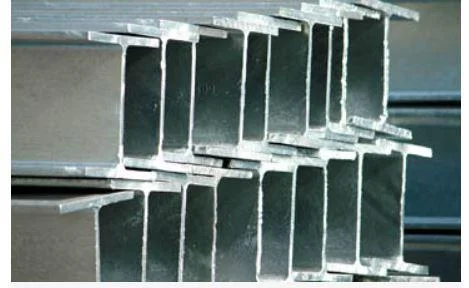
These materials are widely utilized across multiple industries, including construction, automotive, and manufacturing. Hot rolled steel is often used in structural applications such as beams and girders, while cold rolled steel is favored for products requiring detailed specifications, such as automotive parts and appliances. The choice between cold rolled and hot rolled steel depends on the specific requirements of the application, including strength, surface finish, and dimensional accuracy. As industries continue to evolve, the demand for both types of steel remains robust, reflecting their critical role in modern manufacturing and construction.
Key Features and Specifications
Cold rolled steel and hot rolled steel come with a variety of features and specifications that cater to different industrial needs. Understanding these specifications is crucial for making informed purchasing decisions.
Key specifications include:
1. Thickness
- Cold rolled steel thickness typically ranges from 0.015 to 0.50 inches.
- Hot rolled steel thickness can range from 0.10 to over 2 inches.
2. Yield Strength
- Cold rolled steel has higher yield strengths, often exceeding 50,000 psi.
- Hot rolled steel yield strength generally ranges from 36,000 to 50,000 psi.
3. Surface Finish
- Cold rolled steel has a smooth, polished finish suitable for aesthetic applications.
- Hot rolled steel has a rough surface that may require additional finishing.
4. Tolerance
- Cold rolled steel offers tight tolerances, often within ±0.005 inches.
- Hot rolled steel tolerances can be looser, generally around ±0.010 inches.
5. Application Suitability
- Cold rolled steel is ideal for precision applications, such as machinery parts and automotive components.
- Hot rolled steel is best for structural components and heavy machinery.
6. Workability
- Cold rolled steel is harder and more difficult to work with but provides better performance.
- Hot rolled steel is easier to manipulate and weld but may have less strength.
7. Price Point
- Cold rolled steel tends to be more expensive due to the additional processing.
- Hot rolled steel is generally more cost-effective for bulk applications.
In summary, understanding these specifications helps businesses select the right type of steel for their specific operational needs.
Common Applications and Use Cases
Cold rolled steel and hot rolled steel serve a variety of industries, each with unique applications.
1. Construction: Hot rolled steel is commonly used for structural components like beams, columns, and reinforcements in building projects.
2. Automotive: Cold rolled steel is essential for manufacturing precision parts such as body panels and frames due to its strength and finish.
3. Manufacturing: Hot rolled steel is often employed in the production of large-scale machinery and equipment where durability is required.
4. Appliance: Cold rolled steel is frequently used in household appliances, such as refrigerators and washing machines, due to its aesthetic finish and strength.
5. Energy: Hot rolled steel is used in the production of pipelines and storage tanks in oil and gas industries.
6. Aerospace: Cold rolled steel is utilized in aircraft components where precision and weight savings are critical.
7. Furniture: Cold rolled steel is increasingly used in furniture design for a modern, sleek finish.
Product Variants and Subcategories
The diversity of cold rolled steel and hot rolled steel allows for various product variants catering to specific needs.
Cold Rolled Steel Variants
Cold rolled steel variants include various grades that offer different mechanical properties and surface finishes. These grades are essential for applications requiring specific strength or corrosion resistance.
Hot Rolled Steel Variants
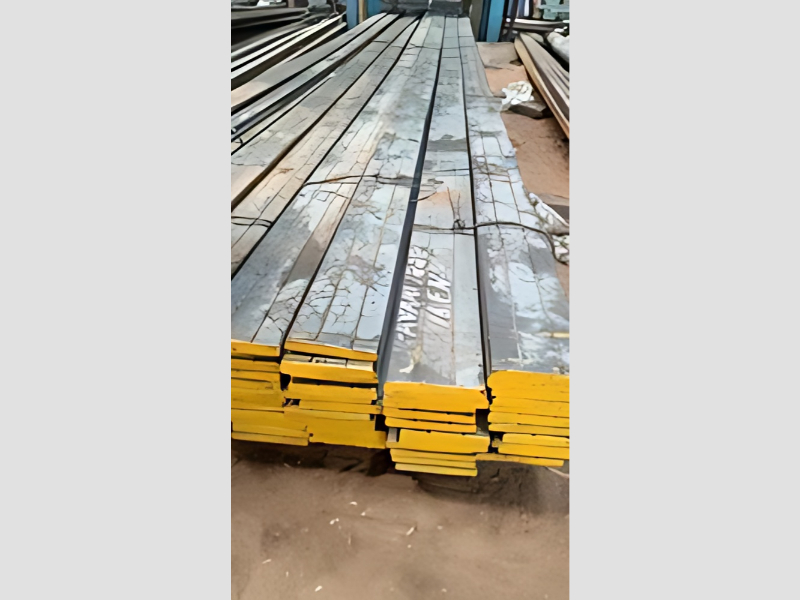
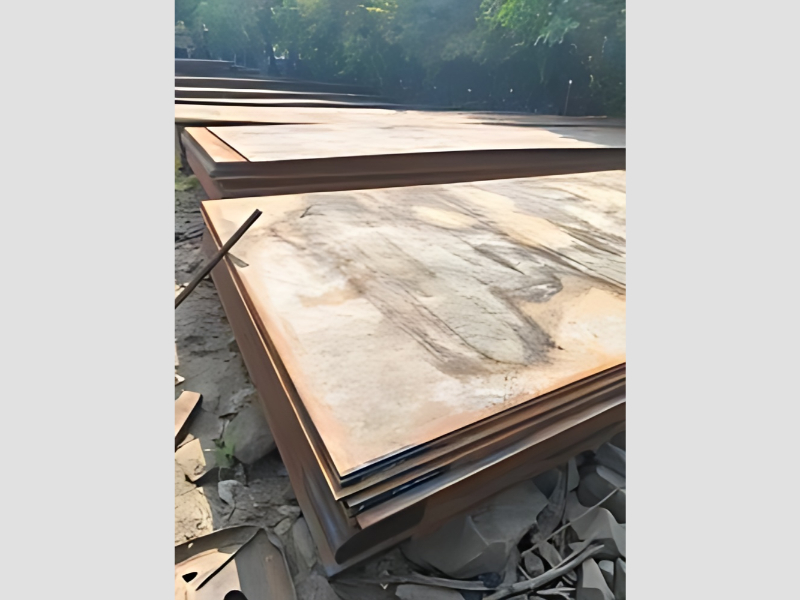
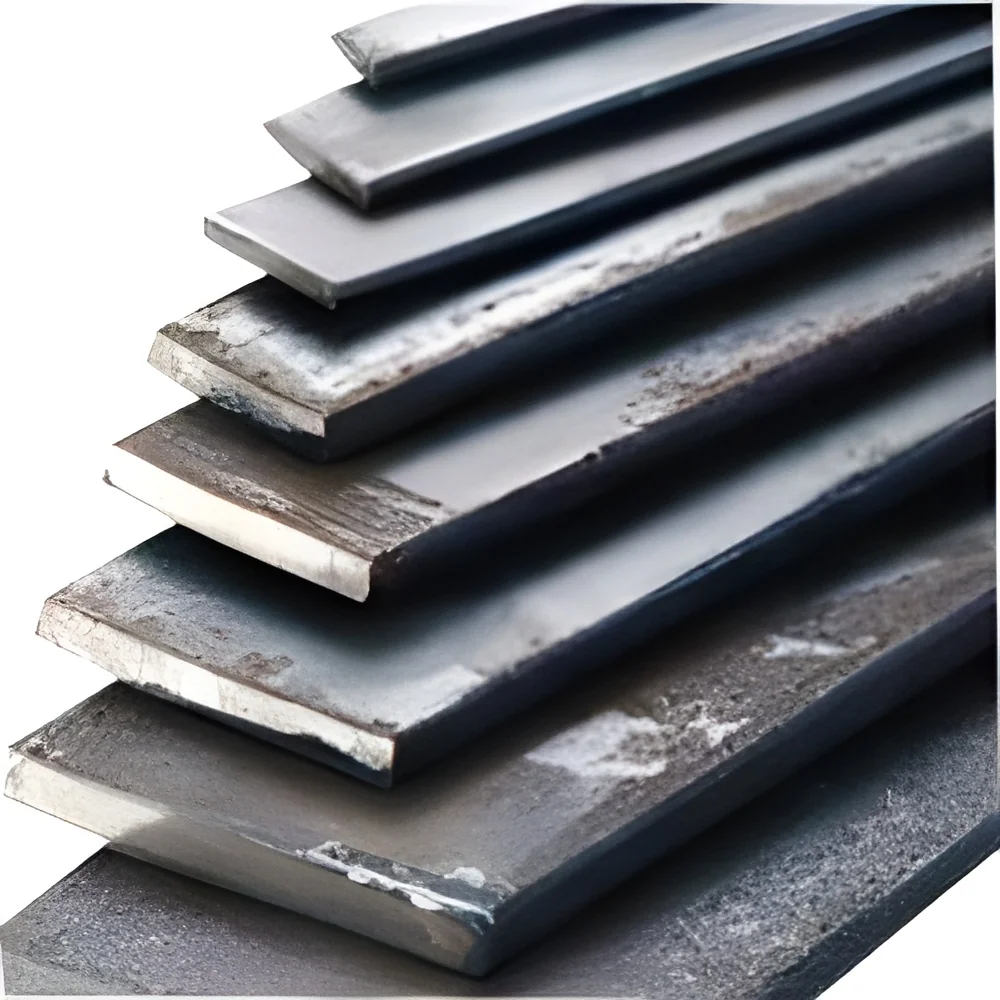
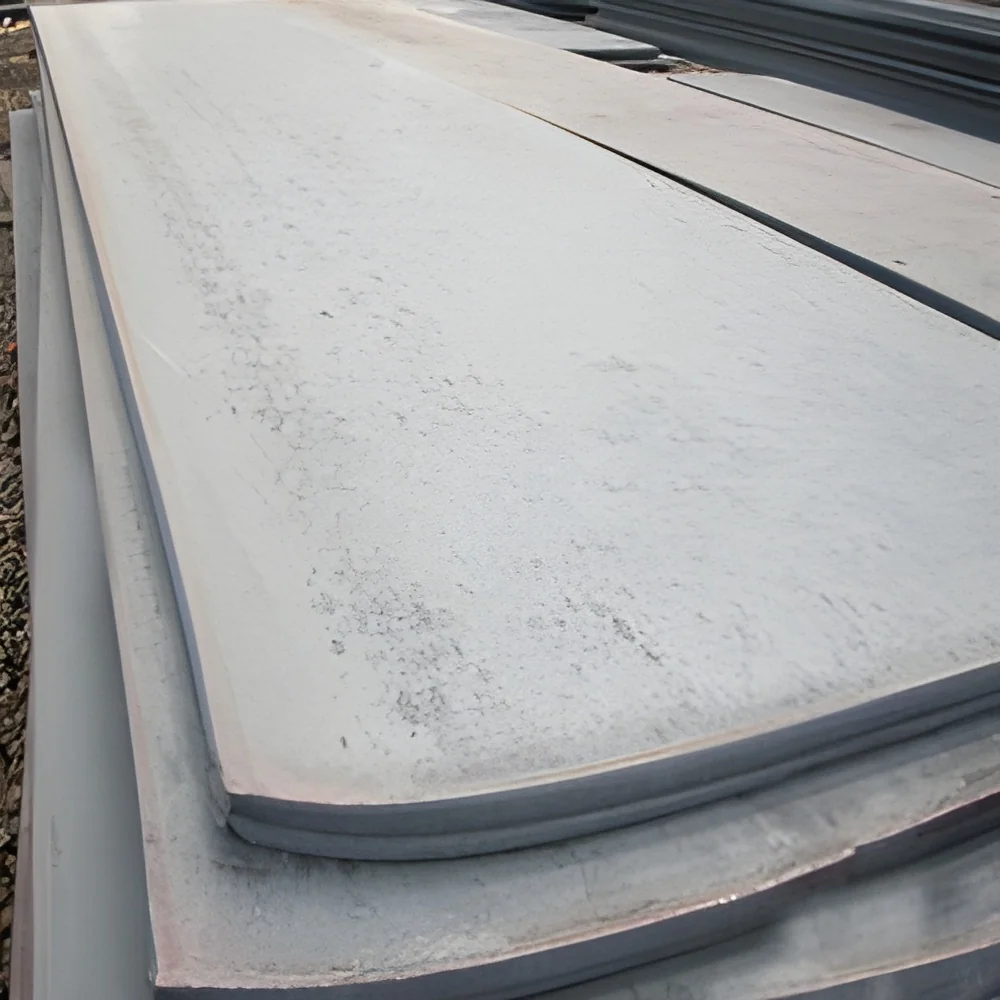
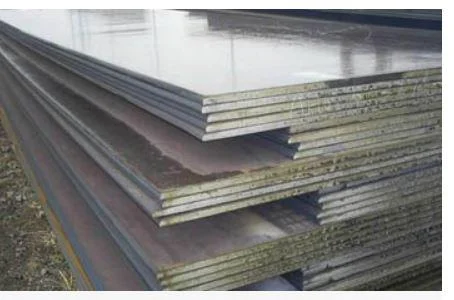
Hot rolled steel is available in various shapes, such as sheets, plates, and bars. Different grades are available depending on the intended application, whether for structural or manufacturing uses.
Benefits and Advantages
Choosing cold rolled steel and hot rolled steel offers numerous advantages.
1. Strength: Cold rolled steel provides superior strength, making it ideal for applications requiring durability.
2. Surface Quality: Cold rolled steel has a smoother surface finish, which is beneficial for aesthetic applications.
3. Versatility: Both types of steel are versatile and can be used across various industries, allowing for broad applications.
4. Customization: Both cold and hot rolled steel can be customized to meet specific requirements, such as dimensions and mechanical properties.
5. Cost-Effectiveness: Hot rolled steel generally offers lower costs for bulk purchases, making it a budget-friendly option for large projects.
6. Availability: Both cold rolled and hot rolled steel are widely available, ensuring that businesses can source the materials they need efficiently.
Buying Guide for B2B Buyers
When sourcing cold rolled steel and hot rolled steel, there are several key factors to consider.
1. Quality Assessment: Ensure that the steel meets industry-specific quality standards. Look for certifications and testing results that verify the steel's properties.
2. Supplier Verification: Vet potential suppliers by checking their reputation, customer feedback, and ability to deliver on time.
3. Pricing and MOQ: Understand the pricing structure and minimum order quantities. Compare costs among different suppliers to find the best deal.
4. Delivery and Lead Times: Discuss delivery schedules and lead times to ensure that the materials arrive when needed for your project.
5. Compliance Requirements: Be aware of any regulatory standards that apply to your industry, ensuring that the steel sourced complies with all necessary regulations.
Compliance and Certifications
Cold rolled steel and hot rolled steel must adhere to several quality standards and certifications to ensure reliability and safety.
ISO 9001 is a widely recognized quality management standard that applies to manufacturers of steel products. Compliance with this standard indicates a commitment to consistent quality and customer satisfaction.
CE certification is another important factor, particularly for products sold in European markets. This certification ensures that the product meets safety, health, and environmental protection standards.
In addition to these certifications, safety and testing requirements are critical. Regular testing for mechanical properties, surface defects, and chemical composition is necessary to maintain high-quality standards.
Regional compliance may also vary, so it is essential to understand the specific requirements of the markets in which the steel will be used.
Why Source Cold Rolled Steel & Hot Rolled Steel from Pepagora?
Pepagora offers a trusted platform for sourcing cold rolled steel and hot rolled steel, providing several key advantages to buyers.
Verified Supplier Network: Pepagora connects buyers with a network of verified suppliers, ensuring that they can source high-quality steel materials from reputable manufacturers. This verification process reduces the risks associated with sourcing.
Streamlined RFQ Process: Pepagora simplifies the Request for Quotation (RFQ) process, allowing buyers to easily compare quotes from multiple suppliers. This efficiency helps businesses make informed purchasing decisions quickly.
Trade Assurance and Support: Pepagora provides trade assurance, giving buyers confidence in their purchases. The platform offers support throughout the buying process to address any concerns or issues that may arise.
Regional Coverage: Pepagora has a broad geographic reach, covering regions such as India, the Gulf Cooperation Council (GCC), and Southeast Asia. This extensive coverage ensures that buyers can access a diverse range of suppliers and products tailored to their needs.




 India
 India
 India
 India
 India

 India
 India
 India
 India
 India
 India
 India
Frequently Asked Questions
What are Cold Rolled Steel & Hot Rolled Steel?
Cold Rolled Steel is produced by rolling steel at room temperature, which results in a smoother surface and tighter tolerances. Hot Rolled Steel, on the other hand, is rolled at high temperatures, making it easier to shape and form, but with a rougher surface finish.
What are the different types of Cold Rolled Steel & Hot Rolled Steel?
Cold Rolled Steel is typically available in various grades and thicknesses, including CRCA (Cold Rolled Close Annealed) and ETP (Electrolytic Tinned Plate). Hot Rolled Steel comes in forms such as sheets, plates, and coils, with varying grades like API, ASTM, and structural grades.
How do I choose the right Cold Rolled Steel & Hot Rolled Steel?
Choosing the right type depends on your specific application needs, such as strength, thickness, and surface finish requirements. It is also important to consider factors like durability, corrosion resistance, and the intended use of the steel.
What are the standard specifications for Cold Rolled Steel & Hot Rolled Steel?
Standard specifications for Cold Rolled Steel include ASTM A1008 and SAE J403, while Hot Rolled Steel typically adheres to ASTM A36 and ASTM A572 standards. These specifications outline the chemical composition, mechanical properties, and tolerances of the respective steel types.
What is the price range for Cold Rolled Steel & Hot Rolled Steel?
The price of Cold Rolled Steel and Hot Rolled Steel varies based on factors such as thickness, grade, and market conditions. Generally, Cold Rolled Steel is priced higher than Hot Rolled Steel due to its manufacturing process and finishing.
What quality standards apply to Cold Rolled Steel & Hot Rolled Steel?
Quality standards for Cold Rolled Steel and Hot Rolled Steel include ISO 9001 for quality management systems and specific ASTM standards. Manufacturers often implement rigorous quality control measures to ensure compliance with these standards.
Where can I find Cold Rolled Steel & Hot Rolled Steel suppliers in India?
You can find Cold Rolled Steel and Hot Rolled Steel suppliers in India through B2B marketplaces like Pepagora, industry trade shows, and local steel distributors. It's beneficial to compare suppliers based on reputation, product range, and customer reviews.
Can Cold Rolled Steel & Hot Rolled Steel be customized?
Yes, both Cold Rolled Steel and Hot Rolled Steel can be customized in terms of thickness, width, and surface treatment according to specific requirements. Many manufacturers offer customization options to meet unique project needs.
What is the typical minimum order quantity for Cold Rolled Steel & Hot Rolled Steel?
The typical minimum order quantity (MOQ) for Cold Rolled Steel and Hot Rolled Steel can vary by supplier, but it generally ranges from 1 ton to several tons. It's advisable to check with individual suppliers for their specific MOQs.
What is the typical lead time for Cold Rolled Steel & Hot Rolled Steel?
The typical lead time for Cold Rolled Steel and Hot Rolled Steel orders can range from a few days to several weeks, depending on the supplier's inventory and the complexity of the order. It's best to confirm lead times during the ordering process.
Why Businesses Trust Pepagora
Thousands of companies trust Pepagora to source smarter and sell faster
Expand Your Sales Globally

Source Smarter,Grow Faster
