
 IN
INCoffee Tables (Glass, Wood, Marble)
2 products available
Key Features and Specifications
Common Applications and Use Cases
Product Variants and Subcategories
Benefits and Advantages
Buying Guide for B2B Buyers
Compliance and Certifications



Frequently Asked Questions
What are Coffee Tables (Glass, Wood, Marble)?
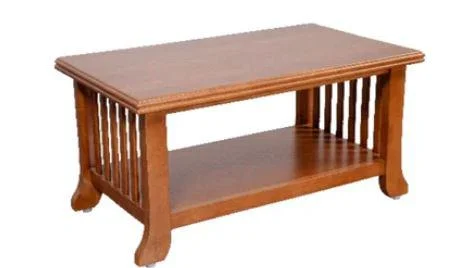
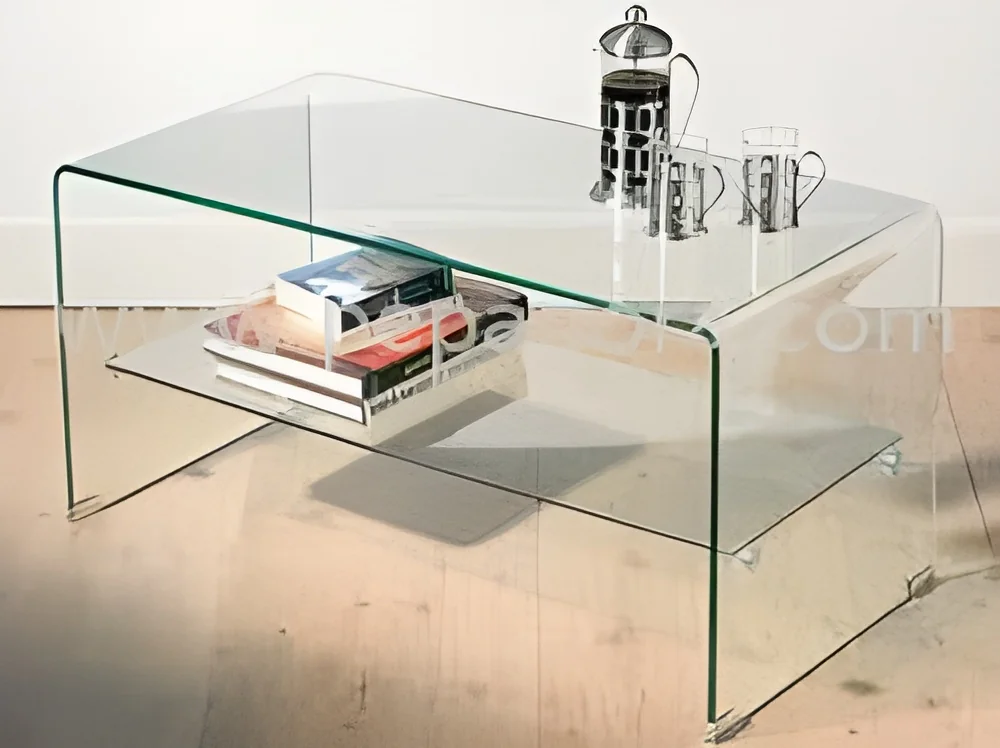
Coffee Tables (Glass, Wood, Marble) are versatile furniture pieces designed primarily for use in living rooms and sitting areas. They serve various functions, such as holding drinks, snacks, or decorative items. These tables come in different materials, including glass, wood, and marble, each offering unique aesthetics and durability.
What are the different types of Coffee Tables (Glass, Wood, Marble)?
Coffee Tables can be categorized based on their material: glass, wood, and marble. Glass coffee tables often feature a modern design, while wooden tables provide a classic, warm feel. Marble coffee tables are known for their elegance and durability, making them a popular choice for upscale settings.
How do I choose the right Coffee Tables (Glass, Wood, Marble)?
When selecting a coffee table, consider factors such as size, material, and style that match your existing decor. Additionally, think about functionality, such as whether you need storage space or a table that can accommodate multiple uses. It's also essential to choose a design that complements the overall theme of your living space.
What are the standard specifications for Coffee Tables (Glass, Wood, Marble)?
Standard specifications for coffee tables include dimensions such as height, width, and depth, typically ranging from 16 to 20 inches in height. The surface area varies based on design, with common widths between 30 to 50 inches. Material thickness and finish quality are also important specifications to consider.
What is the price range for Coffee Tables (Glass, Wood, Marble)?
The price range for coffee tables can vary significantly based on material, craftsmanship, and brand. Generally, you can expect to pay anywhere from INR 5,000 to INR 50,000 or more. Glass tables are often more affordable, while marble and high-quality wooden tables tend to be on the higher end.
What quality standards apply to Coffee Tables (Glass, Wood, Marble)?
Quality standards for coffee tables include durability, safety, and finish quality. For wooden tables, look for solid wood construction and a smooth, protective finish. Glass tables should meet safety standards to prevent shattering, while marble tables are evaluated based on their polish and resistance to scratches.
Where can I find Coffee Tables (Glass, Wood, Marble) suppliers in India?
You can find coffee table suppliers in India through various online B2B marketplaces, such as Pepagora. Additionally, local furniture fairs and exhibitions often feature manufacturers and suppliers showcasing their products. Networking within the industry can also help you discover reputable suppliers.
Can Coffee Tables (Glass, Wood, Marble) be customized?
Yes, many manufacturers offer customization options for coffee tables. You can request specific dimensions, materials, colors, and finishes to suit your preferences. Customization allows you to create a unique piece that fits perfectly in your space.
What is the typical minimum order quantity for Coffee Tables (Glass, Wood, Marble)?
The typical minimum order quantity (MOQ) for coffee tables can vary by supplier and product type. Generally, MOQs range from 5 to 50 units, depending on the material and customization options. It's advisable to check with individual suppliers for their specific requirements.
What is the typical lead time for Coffee Tables (Glass, Wood, Marble)?
The typical lead time for coffee tables varies based on factors such as order size, material, and customization. Generally, you can expect a lead time of 4 to 12 weeks. It's best to confirm the lead time with your supplier during the ordering process.
Why Businesses Trust Pepagora
Thousands of companies trust Pepagora to source smarter and sell faster
Expand Your Sales Globally

Source Smarter,Grow Faster
