
 IN
Cholesterol-Lowering Foods
3 products available
What are Cholesterol-Lowering Foods?
Cholesterol-lowering foods are dietary items specifically known for their ability to reduce cholesterol levels in the bloodstream. These foods typically contain soluble fiber, healthy fats, and phytosterols, which collectively contribute to lowering low-density lipoprotein (LDL) cholesterol, often referred to as "bad" cholesterol. Common examples include oats, beans, nuts, and certain fruits and vegetables. The consumption of these foods can lead to improved heart health and a reduced risk of cardiovascular diseases.
The primary uses of cholesterol-lowering foods extend beyond individual health to encompass various sectors such as food manufacturing, healthcare, and wellness industries. Businesses in these sectors often incorporate cholesterol-lowering ingredients into their products, aiming to meet the growing consumer demand for healthier food options. These foods are also used in specialized diets for individuals with high cholesterol or heart disease, making them relevant in clinical nutrition and dietary planning.
In the current market context, the demand for cholesterol-lowering foods is rising as awareness of heart health and lifestyle diseases grows. This trend is evident in both consumer behavior and food product development, where companies are increasingly focusing on functional foods that offer health benefits. As a result, the industry is seeing a surge in innovative product formulations featuring these ingredients, driving competition and expanding market opportunities.
Key Features and Specifications
Cholesterol-lowering foods are characterized by several key features that differentiate them from regular food products. These features include their health benefits, nutritional composition, and potential applications in various food products.
Key specifications include:
1. Soluble Fiber Content
- Foods high in soluble fiber help bind cholesterol in the digestive system and promote its excretion.
- Typical ranges are 3-5 grams per serving.
2. Phytosterol Levels
- Phytosterols are plant-derived compounds that can block cholesterol absorption in the intestines.
- Effective levels are around 1-3 grams per day.
3. Healthy Fats
- Foods rich in monounsaturated and polyunsaturated fats support heart health by improving cholesterol levels.
- Recommended daily intake varies based on dietary guidelines.
4. Antioxidant Properties
- Many cholesterol-lowering foods contain antioxidants that protect against oxidative stress, supporting overall health.
- Variety and quantity depend on specific food types.
5. Low Saturated Fat
- Foods designed to lower cholesterol should have minimal saturated fat content to avoid raising LDL levels.
- Total saturated fat should be less than 10% of total daily calories.
6. Nutritional Density
- These foods should provide essential vitamins and minerals alongside cholesterol-lowering benefits.
- Micronutrient content varies by food item.
7. Flavor and Texture
- Many cholesterol-lowering foods are formulated to maintain appealing taste and texture for consumer acceptance.
- This includes whole grains, legumes, and fortified products.
In summary, cholesterol-lowering foods are defined by their unique composition and health-promoting properties, making them valuable in both individual diets and food product development.
Common Applications and Use Cases
Cholesterol-lowering foods find applications across diverse industries due to their health benefits and increasing consumer demand for healthier options.
1. Food and Beverage Industry: Manufacturers integrate cholesterol-lowering ingredients into various products such as cereals, snacks, and beverages to cater to health-conscious consumers.
2. Healthcare Sector: Nutritionists and dietitians recommend these foods for patients with high cholesterol or cardiovascular concerns, making them vital in dietary planning.
3. Wellness and Supplement Industry: Companies develop supplements and functional foods enriched with soluble fiber and phytosterols to promote heart health.
4. Culinary Arts: Chefs and food service providers explore innovative recipes featuring cholesterol-lowering ingredients to create heart-healthy menus.
5. Retail Food Products: Supermarkets and health food stores offer a range of cholesterol-lowering options, including fortified foods and natural ingredients, appealing to health-oriented shoppers.
6. Elderly Care Facilities: Institutions serving older adults often incorporate these foods into meal plans to support heart health and manage cholesterol levels.
7. Educational Institutions: Schools and universities are increasingly aware of the importance of nutrition and may include cholesterol-lowering foods in their meal offerings to promote student health.
Product Variants and Subcategories
Cholesterol-lowering foods come in various forms, catering to different preferences and dietary needs. Each variant offers unique features and applications.
Whole Grain Oats
Whole grain oats are rich in soluble fiber and can be easily incorporated into breakfast cereals, snacks, and baked goods. They are a popular choice for heart-healthy diets due to their proven ability to lower LDL cholesterol levels.
Nuts and Seeds
Nuts and seeds, such as almonds and flaxseeds, are excellent sources of healthy fats and phytosterols. They can be consumed as snacks or added to salads and yogurt, providing essential nutrients along with cholesterol-lowering benefits.
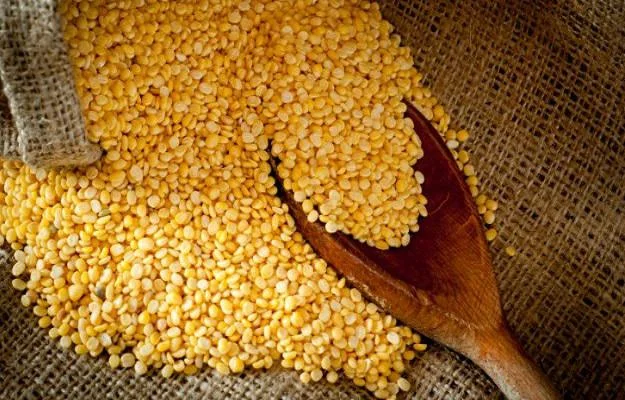
Legumes
Legumes, including beans, lentils, and chickpeas, are high in soluble fiber and plant protein. They serve as versatile ingredients for soups, stews, and salads, making them valuable for both home cooking and food service applications.
Fruits and Vegetables
Certain fruits and vegetables, like apples, citrus fruits, and avocados, contribute to cholesterol reduction. They can be eaten fresh, added to smoothies, or used in culinary creations, enhancing both flavor and nutrition.
Fortified Foods
Fortified foods are enhanced with additional nutrients, such as phytosterols and omega-3 fatty acids, to maximize their health benefits. These products are increasingly available in grocery stores and cater to consumers seeking functional foods.
Benefits and Advantages
Incorporating cholesterol-lowering foods into a diet offers numerous benefits for individuals and businesses alike.
Key benefits include:
1. Heart Health Improvement: Regular consumption of these foods can lead to lower LDL cholesterol levels and reduce the risk of heart disease.
2. Nutritional Enhancement: Many cholesterol-lowering foods are also rich in vitamins, minerals, and antioxidants, contributing to overall health.
3. Weight Management: High-fiber foods promote satiety, making it easier to maintain a healthy weight, which is essential for cholesterol control.
4. Versatile Applications: These foods can be used in various culinary creations, appealing to both consumers and food manufacturers looking to innovate.
5. Regulatory Compliance: Products containing cholesterol-lowering ingredients often meet health claims and labeling regulations, making them attractive to health-conscious consumers.
6. Market Demand: The increasing awareness of heart health creates a growing market for cholesterol-lowering foods, providing business opportunities for manufacturers and suppliers.
Buying Guide for B2B Buyers
When sourcing cholesterol-lowering foods, it is essential to consider several factors to ensure quality and suitability for your business needs.
1. Quality Assessment: Evaluate the nutritional content and health claims associated with the products. Look for third-party testing and certifications to validate quality.
2. Supplier Verification: Research potential suppliers to ensure they have a reliable track record in the industry. Check for certifications and customer testimonials to confirm their credibility.
3. Pricing and MOQ: Understand the pricing structure and minimum order quantities (MOQ) offered by suppliers. Compare costs to find the best value while ensuring quality.
4. Delivery and Lead Times: Discuss logistics with suppliers, including delivery times and shipping options. Timely delivery is crucial for maintaining inventory and meeting customer demands.
5. Compliance Requirements: Ensure that the products meet relevant regulatory standards and safety requirements, particularly if they are to be sold in specific markets.
Compliance and Certifications
Cholesterol-lowering foods must adhere to various quality standards to ensure safety, efficacy, and marketability.
Relevant quality standards include ISO 9001, which focuses on maintaining quality management systems, and HACCP (Hazard Analysis and Critical Control Points), aimed at food safety management. These standards help ensure that products are manufactured and processed under stringent quality controls.
Industry certifications, such as CE marking, indicate compliance with health and safety regulations in specific markets. These certifications can enhance product credibility and consumer trust.
Safety and testing requirements are critical for cholesterol-lowering foods, as they must be free from contaminants and harmful substances. Regular testing for microbial, chemical, and physical hazards is essential to meet safety standards.
Regional compliance considerations may vary, so it is important for businesses to understand the specific regulations in their target markets, ensuring that products meet all necessary guidelines for distribution and sale.
Why Source Cholesterol-Lowering Foods from Pepagora?
Pepagora provides a trusted platform for sourcing cholesterol-lowering foods, offering several key advantages for businesses.
Verified Supplier Network: Pepagora connects buyers with a network of verified suppliers, ensuring that all products meet high-quality standards. This verification process adds a layer of security for businesses seeking reliable sources.
Streamlined RFQ Process: The platform features an efficient request for quotation (RFQ) system that simplifies the procurement process. Buyers can easily compare offers from multiple suppliers, allowing for informed decision-making.
Trade Assurance and Support: Pepagora offers trade assurance and buyer protection, providing peace of mind for companies sourcing cholesterol-lowering foods. This support helps mitigate risks associated with online transactions.
Regional Coverage: With a strong presence in India, the GCC, and Southeast Asia, Pepagora is well-positioned to cater to a diverse range of businesses looking for cholesterol-lowering food products. This geographic reach ensures that buyers can find suppliers that suit their specific needs and preferences.

 India
 India
Frequently Asked Questions
What are Cholesterol-Lowering Foods?
Cholesterol-Lowering Foods are items that help reduce the levels of LDL cholesterol (often referred to as 'bad' cholesterol) in the bloodstream. These foods typically contain soluble fiber, healthy fats, and plant sterols or stanols, which can assist in managing cholesterol levels effectively.
What are the different types of Cholesterol-Lowering Foods?
Different types of Cholesterol-Lowering Foods include fruits, vegetables, whole grains, legumes, nuts, and fatty fish. Foods rich in soluble fiber, such as oats and barley, as well as those containing omega-3 fatty acids, are particularly beneficial for lowering cholesterol.
How do I choose the right Cholesterol-Lowering Foods?
To choose the right Cholesterol-Lowering Foods, look for items high in soluble fiber, such as oats, beans, and fruits like apples and citrus. Additionally, consider foods rich in healthy fats, like avocados and nuts, while minimizing processed foods high in saturated fats.
What are the standard specifications for Cholesterol-Lowering Foods?
Standard specifications for Cholesterol-Lowering Foods typically include nutritional content, such as the amount of soluble fiber and healthy fats. Compliance with food safety regulations and certifications, such as FSSAI in India, is also essential to ensure quality.
What is the price range for Cholesterol-Lowering Foods?
The price range for Cholesterol-Lowering Foods can vary widely depending on the type and quality of the product. Generally, prices may range from INR 100 to INR 2000 per kg, depending on factors such as sourcing, packaging, and organic certification.
What quality standards apply to Cholesterol-Lowering Foods?
Quality standards for Cholesterol-Lowering Foods include adherence to food safety regulations, nutritional content specifications, and certifications like ISO and FSSAI. Ensuring that products are free from contaminants and meet labeling requirements is also critical.
Where can I find Cholesterol-Lowering Foods suppliers in India?
You can find Cholesterol-Lowering Foods suppliers in India through B2B marketplaces like Pepagora.com, trade fairs, and industry directories. It is advisable to research and compare suppliers based on product quality, pricing, and customer reviews.
Can Cholesterol-Lowering Foods be customized?
Yes, Cholesterol-Lowering Foods can often be customized to meet specific dietary needs or preferences. This may include alterations in flavor, packaging, or nutritional content based on customer requirements.
What is the typical minimum order quantity for Cholesterol-Lowering Foods?
The typical minimum order quantity (MOQ) for Cholesterol-Lowering Foods can vary by supplier, but it often ranges from 10 kg to 100 kg. Larger orders may be required for customized products or bulk purchases.
What is the typical lead time for Cholesterol-Lowering Foods?
The typical lead time for Cholesterol-Lowering Foods ranges from 1 to 4 weeks, depending on the supplier and the complexity of the order. Factors such as customization, order size, and shipping logistics can influence this timeframe.
Why Businesses Trust Pepagora
Thousands of companies trust Pepagora to source smarter and sell faster
Expand Your Sales Globally

Source Smarter,Grow Faster
