
 IN
Canopy & Mosquito Nets
14 products available
What are Canopy & Mosquito Nets?
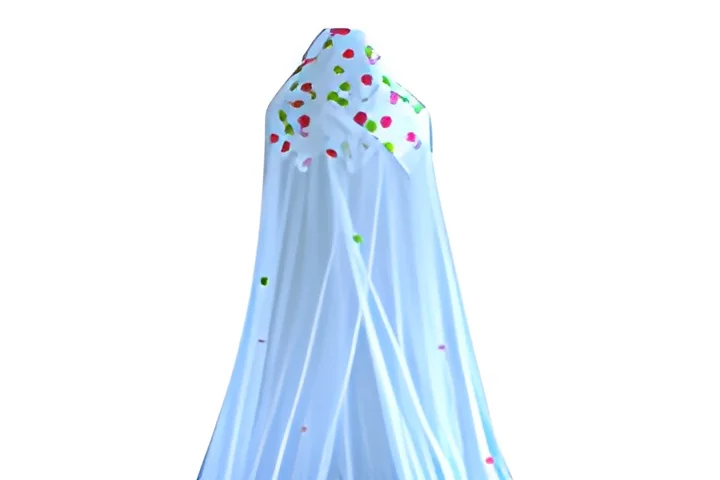
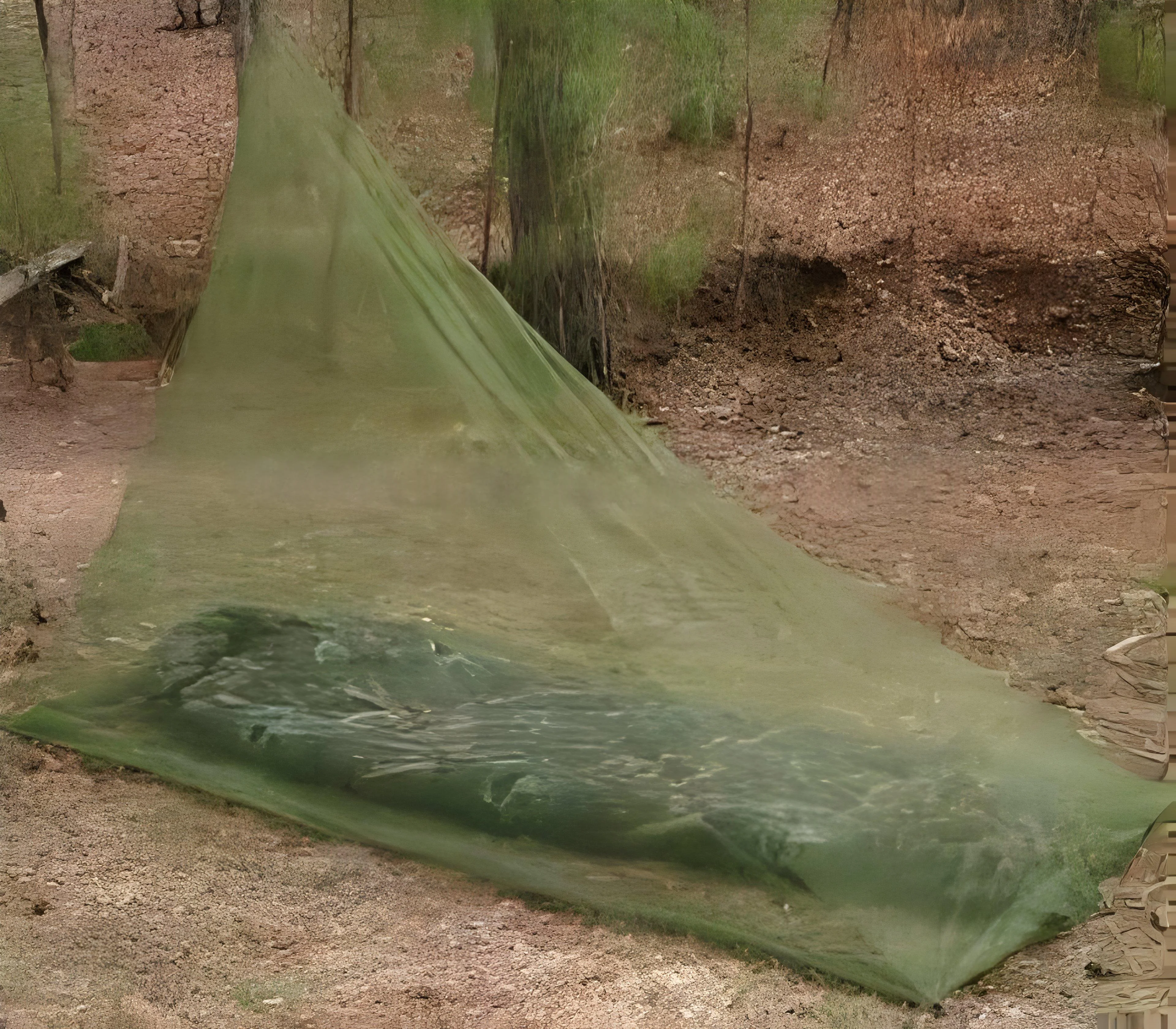
Canopy and mosquito nets are protective barriers designed to shield individuals from insects and environmental elements. These products are typically made from durable, lightweight materials that allow for airflow while keeping pests at bay. The primary function of these nets is to provide a safe and comfortable space for individuals in various settings, from residential homes to outdoor events.
These nets are commonly used in a variety of business applications, including hospitality, agriculture, and outdoor recreation. In hotels and resorts, canopy nets create a serene atmosphere for guests, allowing for relaxation without the annoyance of insects. In agriculture, they protect crops from pests while enabling sunlight and rain to nourish plants. Additionally, outdoor enthusiasts use them in camping and recreational activities for enhanced comfort and safety.
The market for canopy and mosquito nets is growing, driven by increasing awareness of health issues associated with insect-borne diseases. With a rising demand for outdoor living spaces and eco-friendly solutions, businesses are looking for effective ways to enhance their offerings with these protective products.
Key Features and Specifications
Canopy and mosquito nets come with a range of features and specifications designed to meet diverse needs. Understanding these specifications helps businesses select the right products for their applications.
Key specifications include:
1. Material Composition
- Made from high-density polyethylene, polyester, or nylon
- Varies in weight and durability, impacting usage and longevity
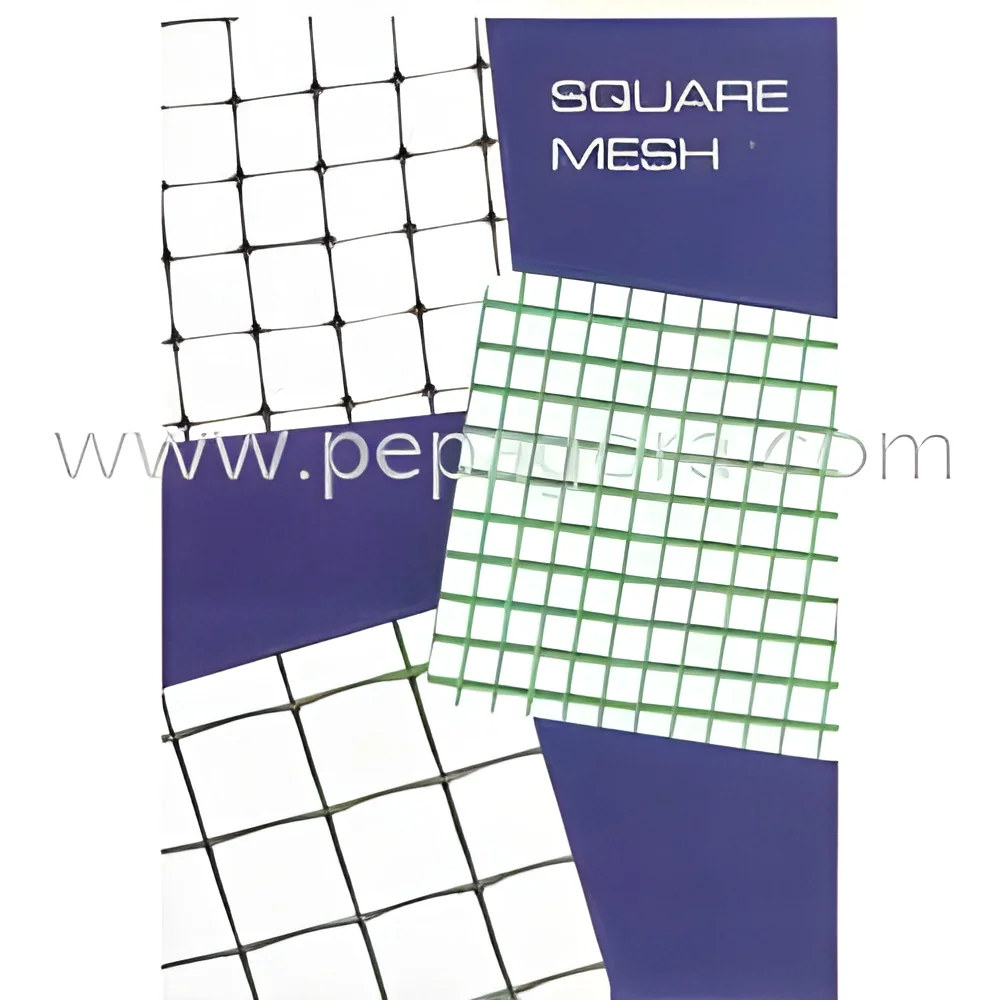
2. Mesh Size
- Typically ranges from 30 to 100 holes per square inch
- Smaller mesh sizes provide better protection against tiny insects
3. UV Resistance
- Many nets offer UV protection to prevent degradation from sunlight
- Ensures longevity when used outdoors
4. Size Variability
- Available in various dimensions to fit different setups
- Custom sizes can often be requested based on client needs
5. Weight Capacity
- Some canopies can support additional weights for hanging items
- Critical for use in commercial settings like event spaces
6. Ease of Installation
- Many models feature simple setup mechanisms like hooks and ties
- Quick assembly is essential for commercial applications
7. Fire Resistance
- Certain nets are treated for fire resistance
- Important for compliance in specific environments
8. Color Options
- Available in multiple colors to match aesthetic preferences
- Customization options may be available for branding purposes
In summary, understanding the key features and specifications of canopy and mosquito nets ensures buyers can choose the most suitable products for their specific applications.
Common Applications and Use Cases
Canopy and mosquito nets serve various industries and applications. Their versatility makes them essential in multiple settings.
1. Hospitality: Hotels and resorts use these nets in outdoor dining areas and guest accommodations to enhance guest experiences while keeping insects at bay.
2. Agriculture: Farmers implement mosquito nets to protect crops from pests, enabling a safer environment for organic farming without the use of chemicals.
3. Outdoor Events: Event planners utilize canopy nets to create inviting spaces for weddings, parties, and festivals, allowing for enjoyment without disturbances from insects.
4. Healthcare: Mosquito nets are critical in healthcare settings, particularly in regions prone to mosquito-borne diseases, ensuring patient safety and comfort.
5. Residential Use: Homeowners use canopy and mosquito nets in gardens and patios to create relaxing areas for family and friends to enjoy the outdoors.
6. Camping: Outdoor enthusiasts rely on these nets for tents and sleeping areas, providing a barrier against insects while allowing fresh air circulation.
7. Disaster Relief: In emergency situations, mosquito nets are used in shelters to protect displaced individuals from insect bites and diseases.
Product Variants and Subcategories
Canopy and mosquito nets come in various forms to cater to diverse needs. Understanding these variants helps businesses choose the right product.
Portable Mosquito Nets
These nets are designed for easy transport and quick setup, making them ideal for camping and travel. They often come with lightweight frames and can be assembled in minutes.
Fixed Canopy Nets
These nets are typically used in outdoor structures or patios. They offer a more permanent solution, providing extensive protection for larger areas.
Foldable Canopy Nets
These nets can be easily folded and stored, making them versatile for both residential and commercial uses. Their design allows for quick deployment and retraction.
Benefits and Advantages
Choosing canopy and mosquito nets provides numerous advantages for businesses and consumers alike.
1. Insect Protection: These nets effectively keep insects away, reducing the risk of bites and the transmission of diseases.
2. Comfort Enhancement: By providing a barrier against pests, these products create a more enjoyable outdoor experience for users.
3. Versatility: Canopy and mosquito nets can be used in various settings, from homes to commercial venues, making them suitable for multiple industries.
4. Cost-Effective Solution: They offer a long-lasting protective measure without the need for chemical treatments, thus saving costs in the long run.
5. Easy Maintenance: Most nets are designed for simple cleaning and upkeep, ensuring they remain effective and visually appealing.
6. Customization Options: Many manufacturers offer tailored solutions to meet specific requirements, enhancing brand visibility and customer satisfaction.
Buying Guide for B2B Buyers
When sourcing canopy and mosquito nets, B2B buyers should consider several critical factors to ensure they make informed purchasing decisions.
1. Quality Assessment: Evaluate the materials and construction quality. Look for nets that meet industry standards for durability and effectiveness.
2. Supplier Verification: Vet suppliers thoroughly to ensure they have a good reputation and can provide reliable products. Request references and check certifications.
3. Pricing and MOQ: Understand the pricing structures and minimum order quantities. Compare quotes from multiple suppliers to get the best value.
4. Delivery and Lead Times: Inquire about delivery schedules and lead times to ensure products arrive when needed. Timely delivery is crucial for business operations.
5. Compliance Requirements: Be aware of any regulatory compliance required for mosquito nets, such as safety standards and certifications relevant to your industry.
Compliance and Certifications
Compliance and certifications are critical in ensuring the quality and safety of canopy and mosquito nets. Products often need to adhere to various quality standards like ISO 9001, which focuses on quality management systems. This certification assures buyers of the consistent quality of products.
Additionally, compliance with safety standards such as CE certification is important, particularly in markets with strict regulations. This certification indicates that the product meets European health and safety requirements.
Testing for durability and safety is also essential. Manufacturers should conduct rigorous testing to ensure their products can withstand environmental conditions and provide adequate protection.
Regional compliance considerations vary, so buyers should check specific regulations based on their location and intended use of the nets.
Why Source Canopy & Mosquito Nets from Pepagora?
Pepagora offers a trusted platform for sourcing canopy and mosquito nets, providing several key advantages for B2B buyers.
Verified Supplier Network: Pepagora features a comprehensive network of verified suppliers, ensuring that businesses can find reliable partners for their sourcing needs. Each supplier undergoes a rigorous verification process, enhancing trust and quality assurance.
Streamlined RFQ Process: The Request for Quotation (RFQ) system simplifies the procurement process. Buyers can easily connect with multiple suppliers, compare quotes, and make informed decisions without unnecessary delays.
Trade Assurance and Support: Pepagora provides trade assurance to protect buyers, ensuring that transactions are secure and that they receive the products as expected. Support teams are available to assist with any issues that may arise.
Regional Coverage: With a strong presence in regions such as India, the GCC, and Southeast Asia, Pepagora enables businesses to access a wide range of canopy and mosquito nets tailored to their market needs. This geographic reach ensures that buyers have access to a diverse selection of products and suppliers.

 India

 India

 India
 India



Frequently Asked Questions
What are Canopy & Mosquito Nets?
Canopy & Mosquito Nets are protective coverings designed to keep insects, particularly mosquitoes, away from individuals while allowing airflow and visibility. They are commonly used in outdoor settings, such as camping or in gardens, as well as indoor spaces for added comfort and safety.
What are the different types of Canopy & Mosquito Nets?
There are various types of Canopy & Mosquito Nets, including pop-up nets, hanging nets, and bed canopies. Each type serves different purposes, such as providing portable protection for travelers or decorative options for home use.
How do I choose the right Canopy & Mosquito Nets?
To choose the right Canopy & Mosquito Nets, consider factors like the intended use, size, and material. Ensure the netting is fine enough to block small insects while providing durability and ease of installation.
What are the standard specifications for Canopy & Mosquito Nets?
Standard specifications for Canopy & Mosquito Nets include dimensions (length, width, and height), mesh size (typically between 0.6mm to 1.2mm), and material, which can range from polyester to cotton. Additionally, features like UV resistance and waterproofing may also be included.
What is the price range for Canopy & Mosquito Nets?
The price range for Canopy & Mosquito Nets can vary widely based on size, material, and brand. Generally, prices can start from INR 500 and go up to INR 5,000 or more for high-quality or customized options.
What quality standards apply to Canopy & Mosquito Nets?
Quality standards for Canopy & Mosquito Nets may include compliance with ISO certifications and durability tests for materials. Additionally, manufacturers may adhere to specific health and safety regulations to ensure the nets are safe for use.
Where can I find Canopy & Mosquito Nets suppliers in India?
You can find Canopy & Mosquito Nets suppliers in India through online marketplaces like Pepagora, trade shows, and local home improvement stores. Conducting an online search for the best Canopy & Mosquito Nets suppliers can also yield useful results.
Can Canopy & Mosquito Nets be customized?
Yes, many manufacturers offer customization options for Canopy & Mosquito Nets, allowing you to select dimensions, colors, and materials based on your specific needs. Custom nets can enhance functionality and aesthetic appeal.
What is the typical minimum order quantity for Canopy & Mosquito Nets?
The typical minimum order quantity (MOQ) for Canopy & Mosquito Nets can range from 10 to 50 units, depending on the supplier and the specific type of netting. It is advisable to check with individual suppliers for their specific MOQ policies.
What is the typical lead time for Canopy & Mosquito Nets?
The typical lead time for Canopy & Mosquito Nets can vary based on the supplier and order size, generally ranging from 7 to 30 days. Custom orders may require additional time for production and delivery.
Why Businesses Trust Pepagora
Thousands of companies trust Pepagora to source smarter and sell faster
Expand Your Sales Globally

Source Smarter,Grow Faster
