Key Features and Specifications
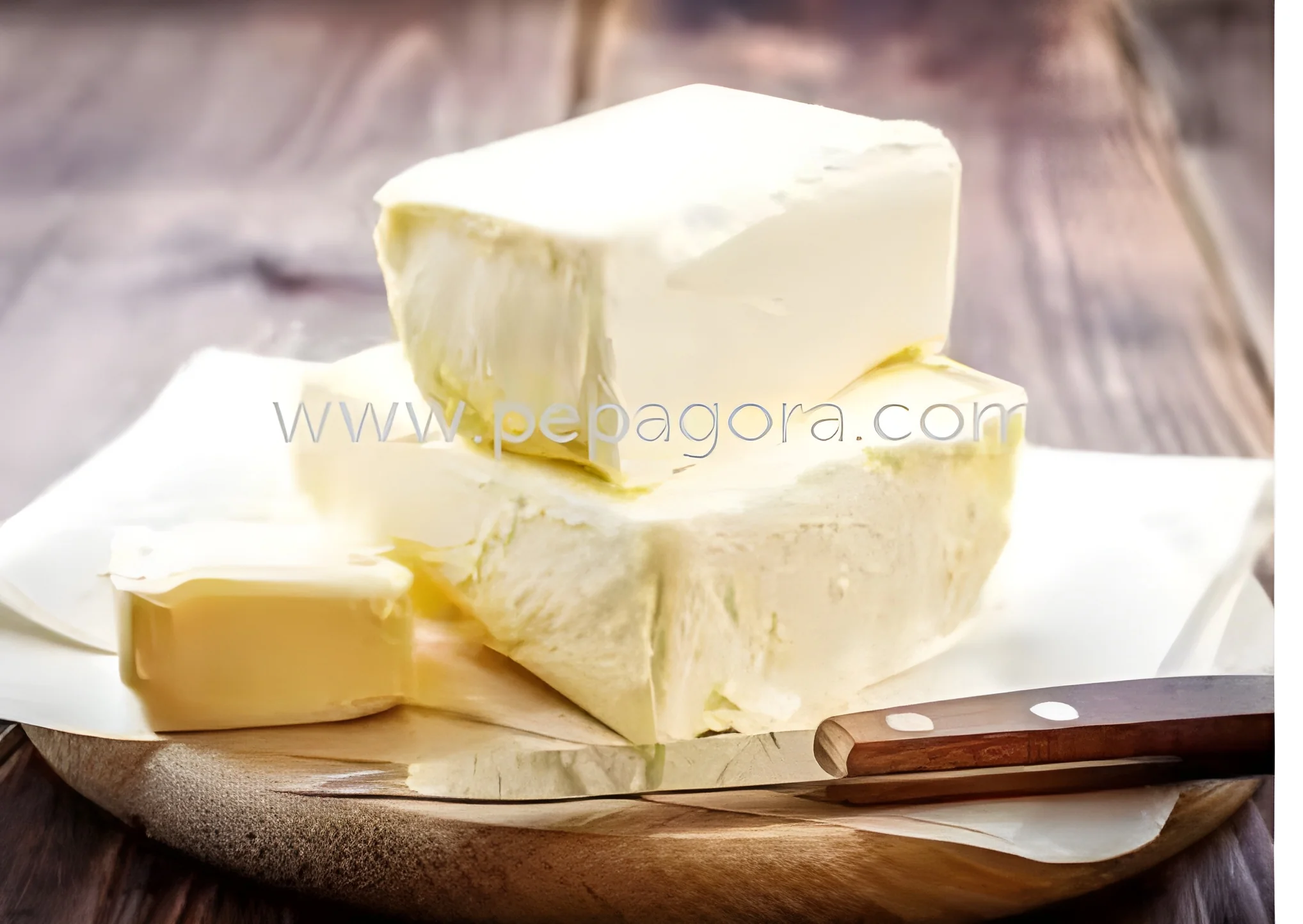
Butter, whether salted or unsalted, possesses several key features that define its quality and usability in various applications. Understanding these specifications is essential for businesses looking to source butter effectively.
Key specifications include:
1. Type
- Salted or unsalted variants
- Choice depending on the application
2. Fat Content
- Typically ranges from 80% to 82% butterfat
- Higher fat content contributes to flavor and texture
3. Packaging
- Available in bulk, blocks, or tubs
- Packaging should ensure freshness and prevent spoilage
4. Shelf Life
- Generally lasts 6-12 months when stored properly
- Salted butter has a longer shelf life than unsalted
5. Culinary Uses
- Ideal for baking, cooking, and as a spread
- Enhances flavor and texture in food products
6. Compliance
- Must adhere to food safety regulations and standards
- Certification for quality assurance
7. Origin
- Source of milk (e.g., cow, goat)
- Influence on flavor profiles
8. Nutritional Information
- Contains vitamins A, D, E, and K
- Provides essential fatty acids
In summary, understanding the features and specifications of butter is crucial for businesses in determining the right product for their needs.
Common Applications and Use Cases
Butter is utilized across a variety of industries, showcasing its versatility and importance in food production.
1. Baking: Butter is a fundamental ingredient in baked goods such as cookies, cakes, and pastries. Its fat content contributes to the desired texture and flavor of the final products.
2. Food Service: Restaurants and catering services rely on butter for cooking and as a finishing ingredient, providing rich flavors in sauces and spreads.
3. Dairy Production: Butter is essential in producing other dairy products, such as margarine and cream cheese, where it acts as a key ingredient.
4. Confectionery: In the candy-making industry, butter is used in caramel and fudge, enhancing the smoothness and richness of these treats.
5. Retail: Packaged butter is sold in grocery stores for household use, appealing to consumers seeking quality dairy products.
6. Frozen Foods: Butter is often included in frozen meals and snacks, contributing to flavor and texture during reheating.
7. Nutraceuticals: Some manufacturers utilize butter in health-related food products, highlighting its natural fat content and nutritional benefits.
Product Variants and Subcategories
Butter is available in various forms, catering to different customer preferences and applications.
Salted Butter: This variant contains added salt, enhancing its flavor and providing a longer shelf life. It is commonly used in everyday cooking and baking.
Unsalted Butter: This version is free from salt, allowing chefs to control seasoning more precisely. It is preferred in baking recipes where salt content needs to be managed.
Organic Butter: Made from milk sourced from cows that are not treated with antibiotics or hormones, organic butter appeals to health-conscious consumers.
Cultured Butter: This variant is made from fermented cream, giving it a distinct tangy flavor. It is sought after for its unique taste in gourmet cooking.
Benefits and Advantages
Sourcing butter offers significant benefits for businesses across various sectors.
Key benefits include:
1. Versatility: Butter can be used in a wide range of culinary applications, making it a staple ingredient in many recipes.
2. Flavor Enhancement: The rich taste of butter elevates the sensory experience of food, making it a preferred choice among chefs and home cooks.
3. Quality Ingredients: High-quality butter is made from natural ingredients, appealing to consumers looking for authentic flavors.
4. Nutritional Value: Butter provides essential vitamins and fatty acids, contributing to a balanced diet when used in moderation.
5. Long Shelf Life: Properly stored butter can last for months, offering flexibility in inventory management for businesses.
6. Customization: Depending on supplier capabilities, butter can be sourced to meet specific dietary requirements or culinary needs.
Buying Guide for B2B Buyers
When sourcing Butter (Salted/Unsalted), businesses should consider several key factors to ensure they make informed purchasing decisions.
1. Quality Assessment: Evaluate the quality of butter based on its fat content, flavor profile, and freshness. Request samples for testing before committing to larger orders.
2. Supplier Verification: Conduct thorough research on potential suppliers, checking for certifications and reviews to ensure reliability and product quality.
3. Pricing and MOQ: Understand the pricing structure and minimum order quantities (MOQ) to align sourcing strategies with budget constraints and production needs.
4. Delivery and Lead Times: Clarify logistical details, including lead times for delivery. Reliable suppliers should provide clear timelines to avoid disruptions in the supply chain.
5. Compliance Requirements: Ensure that the butter meets local and international food safety standards and regulations. This includes checking for relevant certifications.
Compliance and Certifications
Compliance with industry standards is crucial when sourcing butter. Relevant quality standards include ISO 9001, which ensures a quality management system is in place, and HACCP (Hazard Analysis and Critical Control Points), which focuses on food safety. These standards help guarantee that butter is produced and handled safely.
Additionally, products may require certifications such as CE to indicate conformity with health, safety, and environmental protection standards. Compliance with safety and testing requirements is also vital to ensure the product meets consumer expectations and regulatory demands.
Regional compliance considerations may vary, so it is essential to understand local regulations governing dairy products in different markets. This knowledge helps businesses navigate the complexities of sourcing butter globally.
Why Source Butter (Salted/Unsalted) from Pepagora?
Pepagora is an established platform for sourcing Butter (Salted/Unsalted), providing several distinct advantages for businesses.
Verified Supplier Network: Pepagora features a network of verified suppliers, ensuring that buyers can access high-quality butter products with confidence. The verification process helps mitigate risks associated with sourcing.
Streamlined RFQ Process: The Request for Quotation (RFQ) system offered by Pepagora simplifies the sourcing process. Buyers can easily compare offers from multiple suppliers, saving time and effort in procurement.
Trade Assurance and Support: Pepagora offers buyer protection through trade assurance policies, ensuring that transactions are secure and that buyers receive the products they expect.
Regional Coverage: With a strong presence in India, GCC, and Southeast Asia, Pepagora provides extensive geographic reach, making it easier for businesses in these regions to source butter efficiently.
By choosing Pepagora, businesses can ensure they are sourcing high-quality butter while benefiting from a reliable and efficient procurement process.

 IN
IN
 India
India