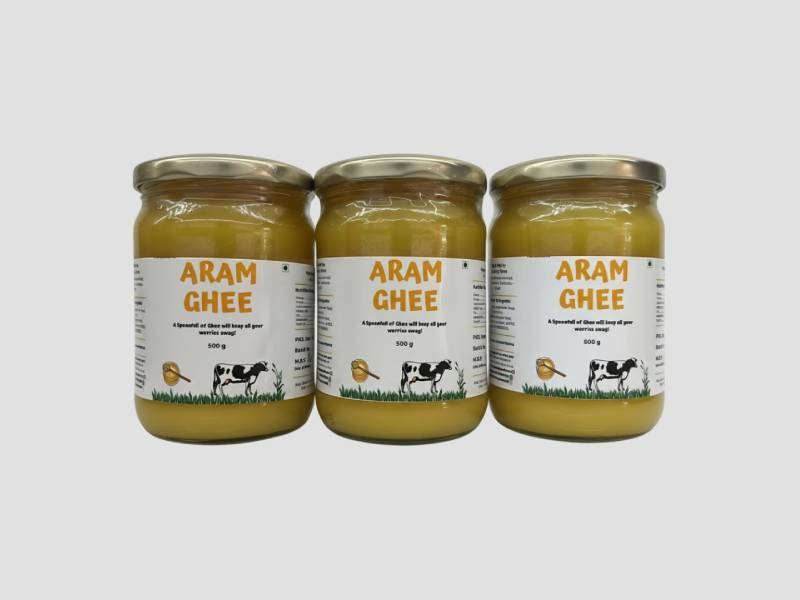
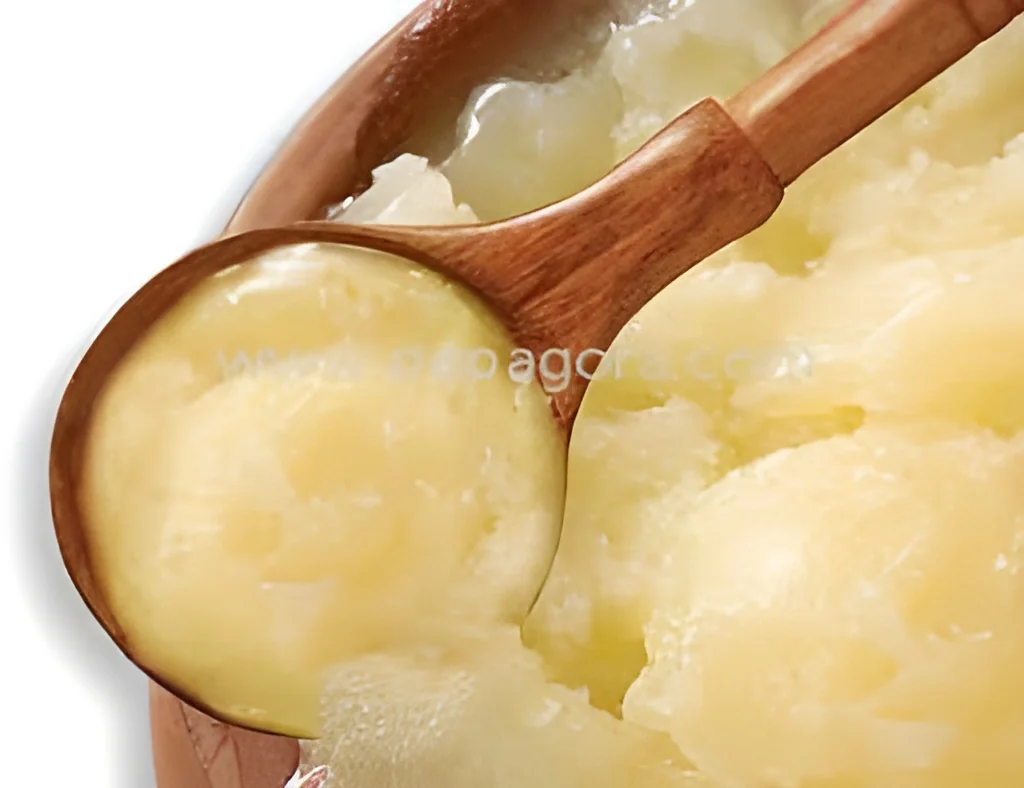
Key Features and Specifications
Ghee offers a range of features and specifications that are important for B2B buyers to consider. Its characteristics influence both cooking performance and product quality, making it essential to understand these details before sourcing.
Key specifications include:
1. Flavor Profile
- Ghee has a rich and nutty flavor that enhances dishes.
- It provides a unique taste compared to regular butter or oils.
2. Smoke Point
- Ghee has a high smoke point, typically around 450°F (232°C).
- This makes it ideal for frying, sautéing, and baking without burning.
3. Shelf Life
- Ghee can last for several months when stored properly, often up to a year.
- It does not require refrigeration if kept in a cool, dry place.
4. Nutritional Content
- Ghee is rich in vitamins A, D, E, and K.
- It contains healthy fats that can support digestive health.
5. Lactose-Free
- Ghee is suitable for those with lactose intolerance as it contains minimal lactose.
- This makes it a versatile option for diverse dietary needs.
6. Organic Options
- Many suppliers offer organic ghee made from grass-fed cows.
- Organic ghee is often preferred for its purity and health benefits.
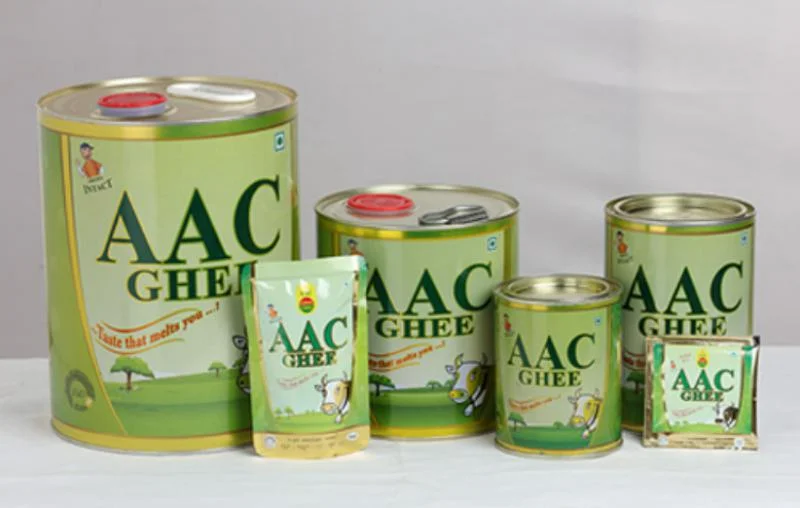
7. Packaging Options
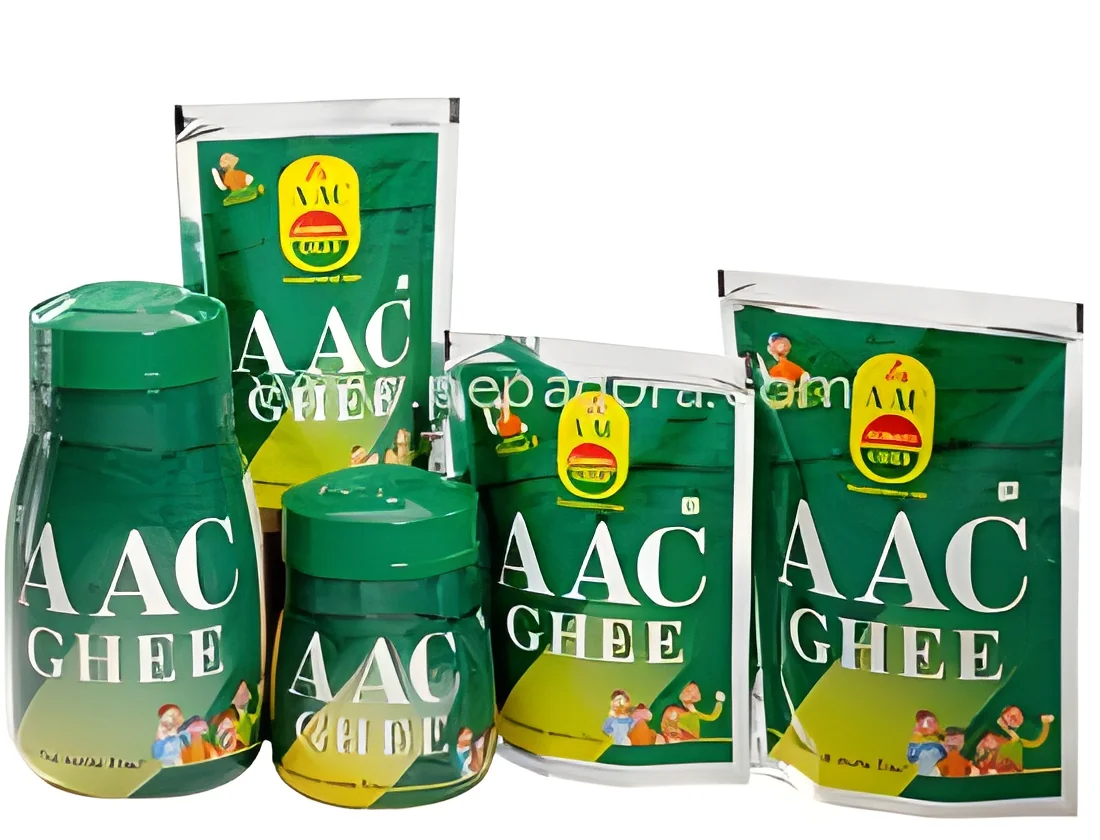
- Ghee is available in various packaging sizes, including bulk containers.
- This ensures flexibility for different business needs.
8. Certifications
- Ghee may be available with certifications such as CE for quality assurance.
- Certifications provide assurance of product safety and compliance.
In summary, understanding the key features and specifications of ghee is crucial for businesses looking to incorporate this ingredient into their offerings.
Common Applications and Use Cases
Ghee is a versatile product with applications across various industries.
1. Food Service Industry: Ghee is widely used in restaurants and catering services for cooking and flavoring dishes. Its high smoke point makes it suitable for various cooking techniques.
2. Food Manufacturing: Ghee is used as an ingredient in processed foods, snacks, and baked goods. Its rich flavor enhances the taste profile of products.
3. Health and Wellness: Ghee is often included in health foods and dietary supplements due to its nutritious properties. It is popular among consumers seeking natural health solutions.
4. Culinary Arts: Chefs utilize ghee for its flavor and cooking characteristics, making it a staple in gourmet cooking.
5. Bakery Products: Ghee is used in many bakery applications, providing a desirable texture and flavor in pastries and bread.
6. Ethnic Foods: Ghee is essential in many traditional dishes, particularly in Indian and Middle Eastern cuisines, adding authenticity and flavor.
7. Nutraceuticals: Ghee is incorporated in health products, such as herbal remedies, due to its health benefits.
Product Variants and Subcategories
Ghee comes in various forms and can cater to different market needs.
Organic Ghee
This variant is made from the milk of grass-fed cows, ensuring high quality and purity. Organic ghee is favored for its health benefits and is often marketed to health-conscious consumers.
A2 Ghee
A2 ghee is derived from the milk of cows that produce only the A2 beta-casein protein, which is believed to be easier to digest for some individuals. This variant appeals to those with sensitivities to conventional dairy products.
Ghee with Added Flavors
Some suppliers offer ghee infused with herbs and spices, such as garlic or turmeric. These flavored varieties provide additional culinary options for chefs and food manufacturers.
Benefits and Advantages
Sourcing ghee provides numerous benefits that can enhance culinary experiences and product offerings.
1. Nutritional Value: Ghee is rich in essential vitamins and healthy fats, contributing to a balanced diet.
2. High Smoke Point: Its ability to withstand high temperatures makes ghee ideal for frying and sautéing without compromising flavor.
3. Lactose-Free: Ghee is suitable for lactose-intolerant individuals, expanding the customer base for food businesses.
4. Versatile Ingredient: Ghee can be used in a variety of dishes, from savory to sweet, making it a flexible ingredient for chefs and food manufacturers.
5. Long Shelf Life: Ghee’s extended shelf life minimizes waste and reduces the frequency of reordering.
6. Authentic Flavor: Ghee adds a unique and rich flavor to dishes, enhancing the overall culinary experience.
Buying Guide for B2B Buyers
When sourcing ghee, B2B buyers should consider several essential factors to ensure they make informed decisions.
1. Quality Assessment: Evaluate the quality of ghee by reviewing its flavor, aroma, and texture. Look for products with certifications that verify quality standards.
2. Supplier Verification: Vet potential suppliers by checking their reputation, production processes, and adherence to industry standards. Reliable suppliers should have a track record of consistent quality.
3. Pricing and MOQ: Consider the cost of ghee and the minimum order quantity (MOQ) required by suppliers. Compare prices across different suppliers to ensure competitive sourcing.
4. Delivery and Lead Times: Assess the logistics of delivery times and transportation methods. Ensure that suppliers can meet your lead time requirements to avoid disruptions.
5. Compliance Requirements: Be aware of relevant regulatory compliance standards for food products in your region. Ensure that suppliers adhere to necessary safety and quality regulations.
Compliance and Certifications
Ghee must meet several quality standards and compliance requirements to ensure safety and reliability in food applications.
ISO 9001 is a quality management system standard that ensures consistent quality in production processes. It is crucial for suppliers to maintain this certification to guarantee product integrity.
HACCP (Hazard Analysis Critical Control Point) is a systematic approach to food safety that identifies and manages potential hazards throughout the food production process. Compliance with HACCP is essential for suppliers handling food products like ghee.
CE certification indicates that a product meets European Union safety, health, and environmental protection standards. While this may not directly apply to all ghee products, it is an important consideration for suppliers exporting to EU markets.
Safety testing requirements, including microbiological and chemical analyses, are necessary to verify the purity and safety of ghee. Regular testing ensures that the product meets health regulations.
Regional compliance considerations vary by market. Buyers should be aware of local regulations regarding food products and ensure that suppliers comply with these standards.
Why Source Ghee (Clarified Butter) from Pepagora?
Pepagora offers a reliable platform for sourcing ghee with several advantages for B2B buyers.
Verified Supplier Network: Pepagora connects buyers with a network of verified suppliers, ensuring that all listed products meet quality standards. This verification process helps mitigate risks associated with sourcing.
Streamlined RFQ Process: The Request for Quotation (RFQ) system simplifies the sourcing process. Buyers can easily request quotes from multiple suppliers, facilitating comparisons and informed decision-making.
Trade Assurance and Support: Pepagora provides trade assurance, protecting buyers during transactions. The platform also offers support to address any concerns or issues that may arise throughout the sourcing process.
Regional Coverage: Pepagora's geographical reach spans India, the GCC (Gulf Cooperation Council), and Southeast Asia. This extensive coverage allows buyers to access a diverse range of ghee products and suppliers tailored to their specific needs.

 IN
IN