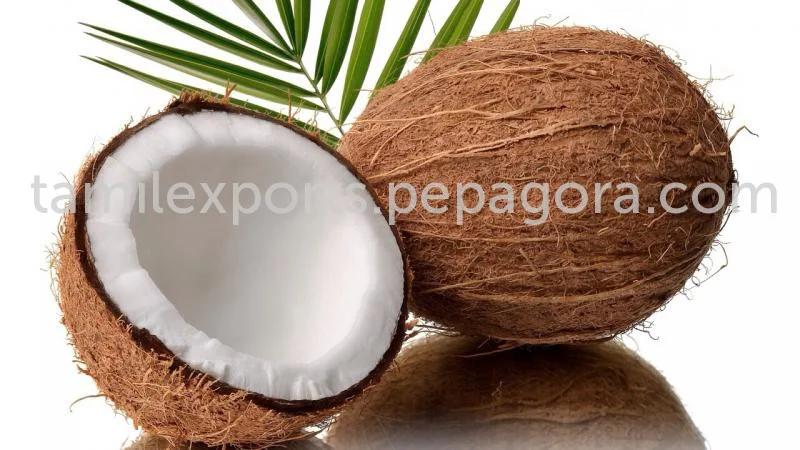
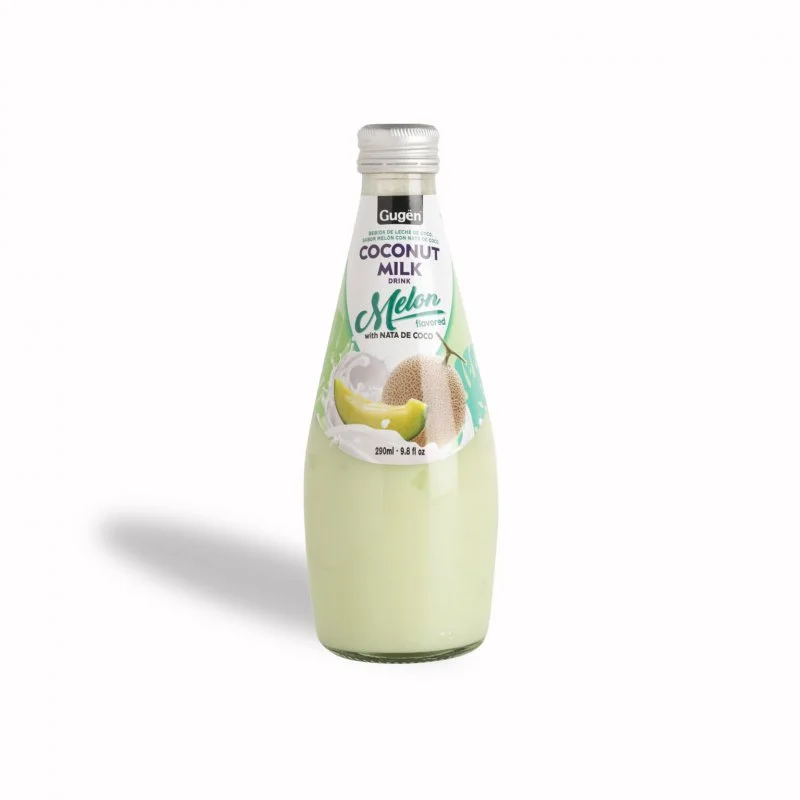
What are Coconut Milk?
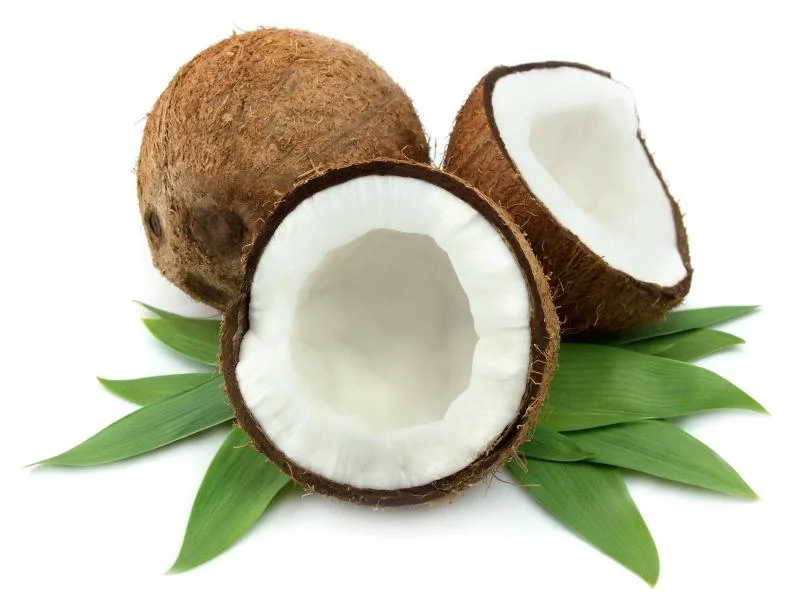
Coconut milk is a creamy, rich liquid extracted from the grated meat of mature coconuts. It is widely recognized for its unique flavor and nutritional profile, which includes healthy fats, vitamins, and minerals. The process of making coconut milk involves blending coconut meat with water and then straining the mixture to separate the liquid from the solid residue. This results in a versatile ingredient that can be used in various culinary applications.
Coconut milk is primarily used in cooking and food production. It serves as a base for soups, sauces, and curries, and is commonly used in desserts and beverages. In the food industry, it is often found in dairy alternatives, providing a non-dairy option for consumers. The growing trend of plant-based diets has further increased the demand for coconut milk, making it a relevant product in the health and wellness market.
The market for coconut milk continues to expand, particularly in regions where coconut cultivation is prevalent. With an increasing number of consumers seeking natural and organic products, coconut milk has gained popularity in both retail and food service sectors. Its applications in various cuisines, from Asian to Caribbean, further enhance its relevance in the global market.
Key Features and Specifications
Coconut milk is characterized by its rich texture and flavor, making it a favored ingredient in many culinary applications. When considering coconut milk for commercial use, specific features and specifications are essential to understand to ensure quality and suitability for intended applications.
Key specifications include:
1. Fat Content
- Typically ranges from 15% to 25%
- Influences the creaminess and mouthfeel in recipes
2. Shelf Life
- Generally lasts 18 to 24 months when unopened
- Must be refrigerated and consumed within a certain period once opened
3. Packaging
- Available in cans, cartons, or bulk containers
- Packaging must ensure product integrity and extend shelf life
4. Nutritional Profile
- Contains essential fatty acids, vitamins, and minerals
- Provides a source of natural energy and dietary fat
5. Flavor Profile
- Mildly sweet and nutty taste
- Can vary based on processing methods and coconut quality
6. Consistency
- Varies from thin to thick based on water content
- Thicker versions are often used for desserts and sauces
7. Organic Certification
- Many suppliers offer organic options
- Important for health-conscious consumers and businesses
8. Allergen Information
- Gluten-free and dairy-free
- Suitable for various dietary restrictions
Coconut milk's diverse specifications allow for customization based on business needs. Understanding these features will aid in selecting the right product for specific applications.
Common Applications and Use Cases
Coconut milk has diverse applications across various industries, making it a valuable ingredient in many products.
1. Food and Beverage Industry: Coconut milk is widely used in cooking, especially in Asian cuisines. It serves as a base for curries, soups, and desserts, and is also a popular ingredient in smoothies and plant-based beverages.
2. Health and Wellness Sector: With the rise in plant-based diets, coconut milk is increasingly used in dairy alternatives. It is found in vegan ice creams, yogurts, and creamers, appealing to health-conscious consumers.
3. Bakery and Confectionery: Coconut milk adds moisture and flavor to baked goods. It is used in cakes, cookies, and pastries, enhancing their texture and taste.
4. Cosmetics and Personal Care: Coconut milk is incorporated into beauty products for its moisturizing properties. It is found in lotions, shampoos, and conditioners, providing nourishment to the skin and hair.
5. Nutraceuticals: The health benefits of coconut milk make it an ingredient in dietary supplements. Its rich nutrient profile supports immune health and provides energy.
6. Catering and Food Service: Many restaurants and catering businesses use coconut milk to create signature dishes. Its versatility allows chefs to experiment with flavors and textures.
7. Frozen Food Products: Coconut milk is essential in frozen desserts, adding creaminess and flavor. It is used in sorbets and dairy-free ice creams, catering to diverse consumer preferences.
Product Variants and Subcategories
Coconut milk is a versatile product with various forms to suit different culinary needs.
Coconut Cream
Coconut cream is a thicker, richer version of coconut milk, containing a higher fat content. It is commonly used in desserts, sauces, and as a dairy substitute in recipes requiring a creamy texture. Coconut cream can be whipped and used as a topping for cakes and pastries.
Light Coconut Milk
Light coconut milk has a lower fat content compared to regular coconut milk, making it a healthier option for those seeking to reduce fat intake. It is ideal for soups and sauces where a lighter consistency is preferred without sacrificing flavor.
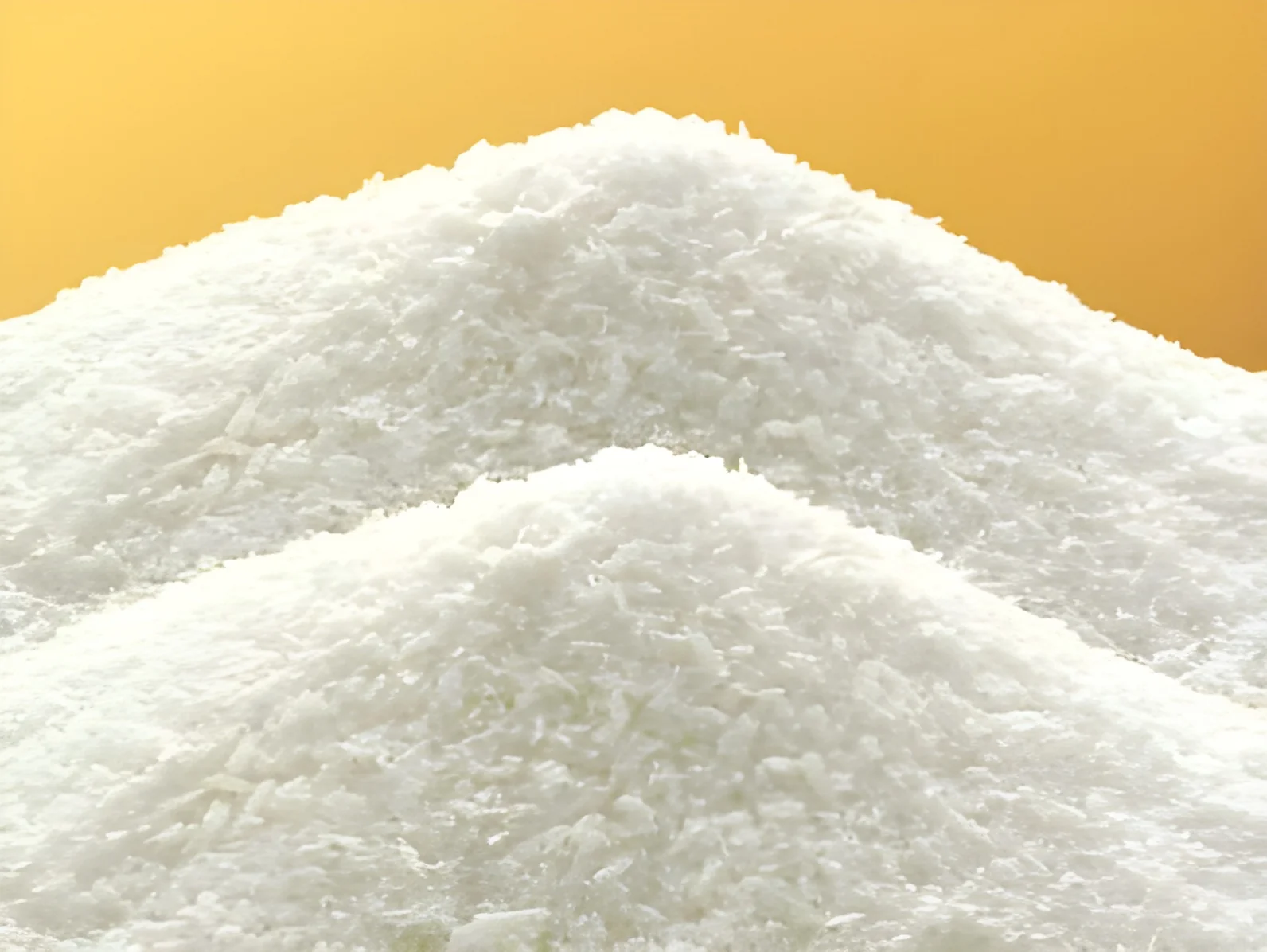
Coconut Milk Powder
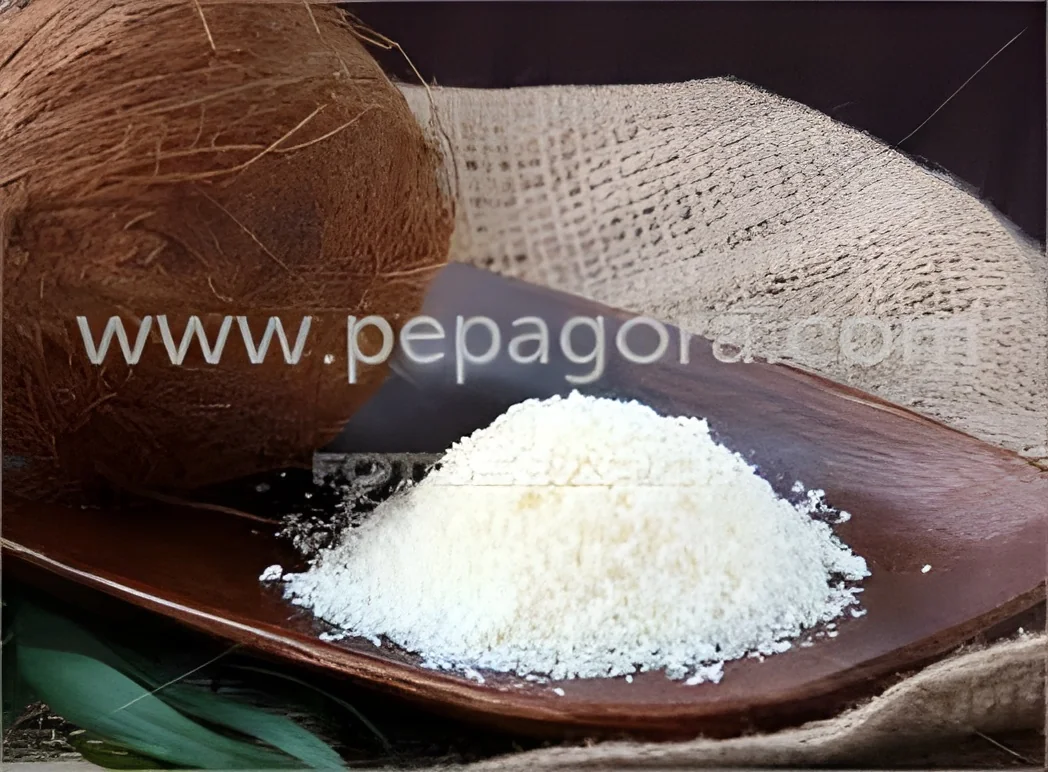
Coconut milk powder is a dehydrated form of coconut milk, making it convenient for storage and transportation. It can be reconstituted with water to create coconut milk as needed. This variant is popular in the food industry for its long shelf life and ease of use.
Benefits and Advantages
Choosing coconut milk offers several advantages for businesses and consumers alike.
1. Nutritional Value: Coconut milk is rich in healthy fats and essential nutrients, contributing to a balanced diet. It provides a source of energy and supports overall health.
2. Versatility: Coconut milk can be used in a wide range of recipes, from savory dishes to sweet desserts. Its adaptability makes it a valuable ingredient in various cuisines.
3. Dairy Alternative: For those with lactose intolerance or dairy allergies, coconut milk serves as an excellent substitute, allowing consumers to enjoy creamy textures without discomfort.
4. Flavor Enhancement: The unique taste of coconut milk can elevate the flavor profiles of dishes, adding a tropical twist to traditional recipes.
5. Shelf Stability: When properly packaged, coconut milk has a long shelf life, making it a practical choice for manufacturers and retailers.
6. Consumer Appeal: The growing demand for plant-based and organic products makes coconut milk an attractive option for businesses looking to cater to health-conscious consumers.
Buying Guide for B2B Buyers
When sourcing coconut milk, it is crucial for B2B buyers to consider several key factors to ensure quality and reliability.
1. Quality Assessment: Evaluate the quality of coconut milk by checking for certifications and lab analysis. Look for products that meet industry standards for purity and nutritional content.
2. Supplier Verification: Vet suppliers thoroughly by checking references, certifications, and production practices. Ensure they have a track record of reliability and quality assurance.
3. Pricing and MOQ: Understand the pricing structure and minimum order quantities (MOQ) offered by suppliers. This will help in budgeting and planning inventory effectively.
4. Delivery and Lead Times: Discuss logistics with suppliers to ensure timely delivery. Understand their lead times to align with production schedules and customer demands.
5. Compliance Requirements: Ensure that the coconut milk meets relevant regulatory standards and certifications for your target market. This includes food safety regulations and quality assurance protocols.
Compliance and Certifications
Coconut milk must adhere to various compliance and certification standards to ensure safety and quality.
Relevant quality standards such as ISO 9001 and HACCP are essential for food safety management. These standards ensure that manufacturers follow systematic processes for quality control.
Industry certifications, including CE, indicate that products meet European safety and health requirements. This certification is crucial for businesses exporting to or operating within the European market.
Safety and testing requirements must be met to ensure the product is free from contaminants and safe for consumption. Regular testing and quality checks are necessary to maintain compliance.
Regional compliance considerations may vary based on local regulations. It is important for businesses to understand these requirements when sourcing coconut milk for different markets.
Why Source Coconut Milk from Pepagora?
Pepagora provides a trusted platform for sourcing coconut milk with several key advantages.
Verified Supplier Network: Pepagora connects buyers with a network of verified suppliers. Each supplier is vetted for quality and reliability, ensuring that businesses can source coconut milk with confidence.
Streamlined RFQ Process: The Request for Quotation (RFQ) system simplifies the procurement process. Buyers can easily obtain quotes from multiple suppliers, allowing for informed decision-making.
Trade Assurance and Support: Pepagora offers trade assurance, providing buyers with protection throughout the sourcing process. This support fosters trust and security in transactions.
Regional Coverage: With a strong presence in India, the GCC, and Southeast Asia, Pepagora effectively serves businesses across these regions. This geographic reach enhances accessibility to quality coconut milk products.

 IN
IN