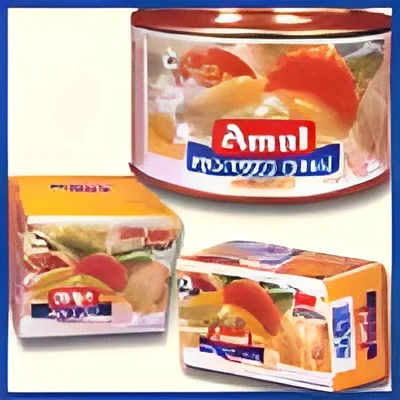
What are Cheese (Processed, Mozzarella, Cheddar)?
Cheese is a dairy product derived from milk, produced through the coagulation of milk proteins. This process involves curdling the milk, separating the solid curds from the liquid whey, and then processing the curds to create various types of cheese. Among the most popular varieties are processed cheese, mozzarella, and cheddar. Processed cheese is created by blending natural cheese with other ingredients, often resulting in a smooth texture and extended shelf life. Mozzarella is known for its soft, elastic texture and is commonly used on pizzas and in salads. Cheddar, a harder cheese, is characterized by its sharp flavor and versatility in cooking.
These cheese varieties have extensive applications across multiple business sectors. In the food service industry, they are essential ingredients in recipes ranging from snacks to gourmet dishes. Processed cheese is favored for its melting properties, making it ideal for fast food and convenience meals. Mozzarella is a staple in Italian cuisine, while cheddar is widely used in both home cooking and commercial food production. The cheese industry continues to grow, driven by increasing consumer demand for convenient and versatile food products.
The relevance of these cheese types in the market is evident in their widespread use and popularity. With a focus on quality and innovation, companies are continually developing new cheese products to meet evolving consumer preferences. As dietary trends shift, the market for cheese remains robust, highlighting its significance in the global food landscape.
๐๐ฒ๐ ๐๐ฒ๐ฎ๐๐๐ฟ๐ฒ๐ ๐ฎ๐ป๐ฑ ๐ฆ๐ฝ๐ฒ๐ฐ๐ถ๐ณ๐ถ๐ฐ๐ฎ๐๐ถ๐ผ๐ป๐
Cheese products, particularly processed cheese, mozzarella, and cheddar, boast a variety of features and specifications that cater to different culinary needs. Understanding these specifications is crucial for businesses looking to source quality cheese products.
Key specifications include:
1. Texture
- Processed cheese has a smooth, creamy texture.
- Mozzarella is soft and elastic.
- Cheddar ranges from smooth to crumbly based on aging.
2. Flavor Profile
- Processed cheese offers a mild, consistent flavor.
- Mozzarella has a delicate, milky taste.
- Cheddar can vary from mild to sharp, depending on aging time.
3. Melting Point
- Processed cheese melts uniformly, making it ideal for sauces.
- Mozzarella melts beautifully, creating a stretchy texture.
- Cheddar melts well but can become oily if overheated.
4. Shelf Life
- Processed cheese has a long shelf life due to preservatives.
- Mozzarella is best consumed fresh but can be stored under refrigeration.
- Cheddar has a long shelf life, especially when aged.
5. Nutritional Content
- Processed cheese may contain added ingredients for enhanced flavor.
- Mozzarella is lower in fat and calories compared to cheddar.
- Cheddar is rich in calcium and protein but higher in fat.
6. Packaging
- Processed cheese is often sold in slices, blocks, or spreads.
- Mozzarella is available in balls or shredded forms.
- Cheddar is commonly found in blocks, shredded, or sliced.
7. Source of Milk
- Processed cheese can be made from cow's milk, goat's milk, or a blend.
- Mozzarella traditionally uses water buffalo milk but can also use cow's milk.
- Cheddar is primarily made from cow's milk.
8. Compliance and Certifications
- Most cheese products adhere to food safety standards and certifications such as CE.
These specifications ensure that businesses can select the right cheese products to meet their culinary and operational needs.
๐๐ผ๐บ๐บ๐ผ๐ป ๐๐ฝ๐ฝ๐น๐ถ๐ฐ๐ฎ๐๐ถ๐ผ๐ป๐ ๐ฎ๐ป๐ฑ ๐จ๐๐ฒ ๐๐ฎ๐๐ฒ๐
Cheese (Processed, Mozzarella, Cheddar) serves a wide range of industries, each benefiting from its unique properties.
1. Food Service: Restaurants and catering companies utilize these cheeses in a variety of dishes, including pizzas, sandwiches, and appetizers.
2. Retail: Supermarkets and grocery stores sell cheese products to consumers, often highlighting their versatility and convenience for home cooking.
3. Food Manufacturing: Processed cheese is a key ingredient in ready-to-eat meals, while mozzarella and cheddar are commonly used in snack foods and frozen products.
4. Hospitality: Hotels and resorts incorporate these cheeses into their dining offerings, enhancing menu appeal and guest satisfaction.
5. Health and Wellness: Specialty cheese products are increasingly used in dietary plans, offering options for low-fat and high-protein diets.
6. Education: Culinary schools and programs emphasize cheese preparation and usage in training aspiring chefs.
7. Export: Cheese products are widely exported, contributing to international cuisine and culinary trends.
๐ฃ๐ฟ๐ผ๐ฑ๐๐ฐ๐ ๐ฉ๐ฎ๐ฟ๐ถ๐ฎ๐ป๐๐ ๐ฎ๐ป๐ฑ ๐ฆ๐๐ฏ๐ฐ๐ฎ๐๐ฒ๐ด๐ผ๐ฟ๐ถ๐ฒ๐
Cheese (Processed, Mozzarella, Cheddar) encompasses a diverse range of product variants, each tailored to specific culinary needs.
Processed Cheese Spread: This variant is creamy and easy to spread, making it ideal for snacks and appetizers. It often contains flavor enhancers and stabilizers for consistency.
Fresh Mozzarella: Known for its delicate texture, fresh mozzarella is often used in salads and as a pizza topping. It is generally sold in brine to maintain its moisture.
Aged Cheddar: This variant offers a sharper flavor profile due to extended aging. It is favored in gourmet cooking and pairs well with various wines and charcuterie.
Low-Fat Mozzarella: A healthier alternative, this cheese variant maintains the characteristics of traditional mozzarella while reducing fat content, making it suitable for health-conscious consumers.
Sliced Cheddar: Pre-sliced for convenience, this cheddar variant is perfect for sandwiches and quick meals, appealing to busy consumers.
๐๐ฒ๐ป๐ฒ๐ณ๐ถ๐๐ ๐ฎ๐ป๐ฑ ๐๐ฑ๐๐ฎ๐ป๐๐ฎ๐ด๐ฒ๐
Sourcing Cheese (Processed, Mozzarella, Cheddar) provides numerous advantages for businesses in the food sector.
Key benefits include:
1. Versatility: These cheeses can be used in a wide range of dishes, from appetizers to main courses, enhancing menu options.
2. Convenience: Processed cheese, in particular, offers ease of use, requiring minimal preparation and cooking time.
3. Consistency: The quality of these cheese products remains stable, ensuring a reliable flavor and texture across batches.
4. Nutritional Value: Cheese is a good source of protein and calcium, adding nutritional benefits to meals.
5. Consumer Appeal: The popularity of cheese products among consumers helps drive sales and customer satisfaction.
6. Cost-Effectiveness: Purchasing cheese in bulk often leads to savings, making it an economical ingredient for food service operations.
๐๐๐๐ถ๐ป๐ด ๐๐๐ถ๐ฑ๐ฒ ๐ณ๐ผ๐ฟ ๐๐ฎ๐ ๐๐๐๐ฒ๐ฟ๐
When sourcing Cheese (Processed, Mozzarella, Cheddar), it is essential for buyers to consider several factors to ensure they make informed decisions.
1. Quality Assessment: Evaluating the quality of cheese is critical. Look for products that meet industry standards and possess desirable characteristics such as flavor and texture.
2. Supplier Verification: Vetting suppliers is crucial to ensure reliability. Check for certifications, customer reviews, and industry reputation to confirm the supplierโs credibility.
3. Pricing and MOQ: Understanding the pricing structure and minimum order quantities enables better budgeting and inventory planning. Compare quotes from multiple suppliers for competitive pricing.
4. Delivery and Lead Times: Assess the logistics of delivery and expected lead times to ensure timely product availability for your operations.
5. Compliance Requirements: Be aware of regulatory requirements for cheese products, including food safety standards and labeling regulations, to ensure compliance in your market.
๐๐ผ๐บ๐ฝ๐น๐ถ๐ฎ๐ป๐ฐ๐ฒ ๐ฎ๐ป๐ฑ ๐๐ฒ๐ฟ๐๐ถ๐ณ๐ถ๐ฐ๐ฎ๐๐ถ๐ผ๐ป๐
Cheese products must adhere to various quality standards and certifications to ensure safety and consumer trust. Key standards include ISO 9001, which pertains to quality management systems that organizations can implement to enhance customer satisfaction.
HACCP (Hazard Analysis Critical Control Point) is a systematic preventive approach that addresses food safety by identifying and controlling potential hazards during production. Compliance with HACCP is essential for processing facilities to ensure that cheese products are safe for consumption.
Additionally, cheese products may be required to meet Good Distribution Practices (GDP) to ensure they are handled and distributed safely. Certifications such as CE indicate compliance with European safety standards.
Safety requirements also encompass testing for contaminants and ensuring that the manufacturing process adheres to hygiene protocols. Regional compliance considerations may vary, so it is crucial to understand local regulations governing cheese production and distribution to avoid penalties.
Why Source Cheese (Processed, Mozzarella, Cheddar) from Pepagora?
Pepagora provides a trusted platform for sourcing Cheese (Processed, Mozzarella, Cheddar) with several key advantages that enhance the buying experience.
Verified Supplier Network: Pepagora connects buyers with a network of verified suppliers, ensuring that the products sourced meet high-quality standards. This network reduces the risk of dealing with unreliable suppliers.
Streamlined RFQ Process: The Request for Quotation (RFQ) system simplifies the process of obtaining quotes from multiple suppliers. This efficiency allows buyers to compare options quickly and make informed purchasing decisions.
Trade Assurance and Support: Buyers are protected through trade assurance measures that safeguard transactions. Pepagora offers support to address any concerns that may arise during the sourcing process.
Regional Coverage: With a strong presence in regions such as India, the GCC, and Southeast Asia, Pepagora facilitates connections between buyers and suppliers across diverse markets, ensuring access to a wide range of cheese products.
By choosing Pepagora, businesses can enhance their sourcing strategy, ensuring they procure quality cheese products that meet their specific needs.