What are Milk Powder?
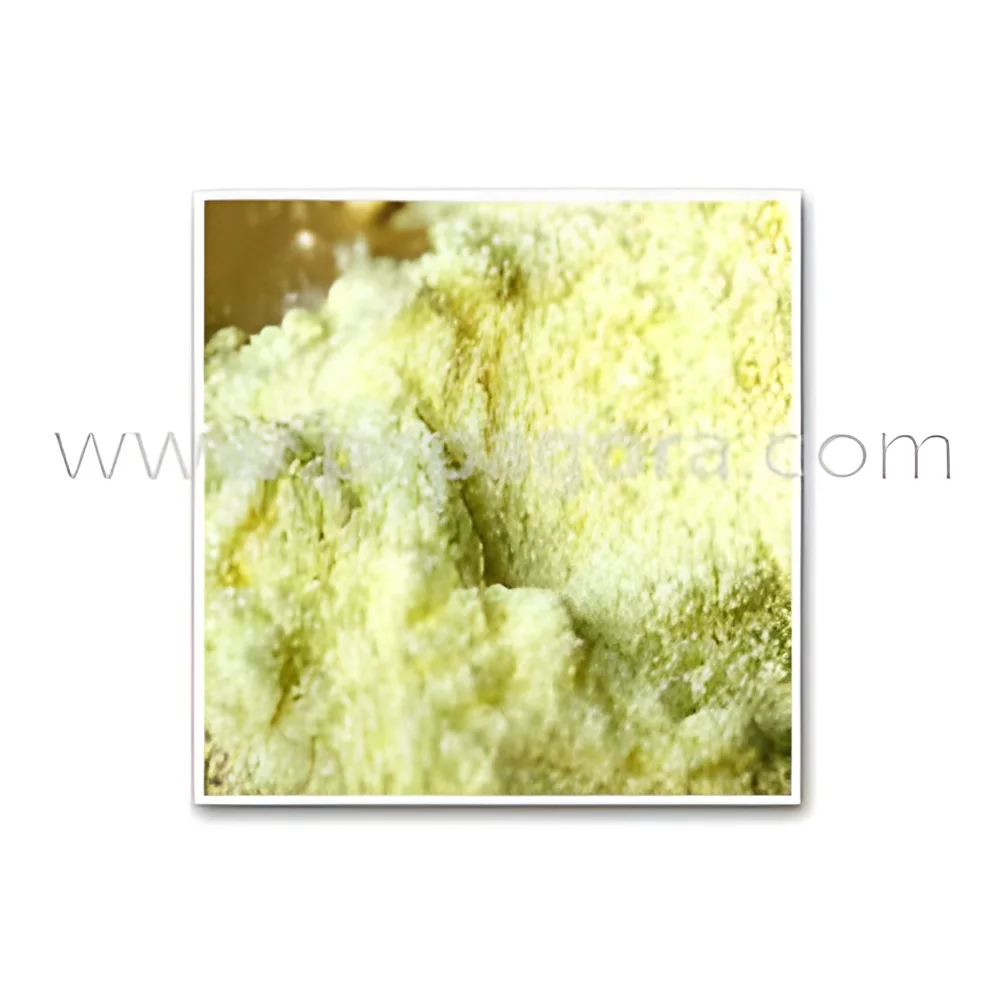
Milk powder is a dairy product created by evaporating milk to dryness. This process removes the moisture content, resulting in a shelf-stable product that retains many of the nutritional properties of fresh milk. Milk powder is available in various forms, including whole, skimmed, and non-fat varieties, catering to diverse dietary needs and preferences.
The primary uses of milk powder are in the food and beverage industry, where it serves as an essential ingredient in products such as infant formula, baked goods, dairy products, and snacks. It is also utilized in sectors like pharmaceuticals and cosmetics, where milk powder's nutritional properties are valued for their health benefits. The global market for milk powder is robust, driven by the increasing demand for processed foods and beverages.
As the demand for longer shelf-life products continues to rise, the milk powder industry is becoming increasingly relevant. Factors such as changing consumer preferences, the rise of health-conscious eating, and the growth of e-commerce are shaping the market landscape. Manufacturers and suppliers are investing in innovations to enhance product quality and meet stringent industry standards.
Key Features and Specifications
Milk powder possesses several key features and specifications that make it a valuable ingredient across various industries. Understanding these specifications is crucial for B2B buyers looking to source high-quality products.
Key specifications include:
1. Composition
- Varies based on the type of milk powder (whole, skimmed, or non-fat)
- Typically contains proteins, carbohydrates, fats, vitamins, and minerals
2. Moisture Content
- Generally ranges from 3% to 5%
- Lower moisture content improves shelf stability
3. Solubility
- Affects ease of use in applications
- Typically ranges from 90% to 98% depending on the product type
4. Fat Content
- Whole milk powder usually contains around 26% to 40% fat
- Skimmed milk powder contains less than 1% fat
5. Protein Content
- Whole milk powder contains about 25% to 27% protein
- Skimmed milk powder contains approximately 34% to 36% protein
6. Lactose Content
- Generally ranges from 38% to 52%
- Important for applications sensitive to lactose
7. Shelf Life
- Typically ranges from 18 months to 24 months when stored properly
- Depends on packaging and storage conditions
8. Packaging
- Available in various sizes, including bulk packaging for industrial use
- Packaging designed to maintain freshness and prevent contamination
The diversity of specifications allows for tailored applications in different industries.
Common Applications and Use Cases
Milk powder is used in a variety of applications across multiple sectors.
1. Food and Beverage Industry: Milk powder is a key ingredient in products like chocolate, bakery items, dairy products, and creamers, providing essential nutrients and enhancing flavor.
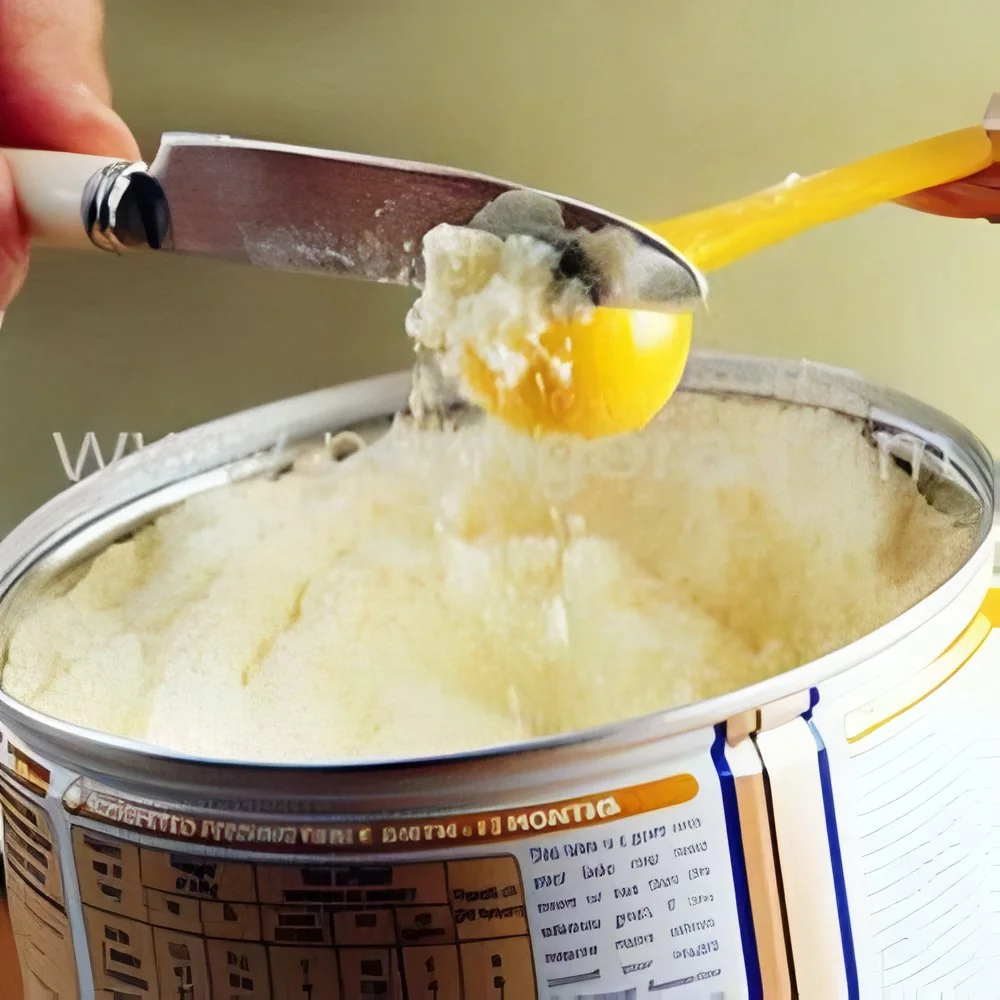
2. Infant Formula Production: The nutritional profile of milk powder makes it ideal for formulating infant formulas, offering a convenient alternative to fresh milk.
3. Confectionery: In the confectionery industry, milk powder is used to create rich textures in chocolates and other sweets.
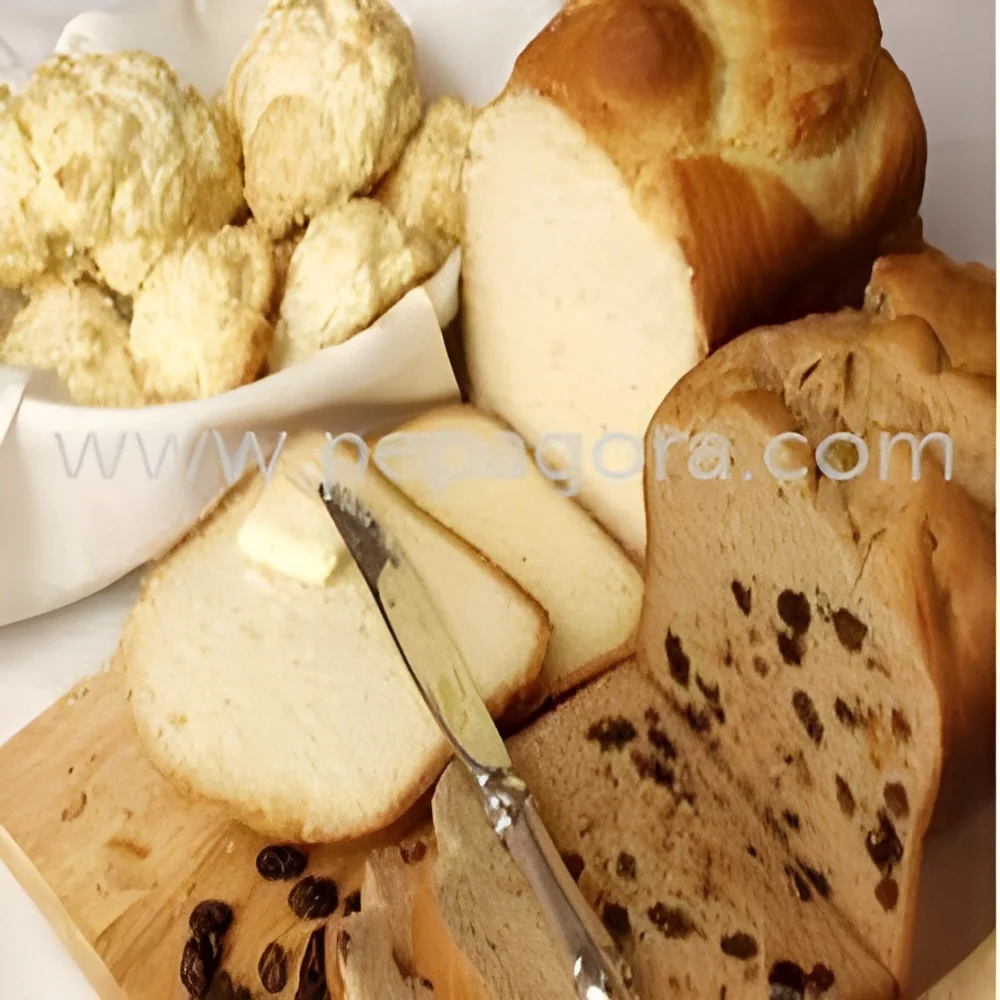
4. Bakery Products: Milk powder improves the quality of baked goods, providing moisture and enhancing flavor profiles.
5. Nutritional Supplements: Many health products use milk powder due to its high protein content, serving as a source of essential nutrients for various health-conscious consumers.
6. Dairy Alternatives: Milk powder is utilized in creating dairy alternatives to accommodate lactose-intolerant individuals and those seeking plant-based options.
7. Ready-to-Use Meals: In the growing market for convenience food, milk powder is used to enhance the nutritional value and taste of instant meals.
Product Variants and Subcategories
Milk powder comes in various forms, each catering to specific needs and applications.
Whole Milk Powder: This variant contains a higher fat content, making it ideal for rich recipes and products requiring creaminess. It is often used in baking and confectionery.
Skimmed Milk Powder: This variant has significantly reduced fat content, making it a popular choice for low-fat products and health-conscious applications. It is often used in dietary supplements and low-calorie recipes.
Non-Fat Dry Milk: This variant is made by removing all fat from fresh milk, providing a versatile ingredient for a range of applications, including beverages and baked goods.
Benefits and Advantages
Milk powder offers several advantages for businesses sourcing dairy ingredients.
1. Long Shelf Life: The low moisture content ensures that milk powder lasts longer than liquid milk, reducing wastage and improving inventory management.
2. Nutritional Value: Milk powder retains essential nutrients found in fresh milk, making it a healthy addition to various food products.
3. Cost-Effective: The concentration of nutrients in milk powder often makes it a more economical choice for manufacturers compared to fresh milk.
4. Versatility: Milk powder can be easily reconstituted or incorporated into various recipes, making it suitable for different applications.
5. Convenience: The lightweight and compact form of milk powder allows for easy transportation and storage.
6. Stable Supply: With the ability to be stored for extended periods, milk powder ensures a consistent supply for manufacturers, mitigating risks related to fresh milk availability.
Buying Guide for B2B Buyers
When sourcing milk powder, B2B buyers should consider several key factors to ensure they make informed purchasing decisions.
1. Quality Assessment: Buyers should evaluate the nutritional profile and composition of the milk powder to meet specific application requirements. Quality checks should include verifying moisture content and protein levels.
2. Supplier Verification: It is essential to vet suppliers for reliability and adherence to industry standards. Buyers should look for certifications and a proven track record.
3. Pricing and MOQ: Understanding the pricing structures and minimum order quantities (MOQ) is crucial for budget management. Buyers should compare offers from multiple suppliers to ensure competitiveness.
4. Delivery and Lead Times: Buyers should inquire about delivery schedules and lead times to align with production needs. Timely logistics can significantly impact operational efficiency.
5. Compliance Requirements: Buyers must ensure that the milk powder meets regional and international compliance standards, including safety and quality regulations.
Compliance and Certifications
The milk powder industry is subject to several quality standards and certifications that ensure safety and product integrity.
ISO 9001 is a standard that focuses on quality management systems, ensuring that suppliers maintain high levels of quality throughout their production processes.
HACCP (Hazard Analysis and Critical Control Points) is vital for identifying and controlling potential hazards in food production, ensuring the safety of milk powder products.
GDP (Good Distribution Practice) ensures that products are stored and transported under appropriate conditions to maintain quality throughout the supply chain.
CE certification indicates that a product meets EU safety, health, and environmental protection standards, which is essential for products exported to European markets.
Regional compliance considerations may vary, so buyers must be aware of local regulations and standards governing dairy products in their specific markets.
Why Source Milk Powder from Pepagora?
Pepagora provides a trusted platform for sourcing milk powder, offering several key advantages that benefit B2B buyers.
Verified Supplier Network: Pepagora has established a network of verified suppliers, ensuring that buyers have access to high-quality milk powder from reputable manufacturers. Each supplier undergoes thorough vetting to guarantee compliance with industry standards.
Streamlined RFQ Process: The platform features an efficient Request for Quotation (RFQ) system, allowing buyers to easily obtain quotes from multiple suppliers. This simplifies the sourcing process and helps businesses find the best deals quickly.
Trade Assurance and Support: Pepagora offers trade assurance, providing buyers protection throughout the purchasing process. This includes support for resolving disputes and ensuring that orders meet quality expectations.
Regional Coverage: With a broad geographic reach, Pepagora connects buyers with suppliers in India, the GCC, and Southeast Asia. This extensive network allows for diverse sourcing options and flexibility in supply chain management.

 IN
IN