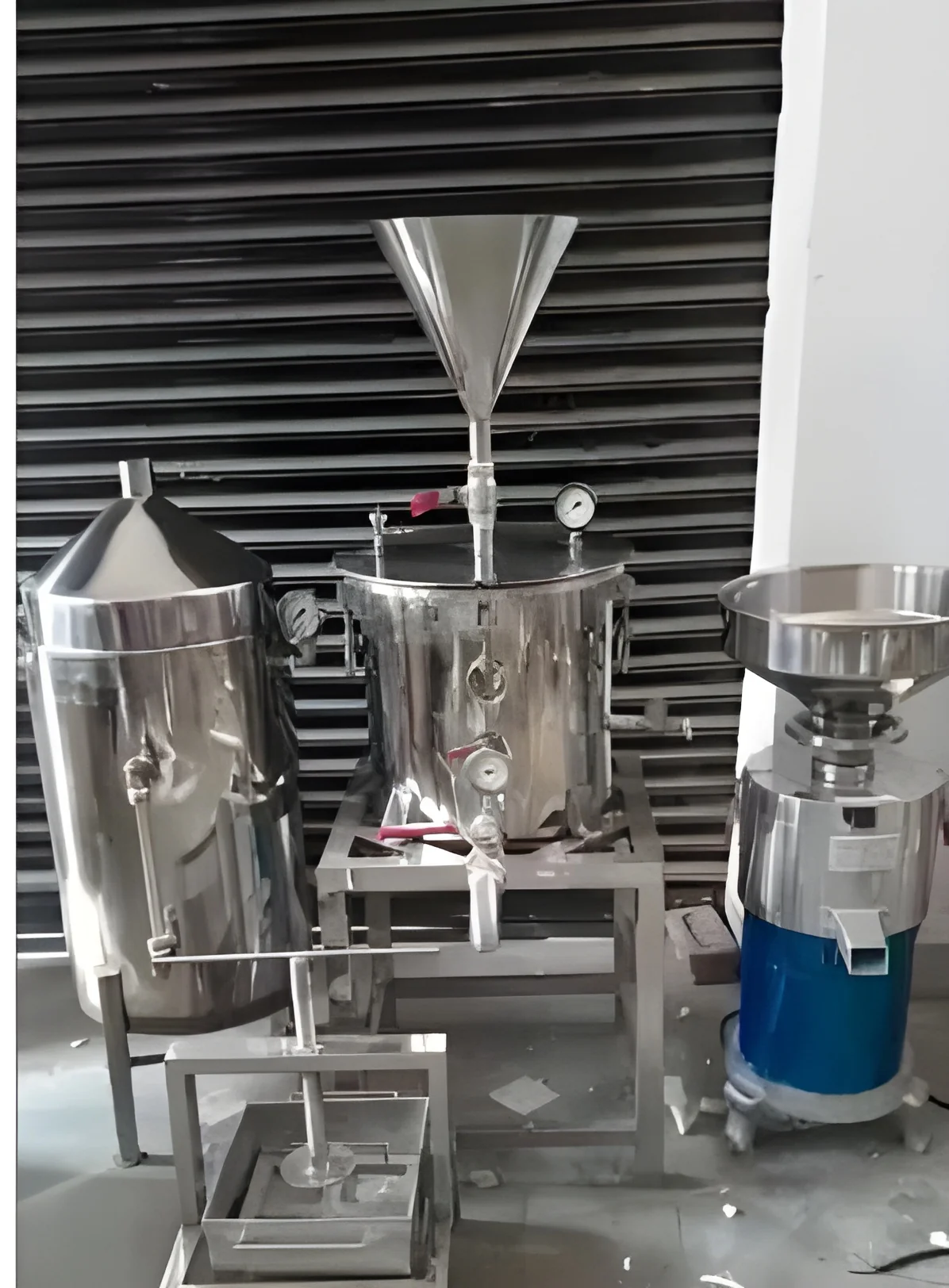
What are Soy Milk?
Soy milk is a plant-based beverage made from whole soybeans or soy protein isolate. It serves as a popular alternative to dairy milk, providing a similar texture and taste while being cholesterol-free. The process of making soy milk typically involves soaking soybeans, grinding them with water, and then filtering the mixture to remove solids. The resulting liquid is creamy and can be consumed plain or flavored with sweeteners, vanilla, or other additives.
In the business context, soy milk is widely used in food service, retail, and manufacturing sectors. Its versatility allows it to be incorporated into various products, from coffee beverages to baked goods. Many businesses are increasingly focusing on plant-based options to cater to health-conscious consumers and those with dietary restrictions like lactose intolerance. The demand for soy milk has been growing in recent years, reflecting a broader shift towards sustainable and health-oriented food choices.
The soy milk market has gained traction due to rising awareness of the health benefits associated with plant-based diets. As consumers become more conscious of their food choices, industries are adapting to incorporate soy milk into their offerings. This trend is evident in the food and beverage sector, where soy milk is being used as a key ingredient in smoothies, sauces, and even dairy-free ice creams.
Key Features and Specifications
Soy milk is characterized by several key features that make it appealing for both consumers and businesses. These features include nutritional content, flavor profile, and shelf stability. Understanding these specifications ensures that businesses can select the right product for their applications.
Key specifications include:
1. Nutritional Content
- Soy milk is rich in protein, typically containing about 6-8 grams per cup.
- It is also a good source of vitamins and minerals, including calcium and vitamin D, especially when fortified.
2. Flavor Profile
- The taste can be described as nutty and slightly sweet, making it a versatile ingredient.
- It is available in various flavors, such as vanilla and chocolate, to cater to different consumer preferences.
3. Shelf Stability
- Soy milk can be found in both refrigerated and shelf-stable varieties.
- Shelf-stable soy milk typically has a longer shelf life, making it convenient for storage and distribution.
4. Allergen Information
- Soy milk is suitable for individuals with lactose intolerance but may not be suitable for those with soy allergies.
- Clear labeling is essential for consumer safety and compliance.
5. Packaging Options
- Available in various packaging formats, including cartons and bottles.
- Packaging design can influence consumer appeal and brand recognition.
6. Production Methods
- Can be produced through traditional methods or using advanced technology for enhanced flavor and texture.
- Some brands focus on organic production methods to attract health-conscious consumers.
7. Fortification Options
- Many soy milk products are fortified with additional nutrients, such as omega-3 fatty acids.
- Fortification can enhance the overall health benefits of the product.
8. Customization
- Soy milk can be customized in terms of flavor, sweetness, and added nutrients to meet specific market demands.
- This allows businesses to differentiate their products in a competitive market.
In summary, the specifications of soy milk emphasize its nutritional value, versatility, and the importance of quality in production and packaging. These factors contribute to its growing popularity in various markets.
Common Applications and Use Cases
Soy milk serves various industries, providing a versatile ingredient for numerous applications.
1. Food Service: In cafes and restaurants, soy milk is often used as a dairy alternative in coffee drinks, smoothies, and desserts. Its creamy texture works well in lattes, providing a satisfying experience for customers seeking plant-based options.
2. Retail: Grocery stores stock various brands of soy milk, catering to the demand for dairy alternatives. This includes flavored options and fortified varieties appealing to health-conscious shoppers.
3. Food Manufacturing: Soy milk is used as an ingredient in products like dairy-free ice cream, yogurt, and sauces. Its emulsifying properties help achieve desired textures and flavors in processed foods.
4. Health and Wellness: Soy milk is popular among consumers looking for protein-rich beverages. It is often marketed as a health-conscious alternative to dairy, appealing to those with dietary restrictions.
5. Vegan and Vegetarian Products: As a staple in vegan diets, soy milk is frequently used in products designed for individuals seeking plant-based nutrition. Its versatility allows manufacturers to create a range of options that align with lifestyle choices.
6. Bakery Products: Soy milk is used in vegan baking recipes, providing moisture and flavor to cakes, muffins, and breads. It can replace eggs and dairy, making baked goods accessible to a wider audience.
7. Nutritional Supplements: Some nutritional drinks and meal replacements incorporate soy milk for its protein content and health benefits. This enhances the nutritional profile of fortified beverages.
Product Variants and Subcategories
Soy milk comes in various forms, allowing businesses to choose options that best suit their needs.
Plain Soy Milk
This is the most common variant, providing a neutral flavor that can be used in a wide range of applications. It is perfect for consumers who prefer a traditional taste without added sugars or flavors.
Flavored Soy Milk
Available in varieties such as vanilla, chocolate, and almond, flavored soy milk caters to diverse consumer preferences. These options can enhance the appeal of beverages and desserts, making them more enjoyable.
Organic Soy Milk
Produced from organic soybeans, this variant appeals to health-conscious consumers. It is free from synthetic pesticides and fertilizers, making it a popular choice in the natural food market.
Fortified Soy Milk
This type of soy milk is enhanced with additional vitamins and minerals, such as calcium and vitamin D. It addresses nutritional gaps and provides added health benefits for consumers.
Reduced-Sugar Soy Milk
For those monitoring sugar intake, reduced-sugar options are available. These variants provide the same creamy texture with less sweetness, appealing to health-conscious consumers.
Benefits and Advantages
Soy milk offers numerous benefits to both consumers and businesses in the food industry.
Key benefits include:
1. Nutritional Value: Soy milk is a rich source of protein, vitamins, and minerals, making it a nutritious alternative to dairy milk.
2. Lactose-Free: As a plant-based product, soy milk is suitable for individuals with lactose intolerance, expanding market reach.
3. Versatility: Its neutral flavor and creamy texture allow soy milk to be used in a wide range of culinary applications, from beverages to baked goods.
4. Sustainability: Soy milk production has a lower environmental impact compared to dairy farming, appealing to environmentally conscious consumers.
5. Customization: Businesses can create various flavors and formulations, allowing them to cater to specific consumer needs and preferences.
6. Cost-Effectiveness: In many regions, soy milk can be a more affordable option compared to dairy milk, making it appealing to budget-conscious consumers.
Buying Guide for B2B Buyers
When sourcing soy milk, it is essential for B2B buyers to consider several key factors to ensure quality and suitability for their needs.
1. Quality Assessment: Buyers should evaluate the nutritional content, flavor, and overall quality of soy milk. This includes checking for certifications and compliance with food safety standards.
2. Supplier Verification: It is important to vet suppliers to ensure they have a reliable track record and adhere to quality control measures. Establishing relationships with trusted suppliers can mitigate risks.
3. Pricing and MOQ: Buyers should compare prices among different suppliers and consider minimum order quantities to determine the best value for their budget and inventory needs.
4. Delivery and Lead Times: Understanding the logistics involved in sourcing soy milk is crucial. Buyers should inquire about lead times and shipping options to ensure timely delivery.
5. Compliance Requirements: Buyers need to be aware of regional regulations regarding food products. Compliance with safety standards and labeling regulations is essential for market acceptance.
Compliance and Certifications
Soy milk must comply with various quality standards and certifications to ensure safety and marketability.
Relevant quality standards include ISO 9001, which emphasizes quality management systems. Adhering to these standards helps ensure consistent product quality and safety.
HACCP (Hazard Analysis and Critical Control Points) is also vital for food safety management. This approach helps identify and mitigate potential hazards during production, ensuring the final product is safe for consumption.
In some regions, CE certification may apply, indicating compliance with European health, safety, and environmental protection standards.
Depending on the market, safety and testing requirements may vary. Buyers should verify that suppliers conduct appropriate testing to meet regulatory standards.
Regional compliance considerations are important as well. Different countries may have distinct regulations governing food products, and understanding these is critical for successful market entry.
Why Source Soy Milk from Pepagora?
Pepagora provides a trusted platform for sourcing soy milk, offering several key advantages to B2B buyers.
Verified Supplier Network: Pepagora has established a network of verified suppliers, ensuring quality and reliability. This reduces the risk associated with sourcing from unknown vendors.
Streamlined RFQ Process: The request for quotation (RFQ) process on Pepagora is designed to be efficient and user-friendly. Buyers can easily compare offers and make informed purchasing decisions.
Trade Assurance and Support: Pepagora offers trade assurance to protect buyers from potential risks. This includes support services that help buyers navigate the sourcing process smoothly.
Regional Coverage: With a focus on markets such as India, the GCC, and Southeast Asia, Pepagora ensures that buyers have access to quality soy milk products across a broad geographic area, facilitating easier procurement.

 IN
IN